ICT Security-Sécurité PC et Internet
114.2K views | +3 today
ICT Security-Sécurité PC et Internet
ICT Security + Privacy + Piracy + Data Protection - Censorship - Des cours et infos gratuites sur la"Sécurité PC et Internet" pour usage non-commercial... (FR, EN+DE)...
Curated by Gust MEES
Your new post is loading...
Scooped by Gust MEES
January 31, 2018 11:03 AM
Scoop.it!

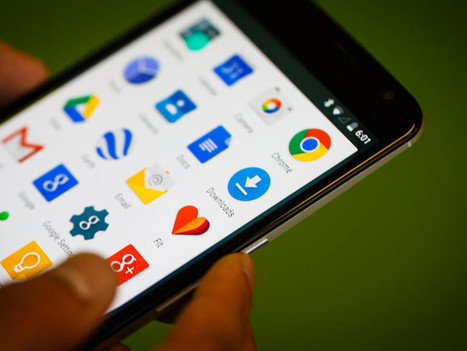
Google smashed over 700,000 bad Android apps last year | #CyberSecurity #MobileSecurity #Awareness

Google smashed over 700,000 bad Android apps last year | #CyberSecurity #MobileSecurity #Awareness | ICT Security-Sécurité PC et Internet | Scoop.it
Google says that it is getting better than ever at protecting Android users against bad apps and malicious developers.

In fact, in a recent post on the Android Developers blog, the company boasts that it removed a record number of malicious apps from the official Google Play store during 2017.

How many apps did Google remove from its app marketplace after finding they violated Google Play store policies? More than 700,000. That’s an impressive 2000 or so every day, and 70% more than the number of apps removed in 2016.

Furthermore, Google says it is getting better at proactively protecting Android users from the growing menace of mobile malware:

“Not only did we remove more bad apps, we were able to identify and action against them earlier. In fact, 99% of apps with abusive contents were identified and rejected before anyone could install them. This was possible through significant improvements in our ability to detect abuse – such as impersonation, inappropriate content, or malware – through new machine learning models and techniques.”

Furthermore, Google claims it banned more than 100,000 developer accounts controlled by “bad actors” who had attempted to create new accounts and publish yet more malicious apps.


Learn more / En savoir plus / Mehr erfahren:


https://gustmees.wordpress.com/2014/03/05/often-asked-questions-are-there-cyber-security-dangers-with-apps-and-whats-about-privacy/


https://www.scoop.it/t/securite-pc-et-internet/?&tag=Android


Gust MEES's insight:
Google says that it is getting better than ever at protecting Android users against bad apps and malicious developers.

In fact, in a recent post on the Android Developers blog, the company boasts that it removed a record number of malicious apps from the official Google Play store during 2017.

How many apps did Google remove from its app marketplace after finding they violated Google Play store policies? More than 700,000. That’s an impressive 2000 or so every day, and 70% more than the number of apps removed in 2016.

Furthermore, Google says it is getting better at proactively protecting Android users from the growing menace of mobile malware:

“Not only did we remove more bad apps, we were able to identify and action against them earlier. In fact, 99% of apps with abusive contents were identified and rejected before anyone could install them. This was possible through significant improvements in our ability to detect abuse – such as impersonation, inappropriate content, or malware – through new machine learning models and techniques.”

Furthermore, Google claims it banned more than 100,000 developer accounts controlled by “bad actors” who had attempted to create new accounts and publish yet more malicious apps.


Learn more / En savoir plus / Mehr erfahren:


https://gustmees.wordpress.com/2014/03/05/often-asked-questions-are-there-cyber-security-dangers-with-apps-and-whats-about-privacy/


https://www.scoop.it/t/securite-pc-et-internet/?&tag=Android


No comment yet.
Scooped by Gust MEES
December 1, 2017 6:57 PM
Scoop.it!

Study: 90 percent of top cryptocurrency apps carry security and privacy risks | #CyberSecurity

Study: 90 percent of top cryptocurrency apps carry security and privacy risks | #CyberSecurity | ICT Security-Sécurité PC et Internet | Scoop.it
A study of 90 cryptocurrency mobile applications available on Google Play found that 90 percent of them contain security vulnerabilities or privacy risks.


Web security company High-Tech Bridge conducted the research, using dynamic, static, and interactive testing to search mobile apps for weaknesses, including the top ten mobile flaws listed by the Open Web Application Security Project (OWASP).


“We took the most popular cryptocurrency mobile applications from Google Play from the ‘Finance' category and tested them for security flaws and design weaknesses that can endanger the user, his or her data stored on the device or send/received via the network, or the mobile device itself,” High-Tech Bridge reported in a Nov. 29 blog post.


Learn more / En savoir plus / Mehr erfahren:


https://www.scoop.it/t/securite-pc-et-internet/?&tag=crypto-currency


Gust MEES's insight:
A study of 90 cryptocurrency mobile applications available on Google Play found that 90 percent of them contain security vulnerabilities or privacy risks.


Web security company High-Tech Bridge conducted the research, using dynamic, static, and interactive testing to search mobile apps for weaknesses, including the top ten mobile flaws listed by the Open Web Application Security Project (OWASP).


“We took the most popular cryptocurrency mobile applications from Google Play from the ‘Finance' category and tested them for security flaws and design weaknesses that can endanger the user, his or her data stored on the device or send/received via the network, or the mobile device itself,” High-Tech Bridge reported in a Nov. 29 blog post.


Learn more / En savoir plus / Mehr erfahren:


https://www.scoop.it/t/securite-pc-et-internet/?&tag=crypto-currency


No comment yet.
Scooped by Gust MEES
November 23, 2017 1:00 PM
Scoop.it!

Android überträgt Standortdaten an Google | #Privacy #Tracking 

Android überträgt Standortdaten an Google | #Privacy #Tracking  | ICT Security-Sécurité PC et Internet | Scoop.it
Seit Anfang 2017 sammeln Android-Smartphones im Hintergrund die Standortdaten der Anwender. Dies ist selbst der Fall, wenn die Nutzung von Ortungsdiensten deaktiviert ist.


Learn more / En savoir plus / Mehr erfahren:


https://www.scoop.it/t/securite-pc-et-internet/?&tag=Cyberespionage


https://www.scoop.it/t/securite-pc-et-internet/?&tag=Privacy


https://gustmees.wordpress.com/2013/12/21/privacy-in-the-digital-world-shouldnt-we-talk-about-it/


https://www.scoop.it/t/securite-pc-et-internet/?&tag=tracking


Gust MEES's insight:
Seit Anfang 2017 sammeln Android-Smartphones im Hintergrund die Standortdaten der Anwender. Dies ist selbst der Fall, wenn die Nutzung von Ortungsdiensten deaktiviert ist.


Learn more / En savoir plus / Mehr erfahren:


https://www.scoop.it/t/securite-pc-et-internet/?&tag=Cyberespionage


https://www.scoop.it/t/securite-pc-et-internet/?&tag=Privacy


https://gustmees.wordpress.com/2013/12/21/privacy-in-the-digital-world-shouldnt-we-talk-about-it/


https://www.scoop.it/t/securite-pc-et-internet/?&tag=tracking


No comment yet.
Scooped by Gust MEES
November 22, 2017 2:35 PM
Scoop.it!

Android sait en permanence où vous êtes, même si vous coupez la géolocalisation | #Privacy #Tracking 

Android sait en permanence où vous êtes, même si vous coupez la géolocalisation | #Privacy #Tracking  | ICT Security-Sécurité PC et Internet | Scoop.it

Android sait en permanence où vous êtes, même si vous coupez la géolocalisation


Une enquête du site Quartz révèle que les smartphones sous Android collectent les adresses des antennes-relais environnantes pour les envoyer à Google. Des informations qui permettent de localiser les utilisateurs même si les services de localisation sont désactivés.

Ce n’est pas un secret en 2017, nos smartphones sont de vraies passoires d’où s’échappent de nombreuses données personnelles. Après Wiko et OnePlus il y a peu, c’est au tour de Google de se faire épingler pour s’être montré (à nouveau) un peu trop curieux.

En effet, nos confrères américains de Quartz ont découvert que depuis 11 mois, les smartphones sous Android collectent en permanence les adresses des antennes-relais environnantes et les envoient à Google. Ces données sont sensibles car elles donnent la localisation de l’utilisateur du smartphone de manière approximative ou précisément par triangulation, et ce même si les services de localisation sont désactivés ou que l’appareil n’embarque pas de carte SIM (le Wi-Fi suffit).


Learn more / En savoir plus / Mehr erfahren:


https://www.scoop.it/t/securite-pc-et-internet/?&tag=Cyberespionage


https://www.scoop.it/t/securite-pc-et-internet/?&tag=Privacy


https://gustmees.wordpress.com/2013/12/21/privacy-in-the-digital-world-shouldnt-we-talk-about-it/


https://www.scoop.it/t/securite-pc-et-internet/?&tag=tracking


Gust MEES's insight:

Android sait en permanence où vous êtes, même si vous coupez la géolocalisation


Une enquête du site Quartz révèle que les smartphones sous Android collectent les adresses des antennes-relais environnantes pour les envoyer à Google. Des informations qui permettent de localiser les utilisateurs même si les services de localisation sont désactivés.

Ce n’est pas un secret en 2017, nos smartphones sont de vraies passoires d’où s’échappent de nombreuses données personnelles. Après Wiko et OnePlus il y a peu, c’est au tour de Google de se faire épingler pour s’être montré (à nouveau) un peu trop curieux.

En effet, nos confrères américains de Quartz ont découvert que depuis 11 mois, les smartphones sous Android collectent en permanence les adresses des antennes-relais environnantes et les envoient à Google. Ces données sont sensibles car elles donnent la localisation de l’utilisateur du smartphone de manière approximative ou précisément par triangulation, et ce même si les services de localisation sont désactivés ou que l’appareil n’embarque pas de carte SIM (le Wi-Fi suffit).


Learn more / En savoir plus / Mehr erfahren:


https://www.scoop.it/t/securite-pc-et-internet/?&tag=Cyberespionage


https://www.scoop.it/t/securite-pc-et-internet/?&tag=Privacy


https://gustmees.wordpress.com/2013/12/21/privacy-in-the-digital-world-shouldnt-we-talk-about-it/


https://www.scoop.it/t/securite-pc-et-internet/?&tag=tracking


No comment yet.
Scooped by Gust MEES
October 11, 2017 1:30 PM
Scoop.it!

WhatsApp-Falle entdeckt: Ihre Freunde können Sie spielend leicht überwachen | #Privacy #CyberSecurity #Apps

WhatsApp-Falle entdeckt: Ihre Freunde können Sie spielend leicht überwachen | #Privacy #CyberSecurity #Apps | ICT Security-Sécurité PC et Internet | Scoop.it
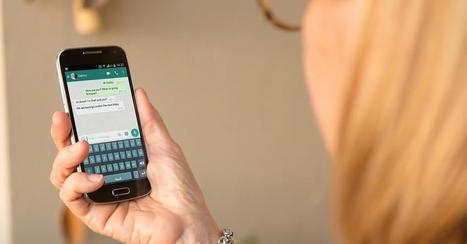
WhatsApp-Nutzer können mithilfe eines simplen Tricks überwacht werden. Das hat nun der Software-Entwickler Rob Heaton herausgefunden. Die Sicherheitslücke versteckt sich hinter dem Online-Status.


Mithilfe einer Chrome-Erweiterung und der Telefonnummer des Opfers können Hacker so gezielt User-Informationen sammeln. So lässt sich genau nachverfolgen, wann der User online ist. Egal ob dieser den Online-Status verborgen hat oder nicht.
Ein solches Aktivitätsprotokoll wäre insbesondere für Werbezwecke interessant, könnte aber auch für kriminelle Zwecke missbraucht werden.


Hat ein Hacker sogar zwei Telefonnummern, kann er herausfinden, ob und wann zwei Personen miteinander kommunizieren.


Learn more / En savoir plus / Mehr erfahren:


https://gustmees.wordpress.com/2014/03/05/often-asked-questions-are-there-cyber-security-dangers-with-apps-and-whats-about-privacy/


http://www.scoop.it/t/securite-pc-et-internet/?&tag=WhatsApp...


Gust MEES's insight:
WhatsApp-Nutzer können mithilfe eines simplen Tricks überwacht werden. Das hat nun der Software-Entwickler Rob Heaton herausgefunden. Die Sicherheitslücke versteckt sich hinter dem Online-Status.


Mithilfe einer Chrome-Erweiterung und der Telefonnummer des Opfers können Hacker so gezielt User-Informationen sammeln. So lässt sich genau nachverfolgen, wann der User online ist. Egal ob dieser den Online-Status verborgen hat oder nicht.
Ein solches Aktivitätsprotokoll wäre insbesondere für Werbezwecke interessant, könnte aber auch für kriminelle Zwecke missbraucht werden.


Hat ein Hacker sogar zwei Telefonnummern, kann er herausfinden, ob und wann zwei Personen miteinander kommunizieren.


Learn more / En savoir plus / Mehr erfahren:


https://gustmees.wordpress.com/2014/03/05/often-asked-questions-are-there-cyber-security-dangers-with-apps-and-whats-about-privacy/


http://www.scoop.it/t/securite-pc-et-internet/?&tag=WhatsApp...


No comment yet.
Scooped by Gust MEES
July 8, 2017 7:56 AM
Scoop.it!

This Android malware steals data from 40 apps, spies on messages and location | 

This Android malware steals data from 40 apps, spies on messages and location |  | ICT Security-Sécurité PC et Internet | Scoop.it

A newly uncovered form of Android malware aims to steal data from over 40 popular apps including Facebook, WhatsApp, Skype and Firefox - and the trojan has been actively engaging in in this illicit activity for almost two years.

Dubbed SpyDealer by the Palo Alto Networks researchers who discovered it, the malware harvests vast accounts of personal information about compromised users, including phone numbers, messages, contacts, call history, connected wi-fi information and even the location of the device.

The espionage capabilities of the trojan also enable it to record phone calls and videos, along with surrounding audio and video, take photos with both front and rear cameras, take screenshots of sensitive information and monitor the devices location at all times.

Described as an advanced form of Android malware, SpyDealer is able to open a backdoor onto compromised devices by abusing a commercially available Android accessibility service feature in order to root phones into providing superuser privileges.

Samples of the malware analysed by researchers suggests that the malware reuses root exploits used by commercial rooting app "Baidu Easy Root" in order to maintain itself on the compromised device while it harvests personal information and spies on communications from the apps with root privilege.


According to the researchers, SpyDealer attempts to steal data from apps including WeChat, Facebook, WhatsApp, Skype, Line, Viber, QQ, Tango, Telegram, Sina Weibo, Tencent Weibo, Android Native Browser, Firefox Browser, Oupeng Brower, QQ Mail, NetEase Mail, Taobao, and Baidu Net Disk.


Learn more / En savoir plus / Mehr erfahren:


http://www.scoop.it/t/securite-pc-et-internet/?&tag=Android


Gust MEES's insight:
A newly uncovered form of Android malware aims to steal data from over 40 popular apps including Facebook, WhatsApp, Skype and Firefox - and the trojan has been actively engaging in in this illicit activity for almost two years.

Dubbed SpyDealer by the Palo Alto Networks researchers who discovered it, the malware harvests vast accounts of personal information about compromised users, including phone numbers, messages, contacts, call history, connected wi-fi information and even the location of the device.

The espionage capabilities of the trojan also enable it to record phone calls and videos, along with surrounding audio and video, take photos with both front and rear cameras, take screenshots of sensitive information and monitor the devices location at all times.

Described as an advanced form of Android malware, SpyDealer is able to open a backdoor onto compromised devices by abusing a commercially available Android accessibility service feature in order to root phones into providing superuser privileges.

Samples of the malware analysed by researchers suggests that the malware reuses root exploits used by commercial rooting app "Baidu Easy Root" in order to maintain itself on the compromised device while it harvests personal information and spies on communications from the apps with root privilege.


According to the researchers, SpyDealer attempts to steal data from apps including WeChat, Facebook, WhatsApp, Skype, Line, Viber, QQ, Tango, Telegram, Sina Weibo, Tencent Weibo, Android Native Browser, Firefox Browser, Oupeng Brower, QQ Mail, NetEase Mail, Taobao, and Baidu Net Disk.


Learn more / En savoir plus / Mehr erfahren:


http://www.scoop.it/t/securite-pc-et-internet/?&tag=Android


No comment yet.
Scooped by Gust MEES
May 8, 2017 5:18 AM
Scoop.it!

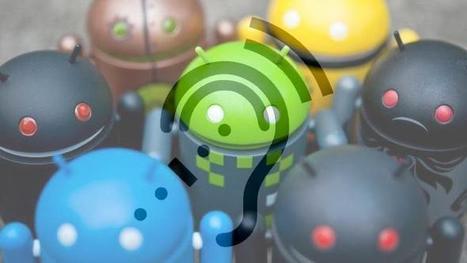
Tracking: Forscher finden Ultraschall-Spyware in 234 Android-Apps | #CyberSecurity #Silverpush

Tracking: Forscher finden Ultraschall-Spyware in 234 Android-Apps | #CyberSecurity #Silverpush | ICT Security-Sécurité PC et Internet | Scoop.it
Malware


Bürgerrechtler haben bereits vor der Silverpush-Software gewarnt, Anti-Viren-Dienstleister sie als Malware eingestuft. Das Entwickler-Kit wird inzwischen von San Francisco aus weiter verbreitet.


Die Forscher haben zudem vergleichbar funktionierende, auf den Handelsbereich ausgerichtete uBeacons von Anbietern wie Lisnr oder Shopkick ausfindig gemacht, aber in deutlich geringerer Anzahl. Ultraschall-Signale von Shopkick konnten sie etwa in vier von 35 untersuchten Läden in zwei europäischen Städten aufzeichnen.


Der Unterschied zu Silverpush sei, dass der Nutzer die einschlägige Anwendung absichtlich starte, um sich etwa Einkaufsvorteile vor Ort zu verschaffen.


Learn more / En savoir plus / Mehr erfahren:


http://www.scoop.it/t/securite-pc-et-internet/?&tag=Android


http://www.scoop.it/t/securite-pc-et-internet/?&tag=Apps


http://www.scoop.it/t/securite-pc-et-internet/?&tag=tracking


Gust MEES's insight:
Malware


Bürgerrechtler haben bereits vor der Silverpush-Software gewarnt, Anti-Viren-Dienstleister sie als Malware eingestuft. Das Entwickler-Kit wird inzwischen von San Francisco aus weiter verbreitet.


Die Forscher haben zudem vergleichbar funktionierende, auf den Handelsbereich ausgerichtete uBeacons von Anbietern wie Lisnr oder Shopkick ausfindig gemacht, aber in deutlich geringerer Anzahl. Ultraschall-Signale von Shopkick konnten sie etwa in vier von 35 untersuchten Läden in zwei europäischen Städten aufzeichnen.


Der Unterschied zu Silverpush sei, dass der Nutzer die einschlägige Anwendung absichtlich starte, um sich etwa Einkaufsvorteile vor Ort zu verschaffen.


Learn more / En savoir plus / Mehr erfahren:


http://www.scoop.it/t/securite-pc-et-internet/?&tag=Android


http://www.scoop.it/t/securite-pc-et-internet/?&tag=Apps


http://www.scoop.it/t/securite-pc-et-internet/?&tag=tracking


No comment yet.
Scooped by Gust MEES
March 2, 2017 6:45 AM
Scoop.it!

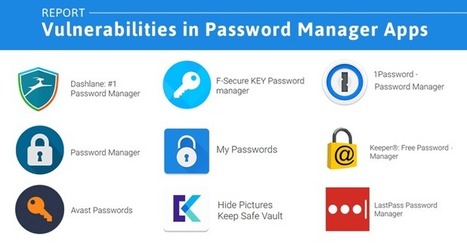
9 Popular Password Manager Apps Found Leaking Your Secrets | #CyberSecurity #Passwords #Awareness #Android

9 Popular Password Manager Apps Found Leaking Your Secrets | #CyberSecurity #Passwords #Awareness #Android | ICT Security-Sécurité PC et Internet | Scoop.it

Top 9 Password Manager Apps for Android Found Leaking Your Secrets.


Learn more / En savoir plus / Mehr erfahren:


http://www.scoop.it/t/ict-security-tools/?&tag=Password-Tools


http://www.scoop.it/t/securite-pc-et-internet/?&tag=Password+Managers


http://www.scoop.it/t/securite-pc-et-internet/?&tag=Android


Gust MEES's insight:

Top 9 Password Manager Apps for Android Found Leaking Your Secrets.


Learn more / En savoir plus / Mehr erfahren:


http://www.scoop.it/t/ict-security-tools/?&tag=Password-Tools


http://www.scoop.it/t/securite-pc-et-internet/?&tag=Password+Managers


http://www.scoop.it/t/securite-pc-et-internet/?&tag=Android


Oskar Almazan's curator insight, March 2, 2017 9:12 AM
Making sure your passwords are secure is one of the first line of defense – for your computer, email, and information – against hacking attempts, and Password Managers are the one recommended by many security experts to keep all your passwords secure in one place. Password Managers are software that creates complex passwords, stores them and organizes all your passwords for your computers, websites, applications and networks, as well as remember them on your behalf. But what if your Password Managers itself are vulnerable?
Scooped by Gust MEES
November 25, 2016 9:08 AM
Scoop.it!

Lock down your Twitter: take care that rogue third-party apps don't hijack your account | #CyberSecurity

Lock down your Twitter: take care that rogue third-party apps don't hijack your account | #CyberSecurity | ICT Security-Sécurité PC et Internet | Scoop.it
Have you linked third-party apps to your Twitter account? Maybe it's time you did an audit of whether you still want them to have access to your Twitter followers and messages. The recent Twitter Counter hack proves that even legitimate third-party services can run rogue, causing Twitter accounts to start sending spam.


Learn more / En savoir plus / Mehr erfahren:


http://www.scoop.it/t/social-media-and-its-influence/?tag=Cybersecurity


http://www.scoop.it/t/securite-pc-et-internet/?tag=Social+Media


Gust MEES's insight:
Have you linked third-party apps to your Twitter account? Maybe it's time you did an audit of whether you still want them to have access to your Twitter followers and messages. The recent Twitter Counter hack proves that even legitimate third-party services can run rogue, causing Twitter accounts to start sending spam.


Learn more / En savoir plus / Mehr erfahren:


http://www.scoop.it/t/social-media-and-its-influence/?tag=Cybersecurity


http://www.scoop.it/t/securite-pc-et-internet/?tag=Social+Media


No comment yet.
Scooped by Gust MEES
October 6, 2016 11:51 AM
Scoop.it!

Vorsicht! Auf diese Links sollten Sie nie klicken | #CyberSecurity #CyberCrime #Apps #Facebook 

Vorsicht! Auf diese Links sollten Sie nie klicken | #CyberSecurity #CyberCrime #Apps #Facebook  | ICT Security-Sécurité PC et Internet | Scoop.it
Vorsicht! Auf diese Links sollten Sie nie klicken
Cyberkriminelle versuchen es leider immer wieder, Schadsoftware zu verbreiten. Dieses Mal haben sie es auf die User der Facebook-Messenger-App abgesehen. Deswegen: Klicken Sie nie auf Links denen Sie nicht hundertprozentig vertrauen können. Weitere Infos und Tipps zu der Masche bekommen Sie im Video.


Sie haben sich bereits einen Virus eingefangen? Wir zeigen Ihnen hier was Sie tun können, wenn Sie einen Virus auf Ihrem Android-Gerät haben. 


Gust MEES's insight:
Vorsicht! Auf diese Links sollten Sie nie klicken
Cyberkriminelle versuchen es leider immer wieder, Schadsoftware zu verbreiten. Dieses Mal haben sie es auf die User der Facebook-Messenger-App abgesehen. Deswegen: Klicken Sie nie auf Links denen Sie nicht hundertprozentig vertrauen können. Weitere Infos und Tipps zu der Masche bekommen Sie im Video.


Sie haben sich bereits einen Virus eingefangen? Wir zeigen Ihnen hier was Sie tun können, wenn Sie einen Virus auf Ihrem Android-Gerät haben. 


No comment yet.
Scooped by Gust MEES
July 16, 2016 5:37 AM
Scoop.it!

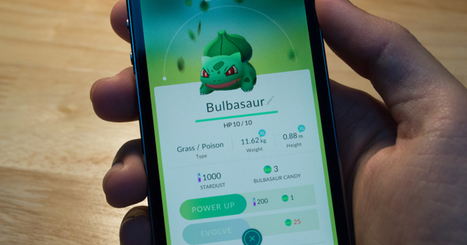
Pokémon Go: virtuelle Monster bringen reelle Datenschutz-Probleme | #Privacy #DigitalCitiZENship

Pokémon Go: virtuelle Monster bringen reelle Datenschutz-Probleme | #Privacy #DigitalCitiZENship | ICT Security-Sécurité PC et Internet | Scoop.it
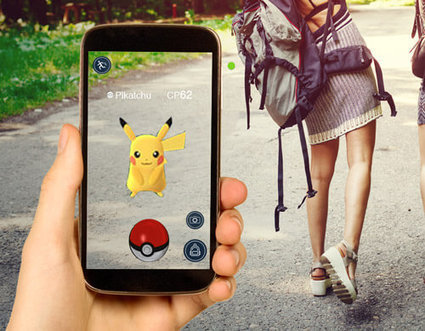
„Friss, oder stirb“ – nach diesem Motto ist die Datenschutzrichtlinie gestaltet. Entweder Sie lassen es sich gefallen, dass Ihre Daten wichtiger als deren Schutz sind, oder Sie spielen das Spiel nicht. Haben Sie sich bereits angemeldet, haben Sie Pech, denn Ihre Daten werden munter weiterverwendet – irgendwo auf diesem Planeten.

Folgen der Kritiken zum Datenschutz

Während viele mit dem Smartphone vor Augen vor lauter Pokémon den Datenschutz nicht mehr zu sehen scheinen, haben andere bereits aufgeschrien. Der von Niantic als „Versehen“ bezeichnete Rundum-Zugriff aufs Google-Account soll mit der Version 1.02 der Vergangenheit angehören. Nun könnte man womöglich neue Datenschutzstandards erwarten, die Daten auch wirklich schützen. Stattdessen setzt Niantic lieber auf Safe Harbor. Dass der Europäische Gerichtshof eben dieses Programm aufgrund mangelndem Schutz für private Daten voriges Jahr kippte, scheint unwesentlich zu sein.


Learn more / En savoir plus / Mehr erfahren:


https://gustmees.wordpress.com/2014/11/25/digital-citizenship-social-media-and-privacy/


https://gustmees.wordpress.com/2014/03/05/often-asked-questions-are-there-cyber-security-dangers-with-apps-and-whats-about-privacy/


http://www.scoop.it/t/la-realite-augmentee-augmented-reality-ar


http://www.scoop.it/t/21st-century-learning-and-teaching/?tag=Pok%C3%A9mon+Go


http://www.scoop.it/t/securite-pc-et-internet/?tag=Pok%C3%A9mon+Go


Gust MEES's insight:
„Friss, oder stirb“ – nach diesem Motto ist die Datenschutzrichtlinie gestaltet. Entweder Sie lassen es sich gefallen, dass Ihre Daten wichtiger als deren Schutz sind, oder Sie spielen das Spiel nicht. Haben Sie sich bereits angemeldet, haben Sie Pech, denn Ihre Daten werden munter weiterverwendet – irgendwo auf diesem Planeten.

Folgen der Kritiken zum Datenschutz

Während viele mit dem Smartphone vor Augen vor lauter Pokémon den Datenschutz nicht mehr zu sehen scheinen, haben andere bereits aufgeschrien. Der von Niantic als „Versehen“ bezeichnete Rundum-Zugriff aufs Google-Account soll mit der Version 1.02 der Vergangenheit angehören. Nun könnte man womöglich neue Datenschutzstandards erwarten, die Daten auch wirklich schützen. Stattdessen setzt Niantic lieber auf Safe Harbor. Dass der Europäische Gerichtshof eben dieses Programm aufgrund mangelndem Schutz für private Daten voriges Jahr kippte, scheint unwesentlich zu sein.


Learn more / En savoir plus / Mehr erfahren:


https://gustmees.wordpress.com/2014/11/25/digital-citizenship-social-media-and-privacy/


https://gustmees.wordpress.com/2014/03/05/often-asked-questions-are-there-cyber-security-dangers-with-apps-and-whats-about-privacy/


http://www.scoop.it/t/la-realite-augmentee-augmented-reality-ar


http://www.scoop.it/t/21st-century-learning-and-teaching/?tag=Pok%C3%A9mon+Go


http://www.scoop.it/t/securite-pc-et-internet/?tag=Pok%C3%A9mon+Go


No comment yet.
Scooped by Gust MEES
July 15, 2016 8:06 AM
Scoop.it!

Pokémon Go, « un énorme risque pour la sécurité » | #Privacy #digcit 

Pokémon Go, « un énorme risque pour la sécurité » | #Privacy #digcit  | ICT Security-Sécurité PC et Internet | Scoop.it
Or, relève Adam Reeve, dans le second cas « Pokémon Go » peut quasiment tout faire  :

Lire vos e-mails.
Vous en envoyer.
Accéder à votre Google Drive (qui permet de stocker des fichiers – que « Pokémon Go » peut supprimer  !).
Lire vos historiques de recherche sur Google et Google Maps.
Et regarder vos photos.


Gust MEES's insight:
Or, relève Adam Reeve, dans le second cas « Pokémon Go » peut quasiment tout faire  :

Lire vos e-mails.
Vous en envoyer.
Accéder à votre Google Drive (qui permet de stocker des fichiers – que « Pokémon Go » peut supprimer  !).
Lire vos historiques de recherche sur Google et Google Maps.
Et regarder vos photos.


No comment yet.
Scooped by Gust MEES
July 13, 2016 7:17 PM
Scoop.it!

Sen. Al Franken questions Niantic over #Poképrivacy policy | #PokémonGo #Privacy #digcit

Sen. Al Franken questions Niantic over #Poképrivacy policy | #PokémonGo #Privacy #digcit | ICT Security-Sécurité PC et Internet | Scoop.it

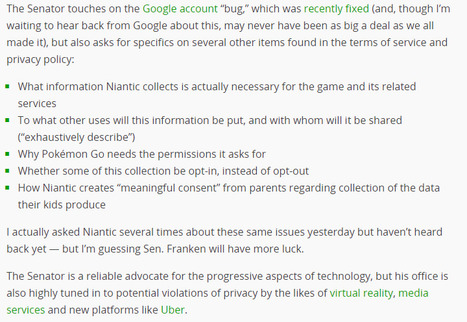
Always with his finger on the pulse, Senator Al Franken today sent an official request to Niantic asking about particulars of the Pokémon Go privacy...


Learn more / En savoir plus / Mehr erfahren:


http://www.scoop.it/t/21st-century-learning-and-teaching/?tag=Pok%C3%A9mon+Go


http://www.scoop.it/t/securite-pc-et-internet/?tag=Pok%C3%A9mon+Go


https://gustmees.wordpress.com/2013/12/21/privacy-in-the-digital-world-shouldnt-we-talk-about-it/


Gust MEES's insight:

Always with his finger on the pulse, Senator Al Franken today sent an official request to Niantic asking about particulars of the Pokémon Go privacy...


Learn more / En savoir plus / Mehr erfahren:


http://www.scoop.it/t/21st-century-learning-and-teaching/?tag=Pok%C3%A9mon+Go


http://www.scoop.it/t/securite-pc-et-internet/?tag=Pok%C3%A9mon+Go


https://gustmees.wordpress.com/2013/12/21/privacy-in-the-digital-world-shouldnt-we-talk-about-it/


No comment yet.
Scooped by Gust MEES
January 27, 2018 6:59 PM
Scoop.it!

Trojaner-Apps mit 4,5 Millionen Downloads in Google Play entdeckt | #CyberSecurity #MobileSecurity #Awareness 

Trojaner-Apps mit 4,5 Millionen Downloads in Google Play entdeckt | #CyberSecurity #MobileSecurity #Awareness  | ICT Security-Sécurité PC et Internet | Scoop.it

Sicherheitsforscher warnen vor mehreren mit Schadcode verseuchten Spiele-Apps im offiziellen App Store von Google.

Offensichtlich haben die Sicherheitsmechanismen von Google Play versagt und 27 mit Schadcode verseuchte Spiele-Apps durchgelassen. Sicherheitsforschern von Dr. Web zufolge weisen die Apps insgesamt 4,5 Millionen Downloads auf.

In ihrer Warnung listen sie die Namen der Apps auf. Stichproben zeigen, dass ein Großteil bereits nicht mehr verfügbar ist. Wer davon Apps installiert hat, sollte diese schleunigst löschen.

SDK Wurzel des Bösen
Alle Apps wurden mit dem Ya Ya Yun SDK erstellt, das neben legitimen Funktionen eben auch Trojaner-Module mitbringt. Diese sollen nach dem ersten Start einer App vom Opfer unbemerkt Code herunterladen, der im Hintergrund heimlich Webseiten öffnet und auf Werbebanner klickt. Neben dem Klickbetrug könnten die Entwickler des SDKs wahrscheinlich noch weitere Angriffsmodule bereitstellen, vermuten die Sicherheitsforscher.

Unklar ist derzeit, ob die App-Entwickler die Trojaner-Module bewusst eingebaut haben oder ob letztlich die Macher des Ya Ya Yun SDK abkassieren.


Learn more / En savoir plus / Mehr erfahren:


https://www.scoop.it/t/securite-pc-et-internet/?&tag=Google-Play


Gust MEES's insight:

Sicherheitsforscher warnen vor mehreren mit Schadcode verseuchten Spiele-Apps im offiziellen App Store von Google.

Offensichtlich haben die Sicherheitsmechanismen von Google Play versagt und 27 mit Schadcode verseuchte Spiele-Apps durchgelassen. Sicherheitsforschern von Dr. Web zufolge weisen die Apps insgesamt 4,5 Millionen Downloads auf.

In ihrer Warnung listen sie die Namen der Apps auf. Stichproben zeigen, dass ein Großteil bereits nicht mehr verfügbar ist. Wer davon Apps installiert hat, sollte diese schleunigst löschen.

SDK Wurzel des Bösen
Alle Apps wurden mit dem Ya Ya Yun SDK erstellt, das neben legitimen Funktionen eben auch Trojaner-Module mitbringt. Diese sollen nach dem ersten Start einer App vom Opfer unbemerkt Code herunterladen, der im Hintergrund heimlich Webseiten öffnet und auf Werbebanner klickt. Neben dem Klickbetrug könnten die Entwickler des SDKs wahrscheinlich noch weitere Angriffsmodule bereitstellen, vermuten die Sicherheitsforscher.

Unklar ist derzeit, ob die App-Entwickler die Trojaner-Module bewusst eingebaut haben oder ob letztlich die Macher des Ya Ya Yun SDK abkassieren.


Learn more / En savoir plus / Mehr erfahren:


https://www.scoop.it/t/securite-pc-et-internet/?&tag=Google-Play


No comment yet.
Scooped by Gust MEES
November 24, 2017 6:34 PM
Scoop.it!

Des mouchards cachés dans vos applications pour smartphones | #Privacy #Tracking #Apps

Des mouchards cachés dans vos applications pour smartphones | #Privacy #Tracking #Apps | ICT Security-Sécurité PC et Internet | Scoop.it

Des dizaines de sociétés s’insèrent dans des applications banales pour collecter des données, amassant des informations sur des millions de Français.

Par dizaines, ils se nichent dans des applications mobiles utilisées quotidiennement par des millions de Français. Ils capturent discrètement des données, souvent personnelles, sans que les utilisateurs n’en soient nécessairement conscients, alimentant au passage une industrie opaque et méconnue. Certains de ses acteurs disposent de données sur des millions de Français.

Il s’agit de trackers, de petits logiciels incorporés dans des applications mobiles du quotidien (réseaux sociaux, médias, banques, sites de rencontre). Chaque application en compte 2,5 en moyenne, selon une analyse de plus de 350 applications, réalisée par un groupe d’activistes, rassemblés depuis octobre en association, et publiée vendredi 24 novembre sur leur plate-forme baptisée Exodus. Rares sont les applications qui en sont dépourvues et certaines vont jusqu’à en intégrer une quinzaine. Ce paysage n’est pas exhaustif : la plate-forme ne cherche que les trackers qu’elle a préalablement identifiés, soit une quarantaine.


Learn more / En savoir plus / Mehr erfahren:


https://www.scoop.it/t/securite-pc-et-internet/?&tag=Cyberespionage


https://www.scoop.it/t/securite-pc-et-internet/?&tag=Privacy


https://gustmees.wordpress.com/2013/12/21/privacy-in-the-digital-world-shouldnt-we-talk-about-it/


https://www.scoop.it/t/securite-pc-et-internet/?&tag=tracking


Gust MEES's insight:

Des dizaines de sociétés s’insèrent dans des applications banales pour collecter des données, amassant des informations sur des millions de Français.

Par dizaines, ils se nichent dans des applications mobiles utilisées quotidiennement par des millions de Français. Ils capturent discrètement des données, souvent personnelles, sans que les utilisateurs n’en soient nécessairement conscients, alimentant au passage une industrie opaque et méconnue. Certains de ses acteurs disposent de données sur des millions de Français.

Il s’agit de trackers, de petits logiciels incorporés dans des applications mobiles du quotidien (réseaux sociaux, médias, banques, sites de rencontre). Chaque application en compte 2,5 en moyenne, selon une analyse de plus de 350 applications, réalisée par un groupe d’activistes, rassemblés depuis octobre en association, et publiée vendredi 24 novembre sur leur plate-forme baptisée Exodus. Rares sont les applications qui en sont dépourvues et certaines vont jusqu’à en intégrer une quinzaine. Ce paysage n’est pas exhaustif : la plate-forme ne cherche que les trackers qu’elle a préalablement identifiés, soit une quarantaine.


Learn more / En savoir plus / Mehr erfahren:


https://www.scoop.it/t/securite-pc-et-internet/?&tag=Cyberespionage


https://www.scoop.it/t/securite-pc-et-internet/?&tag=Privacy


https://gustmees.wordpress.com/2013/12/21/privacy-in-the-digital-world-shouldnt-we-talk-about-it/


https://www.scoop.it/t/securite-pc-et-internet/?&tag=tracking


No comment yet.
Scooped by Gust MEES
November 23, 2017 10:13 AM
Scoop.it!

Schutz vor App-Tracking auch ohne Rooten: Fraunhofer arbeitet an Metaminer | #Privacy #CyberSecurity #Tracking #Apps 

Schutz vor App-Tracking auch ohne Rooten: Fraunhofer arbeitet an Metaminer | #Privacy #CyberSecurity #Tracking #Apps  | ICT Security-Sécurité PC et Internet | Scoop.it
Deutsche Forscher wollen dem App-Tracking am Smartphone einen Riegel vorschieben. Das Fraunhofer SIT arbeitet dafür an dem sogenannten Metaminer. Einen ersten Prototyp gibt es schon.


Learn more / En savoir plus / Mehr erfahren:


https://www.scoop.it/t/securite-pc-et-internet/?&tag=Cyberespionage


https://www.scoop.it/t/securite-pc-et-internet/?&tag=Privacy


https://gustmees.wordpress.com/2013/12/21/privacy-in-the-digital-world-shouldnt-we-talk-about-it/


https://www.scoop.it/t/securite-pc-et-internet/?&tag=tracking


Gust MEES's insight:
Deutsche Forscher wollen dem App-Tracking am Smartphone einen Riegel vorschieben. Das Fraunhofer SIT arbeitet dafür an dem sogenannten Metaminer. Einen ersten Prototyp gibt es schon.


Learn more / En savoir plus / Mehr erfahren:


https://www.scoop.it/t/securite-pc-et-internet/?&tag=Cyberespionage


https://www.scoop.it/t/securite-pc-et-internet/?&tag=Privacy


https://gustmees.wordpress.com/2013/12/21/privacy-in-the-digital-world-shouldnt-we-talk-about-it/


https://www.scoop.it/t/securite-pc-et-internet/?&tag=tracking


No comment yet.
Scooped by Gust MEES
October 19, 2017 3:46 AM
Scoop.it!

Symantec Concludes Just Eight Google Play 'Minecraft' Apps May Have Added Millions to Botnets | #CyberSecurity 

Symantec Concludes Just Eight Google Play 'Minecraft' Apps May Have Added Millions to Botnets | #CyberSecurity  | ICT Security-Sécurité PC et Internet | Scoop.it
In a blog post on Wednesday, Symantec security researchers wrote they had discovered at least eight Google Play Store apps that functioned as fronts for a “new and highly prevalent type of Android malware” called Android.Sockbot. The apps in question presented themselves as skins for player characters in popular app Minecraft: Pocket Edition and boasted “an install base ranging from 600,000 to 2.6 million devices.”


Learn more / En savoir plus / Mehr erfahren:


http://www.scoop.it/t/securite-pc-et-internet/?&tag=Apps


Gust MEES's insight:
In a blog post on Wednesday, Symantec security researchers wrote they had discovered at least eight Google Play Store apps that functioned as fronts for a “new and highly prevalent type of Android malware” called Android.Sockbot. The apps in question presented themselves as skins for player characters in popular app Minecraft: Pocket Edition and boasted “an install base ranging from 600,000 to 2.6 million devices.”


Learn more / En savoir plus / Mehr erfahren:


http://www.scoop.it/t/securite-pc-et-internet/?&tag=Apps


No comment yet.
Scooped by Gust MEES
August 5, 2017 10:56 AM
Scoop.it!

Mega-Lücke in WhatsApp: Checkt sofort Eure Einstellungen! | #Apps #Privacy

Mega-Lücke in WhatsApp: Checkt sofort Eure Einstellungen! | #Apps #Privacy | ICT Security-Sécurité PC et Internet | Scoop.it
Mit Hilfe eines speziellen Skripts lassen sich in WhatsApp reihenweise persönliche Informationen anderer WhatsApp-Nutzer auslesen. Die gute Nachricht: Als User können Sie sich vergleichsweise einfach schützen. Am besten überprüfen Sie sofort Ihre Einstellungen.


Learn more / En savoir plus / Mehr erfahren:


http://www.scoop.it/t/securite-pc-et-internet/?&tag=WhatsApp...


https://gustmees.wordpress.com/2014/03/05/often-asked-questions-are-there-cyber-security-dangers-with-apps-and-whats-about-privacy/


Gust MEES's insight:
Mit Hilfe eines speziellen Skripts lassen sich in WhatsApp reihenweise persönliche Informationen anderer WhatsApp-Nutzer auslesen. Die gute Nachricht: Als User können Sie sich vergleichsweise einfach schützen. Am besten überprüfen Sie sofort Ihre Einstellungen.


Learn more / En savoir plus / Mehr erfahren:


http://www.scoop.it/t/securite-pc-et-internet/?&tag=WhatsApp...


https://gustmees.wordpress.com/2014/03/05/often-asked-questions-are-there-cyber-security-dangers-with-apps-and-whats-about-privacy/


No comment yet.
Scooped by Gust MEES
May 8, 2017 5:28 AM
Scoop.it!

230 Android-Apps unterstützen Ultraschall-Tracking | #CyberSecurity #Privacy #Malware #Spyware

230 Android-Apps unterstützen Ultraschall-Tracking | #CyberSecurity #Privacy #Malware #Spyware | ICT Security-Sécurité PC et Internet | Scoop.it
Sie nehmen über das Mikrofon eines Smartphones Ultraschallsignale aus der Umgebung auf. Diese Signale können von Werbeplakaten oder auch anderen Smartphones kommen. Die Technik soll zur Verbesserung von Werbung eingesetzt werden.


Learn more / En savoir plus / Mehr erfahren:


http://www.scoop.it/t/securite-pc-et-internet/?&tag=Android


http://www.scoop.it/t/securite-pc-et-internet/?&tag=Apps


http://www.scoop.it/t/securite-pc-et-internet/?&tag=tracking


Gust MEES's insight:
Sie nehmen über das Mikrofon eines Smartphones Ultraschallsignale aus der Umgebung auf. Diese Signale können von Werbeplakaten oder auch anderen Smartphones kommen. Die Technik soll zur Verbesserung von Werbung eingesetzt werden.


Learn more / En savoir plus / Mehr erfahren:


http://www.scoop.it/t/securite-pc-et-internet/?&tag=Android


http://www.scoop.it/t/securite-pc-et-internet/?&tag=Apps


http://www.scoop.it/t/securite-pc-et-internet/?&tag=tracking


No comment yet.
Scooped by Gust MEES
March 3, 2017 2:55 PM
Scoop.it!

Per WhatsApp verschickte Fotos sind nicht so sicher wie ihr dachtet | #Encryption #Privacy

Per WhatsApp verschickte Fotos sind nicht so sicher wie ihr dachtet | #Encryption #Privacy | ICT Security-Sécurité PC et Internet | Scoop.it
WhatsApp wirbt mit vollständiger Verschlüsselung aller Nachrichten und ausgetauschten Bilder. Forscher haben jetzt allerdings herausgefunden: Die Verschlüsselung hat mitunter Schwachstellen, denn nach dem Empfang kann praktisch jeder Dateien auslesen.

Forscher vom Fraunhofer-Institut für Angewandte und Integrierte Sicherheit haben eine Lücke in der WhatsApp-Verschlüsselung entdeckt, die alle WhatsApp-Versionen auf Android-Geräten betrifft. Konkret geht es dabei um versendete Dateien wie Bilder, Sprachnachrichten und Dokumente. Sie werden nach dem Empfang unverschlüsselt auf dem Telefon gespeichert. Auch andere Apps haben damit Zugriff auf die empfangenen Daten.


Learn more / En savoir plus / Mehr erfahren:


http://www.scoop.it/t/securite-pc-et-internet/?&tag=WhatsApp...


http://www.scoop.it/t/apps-for-any-use-mostly-for-education-and-free/?&tag=WhatsApp...


http://www.scoop.it/t/social-media-and-its-influence/?&tag=WhatsApp


No comment yet.
Scooped by Gust MEES
February 28, 2017 3:33 AM
Scoop.it!

500,000+ devices have dangerous apps installed | #MobileSecurity #CyberSecurity

500,000+ devices have dangerous apps installed | #MobileSecurity #CyberSecurity | ICT Security-Sécurité PC et Internet | Scoop.it
Dead apps can be deadly

It’s not just apps live in app stores that represent a risk. Telemetry data collected by McAfee Labs shows that more than 500,000 devices still have dead apps installed and are actively used. With more than 2 million apps in each of the major app stores, malicious apps find ways through the store curators initial quality-control process.

In the past year, more than 4,000 apps were removed from Google Play, without notification to users. These users and the organisations they work for are still exposed to any vulnerabilities, privacy risks, or malware contained in these dead apps.

One recent example is a password stealer, distributed on Google Play as a variety of utilities and tools to acquire Instagram followers or analyse usage. The malware leads the user to a phishing website with a simple design that makes it difficult to distinguish between the legitimate and the fake, easily capturing users’ credentials.


Learn more / En savoir plus / Mehr erfahren:


https://gustmees.wordpress.com/2014/03/05/often-asked-questions-are-there-cyber-security-dangers-with-apps-and-whats-about-privacy/


http://www.scoop.it/t/apps-for-any-use-mostly-for-education-and-free/?tag=Mobile+Security


Gust MEES's insight:
Dead apps can be deadly

It’s not just apps live in app stores that represent a risk. Telemetry data collected by McAfee Labs shows that more than 500,000 devices still have dead apps installed and are actively used. With more than 2 million apps in each of the major app stores, malicious apps find ways through the store curators initial quality-control process.

In the past year, more than 4,000 apps were removed from Google Play, without notification to users. These users and the organisations they work for are still exposed to any vulnerabilities, privacy risks, or malware contained in these dead apps.

One recent example is a password stealer, distributed on Google Play as a variety of utilities and tools to acquire Instagram followers or analyse usage. The malware leads the user to a phishing website with a simple design that makes it difficult to distinguish between the legitimate and the fake, easily capturing users’ credentials.


Learn more / En savoir plus / Mehr erfahren:


https://gustmees.wordpress.com/2014/03/05/often-asked-questions-are-there-cyber-security-dangers-with-apps-and-whats-about-privacy/


http://www.scoop.it/t/apps-for-any-use-mostly-for-education-and-free/?tag=Mobile+Security


No comment yet.
Scooped by Gust MEES
November 14, 2016 1:29 PM
Scoop.it!

Android Trojan downloaded by more than a million users on Google Play | #MobileSecurity #CyberSecurity 

Android Trojan downloaded by more than a million users on Google Play | #MobileSecurity #CyberSecurity  | ICT Security-Sécurité PC et Internet | Scoop.it
More than a million users have downloaded a particularly sneaky Android trojan that's available on the official Google Play Store.

The Russian security firm Doctor Web found that the malware, known as Android.MulDrop.924, likes to disguise itself as games and other apps on Google Play Store and other app marketplaces.

One of its preferred masks is an app called "Multiple Accounts: 2 Accounts." It allows users to set up multiple accounts for games, email, messaging, and other software on their devices.

The app hasn't received too many bad reviews, either.


Learn more / En savoir plus / Mehr erfahren:


http://www.scoop.it/t/securite-pc-et-internet/?tag=Android


Gust MEES's insight:
More than a million users have downloaded a particularly sneaky Android trojan that's available on the official Google Play Store.

The Russian security firm Doctor Web found that the malware, known as Android.MulDrop.924, likes to disguise itself as games and other apps on Google Play Store and other app marketplaces.

One of its preferred masks is an app called "Multiple Accounts: 2 Accounts." It allows users to set up multiple accounts for games, email, messaging, and other software on their devices.

The app hasn't received too many bad reviews, either.


Learn more / En savoir plus / Mehr erfahren:


http://www.scoop.it/t/securite-pc-et-internet/?tag=Android


No comment yet.
Scooped by Gust MEES
October 1, 2016 6:26 PM
Scoop.it!

More than 400 malicious apps infiltrate Google Play | #Privacy #CyberSecurity #EdTech

More than 400 malicious apps infiltrate Google Play | #Privacy #CyberSecurity #EdTech | ICT Security-Sécurité PC et Internet | Scoop.it
“DressCode” apps turned phones into listening posts that could bypass firewalls.


Learn more / En savoir plus / Mehr erfahren:


https://gustmees.wordpress.com/2014/03/05/often-asked-questions-are-there-cyber-security-dangers-with-apps-and-whats-about-privacy/


https://gustmees.wordpress.com/2013/12/21/privacy-in-the-digital-world-shouldnt-we-talk-about-it/


Gust MEES's insight:
DressCode” apps turned phones into listening posts that could bypass firewalls.


Learn more / En savoir plus / Mehr erfahren:


https://gustmees.wordpress.com/2014/03/05/often-asked-questions-are-there-cyber-security-dangers-with-apps-and-whats-about-privacy/


https://gustmees.wordpress.com/2013/12/21/privacy-in-the-digital-world-shouldnt-we-talk-about-it/


No comment yet.
Scooped by Gust MEES
July 15, 2016 4:17 PM
Scoop.it!

Pokemon GO: Der direkte Weg für Hacker in Ihr Telefon | #Privacy #Awareness #DigitalCitiZENship #Apps #ICT 

Pokemon GO: Der direkte Weg für Hacker in Ihr Telefon | #Privacy #Awareness #DigitalCitiZENship #Apps #ICT  | ICT Security-Sécurité PC et Internet | Scoop.it
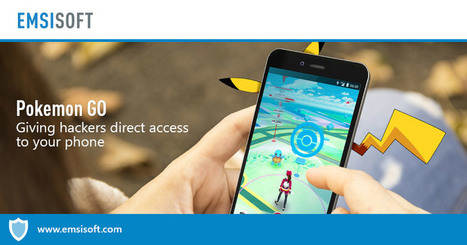
Pokemon Go hat ganze Städte weltweit in seinen Bann gezogen. Aber hat es auch Hackern ermöglicht, auf Ihr Telefon zuzugreifen?
No comment yet.
Scooped by Gust MEES
July 13, 2016 7:23 PM
Scoop.it!

Pokémon Go will soon get ads in the form of sponsored locations | #Privacy #Apps #digcit #Awareness

Pokémon Go will soon get ads in the form of sponsored locations | #Privacy #Apps #digcit #Awareness | ICT Security-Sécurité PC et Internet | Scoop.it

After having become one of the most viral mobile applications of all time, Pokémon Go will soon include advertising, according to its developer. 


Learn more / En savoir plus / Mehr erfahren:


https://gustmees.wordpress.com/2014/11/25/digital-citizenship-social-media-and-privacy/


https://gustmees.wordpress.com/2014/03/05/often-asked-questions-are-there-cyber-security-dangers-with-apps-and-whats-about-privacy/


http://www.scoop.it/t/la-realite-augmentee-augmented-reality-ar


http://www.scoop.it/t/21st-century-learning-and-teaching/?tag=Pok%C3%A9mon+Go


http://www.scoop.it/t/securite-pc-et-internet/?tag=Pok%C3%A9mon+Go


Gust MEES's insight:

After having become one of the most viral mobile applications of all time, Pokémon Go will soon include advertising, according to its developer. 


Learn more / En savoir plus / Mehr erfahren:


https://gustmees.wordpress.com/2014/11/25/digital-citizenship-social-media-and-privacy/


https://gustmees.wordpress.com/2014/03/05/often-asked-questions-are-there-cyber-security-dangers-with-apps-and-whats-about-privacy/


http://www.scoop.it/t/la-realite-augmentee-augmented-reality-ar


http://www.scoop.it/t/21st-century-learning-and-teaching/?tag=Pok%C3%A9mon+Go


http://www.scoop.it/t/securite-pc-et-internet/?tag=Pok%C3%A9mon+Go


No comment yet.