 Your new post is loading...

|
Scooped by
Gust MEES
February 26, 2015 6:54 AM
|
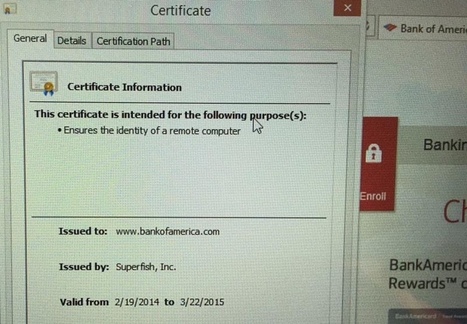
Lenovo simply can't catch a break. After the massive negative attention it received for their ill-advised decision to ship some of its notebooks with pre-installed adware that also uses MITM SSL certificates, for a short time on Wednesday their main domain - Lenovo.com - has been hijacked and effectively defaced by the hacker collective Lizard Squad.
The defaced page showed a slideshow of photos of two youngsters - according to Brian Krebs, they are Ryan King (aka “Starfall”) and Rory Andrew Godfrey (“KMS”), two former members of the hacker collective Hack The Planet - accompanied with music. The reason for the defacement is purportedly Lenovo's Superfish blunder.
The defaced page pointed to Lizard Squad's Twitter feed and served as an advertisement for its LizardStresser DoS service.
The hackers didn't compromise Lenovo's servers. Instead, they (apparently) compromised those of Web Commerce Communications (Webnic.cc), a popular Malaysia-based Internet registrar with whom the Lenovo domain is registered.
Learn more:
- http://www.scoop.it/t/21st-century-learning-and-teaching/?tag=LENOVO
- http://www.scoop.it/t/securite-pc-et-internet/?tag=LENOVO
|
|
Scooped by
Gust MEES
February 24, 2015 10:41 AM
|
This report was prepared by INSS and CSFI to create better cyber situational awareness of the nature and scope of threats to national security worldwide in the domains of cyberspace and open source intelligence. It is provided to Federal, State, Local, Tribal, Territorial and private sector officials to aid in the identification and development of appropriate actions, priorities and follow-up measures.
|
|
Scooped by
Gust MEES
February 22, 2015 2:23 PM
|
Symantec Intelligence Report January 2015 [pdf] | CyberSecurity
|
|
Scooped by
Gust MEES
February 21, 2015 9:22 AM
|
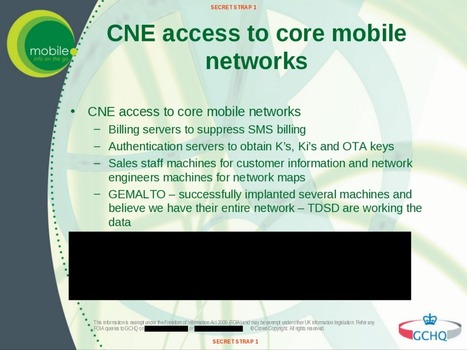
CyberespionageIn einem der folgenreichsten Hacks der IT-Geschichte verschafften sich amerikanischer und britischer Geheimdienst Zugang zum größten Handy-SIM-Karten-Hersteller der Welt und klauten dort die Verschlüsselungskeys, mit denen nahezu jede SIM weltweit gesichert ist. Damit haben NSA und GCHQ seit 2010 Zugriff auf Telefonate, SMS und mobile Internet-Verbindungen.
Learn more:
- http://www.scoop.it/t/securite-pc-et-internet/?tag=SIM-Cards
|
|
Scooped by
Gust MEES
February 20, 2015 7:29 PM
|
Seit Jahren kopieren NSA und GCHQ bei den Herstellern von SIM-Karten und Smart Cards die zugehörigen Schlüssel ab. Damit können sie die übertragenen Informationen mitlesen und manipulieren. Auch die Rechnungssysteme vieler Mobilfunker sind unterwandert.
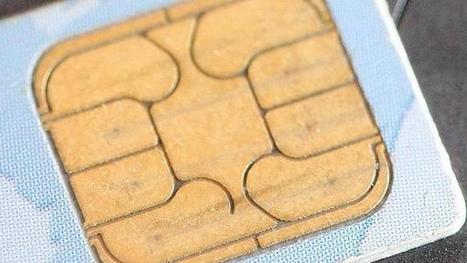
Der britische Geheimdienst GCHQ und die US-amerikanische NSA haben schon vor Jahren die Sicherheitsvorkehrungen der Chiphersteller ausgehebelt. Also sind SIM-Karten, elektronische Reisepässe, Kredit- und Debitkarten, elektronische Türöffner, TAN-Generatoren und so weiter unsicher. Den darin verbauten Chips und den mit ihnen fix verbundenen Schlüsseln kann nicht mehr vertraut werden. Die Dienste können beispielsweise mobile Übertragungen einfach mitlesen oder rückwirkend entschlüsseln. Und es ist schlimmer.
SIM Cards Have Finally Been Hacked, And The Flaw Could Affect Millions Of Phones
Learn more:
- http://www.scoop.it/t/securite-pc-et-internet/?tag=SIM-Cards
|
|
Scooped by
Gust MEES
February 19, 2015 5:29 PM
|
|
|
Scooped by
Gust MEES
February 19, 2015 10:24 AM
|
|
|
Scooped by
Gust MEES
February 19, 2015 10:12 AM
|
|
|
Scooped by
Gust MEES
February 17, 2015 11:17 AM
|
|
|
Scooped by
Gust MEES
February 17, 2015 4:52 AM
|
Software reverse engineering, the art of pulling programs apart to figure out how they work, is what makes it possible for sophisticated hackers to scour code for exploitable bugs. It’s also what allows those same hackers’ dangerous malware to be deconstructed and neutered. Now a new encryption trick could make both those tasks much, much harder. At…
Learn more:
- http://www.scoop.it/t/securite-pc-et-internet/?tag=HARES
|
|
Scooped by
Gust MEES
February 17, 2015 4:39 AM
|
|
|
Scooped by
Gust MEES
February 17, 2015 2:50 AM
|
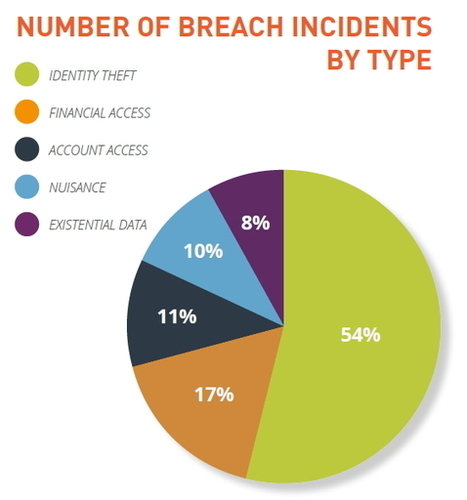
Les vols de données ont explosé en 2014, selon le Breaches Level Index. La faute à un modèle de protection dépassé face aux nouveaux modes d’attaque, selon Gemalto.
L’année 2014 s’illustrera comme une année record en matière d’infractions informatiques. Plus d’un milliard (1,023 précisément) de données ont été perdues ou volées au cours de l’année passée. Sont considérées comme données les informations propres à l’identité personnelle ou bancaire ainsi que les identifiants d’accès.
En savoir plus :
- http://www.scoop.it/t/securite-pc-et-internet/?tag=DATA-BREACHES
|
|
Scooped by
Gust MEES
February 16, 2015 9:11 AM
|
The Obama administration will create a new agency to monitor cybersecurity threats and share data about possible attacks among government departments.
|
|
|
Scooped by
Gust MEES
February 25, 2015 11:49 AM
|
3 million strong RAMNIT botnet taken down
Posted on 25.02.2015
The National Crime Agency’s National Cyber Crime Unit (NCCU) worked with law enforcement colleagues in the Netherlands, Italy and Germany, co-ordinated through Europol’s European Cybercrime Centre (EC3), to shut down command and control servers used by the RAMNIT botnet.
RAMNIT spread malware via seemingly trustworthy links sent out on phishing emails or social networking websites. If users running Windows clicked on the links, the malware would be installed, infecting the computer. Infected computers would then be under the control of criminals, enabling them to access personal or banking information, steal passwords and disable antivirus protection.
Investigators believe that RAMNIT may have infected over three million computers worldwide, with around 33,000 of those being in the UK. It has so far largely been used to attempt to take money from bank accounts. Analysis is now taking place on the servers and an investigation is ongoing.
|
|
Scooped by
Gust MEES
February 23, 2015 10:16 AM
|
Über eine gravierende Sicherheitslücke in alten Versionen des CMS Typo3 kann sich jeder authentifizieren, der nur den Namen eines registrierten Benutzers kennt. Es gibt Updates und einen Patch.
|
|
Scooped by
Gust MEES
February 21, 2015 10:30 AM
|
|
|
Scooped by
Gust MEES
February 21, 2015 8:09 AM
|
|
|
Scooped by
Gust MEES
February 20, 2015 7:01 PM
|
Die Geheimdienste der USA und Großbritanniens können offenbar die SIM-Karten in Mobiltelefonen entschlüsseln. Das berichtet die Internetseite "The Intercept". Handys seien somit unauffällig anzapfbar. Der Bericht bezieht sich auf ein Snowden-Papier.
===> Der gläserne Surfer!!! <===
Learn more:
- http://www.scoop.it/t/securite-pc-et-internet/?tag=SIM-Cards
|
|
Scooped by
Gust MEES
February 19, 2015 10:29 AM
|
|
|
Scooped by
Gust MEES
February 19, 2015 10:19 AM
|
|
|
Scooped by
Gust MEES
February 17, 2015 3:19 PM
|
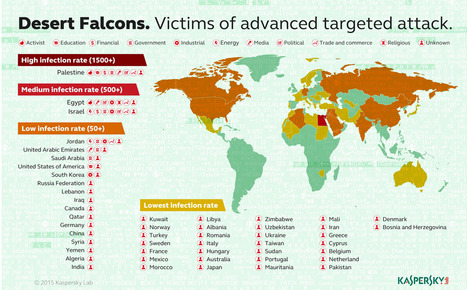
Moskau/lngolstadt, 17. Februar 2015 Kaspersky Lab enttarnt die Cyberspionagegruppe „Desert Falcons“, die sich gegen verschiedene hochrangige Organisationen und Einzelpersonen im Nahen Osten richtet [1]. Damit konnten die IT-Sicherheitsexperten erstmals eine Gruppe von Cybersöldnern aus dem arabischen Raum enttarnen, die offenbar über das komplette Spektrum von Cyberspionagemitteln verfügt.
Die Gruppe startete ihre Aktivitäten bereits im Jahr 2011, seit dem Jahr 2013 werden Rechner infiziert. Den Experten von Kaspersky Lab zufolge erreichte die Kampagne ihren Höhepunkt zu Beginn des Jahres 2015 [2].
|
|
Scooped by
Gust MEES
February 17, 2015 5:10 AM
|
|
|
Scooped by
Gust MEES
February 17, 2015 4:46 AM
|
In what could prove to be a revolutionary development in information security, researcher Jacob Torrey will be unveiling the Hardened Anti-Reverse Engineering System (HARES) at several upcoming security conferences, a crypto breakthrough will make reverse engineering code an almost impossible feat.
HARES is a tool that focuses on encrypting code to protect it from being reverse engineered, as the code remains obscured until it is decrypted by the system’s processor at the moment of execution.
Learn more:
- http://www.scoop.it/t/securite-pc-et-internet/?tag=HARES
|
|
Scooped by
Gust MEES
February 17, 2015 3:57 AM
|
|
|
Scooped by
Gust MEES
February 17, 2015 2:41 AM
|
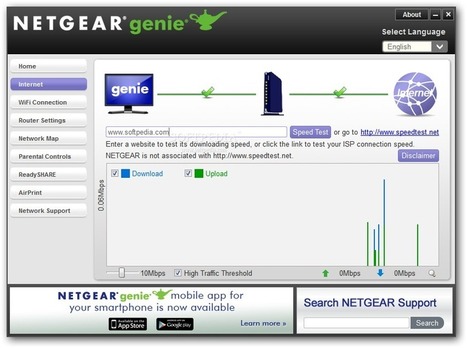
The security Expert Peter Adkins discovered a serious Information disclosure vulnerability that affects several Netgear wireless routers.
The researcher Peter Adkins discovered that several wireless routers produced by Netgear are affected by serious vulnerability that could allow an unauthenticated attacker to access sensitive data from the network device. By exploiting the vulnerability a hacker could also extract administrator passwords, the name and access keys for the wireless networks configured on the device, and details about the device including its model, firmware version and serial number, as explained in a post published on the Full Disclosure mailing list last week.
Learn more:
- http://www.scoop.it/t/securite-pc-et-internet/?tag=Router
|



















Learn more:
- http://www.scoop.it/t/21st-century-learning-and-teaching/?tag=LENOVO
- http://www.scoop.it/t/securite-pc-et-internet/?tag=LENOVO