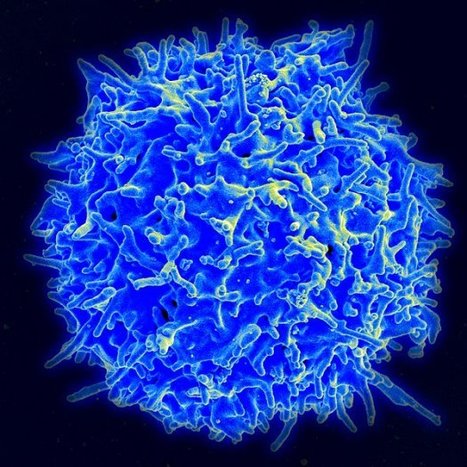

Immune cells are like the Hatfields and McCoys of our bodies--once wronged, they never, ever forget. This is how we gain immunity, and it’s why vaccines work: Immune cells develop a memory of an invading pathogen, and they build an alert system to find and fight it should it ever return. But a new study by Stanford researchers adds a new wrinkle to this long-held immune theory. It turns out immune cells can develop this memory-like state even for pathogens they’ve never met. This may come from exposure to harmless microbes -- or the memories may actually be borrowed from other, more experienced cells.


 Your new post is loading...