Our webinars enable members both in the UK and overseas to engage with topical, valuable advice, anytime, anywhere. We keep a catalogue of our past webinars to provide accessible advice for members at all career stages, covering queries from how to write a paper, to the latest on less than...
J’y effectue actuellement mon SIR et je dois dire que les formations de chirurgie robotique proposées sont de grande qualité : l’école dispose de matériel et de robots à la pointe de la technologie (Da Vinci notamment…). Elle est également le siège de nombreux projets de recherches tout aussi passionnants et innovants !
For years I've been looking East, seeing the progress of surgical robotics in Asia. China obviously, but also India, South Korea, Taïwan, Japan and Singapore.
By the number of surgical robots, China is now the first country in the world followed by the US and France 🐓. Orthopedics is the second focus area after abdominal/thoracic.
This is K3, the first commercial robot from AK Medical.
AK Medical is a Chinese orthopedic industry group founded in 2003, listed on Hong-Kong Stock Exchange, commercializing implants for large joint replacement, spine and trauma repair.
The company developped a fully proprietary robotic arm and leveraged well known navigation / robotic technologies & architecture to design the K3+ Robotic System.
The device received NMPA market approval in January 2026 with indications covering hip, knee, and unicompartmental procedures.
Company claims it's the first domestically developed total joint surgical robot capable of performing revision surgeries.
A comprehensive scoping review of 369 studies indicates that the 25-year literature on robotic coronary artery bypass grafting is dominated by single-center observational studies with scarce randomized trials and under-reported long-term outcomes.
A propensity-score-matched cohort study found no significant difference in one-year periprosthetic joint infection rates between robotic-assisted and conventional primary total knee arthroplasty despite longer robotic operative times.
/PRNewswire/ -- Sun Yat-sen University (SYSU) marked the 160th anniversary of its medical education at an anniversary forum in Guangzhou on November 8. Tracing...
A systematic review indicates that robotic-assisted total knee arthroplasty does not show a consistent economic advantage over conventional surgery across comparative health economic evaluations.
Since Emile Holman, MD, became the surgery department’s first academic chair at Stanford Medicine in 1926, its members have built a legacy of research, innovation and patient care — and logged significant milestones.
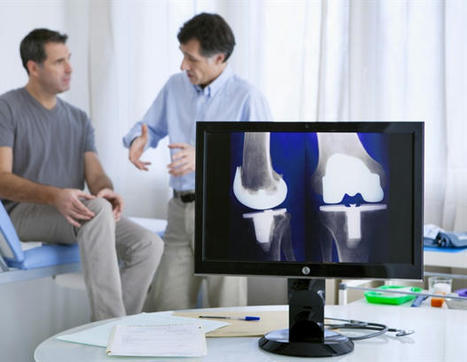
The NHS recently outlined plans to expand robotic surgery sevenfold by 2035, but initial findings from the first UK big data studies on this topic published by The BMJ suggest that robotic assisted hip and knee replacements offer no clear benefit over conventional surgery for implant survival,...
Les premiers résultats de cette étude font penser que l'aide robotique pour la chirurgie a encore besoin de temps avant de montrer un bénéfice certain, en tout cas pour les prothèses de la hanche et du genou. Pour l'instant le principal avantage semble être des poses plus précises, toutefois sans diminution des complications, des révisions, ni des résultats cliniques. Devant le coût supplémentaire important de minimum 1000 livres par patient, des questions se posent sur l'intérêt de cette aide robotique. Le tout à prendre avec du recul, il faut attendre les résultats définitifs des essais cliniques pour conclure.
/PRNewswire/ -- Medtronic (NYSE: MDT), a global leader in healthcare technology, today announced the U.S. Food and Drug Administration (FDA) has cleared the...
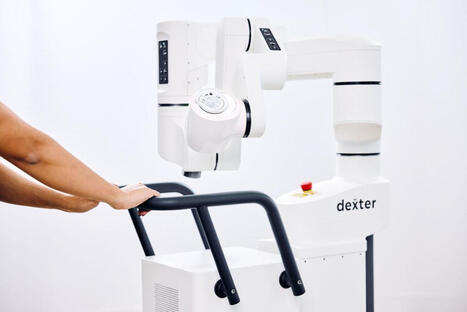
Distalmotion, the Lausanne-area medtech behind DEXTER, has advanced its compact mobile soft-tissue surgical robot through a further regulatory step. DEXTER is designed to fit into existing operating rooms and let surgeons switch between robotic and manual technique during the same procedure.
Why it matters: 🏥 Compact design lowers the cost barrier to robotic surgery 📋 Regulatory clearance is the real moat in medtech 🇨🇭 Swiss precision engineering competing directly with US incumbents
In medtech, the hardest engineering problem is often the approval pathway rather than the device.
A New Chapter in Global Growth: Toumai® Surpasses 400 Orders Worldwide! 🌍
On November 13, cumulative global orders for the Toumai® Surgical Robotic System from MicroPort® MedBot™ surpassed 400. Growing from 100 to 400 orders in just 13 months reflects healthcare institutions’ continued confidence in Toumai®’s technology and clinical value.
Based on publicly available data, Toumai® reached several key milestones in 2026:
🔹 37 new orders in China, ranking first among all brands in its category. Customers include national medical centers, leading provincial hospitals, and premium private hospitals.
🔹 More than 200 international orders this year, placing Toumai® among the world’s top two brands by international order volume. Healthcare institutions in China, Belgium, India, Morocco, Brazil, Argentina, Armenia, and other markets have purchased additional systems, showing continued clinical confidence.
🔹 Orders across more than 70 countries and regions, ranking first globally among comparable brands by the number of markets covered and expanding access to advanced robotic surgery.
This growth is backed by a growing training and clinical support network. Toumai® now has nearly 70 training centers worldwide, with more than 2,000 training participants each year. Working with internationally renowned institutions such as Orsi Academy and IRCAD, MicroPort® MedBot™ has built a multilevel professional training network serving surgeons, nursing teams, sterile processing staff, technical support personnel, and logistics teams—supporting system deployment, ongoing operations, and robotic surgery at scale.
In telesurgery, Toumai® has received regulatory approval in nearly 60 countries and regions. First telesurgical procedures have been performed in more than 30 of them, including the United Kingdom, Italy, Brazil and Argentina, as well as in the United States in an investigational setting*. This helps extend access to surgical expertise across geographic boundaries.
The 400-orders mark is both a commercial milestone and a new chapter in global clinical collaboration. Thank you to our partners worldwide for working alongside MicroPort® MedBot™ to bring advanced surgical technology to more healthcare institutions and patients.
DISCLAIMER: In the United States, Toumai® telesurgery procedures were performed in an investigational setting. Toumai® telesurgery is not cleared or approved by the U.S. FDA. In the European Union, Toumai® is CE marked under the MDR for robot-assisted telesurgery in urology, general surgery, thoracic surgery and gynecology. Product availability and approved indications vary by country, and not all products or indications are available in all markets. Please contact your local MicroPort® representative for information on product availability and approved indications in your country.
Surgical Robotics Technology Steve Bell Christopher Simmonds MassDevice
Providing targeted, quality-assured patient information is essential for informed and autonomous decision-making but remains resource-intensive when delivered face-to-face. Multimedia-supported informed consent may enhance patient understanding and satisfaction while reducing physician time by...
In this conversation, Rakesh Suri, M.D., regional director of cardiac surgery robotics and innovation at Corewell Health’s William Beaumont University Hospital, and Patrick O’Brien, the patient who underwent the procedure, discuss how the technology works, its potential to transform cardiac care...
The integration of digital health and AI is reshaping the way medical specialties operate.While every field will benefit from these innovations, certain…...
Int J Pediatr Otorhinolaryngol. 2026 Nov 18;212:113077. doi: 10.1016/j.ijporl.2026.113077. Online ahead of print. ABSTRACT Hearing loss is the most prevalent sensory impairment worldwide, profoundly affecting cognitive, linguistic, and social development, particularly throughout childhood. Cochlear implantation is the definitive treatment for severe-to-profound sensorineural hearing loss that does not respond to hearing aids. Cochlear preservation in children is essential because to their extended life expectancy and the possibility of reimplantation. The technique of electrode array insertion is pivotal among the factors affecting outcomes, as surgical trauma may induce intracochlear fibrosis and diminish performance. Electrical impedance serves as an effective biomarker for evaluating electrode-tissue interaction. Robotic surgery has been suggested to facilitate more precise and minimally invasive implantation. This study evaluated robotic-assisted electrode insertion against manual insertion in pediatric patients, examining surgery durations and impedance measurements. Twenty-three children aged 12 months to 7 years with substantial bilateral hearing loss were recruited and categorized into two groups: robotic electrode insertion (RobOtol®) and manual electrode insertion. Impedance data were obtained throughout the operation and at the nine-month mark. Robotic operations exhibited extended surgical durations (148.1 vs. 109.6 min; p = 0.029), alongside a reduced and more uniform insertion velocity (p = 0.0055). No problems were noted. The impedance values were markedly reduced in the robotic group both during the operation (p = 0.012) and after the 9-month follow-up (p = 0.032). The findings indicate that the robotic method diminishes intracochlear injury, fostering a more advantageous biological milieu. Although the surgical duration is extended, robotic surgery may enhance cochlear preservation and long-term outcomes. Additional prospective studies are required to validate this evidence.PMID:43056945 | DOI:10.1016/j.ijporl.2026.113077
JACKSONVILLE, Fla., Nov. 20, 2026 (GLOBE NEWSWIRE) — MMI, (Medical Microinstruments, Inc.), a robotics company dedicated to increasing treatment options and improving clinical outcomes for patients with complex conditions, today announced the European launch and initial clinical uses of NanoWrist® Monopolar Scissors, an energy-enabled instrument for its Symani® Surgical System. The new instrument enables surgeons to bring robotic precision and control to more aspects of complex microsurgical procedures with a multifunctional tool that supports efficient energy delivery and greater autonomy throughout cases such as lymphatic surgery and head & neck cancer surgery. Purpose-built for Symani, NanoWrist Monopolar Scissors are the first and only fully articulated robotic electrosurgical instrument for open microsurgery. It is designed for use across a broad range of Symani applications, enabling surgeons to robotically perform sharp and blunt dissection, and cutting and coagulation of soft tissues with a single instrument. “Adding energy to Symani not only puts more power in surgeons’ hands but changes the way to think about energy instruments in microsurgery,” said Mark Toland, CEO of MMI. “These clinical cases are just the beginning of a broader energy portfolio designed to expand what surgeons can do for patients with complex conditions.” At Bellvitge Hospital in Spain, Dr. Sergi Barrantes, Plastic Reconstructive Microsurgeon and Head of the Lymphedema Surgery Unit, used the new instrument during a procedure involving two lymphovenous bypasses (LVB) in a breast cancer patient with upper limb lymphedema. Symani was used throughout the procedure for tissue dissection, bleeding control, and completion of the anastomoses, or vessel connections. “Until now, part of the LVB procedure had to be performed manually. With this new tool, we can perform the entire microsurgical phase with the robot with a level of precision that is essential for these cases,” said Dr. Barrantes. At RWTH Aachen University in Germany, Monopolar Scissors were used to resect cancerous tissue in the head & neck region of a patient. The procedure was performed by Priv-Doz. Dr. Dr. Ashkan Rashad, Senior Managing Physician in the Department of Oral and Maxillofacial Surgery. He commented, “For patients facing cancer and its complications, surgery is about more than treating disease. It is about preserving function and restoring quality of life, something especially important when navigating the head & neck region. Extending robotic precision to more of the procedure supports those goals by giving us greater control when working on such complex anatomy.” The launch builds on MMI’s introduction of NanoWrist dissection instruments in 2025 and reflects its continued commitment to expanding Symani’s capabilities across more of the microsurgical procedure. The new instrument which received CE Mark in October of 2026 is now available to hospitals across Europe. The company is working to expand regulatory approvals for this new instrument in global markets, including the U.S. For additional information about MMI and its Symani Surgical System, visit www.mmimicro.com. The NanoWrist Monopolar Scissors is a CE-marked medical device. FDA 510(k) pending. The NanoWrist Monopolar Scissors has not been cleared by the FDA, and its safety and effectiveness have not been established in the United States. It is not available for sale or use in the US, and future availability cannot be guaranteed. Consult your local representative to confirm availability in other geographies. For product indications specific to your region, visit www.mmimicro.com/indications. About Medical Microinstruments, Inc. (MMI)MMI is on a mission to advance robotic technology that pushes the limits of soft tissue open surgery and opens new opportunities for surgeons to restore quality of life for more patients with complex conditions. The company was founded in 2015 near Pisa, Italy, and its proprietary Symani® Surgical System combines the world’s smallest wristed microinstruments with tremor-reducing and motion-scaling technologies to address significant unmet patient needs across the globe. This first-of-its-kind surgical robotic platform for open, soft tissue micro-level surgery can help address microvascular repair and lymphatic repair. In Europe and APAC, it also addresses peripheral nerve repair. The Symani System is authorized for use in the U.S. by the FDA and is a CE Marked medical device in Europe. MMI is backed by global investors including Andera Partners, Angelini Ventures, BioStar Capital, Deerfield Management, Fidelity Management & Research Company, Fountain Healthcare Partners, Panakès Partners, RA Capital, Sambatech, S3 Ventures, and Wellington Partners. Media ContactLaura Bastardi, MWWmmi@mww.com Investor Relations ContactLisa Croke, MMIlisa.croke@mmimicro.com
The Part of Joint Replacement Surgery You Sleep Through #shorts
Most patients sleep through the most interesting part of their own surgery. Here is what happens after you fall asleep, and why.
1. Time-out. Before anything starts, the whole team stops and confirms out loud who you are, which operation you are having and which side - one of the simplest safety checks in surgery.
2. Prep. Your leg is scrubbed with antiseptic while a team member holds it up, so the whole limb can be cleaned and draped - heavier than most people expect.
3. Warmth. The room is kept cool for a gowned, hooded team, so a warming blanket helps keep your body temperature normal.
4. Planning. With robotic-arm assisted surgery, your bone is matched to a 3D model built from your CT scan before the first cut.
5. Noise. Bone saws have been measured at levels comparable to a concert - you sleep comfortably through it all.
6. Trials. A trial implant goes in first so we can check motion, stability and balance. The real implant stays sealed until the fit is right.
7. Mallet. The final parts are tapped into place for a secure fit.
8. Closure. The incision is closed in layers and covered with a waterproof dressing.
9. Time. It may feel like a few minutes, but anesthesia and the recovery room add to the time your family waits.
10. Family. When we finish, someone calls your family right away.
About Dr. Cory Calendine, MD - 3000 Edward Curd Lane, Franklin, TN 37067 In the operating room, I get to perform more than 700 hip & knee replacement surgeries each year. From LIVE surgical demos to viral video highlights, together let's explore - react - discuss all things related to bone and joint health. #orthopedicsurgeon #jointreplacement
THANK YOU for your comments, questions and suggestions. If there’s a medical topic or question you want me to discuss, please comment below. We are building a library of orthopedic medical video content focused on your requests and responses.
𝐃𝐈𝐒𝐂𝐋𝐀𝐈𝐌𝐄𝐑𝐒: Opinions expressed are solely my own and do not express the views or opinions of my employer. Information in this video is not intended or implied to be a substitute for professional medical advice, diagnosis and/or treatment. All content [images, digital graphics, text, and other information] contained in this video is for general information purposes only and does not replace or substitute for a consultation with a qualified physician or health professional.
/PRNewswire/ -- OrthAlign, Inc., the leader in handheld orthopedic technology, today announced the full commercial launch of Lantern® ASC for total hip and...
“It is always too early to evaluate a new technology until, unfortunately, suddenly it’s too late”Buxton’s law1Robot assisted surgeries in the UK are planned to increase from about 70 000 annually to 500 000 by 2035, according to the NHS—a sevenfold expansion over the coming decade,2 with similar ambitions emerging elsewhere. Yet the National Institute for Health and Care Excellence concludes that although robot assisted surgery can improve the precision of implant positioning in hip and knee arthroplasty, it remains uncertain whether this translates into better clinical outcomes and calls for further evidence generation.3 Plans for rapid expansion are therefore taking shape just as evidence about the clinical value of robot assisted arthroplasty is beginning to emerge.The promise of robot assisted arthroplasty is straightforward: greater precision in bone preparation and implant positioning should mean fewer technical errors—and ultimately better outcomes for patients. This promise is particularly attractive in knee arthroplasty,...
HIBA Case: Robotic Surgery Volume Grows Fivefold in 10 Months with Toumai®
On August 19, 2026, at the VIII Congreso de Salud Adecra+Cedim 2026, Dr. Gustavo García Fornari, Head of the Department of Surgery at Hospital Italiano de Buenos Aires (HIBA), delivered a presentation titled “How to Develop a Rapidly Expanding Robotic Surgery Program? The HIBA Case.” Drawing on HIBA’s experience, he shared key insights into building and scaling a robotic surgery program.
According to Dr. García Fornari, HIBA currently has two surgical robotic systems, one of which is the Toumai® Endoscopic Surgical Robotic System. During his presentation, he highlighted Toumai® and its clinical applications at HIBA.
“We increased the number of robotic surgeries from 12 to 60 per month in just 10 months. In other words, we are now performing five times as many robotic surgeries each month. And we are aiming to reach 80. However, beyond the numbers, it is essential to have a structured implementation program.”
Emphasizing the importance of a comprehensive implementation strategy, Dr. García Fornari noted:
✅ “It is not simply about purchasing a robot; it is about having a program to implement it.”
✅ He then outlined several key components of HIBA’s robotic surgery program:
✅ Building a dedicated multidisciplinary team for robotic surgery;
✅ Developing budgets and operational plans for robotic system acquisition and maintenance;
✅ Exploring payment models and negotiating with relevant healthcare stakeholders to establish a hybrid payment system;
✅ Professional training: providing systematic training for surgeons, surgical technologists, anesthesiologists, nurses, and technicians, supported by simulation and hands-on training;
✅ Certification and accreditation: newly trained robotic surgeons received MicroPort® MedBot certification;
✅ Quality and safety management: establishing standardized protocols and procedures, together with continuous monitoring and evaluation mechanisms.
HIBA’s experience demonstrates that scaling robotic surgery requires more than simply introducing a robotic system. It calls for a comprehensive program encompassing clinical applications, multidisciplinary training, operational management, and quality and safety assurance. HIBA’s experience with Toumai® offers a practical example of how leading medical institutions can develop and scale their robotic surgery capabilities.
When a surgical robot arrives at a training institute, the temptation is to write about the machine. The more interesting thing about Cornerstone Robotics going live at IRCAD-Taiwan/ AITS Taiwan is what it does to distance.
Robotic surgery has reached a mature stage, as Dr. Huang Wayne Shih-Wei Shih-Wei Huang puts it in the film, with the different platforms converging on a similar look and a similar feel — usually the sign of a technology settling into itself. What tends to follow maturity is competition, and that is where Dr. Charles Lin picks the story up: for years a single company defined this field, and there are now twenty, thirty, perhaps forty systems arriving behind it. A market that one-sided is rarely a healthy one, and it is about to stop being one-sided.
For a training institute, though, the specification that matters is not the hardware but the second console. One surgeon operating and one mentor guiding, in the same case at the same time, is the mechanism by which a young surgeon's complication rate comes down, because the teaching happens during the procedure rather than in the debrief afterwards. Over the coming year that mechanism gets tested properly: consoles will be placed in cities across Taiwan, all of them connected back to the system in Lukang, and the question under study is whether training delivered by teleoperation genuinely transfers into surgical performance.
It is a question with a cost attached, because IRCAD Taiwan is the base for minimally invasive surgery training in Asia, and being the base means surgeons fly here — this week from the Philippines — which takes both time and money, and then go home to practice alone between cases. A console at the other end of the line turns proctoring and follow-up into something continuous rather than episodic, available at any time and from any place.
None of which is the same as operating on a patient in another city. That remains an ethics and safety question and will for some time yet, but the technology itself is already here, and training does not have to wait for the rest of it to catch up.
To get content containing either thought or leadership enter:
To get content containing both thought and leadership enter:
To get content containing the expression thought leadership enter:
You can enter several keywords and you can refine them whenever you want. Our suggestion engine uses more signals but entering a few keywords here will rapidly give you great content to curate.


 Your new post is loading...