




Wikileaks has dropped an explosive exposé of Hillary Clinton, but is accusing Facebook of blocking people from accessing it.

 Your new post is loading... Your new post is loading...
 Scoop.it!
Wikileaks has dropped an explosive exposé of Hillary Clinton, but is accusing Facebook of blocking people from accessing it. 
No comment yet.
Sign up to comment
Scoop.it!

A major debate over privacy and online encryption has erupted after the computer giant Apple announced it will resist a court order to help the FBI break into an iPhone recovered from one of the San Bernardino shooters. Citing an 18th century law, federal prosecutors requested a court order to compel Apple to assist the investigation in unlocking the phone of Syed Rizwan Farook. In December, Farook and his wife killed 14 and injured 22 others in San Bernardino. On Tuesday night, Apple CEO Tim Cook published an open letter to customers announcing his company’s decision to fight the court order. "Up to this point, we have done everything that is both within our power and within the law to help them," Cook said. "But now the U.S. government has asked us for something we simply do not have, and something we consider too dangerous to create. They have asked us to build a backdoor to the iPhone." We speak to Alex Abdo, staff attorney at the National Security Project at the American Civil Liberties Union.
|
Scoop.it!
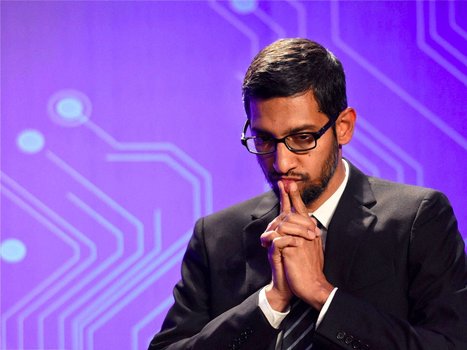
On one side are those who argue that Apple has a duty to aid law enforcement. On the other are those who fear that the case risks setting a dangerous...
Scoop.it!
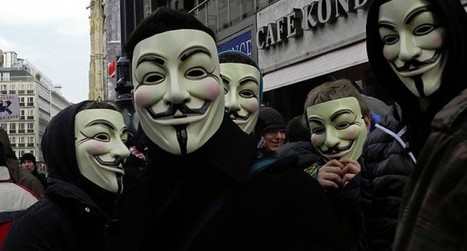
Raw Story FBI puts top Anonymous 'hacktivist' Jeremy Hammond on terrorism watchlist Raw Story The prominent Anonymous “hacktivist” Jeremy Hammond, who participated in some of the hacking collective's most audacious cyber acts, was placed by the FBI...
|




