New media writer Clay Shirky took to Twitter Friday afternoon to dismiss white liberals' response to Donald Trump as ineffective and self-indulgent – and to rally them to defeat Trump.

 Your new post is loading... Your new post is loading...
 Scoop.it!
New media writer Clay Shirky took to Twitter Friday afternoon to dismiss white liberals' response to Donald Trump as ineffective and self-indulgent – and to rally them to defeat Trump. 
No comment yet.
Sign up to comment
Scoop.it!

From
kk

I think this observation is brilliant. It reminds me of the clarity of the Peter Principle, which says that a person in an organization will be promoted to the level of their incompetence. At which point their past achievements will prevent them from being fired, but their incompetence at this new level will prevent them from being promoted again, so they stagnate in their incompetence.
Scoop.it!
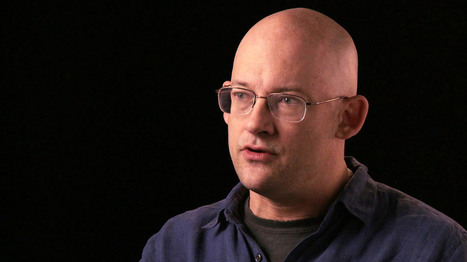
How we collaborate has profound implications for how we live and work. The author and New York University professor explains how social media has upended traditional norms.

Alex's curator insight,
August 10, 2016 10:19 PM
great interview about how collaboration is changing the way we live and work!
Scoop.it!

The NYU interactive telecommunications professor looks for a balance between open and closed systems, but believes technological threats could close everything down
Scoop.it!

Not long ago, browsing the Internet, I happened to stumble on a list titled, "The Best Sci-Fi Books of All Time, According to the Internet." Like most lists of its kind, it was subjective and far from definitive, but still, it represented an interesting challenge. As someone who reads for pleasure as much as for job security, I decided to finish as many of the titles as I could handle.
Scoop.it!
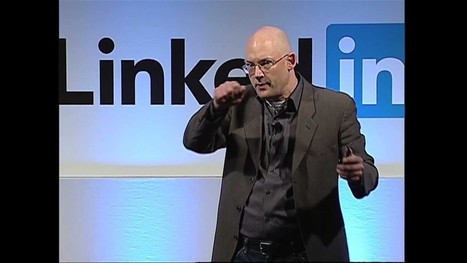
Clay Shirky, Writer, Consultant & Teacher on New Technology & Social Media, presents "The End of The Audience" at TechConnect:12 in Silicon Valley. The 20th ...
Scoop.it!
The MOOCs seem to have faded from view. In large part this is because they were so relentlessly overhyped when they first appeared. But now various forms of online education have begun to get traction in the marketplace.
Scoop.it!
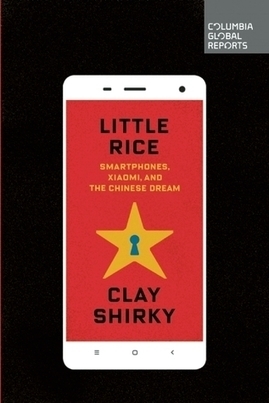
Little Rice: Smartphones, Xiaomi, and The Chinese Dream by Clay Shirky is on Chris’s to-read shelf.. Shelves: to-read.
Scoop.it!
Within the great firewall of China, Clay Shirky, associate professor from interactive media & arts department in NYU Shanghai and also TED speaker, joined us to discuss his latest book "Little Rice -
Scoop.it!
Clay Shirky, associate professor at NYU Shanghai, is one of the most influential thinkers on the internet's effects on society. He chronicles China's attempt to ...
Scoop.it!

In this prescient 2005 talk, Clay Shirky shows how closed groups and companies will give way to looser networks where small contributors have big roles and fluid cooperation replaces rigid planning.
Scoop.it!

Clay Shirky's arguments are uncomfortable, and they don't sit well inside companies that sell millions of dollars of books every year.
|
Scoop.it!

The event's boss names the talks that have taught him the most.
Scoop.it!
From
triblive
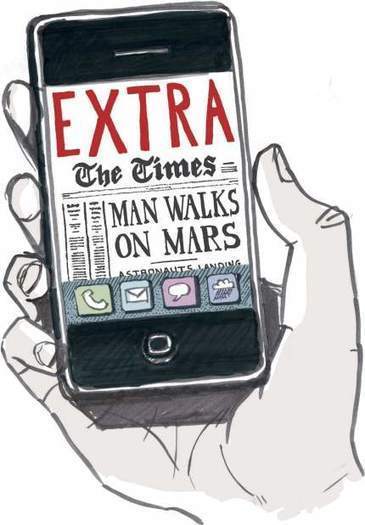
“Newspapers are supposed to have an infinite time horizon,” Shirky said from NYU's campus in Shanghai, China. “They're supposed to be around. They're more like churches or schools.”

DigitalDimension's curator insight,
December 11, 2016 5:27 PM
¿Hacia dónde debe encaminarse el futuro de nuestra profesión?
Scoop.it!
Adam Gopnik reviews some of the books that celebrate or censure the Internet, and considers what omnipresent information is doing to our minds.
Scoop.it!

Latest developments from digital China including cyber attacks on Taiwan, problems for Baidu, and Apple tries to mend fences.
Scoop.it!
From
medium
This is a follow-on to an analysis that I wrote for The Media Briefing, published on 4 January. Simply put, I think a sh…
Scoop.it!
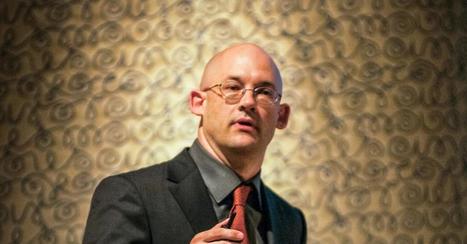
While news from Iran streams to the world, Clay Shirky shows how Facebook, Twitter and TXTs help citizens in repressive regimes to report on real news, bypassing censors (however briefly).
Scoop.it!
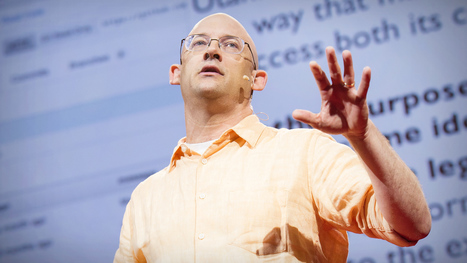
New media expert Clay Shirky explains how the ideas behind open source have been used for centuries: from the Enlightenment to the digital era.
Scoop.it!
Scoop.it!
An excerpt from internet guru Clay Shirky's new book
Scoop.it!
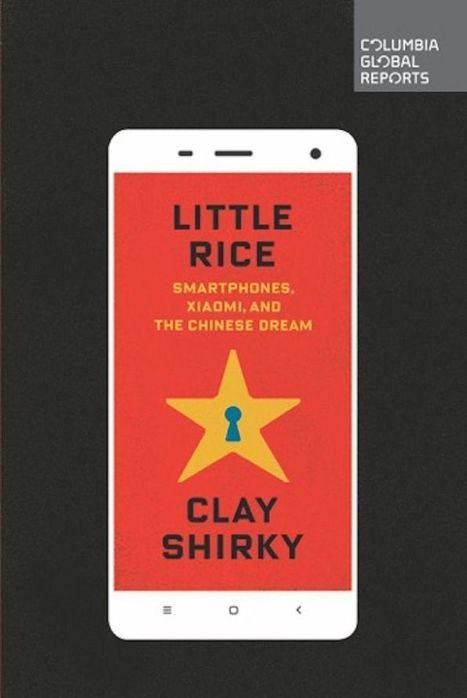
From
qz
In simple environments, people acquire new capabilities by acquiring new objects. In complex environments, people acquire new capabilities by using new services.
Scoop.it!

From
merl
Free wacthing movie, comedy, news, boxing, music video and drama online
Scoop.it!
Clay Shirky's Harvard talk: Here Comes Everybody - Boing Boing http://t.co/P7SZv7hNh0, see more http://t.co/fLsUC0L4NU
|