
Media reports this week
9.3K views |
+0 today


Get your free media and communication reports online!
Curated by
heather dawson
 Your new post is loading...
 Scoop.it! How digital technologies enable child sexual abuse
The report combines children’s testimonies with one of the largest bodies of available survey data to warn of a widespread trend of child sexual abuse and exploitation – both online and offline – enabled by technology. 
Scoop.it!
congressional research reports CRS Product Number: R49189
Scoop.it!
News and young Australians in 2026 How children and teens access, perceive and understand news media
From
apo

This report emerges from an Australian longitudinal survey project that has tracked the news engagement of young people aged 10 to 17 years since 2017 – examining their news practices, attitudes, knowledge and experiences. The survey findings have been used by policymakers, educators and a range of stakeholders who design and deliver news literacy initiatives. The surveys have shown that, as young people move into their teenage years, they rely less on their families and teachers to get news, and their news engagement becomes more digital and more independent. This raises questions about how they have been prepared for this change, if at all. This year's survey asked new questions to understand the impact of the legislated social media ban for young people aged under 16 years, which took effect in December 2025.
Scoop.it!
From
www
Amends the Online Safety Act 2021 in relation to the operation of the social media minimum age framework by expanding the eSafety Commissioner’s information-gathering powers and increasing civil penalties for non-compliance.
Scoop.it!
From
wan-ifra
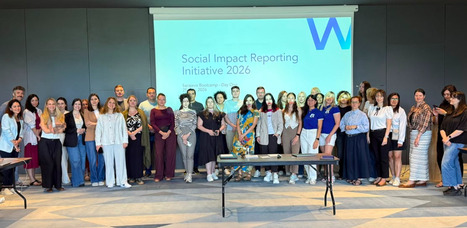
WAN-IFRA's Women in News has launched a new round of its Social Impact Reporting Initiative (SIRI), focused on investigative journalism in the Western Balkans and Ukraine.
Scoop.it!
A media literacy pilot program run through public libraries has been a resounding success, suggesting library staff and patrons want and need these resources.
Scoop.it!
From
www
auDA’s Digital Lives of Australians research study provides essential insight into the Australians’ use of the internet, their engagement in the digital economy and society and the ways this has evolved over six years.
Scoop.it!

The Value of Journalism: Global evidence on why media matters to economics, national security and crises
Scoop.it!
From
www
Despite the rapid uptake of AI systems by children, there remain significant evidence gaps: How many children use AI in each country and for what? What are different children concerned about when it comes to AI? And what factors influence the answers to these questions?
|
Scoop.it!
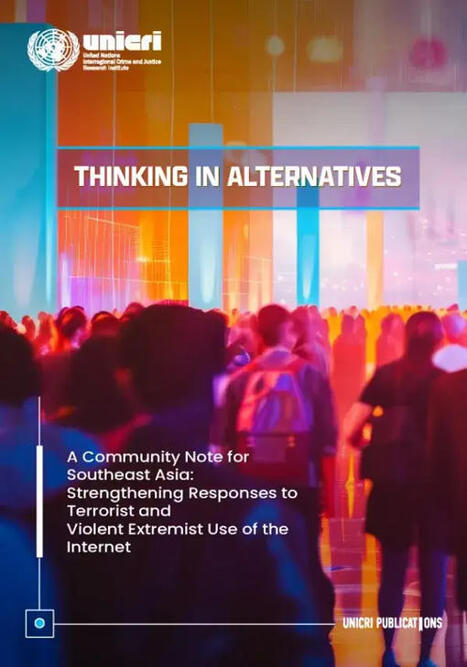
The use of the Internet and online ecosystems by terrorist and violent extremist actors has become increasingly complex, intersecting with a broad range of harmful narratives, violent content and online subcultures.
Scoop.it!
From
www
https://www.un.org/sites/un2.un.org/files/un-information-integrity-issue-brief-03.pdf
Scoop.it!
Estimates of children’s experiences and perceptions of safety online and in their daily lives, in England and Wales.
Scoop.it!

"Contesting hate" published on 01 Sep 2026 by Manchester University Press.
Scoop.it!

From
rwm
Palestinian journalist Mariam Barghouti explores media bias, colonialism, narrative power, and the realities of reporting from occupied Palestine.
Scoop.it!

This text examines the ongoing convergence of marketing and media across industries and formats and offers an authoritative analysis of branded content and forms of media- marketing integration.Drawing on the findings of the three- year Branded Content Governance Project, this book outlines the expansion of mediamarketing ecologies , from marketers, agencies, and media to include platforms, creators, and advertising technology (adtech). It charts the rapid take- up of artificial intelligence (AI
Scoop.it!

How can we engage teens in meaningful conversations about AI, its
Scoop.it!
From
counterhate
YouTube improved protections for teens from harmful eating disorder videos after regulation. But CCDH’s new research shows it is not enough.
Scoop.it!

From
www
Research into how children aged 11 to 17 experience age assurance online, why some get around age checks, and how and why they use VPNs.
Scoop.it!

From
unicri
Advances in digital technologies have improved communication and the sharing of information have become an important component of security and peacebuilding efforts. At the same time, they have enabled new forms of gender-based violence and disinformation that disproportionately affect women in...
Scoop.it!
Corporate author: UNESCO [12484], OSCE Representative on Freedom of the Media [1] Series title and vol / issues: UNESCO series on journalism education [42] DOI: https://doi.org/10.58338/IIJN9259
|






