 Your new post is loading...

|
Scooped by
MaterialsReview
December 3, 2015 2:40 AM
|
Polynt is a specialist in the production and sales of anhydrides and derivatives along the chain across resins and up to compounds for more than 60 years. Based on such integrated business model, the Polynt Composites Division provides a wide range of UPR and VE resins as well as Glass- and Carbon fiber reinforced composites.
In four plants, located in Italy, Germany, Poland and South Korea, Polynt Composites produces Sheet Molding Compounds (SMC) and Bulk Molding Compounds (BMC) with a total capacity of 80.000 tons/Y.
As an answer to the increasing market requests for new lightweight materials, Polynt Composites has invested in its German location near Frankfurt in a new production line fully dedicated to manufacturing of Carbon fiber reinforced SMC for serial applications. This industrial line has a production width of max. 1,5 mtr., is equipped with devices to operate with chopped carbon fibers in different fiber lengths, with recycled carbon fleece and with all types of fabric for prepregs. Polynt Composites has developed and is using new resins systems in order to propose the CF-SMC’s for applications in various market sectors. The new CF-SMC is in operation since spring this year and has a capacity of about 2.000 tons/Y.
In order to develop dedicated products Polynt Composites Germany has a laboratory line for sampling and small lots; this line can also be used for production of CF-SMC with unidirectional fibers. All respective plant infrastructure such as cooled storage, paste preparation area, test laboratory and all safety and environmental facilities and devices are available at the location due to its current GF-SMC activities.
Due to the high performance, carbon fiber SMC attract attention of carmakers, aerospace and other industries, which are looking materials to reduce the total weight and increase energy efficiency.
Polynt Composites CF-SMC’s are developed to obtain aesthetic, semi-structural and structural parts and can be used in compression molding process for components with an high geometric complexity and as prepreg suitable for different technologies like autoclave and press molding.
Due to the growing demand for carbon fiber materials, Polynt’s management is evaluating the possibility of opening a further production line in South Korea in 2016.
|
|
Scooped by
MaterialsReview
December 2, 2015 4:48 AM
|
Exel Composites explains, Cleantech Finland is a network of top cleantech companies and experts that brings the world’s best cleantech solutions and expertise to companies and public-sector organisations that have environmental or energy-efficiency problems that need solving. It says that, composite solutions that replace traditional materials decrease harmful environmental effects both directly and through value chain. The light weight and durability of composite products generate energy savings and diminished emissions e.g. in the transportation industry. Components delivered to water plants improve processes related to wastewater treatment.
“Sustainability and life-cycle thinking play a major role in the development of more environmentally friendly production methods. They also help our customers obtain more ecological solutions with our products. Cleantech Finland’s targets are in line with our strategy,” says Mr. Kari Loukola, Exel Composites’ SVP of Sales and Marketing.
“We develop energy efficient solutions in close co-operation with for example building and transportation industries. Composite window and door profiles’ excellent thermal insulation properties generate energy savings,” says Mr. Mikko Lassila, Exel Composites’ Sales Development Manager.
“Composites are gaining ground in the automotive industry via cost savings as vehicles use less fuel thanks to lower weight. Corrosion resistance means less maintenance and less damage due to harsh weather conditions, which translates into longer life-cycle.”
“We are pleased to welcome Exel Composite to Cleantech Finland. Exel Composites represents excellent Finnish cleantech know-how. Also, it is involved in several cleantech value networks. Exel’s membership strengthens the network’s unique expertise,” says Cleantech Finland’s Client Relations Manager, Petri Lintumäki.
|
|
Scooped by
MaterialsReview
December 1, 2015 9:15 AM
|
Just when we thought we knew pretty much everything there was to know about carbon, researchers have discovered a brand new phase of solid carbon, called Q-carbon. And they've shown they can use it to create cheap diamonds at room temperature and regular air pressure.
Phases are distinct forms of the same material, and currently there are two known solid phases of carbon: graphite and diamond. But this research reveals a whole new, super rare, phase.
"We've now created a third solid phase of carbon," said lead researcher Jay Narayan from North Carolina State University. "The only place it may be found in the natural world would be possibly in the core of some planets."
In addition to being a novel phase of matter, Q-carbon also has some pretty weird characteristics that the scientists are getting excited about – for example, it's harder than diamond and glows when exposed to even low levels of energy.
It's also ferromagnetic, which neither diamond or graphite are. "We didn't even think that was possible," adds Narayan. "Q-carbon's strength and low work-function – its willingness to release electrons – make it very promising for developing new electronic display technologies."
But for now what's most interesting about Q-carbon is that it can greatly reduce the cost and effort required to make diamond structures, which are used throughout the medical and technology industries. Right now, it usually takes incredible amounts of heat and pressure to produce synthetic diamonds, but the new technique works at room temperature and at ambient pressure.
So how does it work? It all comes down to how Q-carbon is made – the scientists start with a substrate like glass or a plastic polymer, and then coat it with amorphous carbon (a type of carbon that doesn't have a well-defined crystalline structure).
When that carbon is hit with a short laser pulse, the temperature skyrockets to around 3,727 degrees Celsius, before rapidly cooling down and forming a thin film of Q-carbon. But by mixing up the substrate and the duration of the laser pulse, the researchers can change how quickly the material cools down, which means they can create diamond structures with then Q-carbon.
"We can create diamond nanoneedles or microneedles, nanodots, or large-area diamond films, with applications for drug delivery, industrial processes and for creating high-temperature switches and power electronics," said Narayan.
Nanoneedles and microneedles are tiny needles that can be used in high-precision medical techniques. Nanodots are tiny structures that create super-small magnetic or electrical fields, and can be used to store huge amounts of information and energy, as well as create light emitting devices.
"These diamond objects have a single-crystalline structure, making them stronger than polycrystalline materials," added Narayan. "And it is all done at room temperature and at ambient atmosphere – we're basically using a laser like the ones used for laser eye surgery. So, not only does this allow us to develop new applications, but the process itself is relatively inexpensive."
The ability to quickly, cheaply, and easily make diamonds will be huge for a whole range of industries – not only because of the financial savings, but also because this new technique requires such little equipment.
But the big question is, if Q-carbon is harder than diamond, why don't we just replace diamonds with the new phase? The short answer is because the phase of material is simply too new to be useful just yet.
"We can make Q-carbon films, and we're learning its properties, but we are still in the early stages of understanding how to manipulate it," said Narayan. "We know a lot about diamond, so we can make diamond nanodots. We don't yet know how to make Q-carbon nanodots or microneedles. That's something we're working on."
The discovery will be published across two papers in the Journal of Applied Physics and APL Materials. North Carolina State University now has a patent pending on Q-carbon and the diamond creation technique. We can't wait to find out more.
|
|
Scooped by
MaterialsReview
December 1, 2015 6:49 AM
|
The TeXtreme® Technology is becoming established as the best choice for making ultra-lightweight carbon fiber products. Novel TeXtreme® materials are being used in a wide-ranging number of sports, and by several major brands in the sporting goods market.
Carbon fiber has long been associated with lightweight and its development has steady evolved, but not all carbon fiber materials are the same. The TeXtreme® Technology is based on using thin flat tapes instead of round yarns, a patented process that provides unique possibilities for weight savings and performance improvements compared to other carbon fiber materials.
The use of TeXtreme® carbon fiber materials, combined with the expertise of the TeXtreme® team, has resulted in victories for athletes using products reinforced by TeXtreme® in competitions such as Formula 1, the America's Cup, the Tour de France, the Kona Ironman, the Daytona 500, the Stanley Cup, etc.
"We are very happy that our materials and knowledge of how to design and choose the right carbon fiber reinforcements gives such outstanding results. The work done by our customers and the success seen by athletes using their products shows we are on the right path. In addition, our technical story has helped brands explain why their product is technically superior," says Andreas Martsman, VP - Marketing & Sales of Oxeon AB, makers of TeXtreme®.
Current licensed TeXtreme® users include: Bauer Hockey, Prince Tennis, Cobra Puma Golf, Bell Helmets, Felt Bicycles, North Kiteboarding, Stiga Table Tennis, Fanatic Windsurfing, Jones Snowboards, Berria Bike, PRO Shimano, and many more.
TeXtreme®'s signature square pattern makes it stand out from the crowd. Connecting it with the outstanding references and current users, the TeXtreme® Technology yields high-quality, high-performance, lightweight carbon fiber results.
In general, TeXtreme® can reduce weight by 20-30% compared to conventional carbon fiber materials, with maintained or increased levels of stiffness and/or strength.
Besides being successfully used in sporting goods products, TeXtreme® is commonly used in various industrial and advanced aerospace applications.
(Photo: http://photos.prnewswire.com/prnh/20151124/290816 )
Video explaining TeXtreme® Technology: https://www.youtube.com/watch?v=AuaEeu3G53Y
|
|
Scooped by
MaterialsReview
November 25, 2015 7:04 AM
|
Airbus Helicopters (Oxford, UK) reported on Nov. 17 that it has received funding from the UK Department for Business Innovations and Skills (BIS) for two separate projects: one supported by the Aerospace Technology Institute (ATI) and the other through Advanced Manufacturing Supply Chain Initiative (AMSCI).
The first project, worth £2 million and partially funded by government through the ATI, will partner Airbus Helicopters with Cranfield University, BHR Group and SME Helitune Ltd. With the aim of developing technologies to measure blade deformations in flight, the project will create a unique tool for future research into rotorcraft blade dynamics and allow engineers to actively monitor rotor blade performance during flight tests. Airbus Helicopters says this will have a major impact on flight safety, operations and maintenance, and will help reduce point-to-point travel time.
The second project, worth £1.2 million and supported by BIS’ AMSCI, will see Airbus Helicopters partner with project lead NetComposites under the Dual Use Technology Exploitation (DUTE) cluster to help develop and manufacture lower-weight, lower-cost helicopter armor at an increased rate and enable more flexibility in military helicopter design. This project will help bring maturity to existing technologies, reducing the time to market from up to 15 years down to three. The technology will also have the potential to be used more widely in areas such as personal protection and body armor, a global market estimated to be worth $2.4 billion in 2013.
Business Minister Anna Soubry says, “Airbus Helicopters is the largest turbine helicopter manufacturer in the world and these innovative projects backed by government can only strengthen our capabilities in this field. The government will continue to back our world leading aerospace sector to keep driving innovation, economic growth and creating skilled jobs.”
Colin James, managing director for Airbus Helicopters in the UK says, “Unlike the rest of Airbus Group, which has a balance of core business activities spanning France, Germany, Spain and the UK, Airbus Helicopters still has, by comparison, an underdeveloped industrial presence in Britain and we mean to change this.”
Gary Elliott, CEO of the ATI, says, “The UK blade research program with Airbus Helicopters is a good example of how a major global prime can be attracted to locate its R&D in the UK because of the strength of our research centers, supply chain and the government’s support for innovation.”
|
|
Scooped by
MaterialsReview
November 25, 2015 5:57 AM
|
FRP is too expensive In the past, the initial material cost of FRP has been higher than the price of similar metal products. In order to cut costs, companies have chosen to stick with the traditional materials. This logic is flawed, however. FRP saves people a significant amount of money over the life of the application. While the initial material cost can be more, various areas of cost savings make FRP the more economical choice.
FRP products have a low installation cost. The light weight of FRP products eliminates the need for heavy lifting machinery thus saving you money. Also, fiberglass reinforced plastic can be fabricated on site. A circular saw can cut FRP grating to size rather than having to have the exact measurements predetermined. Plus, the on-site fabrication aspect allows you to make changes in your design during installation if desired. The costs savings continue to grow through the life of the product. Unlike traditionally used products such as wood and metal, fiberglass reinforced plastic products require very little to no maintenance. With metal, for instance, the maintenance cost can add up due to the high risk of rust and corrosion. In order to limit the rusting of a product, metal must be painted with a special paint to prevent water from touching the surface. Over time, this paint will chip, flake and peel, so the material will have to be carefully sanded down and repainted. This adds a significant amount of expenses. You will have to pay for labor, materials and the downtime in production of your facility when performing maintenance on metal and/or structures. Using FRP will eliminate the need for maintenance, thus saving you thousands!
In addition,over the past 50 years, the price of steel and other metal products has increased at a much higher rate than FRP products. Now, it is not uncommon to see the inital material cost of FRP to be even lower than steel!
FRP has a high strength to weight ratio and, as seen in the video above, is very impact resistant.
Durability over time Some people worry about how long fiberglass reinforced plastic products will hold up compared to metal and wood products. While this can be a cause of concern for some people, it is actually the main advantage of FRP products. FRP applications tend to last a VERY long time. Some of Fibergrate’s applications are still in use over forty years later. Corrosion limits the lifespan on metal and wood applications – potentially creating a dangerous environment if unnoticed. The corrosion resistant properties of FRP allow it to outlast applications made from wood and/or metal. The durability of fiberglass reinforced plastic makes the product structurally superior to structures made with traditional materials. Also, FRP will make your plant safer because the safety features, such as slip resistance, will last throughout the lifespan of the application.
While change may sometimes be scary, changing from metal and/or wood should not be. As you can see, FRP is a very safe and reliable material that will save you money and allow your facility to run more efficiently.
|
|
Scooped by
MaterialsReview
November 20, 2015 4:54 AM
|
There are few composites industry events that have the quality and staying power of CompositesWorld's annual Carbon Fiber conference. This year marks the 17th Carbon Fiber conference and will be held Dec. 8-10 at the Knoxville Convention Center in Knoxville, TN, US.
If you've not registered yet, you still have time. But only a few weeks.
Carbon Fiber's location in Knoxville is not a coincidence. Its proximity to Oak Ridge National Labs (ORNL) gives the conference special access to people and facilities that are at the forefront of carbon fiber research and development in everything from aircraft to cars to wind blades to consumer products. In addition, the conference every year attracts a strong, engaged core of carbon fiber professionals — presenters and attendees — who make the event one of the industry's must-attend events.
Included in this year's conference is a panel featuring representatives from the Institute for Advanced Composites Manufacturing Innovation (IACMI) who will discuss that consortium's efforts to reduce costs and increase manufacturing speed in a variety of composite end markets and applications.
The panel will be moderated by Craig Blue, CEO of IACMI. CW caught up with Blue at CAMX and talked to him about IACMI new training partnership with Composites One and Magnum Venus Products, which aims to reach out to young composites enthusiasts with a series of four regional training session in 2016:
Blue also offered his view of how the composites industry in general has reacted to IACMI, which is in its very early days of developing projects to help accelerate composites innovation. IACMI issued its first call for proposals in September.
Of course, there's much more to the Carbon Fiber conference. You can find the full agenda here, but here are the presentation titles if you don't want to leave us yet:
December 8:
- Pre-conference seminar: Carbon Fiber Supply and Demand (see details below)
- ORNL Manufacturing Demonstration Facility tours (morning and afternoon); birthdate and residency information required; registration deadline, Nov. 20.
December 9:
- Keynote: Composites for Clean Energy
- Industrial Carbon Fiber Applications in Wind and Transportation Systems, Opportunities Abound
- Ushering in the Carbon Fiber Century – An Industrial Evolution
- The Future of Automotive Lightweighting: Building Case of 2025 and Beyond
- How to Give the Market “Affordable Carbon Fiber”
- Investment Opportunities in the Carbon Fiber Aerospace and Automotive Markets
- Elium – A New Technology to Make Recyclable Structural Parts
- Automated Production of Curvilinear Patch-Based 3D Preforms for High Volume Applications
- Production Advantages of Automated Fiber Placement Using Towpreg
- Global Expansion in Carbon Fiber Manufacturing: Strategic Considerations for Energy Utilization
- Commercializing Plasma Oxidation: 75% Unit Energy Savings with 3X Greater -Thoughput and Better Properties
- Carbon Fibers from Sustainable Biomass for Energy Applications
- IACMI Plenary Presentations and Panel Discussion
December 10:
- Keynote: 777x Composite Wing: New Consumer of Composite Fiber Technology
- Carbon Fiber Composites for Next Generation Military Aircraft
- The Digital Journey Continues – People & Process
- Recycle and Reuse in Composite Production - A Full Life-cycle Approach
- Composite Additive Manufacturing
- The Influence of Carbon Fiber Age on Composite Performance
- NanoStitch-enhanced prepreg for interlaminar reinforcement in fiber reinforced polymer composites
- Reinventing a Parts Manufacturer for a Changing Marketplace
- Countervail Vibration Canceling Technology
- Surface Treatment for Improving Performance and Automation in CFRP Bonding and Manufacturing
- Intelligent Automation for Composites Part Manufacturing: Internet-of-Things (IoT) with RFID sensors
Note the day two keynote, which I have underlined. This presentation, by Perry Moore, director, 777X Wing Operations, at the Boeing Co., will be the first public discussion by Boeing about the carbon fiber composite wings being developed for the 777X. Unlike it does with the 787, Boeing is fabricating the 777X wings in-house in a purpose-built plant being erected in Everett, WA. The wings represent some of the largest carbon fiber composite structures ever fabricated.
Finally, for the first time since 2012 Chris Red, in his pre-conference seminar on Dec. 8, will update his carbon fiber supply and demand data, which is highly coveted and always offers a variety of signals about where and how carbon fiber use is evolving and maturing.
|
|
Scooped by
MaterialsReview
November 19, 2015 3:20 AM
|
Bell Helmets have launched its new Pro Star helmet reinforced by TeXtreme.
For 2016, Bell set out to reestablish its flagship model in the motorcycle market with the introduction of the Pro Star. Bell sought to reduce the weight of the shell by as much as possible and through incorporating TeXtreme into the layup, the weight of the shell of the Pro Star helmet was reduced by 21% without sacrificing any mechanical properties.
“For the new Pro Star we wanted to take shell technology to the next level and by using the ultra-thin TeXtreme carbon fiber material we managed to engineer our best shell ever,” said Chris Sacket, vice president of Bell Powersports. “The unique characteristics of the TeXtreme material enabled us to reduce 1/5 of the weight and still have the same high level of performance.”
TeXtreme Spread Tow carbon fiber reinforcements is used in a large number of sports and competitions: Formula 1, NASCAR, IndyCar, Le Mans, Bicycles, Ice Hockey, Surfing, Rowing Shells, Golf, Tennis, Skis, Snowboards. Alongside the sporting goods industry, TeXtreme is also used in a wide variety of Aerospace and Industrial applications.
Cameron Beaubier is a Grand Prix motorcycle racer from United States who competes in the AMA Superbike Championship. Cameron won the 2015 Superbike title and is using the Pro Star.
The Pro Star helmet was introduced at the AIMExpo in Orlando, October 15-18 and will also be showcased at the EICMA show in Milan on November 17-22. The retail launch is planned for spring 2016.
|
|
Scooped by
MaterialsReview
November 13, 2015 5:52 AM
|
At this year’s Composites UK Industry Awards annual dinner, held at the Hilton Birmingham Metropole on 4th November 2015, the ‘Innovation in Design’ award was won by Far-UK Ltd for its super lightweight carbon fibre-reinforced plastic (CFRP) AxontexTM 3D beam car chassis design, developed by Axon Automotive Ltd (part of Far-UK).
Award winning Hyundai Intrado concept crossover vehicle chassis manufactured from Axon Automotive’s AxontexTM technology carbon fibre composite system.
This innovative composite technology is used for the new Hyundai Intrado hydrogen powered crossover concept car. The super lightweight CFRP chassis prototypes were produced in the UK for Hyundai by Axon Automotive at its factory in Northamptonshire. The award, sponsored by the National Composites Centre (NCC), was presented by Chief Executive Professor Peter Chivers to Axon Automotive’s Managing Director, Chris Taylor, who commented: “We are extremely grateful to the NCC as sponsors, and to the Composites UK Trade Association for creating this prestigious event.
I was delighted to receive this design innovation award on behalf of Far–UK and the Axon Automotive team and to celebrate our success at the UK Composites Awards dinner with our advanced materials partner, Scott Bader.”
Two advanced composites materials from Scott Bader – Crestapol® 1250LV high performance acrylic thermoset resin and Crestabond® M1-20 primer-less methacrylate structural adhesive – are used to manufacture and bond together the component sections of the Axontex super-lightweight CFRP car chassis system of the Intrado, designed by Axon Automotive in collaboration with Hyundai.
The Intrado’s chassis is made up entirely of moulded parts fabricated using Axon Automotive’s internationally patented Axontex structural beam composite technology. Crestapol® 1250LV is the specified infusion resin, that is vacuum assisted resin transfer moulded (VARTM) around Axon’s proprietary 3D beam design, which combines woven carbon fibre braided tubing around low density polyethylene (LDPE) preforms that foam and expand during infusion. Using this design and process, which can be fully automated, Axontex can be used to form both straight and curved components to create complex shaped assembled structures.
All of the chassis and frame CFRP components are robotically bonded together by Axon using Crestabond® M1-20 primer-less structural adhesive, with no mechanical fixings needed. The result is an automotive chassis with the strength and stiffness of a similar steel structure, but with over 60% saving in the overall chassis weight.
According to Kevin Lindsey, Far-UK’s Technical Director, and one of the original Axon Automotive team which developed this technology with Scott Bader, an Axontex CFRP part is as strong as steel and 60% lighter, enabling this versatile composite 3D beam system to be used for a wide range of structural applications to provide enhanced vehicle performance and fuel cost savings of up to 20%, while meeting crash safety standards.
The combination of the superior mechanical properties of Crestapol 1250LV resin with the Axontex technology’s internal web configuration produces moulded CFRP chassis parts which are extremely light, yet provides the very high stiffness and strength properties needed; an ultimate tensile strength (UTS) of 900-1000 MPa (to BS 2282 Part 4) combined with a heat deflection temperature (HDT) of over 130oC have been consistently recorded during extensive testing of the Axontex composite system.
To find out more about Axon Automotive Ltd., its Axontex technology and Far UK Ltd. visit www.far-uk.com and www.axonautomotive.com .
For more information about the complete range of Scott Bader Advanced Composites materials for manufacturing FRP parts go to www.scottbader.com .
|
|
Scooped by
MaterialsReview
November 10, 2015 8:17 AM
|
Carbon textile composites are becoming an increasingly important materials application within the automotive industry as regulations concerning emission controls especially within the more developed markets are tightened, forcing an increasing focus on vehicles to become more light weight. Carbon textile composites have a high strength-to-weight capability in comparison with more traditional materials used. The successful application of carbon based textile composites is also changing the aerospace industry with more fatigue-tolerance applied in the designs which is resulting in larger passenger windows and lower cabin altitudes in cruise than the more conventional jetliners. As a direct result of the successful use of textile composites there has been a paradigm shift in aircraft design by Boeing and Airbus with these materials now being considered for primary structures. For instance, glass textile composites are being applied in fuselage skins, floor panels and fire walls enabling manufacturers to reduce aircraft weight by 20% to 25%.
Terma Aerostructures is one company successfully applying textile composite components in aerostructures and components. General Dynamics F-16 fighter was Terma's first platform for the application of composites and since this success the company has applied composite components for the AgustaWestland AW101 Merlin helicopter, winglets for Gulfstream aircraft, wing structures for Airbus and warhead farings for the RIM-162 Evolved SeaSparrow Missile built by Raytheon. Terma A/S now represents a key partner and major supplier for the multinational acquisition effort for the F-35 Joint Strike Fighter. The aerospace sector is controlled by a relatively small volume of companies in the supply chain and this has resulted in the industry and material advancements becoming increasingly interdependent. Textile composites still represent a relatively new material within the aerospace sector although the technology has been successfully applied within aircraft for over thirty years.
The automotive sector is also embracing the use of textile composites and in particular carbon composite materials as manufacturers strive to make significant reductions in fuel consumption. The automotive industry is becoming increasingly close to adopting carbon fibre reinforced plastics (CFRPs) on a mass scale as they aim to reduce the overall weight of their vehicles. CFRPs are approximately 50% lighter than steel and as a result of this, manufacturers will be able to dramatically lower fuel consumption. One of the key determinants in slowing the materials application in vehicles has been price with the manufacturing cycle time required for moulding car frame composites remaining relatively long. However, significant research and development investment in reducing these cycle times and the successful partnerships established within the industry has improved the efficiencies in manufacturer of CFRPs. Some of the most important alliances within the automotive industry include BMW and SGL Group, General Motors and Toho Tenax, Daimler and Toray Industries, Jaguar Land Rover and Cytec and Ford, DowAksa and IACMI.
One of the leading pioneers in the successful application of CFRPs has been BMW, having applied this material in their vehicles since 2003. In 2009, BMW and SGL Group formed a joint venture called SGL Automotive Carbon Fibers (ACF) to help drive innovative applications of carbon fibres in the automotive sector. In May 2011, Teijin successfully established mass production technologies for making CFRPs and reducing the cycle time required for moulding car frame composites to less than one minute. These advancements have resulted significantly reducing the cost of applying carbon composites within the automotive sector. Daimler has also been working with Toray to optimise the manufacturing of CFRPs and ultimately reduce the cycle time for creating moulds.
In 2014, the automotive industry was estimated to use 58,000 tonnes of CFRPs within vehicles although this figure is forecast to increase significantly over the next few years. Recent research just published estimates that the global textile composites market is forecast to be worth US$4770 million by the end of 2015, reaching revenues of US$6597 million by the end of 2020. One of the other key applications of textile composites technology is within the printed circuit board industry. The PCB market sector is estimated to be worth approximately US$60 billion, globally with glass textile composites predominately used in this industry.
For more information on the textile composites market, see the latest research: Textile Composites Market
|
|
Scooped by
MaterialsReview
November 6, 2015 2:07 AM
|
Researchers from NortheasternUniversity have developed a new 3D-printing technology that can help create customized biomedical devices that are stronger and lighter than current models.
The technology employs magnetic fields to shape composite materials (mixes of plastics and ceramics) into patient-specific products.
One specific application the team had in mind when developing the technology was patient-specific catheters for premature newborns. The current catheters only come in standard sizes and shapes, which means they cannot accommodate the needs of all premature babies.
"With neonatal care, each baby is a different size, each baby has a different set of problems," says Randall Erb, assistant professor in the Department of Mechanical and Industrial Engineering and lead researcher on the project. "If you can print a catheter whose geometry is specific to the individual patient, you can insert it up to a certain critical spot, you can avoid puncturing veins and you can expedite delivery of the contents."
Northeastern University assistant professor Randall Erb (left) and Joshua Martin. Image Credit: Adam Glanzman/Northeastern University
Using composite materials for 3-D printing is not new, but the team’s technology enables them to control how the ceramic fibers are arranged—in essence controlling the mechanical properties of the material itself.
According to the team, that control is critical if you are creating devices with complex architectures such as customized miniature biomedical devices. Within a single patient-specific device, the corners, the curves and the holes must all be reinforced by ceramic fibers arranged in just the right configuration to make the device durable.
"We are following nature's lead," says Martin, "by taking really simple building blocks, but organizing them in a fashion that results in really impressive mechanical properties."
The 3-D printing method uses magnets to align each minuscule fiber in the direction that conforms precisely to the item being printed.
First, the researchers "magnetize" the ceramic fibers by dusting them very lightly with iron oxide. Then, they apply ultra-low magnetic fields to individual sections of the composite material with the ceramic fibers immersed in liquid plastic, to align the fibers according to the exacting specifications dictated by the product they are printing.
"Magnetic fields are very easy to apply," says Erb. "They're safe and they penetrate not only our bodies—think of CT scans—but many other materials."
Lastly, the team used a process called "stereolithography" to build the product, layer by layer, using a computer-controlled laser beam that hardens the plastic. Each six-by-six inch layer takes about a minute to complete.
"I believe our research is opening a new frontier in materials-science research," says Martin. "For a long time, researchers have been trying to design better materials, but there's always been a gap between theory and experiment. With this technology, we're finally scratching the surface where we can theoretically determine that a particular fiber architecture leads to improved mechanical properties and we can also produce those complicated architectures."
|
|
Scooped by
MaterialsReview
November 4, 2015 5:33 PM
|
CAMX, the second year, was an interesting event, marked by a lot of enthusiasm, a lot of innovation and many new products, more than I expected. The exhibit hall was busy, and having a third day of exhibits was an improvement over last year. Here’s an example of a healthy show floor: I ran into Shelly Barlow, operations manager for TCB Composite (West Haven, UT, US), whom we’ve written about in the past (http://www.compositesworld.com/articles/multi-material-rudder-trailing-edge-parts-replaced-in-single-stage-process). Barlow related that her company has outgrown their current space and is expanding, thanks to new contracts related to the A10 aircraft program. Because they’re doubling their equipment and capabilities, Barlow was walking the floor actually looking for equipment to buy. In addition to purchasing the Eastman Eagle S125 static cutting table on display (see photo), Barlow says she also got quotes on ovens, dust collection systems, a filament winder, and more, but says “I wish there were vendors for freezers, clean rooms and paint booths.” That’s the customer you want to see coming to the booth.
I was also struck by the presence of recently-formed companies who had never exhibited before. A standout was startup Carbon Flight (Sacramento, CA, US) who has a unique way to create hollow carbon fiber parts using a wax strand overwrapped with dry carbon fabric in a helical manner. After part cure, the wax is heated and removed, leaving engineered cavities with strong walls. Another new company, who found the CW booth and didn't exhibit, is Neuvokas (Ahmeek, MI, US), producing non-corroding basalt fiber-reinforced rebar reportedly on cost parity with steel rebar, which could represent a huge breakthrough.
And the technical papers and sessions offered a lot to chew on as well. Case in point: one of Tuesday morning’s first sessions included “The era of in-space manufacturing has begun,” Andrew Rush’ presentation in the Market Applications (Aerospace and Defense track) chaired by John Russell of the Air Force Research Laboratory. The former intellectual property lawyer, now president of startup firm Made in Space founded in 2010, described his firm’s philosophy: “People should be able to live and work better in space, since we may be colonizing new planets someday.” How would these explorers produce products or tools for themselves? By 3D printing, of course.
“A 3D printer is a meta-tool,” says Rush. “It’s capable of making other tools.” His argument is that if additive manufacturing (AM) could be a part of a launch mission, less “stuff” would have to be carried aloft during launch. And, he showed NASA statistics that 82% of part failures or breakdowns on the International Space Station (ISS) could have been repaired, had such capability been available. The company developed its own, robust, AM printer, since off-the-shelf 3D printers could not stand up to the rigors of microgravity.The unit was actually flown on a resupply rocket to the ISS in November 2014, and worked flawlessly, printing 21 objects with ABS plastic, among them a fully functional torque wrench needed by an astronaut. The machine and the parts returned to Earth, and those parts are currently being extensively tested to see what differences in properties, if any, might be present.
The company has improved and updated its AM machine, which can now print with three heads using three different materials. Looking further down the road, Rush says his group is literally thinking outside of the box, with concepts like units that could be launched into space and actually print satellites in the space environment — making structural parts such as beams or trusses with cached materials and components (possibly sent into space by other missions). A couple of issues that must be addressed is the lack of convective heat transfer to pull heat away from the parts as they’re made, because no atmosphere is present. And power draw is tricky, since all power must come from a solar array. A key point is that today, everyone, whether friend or foe, knows about payloads going into space. With this technology, payloads would be built as needed, on orbit. Concludes Rush, “We have two paradigm shifts happening: AM in microgravity, and in-space assembly and deployment.” The print file for the torque wrench is open and available online, and visit www.madeinspace.us for pictures and videos.
On Tuesday afternoon, Owens Corning (Toledo, OH, US) hosted an informal panel discussion at its booth, titled “Sustainability in the Composites Industry.” The panelists were senior executives from four prominent composites companies, all customers of Owens Corning, and the moderator was Owens Corning’s vice president and chief sustainability officer Frank O’Brien-Bernini. With many of Owens Corning’s top executives in attendance, including group president of composites solutions business Arnaud Genis, the panelists gave their views on sustainability as a business practice. The executives on the panel included Sam Goten of Impact Guard (Leetsdale, PA, US), David Oakley of pultrusion firm Strongwell Corp. (Bristol, VA, US), Andy Flad of Composites One (Arlington Heights, IL, US) and Mike Siwajek, director of research and development at Continental Structural Plastics (Auburn Hills, , MI, US). Goten noted that European and Chinese fuel efficiency standards are higher than the US, and we’re having to catch up; Flad added that he feels his firm is “an advanced scout” for customers, in terms of learning about new regulations as well as sustainable practices and programs: “We’re seeing more carbon fiber recycling programs, and we’re also working with customers on converting products over to thermoplastics, which are more easily recycled.” Oakley pointed out the Strongwell is already heavily invested in sustainable practices, and that they see how important they are to many of their customers. Goten added that recycling of his firm’s thermoplastic sheet and panel products is occurring already, and that they’re starting to go “full circle” in reusing scrap and waste in their production. When asked by O’Brien-Bernini about success in positioning composites against traditional materials based on sustainability and life cycle advantages, Flad answered that young engineers are using more composites, and they recognize the benefits. Siwajek added that there is a lot of room to do more in this area, and that the benefits need to be pointed out better to customers. With regard to the issue of recycling of thermoset composites, Flad said “There’s a social imperative today to recycle. There will be more money and research brought to this problem, but it’s not happening yet.” Siwajek agreed that young students are keen on recycling and waste reduction, and that “Young people think differently about this. We need to do more research and development in this area, because it’s the right thing to do. Many of our customers are demanding it – we have to make it work.” Goten added that by making parts that last longer, that’s green in itself, but “Collecting the waste and recycling it is still a hurdle.” Composite One’s Flad believes that issues such as water shortages offer huge potential for composites, for reverse osmosis plants and alternative energy devices (e.g., wave energy generators). Strongwell’s Oakley pointed out that much of his company’s scrap is sold, not landfilled, which is a benefit, but sustainable practices “provide a reason for customers to want to buy our products.” All panelists agreed that scrap reduction and better, green practices at their facilities are necessary as a foundation for sustainability. Owens Corning continued a sustainability theme in the technical sessions. Wednesday’s featured session in the Green and Sustainability track, titled “LCA for Composites and its Impact on Sustainability,” was presented by Dhruv Raina, senior manager product and supply chain sustainability at Owens Corning. Raina explained sustainability, through examples of customer products such as the new composite pallet produced by RM2 (Luxembourg and Woodbridge, Ontario, Canada). A life cycle analysis (LCA) conducted on the pallet, assuming 100,000 pallet trips and comparing composite to traditional wooden pallets, shows that the RM2 pallet is clearly a more sustainable choice with greater environmental benefits, when its entire useful life is examined, with a 50% lower impact based on energy demand and global warming potential. “People tend to believe ‘environmental folklore’ and most would think the wood is recyclable and therefore better,” says Raina. “How will it be used? What is the chain of impacts over the product’s life? All products have impacts, so we need to pick the product with the least impact.” Raina presented some initiatives that OC is involved with, including a push toward more glass fiber-reinforced polymer (GFRP) rebar, with a collaborative industry group called Infravation (https://www.fhwa.dot.gov/research/resources/infravation.cfm). “Often, a concrete producer has to landfill millions of pounds of cement with too-high chloride content, which will cause steel rebar to rust. GFRP rebar is not affected by the chloride, and doesn’t require fresh water in the concrete mix either. Huge monetary savings could be realized with a composites approach,” he explains. He also cited a recent LCA done with Continental Structural Plastics (CSP, Auburn Hills, MI, US) comparing that company’s TCA Ultra Lite sheet molding compound (SMC) to aluminum and steel. The study showed SMC’s energy consumption is virtually the same as aluminum, and the composite uses less energy during production. SMC has the lowest global warming potential (GWP) of the three materials, which provides a sustainable storyline to support conversion to composites. A key point in the presentation is that metals producers are not standing still, and are also introducing more sustainable practices. Alcoa just announced its “Micromill” concept, which would locate aluminum production adjacent to customer facilities (like Ford). A new produces reduces the time between melt to coil from 20 days to just 20 minutes, and will substantially reduce aluminum’s carbon dioxide footprint. The bottom line? New younger consumers are creating market forces that will drive more companies to sustainable practices, concludes Raina. “Better recyclability, collaboration with partners and more product transparency in regards to impacts will ultimately help your company sell more product.”
This year’s CAMX award nominees, sponsored by Ashland, were selected based on ability to grow composites’ market share. Although it didn’t win the award, “Next Generation Affordable Composites for Transportation Applications” by Structural Composites Inc. (Melbourne, FL, US), is already impacting the transportation market, with a breakthrough that brings composites close to cost parity with traditional designs. Structural Composites, through a broad collaborative effort that includes market insertion intermediary Composite Application Group (CAG, Oak Ridge, TN, US) and several material suppliers, has translated its innovative and cost-effective design work for the US Navy combatant craft into refrigerated truck trailers, which are now in production at Wabash National Corp. (Lafayette, IN, US). BASF was part of the collaboration, as was PPG and Interplastic. Wabash went public on Monday, Oct. 26 with the announcement of their new composite refrigerated trailer line, one of which was on display in the CAMX awards area; the company also displayed the concept at the International Foodservice Distributors Assn. (IFDA) Distribution Solutions Conference in Phoenix the same week. But the technology behind the new product is fascinating. Structural Composites’ Scott Lewit, Wabash National’s structural engineering manager Andrzej Wylezinski, and Jeff Austad, national sales manager at Magnum Venus Products (MVP, Kent, WA, US) gave a paper Tuesday morning with some details. Key to the technology is what Lewit calls CoCure Strain Tunable Resin. Low-cost, commodity polyester resin and gel coat can be mixed with polyurethane, with the polyurethane ranging from 15 to 20% by volume, to achieve higher elongation, toughness and better long-term performance. The resin mix can be varied spatially, across the part, or through the thickness of the part, to achieve customized results, says Lewit: “There’s no need to use the same resin throughout the entire part. You can tune the resin to fit the application, by adding just a bit of the more expensive PU resin to a lower-cost commodity material. This gets resin price under control.” To make this mixing possible, MVP is developing application machines with dual metering capability: polyester and catalyst on one side, and two-part polyurethane on the other, that come together at the spray head, says Austad. The mixture can be changed on the fly on the shop floor. Panels for the roof, walls and floor of the trailers are composite sandwich designs, with Structural Composites’ Prisma preform frames between the skins; the interior space between skins is foam-filled for maximum insulation. Wylezinski adds that a big rig trailer environment is “highly stressed” and that the new design allows for much lighter weight, up to 25%, enabling higher payloads, while maintaining durability. It also provides 25% better thermal efficiency, and a much more durable product that can stand up to loading and unloading, and the road environment. “We liked that we could adjust not only the reinforcements, but also the resin properties as well,” he says. Wabash has opened a facility at its Lafayette plant to produce the new composite panels, and has plans to ramp up from the current limited production phase to full production within 18 months.
There were lots of new products on display, and those will be written and presented in an upcoming issue of CW magazine. One example from thermoplastic specialist Impact Composites (Erlanger, KY, US) was a new molded woven carbon/polyetheretherketone (PEEK) solid billet, intended to be machined to net shape for complex, three-dimensional parts. Sean Reymond, the company’s chief technology officer, says the billet, called VTL (Very Thick Laminate), is a good alternative to replace titanium or aluminum parts, in orthopedic medical applications such as external fixation devices for broken bones or orthopedic tools (VTL is the large block on the table in the photo foreground). VTL can be produced to suit customer needs, in a variety of thicknesses and sizes. “Because it’s a thermoplastic resin, there’s no worry about exotherm during molding,” says Reymond. Reymond gave a technical paper on his technology during the show, and more information about Impact Composites can be found at www.impactcomposites.com. Finally, one of the things that stuck with me from the Dallas trip was meeting Eddie Deen. CW held an event at a place called Eddie Deen’s Ranch, an event venue with great food and entertainment, and I was sipping a spicy margarita and talking to Andre Cocquyt when Deen walked up and introduced himself. At that point, I didn’t realize that Deen is a world-renowned barbeque caterer in the Dallas area, owns several restaurants, and maintains infrastructure that enables him to cater really big events, like gubernatorial state dinners in Texas and U.S. presidential events at which tens of thousands of people are served in as little as half an hour (here’s a link to an interview with Deen conducted by TexasMonthly magazine: http://www.tmbbq.com/interview-eddie-deen-of-eddie-deens-and-co/). But what he talked about was his work with disadvantaged youth and the homeless, and his theory that the brain can be changed, away from self-destructive behavior to positive, clear thinking. “I use the analogy of a horse. Do you want to be a trail horse, afraid of stepping off a trail and not able to lead, or a cutting horse, who is thinking and in control of the situation?” he told me. Many of the people working that night at the Ranch venue, from food servers to bar staff, were there as part of Deen’s youth programs at local high schools and homeless outreach, and were learning positive life skills through the catering experience. It was an eye-opening lesson on how small and medium businesses can really have an impact on their local communities, through training young people to take part in their economic growth.
|
|
Scooped by
MaterialsReview
November 2, 2015 2:58 AM
|
Aligning the flax filaments in a tape means that there is no twist in the fibres (unlike most natural fibre yarns), giving the same stiffness for weight as glass fibre. In parallel, because the spinning and weaving steps are eliminated from the production process, the final product cost is lower than conventional woven fabrics.
Biotex Flax tapes can replace layers of carbon fibre in a laminate to create micro-sandwich structures with equal bending stiffness to all-carbon laminates, but with reduced cost, reduced weight, increased shock absorption and improved environmental impact.
The tapes have also been used to produce hybrid flax/carbon spread tow fabrics, which offer superior properties due to the high degree of fibre alignment and low crimp, alongside highly attractive aesthetics. These materials are particularly suited to sporting goods.
Biotex Flax tapes are suitable for resin infusion, resin transfer moulding and prepregging processes, using a wide range of thermoset resin systems. In addition, Composites Evolution also includes prepregged tapes as part of its Ecopreg PFA range of materials, giving a 100% bio-derived structural material.
Gareth Davies, Sales Manager at Composites Evolution said, “Whilst we will still carry a range of woven fabrics where aesthetics are critical to an application, these new unidirectional tapes offer a step change in performance for cost, especially when used as part of a multi-layer or hybrid layup. It’s rare that a company can offer improved performance and lower cost in one hit, and we’ve received very positive reactions from initial trials with customers.”
|
|
|
Scooped by
MaterialsReview
December 2, 2015 6:49 AM
|
Sweco Norway, part of Sweco AB, initiated a new thesis research that compared four pipe materials. The master student, Katrine Fjeldhus, conducted the study under supervision of two academic supervisors representing the Norwegian University of Life Sciences. The life cycle assessments were conducted with an analysis tool called SimaPro analysis.
Pipe materials investigated were ductile iron, PVC (polyvinyl chloride), GRP (glass fiber-reinforced polyester) and PE (polyethylene).
The purpose of the life cycle assessment was to consider the scope and distribution of environmental loads associated with pipe material, as a result of raw material extraction, material production, transportation, use and maintenance and finally waste management/disposal.
Material investigated account for more than 80% of the total length of the municipal water distribution network in Norway. In connection with the current, ongoing installation of new drinking water pipes in Norway, the same materials account for about 98% of the total pipe length. The life cycle analysis considered two pipe dimensions, 200mm and 600mm. The purpose of investigating two different dimensions was to uncover if environmental impacts changed significantly as the pipe diameter increased. Impacts pipe materials have in respect of climate change, including raw material, energy and transport. PVC stands out as having by far the largest contribution, both for raw materials and overall. GRP stands out in a positive way with a contribution of less than 2,000kg CO2-equivalents, which is about half of the emissions associated with ductile cast iron, representing the second smallest total contribution.
The thesis indicates that climate change is influenced by the use of pipe material, and that GRP provides lesser environmental load than other common pipe materials. PE and PVC accounts for the most significant negative impacts, according to the thesis.
|
|
Scooped by
MaterialsReview
December 2, 2015 2:48 AM
|
EOS has entered a three-year technical partnership with Williams Grand Prix Engineering and Williams Advanced Engineering.
EOS says, the partnership aims at providing Williams with direct and high level insights into the latest Additive manufacturing (AM) technologies offered by EOS to complement their existing manufacturing processes and to support their own AM development project. At the same time, both companies will jointly demonstrate AM within the world of Formula One.
Williams already owns two polymer EOS systems. As its standard production materials, the company says it uses Alumide and Carbonmide from EOS. Alumide predominantly creates stable parts for functional testing, ranging from engine ancillaries and complete gearbox assemblies for mock-ups to jigs and fixtures for laminate production. Carbonmide at Williams is used for production parts on Formula One cars in conjunction with carbon composite laminates where improved strength is required.
As part of the current agreement, Williams has just installed an EOSINT P 760, a highly productive, modular plastic AM system with a large building volume of 700 mm x 380 mm x 580 mm that offers expanded productivity and increased part sizes when manufacturing polymer parts.
Stuart Jackson, Regional Manager at EOS for the UK adds, “The partnership will allow EOS and Williams to jointly expose selected customers to the world of Formula One with the aim of illustrating the use of AM in this technically advanced industry. Through its Williams Advanced Engineering business, Williams provides technical innovation that transfers Formula One technology solutions focusing on sustainability and energy efficiency to mainstream industries such as automotive, motorsport, transport, energy and other sectors. As such, the partnership is a perfect fit for us as we truly believe that all parties involved will benefit highly from this interchange of ideas.”
Speaking about the collaboration, Brian Campbell, Production Manager, Composites and ADM at Williams, adds, “At its core, Williams is a racing team but has many facets to its business in which opportunities for AM applications reside. EOS can help us to turn these opportunities into performance. This partnership also holds a lot of synergies, as both companies are family-owned and independent, at the same time driven by guiding principles such as innovation, teamwork and excellence.”
|
|
Scooped by
MaterialsReview
December 1, 2015 7:58 AM
|
GESIPA explains that its CFRP blind rivet nut now makes it possible to easily incorporate functional elements into fibre-plastic composites without material damage. This is achieved through a special geometry of the blind rivet nut. The deforming process is highly controlled so that damage to the component by setting forces is prevented. The closing head assumes a large diameter shape ensuring safe spread of the clamping force.
Due to its special form, the blind rivet nut can be used in a large clamping range, and can be used for various applications within a production process. This saves handling costs and keeps the storage costs low. The material used fits well with the CFRP and keeps away any possible corrosion. GESIPA points out that even after 1,008 hours in the standard salt spray test, the results showed zero or very little red rust could be detected.
The CFRP blind rivet nut can be further modified, together with the thread size and length, depending on customer requirements. Other setting head geometries, seals or closed variations to name only a few, can be modified as well.
|
|
Scooped by
MaterialsReview
December 1, 2015 3:27 AM
|
The limited edition Ferrari F12tdf, which will be manufactured in 799 units, can become even more exclusive with an aftermarket package.
It's called the Vitesse AuDessus Loubutin Limited Edition. The name may remind you of a certain brand of women's shoes, but what's important is that it uses carbon fiber on just about every surface of the hardcore Italian supercar.
The basic choice is the carbon fiber bodywork with a red tint, while customers can opt for the lightweight material to be applied on the engine bay and the cabin, too. The wheels are also made out of carbon fiber and all this adds to a significant weight reduction of 159 kg (350 lbs) over the "regular" F12tdf.
The company behind it is called Vitesse AuDessus and you may remember it from here. It specializes in handcrafted bespoke carbon fiber parts for some of the most exclusive supercars out there and says that it will offer just five copies of its newest creation. Each comes with a 5-year warranty and future owners will be able to turn their rides stock once again by simply changing the panels.
No pricing details are available yet, but a typical carbon fiber body made costs between $100,000 and $200,000. However, those made for hypercars are usually more expensive.
Vitesse AuDessus offers the same carbon fiber treatment for other exotics too, which include the Ferrari FXX K, LaFerrari, 599XX Evo and Koenigsegg CCX, along with a variety of wheels.
|
|
Scooped by
MaterialsReview
November 25, 2015 6:04 AM
|
Aerion Corp. (Reno, NV, US) on Nov. 16 provided additional details about its plans to develop the AS2, a supersonic business jet that it will manufacture with the help of Airbus.
The AS2 is 51.8m long, with a wingspan of 18.6m and height of 6.7m. It is designed to carry eight to 12 passengers. Maximum speed is 1.5 Mach; maximum cruise altitude is 15,545m. Aerion says the AS2 "airframe will be constructed largely of carbon fiber composite structures, with titanium used for leading edges and some internal structures." The plane is scheduled for a 2021 first flight, followed by entry into service in 2023.
Aerion and North America-based Airbus Group Inc. will jointly develop the AS2. Support from Airbus Group operations in North America will include engineering, procurement and supply chain management, logistics planning, program management, and government relations. These new resources will augment engineering support from Airbus Defence and Space (AIRBUS D&S) in Spain.
Where the Aerion will be assembled and tested is not yet known. Aerion CEO Doug Nichols says, “Aerion has begun a formal search for a U.S. manufacturing location. We’re looking for a state-of-the art campus of more than 100 acres on a major airport with a minimum 9,000-ft runway, and other special geophysical requirements.” Among them will be a location within 200 nautical miles of a supersonic flight test area, most likely one offshore.
Aerion will evaluate numerous factors including: airport suitability; road and rail infrastructure; proximity to a deep-water port for shipped structures and equipment; local aerospace workforce; state and local regulations; quality of life; and regional educational institutions. The company expects to announce the location of the assembly site in the first half of 2016 upon formal launch of the AS2 program, and break ground in 2018.
|
|
Scooped by
MaterialsReview
November 24, 2015 2:34 AM
|
A world first for the ARCOCE plug, a ceramic matrix composite (CMC) exhaust cone designed by Safran, which completed its first flight on board an Air France A320 aircraft in early summer. More resistant and lighter than conventional metal alloys, CMCs play a part in reducing the weight of aircraft, and mitigating their environmental footprint. Yann Richard, "CMC Exhaust" Program Manager at Herakles (Safran), talks us through the development and applications of this technology.
Developed and Manufactured by Herakles (Safran), the Ceramic Matrix Composite (CMC) exhaust cone, also referred to as the ARCOCE plug (whose name is derived from the French initials for ceramic composite afterbody), represents a huge achievement and historic milestone in this civil aviation technology. Intended for the manufacture of nozzles, especially for Ariane launchers, as well as Rafale fighter jets and M51 missiles, the application of CMC exhaust cones in the civil sector required additional developments. The lifespan of a commercial aircraft is twenty times that of a military aircraft, so the materials used in the engines must have much greater resilience.
What stage is the program at?
Following the first round of tests conducted in 2012 on an A320, the CMC exhaust cone demonstrator was certified on April 22, 2015 by the EASA* to be used on board commercial flights. This certification confirms the ability of Safran to manufacture CMCs adapted to the requirements of civil aviation. The project is also receiving funding from the French government ("Fonds Unique Interministériel" and Future Investment Program") and the Aquitaine Regional Council.
What does the installation of the ARCOCE plug on a commercially operated aircraft represent?
Installed on an Air France A320 powered by two CFM56-5B engines, the ARCOCE plug successfully completed its first commercial flight between Paris and Saint Petersburg on June 16, 2015. The tests are set to take place for a period of twenty months, which equates to around 5,000 flight hours. In October, the important milestone of logging 1,000 flight hours was achieved. This means we will be able to see how the part behaves in real-life conditions and harness this data for the work conducted on CMCs.
Safran
What is the outlook for Safran in the CMC field?
With its subsidiary Herakles, which has spent the last twenty or so years developing and marketing CMCs for aerospace, military and industrial applications, Safran boasts world-class expertise in CMCs. CMCs are light, capable of withstanding very high temperatures and extreme environments. These materials are based on carbon or ceramic fibers and matrices, which makes them both strong and light and boosts engine performance significantly. Safran aims to finalize the development of this technology to incorporate it into future developments for which the target parts are turbines, combustion chambers and exhausts. The work on the ARCOCE plug and the success of its testing as part of a commercial implementation (with over 1,000 flight hours logged by end-September 2015) enable Safran to improve its expertise in the area of CMCs, and thus to better prepare for future developments in aeronautics.
|
|
Scooped by
MaterialsReview
November 20, 2015 2:52 AM
|
It’s safe to say that 3D printing is now a household name. The global 3D printing market is estimated to reach at least $7 billion by 2025. While traditional applications such as prototyping continue to grow, it will be augmented with a variety of new applications. During the 3D Printing USA Conference (Nov. 18-19, Santa Clara, CA, US) hosted by IDTechEx (Cambridge, UK), composites was featured in several presentations.
IDTechEx believes that the hype around consumer printers is dying out but will soon be replaced with hype around 3D-printed critical components in commercial airliners, fully printed rocket engines and more.
Kevin Czinger, founder and CEO Divergent Microfactories (Palo Alto, CA, US), discussed the company’s Blade, the world’s first 3D-printed supercar. Divergent Microfactories’ technology centers around its proprietary solution called a node: a 3D-printed aluminum joint that connects pieces of carbon fiber tubing to make up the car’s chassis. The company says the node solves the problem of time and space by cutting down on the actual amount of 3D printing required to build the chassis and can be assembled in minutes. The weight of the node-enabled chassis is up to 90% lighter than traditional cars. Divergent Microfactories plans to sell a limited number of high-performance vehicles that will be manufactured in its own microfactory.
Czinger said the automotive industry has an urgent need for a new production system that builds cheaper, lighter and greener cars with less capital risk and far greater speed of innovation.
“3D printing is ushering in a 21st century industrial revolution aimed at encouraging innovation in manufacturing while reducing its harmful environmental impacts,” Czinger said.
Last week, Stratasys (Eden Prairie, MN) announced that it had teamed up with Aurora Flight Sciences (Manassas, VA) to create what the company believes is the largest and fastest 3D-printed unmanned aerial vehicle (UAV) ever produced. The project went from concept to first flight in less than nine months. Aurora Flight Sciences wanted to show that it was possible with this technology to build a mission-unique aircraft, optimized for a specific use case, Scott Sevcik, aerospace and defense business development at Stratasys, told CompositesWorld.
They did the modeling to accomplish that and determine the optimal outer mold line for the vehicle. Stratasys then worked with a company called Optimal Structures to explore the internal structure that would support the exterior with as little mass as possible. Sevcik said the resulting geometry couldn’t be built without additive manufacturing. “Most of the design optimization work happened through the second quarter, and then we started printing parts and iterating physically. Because almost the entire vehicle was printed, we could make a significant design change and have a new part in a few days. Traditionally this would have taken weeks to tool up for a new part and produce it. Because of that ability to iterate so fast, and without tooling costs, there is significantly lower risk moving to physical iteration more quickly. So you start building faster, you can iterate the design faster, and finally you produce the final flight vehicle faster,” he said.
The large, lightweight pieces such as the wings and fuselage were built with a material called ASA, a production-grade thermoplastic. ASA is similar to ABS in many properties, but it is more UV stable, stronger, and allows for very sparse, hollow parts. There was a composite piece on the vehicle—a thin carbon fiber spar reinforcing the wing. The vehicle is a little more than 9ft in span, and about 30lb in dry weight. Sevcik believes that more than any other industry, aerospace is providing a significant pull on the manufacturing capability of 3D printing.
“The relatively low volumes, the high complexity and the willingness to innovate in order to reduce vehicle weight really make 3D printing ideally suited for their needs—we’ve got to keep up with them,” he said. “The technology today has enabled aerospace manufacturers to start printing assembly aides, fixtures and composite lay-up tools. It’s enabled them to print interior components for commercial aircraft, ducts for launch vehicles, and structures for small UAVs.”
“With this project, we’re showing that the capability is continuing to advance and the technology is continuing to mature,” he said. “We couldn’t have built a vehicle this big, strong, or complex a few years ago. We can take a radically different approach to designing and building a vehicle this size today. The concepts and techniques are scalable, so I’m excited to see the trend continue as we improve processes and introduce stronger materials, and to consider what we’ll be able to do in the coming years.”
|
|
Scooped by
MaterialsReview
November 18, 2015 8:22 AM
|
At the 2015 Specialty Equipment Market Association (SEMA) trade show in Las Vegas, Local Motors (LM) unveiled LM3D Swim, the world’s first 3-D printed car series. In a Nov. 3 press release, Local Motors announced it will start pre-selling models of the LM3D Swim in spring 2016.
During production, the LM3D Swim’s chassis will be 3-D printed on a machine that shoots out ribbons of carbon fiber-reinforced thermoplastics (CFRT), similar to toothpaste coming out of a tube. SABIC, a world leader in thermoplastic material solutions, provided the materials used to build the body of LM3D Swim.
Local Motors, which live-printed Strati, the world’s first 3-D printed car, at SEMA last year, is now moving into intensive testing and development phases that will culminate with the LM3D Swim, a road-ready series of cars built using direct digital manufacturing (DDM), which includes 3-D printing.
“In the past few months our engineers have moved from only a rendering to the car you see in front of you today,” Local Motors CEO Jay Rogers told the crowd at SEMA. “We are using the power of DDM to create new vehicles at a pace unparalleled in the auto industry, and we’re thrilled to begin taking orders on 3-D printed cars next year.”
The LM3D Swim was designed by Stanford University graduate Kevin Lo, who made the design in his spare time for Local Motors’ Project Redacted challenge. That competition was hosted on Local Motors’ co-creation platform, Open IO, with the goal of identifying designs for the next generation of 3-D printed cars.
“I didn’t know how to design cars,” Lo told USA Today last week. “I wanted to do something more classic and more basic.”
According to the LM press release, it plans to release several new models in the LM3D series throughout 2016 while pursuing federal crash testing and highway certifications. Pre-sales of the cars are expected to begin in spring 2016 with a targeted manufacturer’s suggested retail price (MSRP) of $53,000. Manufacturing and delivery of the vehicles are expected in early 2017. All cars in the LM3D series will be built at a new Local Motors factory now under construction in Knoxville, Tenn., which is on pace to be completed by the end of 2015. Rogers is also looking to open a plant in the National Harbor section of Prince George’s County, Md.
|
|
Scooped by
MaterialsReview
November 11, 2015 2:52 AM
|
The mass adoption of carbon fibre reinforced plastics (CFRPs) in vehicle production is edging closer as car makers search for ways of reducing fuel consumption, according to a new report in the latest issue of Technical Textile Markets from the global business information company Textiles Intelligence.
CFRPs have a number of properties in their favour. They have high strength and durability and – most significantly as far as the automotive industry is concerned – they are 50% lighter than steel.
Consequently, using body parts made from CFRPs in place of steel body parts could result in significant weight reduction and dramatically lower fuel consumption. And the need for such reductions is becoming more urgent as a result of legislation in Europe and the USA relating to fuel efficiency.
A key stumbling block to the wider adoption of CFRPs by the automotive industry has been price. But capacity increases are being planned and, assuming that prices can be reduced as these increased capacities become available, the potential of CFRPs as replacements for steel vehicle body parts alone is considerable. Another stumbling block has been the cycle time required for moulding car frame composites, but much research and development work has been done in reducing the cycle time and this has also helped to reduce costs.
More and more alliances have been formed in recent years between automotive companies and carbon fibre suppliers – including those between BMW and SGL Group, General Motors and Toho Tenax, Daimler and Toray Industries, Jaguar Land Rover and Cytec, and Ford, DowAksa and IACMI.
BMW has, without doubt, been the pioneer in the transfer of CFRPs to vehicles for the mass market. BMW began volume production of CFRP components for a few limited applications as early as 2003, and has been increasing its output ever since. In 2009 BMW and SGL Group formed a joint venture, called SGL Automotive Carbon Fibers (ACF), in order to combine their core competencies and industrialise the use of carbon fibres in the automotive sector.
However, Teijin reported in May 2011 that it had succeeded in establishing new mass production technologies for making CFRPs and in reducing the cycle time required for moulding car frame composites to less than one minute. In doing so, it overcame one of the biggest challenges in the industry, and its success represented a significant move forward in the use of CFRPs for the mass production of vehicles.
In another alliance, Daimler has been working with Toray on optimising the processes used in the manufacture of CFRPs in order to reduce cycle times and hence reduce costs significantly.
These alliances are poised to increase the adoption of carbon fibre in the next generation of consumer vehicles sharply. Furthermore, the potential market for CFRPs in these applications is huge. Even if only 100 kg of these materials were employed in each car, global demand for CFRPs for the automotive industry could amount to 10 million tons a year. In fact, if usage did reach 10 million tons, this would represent an increase of 17,141% on the estimated 58,000 tons of CFRPs which were used in vehicles in 2014.
|
|
Scooped by
MaterialsReview
November 9, 2015 11:50 AM
|
“The Modern Gentleman” is thriving in San Diego when it comes to men’s accessories (or necessities depending on who you ask) thanks to a relatively new company with a unique take on the term “luxury”. Based in San Diego, CA Luxury Carbon Fiber manufactures their products using genuine American Carbon Fiber and American sourced raw materials. Carbon Fiber is a composite material that is famous for its lightweight and incredible strength; which is why luxury auto makers such as Lamborghini, Bugatti, Maserati, Tesla, BMW, Mercedes, and more all utilize Carbon Fiber. The luxury auto industry is not the only industry to take notice of Carbon Fiber as a choice material from aviation and aerospace to designer brands such as Louis Vuitton, Ralph Lauren, Hermes, Chanel, Hubolt, Gucci, leaving us to believe Carbon Fiber is here to stay.
Luxury Carbon Fiber
The Luxury Carbon Fiber business model is based around their take on what a luxury product is. The team behind Luxury Carbon Fiber believes a luxury product should be made with the best quality materials available and each item being crafted by hand. Between the actual manufacturing process and the rigorous QA standards their idea of what makes a luxury product is clear: Elaborate materials and the respect of the customer’s hard earned money. Not everyone can buy a luxury car but with these men’s accessories you can have a piece of that lifestyle. When you pull out your Carbon Fiber Money Clip the founders of Luxury Carbon Fiber hope you will continue to be inspired to follow your dreams of success. You will never see their brand self-promoting on their products because they believe that their customers are their own brand and individuality is much more credible than a “faceless/imported/mass produced brand name”. Luxury Carbon Fiber targets men who define their own success without the need for a brand to develop a status, they want their customers to be their own brand but in a world full of branding and status will this business model work?
Luxury Carbon Fiber is growing fast and already has many imitators but as of now no duplicators. If you’re wondering what the difference in their products VS competitors the first thing you will notice is the type of Carbon Fiber material; Luxury Carbon Fiber uses 6k as their primary fabric including for reinforcements and the competitors use the cheaper 3k with Fiberglass being used as a reinforcement . Luxury Carbon Fiber promises with their business model to keep the quality standards at the highest level possible and will not sacrifice quality to save costs. According to the Luxury Carbon Fiber team the competition is not there due to their business having the core values of the business are based around respect and appreciation of the customer’s money. With the customer in mind Luxury Carbon Fiber creates a high quality product that is unlike anything else.
Luxury Carbon Fiber is currently running a Kickstarter 2,0 campaign (goo.gl/Mup4JQ) offering their Carbon Fiber Money Clips at below wholesale pricing with the clips set to be shipped and delivered to customers before the holidays. Because Luxury Carbon Fiber is growing fast they wanted to be able to offer affordable products before the holidays as a way of thanking the customers who have supported their labor of love in creating their vision of what a luxury product should be. Perhaps the most interesting spin to their crowdfunding campaign is how they’re targeting backers. According to their Instagram via twitter (https://twitter.com/LuxCarbonFiber): “So we are going to try something new…Instead of buying targeted AdWords Campaigns from social media outlets, we want to invest that money directly into our supporters! Help us promote our campaign and for every money clip that is purchased via you we will give you $1.00 or your choice of free products once the project ends! Direct Message me for details and for your custom trackable URL”. With the holidays right around the corner this is a good opportunity to get some awesome gifts for a really good price.
|
|
Scooped by
MaterialsReview
November 5, 2015 7:39 AM
|
It has been announced today that three UK-based automotive OEMs - Bentley Motors Limited, Emerald Automotive LLC and Nissan Motor Manufacturing (UK) Ltd – are working closely with the Lightweighting Excellence Programme (LX) in order to achieve vehicle weight reduction.
The LX consortium is seeking to enhance capability within the UK automotive supply chain to manufacture composite components in medium to high volumes, at affordable costs, by connecting the key functions of material supply, design and manufacturing.
The LX Programme is a strategic co-operation led by Sigmatex and supported by Axillium Research, in partnership with Caparo Advanced Composites, Cranfield University, Engenuity, Expert Tooling & Automation, Granta Design, Group Rhodes, LMAT, Surface Generation and Tilsatec.
Bentley Motors, Emerald Automotive and Nissan are working closely with the LX partners on the provision of three technical use cases with realistic commercial potential.
This announcement coincides with the Lightweighting Excellence Programme being officially launched at Advanced Engineering UK 2015, having received an Unconditional Offer Letter (UCOL) confirming funds of £3.8M from the Advanced Manufacturing Supply Chain Initiative (AMSCI) programme via Finance Birmingham.
AMSCI was set up by the UK Government to help existing UK supply chains grow and achieve world-class standards while encouraging major new suppliers to set up manufacturing in the UK.
A total project value of £7.15M of joint funding from AMSCI and industry will support the creation of 238 new jobs and safeguard 144 existing jobs between 2015 and 2021.
OEMs are now working on weight reduction to ensure compliance with stricter emissions standards. However, as the amount of technology demanded in today’s passenger vehicles increases, so does the overall weight. Composite materials allow OEMs to counteract this effect through lightweighting and part consolidation, while maintaining structural integrity.
Many UK-based automotive OEMs have expressed interest to source a higher percentage of their composite components from within the UK. The LX Programme addresses these desires by consolidating all elements of the supply chain to produce demonstrator components to showcase UK capability.
By the conclusion of the LX Programme in 2017, the consortium will have established the design capability and processes required to produce structural, semi-structural and Class A surface finished components in significant volumes.
The three OEMs are working together with Sigmatex and ten partners on the following ‘Use Cases’:
Bentley Motors – Door Inner Structure
Bentley has offered as a use-case the challenge of replacing a structural Door-Inner sub-assembly, currently made of numerous metallic parts, with a simplified carbon composite assembly. The Door-Inner assembly anchors the door’s anti-intrusion beams and mountings for numerous components such as electric window motors, window frame guides and exterior skin connection. Using composite materials, the LX consortium aims to produce a lightweight concept that reduces the number of parts used, while retaining strength, stiffness and crash integrity. This weight reduction could ultimately enable increased functionality that is sometimes prohibitive due to the weight of the existing metallic structures.
Emerald Automotive – Exterior Body Panels
Emerald Automotive is developing a lightweight commercial vehicle that could utilise thermoplastic exterior body panels in the future. They are expected to achieve a high quality Class A surface finish that is lightweight, durable and dent resistant.
The project outcome will see the LX consortium members working together in a robust supply chain to create a UK-based production facility that uses automated technology and thermoplastic composite moulding know-how to ensure an uninterrupted supply of Class A body panels to help Emerald Automotive meet demand for what will become a popular global vehicle. When the LX consortium has proven rate, process, quality and price, component production numbers are anticipated to be in low to medium volumes.
Nissan – Structural Component
Nissan believes that significant lightening of the weight of a passenger vehicle by replacing an existing metallic body structure with lightweight carbon composite is a future requirement. One of the most difficult candidate parts for manufacturing in carbon composites could be a structural floor component which Nissan is offering the LX programme for development.
The first run of prototypes will be produced in early 2016 as proof of concept, showing high volume manufacturing methodology and processes ready for future full-scale production.
The key challenges for the LX partners to overcome are producing a floor that is significantly lighter than the existing metallic part, at a price that is comparable with the existing metallic component it replaces, while maintaining consistent high quality, structural performance and just-in-time delivery to the production line.
About Sigmatex
Sigmatex develops and manufactures carbon fibre textiles for composite material applications. From global locations, Sigmatex supplies woven carbon fibre textiles including 3D, spread tow, innegra, recycled, unidirectional, multiaxial, and 2D woven solutions across a broad spread of industries, ranging from the world’s top supercar manufacturers to high performance leisure brands and most of the world’s major aerospace companies.
In all cases, Sigmatex helps its customers to achieve improved product performance through lightweight strength. Sigmatex was established in 1986 and has specialised in helping customers create cutting-edge carbon fibre textiles since then.
|
|
Scooped by
MaterialsReview
November 2, 2015 5:59 AM
|
NTPT says it has developed a range of lightweight prepreg materials in carbon, glass and other fibres, including thin unidirectional (UD) tapes in weights from 30 g/m2 to 300 g/m2. These thin ply UD prepregs offer improved mechanical performance as the thinner plies enhance wet-out of even the smallest filaments in the reinforcement. Consistent and controlled resin/fibre distribution produces a more homogenous composite material with significantly improved tensile and compressive properties.
To offer customers a complete package of prepreg materials, it says a range of woven and stitched fabric prepregs and adhesive films has been introduced to complement the lightweight UD tapes.
The company explains it also manufactures custom 2D multiaxial prepreg preforms using automated tape laying (ATL) equipment, which result in savings in both materials and labour costs. The fibre orientation of each ply can be selected to offer the optimum performance in the final structure without being constrained by weaving techniques. In addition, NTPT offers a range of cost effective ATL machines so that customers can produce 2D preforms in-house. This equipment makes it efficient to use thin prepreg plies that offer improved composite strength and unique weight saving opportunities whilst also removing the cutting waste often associated with traditional fabric preforms.
|


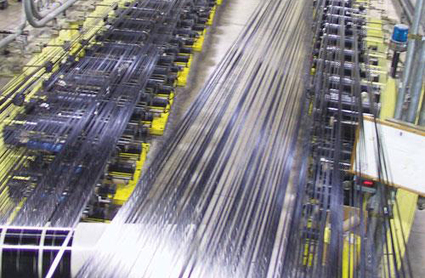


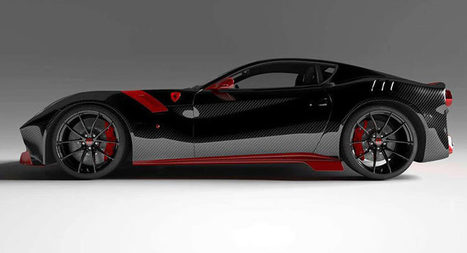


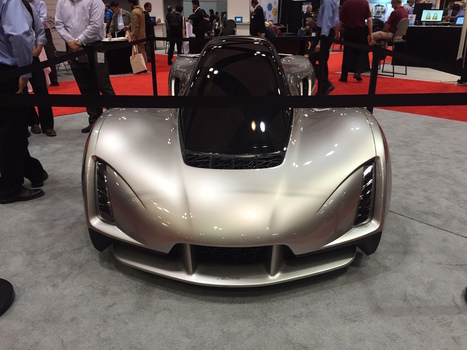
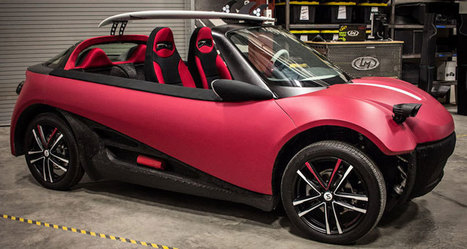








Polynt Composites has invested in its German location near Frankfurt in a new production line fully dedicated to manufacturing of Carbon fiber reinforced SMC for serial applications.