Luxembourg in a nutshell. Everything interesting related to Luxembourg in French, English, German and Luxembourgish. We Luxembourgers are multilingual ;-)
Avec la digitalisation de la société, de plus en plus d’entreprises, administrations publiques, associations et autres professionnels peuvent être amenés à collecter, échanger et traiter des données à caractère personnel.
Or, les organismes qui utilisent ces données seront soumis à des règles encore plus strictes à compter du vendredi 25 mai, et cela à travers toute l’Union européenne.
Des traitements tels que la vidéosurveillance, la géolocalisation, la gestion des ressources humaines (conservation des CV, par exemple), la biométrie ou encore le transfert vers des pays tiers vont tous devoir se faire dans le respect de ces règles.
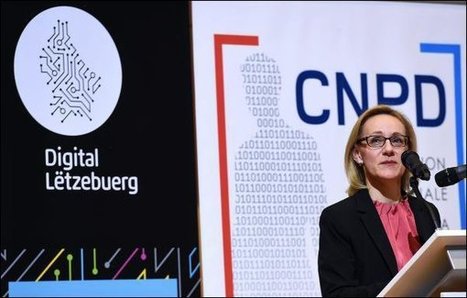
Un séminaire organisé par le CNPD Afin de respecter les droits des citoyens et leurs propres obligations, il est important que les acteurs (intéressés, responsables de traitement, sous-traitants…) comprennent la protection des données.
«L’objectif du RGPD est double. D’une part, il vise à redonner le contrôle sur les données qu’il partage au particulier. D’autre part, il doit permettre de faire circuler les données au sein de l’UE», explique la présidente de la Commission nationale de protection des données (CNPD), Tine Larsen.
Avec la digitalisation de la société, de plus en plus d’entreprises, administrations publiques, associations et autres professionnels peuvent être amenés à collecter, échanger et traiter des données à caractère personnel.
Or, les organismes qui utilisent ces données seront soumis à des règles encore plus strictes à compter du vendredi 25 mai, et cela à travers toute l’Union européenne.
Des traitements tels que la vidéosurveillance, la géolocalisation, la gestion des ressources humaines (conservation des CV, par exemple), la biométrie ou encore le transfert vers des pays tiers vont tous devoir se faire dans le respect de ces règles.
Un séminaire organisé par le CNPD Afin de respecter les droits des citoyens et leurs propres obligations, il est important que les acteurs (intéressés, responsables de traitement, sous-traitants…) comprennent la protection des données.
«L’objectif du RGPD est double. D’une part, il vise à redonner le contrôle sur les données qu’il partage au particulier. D’autre part, il doit permettre de faire circuler les données au sein de l’UE», explique la présidente de la Commission nationale de protection des données (CNPD), Tine Larsen.
Avec l’arrivée du GDPR, cette vidéo de sensibilisation permet de comprendre les éléments importants et les acteurs de la protection des données au Luxembourg. D’autres informations et réunions sur notre site de l’APDL www.apdl.lu.
Avec l’arrivée du GDPR, cette vidéo de sensibilisation permet de comprendre les éléments importants et les acteurs de la protection des données au Luxembourg. D’autres informations et réunions sur notre site de l’APDL www.apdl.lu.
At the first RegTech Summit held on 12 October 2017, the Luxembourg Institute of Science and Technology (LIST), Digital Luxembourg and eProseedRTC supported the National Commission for Data Protection (CNPD) in launching a tool to enable organisations to evaluate the extent of their compliance with the new General Data Protection Regulations (GDPR).
PREPARING FOR 25 MAY 2018
Companies, public administrations and associations who handle personal data are required to comply with the new European regulations by 25 May 2018.
As a regulatory body, CNPD, together with LIST, have formed a partnership for the purposes of a research project, which is also supported by Digital Luxembourg, in an effort to assist private and public stakeholders in integrating the provisions of the new regulations.
This tool – the "GDPR Compliance Support Tool" - also contributes to Luxembourg's objective of digitising and simplifying procedures, particularly in terms of ensuring compliance with the current and future regulatory framework.
ASCERTAIN YOUR ORGANISATION'S LEVEL OF COMPLIANCE
The "GDPR Compliance Support Tool" is an innovative, intuitive solution enabling users to ascertain the level of maturity of their organisations. It contains a comprehensive, in-depth database covering 350 regulatory requirement criteria.
The tool will allow stakeholders not only to manage a data processing register in addition to the other documents required to demonstrate their compliance, but also to monitor the progress of their level of organisational maturity. The tool will be offered to companies free of charge and its content will be updated on an ongoing basis.
At the first RegTech Summit held on 12 October 2017, the Luxembourg Institute of Science and Technology (LIST), Digital Luxembourg and eProseedRTC supported the National Commission for Data Protection (CNPD) in launching a tool to enable organisations to evaluate the extent of their compliance with the new General Data Protection Regulations (GDPR).
PREPARING FOR 25 MAY 2018
Companies, public administrations and associations who handle personal data are required to comply with the new European regulations by 25 May 2018.
As a regulatory body, CNPD, together with LIST, have formed a partnership for the purposes of a research project, which is also supported by Digital Luxembourg, in an effort to assist private and public stakeholders in integrating the provisions of the new regulations.
This tool – the "GDPR Compliance Support Tool" - also contributes to Luxembourg's objective of digitising and simplifying procedures, particularly in terms of ensuring compliance with the current and future regulatory framework.
ASCERTAIN YOUR ORGANISATION'S LEVEL OF COMPLIANCE
The "GDPR Compliance Support Tool" is an innovative, intuitive solution enabling users to ascertain the level of maturity of their organisations. It contains a comprehensive, in-depth database covering 350 regulatory requirement criteria.
The tool will allow stakeholders not only to manage a data processing register in addition to the other documents required to demonstrate their compliance, but also to monitor the progress of their level of organisational maturity. The tool will be offered to companies free of charge and its content will be updated on an ongoing basis.
Soumis à un lobbying énorme, le projet de règlement européen sur la protection des données a trouvé une issue lors de la présidence luxembourgeoise du Conseil de l’Union européenne. Pleinement applicable le 25 mai 2018, il régule la manière dont nos informations sensibles sont utilisées et conservées.
Soumis à un lobbying énorme, le projet de règlement européen sur la protection des données a trouvé une issue lors de la présidence luxembourgeoise du Conseil de l’Union européenne. Pleinement applicable le 25 mai 2018, il régule la manière dont nos informations sensibles sont utilisées et conservées.
Doch damit verstößt der Hobbyfotograf eindeutig gegen geltendes Recht. Das Gesetz vom 11. August 1982 zum Schutz der Privatsphäre sieht bei Verstößen Haftstrafen von bis zu einem Jahr und Geldstrafen bis 5 000 Euro vor. Außerdem kann der Bildautor auch zivilrechtlich belangt werden.
„Das Recht am eigenen Bild ist oberstes Gebot“, betont auch Jurist Thierry Lallemang, eines von drei Mitgliedern der Luxemburger Datenschutzkommission, der „Commission nationale pour la protection des données“ .
Fotografieren an öffentlichen Plätzen ist grundsätzlich erlaubt. „Das klassische Beispiel wäre der Tourist, der in der Stadt Erinnerungsfotos macht“, erklärt Thierry Lallemang. „Da muss ich schon akzeptieren, dass ich auf einem dieser Bilder zu sehen bin“. In diesem Zusammenhang spricht man von „implizitem Einverständnis“ für die Aufnahme.
„Wenn ein Fotograf mich aber gezielt anvisiert und nur mich knipst, dann ist das etwas ganz anderes“, betont das Kommissionsmitglied Lallemang. „Um solche Bilder zu machen, muss er mich im Vorfeld um Erlaubnis bitten“. Ob der Fotograf nun verdeckt knipst oder offensichtlich, macht keinen Unterschied.
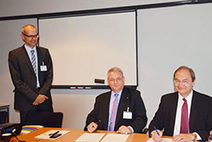
Ce mercredi 8 mai 2013, le Centre de Recherche Public Gabriel Lippmann a signé une convention de collaboration avec la société DroneLAB spécialisée dans la prise de vues, de films et de mesures aériennes via l’utilisation de drones.
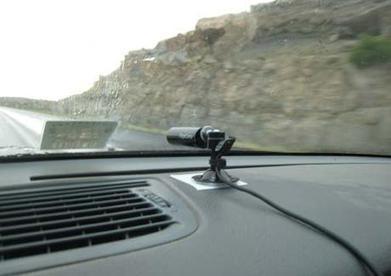
Dash-cams, which are essentially CCTV cameras used to film traffic in private cars, should not be confused with devices installed in cars to help drivers park, which don't record images.
La Commission nationale pour la protection des données (CNPD) est une autorité indépendante chargée de contrôler et de vérifier la légalité des traitements des données à caractère personnel et doit assurer le respect des libertés et droits...
À l’heure actuelle, le service de Christophe Buschmann compte cinq personnes, qui pourront s’appuyer sur la vingtaine d’experts sectoriels que compte la CNPD. Mais les effectifs vont augmenter. «Des recrutements d’auditeurs sont en cours, assure-t-il. Nous sommes en train de définir les derniers détails de la méthodologie que nous appliquerons, mais nous veillerons à être très professionnels pour transmettre un sentiment de confiance.» Créée en 2002 suite à la transposition dans la loi de la directive européenne sur la protection des données, la CNPD va devenir une institution-clé de l’État à partir du 25 mai. Il y a trois ans, elle comptait une quinzaine de collaborateurs. Il est prévu qu’ils soient 35 d’ici la fin de l’année et 49 en 2020. Des effectifs qui vont crescendo pour des contrôles qui seront de plus en plus nombreux au fil des ans. Pour l’année 2018, seulement 25 audits sont prévus par la CNPD. «Cela ne veut pas dire que nous n’effectuerons que 25 contrôles, tient à préciser Tine A. Larsen. Nous utiliserons des approches à la fois thématiques et sectorielles. Nous viserons donc à chaque fois plusieurs entreprises.»
À l’heure actuelle, le service de Christophe Buschmann compte cinq personnes, qui pourront s’appuyer sur la vingtaine d’experts sectoriels que compte la CNPD. Mais les effectifs vont augmenter. «Des recrutements d’auditeurs sont en cours, assure-t-il. Nous sommes en train de définir les derniers détails de la méthodologie que nous appliquerons, mais nous veillerons à être très professionnels pour transmettre un sentiment de confiance.» Créée en 2002 suite à la transposition dans la loi de la directive européenne sur la protection des données, la CNPD va devenir une institution-clé de l’État à partir du 25 mai. Il y a trois ans, elle comptait une quinzaine de collaborateurs. Il est prévu qu’ils soient 35 d’ici la fin de l’année et 49 en 2020. Des effectifs qui vont crescendo pour des contrôles qui seront de plus en plus nombreux au fil des ans. Pour l’année 2018, seulement 25 audits sont prévus par la CNPD. «Cela ne veut pas dire que nous n’effectuerons que 25 contrôles, tient à préciser Tine A. Larsen. Nous utiliserons des approches à la fois thématiques et sectorielles. Nous viserons donc à chaque fois plusieurs entreprises.»
Data is the gold dust of the 21st century, and with the amount of that data set to double every two years (reaching 44 trillion gigabytes by 2020), it’s allowing organizations of all sizes to open up opportunities to truly understand their customers. For instance, analyzing data in near real-time and acting on insights to deliver superior experiences.
However, the data bonanza is not a free-for-all. The very acts which excite businesses – holding and using data – have the potential to expose them to significant legal and reputation damage. Just as there has been a groundswell of interest in harnessing the power of data, so consumers are becoming more aware of their right to privacy and what giving away their data can mean. Organizations that fail to properly secure customer information not only face regulatory and legal sanctions, but can expect significant damage to reputation and trust. Marissa Mayer lost her annual bonus over the mishandling of security breaches that exposed the personal information of more than 1 billion users.
Governments are reacting to the increased demand for data legislation as well. Regulations such as the EU’s General Data Protection Regulation (GDPR) which comes into force on 28 May 2018 guarantees the data privacy rights of any EU citizen, no matter where their data is being held or processed. It will have consequences for businesses globally, not just in the European Union.
Data is the gold dust of the 21st century, and with the amount of that data set to double every two years (reaching 44 trillion gigabytes by 2020), it’s allowing organizations of all sizes to open up opportunities to truly understand their customers. For instance, analyzing data in near real-time and acting on insights to deliver superior experiences.
However, the data bonanza is not a free-for-all. The very acts which excite businesses – holding and using data – have the potential to expose them to significant legal and reputation damage. Just as there has been a groundswell of interest in harnessing the power of data, so consumers are becoming more aware of their right to privacy and what giving away their data can mean. Organizations that fail to properly secure customer information not only face regulatory and legal sanctions, but can expect significant damage to reputation and trust. Marissa Mayer lost her annual bonus over the mishandling of security breaches that exposed the personal information of more than 1 billion users.
Governments are reacting to the increased demand for data legislation as well. Regulations such as the EU’s General Data Protection Regulation (GDPR) which comes into force on 28 May 2018 guarantees the data privacy rights of any EU citizen, no matter where their data is being held or processed. It will have consequences for businesses globally, not just in the European Union.
2016 hatte die nationale Kommission für den Datenschutz (CNPD) alle Hände voll zu tun. Zusätzlich zu ihren üblichen Tätigkeiten (siehe Infobox), hat die CNPD begonnen, sich auf eine neue europäische Regelung vorzubereiten, die ab dem 25. Mai 2018 ein einheitliches Datenschutzsystem für Europa vorsieht. Das Ziel dieser Reform ist es, «den Bürgern die Kontrolle über ihre persönlichen Daten wiederzugeben», erklärte Tine A. Larsen, Präsidentin der Kommission, am Donnerstag bei der Vorstellung der Bilanz von 2016.
Mit diesem neuen Gesetzestext müssen Unternehmen und Behörden der CNPD keine Benachrichtigung oder einen Antrag auf Zulassung mehr zukommen lassen. Nunmehr ist die nachträgliche Kontrolle maßgebend und somit wird die Überwachungsrolle der CNPD verstärkt. Dem Vollmitglied Thierry Lallemang zufolge wird diese Kontrolle einige Missbräuche verhindern. «Die Überwachungsmittel der Angestellten werden zum Beispiel viel besser kontrolliert und es wird keine Genehmigungen mehr geben, die in der untersten Ecke einer Schublade herumliegen und doch nicht eingehalten werden».
2016 hatte die nationale Kommission für den Datenschutz (CNPD) alle Hände voll zu tun. Zusätzlich zu ihren üblichen Tätigkeiten (siehe Infobox), hat die CNPD begonnen, sich auf eine neue europäische Regelung vorzubereiten, die ab dem 25. Mai 2018 ein einheitliches Datenschutzsystem für Europa vorsieht. Das Ziel dieser Reform ist es, «den Bürgern die Kontrolle über ihre persönlichen Daten wiederzugeben», erklärte Tine A. Larsen, Präsidentin der Kommission, am Donnerstag bei der Vorstellung der Bilanz von 2016.
Mit diesem neuen Gesetzestext müssen Unternehmen und Behörden der CNPD keine Benachrichtigung oder einen Antrag auf Zulassung mehr zukommen lassen. Nunmehr ist die nachträgliche Kontrolle maßgebend und somit wird die Überwachungsrolle der CNPD verstärkt. Dem Vollmitglied Thierry Lallemang zufolge wird diese Kontrolle einige Missbräuche verhindern. «Die Überwachungsmittel der Angestellten werden zum Beispiel viel besser kontrolliert und es wird keine Genehmigungen mehr geben, die in der untersten Ecke einer Schublade herumliegen und doch nicht eingehalten werden».
On Tuesday 11 October 2016, Luxembourg’s National Commission for Data Protection (CNPD) and the Service for Media and Communication (SMC) held a conference on the main changes stemming from new data protection regulation.
The conference marked the start of a series of events especially designed in the framework of the Digital Lëtzebuerg initiative with the aim of presenting the new regulation to those concerned and guiding them in its implementation.
More than 500 people attended the conference at the Maison du Savoir at Esch-Belval, where the Prime Minister and Minister of Media and Communication, Xavier Bettel, discussed the challenges and opportunities provided by the new European regulation for Luxembourg. PM Bettel referred to it as “an adaptation to a new world, a world where technological innovation allows for important advances while also guaranteeing the respect of our fundamental principles.”
These new laws, which replace the 1995 directive of the same nature, will be directly applicable in all Member states of the European Union from 25 May 2018. The new regulation aims to give citizens more control over their personal data, give more responsibility to businesses whilst reducing their administrative costs, and also reinforcing the role of data protection authorities like CNPD.
On Tuesday 11 October 2016, Luxembourg’s National Commission for Data Protection (CNPD) and the Service for Media and Communication (SMC) held a conference on the main changes stemming from new data protection regulation.
The conference marked the start of a series of events especially designed in the framework of the Digital Lëtzebuerg initiative with the aim of presenting the new regulation to those concerned and guiding them in its implementation.
More than 500 people attended the conference at the Maison du Savoir at Esch-Belval, where the Prime Minister and Minister of Media and Communication, Xavier Bettel, discussed the challenges and opportunities provided by the new European regulation for Luxembourg. PM Bettel referred to it as “an adaptation to a new world, a world where technological innovation allows for important advances while also guaranteeing the respect of our fundamental principles.”
These new laws, which replace the 1995 directive of the same nature, will be directly applicable in all Member states of the European Union from 25 May 2018. The new regulation aims to give citizens more control over their personal data, give more responsibility to businesses whilst reducing their administrative costs, and also reinforcing the role of data protection authorities like CNPD.
Luxembourg's national data protection authority CNPD is launching an investigation into a recent cyberattack on online auction house eBay, which compromised the data of millions of users.
“User accounts of customers in the European Union are contracted with eBay Europe Sàrl established in Luxembourg,” a statement issued on Tuesday said. “CNPD will open an investigation procedure to examine the circumstances and consequences of the breach of integrity and confidentiality of eBay user's personal information.”
“User accounts of customers in the European Union are contracted with eBay Europe Sàrl established in Luxembourg,” a statement issued on Tuesday said. “CNPD will open an investigation procedure to examine the circumstances and consequences of the breach of integrity and confidentiality of eBay user's personal information.”
Sie sind klein, günstig und liefern bei einem Verkehrsunfall wichtige Beweise: Kameras auf dem Armaturenbrett – so genannte Dashcams – erfreuen sich in vielen Ländern großer Beliebtheit. In Luxemburg sind sie jedoch nicht erlaubt.
Ces derniers temps, la Commission nationale pour la protection des données est confrontée à un nombre croissant de demandes de renseignement relatives à des caméras de vidéosurveillance installées dans les voitures de particuliers.
La loi concernant la protection des personnes à l’égard du traitement des données à caractère personnel ne prévoit cependant aucun critère de légitimation sur lequel un demandeur pourrait se baser afin de justifier l’utilisation d’une telle caméra.
To get content containing either thought or leadership enter:
To get content containing both thought and leadership enter:
To get content containing the expression thought leadership enter:
You can enter several keywords and you can refine them whenever you want. Our suggestion engine uses more signals but entering a few keywords here will rapidly give you great content to curate.


 Your new post is loading...


















Avec la digitalisation de la société, de plus en plus d’entreprises, administrations publiques, associations et autres professionnels peuvent être amenés à collecter, échanger et traiter des données à caractère personnel.
Or, les organismes qui utilisent ces données seront soumis à des règles encore plus strictes à compter du vendredi 25 mai, et cela à travers toute l’Union européenne.
Des traitements tels que la vidéosurveillance, la géolocalisation, la gestion des ressources humaines (conservation des CV, par exemple), la biométrie ou encore le transfert vers des pays tiers vont tous devoir se faire dans le respect de ces règles.
Un séminaire organisé par le CNPD
Afin de respecter les droits des citoyens et leurs propres obligations, il est important que les acteurs (intéressés, responsables de traitement, sous-traitants…) comprennent la protection des données.
«L’objectif du RGPD est double. D’une part, il vise à redonner le contrôle sur les données qu’il partage au particulier. D’autre part, il doit permettre de faire circuler les données au sein de l’UE», explique la présidente de la Commission nationale de protection des données (CNPD), Tine Larsen.
Learn more / En savoir plus / Mehr erfahren:
https://www.scoop.it/t/luxembourg-europe/?&tag=GDPR