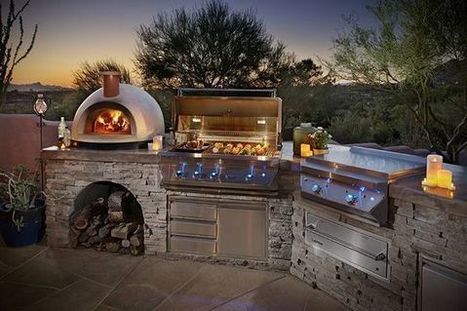
After a long winter, people are excited to embrace the outdoors for cookouts, pool parties, picnics, and more. Since the kitchen is the heart of the home, bringing all of your cooking supplies outside with you is a tall order, unless you have an outdoor kitchen. Here are 5 ideas to make your outdoor kitchen the best it could possibly be.
There’s nothing like a fresh coat of paint to instantly improve the look of your home. A fresh paint job has the power to totally transform the look of your house in less time than any other remodeling project.
While the income stream from managing multiple properties can be considerable, there will always be inherent risks. Since no one can completely eliminate risk, the challenge is knowing how to manage and to mitigate your exposure. In order to control risks, however, it is imperative to know what they are. Let’s take a closer look at some of the potential risks to property managers and how to reduce their impact.
When it comes to selecting the proper window treatment for your bedroom, you need to take into consideration privacy, light filtering, as well as cost factors like heating and cooling. Before you purchase or even look at window treatments, figure out the most common use for the individual living space.
As we start a new year, it's natural to look ahead and ponder what this year will have in store for the HVAC industry. In recent years, the HVAC industry has not only grown, but also gotten much smarter. Advances in service technology has gained traction and begun to take off in the past decade.
Discover the Top 10 interior design and decor trends of 2019 in this must-watch guide to decor your home. D.Signers reveals what’s trending in interior desig...
With summer around the corner, it’s time to take the tarp off of your pool and assess the upkeep that needs to be done before jumping in. Here are seven maintenance tips to keep that pool running in tip-top shape.
If you need help, now is the perfect time to contact a home remodeling contractor. In the meantime, we picked out some remodeling projects for a new look for the warmer weather.
Owning your own business is a daunting undertaking, regardless of that business’s size. If you’re a contractor, you may be the owner as well as the person who
In the realm of home remodeling projects, bathrooms often get painted last. Though it is true that homeowners tend to remodel their bathrooms more often than
Professional Interior Painting Giving your walls and ceiling a fresh coat of paint is one of the quickest ways to improve the appearance of your home… or
Floating docks are essentially buoyant platforms that are held up by pontoons, but other buoyant materials can also be used like plastic barrels. The pontoons are then anchored to the bottom of the floor of the water.
Depending on the improvements to be made, the ROI can vary, with some being over 100-percent. These improvements improve the flow, function and value of a home as a whole.
Summer is an excellent time to do home improvement projects such as replacing doors and windows because you can notice the impact of projects that improve your home’s energy efficiency. If you don’t already know, getting energy-efficient replacement windows and doors is the best way to save on long term energy costs. Here are some reasons why you should replace your doors and windows this summer.
Since about 70% of American homeowners believe your house is your biggest asset, taking care of it is probably a top priority.The good news is, making your house more efficient, adding square footage, upgrading the kitchen or bath and installing smart-home technology can help increase its value. Here are some home remodeling tips to consider to raise the value of your home.
Color has a profound influence on a space and the people in it. It can make or break a space. Choosing the right color for the rooms in your home is a very important aspect of your interior design.
As anyone with home remodeling experience may know, the design and rebuilding industry is ever changing. But no matter what the inspiration is, it's clear that each new year brings with it a breath of fresh air, along with a palette of bold new paint colors.
Installing an outdoor TV is the perfect addition to your outdoor living space. In order to have the best outdoor entertainment experience possible, it’s important to keep in mind logistics such as where you would add it, what type of TV you have in mind, and how to get the most out of your investment.
Here are several exterior remodeling ideas that not only add visual appeal but also add property value to your home. Whether you’re looking for the perfect contractors or the right shade of paint, all can be useful steps for making necessary updates before summer begins.
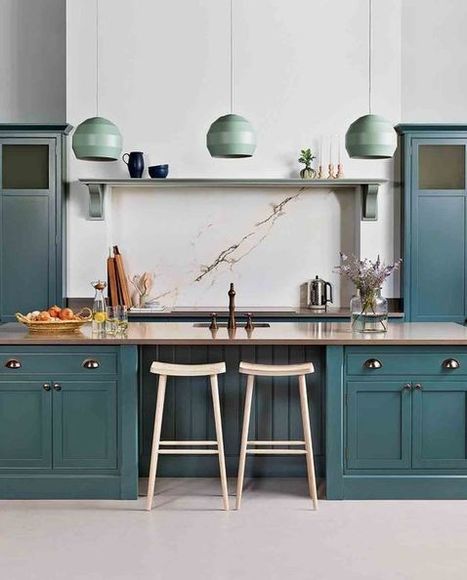
The ultimate design statement of the home starts in the kitchen. The kitchen takes center stage as the place where family's lifestyle starts. It's no wonder
Choosing the right interior designer for your home’s design project is a multi-level process. Not only must you find someone whose experience and design
What Causes Dripping Taps The noise of a dripping tap can start to get on your nerves after a while. More importantly, the water which drips from a tap is
A Closer Look at Mold – Types, Classes, and Tips to Clean it Mold can grow almost anywhere! You might not see it but it could be there!. All types of mold prefer areas low on light and high on moisture - behind drywall/sheetrock, within wallpapers, carpeting, bathtub stains and etc. Mold spores or mold toxins can be present in food without you ever knowing. Many anti-biotics are manufactured thanks to mold types like Penicillium & more. Baking soda, borax, ammonia, oregano oil, neem seed oil, they all can help you clean up and get rid of mold, but bleach and peroxide will not handle Class A types of mold. The early stage of being sick from Mycotoxin will show no physical symptoms but it can affect the brain cavity. There is no such thing as mold allergy. You either fight it as a virus, or you end up sick (or even very sick). Mold toxins are even more dangerous if you use steroids, anti-biotics or even immune suppressing products. Candida Albicans is detected in the stomach and mouth of 40% to 60% of adults.It emits toxins, able to cause cancer. Most types of mold prefer to grow in a low pH environment, while Candida does it at pH of 7. NOBODY IS IMMUNED TO HEALTH RISKS FROM MOLD TOXINS! Yellow. Green. Brown. White. Black. Mold comes in these and many other colors, just like a box of crayons. However, unlike crayons, these invasive fungi are nowhere near as fun to work with. If your property has been affected by this highly persistent growth, simply wiping it away will not solve the issue. Below, we will discuss the effects of mold on health, its common varieties, and the cleaning techniques that you can use to prevent the growth from coming back. What Are Mold’s Effects on Human Health? Before we focus on the negatives, let’s begin by acknowledging some of the mold’s positive impacts on today’s society. For instance, Rhizopus, a type of mold, is responsible for releasing fumaric acid that is used to produce a type of local anaesthetic, known as cortisone. Aspergillus flavus, on the other hand, has been safely used in China for centuries in the making of cheeses and soy sauce. And Penicillium molds have led to the discovery of the popular antibiotic. However, not all types of mold are as benevolent as the ones above. Besides looking unsightly, any mold species can become a major inconvenience once it enters the household. If the affected area is not sterilized in time, the fungi will release numerous spores into the air that, once inhaled, can trigger an allergic reaction. The symptoms will vary depending on the person’s age, the level of mold exposure, and their health condition. Here are some of them: Chronic exhaustion and headaches; Red eyes and increased light sensitivity; Lesser ability to concentrate or remember; Joint and abdominal pain, numbness; Shortness of breath and chronic cough; Mood, appetite, and temperature swings; Disorientation or a feeling of lightheadedness. How Is Each Type of Mold Classified? Unfortunately, the growth’s color and texture are not enough to determine if the mold in your home is dangerous. That is why some countries have developed a special mold grading system. Here, the hazardous levels of each mold type are assessed on a scale from “A” to “C”, with “A” denoting the most dangerous molds and “C” – those that pose the least health risks. Class A – these are the molds that can cause the most harm in a home or office environment. Any mold species belonging to this class should be removed as soon as possible to prevent the release of harmful toxins and the spread of airborne infections. Class B – while not as dangerous as those found in class “A”, the continuous presence of this mold group can still cause allergic reactions or greatly exacerbate existing ones. Class C – such molds are completely harmless to humans, even indoors. However, their knack for growing on almost any damp surface can often lead to structural damage. How Many Types of Mold Are There? Perhaps too many for us to count. Some of the more commonly encountered mold types are: Acremonium. This genus has been said to contain almost 150 mold species! This makes them a very common sight on many wallpapered kitchens and damp basement walls. However, these fungi can also be spotted growing on insulation and drywall surfaces. They are typically brown, gray, or white in appearance. Hazard rating: Classes A, B, or C, depending on the species. Cladosporium. You will frequently encounter this one. This genus comes in green, brown, gray, or black colors and is comprised of around 40 species. Common gathering spots include painted walls, wood, carpets, wallpapers and other damp organic surfaces. Hazard rating: Classes B or C, depending on the species. Aureobasidium. The natural habitat of this type of mold is the great outdoors. It’s considered to cover approximately 15 species. Inside the home, it can be found thriving on wallpapers, wooden and painted surfaces, and the areas near damp window frames and caulking. Comes in pink and black varieties. Hazard rating: Classes B or C, depending on the species. Alternaria. Contains about 50 species. Unlike the Acremonium, you will not see these black or grey fungi in your home, unless the spores have been tracked from the outside. Hazard rating: Class B. Botrytis. Most notable as a plant parasite, this genus can thrive just as well in poorly-ventilated bathrooms or other areas of your home with unusually high levels of humidity. Allergic reactions or even asthma can be developed over time, so sprucing up the affected area is highly recommended. Comes in various shades of gray. Hazard rating: Class B. Chaetomium. Has a distinctive musty odour and can be found on water-damaged carpets and window frames. Initially red, it soon assumes a brown color. Hazard rating: Class B. Ulocladium. These olive-brown species love water and are often found in damp bathrooms, kitchens, basements, or growing on the sills of foggy windows. An abundance of Ulocladium is often a tell-tale sign that you’re dealing with water damage. Hazard rating: Class B. Penicillium. There are about 200 known species. Penicillium molds that are found in the air or the soil. Their main purpose is to cause food and other perishable goods to spoil, and their presence usually indicates high moisture levels in the environment. Indoors, they will cling to various damp surfaces, such as walls and wallpapers, floors, and carpets. Colors range from blue and yellow to green and white. Hazard rating: Classes A or C, depending on the species. Aspergillus. Yellow-greenish in color and often encountered indoors. Neglecting its presence can lead to respiratory infections or may even cause inflammation of the lungs – a condition known as hypersensitivity pneumonitis. Hazard rating: Classes A or B, depending on the species. Fusarium. Springs to life even at lower temperatures and is most often spotted growing on water-damaged carpeting and fabrics. Its prolonged presence can cause mild allergic reactions, asthma, and severe respiratory conditions. Orange in color. Hazard rating: Classes A or B, depending on the species. Trichoderma. Like most molds, this genus is also after damp carpets, wallpaper, and any other organic surface that it can muster the energy to grow on. These species, however, can release mycotoxins that are highly toxic to humans and can cause many health problems down the road. They come in dark brown, yellow, and orange colors. Hazard rating: Classes A or B, depending on the species. Stachybotrys. An extremely dangerous fungi, also known as “black mold”. Mold species under this genus produce mycotoxins wherever they are disturbed, which can cause a long list of serious infections. They usually grow on materials that contain cellulose and that have remained damp for a long period of time. Such surfaces include cardboard and gypsum board, ceiling tiles, wood, and other organic materials. Hazard rating: Class A. What Can Be Done to Keep Mold at Bay? Battling mold can be tricky, especially if the fungi has been around for quite some time. Here are a few tips from Fantastic Cleaners (London) on how to successfully clean up, remove and prevent mold from coming back. Find the root of the problem. Usually, mold appears for a reason. It may grow due to faulty insulation, leaky pipes, damaged guttering, or simply because you forget to leave the bathroom door open each time you have a shower. Whatever the case, identifying the source of dampness first will ensure that your disinfecting efforts will not go to waste. Wear protective clothing. Get a cartridge-type respirator, preferably with a P100 filter. Anything lower than that will still let the spores pass through. Make sure to also wear rubber gloves and safety goggles, especially if you’re scouring the affected surfaces. Don’t sweep or dust the mold. If you do that, you will unleash a small Pandora box in the comfort of your home! Instead, treat the moldy areas with a mold cleaning spray. Once you’ve treated the fungi, gently sanitize the surfaces using a damp cloth and wipe with a dry cloth. Wipe the condensation away. Condensation is like a magnet for muld. Regularly dry and vacuum damp spots on your walls and ceiling to deny the dormant spores a chance to grow into mold by feeding on wood, cotton, cardboard, and other organic surfaces. Dispose of water-damaged items. Most often, you will spot the mold when your carpeting or insulation have already been damaged beyond repair. Mix some water with dish soap in a garden sprayer to decontaminate the affected surfaces. Next, place the items inside a double-bag before discarding. Finally, treat all adjacent surfaces in your home with a mixture of water and bleach before making any repairs. Mold is a difficult problem to deal with on your own and sometimes it is beneficial to call a top mold remediation specialist to help with your mold issue. The mold removal specialists from Sm Enterprise NJ advise: “WARNING: Never, ever attempt to mix bleach with other cleaning products that contain ammonia or traces of ammonia since the reaction will produce highly toxic fumes! This will not only pose a risk to you, but your family, pets and even neighbours. Regardless of the type of mold. DIY has caused more problems than solved.” What are the most common areas where mold can grow in your home? Types of mold most frequently showing in kitchens and bathrooms: Cladosporium cladosporioides (hazard class B) Cladosporium sphaerospermum (hazard class C) Ulocladium botrytis (hazard class C) Chaetomium globosum (hazard class C) Aspergillus fumigatus (hazard class A) The types of mold that grow on or under wallpapers: Cladosporium sphaerospermum Chaetomium spp., particularly Chaetomium globosum Doratomyces spp (no information on hazard classification) Fusarium spp (hazard class A) Stachybotrys chartarum (hazard class A) Trichoderma spp (hazard class B) Scopulariopsis spp (hazard class B) The types of mold regularly found on under mattresses and carpets: Penicillium spp (Esp. Penicillium chrysogenum) (hazard class B); Penicillium aurantiogriseum (hazard class B); Aspergillus versicolor (hazard class A); Aureobasidium pullulans (hazard class B); Aspergillus repens (no information on hazard classification); Wallemia sebi (hazard class C); Chaetomium spp., particularly Chaetomium globosum; Scopulariopsis spp. Types of mold most frequently found growing on window frames: Aureobasidium pullulans (hazard class B); Cladosporium sphaerospermum (hazard class C); Ulocladium spp (hazard class C). Types of mold commonly often present in basements (cellars): Aspergillus versicolor (hazard class A); Aspergillus fumigatus (hazard class A); Fusarium spp (hazard class A). Types of mold most frequently growing in flower pot soil: Aspergillus fumigatus (hazard class A); Aspergillus niger (hazard class A); Aspergillus flavus (hazard class A). Types of Mold - The Conclusion: Molds (spelled “mould” in the UK) stands for a microscopic organism that is capable of growing almost anywhere, as long as conditions are right. Most types can grow inside buildings, as well as outdoors. Mold colonies can develop easily when you have a damp and wet area. While some species are far from hazard, others are extremely dangerous and can cause severe health issues. No matter what is the exact type of mold at hand, it should not be taken lightly, but handled with extreme caution! "Dmitri Kara is a proactive citizen of the web. Blogging fan, social media activist and an active citizen of the web. " SaveSave
Gazebos are a really beneficial thing to add to your backyard area. Not only are the meant to provide protection against harmful UV rays and even some rain, but they also allow you to enjoy the outdoors and the fresh air.
To get content containing either thought or leadership enter:
To get content containing both thought and leadership enter:
To get content containing the expression thought leadership enter:
You can enter several keywords and you can refine them whenever you want. Our suggestion engine uses more signals but entering a few keywords here will rapidly give you great content to curate.


 Your new post is loading...




















https://www.livestockanimalexchange.com/product/black-spanish-goats-for-sale/