 Your new post is loading...
Learn which changes in mood, sleep, energy, and daily life may signal it is time to seek a mental health evaluation and what to expect at a first visit.
Mental health professionals are offering a range of evidence-based strategies to help residents recognize and manage the symptoms of seasonal depression.
By Madison Linton news@thehartwellsun.com A lavender orange filled the sky on the evening of April 10, 2020. In the dimness of the evening, a white fur coat stuck out. We finally had a dog.
Panelists at a Harvard Chan Studio event discussed expectations and myths about grieving, how trauma can impact health, and what individuals and communities can do to help those who’ve suffered trauma.
Evidence suggests exercise has comparable benefits to antidepressants. Why isn't it prescribed more?
I recently had the opportunity to visit a rainbow bridge.
A study of more than 23,000 adults found that among people with higher genetic risk for depression, those who moved more tended to have milder symptoms.
These stories explore the different ways grief can show up in our lives, from major life changes and broken relationships to dreams that never came true.
A discussion about grief, loss, trauma, and mental health.
As new bereavement laws finally recognise a wider range of losses – from the death of a partner or parent to miscarriage, sibling loss, step-family and foster relationships — grief expert Julia Samuel explains why we need to stop ranking loss and recognise how deeply complex it really is
I make a left onto Middle Road while talking to my father. I tell him that I am going to a funeral. “Again,” he replies with surprise in his voice. He knows how many funerals I have attended
"My life improved pretty quickly once I started doing it."
Your partner through the end-of-life experience
|
TRD often mislabels depression; learn why MDD heterogeneity demands tailored treatments and when “difficult-to-treat” fits better.
You'll need a tissue for this one.
Neurological examination and myasthenia gravis (MG)-specific functional scales may not fully capture the psychological and fatigue-related burden of MG. This cross-sectional registry-based study included 75 adults with MG. Depressive and anxiety symptoms were assessed using the Patient Health Questionnaire-9 (PHQ-9) and Generalized Anxiety Disorder-7 (GAD-7) with validated Latvian- and Russian-language thresholds. Fatigue, quality of life, functional impairment and clinical severity were assessed using the Fatigue Severity Scale (FSS), 15-item Myasthenia Gravis Quality of Life Questionnaire (MG-QOL15), Myasthenia Gravis Activities of Daily Living (MG-ADL) and MG Composite Score (MGCS). Analyses included group comparisons, Spearman correlations, and exploratory multivariable linear regression. Positive depression and anxiety screens were identified in 32/75 (42.7%) and 38/75 (50.7%) patients using language-specific thresholds, compared with 25/75 (33.3%) and 18/75 (24.0%) using conventional thresholds, despite low-to-moderate disease activity (median MGCS 3; MG-ADL 1). Depressive symptoms were associated with poorer MG-QOL15, higher MGCS, greater functional impairment and higher anxiety scores, whereas anxiety correlated only weakly with MG-QOL15 (rho = 0.270). Neurological severity alone may underestimate patient-perceived disease burden. Depressive symptoms and fatigue contribute independently to MG-specific quality of life beyond conventional clinical severity assessment, supporting psychological and fatigue screening even in patients with apparent clinical stability.
Listen to the audio version of this article here!* What is depression? Defined by Cleveland Clinic, depression is a mental health condition that negatively affects an individual’s life, “a mood disorder,” that affects an individual’s function and thoughts. Depression—which varies from one person to another—often invokes individuals to lose interest in their passions, feel physically
New research suggests that physical activity may modify depressive symptom severity in people with a higher genetic risk for depression.
Without a proper plan – whether in a trust or will – your beloved companion could face an animal shelter or worse
You did the right thing. You knew it. You still cried in the car park every Tuesday for three months — and nobody could tell you why.
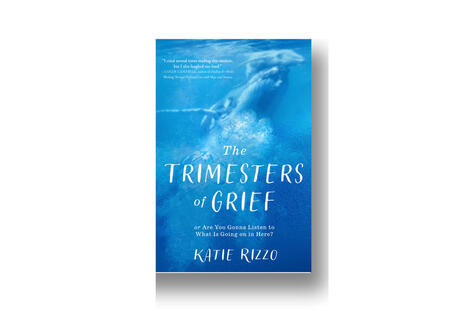
When Katie Rizzo lost contact with her son Nicholas, who wrestled with opioid addiction, she hoped for the best. But feared the worst.
Whether we're mourning a loved one, a relationship, or a life we once knew, four fundamental needs often emerge: to remember, release, reconnect, and be recognized.
Humor can be a useful mood tool, but timing matters. A new review found that laughter may help more once depression has eased than during a severe episode.
Depression isn’t a normal part of aging. These expert tips can help.
Those who have lost a pet now have a place for reflection and remembrance. The Alliance for the Arts and project visionary Gabrielle Bolen unveiled the Rainbow Bridge Pet Memorial on the Alliance campus in Fort Myers Saturday. Community members brought their pets as well as collars from beloved pets who have passed, to commemorate […]
|























What Finally Worked for Depression
Helping with depression
Please also review AIHCP's Grief Counseling Program