EUROPES
12.9K views |
+6 today


 Your new post is loading... Your new post is loading...
 Scoop.it!

Trade agreement between Beijing and Brussels on geographical indications is likely to stumble on registered trademarks and US MedSpring...

Scoop.it!

In the first of a dozen position papers, London proposes leaving EU customs union but keeping a ‘close association’ for a limited time.
Scoop.it!
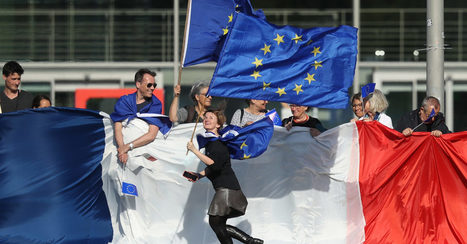
A study of 8 countries suggests that, despite persistent disagreements, the EU is back in voters’ favor even as the UK is preparing its exit.
Scoop.it!
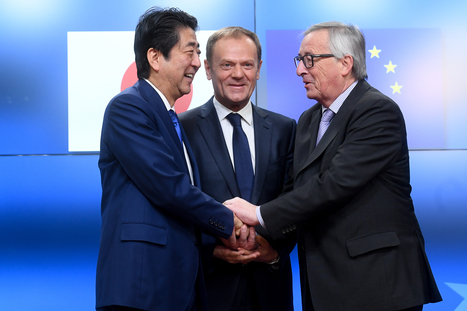
Le manque de transparence de ces négociations de libre-échange avec le Japon fait dire aux détracteurs de la Commission que celle-ci n’a rien appris de l’expérience du TTIP et du CETA. Un article d’Euractiv Allemagne.
Scoop.it!
Partout en Europe, l'agriculture biologique se développe. Le point en une carte interactive réalisée grâce à des données publiées par Eurostat.
Scoop.it!
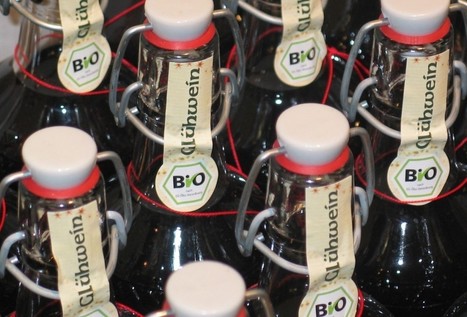
Le bio a le vent en poupe dans l'agriculture européenne, surfant sur une demande accrue des consommateurs pour des aliments sains.
Scoop.it!

The total value of EU agri-food exports increased by 9% in May this year compared to 2016, according to trade figures from the European Commission.
Scoop.it!

Rome and its water company are working hard to avoid rationing during a nationwide drought, Italy’s environment minister said Thursday.
Scoop.it!

L'institut de macro-économie Fathom a pointé du doigt le risque "plus grand que jamais" qu'une récession touche la Grande-Bretagne. Un consta
Scoop.it!

On this page you will find negotiating texts and the latest round reports published since 14 October 2015 related to the EU’s existing trade agreements and ongoing trade negotiations with non-EU countries. These texts are also available on the various parts of the DG TRADE website. The texts are collated here as part of the European Commission’s ongoing commitment to greater transparency and specifically to the commitment to transparency made in the EU’s new trade strategy ’Trade for All’.
Scoop.it!

La promotion des indications géographiques a permis aux produits européens de conquérir de nouveaux marchés friands d’aliments de qualité. Europol souligne toutefois que le nombre de faux augmente et que Bruxelles ne devrait pas fermer les yeux sur les questions de droits intellectuels.
Scoop.it!
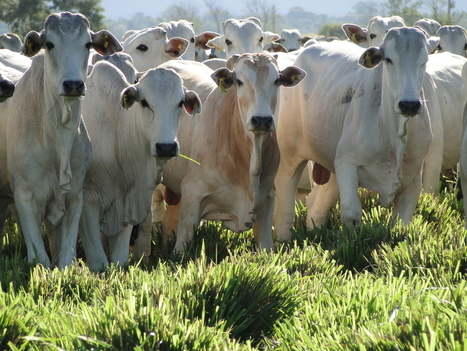
Spain’s agricultural sector is eyeing with concern free trade negotiations between the European Union and third parties. The agreement with Canada (CETA) and ongoing talks with South American trade bloc Mercosur are raising doubts in the Iberian countryside. EFEAgro reports.
|
Scoop.it!
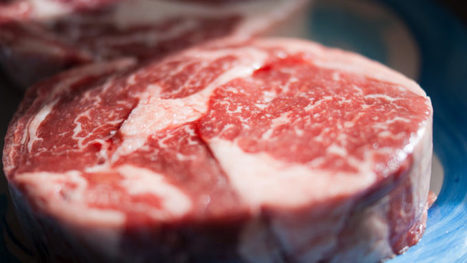
Les coopératives agricoles appellent la Commission à accroître la transparence dans la chaine d’approvisionnement alimentaire. Et à promulguer une loi européenne pour protéger les producteurs alimentaires des pratiques commerciales déloyales.
Scoop.it!
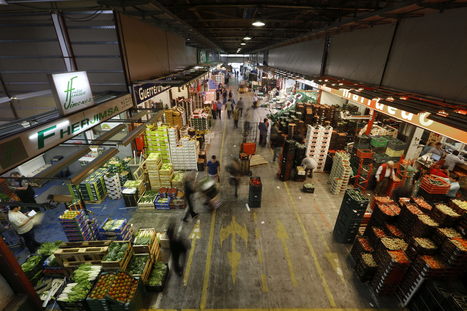
Spanish Partido Popular MEP Esther Herranz wants to harmonise the EU's border controls to protect food and plant products and prevent pests. EURACTIV’s partner EFEAgro reports.
Scoop.it!
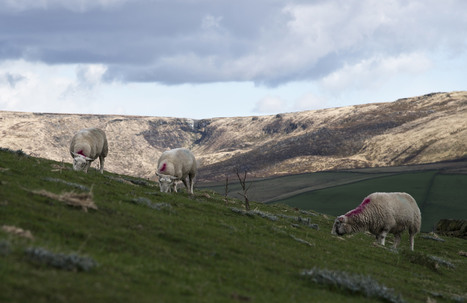
The UK’s Brexit deal could be a make or break scenario for Britain’s farmers, according to a study published by the Agri-Food and Biosciences Institute (AFBI) on Wednesday (16 August).
Scoop.it!
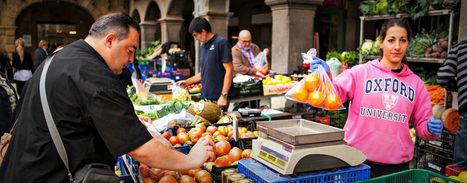
Europol has warned producers and consumers of the continuing misuse and counterfeiting of geographical indication food products in Europe.
Scoop.it!

Some eastern EU member states worry they are being sold inferior food. The Slovak prime minister will speak to commission chief Juncker about it.
Scoop.it!
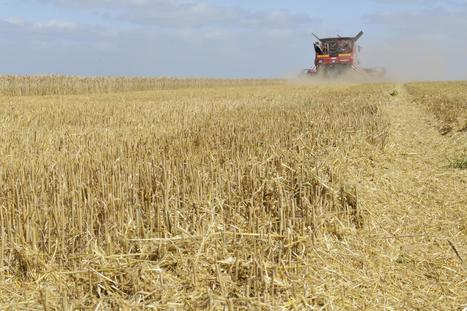
L’Union européenne (UE) à 28 devrait produire moins de 300 millions de tonnes de céréales en 2017-2018. C’est la conséquence de la baisse des surfaces, et des rendements à cause de la sécheresse et des fortes températures.
Scoop.it!
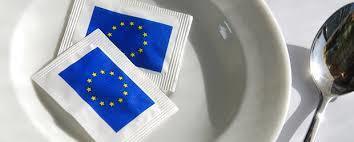
The so-called EU 'sugar market observatory' has been launched, with EU sugar experts and officials from the European Commission holding the first meeting of the new platform in Brussels yesterday (July 11).
Scoop.it!

In June 2013, politicians approved the first major reform of the Common Agricultural Policy (CAP) in a decade, following months of haggling over quotas, subsidies, and measures to improve environmental accountability. But when the new rules took full effect in 2015, a year behind schedule, some of the same leaders who had approved it called for [...]
Scoop.it!
La sécheresse dans le sud de l’Europe menace de réduire la production de céréales en Italie et dans de grandes régions de l’Espagne à son niveau le plus bas jamais enregistré en au moins 20 ans, et de frapper d’autres cultures régionales y compris les olives et les amandes.
|