Epic pics
23.8K views | +0 today
Epic pics
Impressive picture
Your new post is loading...

Popular Tags

Scooped by Jacques Le Bris
June 8, 2014 3:42 AM
Scoop.it!

Benjamin plonge ses mannequins à 25 m sous l’eau pour réaliser des mises en scène oniriques sans aucun montage

Benjamin plonge ses mannequins à 25 m sous l’eau pour réaliser des mises en scène oniriques sans aucun montage | Epic pics | Scoop.it

Benjamin a réalisé une incroyable séance de photographies, à plus de 25 mètres de profondeur dans les eaux de Bali. Ses clichés, réalisés sans photomontage, inspirent beauté et onirisme. DGS vous fait découvrir son incroyable talent !

No comment yet.
Scooped by Jacques Le Bris
May 26, 2014 6:25 AM
Scoop.it!

Du cirque à la piste aux étoiles

Du cirque à la piste aux étoiles | Epic pics | Scoop.it
No comment yet.
Scooped by Jacques Le Bris
May 25, 2014 2:08 AM
Scoop.it!

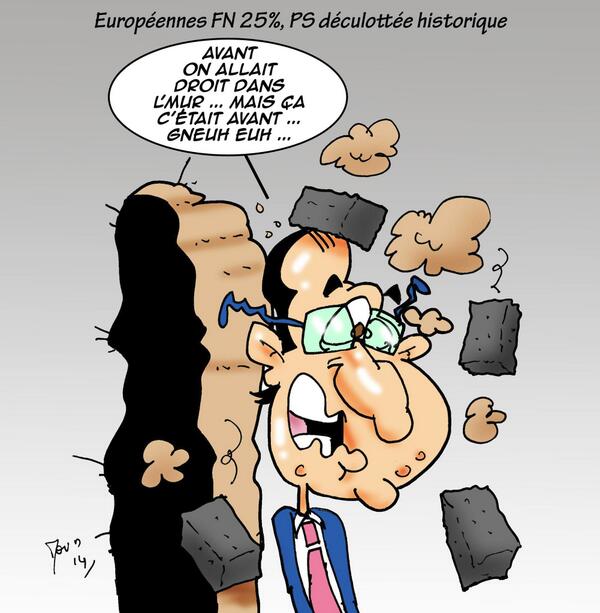
Citoyen, abstiens-toi de t'abstenir

Citoyen, abstiens-toi de t'abstenir | Epic pics | Scoop.it
No comment yet.
Scooped by Jacques Le Bris
May 23, 2014 6:08 AM
Scoop.it!

Donne moi ta main et prends la mienne !

Donne moi ta main et prends la mienne ! | Epic pics | Scoop.it
No comment yet.
Scooped by Jacques Le Bris
June 10, 2014 2:51 AM
Scoop.it!

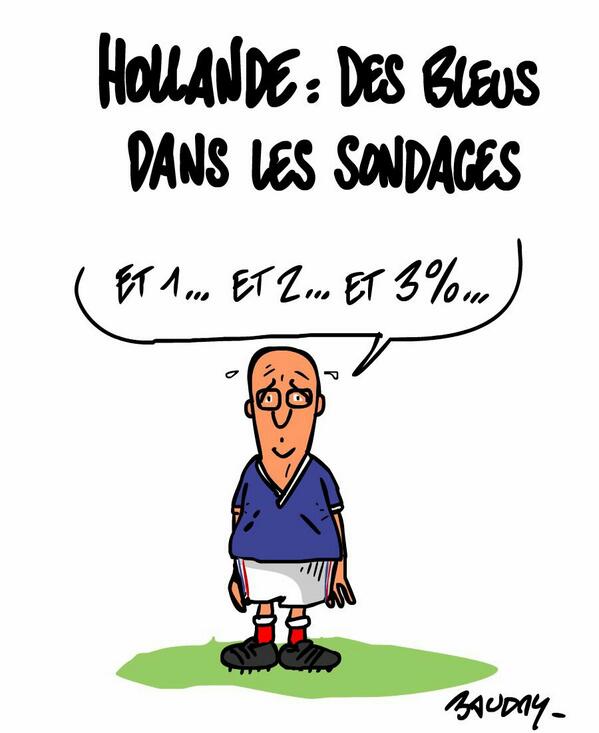
Et 3 ! Et 2 ! Et 1 ! O ! Balle au centre.

Et 3 ! Et 2 ! Et 1 ! O ! Balle au centre. | Epic pics | Scoop.it
No comment yet.
Scooped by Jacques Le Bris
May 28, 2014 10:18 AM
Scoop.it!

Le Chat est prêt pour une grande lessive

Le Chat est prêt pour une grande lessive | Epic pics | Scoop.it
No comment yet.
Scooped by Jacques Le Bris
May 25, 2014 4:06 AM
Scoop.it!

Asteroid crash 290 million years ago may have set Russian meteor on collision course with Earth

Asteroid crash 290 million years ago may have set Russian meteor on collision course with Earth | Epic pics | Scoop.it

Scientists report that the meteorite that rocked Russia early last year may have been sent on a collision course with Earth after smacking into another asteroid as long as 290 million years ago. It's estimated that the parent asteroid — a much larger object from which the so-called Chelyabinsk meteor broke off — impacted another asteroid in space at anywhere from 800 to 3,350 miles per hour (1,440 – 5,400 km/h). That second asteroid, according to the hypothesis, was at least 500 feet (150m) in diameter, and the impact sent the final 65-foot (20m) wide meteor in Earth's direction.

The findings come after scientists studied small fragments of the Chelyabinsk meteor that made it through the massive explosion in Earth's atmosphere and landed on the ground. Lead researcher Shin Ozawa, of Japan's University of Tohoku, and his team found a mineral called jadeite in glass-like veins inside the samples. That mineral could only be produced under massive pressure and heat, such as that from an impact with another asteroid. By studying the shape and structure of the jadeite crystals, they were able to estimate the size, temperature, and duration of the impact. The results were published this week in Scientific Reports. Previously, scientists had used video footage to determine the path of the meteor to Earth, and analysis of the impact found it to be the second largest explosion in recorded history.

Correction: Researchers have not concluded that an asteroid impact caused the meteorite to head towards Earth, they have hypothesized that such events could explain the presence of jadeite in the meteorite. This article has been modified to make the distinction clearer.

No comment yet.
Scooped by Jacques Le Bris
May 25, 2014 1:35 AM
Scoop.it!

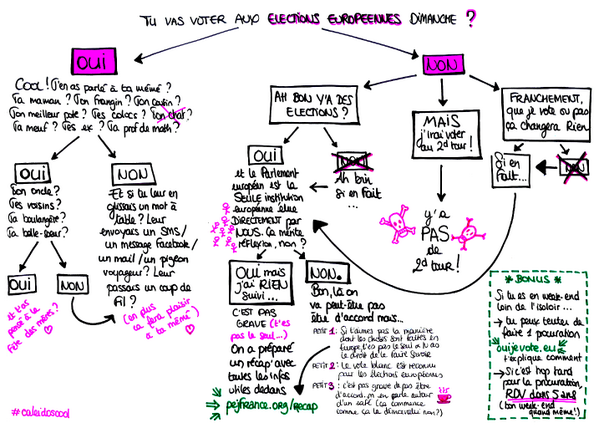
Vote or not to vote ?

Vote or not to vote ? | Epic pics | Scoop.it

Une récap utile

Jacques Le Bris's insight:

Une récap utile pour les indécis et les retardataires
http://www.pejfrance.org/recap

No comment yet.