



Social networking sites' tracking of unintentionally shared information

 Your new post is loading...
 Your new post is loading...
Your new post is loading...
 Scoop.it!
Social networking sites' tracking of unintentionally shared information 
No comment yet.
Sign up to comment
|





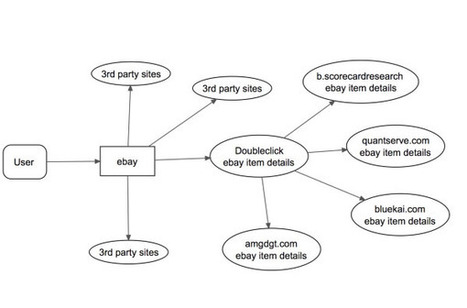
Information is shared online while users browse on the Internet. This information is being leaked from first party or visited sites to third party sites (such as advertisers) in a number of ways, including in HTTP headers. In this paper, we analysed HTTP headers resulting from browsing activities and reported on the types of information being leaked or shared, and to whom. We observed that within just a single browsing session among some social network sites as well as non–social networking sites, identifiable and non–identifiable information was leaked or shared to various third party sites and propagated to more than just one level of third party sites. In addition, we also discovered that sites such as Facebook, Twitter, and Google Plus are able to track browsing activities not only within their sites but beyond their boundaries, particularly among Web sites that embed widgets, such as Facebook’s Like button, Twitter’s Tweet button, and Google’s Plus One button.