


The common type 2 diabetes symptoms are frequently feeling thirsty, feeling very tired, having blurred vision and cuts or wounds that take longer to heal. Another sign to observe is how often a person urinates.
Get Started for FREE
Sign up with Facebook Sign up with X
I don't have a Facebook or a X account


 Your new post is loading...
 Your new post is loading...
Your new post is loading...
 Scoop.it!
The common type 2 diabetes symptoms are frequently feeling thirsty, feeling very tired, having blurred vision and cuts or wounds that take longer to heal. Another sign to observe is how often a person urinates. 
No comment yet.
Sign up to comment
Scoop.it!
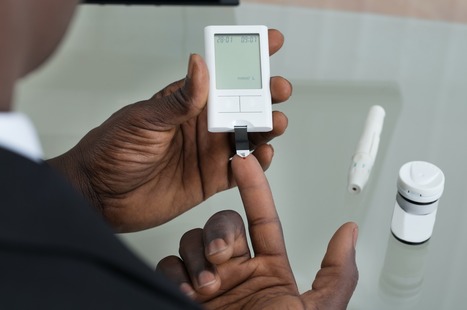
For healthcare providers, helping patients manage their diabetes used to be limited to the confines of the office visit. Given that effective treatment requires round-the-clock hyper-vigilance, a visit and a couple of follow-ups in a year have simply not proven effective for helping patients make the proper lifestyle changes they need to take control of blood sugar levels. The failure to manage diabetes is harsh and leads to conditions including kidney disease and blindness.
Scoop.it!
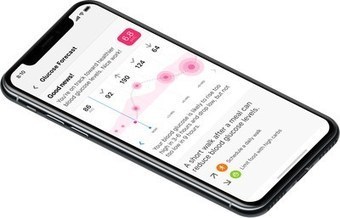
One Drop launches 8-hour blood glucose forecasts, expanding upon the company's AI-powered Automated Decision Support and making One Drop the first and only provider of blood glucose forecasts for people with type 2 diabetes
Scoop.it!

Diabetes self-management is difficult, especially because people living with diabetes must do it on their own for much of the time. Diabetes self-management apps can help provide ongoing support, but very few people with diabetes use them. We wondered if this was perhaps because current apps do not meet their needs. So, in the Diabetes MILES-2 study, we asked a single open-ended question: ‘If you were describing the perfect app to help you manage your diabetes, what would it do?’
Scoop.it!

SugarBEAT is a skin patch unlike any other CGM on the market. According to the company, it works by "passing a mild, non-perceptible electric current across the skin, (which) draws a small amount of selected molecules, such as glucose, into a patch placed on the skin. These molecules are drawn out of the interstitial fluid which naturally sits just below the top layer of skin."
Scoop.it!

The MiniMed 670G hybrid closed-loop system is the first FDA-approved device that continuously measures glucose levels and delivers the appropriate dose of basal insulin, according to an FDA statement. It is indicated for people aged 14 or older with Type 1 diabetes and is intended to regulate insulin levels with “little to no input” from the patient, the FDA said in the statement.
Scoop.it!
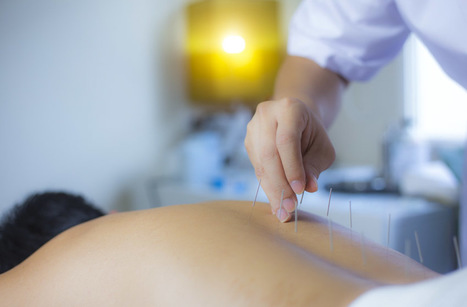
Acupuncture aids weight loss and reduces blood sugar levels in type 2 diabetes patients. Sanming County Hospital of Integrated Medicine researchers (Fujian) conducted a clinical trial of obese patients newly diagnosed with type 2 diabetes. They conclude that acupuncture treatment in addition to routine care is more effective in promoting healthy weight loss and improved blood chemistry than routine care monotherapy.
Scoop.it!

The CGM System consists of a fluorescence-based sensor, a smart transmitter worn over the sensor to facilitate data communication, and a mobile app for displaying glucose values, trends and vibratory alerts for high and low glucose and can be removed, recharged and re-attached to the skin without discarding the sensor. People with diabetes can use this system instead of the traditional finger prick tests to make diabetes-related decisions.
Scoop.it!
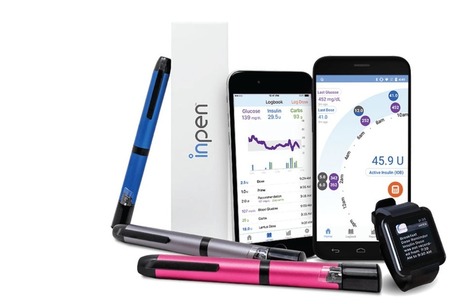
Rimidi and Companion Medical announced a first-of-its-kind partnership to enhance data visualization for clinicians treating high-risk patients with diabetes who are on insulin therapy. The collaboration integrates Companion Medical’s connected device, InPen™, the first and only FDA-cleared, smart insulin pen paired with an integrated diabetes management app, into Rimidi’s platform by pushing insulin dosing data from the InPen through the cloud.
Scoop.it!

Insulin is a special hormone that our body needs. What it does is essentially allow glucose in the blood to enter cells, which in turn gives them the energy to function. Furthermore, insulin also acts as a chemical messenger that tells our brain cells and tissues to act in a particular way in order to support a specific function in our body.
Scoop.it!

A large community of diabetics has been using hacked-together, do-it-yourself systems to control their disease. The systems connect glucose monitors to insulin pumps using computer algorithms. They work around the clock, testing blood sugar and infusing insulin. Once the system is set up, they’re meant to require little effort by the patient.
Scoop.it!

A group of researchers from George Washington University in Washington, D.C., has used ultrasound therapy to stimulate insulin release from mice on demand. After exposing the pancreas, the body's insulin production center, to ultrasonic pulses, the researchers saw measurable increases in the mice's blood insulin levels.
Beeyond's insight:
Current treatments can help the body use insulin at various stages of the disease, but they can also be expensive and subject patients to lifelong medication regimens and side effects. Thanks to new therapeutic ultrasound technology, one promising alternative looks to reshape how early Type 2 diabetes is managed.
Scoop.it!

Tai chi is effective in controlling biomedical outcomes and improving quality of life-related outcomes in individuals with type 2 diabetes mellitus, although no effects were observed on balance and fasting insulin. Further high-quality research is needed to elucidate the effects of tai chi between various types, the long-term effects of tai chi, the impact on respiratory function, and the association between tai chi and risk of type 2 diabetes mellitus.
|
Scoop.it!
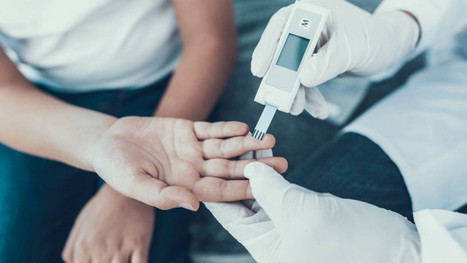
The new study finds that type 2 diabetes is reversible with weight loss and a low calorie diet.
Scoop.it!

Clinical and pathophysiological studies have shown type 2 diabetes to be a condition mainly caused by excess, yet reversible, fat accumulation in the liver and pancreas. Within the liver, excess fat worsens hepatic responsiveness to insulin, leading to increased glucose production. Within the pancreas, the β cell seems to enter a survival mode and fails to function because of the fat-induced metabolic stress.
Scoop.it!

Living with type 1 diabetes means insulin all day, every day, and sometimes finding ways to carry insulin vials, pens, and insulin pumps can be tricky. But over the last decade, there has been a boom in options for making diabetes easier, from clothes that make injecting insulin easier to pump cases to protect the pancreas on your hip. However you decide to deliver your insulin or your advocacy, there's a tool, a t-shirt, or product that can make integrating diabetes into your day easier.
Scoop.it!

Type 1 diabetes (T1D) may be a physiological condition, but it comes with an emotional impact that should never be underestimated. Daily regimens, lifestyle changes, worries about complications, and other significant anxieties can cause emotional stress — also known as diabetes distress. Diabetes distress can reveal itself in feelings of anger, resentment, guilt and irritability.
Scoop.it!

Blood is drawn from the capillaries in the upper arm, which avoids the need to use hypodermic needles to access the vein, a huge advantage for patients. The blood is actually sucked into the device using tiny lancets and a vacuum mechanism. Ending up in a cartridge, the blood sample can then be sent to a laboratory for analysis.
Scoop.it!

A new study identifies the risk factors that could help healthcare providers recognize patients being treated for diabetes who are most likely to have low blood sugar. The predictive risk model, developed and tested by researchers from Regenstrief Institute, Indiana University School of Medicine and Merck, known as MSD outside of the United States and Canada, is the first to combine nearly all known and readily assessed risk factors for hypoglycemia.
Scoop.it!

The price of insulin is forcing some patients with diabetes to travel to Canada in order to buy more affordable insulin. One woman said even with insurance, she's paying more than $700 a month for the medicine she needs.
Scoop.it!

Presented as a late-breaking abstract at the annual Scientific Sessions of the American Diabetes Association (ADA) in San Francisco, the combined, retrospective analysis gathered data from three studies of more than 360 users in France, Germany and Austria who had been receiving intensive insulin therapy for an average of over eight years.
Scoop.it!
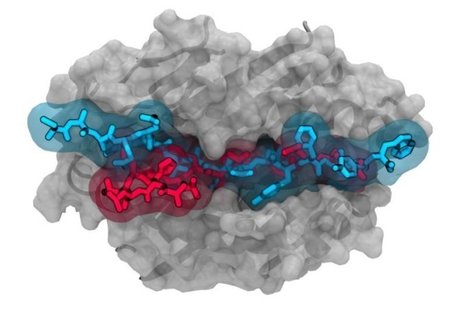
B and T cells are the two known lymphocytes of the immune system. But a team led by Johns Hopkins University researchers has identified a new cell type that looks like a hybrid of the two main immune cells. And the rare immune “X cell” may play a key role in the development of Type 1 diabetes, they found.
Scoop.it!

Many patients with potentially deadly liver cirrhosis and liver cancer are being diagnosed at late advanced stages of disease, according to a study led by Queen Mary University of London and the University of Glasgow.
Scoop.it!

Where do insurers come in? They are part of the healthcare system and could do more to contribute to global health. Though it may seem perhaps altruistic to associate insurers with such a noble scope, the reality is that they, insurers, would also benefit.
Scoop.it!
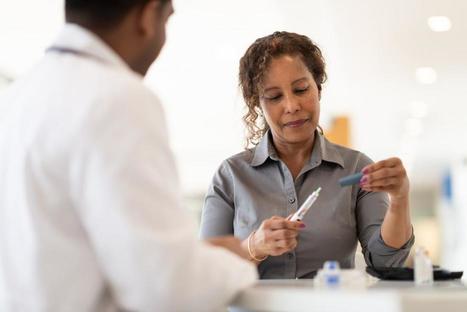
Using simple, routine measures that are easy to obtain in a diabetes clinic, such as age at diagnosis and body mass index, can be an effective way to choose the best treatment for a person with type 2 diabetes.
|




