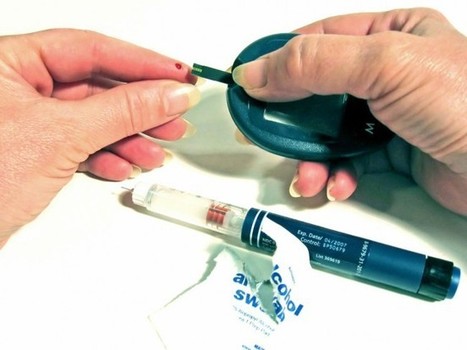
Technology can ease some of the burden of managing diabetes, possibly getting blood sugar levels within safe ranges more often, the U.S. Food and Drug Administration says. People with diabetes don’t make or use the hormone insulin properly. Insulin is needed to convert glucose from food into energy.
Most of the time people who develop diabetes have some triggering event. The event is usually deeply emotional and made them feel like "All the sweetness in life has been taken away." Before you tell yourself that it can't be that simple...yes it can, and usually is. Look back at what changed so dramatically during that time. It is common for those who lose a loved one to develop diabetes within one year after the loss. The loss can be through death or through the break-up of the relationship. Either way, it is a loss; the more sudden, the more traumatic.
The global Diabetes Attitudes, Wishes and Needs (DAWN2™) study represents the voices of more than 15,000 patients, family members, and health care professionals across 17 countries and 4 continents. DAWN2™ found that the emotional burden of diabetes affects not only patients, but also their families; people living with diabetes are strongly impacted by the negative perceptions of the disease, while family members feel that they do not know how to help their loved ones.
Individuals at risk for type 2 diabetes who are struggling to make lifestyle changes, can get back on track to good health through the National Diabetes Prevention Program. The National Kidney Foundation administers the program, which will return to St. Mary Mercy Hospital in Livonia next month. Participants will meet from 6:30-7:30 p.m. Monday, beginning Jan. 5, 2015, for 16 weeks, at 36475 Five Mile, Livonia.
The researchers determined that men who ate one to three servings per month had a seven percent reduced risk for diabetes compared to men who ate no chocolate. The risk went down further when one or two servings of chocolate were consumed per week. Furthermore, men with a body mass index (BMI) under 25 who ate two or more chocolate servings weekly lessen their diabetes risk by 41 percent as opposed to men who did not indulge in the sweet treat.
For a person with diabetes, memory is a tricky thing. Out of control blood sugar levels interfere with not just memory but how we view the world. When blood sugar is high or conversely too low, a diabetic will have distorted perceptions and feelings. When blood sugar levels return to normal, reality tends to kick us right between the eyes. What then? Every situation is different. Sometimes we have to apologize regarding our behavior, when high blood sugars (the stranger) comes along.
Here’s what we know: statistics indicate that people with both Type 1 and Type 2 diabetes are two to three times more likely to suffer from depression than those who are healthy. This isn’t just because being chronically ill makes a person depressed, although that’s often a facet of it.
Chocolate, candy, and all other assorted holiday treats, Abound! Temptation is everywhere you look. From your television to your computer, and it’s even at your work place. You can’t hide from it forever, because it’s here! It’s holiday time, and it’s not going away till the end of the year.
The researchers found significant improvements in anxiety (49 vs. 54), depression (51.3 vs. 55.8), diabetes knowledge (18.8 vs. 16.3), distress (2.67 vs. 3.02), self-management (66.5 vs. 62.4) and quality of life (–1.98 vs. –2.50) among patients with diabetes receiving peer education and usual diabetes education compared with those receiving usual education only.
You may be scared or stunned by a type 2 diabetes diagnosis, but it’s critical that you start making the changes suggested by your doctor. That’s often easier said than done, since for most of us, what we eat, how much we exercise, and other everyday habits are as cozy — and as hard to get rid of — as well-worn slippers or a soft old sweatshirt. But although you might have a few false starts and even a mis-step or two along the way, a diabetes diagnosis must be taken seriously, beginning with abandoning old habits and committing to new ones to reverse or stabilize the condition.
Diabetes or pre-diabetes in midlife could result in cognitive issues later in life, according to new research findings. In fact, the study indicated that having diabetes in midlife was associated with a 20 percent greater decline in memory and thinking (cognitive) skills over the next 20 years. The findings from the study were published in the December 2 issue of Annals of Internal Medicine.
Three separate studies have shown the major health benefits of nitrate-rich foods such as spinach, beetroot, carrots and lettuce. They help thin the blood, ensuring oxygen is delivered efficiently around the body. Thinner blood can also lower the chance of clots forming and reduce the risk of stroke and heart attacks. And the nitrates can help a diseased heart function more efficiently, say scientists. They produce more of a compound that widens and opens blood vessels and help change bad white fat cells into good brown, fat-burning cells. These could combat obesity and reduce the risk of Type 2 diabetes.
Our 3 children have type 1 (juvenile) diabetes. This video was created as a fundraising tool to help people understand the daily trials that our kids face.
Video footage of Nick Jonas´ emotional diabetes speech live in Madrid 11.11.09. Plus end of A Little Bit Longer. Please rate / comment. Video created entirely by me - please do not reproduce without prior permission.
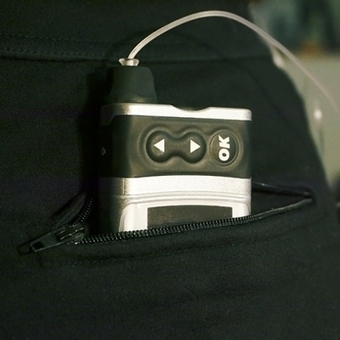
The Food and Drug Administration (FDA) has given its blessing to a new combination insulin pump and continuous glucose monitor that will help patients with type 1 diabetes monitor blood sugar levels, plus adjust their insulin delivery.
Some drugs used to treat diabetes mimic the behavior of a hormone that a University at Buffalo psychologist has learned controls fluid intake in subjects. The finding creates new awareness for diabetics who, by the nature of their disease, are already at risk for dehydration.
Procrastination, they've realized, appears to be a coping mechanism. When people procrastinate, they're avoiding emotionally unpleasant tasks and instead doing something that provides a temporary mood boost. The procrastination itself then causes shame and guilt — which in turn leads people to procrastinate even further, creating a vicious cycle.
The diagnosis was a death sentence back then. Everyone in that room with me on that faithful day was in complete denial. “See, he can take care of himself so we don’t have to worry about him. Everything is going to be all right!” Well, guess what? It wasn’t.
Al Arabyia News - The prevalence of obesity is soaring at an alarming rate in many parts of the world with high rates registering in the Middle East and North Africa. According to the International Diabetes Federation, without lifestyle changes, a quarter of the Middle East’s population will be affected by 2035. The most alarming part is that 1 in 2 people with diabetes don’t even know they have it.
NAPPING in the nude could help slash your risk of diabetes, ward off infections, trim your waistline and make you feel more refreshed in the morning, research reveals
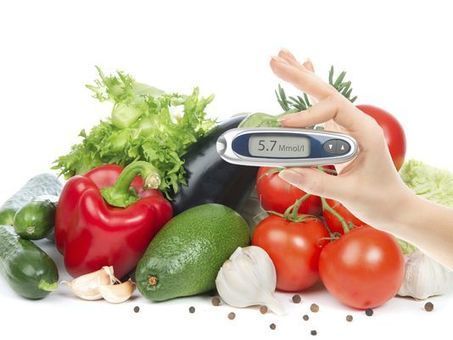
After a one-year experiment with this type of eating, the medical results are in: A test of my average blood sugars - known as an A1c - over three months yielded a reading of 5.7 in August. Anything less than 5.7 is considered normal; 6.5 and above indicates diabetes. My endocrinologist, Daniel Rosenberg of Endocrine Specialists P.C. in Willow Grove, was able to reduce my medications to one pill of metformin twice a day. I am not recommending this plan as a universal panacea. But at the moment, it's working for me.
To get content containing either thought or leadership enter:
To get content containing both thought and leadership enter:
To get content containing the expression thought leadership enter:
You can enter several keywords and you can refine them whenever you want. Our suggestion engine uses more signals but entering a few keywords here will rapidly give you great content to curate.


 Your new post is loading...