Comprehensive Geriatric Assessment
4.4K views | +0 today
Your new post is loading...
Scooped by Servicio de Geriatría
August 27, 2015 10:20 AM
Scoop.it!

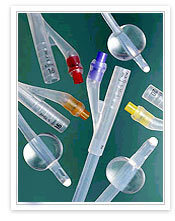
In Pursuit of Appropriate Urinary Catheter Indications: Details Matter

In Pursuit of Appropriate Urinary Catheter Indications: Details Matter | Comprehensive Geriatric Assessment | Scoop.it

Ann Intern Med. 2015;162:S1-S34. doi:10.7326/M14-1304


Although effective interventions to improve urinary catheter use have been published, reducing use in hospitals has proved difficult. The 2009 Guideline for Prevention of Catheter-Associated Urinary Tract Infections from the Centers for Disease Control and Prevention (CDC) provides a list of examples of appropriate and inappropriate indications for indwelling urinary catheters to help guide facilities in promoting appropriate use. However, because of the lack of published evidence to guide the indications, the CDC list was based primarily on expert consensus, and some of the indications have been subject to broad and variable interpretation. One example is the “need for accurate measurements of urine output in critically ill patients”, which is often applied to patients who do not need frequent (for example, hourly) measurement of urine output to guide management. In addition, certain conditions, such as chronic urine retention, and nonindwelling catheters were not addressed.

Servicio de Geriatría's insight:

Exhaustivo trabajo publicado en Annals (Suppl. Mayo 2015) donde se pretende reducir la utilización del sondare vesícal a través de una metodología especifica "RAND/UCLA Appropriateness Method"  que permite consensuar sobre las indicaciones de los cateteres urinarios.


The Ann Arbor Criteria for Appropriate Urinary Catheter

Use inHospitalized Medical Patients

Meddings, MD, MSc; Sanjay Saint, MD, MPH; Karen E. Fowler, MPH; Elissa Gaies, MD, MPH; Andrew Hickner, MSI; Sarah L. Krein, PhD, RN; and Steven J. Bernstein, MD, MPHAnn Intern Med. 2015;162(9_Supplement):S1-S34. doi:10.7326/M14-1304


No comment yet.
Scooped by Servicio de Geriatría
July 28, 2015 1:11 PM
Scoop.it!

Falls: assessment and prevention of falls in older people | Guidance and guidelines | NICE

Falls: assessment and prevention of falls in older people | Guidance and guidelines | NICE | Comprehensive Geriatric Assessment | Scoop.it
No comment yet.
Scooped by Servicio de Geriatría
July 28, 2015 12:45 PM
Scoop.it!

Effects of a Multimodal Exercise Program on Physical Function, Falls, and Injuries in Older Women: A 2-Year Community-Based, Randomized Controlled Trial - Patil - 2015 - Journal of the American Ger...

Effects of a Multimodal Exercise Program on Physical Function, Falls, and Injuries in Older Women: A 2-Year Community-Based, Randomized Controlled Trial - Patil - 2015 - Journal of the American Ger... | Comprehensive Geriatric Assessment | Scoop.it
No comment yet.
Scooped by Servicio de Geriatría
July 28, 2015 12:41 PM
Scoop.it!

Agreement Between Video Footage and Fall Incident Reports on the Circumstances of Falls in Long-Term Care

Agreement Between Video Footage and Fall Incident Reports on the Circumstances of Falls in Long-Term Care | Comprehensive Geriatric Assessment | Scoop.it

In more than 50% of falls, we found discrepancies between fall incident reports and analysis of video footage on the cause of imbalance and activity while falling. Emerging technologies incorporating video capture or wearable sensors should improve our ability to understand the mechanisms and improve the prevention of falls in LTC.

No comment yet.
Scooped by Servicio de Geriatría
July 27, 2015 12:17 PM
Scoop.it!

Interventions to Increase Physical Activity Among Older Adults: A Meta-Analysis

Interventions to Increase Physical Activity Among Older Adults: A Meta-Analysis | Comprehensive Geriatric Assessment | Scoop.it

Purpose of the Study: To determine the overall effectiveness of interventions designed to increase physical activity (PA) behavior among community-dwelling older adults.

Design and Methods: Comprehensive literature searching identified eligible PA intervention studies among community-dwelling adults aged 65 and older, or sample mean age of 70. Diverse study characteristics were extracted and outcome data were duplicate coded. Overall mean effect sizes (ESs) were synthesized using a random-effects model. Heterogeneity of effects was analyzed using Q and I 2 statistics. Moderator analyses were conducted using meta-analytic analogues of ANOVA and regression for dichotomous and continuous moderators, respectively.

Results: ESs were calculated from 13,829 primary study subjects. The overall mean ES for two-group posttest comparisons was 0.18 (95% CI 0.10–0.26, p < .001). This represents a difference of 620 steps/day or 73min of PA/week between treatment and control groups. Significant moderators included the use of theory, how interventions were delivered, and cognitive plus behavioral-type intervention components. Non-significant moderators include the type of interventionist, delivery setting, and various measures of intervention dose.

Implications: PA interventions significantly improved PA behavior among community-dwelling older adults. Effective PA interventions may be efficiently delivered using already available resources and personnel. Future PA intervention research should be theoretically based, incorporate more diverse subjects, and compare intervention delivery methods.

No comment yet.
Scooped by Servicio de Geriatría
July 25, 2015 7:16 AM
Scoop.it!

The reliability and validity of the pain items of the Hong Kong version interRAI community health assessment for community-dwelling elders in Hong Kong - Liu - 2015 - Journal of Clinical Nursing - ...

The reliability and validity of the pain items of the Hong Kong version interRAI community health assessment for community-dwelling elders in Hong Kong - Liu - 2015 - Journal of Clinical Nursing - ... | Comprehensive Geriatric Assessment | Scoop.it
The reliability and validity of the pain items of the Hong Kong version interRAI community health assessment for c… http://t.co/KzntQeWVpa
No comment yet.
Scooped by Servicio de Geriatría
June 28, 2015 2:45 PM
Scoop.it!

Subcutaneous fluid and drug delivery: safe, efficient and inexpensive

Subcutaneous fluid and drug delivery: safe, efficient and inexpensive | Comprehensive Geriatric Assessment | Scoop.it

Reviews in Clinical Gerontology by Oscar Duems-Noriega and Sergio Arino-Blasco


Patients with difficult venous access or oral intolerance and clinical situations with inadequate response to oral therapy have generated the need for alternative routes of delivery for drugs and fluids.

The purpose of this study was to conduct a systematic review examining the evidence for subcutaneous (SC) administration of drugs and/or fluids.

We used a broad search strategy using electronic databases CINAHL, EMBASE, PubMed and Cochrane library, key terms and ‘Medical Subject Headings’ (MeSH) such as ‘subcutaneous route’, ‘hypodermoclysis’ and the name/group of the most used drugs via this route (e.g. ‘ketorolac, morphine, ceftriaxone’, ‘analgesics, opioids, antibiotics’).

We conclude that the SC route is an effective alternative for rehydration in patients with mild–moderate dehydration and offers a number of potential advantages in appropriately selected scenarios. Experience of administering drugs by this route suggests that it is well tolerated and is associated with minimal side-effects.


Servicio de Geriatría's insight:

Será un incunable?

No comment yet.
Scooped by Servicio de Geriatría
June 28, 2015 10:41 AM
Scoop.it!

Systematic review of EASY-care needs assessment for community-dwelling older people

Systematic review of EASY-care needs assessment for community-dwelling older people | Comprehensive Geriatric Assessment | Scoop.it
No comment yet.
Scooped by Servicio de Geriatría
June 28, 2015 7:15 AM
Scoop.it!

Treatment of Nonagenarians With Atrial Fibrillation: Insights From the Berlin Atrial Fibrillation (BAF) Registry

Treatment of Nonagenarians With Atrial Fibrillation: Insights From the Berlin Atrial Fibrillation (BAF) Registry | Comprehensive Geriatric Assessment | Scoop.it

Journal of the American Medical Directors Association

In this real-world cohort of very elderly patients with AF, a rhythm control strategy and OAC treatment were chosen only in a minority of the cases. If OAC was initiated, most received VKAs with a poor TTR during follow-up. A high incidence of stroke/TIA was observed in patients with and without OAC. Further data are needed to define optimal treatment of AF in this particular patient group.

No comment yet.
Scooped by Servicio de Geriatría
June 28, 2015 6:42 AM
Scoop.it!

Grading Frailty in Long-Term Care

No comment yet.
Scooped by Servicio de Geriatría
June 13, 2015 1:07 PM
Scoop.it!

Performance of 1,000 Canadian long-term care facilities now publicly available

Performance of 1,000 Canadian long-term care facilities now publicly available | Comprehensive Geriatric Assessment | Scoop.it
Your Health System, a groundbreaking web tool created by the Canadian Institute for Health Information (CIHI) on how health systems across the country compare with one another, has released 9 new performance indicators from the long-term care (LTC) sector, which includes more than 1,000 nursing homes and other LTC facilities.
Servicio de Geriatría's insight:

El Canadian Institute Health Informatics CIHI probablemente "el referente" en public reporting y gestión de bases de datos de salud incorpora 9 indicadores de resultados del sector de la larga estancia procedentes de más de 1000 residencias  de ancianos

No comment yet.
Scooped by Servicio de Geriatría
May 22, 2015 6:57 PM
Scoop.it!

El Servicio de Geriatría del Hospital de Granollers participa en el Proyecto Europeo RADIO dentro del programa marco de la UE Horizonte 2020

El Servicio de Geriatría del Hospital de Granollers participa en el Proyecto Europeo RADIO dentro del programa marco de la UE Horizonte 2020 | Comprehensive Geriatric Assessment | Scoop.it

Nuevo proyecto europeo desarrolla un “hogar inteligente” y “robótico” para ofrecer soluciones discretas, eficientes, fiables y modulares para el envejecimiento independiente *.


Las transiciones demográficas y epidemiológicas han traído un nuevo paradigma de atención de la salud con la presencia tanto de una creciente población de ancianos como de más personas con enfermedades crónicas. La esperanza de vida es cada vez mayor, así como la necesidad de los cuidados de larga duración. La atención institucional para la población de edad avanzada se enfrenta a luchas económicas con los consiguientes problemas de calidad.

Con el objeto de buscar soluciones para prolongar la vida independiente, la Unión Europea ha concedido financiación a un proyecto de investigación y de innovación interdisciplinar, denominado "RADIO". Se trata de un consorcio europeo, liderado por el Instituto de Informática y Telecomunicaciones del Centro Nacional de Investigación Científica "Demócrito"(Grecia), que desarrollará durante los próximos tres años un hogar inteligente robotizado con soluciones discretas (unobtrusive), eficientes y modulares para el envejecimiento independiente.

El consorcio RADIO trabajará para conseguir la Estrategia General de Salud, Europa 2020, que pretende convertir a la UE en una economía de crecimiento sostenible, inclusivo e inteligente, promoviendo un crecimiento para todos -un requisito previo es limitar la enfermedad y reducir de las causas de deterioro de salud física y mental.


Las tecnologías de la información y comunicación TIC traerán nuevas oportunidades para el envejecimiento de la población en Europa.


Aunque las transiciones demográficas y epidemiológicas, así como las luchas económicas, imponen retos a la sociedad, al mismo tiempo los avances tecnológicos en las TIC, incluyendo la robótica, brindan nuevas oportunidades para el envejecimiento de la población en Europa; así como nuevas oportunidades a los sistemas de salud y a las empresas europeas que proporcionan las tecnologías  y los servicios a escala global.

El proyecto RADIO trabaja la innovación a través de cuatro dimensiones principales: la aceptación del usuario, la integración de plataformas con Recolección-Transmisión-Procesamiento de datos con sistema de energía consciente (power-aware), las interfaces de usuario y arquitectura del sistema.

El trabajo realizado en el proyecto facilitará el camino para una mayor implantación de soluciones tecnológicas en el ámbito del envejecimiento activo y saludable, mediante la integración de los robots y sensores domóticos en el Internet de las Cosas y para una mayor penetración de soluciones basadas en tecnología.


El ecosistema RADIO, a través de diferentes configuraciones de las tecnologías facilitadoras pertinentes, abordara las diferentes necesidades sociales y sanitarias.


El Dr. Vangelis Karkaletsis, Director de Investigación en NCSR "Demócrito" y coordinador del proyecto RADIO explica: "El proyecto RADIO ha movilizado un consorcio de investigadores sobresalientes, organizaciones de educación superior, PYMEs dinámicas y vibrantes y reconocidas instituciones sanitarias para trabajar juntos hacia la próxima generación de asistencia sanitaria de alta tecnología ".


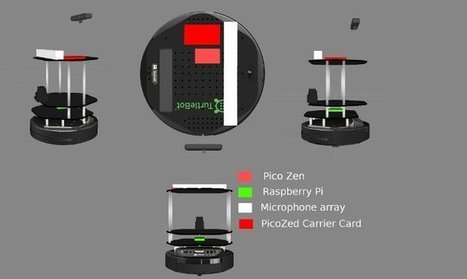
RADIO desarrolla un sistema integrado de hogar inteligente / robot asistente.


El consorcio está llevando a cabo un nuevo enfoque para la aceptación y la no ostentosidad/aparatosidad: un sistema en que el equipo de sensores sea discreto, no aparatoso, y por tanto aceptado en la vida diaria del usuario. Mediante el uso del sistema integrado de hogar inteligente / robot asistente como  equipo de detección y de vigilancia de salud, desviamos la atención de los usuarios a la funcionalidad de los sensores y no a los propios sensores. De esta manera, los sensores no necesitan ser discretos y estar ocultos y alejados y ser engorrosos de instalar; al contrario  los sensores tienen que ser percibidos como un componente natural de las funcionalidades del sistema hogar inteligente / robot asistente.


El proyecto RADIO se inició el 29 de abril de 2015 en las instalaciones del NCSR "Demokritos", Atenas.


Los miembros del consorcio RADIO estuvieron durante los días 29/30 de abril en Atenas para la reunión inicial del proyecto de investigación.


Acerca RADIO


RADIO es un proyecto dentro del programa marco de la UE Horizonte 2020, en respuesta a una convocatoria de soluciones técnicas para promover la vida independiente y para fortalecer la competitividad de la economía europea. Junto con el centro NCSR "Demócrito", las siguientes instituciones y empresas también participan en el proyecto: Instituto Tecnológico Educativo de Grecia Occidental (GR), Ruhr Univeristaet Bochum (DE), Robotnik Automation SLL (ES), Sensing & Control Systems SL (ES), AVN Innovative Technology Solutions LTD (CY), Fondazione Santa Lucia (IT), Fundación Hospital Asil de Granollers (ES), y Frontida Zois (GR).

No comment yet.
Scooped by Servicio de Geriatría
May 19, 2015 2:22 PM
Scoop.it!

RADIO | Unobtrusive, Efficient, Reliable and Modular Solutions for Independent Ageing

RADIO | Unobtrusive, Efficient, Reliable and Modular Solutions for Independent Ageing | Comprehensive Geriatric Assessment | Scoop.it
Servicio de Geriatría's insight:

The challenge began on April 1st

No comment yet.
Scooped by Servicio de Geriatría
August 24, 2015 8:55 AM
Scoop.it!

Multimorbidity Patterns in Hospitalized Older Patients: Associations among Chronic Diseases and Geriatric Syndromes

Multimorbidity Patterns in Hospitalized Older Patients: Associations among Chronic Diseases and Geriatric Syndromes | Comprehensive Geriatric Assessment | Scoop.it
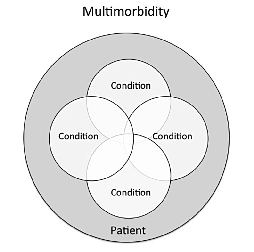
Background/Objectives The clinical status of older individuals with multimorbidity can be further complicated by concomitant geriatric syndromes. This study explores multimorbidity patterns, encompassing both chronic diseases and geriatric syndromes, in geriatric patients attended in an acute hospital setting. Design Retrospective observational study. Setting Unit of Social and Clinical Assessment (UVSS), Miguel Servet University Hospital (HUMS), Zaragoza (Spain). Year, 2011
Servicio de Geriatría's insight:

Interesante colaboración del grupo de Alexandra Prados-Torres con Niko Martinez y Gabor Abellan aunque la selección y definición de síndromes geriátrcios resulte controvertid

No comment yet.
Scooped by Servicio de Geriatría
July 28, 2015 1:05 PM
Scoop.it!

Factores predictivos e intervenciones efectivas para la reducción del riesgo de reingreso hospitalario en pacientes de edad avanzada.

Conclusiones


• Según la evidencia disponible, podrían ser factores de riesgo del reingreso hospitalario en las personas de edad avanzada los siguientes: el haber tenido un ingreso previo, la duración de la estancia, la morbilidad y comorbilidad, la capacidad funcional, y diversos indicadores sociales y psicológicos.


• Las intervenciones desarrolladas antes del alta hospitalaria son menos efectivas si no hay seguimiento tras el alta. Las intervenciones que incluyen tanto las actividades desarrolladas en el hospital antes del alta como la coordinación de cuidados tras el alta, tienen más posibilidades de reducir el riesgo de reingresos hospitalarios en las personas de edad avanzada.


García Pérez L, Linertová R, Lorenzo Riera A, Vázquez Díaz JR, Duque González B, López Hijazo A, Barreto Cruz S, Lorenzo Prozzo N, Guiote Partido I, Sarría Santamera A. Factores predictivos e intervenciones efectivas para la reducción del riesgo de reingreso hospitalario en pacientes de edad avanzada. Santa Cruz de Tenerife: Servicio de Evaluación del Servicio Canario de la Salud (SESCS), 2007. SESCS Nº 2007/20 200

Servicio de Geriatría's insight:

"TARGETING, DELIVERING AND EXTENDING"...again.

No comment yet.
Scooped by Servicio de Geriatría
July 28, 2015 12:44 PM
Scoop.it!

Longitudinal Analysis of Physical Performance, Functional Status, Physical Activity, and Mood in Relation to Executive Function in Older Adults Who Fall

Longitudinal Analysis of Physical Performance, Functional Status, Physical Activity, and Mood in Relation to Executive Function in Older Adults Who Fall | Comprehensive Geriatric Assessment | Scoop.it
Objectives

To examine whether good executive function (EF; the cognitive processes important for goal-oriented and controlled behavior) at baseline and maintenance of EF over time predict maintenance of physical performance, functional status, physical activity, and mood over a 1-year period, and conversely, to examine whether baseline functioning in these noncognitive domains predicts maintenance of EF over the same period of time.

Design

12-month prospective cohort study.

Setting

Vancouver Falls Prevention Clinic.

Participants

Community-dwelling older adults (N = 199; mean age 81.6 ± 6.5; 63% female) referred to the clinic after a fall.

Measurments

At each time point, structural equation modeling created a latent EF variable from performance on five EF tasks. Physical performance (physiological falls risk and gait speed), instrumental activities of daily living (IADLs), physical activity, and depressive symptoms were also assessed at each time point.

Results

Higher baseline EF predicted decreases in depressive symptoms (P = .005) and maintenance of IADLs (P = .006) from baseline to follow-up. Improvements in EF correlated with increases in gait speed (P = .005) and physical activity (P = .03) and with the maintenance of IADLs (P = .002) over follow-up. All effects were independent of demographic characteristics and global cognitive function. Baseline performance in the noncognitive domains did not predict changes in EF.

Conclusion

In older fallers, EF is a marker of resiliency in several noncognitive domains and should therefore be assessed. Furthermore, interventions to improve EF should be tested in older fallers with EF deficits.

No comment yet.
Scooped by Servicio de Geriatría
July 28, 2015 12:33 PM
Scoop.it!

Strategies on fall prevention for older people living in the community: A report from a round-table meeting in IAGG 2013

Over the past decade, a number of programs and strategies have been proposed and developed in an effort to reduce risks among the elderly in relation to falling or sustaining fall related injuries. Programs vary in their approach, and also in their target populations. We held a round-table meeting to present each country's research data on fall prevention in older people and summarized them in order to formulate evidence-based suggestions on the prevention of falls in older people. Although the contents and level of progress of each country's studies had some differences with regards to fall prevention, the social issues of fall prevention was of particular interest in large scale cohorts studies and fall prevention guidelines. We recommended some good practice points for the strategies on fall prevention for older people living in the community based on clinical experience or expert consensus.

No comment yet.
Scooped by Servicio de Geriatría
July 25, 2015 12:40 PM
Scoop.it!

Intermediate- and Long-Term Cognitive Outcomes After Cardiovascular Procedures in Older Adults: A Systematic ReviewCognitive Outcomes After Cardiovascular Procedures in Older Adults

Intermediate- and Long-Term Cognitive Outcomes After Cardiovascular Procedures in Older Adults: A Systematic ReviewCognitive Outcomes After Cardiovascular Procedures in Older Adults | Comprehensive Geriatric Assessment | Scoop.it

This systematic review evaluates the evidence from randomized, controlled trials (RCTs) and prospective cohort studies on the association of coronary and carotid revascularization, cardiac valve replacement and repair, and ablation for atrial fibrillation on intermediate- and long-term cognitive outcomes in adults aged 65 years or older.


The few eligible studies we identified reported little to no difference in cognitive outcomes between or within treatment groups, although conclusions were usually limited by scant and heterogeneous data and low individual-study quality.

No comment yet.
Scooped by Servicio de Geriatría
July 25, 2015 7:15 AM
Scoop.it!

Does comprehensive geriatric assessment improve the estimate of surgical risk in elderly patients? An Italian multicenter observational study - The American Journal of Surgery

RT @DrMqAgMas: Does comprehensive geriatric assessment improve the estimate of surgical risk in elderly patients? http://t.co/o8Oc5m39U3
No comment yet.
Scooped by Servicio de Geriatría
June 28, 2015 11:33 AM
Scoop.it!

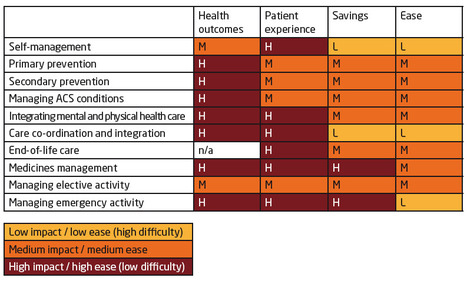
Transforming our health care system. A King's Fund Publication

Transforming our health care system. A King's Fund Publication | Comprehensive Geriatric Assessment | Scoop.it
Health care commissioners will need to deliver a sustainable system in the face of the most challenging financial and organisational environment seen in decades. Here, we set out ten priorities for commissioners to help them drive forward the changes needed. This paper was originally published in March 2011. It was last updated in June 2015 to reflect changes in the NHS.
Servicio de Geriatría's insight:

Prioridad nº 10 Probablemente la que tiene mayor impacto 


 Integrated urgent and emergency care services that manage demand more effectively have the potential to be significantly more cost-effective than existing arrangements. 


El como hacerlo también queda recogido en el trabajo del King's Fund


Although the impact could be highly positive, redesigning the urgent and emergency care system is likely to be highly challenging. Specific actions for commissioners could include:  


.- providing effective signposting to help patients choose the right service 

.- ensuring that hospital and community services can adjust service levels in response to changes in demand, so that need and provision are kept in balance 

.- ensuring that A&E departments adopt best practice for handling ‘majors’ including early senior review 

.- ensuring that hospitals and local authority social service and housing departments work effectively together to reduce delayed discharges and shorten lengths of stay 

.- mapping and analysing patient flows around the system to identify bottlenecks and the scope for changing pathways to reduce the use of hospitals and to ensure that there is sufficient capacity across the health and social care system 

 Por lo tanto de nuevo queda patente el momento de oportunidad para los geriatras en su implicación en la atención de los pacientes ancianos con necesidades complejas en los servicios de urgencias hospitalarios.

No comment yet.
Scooped by Servicio de Geriatría
June 28, 2015 10:39 AM
Scoop.it!

Elder Abuse: Systematic Review and Implications for Practice

Elder Abuse: Systematic Review and Implications for Practice | Comprehensive Geriatric Assessment | Scoop.it

 - DONG - 2015 - JOURNAL OF THE AMERICAN GERIATRICS SOCIETY - WILEY ONLINE LIBRARY


Wiley Online Library article is based on the lecture for the 2014 American Geriatrics Society Outstanding Scientific Achievement for Clinical Investigation Award.


Elder abuse is a global pub- lic health and human rights problem. Evidence suggests that elder abuse is prevalent, predictable, costly, and some- times fatal. This review will highlight the global epidemiol- ogy of elder abuse in terms of its prevalence, risk factors, and consequences in community populations.

Servicio de Geriatría's insight:

Una revisión exhaustiva de la literatura

No comment yet.
Scooped by Servicio de Geriatría
June 28, 2015 7:01 AM
Scoop.it!

Functional Improvement Among Short-Stay Nursing Home Residents in the MDS 3.0

Functional Improvement Among Short-Stay Nursing Home Residents in the MDS 3.0 | Comprehensive Geriatric Assessment | Scoop.it

...The discharge assessment data in the MDS 3.0 provide new information to researchers and providers to examine and track ADL performance. Nursing homes can identify and track patients who require more intensive therapies or targeted interventions to achieve functional improvement during their stay. Future research can examine facility-level measures to better understand how ADL improvement varies across facilities

Servicio de Geriatría's insight:

Un articulo imprescindible que nos dará perspectiva internacional sobre la mejora funcional en las unidades de media estancia. El grupo de Vincent Mor de la Brown University analizan mas de  un millón de episodios asistenciales en 15.000 Unidades. El porcentaje de mejora de los pacientes con fractura de femur se sitúa en el 60% en estos dispositivos. 

 
No comment yet.
Scooped by Servicio de Geriatría
June 28, 2015 4:47 AM
Scoop.it!

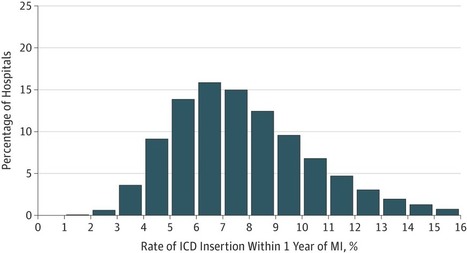
ICD Use Among Medicare Patients After Acute MI

ICD Use Among Medicare Patients After Acute MI | Comprehensive Geriatric Assessment | Scoop.it
This cohort study uses registry and Medicare claims data to assess the frequency of ICD implantation within 1 year of myocardial infarction and to compare mortality in patients with vs without ICDs.
Servicio de Geriatría's insight:

Pokorney et al. says...In this large registry study of older patients who experienced MI from 2007 to 2010, fewer than 1 in 10 eligible patients with low EF received an ICD within 1 year after MI, although ICD implantation was associated with lower risk-adjusted mortality at 2 years. Additional research is needed to determine evidence-based approaches to increase ICD implantation among eligible patients.

No comment yet.
Scooped by Servicio de Geriatría
June 12, 2015 6:33 AM
Scoop.it!

An alternative guide to the urgent and emergency care system in England

An alternative guide to the urgent and emergency care system in England | Comprehensive Geriatric Assessment | Scoop.it
Our animation gives a whistle-stop tour of how the system fits together and busts some myths about what’s really going on – explaining that the underlying causes go much deeper than just A&E and demand a joined up response across all services. A&E is often seen as a service in crisis and is the focus of much media and political interest. But A&E is just the tip of the iceberg – the whole urgent and emergency care system is complex, and surrounded by myth and confusion.
Servicio de Geriatría's insight:

"One system approach" y la Teoría General de Sistemas 

 www.kingsfund.org.uk/urgentcare


No comment yet.
Scooped by Servicio de Geriatría
May 19, 2015 2:26 PM
Scoop.it!

RADIO Press Release May 2015 | RADIO

RADIO Press Release May 2015 | RADIO | Comprehensive Geriatric Assessment | Scoop.it

Demographic and epidemiologic transitions have brought a new health care paradigm with the presence of both a, growing elderly population and more people suffering from chronic diseases. Life expectancy is increasing as well as the need for long-term care. Institutional care for the aged population faces economical struggles with consequent quality problems. To facilitate solutions for prolonging independent living, the European Union has awarded funding tofunds an interdisciplinary research and innovation project called “RADIO”. A European consortium, led by the National Center for Scientific Research “Demokritos” (GR), Institute of Informatics and Telecommunication, will develop over the next three years a robotic smart home for unobtrusive, efficient and modular solutions for independent ageing.

Servicio de Geriatría's insight:
New European project develops a robotic smart home to offer Unobtrusive, efficient, reliable and modular solutions for independent ageing*.
No comment yet.