Many homeschooling families believe that they can remain insulated from the effects of the unpopular Common Core curriculum by maintaining control of their curriculum in their home.
Your new post is loading...
Rachel Dwyer's curator insight,
September 23, 2013 10:22 PM
I think that this video of a lession on A Passion for Fractions is a great resource. While mainly targeted at 3-5 grade, this teacher implements and incorporates various strategies that are both teaching and learning practices, in this particular case of exploring fractions. A lot come through for me and connected with what we have been discussing in our classes and in Math in particular. This teacher starts with a story which uses and incorporates math to encourage interest and curiousity among the students. They are then guided to develop and explore a riddle to solve. She provides opportunities and specifically directs to extend previous understanding. She also guides them in exploring representations and understanding the task. She also discusses how she provides them with multiple entry points. The math curriculum for Fifth Grade includes several units on fractions. I feel that the approach and meaningful experiences represented in this video have provided me with insight and some great ideas on how to teach students to multiply fractions. One other aspect that I really appreciate is instilling in students a passion for fractions. This allows learning to be relevant and accessible for students when they experience content in a way that they can understand and relate to. This in turnves them an excitement and motivation for that learning, and they have a reason and purpose for learning it.
Todd Parker's curator insight,
December 19, 2013 4:37 PM
This is another Teaching channel video. I love this resource. This one is dedicated to teaching fractions and is aligned with Common Core. It lists the standards used and explains the techniques as you go. It goes through showing the problem in multiple ways for multiple learning styles and how to walk students through a problem solving process. My fifth graders have shown me that they need practice in working through and persevering in problem solving. I believe that if we systematically walk them through a process, then they will eventually adopt this process for themselves and become more effective thinkers. They are not there yet, but resources like this video are great learning tools for teachers on how to get the thinking across to the students. |
Dyslexia Today's curator insight,
October 13, 2013 10:02 PM
Everyone should give this a thorough reading. Kinda important!
Dr. Dea Conrad-Curry's curator insight,
July 24, 2013 3:08 PM
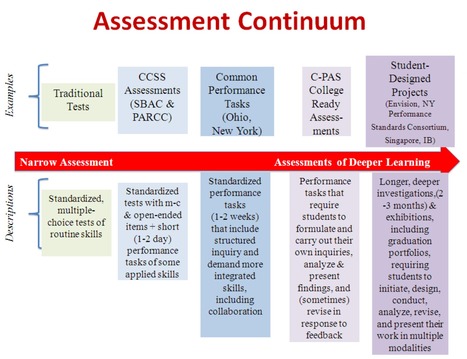
In my state of Illinois, I believe the costs of the PARCC assessement to be less than we currently spend. And I belive we are getting a higher quality product. But for some states, I understand the cost will be more. On the other hand, quality costs. I needed a new laptop. The old one I used for presenting workshops continues to be quite expensive, so I purchased less costly maching. A great laptop, but poor for presenting. You get what you pay for.
Dr. Dea Conrad-Curry's curator insight,
July 22, 2013 9:22 AM
Sonoma County's webpage for school support in transitioning to SBAC assessments. I found a number of useful documents here, including a planning organizer and references addressing the increased need for formative assessment in preparation for the coming Next Generation assessment. |