


Here’s what housing statistics and experts are saying in our latest installment of “How’s the Housing Market This Week?”
#arizona
#arizona flat fee mls #Mountain lake realty #arizona real restate #.https://arizonamlsflatfee.com/

 Your new post is loading...
 Scoop.it! Here’s what housing statistics and experts are saying in our latest installment of “How’s the Housing Market This Week?”
#arizona #arizona flat fee mls #Mountain lake realty #arizona real restate #.https://arizonamlsflatfee.com/ 
No comment yet.
Sign up to comment
Scoop.it!

JT Olmstead reveals how YourLandLoans.com is transforming land investing by automating seller financed payments.
#land sales #arizona flat fee mls #Mountain lake realty #arizona real restate #.https://arizonamlsflatfee.com/
Scoop.it!
|

|
Scooped by
AZ Mountain Lake Realty
July 2, 2023 7:45 AM
|
Scoop.it!

Let’s dive into the world of economics and real estate with Dr. Peter Linneman, an accomplished economist and advisor to leading corporations. He shares his insights on finding great mentors, learning as a skill, and navigating the current state of the US economy. With years of experience in providing M&A, analysis, market studies, and feasibility analyses to various companies, Dr. Linneman is highly regarded in the industry and has been serving as an adviser and board member of several public and private companies. Get ready to learn from his wealth of knowledge and expertise in this exciting episode.
About Dr. Peter Linneman
Dr. Peter Linneman holds both master's and doctorate degrees in economics from the University of Chicago. He is the principal of Linneman Associates. For nearly four decades, he has provided strategic and financial advice to leading corporations through Linneman Associates. He provides M&A, analysis, market studies, feasibility analysis to many leading US international companies. In addition, he serves as an advisor to and a board member of several public and private companies. Peter was a professor of real estate at the Wharton School of Business at the University of Pennsylvania, from 1979 until his retirement in 2011. He's an accomplished author having written books, articles, and of course, The Linneman Letter, a quarterly letter for commercial real estate investors.
#inflation #interest rates
#arizona flat fee mls #Mountain lake realty #arizona real restate #.https://arizonamlsflatfee.com/
|
|
Scooped by
AZ Mountain Lake Realty
July 2, 2023 7:19 AM
|
Scoop.it!

It's been 90 years since M2 money supply has contracted by at least 2%.
#inflation #interest rates
#arizona flat fee mls #Mountain lake realty #arizona real restate #.https://arizonamlsflatfee.com/
|
|
Scooped by
AZ Mountain Lake Realty
July 1, 2023 9:18 AM
|
Scoop.it!

The intersection of politics and history has often yielded surprising alliances, and the idea of a Trump/Robert Kennedy third-party ticket presents an intriguing proposition. This essay aims to explore the implications and potential characteristics of such a ticket from the perspective of a Graduate School student. By contextualizing the backgrounds, ideologies, and political strategies of both Donald Trump and Robert Kennedy, we can better understand the possible outcomes of their hypothetical
partnership
Background of Donald Trump
Donald Trump first burst onto the political scene as a real estate tycoon and reality television star. His appeal to a portion of the American population was rooted in his perceived anti-establishment persona and unequivocal belief in American exceptionalism. Trump's policies during his presidency focused on economic deregulation, immigration reform, and protectionist trade policy—an approach that resonated with many conservatives.
Background of Robert Kennedy
Robert Kennedy, the younger brother of President John F. Kennedy, served as Attorney General during his brother's administration and later as a U.S. Senator. Known for his commitment to social justice, Kennedy advocated for civil rights, the alleviation of poverty, and an end to the Vietnam War. His progressive policies and compassionate rhetoric made him a respected and beloved political figure, particularly among liberals and minorities.
Overlaying Ideologies
Despite coming from different ends of the political spectrum, Trump and Kennedy possess a few intriguing areas of ideological overlap. Both are inherently populist figures, connecting with blue-collar workers and those who feel disenfranchised by the political establishment. Furthermore, both have shown a sense of nationalism, displaying a belief in America's strength on the global stage.
Impact on Domestic Policy
On the domestic front, a Trump/Robert Kennedy ticket could reflect a synthesis of their divergent ideologies. Their shared concern for the working class could result in a focus on income inequality, job creation, and healthcare policy. A potential compromise between Trump's conservative economic policies and Kennedy's progressive social agenda may lead to an intriguing mix of reforms addressing systemic issues.
Approach to Foreign Policy
When it comes to foreign policy, Trump's America First rhetoric would need to harmonize with Kennedy's idealistic pursuit of global harmony and compassion. A potential third-party ticket could translate into a foreign policy that prioritizes American security, interventions in human rights abuses, strategic diplomacy, and multilateral cooperation—achieving a balance between isolationism and internationalism.
Electoral Strategy and Impact
A Trump/Robert Kennedy ticket would undoubtedly be a political earthquake, possibly attracting voters dissatisfied with both major parties. Their combined celebrity status and decades-long political experience would likely generate significant media coverage, while their promises to bridge divides and heal societal wounds may appeal to voters seeking unity over division.
Potential Challenges and Opposition
A third-party ticket of such nature would inevitably face daunting challenges. Both Trump and Kennedy have encountered significant opposition throughout their political careers, which could intensify when joining forces. Critics would likely highlight differences in policy, character, and prior alliances, while established party lines may hinder their ability to build sustainable campaign infrastructure.
Implications for the Two-Party System
The emergence of a third-party ticket led by Trump and Kennedy could significantly impact the U.S. two-party political system. By harnessing the collective dissent from elements of both major parties, this alternative coalition might disrupt the traditional duopoly, potentially fostering opportunities for long-lasting structural shifts in American politics.
Potential Legacy and Historical Significance
A successful Trump/Robert Kennedy ticket would undoubtedly leave an indelible mark on U.S. politics. Their collaboration could redefine traditional partisan boundaries, galvanize a new era of American politics, and reshape the meaning of political coalitions in the post-Trump and post-Kennedy eras.
While a Trump/Robert Kennedy third-party ticket may seem unlikely, examining such a hypothetical partnership provides valuable insights into the complex dynamics of American politics. This analysis demonstrates the possibility of unexpected alliances emerging from differing ideologies, appealing to dissatisfied voters, and redefining traditional partisan lines. Ultimately, only time will reveal the true potential of such a partnership and its impact on the nation's political landscape.
|
|
Scooped by
AZ Mountain Lake Realty
July 1, 2023 7:14 AM
|
Scoop.it!

#inflation #interest rates
#arizona flat fee mls #Mountain lake realty #arizona real restate #.https://arizonamlsflatfee.com/
|
|
Scooped by
AZ Mountain Lake Realty
June 30, 2023 3:32 PM
|
Scoop.it!

Jeff Currie, head of global commodities research at Goldman Sachs, believes oil prices will surge 16% this year to $86 per barrel.
#inflation #interest rates
#arizona flat fee mls #Mountain lake realty #arizona real restate #.https://arizonamlsflatfee.com/
|
|
Scooped by
AZ Mountain Lake Realty
June 30, 2023 1:32 PM
|
Scoop.it!

Supply oversaturation paired with falling demand appears to be taking a toll, according to some analysts
#vrop #airbnb
#arizona flat fee mls #Mountain lake realty #arizona real restate #.https://arizonamlsflatfee.com/
#wholesale homes
|
|
Scooped by
AZ Mountain Lake Realty
June 30, 2023 10:22 AM
|
Scoop.it!
Call the Underwriter "Underwriting submission how to"
#arizona flat fee mls #Mountain lake realty #arizona real restate #.https://arizonamlsflatfee.com/
#wholesale homes
|
|
Scooped by
AZ Mountain Lake Realty
June 30, 2023 10:08 AM
|
Scoop.it!

In the realm of real estate transactions, seller financing has become an increasingly popular option for both buyers and sellers. This type of agreement enables the seller to act as a lender, providing financing to the buyer in order to facilitate the sale. However, to ensure a successful outcome, it is imperative to structure the seller financing agreement properly. This essay aims to provide comprehensive guidance to Graduate School students on the intricacies of structuring a seller financing agreement.
I. Define the Scope and Terms of the Agreement:
The first step in structuring a seller financing agreement is to define the scope and terms thereof. This includes establishing the purchase price, interest rate, repayment period, down payment, and any contingencies or stipulations. Clearly delineating these aspects at the outset will reduce the potential for misunderstandings or disputes in the future.
II. Conduct a Thorough Financial Analysis:
To mitigate risks and ensure the agreement's viability, conducting a comprehensive financial analysis of the buyer is crucial. This includes assessing their creditworthiness, income stability, and overall financial health. Evaluating these factors will enable the seller to identify any potential risks associated with the financing.
III. Determine a Reasonable Interest Rate:
Determining an appropriate interest rate is a key aspect of structuring a seller financing agreement. The rate should reflect current market conditions, the financial risk associated with the agreement, and the seller's expected return on investment. Balancing a competitive interest rate with the need to mitigating financial risks is essential for a mutually beneficial agreement.
IV. Design Payment Structures:
The structure of payments is an important consideration when structuring a seller financing agreement. Options can include monthly, quarterly, or annual installments and may vary depending on the buyer's income frequency and ability to pay. It is crucial to establish clear terms, dates, and late payment penalties to maintain consistency and accountability throughout the agreement.
V. Settle on an Appropriate Down Payment:
Determining a reasonable down payment is important to provide both parties with a sense of security. A substantial down payment helps reduce the overall financing burden on the seller and indicates the buyer's commitment to the property's purchase. Therefore, it is vital to establish a balance that satisfies both parties interests.
VI. Allocate Potential Risks:
Identifying and allocating potential risks between the parties is essential for a robust seller financing agreement. This can include stipulating insurance requirements, outlining responsibilities for repairs or maintenance, and establishing protocols for default, foreclosure, or breach of the agreement. Doing so will protect the interests of both parties, ensuring a favorable outcome even in adverse scenarios.
VII. Obtain Legal Guidance:
Seeking legal counsel during the structuring process is recommended to ensure compliance with applicable laws and regulations. A lawyer with expertise in real estate transactions can provide valuable insights and help draft a comprehensive agreement that will protect both parties legal rights and interests.
VIII. Include Appropriate Documentation:
With any seller financing agreement, documentation is crucial to ensure transparency and enforceability. Essential documents may include a promissory note, a deed of trust or mortgage, an amortization schedule, and a disclosure statement. These documents should be properly drafted, reviewed, and signed by both parties before the transaction is completed.
IX. Define Exit Strategies:
It is prudent to consider exit strategies when structuring a seller financing agreement. Including prepayment options, the right of the seller to accelerate payments in case of default, and mechanisms for early payoff will offer flexibility to both parties should circumstances change or the buyer's financial situation
Structuring a seller financing agreement requires careful consideration of various factors, including scope, interest rates, payment structures, down payments, and risk allocation.
Thoughtful decision-making during the structuring process is vital to ensure a mutually beneficial agreement and to protect the interests of both the buyer and seller. By following these guidelines, Graduate School students can approach the structuring process with confidence, offering a solid foundation for a successful seller financing agreement.
#seller financing
#arizona flat fee mls #Mountain lake realty #arizona real restate #.https://arizonamlsflatfee.com/
#wholesale homes
|
|
Scooped by
AZ Mountain Lake Realty
June 30, 2023 6:45 AM
|
Scoop.it!

Click here to find 4th of July events, concerts, movies, and sports.
|
|
Scooped by
AZ Mountain Lake Realty
June 29, 2023 10:26 PM
|
Scoop.it!

“Consumers may run out of their excess pandemic savings by the end of this year, but they have lots of other sources of purchasing power,” a veteran market watcher says.
|
|
Scooped by
AZ Mountain Lake Realty
July 4, 2023 9:08 AM
|
Scoop.it!

Looking for a little more time in your day? Let our tools help take your primary job from "Paper Pusher" to "Check Casher".
#land sales
#arizona flat fee mls #Mountain lake realty #arizona real restate #.https://arizonamlsflatfee.com/
|
|
Scooped by
AZ Mountain Lake Realty
July 4, 2023 7:25 AM
|
Scoop.it!
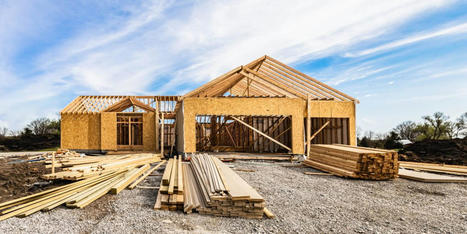
"Housing prices continue to show stronger growth than what was previously expected," says Fannie Mae chief economist Doug Duncan.
#inflation #interest rates
#arizona flat fee mls #Mountain lake realty #arizona real restate #.https://arizonamlsflatfee.com/
|
|
Scooped by
AZ Mountain Lake Realty
July 2, 2023 6:15 PM
|
Scoop.it!
This small house turns out to be a very expensive house flip! The 80 year old fixer upper has been neglected for decades and it cost us a fortune to fix it up.
~~~~~~~~~~~~~~~
My book, Flipping Houses QuickStart Guide, is available on Amazon! As a house flipper of 5 years, I've flipped almost 50 houses with a six-figure profit on average. I'm so excited to share with you all the knowledge and experiences I've gained so far. I hope to help you get out of the rat race and achieve financial freedom like I did.
Purchase my book on Amazon Today:
https://amazon.com/dp/1636100309/?tag...
~~~~~~~~~~~~~~~
On this small home tour, I'm going to show you the home renovation before and after, especially how to do a home renovation on a budget. To do a house flip on a budget, you need to figure out a house renovation scope of work that will allow you to do a home remodel on a budget. This house transformation will blow your mind.
#flipping houses
#arizona flat fee mls #Mountain lake realty #arizona real restate #.https://arizonamlsflatfee.com/
|
|
Scooped by
AZ Mountain Lake Realty
July 2, 2023 7:23 AM
|
Scoop.it!

The Federal Reserve says more than half a trillion dollars will exit the American banking system in its "severely adverse" scenario.
#inflation #interest rates
#arizona flat fee mls #Mountain lake realty #arizona real restate #.https://arizonamlsflatfee.com/
|
|
Scooped by
AZ Mountain Lake Realty
July 1, 2023 2:13 PM
|
Scoop.it!
What is a bank REO in real estate. Today we're buying a bank real estate owned property. That means the lender already foreclosed on the house and now has put it back on the market with a realtor. We made an offer several months ago and the bank finally lowered the price to where the numbers can work. We plan to fix it up and sell it. This house needs a full renovation because the previous owners did NOT take good care of it. We'll walk through the property together and go over the numbers so you can see our purchase price, renovation budget, what we'll sell it for and our profit.
#inflation #interest rates
#arizona flat fee mls #Mountain lake realty #arizona real restate #.https://arizonamlsflatfee.com/
|
|
Scooped by
AZ Mountain Lake Realty
July 1, 2023 7:30 AM
|
Scoop.it!

Mastering Novation Agreements with Eric Brewer
Episode 93
Creative financing is the best hack for navigating the current real estate market. One method that’s been gaining popularity is novations agreements, but a lot of real estate investors have misconceptions on the process.
#inflation #interest rates
#arizona flat fee mls #Mountain lake realty #arizona real restate #.https://arizonamlsflatfee.com/
|
|
Scooped by
AZ Mountain Lake Realty
July 1, 2023 7:11 AM
|
Scoop.it!

The bond market's notorious recession gauge is showing a hard landing is coming for inflation, not the economy, Bank of America said.
#inflation #interest rates
#arizona flat fee mls #Mountain lake realty #arizona real restate #.https://arizonamlsflatfee.com/
|
|
Scooped by
AZ Mountain Lake Realty
June 30, 2023 1:44 PM
|
Scoop.it!

Inflation is a crucial economic indicator that signals the rate at which the general level of prices for goods and services rises, resulting in a decrease in purchasing power. Understanding these trends is essential for policymakers, investors, and consumers as it helps formulate strategies, make informed decisions, and plan future actions.
Historical Background:
To contextualize the current inflation rates, it is vital to understand the historical background. Throughout history, the global economy has witnessed various inflationary cycles, each with its underlying causes and consequences. Prior to April 2021, many countries had struggled with high inflation due to factors such as excessive government spending, supply chain disruptions, and increased money supply caused by central banks' expansionary policies.
Recent Trends:
Contrary to the prevailing inflationary trends, the period since April 2021 has witnessed a notable decrease in annual inflation rates across several economies worldwide. This unexpected shift has garnered attention and sparked discussions, prompting researchers and economists to explore the underlying factors contributing to this decline.
COVID-19 Impact:
One cannot ignore the significant role played by the ongoing COVID-19 pandemic in shaping the current lowest annual inflation rates since April 2021. The pandemic caused a substantial slowdown in economic activity, forcing businesses to shut down, disrupting global supply chains, and leading to a slump in demand. Governments around the world responded with fiscal stimulus measures and expansionary monetary policies to mitigate the adverse effects, inadvertently suppressing inflation.
Supply Chain Disruptions:
Another significant factor contributing to the current lowest inflation rates is the lingering supply chain disruptions caused by the global pandemic. Lockdowns, travel restrictions, and labor shortages have severely disrupted manufacturing and distribution channels, resulting in reduced production capacities, increased transportation costs, and unavailability of crucial inputs. These supply constraints pushed prices downwards, countering inflationary pressures.
Shift in Consumer Behavior:
Pandemic-induced changes in consumer behavior have also played a role in the low inflation rates observed since April 2021. With restrictions on physical mobility and increased emphasis on health and hygiene, individuals have altered their consumption patterns. Reduced spending on non-essential goods and services has led to subdued demand, causing businesses to lower prices to attract customers, consequently curbing inflation.
Monetary Policy Measures:
Central banks worldwide have implemented accommodative monetary policy measures to stimulate economic recovery. These measures include low-interest rates, quantitative easing, and liquidity injections, all aimed at boosting liquidity, spurring investment, and encouraging borrowing. However, these policies have unintentionally contributed to the current low inflation rates as the excess liquidity has not fully translated into increased spending and investment.
Fiscal Stimulus and Government Policy:
Governments worldwide have enacted significant fiscal stimulus packages to alleviate the economic impact of the pandemic. These measures, including direct cash transfers, unemployment benefits, and tax reductions, have supported individuals and businesses, aiding in the maintenance of economic stability. However, the absence of substantial demand-side pressures stemming from the pandemic's unique circumstances has influenced the current lowest annual inflation rates.
Global Macro Factors:
Several global macro factors have also had an impact on these low inflation rates. The slowing global economic growth, geopolitical tensions, and trade disputes have contributed to decreased demand, destabilize markets, and increased uncertainty surrounding investment decisions. Under such circumstances, the dampening of inflationary pressures is expected, as businesses remain cautious, leading to subdued prices.
Future Outlook:
While the current lowest annual inflation rates since April 2021 reflect the unique circumstances caused by the COVID-19 pandemic, it is important to consider future possibilities and potential outcomes. As economies recover and reopen, pent-up demand may surge, pushing inflation rates higher. Additionally, supply chain disruptions may persist, leading to increased input costs and supply shortages, potentially exerting upward pressure on prices.
In conclusion, the current lowest annual inflation rates observed since April 2021 can be attributed to a myriad of factors resulting from the COVID-19 pandemic. Supply chain disruptions, changes in consumer behavior, accommodative monetary policy measures, and fiscal stimulus packages have all played a significant role. As global economies navigate through the challenges posed by the pandemic and resume normalcy, policymakers and economists must remain vigilant and adapt their strategies accordingly. Understanding the dynamics behind these low inflation rates will enable better decision
#inflation #interest rates
#arizona flat fee mls #Mountain lake realty #arizona real restate #.https://arizonamlsflatfee.com/
|
|
Scooped by
AZ Mountain Lake Realty
June 30, 2023 12:38 PM
|
Scoop.it!

AFLDS Issue Briefs for Citizens, Policymakers and Physicians
this is the report of the news not an endorsement
|
|
Scooped by
AZ Mountain Lake Realty
June 30, 2023 10:21 AM
|
Scoop.it!
The Dodd-Frank Wall Street Reform and Consumer Protection Act of 2010 aimed to address the shortcomings of the financial crisis and protect consumers from predatory lending practices. While this landmark legislation has undoubtedly made several positive contributions to the financial system, it is not without its flaws when it comes to regulating seller financing. This essay will critically examine the issues associated with Dodd-Frank and its impact on seller financing, shedding light on its potential limitations and unintended consequences.
To understand the issues surrounding Dodd-Frank and seller financing, it is essential to outline the key provisions of this legislation that specifically impact real estate transactions. The Act introduced regulations requiring mortgage lenders to adhere to stringent underwriting standards, provide more transparent loan disclosures, and imposed additional regulations on the financial industry to prevent another financial crisis.
Limitations on Seller Financing
Dodd-Frank imposed restrictions on the availability of seller financing, affecting individuals or investors who sell their properties and finance the purchase directly with buyers. These regulations primarily target seller financing that includes an interest rate above a certain threshold, making it more challenging for small-scale sellers to offer financing options to potential buyers.
Appraisal Requirements
Under Dodd-Frank, property appraisals became a mandatory component of mortgage lending. While this is generally a positive measure to protect buyers from inflated prices, it can also hinder seller-financed transactions, as it adds an extra step and cost to the process.
Increased Liability for Seller-Financers
Dodd-Frank requires sellers who provide financing to ensure that buyers can reasonably afford the loan. This provision, known as the Ability-to-Repay rule, holds sellers legally liable for ensuring the buyer has the financial means to repay the loan. This creates a burden for sellers who may not have the expertise or resources to adequately assess a buyer's financial situation.
Burden of Compliance
Complying with Dodd-Frank's regulations necessitates extensive paperwork, record-keeping, and potentially hiring legal counsel, adding administrative and financial burdens on sellers. This additional complexity can deter sellers from offering financing options altogether.
Impact on Affordable Housing
One unintended consequence of the limitations imposed by Dodd-Frank on seller financing is the potential reduction in access to affordable housing. Small-scale sellers, who often provide crucial financing opportunities to buyers with lower credit scores or limited access to traditional financing, may no longer be able to extend such options due to the regulatory constraints.
Market Imbalance and Reduced Flexibility
The restrictions on seller financing imposed by Dodd-Frank create a market imbalance, where buyers who may benefit from this alternative financing option are left with fewer choices. With reduced availability of seller financing, buyers may struggle to find suitable financing options, limiting their ability to enter the real estate market.
Effect on Small-scale Sellers and Local Economies
Seller financing often plays a vital role in supporting local economies, allowing small-scale property owners to sell properties and provide financing to buyers. Dodd-Frank's regulations can significantly impact these sellers, limiting their ability to sell properties promptly and adversely affecting local economies.
Potential for Regulatory Overreach
Critics argue that Dodd-Frank's regulations not only inhibit seller financing but may also represent unreasonable governmental interference in private contracts between buyers and sellers. These concerns raise questions about the appropriate scope of government oversight in individual real estate transactions.
While Dodd-Frank aimed to protect consumers and prevent another financial crisis, its impact on seller financing has introduced several challenges and unintended consequences. The limitations imposed by the Act restrict access to an alternative financing option for buyers and can have adverse effects on small-scale sellers and local economies. Revisiting the provisions within Dodd-Frank to strike a balanced approach that addresses consumer protection concerns without unduly hindering seller financing is necessary for a more efficient and inclusive real estate market.
https://calltheunderwriter.com/
#seller financing
#arizona flat fee mls #Mountain lake realty #arizona real restate #.https://arizonamlsflatfee.com/
#wholesale homes
|
|
Scooped by
AZ Mountain Lake Realty
June 30, 2023 9:54 AM
|
Scoop.it!

David Hicks, CEO of HomeVestors of America, said in a letter announcing his retirement that recent press coverage of the company’s homebuying practices has taken a “personal toll on me.”
#arizona flat fee mls #Mountain lake realty #arizona real restate #.https://arizonamlsflatfee.com/
#wholesale homes
|
|
Scooped by
AZ Mountain Lake Realty
June 29, 2023 10:27 PM
|
Scoop.it!

Many CEOs, investors and economists had penciled in 2023 as the year when a recession would hit the American economy.
#arizona flat fee mls #Mountain lake realty #arizona real restate #.https://arizonamlsflatfee.com/




