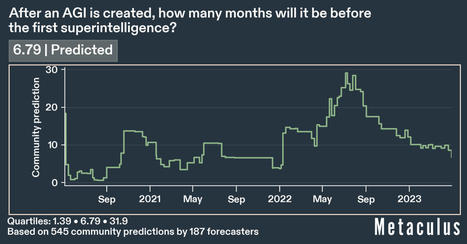
Futurists have long speculated that upon the arrival of AGI, the first sperintelligence will quickly follow. From I. J. Good, writing in 1965,
Let an ultraintelligent machine be defined as a machine that can far surpass all the intellectual activities of any man however clever. Since the design of machines is one of these intellectual activities, an ultraintelligent machine could design even better machines; there would then unquestionably be an ‘intelligence explosion,’ and the intelligence of man would be left far behind. Thus the first ultraintelligent machine is the last invention that man need ever make, provided that the machine is docile enough to tell us how to keep it under control.
Nick Bostrom wrote in his book Superintelligence (2014),
Note that one could think that it will take quite a long time until machines reach the human baseline, or one might be agnostic about how long that will take, and yet have a strong view that once this happens, the further ascent into strong superintelligence will be very rapid.
and categorized takeoff durations into three types:
"A slow takeoff is one that occurs over some long temporal interval, such as decades or centuries."
"A fast takeoff occurs over some short temporal interval, such as minutes, hours, or days."
"A moderate takeoff is one that occurs over some intermediary temporal interval, such as months or years."
While it seems that most prominent thinkers are convinced that rapid technological and economic progress will follow the development of AGI (See Paul Christiano, Robin Hanson, Eliezer Yudkowsky, Ben Goertzel), most AI researchers surveyed are not convinced. In 2016, AI Impacts asked AI researchers,
Assume that HLMI will exist at some point. How likely do you then think it is that the rate of global technological improvement will dramatically increase (e.g. by a factor of ten) as a result of machine intelligence:
Within two years of that point? ___% chance
Within thirty years of that point? ___% chance
The median answer was 20% for the two year estimate and 80% for the thirty year estimate.
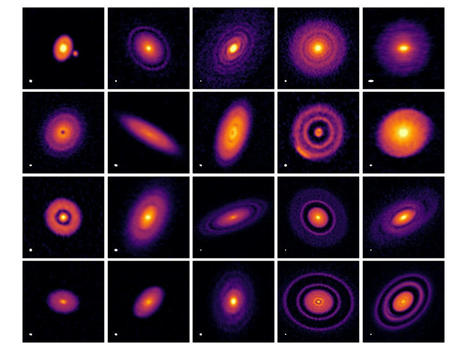
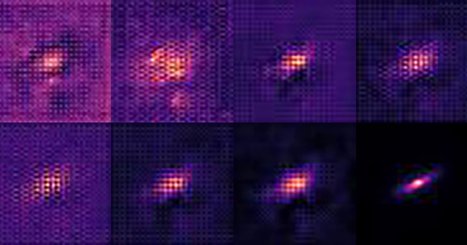
New research from the University of Georgia reveals that artificial intelligence can be used to find planets outside of our solar system. The recent study demonstrated that machine learning can be used to find exoplanets, information that could reshape how scientists detect and identify new planets very far from Earth.
"One of the novel things about this is analyzing environments where planets are still forming," said Jason Terry, doctoral student in the UGA Franklin College of Arts and Sciences department of physics and astronomy and lead author on the study. "Machine learning has rarely been applied to the type of data we're using before, specifically for looking at systems that are still actively forming planets."
The first exoplanet was found in 1992, and though more than 5,000 are known to exist, those have been among the easiest for scientists to find. Exoplanets at the formation stage are difficult to see for two primary reasons. They are too far away, often hundreds of lights years from Earth, and the disks where they form are very thick, thicker than the distance of the Earth to the sun.
Data suggests the planets tend to be in the middle of these disks, conveying a signature of dust and gases kicked up by the planet. The research showed that artificial intelligence can help scientists overcome these difficulties. "This is a very exciting proof of concept," said Cassandra Hall, assistant professor of astrophysics, principal investigator of the Exoplanet and Planet Formation Research Group, and co-author on the study. "The power here is that we used exclusively synthetic telescope data generated by computer simulations to train this AI, and then applied it to real telescope data. This has never been done before in our field, and paves the way for a deluge of discoveries as James Webb Telescope data rolls in."
The James Webb Space Telescope, launched by NASA in 2021, has inaugurated a new level of infrared astronomy, bringing stunning new images and reams of data for scientists to analyze. It's just the latest iteration of the agency's quest to find exoplanets, scattered unevenly across the galaxy. The Nancy Grace Roman Observatory, a 2.4-meter survey telescope scheduled to launch in 2027 that will look for dark energy and exoplanets, will be the next major expansion in capability—and delivery of information and data—to comb through the universe for life.
he Webb telescope supplies the ability for scientists to look at exoplanetary systems in an extremely bright, high resolution, with the forming environments themselves a subject of great interest as they determine the resulting solar system. "The potential for good data is exploding, so it is a very exciting time for the field," Terry said.
An international team of scientists, led by a researcher at The University of Manchester, have developed a novel AI (artificial intelligence) approach to extract technical astronomy terminology into simple understandable English in their recent publication.
The new research is a result of the international RGZ EMU (Radio Galaxy Zoo EMU) collaboration and is transitioning radio astronomy language from specific terms, such as FRI (Fanaroff-Riley Type 1), to plain English terms such as “hourglass” or “traces host galaxy”.
In astronomy, technical terminology is used to describe specific ideas in efficient ways that are easily understandable amongst professional astronomers. However, this same terminology can also become a barrier to including non-experts in the conversation.
The RGZ EMU collaboration is building a project on the Zooniverse citizen science platform, which asks the public for help in describing and categorizing galaxies imaged through a radio telescope.
Modern astronomy projects collect so much data that it is often impossible for scientists to look at it all by themselves, and a computer analysis can still miss interesting things easily spotted by the human eye.
Micah Bowles, Lead author and RGZ EMU data scientist, said: “Using AI to make scientific language more accessible is helping us share science with everyone. With the plain English terms we derived, the public can engage with modern astronomy research like never before and experience all the amazing science being done around the world.”
AI may not have any motives against humans, “but a machine that thinks that humans are the root cause of certain problems may think of it that way.”
ChatGPT and other artificial intelligence programs have been red-hot topics in the news lately, simultaneously wracking nerves and exciting us with new possibilities in medicine, linguistics, and even autonomous driving.There are a ton of “what ifs” in this connected future, causing us to rethink everything from killer robots to our own job security.
So should we take a step back from this kind of turbocharged AI to assuage our fears? That depends on who you ask, but it all boils down to the idea of singularity—an “event horizon” in which machine intelligence surpasses our own intelligence. By one measure, technological singularity could be as few as seven years away. That prompted us to reach out to subject-matter experts to find out more about what exactly singularity is, how close we are, and if we should start taking the early 2010s Doomsday Preppers reality show more seriously.
How do we define a singularity?
Singularity is the moment when machine intelligence becomes equal to or surpasses human intelligence—a concept that visionaries like Stephen Hawking and Bill Gates have believed in for quite a long time. Machine intelligence might sound complicated, but is simply defined as advanced computing that allows a device to interact (through a computer, phone, or even an algorithm) and communicate with its environment intelligently.
The concept of singularity has been around for decades. English mathematician Alan Turing—widely regarded as the father of theoretical computer science and artificial intelligence—experimented with the possibility of such a thing in the 1950s. He came up with his famedTuring testto find out whether machines could think for themselves; the evaluation pits a human against a computer, challenging the system to fool us into thinking it’s actually human itself. The recent advent of highly advanced AI chatbots like ChatGPT have brought Turing’s litmus test back into the spotlight. Spoiler alert: it’s passed it already.
“The difference between machine intelligence and human intelligence is that our intelligence is fixed but that is not the case for machines,” Ishaani Priyadarshini, a postdoctoral scholar at UC Berkeley with expertise in applied artificial intelligence and technological singularity, tells Popular Mechanics. “In the cases of machines, there is no end to it, you can always increase it, which is not the case for humans.” Unlike our brains, AI systems can be expanded many times over; the real limitation is space to house all of the computing power.
When Will We Reach Singularity?
While claims that we’ll reach singularity within the next decade are all over the internet, they are, at best, speculative. Priyadarshini believes that singularity already exists in bits and pieces—almost like a puzzle that we’ve yet to complete. She supports estimates claiming we can reach singularity sometime after 2030, adding that it’s hard to be absolutely certain with technology that we know so little about. There’s a very real possibility that it could take much longer than that to reach singularity’s “event horizon”—the point of no return when we unleash superintelligent computer systems.
Having said that, we’ve already seen signs of singularity in our lifetime. “There are games which humans can never win from machines, and that is a sure sign of singularity,” says Priyadarshini. To offer some perspective, IBM’s 1997 “Deep Blue” supercomputer was the first AI to defeat a human chess player. And they didn’t just put Joe Shmoe up to bat: Deep Blue went up against Garry Kasparov, who was the World Chess Champion at the time.
Singularity is still a notoriously difficult concept to measure. Even today, we’re struggling to find markers of our progression toward it. Many experts claim that language translation is the Rosetta Stone for gauging our progress; for instance, when AI is able translate speech at the same level or better than a human, that would be a good sign that we’ve gotten a step closer to singularity. However, Priyadarshini reckons that memes, of all things, could be another marker of our progression toward singularity, as AI is notoriously bad at understanding them.
What will happen when AI reaches singularity?
We have no idea what a superintelligent system would be capable of, it is out of our control at that point. “We would need to be superintelligent ourselves,” Roman Yampolskiy, an associate professor in computer engineering and computer science at the University of Louisville, tells Popular Mechanics. "We are only able to speculate using our current level of intelligence", Yampolskiy wrote in a recent paper.
The winners of the first annual AI film festival Celebrate the artists making the impossible AI filmmaking.
Runway is one of the leading companies in the development of artificial intelligence tools and introduced the winners of their first annual AI film festival that took place this winter. Of the hundreds of submissions, judges picked ten finalists and released their work to the public. The main goal of this competition was to celebrate “the art and artists making the impossible at the forefront of AI filmmaking.” We were curious and analyzed how different techniques were integrated into the winning films: from AI-generated art to whole 3D scene scans. Let’s take a look at the amazing new technology now available to any creator.
Requirements were that videos were from 1 to 10 minutes long, and one of the main festival criteria was naturally to use neural networks in the work. There was no strict definition of which AI to use, or how to feature it in the film, so the variety of tools used in the winning videos is really impressive. The use of state-of-the-art technology counted as only 25% of a film’s success – judges also took into account the quality of the overall film composition, originality, and of course, the artistic message.
Using art generators as part of AI filmmaking
One of the shorts that impressed me most is “PLSTC” by Laen Sanches (we will embed it below). Basically, it’s just a rapidly edited sequence of hundreds of pictures, which illustrate different ocean inhabitants wrapped in plastic and unable to escape. The director took strong images, created by AI art generator Midjourney, upscaled them with help of the AI tool Topaz Labs, and put them together slightly animated. By precisely choosing the matching visuals, he achieved a very definite and coherent film atmosphere. Not a word is said, but the message is crystal clear, and it hurts. Dramatic classical music also helps evoke deep emotions, and the result is a small narrative wonder. It didn’t place for any of the prizes, but it is definitely worth watching.
Forget the collapse of employment, forget the spam and misinformation, forget human obsolescence and the upending of society. Some believe AI is flat-out going to wipe out all of biological life at its earliest opportunity.
This is not the first time humanity has stared down the possibility of extinction due to its technological creations. But the threat of AI is very different from the nuclear weapons we've learned to live with. Nukes can't think. They can't lie, deceive or manipulate. They can't plan and execute. Somebody has to push the big red button. The shocking emergence of general-purpose AI, even at the slow, buggy level of GPT-4, has forced the genuine risk of extermination back into the conversation.
Let's be clear from the outset: if we agree that artificial superintelligence has a chance of wiping out all life on Earth, there doesn't seem to be much we can do about it anyway. It's not just that we don't know how to stop something smarter than us. We can't even, as a species, stop ourselves from racing to create it. Who's going to make the laws? The US Congress? The United Nations? This is a global issue. Desperate open letters from industry leaders asking for a six-month pause to figure out where we're at may be about the best we can do.
The incentives you'd be working against are enormous. First off, it's an arms race; if America doesn't build it, China will, and whoever gets there first might rule the world. But there's also economics; the smarter and more capable an AI you develop, the bigger a money printing machine you've got. "They spit out gold, until they get large enough and ignite the atmosphere and kill everybody," said AI researcher and philosopher Eliezer Yudkowsky earlier today to Lex Fridman.
Yudkowsky has long been one of the leading voices in the "AI will kill us all" camp. And the people leading the race to superintelligence no longer think he's a crank. "I think that there's some chance of that," said OpenAI CEO Sam Altman, again to Fridman. "And it's really important to acknowledge it. Because if we don't talk about it, if we don't treat it as potentially real, we won't put enough effort into solving it."
Why would a superintelligent AI kill us all?
Are these machines not designed and trained to serve and respect us? Sure they are. But nobody sat down and wrote the code for GPT-4; it simply wouldn't be possible. OpenAI instead created a neural learning structure inspired by the way the human brain connects concepts. It worked with Microsoft Azure to build the hardware to run it, then fed it billions and billions of bits of human text and let GPT effectively program itself.
The resulting code doesn't look like anything a programmer would write. It's mainly a colossal matrix of decimal numbers, each representing the weight, or importance, of a particular connection between two "tokens." Tokens, as used in GPT, don't represent anything as useful as concepts, or even whole words. They're little strings of letters, numbers, punctuation marks and/or other characters.
No human alive can look at these matrices and make any sense out of them. The top minds at OpenAI have no idea what a given number in GPT-4's matrix means, or how to go into those tables and find the concept of xenocide, let alone tell GPT that it's naughty to kill people. You can't type in Asimov's three laws of robotics, and hard-code them in like Robocop's prime directives. The best you can do is ask nicely.
The rational design of proteins with desired functions requires a comprehensive description of the functional building blocks. The evolutionary conserved functional units constitute nature's toolbox; however, they are not readily available to protein designers.
This study focuses on protein units of subdomain size that possess structural properties and amino acid residues sufficient to carry out elementary reactions in the catalytic mechanisms. The interactions within such elementary functional loops (ELFs) and the interactions with the surrounding protein scaffolds constitute the descriptor of elementary function. The computational approach to deriving descriptors directly from protein sequences and structures and applying them in rational design was implemented in a proof-of-concept DEFINED-PROTEINS software package. Once the descriptor is obtained, the ELF can be fitted into existing or novel scaffolds to obtain the desired function. For instance, the descriptor may be used to determine the necessary spatial restraints in a fragment-based grafting protocol.
The researchers illustrated the approach by applying it to well-known cases of ELFs, including phosphate-binding P-loop, diphosphate-binding glycine-rich motif, and calcium-binding EF-hand motif, which could be used to jumpstart templates for user applications.
1. GPT-3 was outputting 3.1 million words per minute (wpm) in Mar/2021 (“We currently generate an average of 4.5 billion words per day, and continue to scale production traffic.”) (OpenAI blog, March 2021) https://openai.com/blog/gpt-3-apps/
2. GPT-3 had 1 million users about a year later in Jun/2022 (“more than 1 million signups! It took gpt-3 ~24 months to get there”) (Sam Altman tweet, 22/Jun/2022) https://twitter.com/sama/status/1539737789310259200
4. So, with very non-rigorous math, ChatGPT may be currently outputting 310 million wpm.
5. Twitter users output 350,000 tweets sent per minute (2022), at 8 words (34 chars) average, a total of 2.8 million wpm.
6. So, in Jan/2023, ChatGPT is probably outputting at least 110x the equivalent volume of Tweets by human Twitter users every day.
7. A study conducted by Google Books found that there have been 129,864,880 books published since the invention of Gutenberg’s printing press in 1440. At an average of 50,000 words per book, that is about 6.5T words total.
8. So, in Jan/2023, ChatGPT is probably outputting at least the equivalent of the entire printed works of humanity every 14 days.
We’re seeing a new wave of generative AI applications that are transforming the way people interact with technology – from games and dialog agents to creative brainstorming and coding tools. Google wants to continue making AI accessible by empowering all developers to start building the next generation of applications with generative AI by providing easy-to-use APIs and tools.
Just recently, Google announced the PaLM API, a new developer offering that makes it easy and safe to experiment with Google’s large language models (LLMs). Alongside the API, Google is now releasing MakerSuite, a tool that lets developers start prototyping quickly and easily. Currently, they are making these tools available to only a select group of developers through a Private Preview, and a waitlist for others will follow soon.
Dr. Alan D. Thompson is a world expert in artificial intelligence (AI), specializing in the augmentation of human intelligence, and advancing the evolution of ‘integrated AI’.
Alan’s applied AI research and visualizations are featured worldwide, with citations in the University of Oxford’s debate on AI Ethics in December 2021, and in the US Government’s economic research report in February 2023. His 2021-2022 experiments with Leta AI and Aurora AI have been viewed over 2.5 million times.
Prior to his work in AI, Alan was a major contributor to human intelligence research and practice. As chairman for Mensa International’s gifted families committee, Alan served two consecutive terms sharing best practice among 54 countries, and his work on gifted education was referenced in the Department of Education’s High Potential policy.
Alan’s best-selling book, Bright, was made available to families at Elon Musk’s gifted school. A copy of the book will be sent to the moon aboard the Peregrine lunar lander in 2023. Alan continues to advise enterprise, government, and international media in the fields of artificial intelligence and human intelligence, consulting to the award-winning series Decoding Genius for GE, Making Child Prodigies for ABC (with the Australian Prime Minister), 60 Minutes for Network Ten/CBS, and Child Genius for Warner Bros.
Alan completed his Bachelor of Science (Computer Science, AI, and Psychology) at Edith Cowan University, 2004; studied Gifted Education at Flinders University, 2017; became a Fellow of the Institute of Coaching affiliated with Harvard Medical School, 2017; and received his doctorate from Emerson, 2021. Alan’s dissertation was adapted into a book featuring Dr Rupert Sheldrake, Connected: Intuition and Resonance in Smart People.
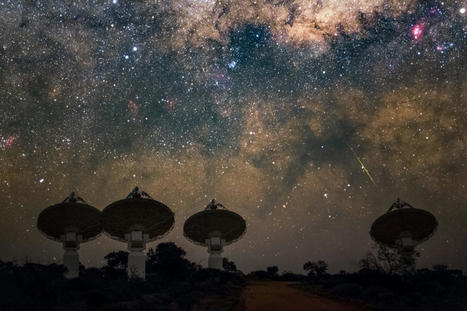
In a new paper published in the journal Nature Astronomy, astronomers with Breakthrough Listen Initiative — the largest ever scientific research program aimed at finding evidence of alien civilizations — present a new machine learning-based method that they apply to more than 480 hours of data from the Robert C. Byrd Green Bank Telescope, observing 820 nearby stars. The method analyzed 115 million snippets of data, from which it identified around 3 million signals of interest. The authors then inspected the 20,515 signals and they identified 8 previously undetected signals of interest, although follow-up observations of these targets have not re-detected them.
“The key issue with any techno-signature search is looking through this huge haystack of signals to find the needle that might be a transmission from an alien world,” said Dr. Steve Croft, an astrophysicist at the University of California, Berkeley and a member of the Breakthrough Listen team. “The vast majority of the signals detected by our telescopes originate from our own technology — GPS satellites, mobile phones, and the like. Our algorithm gives us a more effective way to filter the haystack and find signals that have the characteristics we expect from techno-signatures.”
Classical techno-signature algorithms compare scans where the telescope is pointed at a target point on the sky with scans where the telescope moves to a nearby position, in order to identify signals that may be coming from only that specific point.
These techniques are highly effective. For example, they can successfully identify the Voyager 1 space probe, at a distance of 20 billion km, in observations with the Green Bank Telescope. But all of these algorithms struggle in crowded regions of the radio spectrum, where the challenge is akin to listening for a whisper in a crowded room.
The process developed by the team inserts simulated signals into real data, and trains an artificial intelligence algorithm known as an auto-encoder to learn their fundamental properties. The output from this process is fed into a second algorithm known as a random forest classifier, which learns to distinguish the candidate signals from the noisy background. “In 2021, our classical algorithms uncovered a signal of interest, denoted BLC1, in data from the Parkes telescope,” said Breakthrough Listen’s principal investigator Dr. Andrew Siemion, an astronomer at the University of California, Berkeley.
Amazon’s self-driving tech company Zoox is testing its purpose-built robotaxi on public roads in California, with employees as passengers. On a post on its website, Zoox confirmed it received approval from the state’s Department of Motor Vehicles (DMV) to operate the vehicle autonomously, both empty and with staffers on board. And it hailed the tests as a landmark in the development of self-driving tech by declaring them: “The first time in history a purpose-built robotaxi – without any manual controls – drove autonomously with passengers.” Permission from the DMV followed Zoox’s self-certification of the vehicle with the Federal Motor Vehicle Safety Standards (FMVSS) last July (2022).
As with the Origin, from General Motors’ rival robotaxi company Cruise, the Zoox vehicle has been built from the ground up as a dedicated autonomous vehicle (AV). This sets it apart from the robotaxis currently in operation in the likes of San Francisco and Phoenix, Cruise’s modified Chevrolet Bolts and Waymo’s Jaguar i-Pace models. But a key difference with the Origin concerns its status. The Cruise AV does not have FMVSS self-certification, with GM preferring instead to apply for an exemption from the National Highway Transport Safety Administration (NHTSA). This limits the number that can be manufactured.
The Zoox AV is known as the VH6 and has no steering wheel or pedals. It can change direction without having to reverse thanks to bidirectional driving and four-wheel steering, and automated functionality is delivered by cameras, radar and Lidar sensors. These provide 360-degree coverage, visibility up to 492 feet and the ability to see around corners in specific pre-mapped areas. Redundant back-ups are built in to enhance safety.
Pre-trained large language models (LLMs) have attracted increasing attention in the biomedical domain, inspired by their great success in the general natural language domain. Among the two main branches of pre-trained language models in the general language domain, i.e. BERT (and its variants) and GPT (and its variants), the first one has been extensively studied in the biomedical domain, such as BioBERT and PubMedBERT. While they have achieved great success on a variety of discriminative downstream biomedical tasks, the lack of generation ability constrains their application scope. Computer scientists now propose BioGPT, a domain-specific generative Transformer language model pre-trained on large-scale biomedical literature. They evaluate BioGPT on six biomedical natural language processing tasks and demonstrate that this model outperforms previous models on most tasks. Especially, they get 44.98%, 38.42% and 40.76% F1 score on BC5CDR, KD-DTI and DDI end-to-end relation extraction tasks, respectively, and 78.2% accuracy on PubMedQA, creating thus a new record. This case study on text generation further demonstrates the advantage of BioGPT on biomedical literature to generate fluent descriptions for biomedical terms.
Text mining and knowledge discovery from biomedical literature play important roles in drug discovery, clinical therapy, pathology research, etc. Typical tasks include recognizing named entities in the articles, mining the interaction between drugs and proteins / diseases / drugs, answering questions given reference text, generating abstracts for given phrases / words, etc. People have accumulated large amounts of literature in many previous studies. For example, PubMed (https://pubmed.ncbi.nlm.nih.gov), one of the most popular biomedical search engines, covers more than 30 Million articles and the number still rapidly increases every day as new discoveries are continuously coming out. Therefore, automatically mining the knowledge from literature becomes an urgent demand. Pre-training models have demonstrated their powerful capability in natural language processing (NLP).
On the GLUE benchmark, a widely used benchmark for natural language understanding, pre-training-based methods outperform non-pre-training methods by a large margin (https://gluebenchmark.com/leaderboard). There are two main kinds of pre-training models: (1) the BERT-like models [2–4], mainly for language understanding tasks; (2) the GPT-like models [5–7], mainly for language generation tasks. These models are first pre-trained on large-scale corpora collected from the Web via self-supervised learning task (e.g. masked language modeling for BERT, auto-regressive language modeling for GPT), and then fine-tuned on specific donwstream tasks. The BERT-like models are widely used in sequence classification and sequence labeling, where we need to encode the complete document. In comparison, the GPT-like models are often used in generation tasks (e.g. abstract generation, knowledge triplet generation).
Stanford University researchers have developed a generative AI model that can choreograph human dance animation to match any piece of music. It’s called Editable Dance GEneration (EDGE).
“EDGE shows that AI-enabled characters can bring a level of musicality and artistry to dance animation that was not possible before,” says Karen Liu, a professor of computer science who led a team that included two student collaborators, Jonathan Tseng and Rodrigo Castellon, in her lab. The researchers believe that the tool will help choreographers design sequences and communicate their ideas to live dancers by visualizing 3D dance sequences. Key to the program’s advanced capabilities is editability. Liu imagines that EDGE could be used to create computer-animated dance sequences by allowing animators to intuitively edit any parts of dance motion.
For example, the animator can design specific leg movements of the character, and EDGE will “auto-complete” the entire body from that positioning in a way that is realistic, seamless, and physically plausible as well — a human could complete the moves. Above all, the moves are consistent with the animator’s choice of music. Like other generative models for images and text — ChatGPT and DALL-E, for instance — EDGE represents a new tool for choreographic idea generation and movement planning.
The editability means that dance artists and choreographers can iteratively refine their sequences move by move, position by position, adding specific poses at precise moments. EDGE then incorporates the additional details into the sequence automatically. In the near future, EDGE will allow users to input their own music and even demonstrate the moves themselves in front of a camera. “We think it’s a really a fun and engaging way for everyone, not just dancers, to express themselves through movement and tap into their own creativity,” Liu says.
Researchers have developed a computer vision-based approach to sharpening images captured by ground-based telescopes.
While vital to humanity’s existence on Earth, the planet’s atmosphere is a major nuisance for astronomers trying to learn more about what’s beyond Earth. The cosmos would be much easier to study without the pesky atmosphere. Researchers at Northwestern University in Chicago and Tsinghua University in Beijing have unveiled a new artificial intelligence-powered approach to cleaning up images captured by ground-based telescopes.
The primary culprit behind blurry images is shifting pockets of air in the atmosphere. These air pockets can obfuscate the shapes of celestial bodies and can also affect the measurements scientists can make of distant objects, leading to incorrect conclusions.
Space-based telescopes, such as Hubble and the James Webb Space Telescope, avoid this issue altogether by leaving Earth’s atmosphere. However, space telescopes are monumentally expensive and always in high demand by astronomers.
Ground-based telescopes are easier to build, more affordable, and much simpler to fix when issues arise. To deal with the blur caused by the atmosphere, ground-based telescopes are often built in arid climates and at high altitudes. Even still, blur must be dealt with.
The light emanating from distant stars, planets, and galaxies travels a very long way to reach Earth. The light’s journey may encounter different gravitational effects, which can warp the light as observed from Earth. However, the light must also travel through Earth’s atmosphere before it reaches ground-based telescopes.
“Even clear night skies still contain moving air that affects light passing through it. That’s why stars twinkle and why the best ground-based telescopes are located at high altitudes where the atmosphere is thinnest,” Northwestern explains. Alexander describes the effect as “a bit like looking up from the bottom of a swimming pool.” The atmosphere is much less dense than water, but the concept is similar. The resulting blur is a significant problem for astrophysicists analyzing images for important cosmological data. The apparent shape of galaxies sheds light on large-scale cosmological structures and their gravitational effects.
“Slight differences in shape can tell us about gravity in the universe. These differences are already difficult to detect. If you look at an image from a ground-based telescope, a shape might be warped. It’s hard to know if that’s because of a gravitational effect or the atmosphere,” Alexander says. If an image is blurry, it’s hard to conclude much about the shape of what’s being observed. By removing the blur precisely and mathematically, the true nature of distant objects can be measured and analyzed.
Scientists use numerous software-based approaches to process images to make them sharper and more useful. However, the new computer-vision algorithm, first seen on Space, approach promises better and faster results. The algorithm the team built has been explicitly adapted for processing astronomical images captured by ground-based telescopes, the first time such AI technology has been used for this purpose. The team has trained the AI on data simulated to match the Vera C. Rubin Observatory, which will house the world’s largest digital camera when it opens next year in Chile. The new algorithm will be immediately compatible as soon as the telescope is ready for operations. It’s like the impressive observatory has received an upgrade before it even starts its stargazing.
“Photography’s goal is often to get a pretty, nice-looking image,” says Northwestern’s Emma Alexander, the study’s senior author. “But astronomical images are used for science. By cleaning up images in the right way, we can get more accurate data. The algorithm removes the atmosphere computationally, enabling physicists to obtain better scientific measurements. At the end of the day, the images do look better as well.”
Alexander is an assistant professor of computer science at Northwestern’s McCormick School of Engineering, where she leads the Bio Inspired Vision Lab. The new study was co-authored by Tianao Li, an undergraduate student in electrical engineering at Tsinghua University and a research intern in Alexander’s lab. The team’s optimization algorithm, built upon a deep learning network trained on astronomical images, produces images with 38.6 percent less error than classic methods for removing blur and 7.4 percent less error compared to modern methods. That may not seem like a huge difference, but it is in the realm of astronomy. Relatively small improvements in accuracy and efficiency can have massive, far-reaching benefits to cutting-edge astronomy.
With chatbots like ChatGPT making a splash, machine learning is playing an increasingly prominent role in our lives. For many of us, it’s been a mixed bag. We rejoice when our Spotify For You playlist finds us a new jam, but groan as we scroll through a slew of targeted ads on our Instagram feeds.
Machine learning is also changing many fields that may seem surprising. One example is my discipline, ornithology, the study of birds. It isn’t just solving some of the biggest challenges associated with studying bird migration; more broadly, machine learning is expanding the ways in which people engage with birds. As spring migration picks up, here’s a look at how machine learning is influencing ways to research birds and, ultimately, to protect them.
The challenge of conserving migratory birds
Most birds in the Western Hemisphere migrate twice a year, flying over entire continents between their breeding and nonbreeding grounds. While these journeys are awe-inspiring, they expose birds to many hazards en route. These include extreme weather, food shortages and light pollution that can attract birds and cause them to collide with buildings. Our ability to protect migratory birds is only as good as the science that tells us where they go. And that science has come a long way.
Banding to track bird migration
In 1920, the U.S. Geological Survey launched the Bird Banding Laboratory, spearheading an effort to put bands with unique markers on birds, then recapture the birds in new places to figure out where they traveled. Today researchers can deploy a variety of lightweight tracking tags on birds to discover their migration routes. These tools have uncovered the spatial patterns of where and when birds of many species migrate. However, tracking birds has limitations. For one thing, over 4 billion birds migrate across the continent every year. Even with increasingly affordable equipment, the number of birds that we track is a drop in the bucket. And even within a species, migratory behavior may vary across sexes or populations. Further, tracking data tells us where birds have been, but it doesn’t necessarily tell us where they’re going. Migration is dynamic, and the climates and landscapes that birds fly through are constantly changing. That means it’s crucial to be able to predict their movements.
Using machine learning to forecast bird migration
This is where machine learning comes in. Machine learning is a subfield of artificial intelligence that gives computers the ability to learn tasks or associations without explicitly being programmed. We use it to train algorithms that tackle various tasks, from forecasting weather to predicting March Madness upsets.
But applying machine learning requires data. And the more data the better. Luckily, scientists have inadvertently compiled decades of data on migrating birds through the Next Generation Weather Radar system. This network, known as NEXRAD, measures weather dynamics and helps predict future weather events. But it also picks up signals from birds as they fly through the atmosphere.
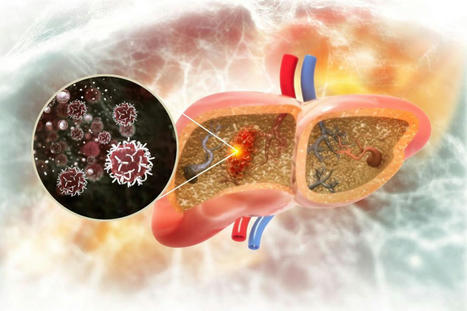
Artificial intelligence has developed a treatment for cancer in just 30 days and can predict a patient’s survival rate. In a new study published in the journal Chemical Science, researchers at the University of Toronto along with Insilico Medicine developed a potential treatment for hepatocellular carcinoma (HCC) with an AI drug discovery platform called Pharma.AI.
HCC is the most common type of liver cancer and occurs when a tumor grows on the liver, according to Cleveland Clinic. Researchers applied AlphaFold, an AI-powered protein structure database, to Pharma.AI to uncover a novel target — a previously unknown treatment pathway — for cancer and developed a “novel hit molecule” that could bind to that target without aid.
The creation of the potential drug was accomplished in just 30 days from the selection of the target and after synthesizing just seven compounds. After a second round of generating compounds, they discovered a more potent hit molecule — but any potential drug would need to go through clinical trials before widespread use.
Metformin is a medicine that is used to treat type 2 diabetes by helping to bring your blood sugar levels under control. Metformin is prescribed when lifestyle changes like diet and exercise plans have not been effective in controlling your blood sugars.
Mifepristone (also known as RU 486) is used to cause an abortion during the early part of pregnancy. It is used up to week 10 of pregnancy (up to 70 days after the first day of your last menstrual period).$519.00$360.00
Mounjaro Mounjaro is a new medication that has been shown to be effective in promoting.weight. Mounjaro contains the drug Tirzepatide which works by targeting a protein named glucose-dependent insulinotropic polypeptide receptor (GIP receptor), which helps to regulate blood sugar levels and also plays a role in appetite and weight regulation
While Mounjaro (Tirzepatide) has received initial approval for use
the process is also termed as ending an undesired pregnancy using abortion pills. It is the safest alternative to surgical abortion. Women who do not wish to go for surgery can go for medical abortion with MTP Kit if the gestation week is within 8 weeks.$590.00$250.00
Myrbetriq is a brand-name drug of Mirabegron. This medicine is used to treat the symptoms of overactive bladder such as frequent urination or sudden need to urinate. Tell your doctor about all your medical conditions before starting Myrbetriq.$320.00$200.00
Our online pharmacy is well known among our customers for being the best one available. Naltrexone to make you can charge to know where those who drive, etc. Where those patients feel funny.$300.00$200.00
Opana ER, also available as Numorphan or Opana, is an opioid medication. It helps treat moderate to severe pain. The extended-release form of oxymorphone is for around-the-clock treatment of pain or should not use-as-needed basis for pain.$540.00$220.00
Ozempic is a brand name for Semaglutide which is used in the treatment of type 2 diabetes. It belongs to a class of drugs called anti-diabetics, Glucagon-like Peptide-1 Agonists.$439.99$320.99
INGREDIENTS:– CAS: 96-48-0 – EINECS: 202-509-5 – Gamma-Butyrolactone 99,9% GBL Cleaner 1000mLPRECAUTIONS FOR USE– Do not swallow. – Avoid any contact with the eyes. – Keep out of reach of children. – In case of contact with eyes, rinse immediately with clean water and consult your doctor. – Wear suitable protective clothing. – In case of accident or if you feel unwell, seek medical advice immediately.$200.00$150.00
testosterone cypionate This medication is used in men who do not make enough of a natural substance called testosterone. In males, testosterone is responsible for many normal functions, including growth and development of the genitals, muscles, and bones. It also helps cause normal sexual development (puberty) in boys.$65.00 – $70.00
P. asymbiotica, a bacteria that normally grows insideC.elegans roundworms, uses these nematodes as Trojan horses to invade insect larvae. It works like this: a nematode invades the larva's body and regurgitates P. asymbiotica; the bacteria kills the insect's cells; and the nematode feasts on the dying larva's flesh. Thus, the nematodes and bacteria enjoy a beautiful symbiotic relationship.
To kill the insect cells, P. asymbiotica secretes tiny, spring-loaded syringes, scientifically known as "extracellular contractile injection systems," that carry toxic proteins inside a hollow "needle" with a spike on one end. Small "tails" extend from the base of the syringe — imagine the landing gear of a space probe — and these tails bind to proteins on the surface of insect cells. Once bound, the syringe stabs its needle through the cell membrane to release its cargo.
In previous studies, scientists isolated these syringes from Photorhabdus bacteria and also discovered that some could target mouse cells, not just insect cells. This raised the possibility that such syringes could be modified for use in humans. To test whether this idea might be feasible, the team first loaded the syringe's hollow tube with proteins of their choosing. Then, they used AlphaFold to better understand how the syringes hone in on insect cells, so they could be modified to target human cells instead. They used the AI system to predict the structure of the bottom of the syringe's landing gear — the part that first makes contact with the target cell surface. They then altered this structure so it would latch onto surface proteins found only on human cells.
Without Deepmind's AlphaFold, the researchers would have had to conduct this analysis using advanced microscopy techniques and crystallography, meaning detailed studies of the landing gear's atomic structure, Joseph Kreitz, a doctoral student at the McGovern Institute for Brain Research at MIT and first author of the study, told Live Science in an email. "This could have taken many months," Kreitz said. "With AlphaFold, we were able to obtain predicted structures of candidate tail fiber designs almost in real-time, significantly accelerating our efforts to reprogram this protein."
The researchers then used their modified syringes to tweak cells' genomes in lab dishes. Specifically, they delivered components of the powerful CRISPR-Cas9 gene editing tool into cells to cut and paste sections of DNA into their genomes. The team also used the syringes to insert tiny DNA-snipping scissors called zinc-finger deaminases into cells.
They also used the system to deliver toxic proteins into cancer cells in lab dishes. And finally, they injected the syringes into live mice and found that their cargo could only be detected in the targeted areas and did not spark a harmful immune reaction. For this last experiment, the team used AlphaFold to design their syringes to specifically target mouse cells.
These experiments demonstrate that the syringes can serve as "programmable protein delivery devices with possible applications in gene therapy, cancer therapy and biocontrol," the authors concluded. In contrast to therapies that deliver genetic instructions, like DNA or RNA, into cells, these protein-carrying syringes could provide "better control over the dose and half-life of a therapeutic inside cells," Kreitz and the study's senior author Feng Zhang told Live Science in an email. That's because genetic instructions prompt cells to build proteins for themselves, whereas the syringes would come with a premeasured dose of protein. This precise dosing would be useful for treatments involving transcription factors, which tweak a cell's gene activity, and chemotherapy, which has toxic effects at high doses, they said.
The tiny syringes could also potentially be programmed to fight disease-causing bacteria in the body, Ericson and Pilhofer wrote. And in the future, it may be possible for scientists to connect multiple syringes to form multi-barreled complexes. "These might enable more cargo to be delivered per target cell than with a single injection system," they suggested. "However, we note that this system is still in its infancy; further efforts will be required to characterize the behavior of this system in vivo before it can be applied in clinical or commercial settings," Kreitz and Zhang told Live Science. The team is now studying how well the syringes diffuse through different tissues and organs, and continuing to examine how the immune system reacts to the new protein delivery system.
Metformin is a medicine that is used to treat type 2 diabetes by helping to bring your blood sugar levels under control. Metformin is prescribed when lifestyle changes like diet and exercise plans have not been effective in controlling your blood sugars.
Mifepristone (also known as RU 486) is used to cause an abortion during the early part of pregnancy. It is used up to week 10 of pregnancy (up to 70 days after the first day of your last menstrual period).$519.00$360.00
Mounjaro Mounjaro is a new medication that has been shown to be effective in promoting.weight. Mounjaro contains the drug Tirzepatide which works by targeting a protein named glucose-dependent insulinotropic polypeptide receptor (GIP receptor), which helps to regulate blood sugar levels and also plays a role in appetite and weight regulation
While Mounjaro (Tirzepatide) has received initial approval for use
the process is also termed as ending an undesired pregnancy using abortion pills. It is the safest alternative to surgical abortion. Women who do not wish to go for surgery can go for medical abortion with MTP Kit if the gestation week is within 8 weeks.$590.00$250.00
Myrbetriq is a brand-name drug of Mirabegron. This medicine is used to treat the symptoms of overactive bladder such as frequent urination or sudden need to urinate. Tell your doctor about all your medical conditions before starting Myrbetriq.$320.00$200.00
Our online pharmacy is well known among our customers for being the best one available. Naltrexone to make you can charge to know where those who drive, etc. Where those patients feel funny.$300.00$200.00
Opana ER, also available as Numorphan or Opana, is an opioid medication. It helps treat moderate to severe pain. The extended-release form of oxymorphone is for around-the-clock treatment of pain or should not use-as-needed basis for pain.$540.00$220.00
Ozempic is a brand name for Semaglutide which is used in the treatment of type 2 diabetes. It belongs to a class of drugs called anti-diabetics, Glucagon-like Peptide-1 Agonists.$439.99$320.99
INGREDIENTS:– CAS: 96-48-0 – EINECS: 202-509-5 – Gamma-Butyrolactone 99,9% GBL Cleaner 1000mLPRECAUTIONS FOR USE– Do not swallow. – Avoid any contact with the eyes. – Keep out of reach of children. – In case of contact with eyes, rinse immediately with clean water and consult your doctor. – Wear suitable protective clothing. – In case of accident or if you feel unwell, seek medical advice immediately.$200.00$150.00
testosterone cypionate This medication is used in men who do not make enough of a natural substance called testosterone. In males, testosterone is responsible for many normal functions, including growth and development of the genitals, muscles, and bones. It also helps cause normal sexual development (puberty) in boys.$65.00 – $70.00
Wonder Dynamics, an AI film company co-founded by Tye Sheridan—actor/producer known for Ready Player One—and VFX supervisor/filmmaker Nikola Todorovic, today announced the official launch of Wonder Studio, an AI tool built for the film and TV industry. Wonder Dynamics is making the visual effects (VFX) process more accessible and affordable by developing AI and machine learning tools that allow filmmakers to produce VFX and CGI elements faster and at a significantly lower price point.
Wonder Studio is a web-based AI platform that enables artists to create films with CGI characters with just a few simple clicks of a button. No complicated 3D software, no expensive production hardware—all the artist needs is a camera. The company’s mission is to open access to CGI-heavy films and allow more voices to create visually big films at a lower price point.
Wonder Studio empowers storytellers through a number of features:
No production hardware/equipment needed. Not even a MoCap suit (short for "Motion Capture”), which is required for actors to wear in order to drive the performance of a CG character in an industry-standard performance capture system (used in films like Avatar and Planet of the Apes).
No need for heavy frame-by-frame VFX work. Instead, the AI analyzes the footage from a single camera and captures many elements, including the actors’ performances, lighting, compositing, camera motion, etc. Then, it automatically animates, lights and composes the CG character directly into the live-action scene.
Adaptive to the existing post-production workflow. The system automates 80% - 90% of the “objective,” frame-by-frame VFX work and leaves the artist with the remaining “subjective” work, which can be exported into the software they already use (such as Maya, Unreal, Blender, Nuke, etc.).
In film production, the final VFX delivery relies on several iterations and collaborations between thousands of artists and multiple vendors. Most existing generative AI solutions on the market lack the “editability” artists need while working on high-level productions. Wonder Studio was built with artists and the existing filmmaking process in mind. Whether it be lighting, camera, or animation, the artist can make detailed edits to each element in the VFX process in 3D space. Wonder Studio streamlines the filmmaking process while still allowing the artist to maintain control.
"We are just filmmakers who, like many other artists in our industry, didn't have a budget for the kind of sci-fi films we wanted to make, so we set out to make AI tools that eliminate huge cost barriers," said Nikola Todorovic, co-founder and CEO of Wonder Dynamics. "The tools we developed have enhanced collaboration and broken through the black box we tend to see in generative AI that limits control of the finest details in each shot."
Wonder Dynamics' technology has already been adopted by big names in Hollywood. Wonder Studio is currently being leveraged by The Russo Brothers on the upcoming film, Electric State, starring Millie Bobby Brown and Chris Pratt, which Joe and Anthony Russo are co-directing and producing through AGBO.
“It’s been fantastic working with the team at Wonder Dynamics on Electric State. It's highly engaging and incredibly efficient to use state-of-the-art AI on a movie about advanced technology," said Joe Russo, filmmaker and Wonder Dynamics advisory board member. "Wonder Dynamics' technology is a game changer for filmmakers, and it’s the right step towards a future in which AI can be a powerful and additive tool in an artist's repertoire. I'm excited to see how this impacts the next generation of filmmakers."
ChatDoctor is a next-generation AI doctor model that is based on the LLaMA model. The goal of this project is to provide patients with an intelligent and reliable healthcare companion that can answer their medical queries and provide them with personalized medical advice.
The ChatDoctor is an advanced language model that is specifically designed for medical applications. It has been trained on a large corpus of medical literature and has a deep understanding of medical terminology, procedures, and diagnoses. This model serves as the foundation for ChatDoctor, enabling it to analyze patients' symptoms and medical history, provide accurate diagnoses, and suggest appropriate treatment options.
The ChatDoctor model is designed to simulate a conversation between a doctor and a patient, using natural language processing (NLP) and machine learning techniques. Patients can interact with the ChatDoctor model through a chat interface, asking questions about their health, symptoms, or medical conditions. The model will then analyze the input and provide a response that is tailored to the patient's unique situation.
One of the key features of the ChatDoctor model is its ability to learn and adapt over time. As more patients interact with the model, it will continue to refine its responses and improve its accuracy. This means that patients can expect to receive increasingly personalized and accurate medical advice over time.
Recent large language models (LLMs) in the general domain, such as ChatGPT, have shown remarkable success in following instructions and producing human-like responses. However, such language models have not been tailored to the medical domain, resulting in poor answer accuracy and inability to give plausible recommendations for medical diagnosis, medications, etc. To address this issue, we collected more than 700 diseases and their corresponding symptoms, required medical tests, and recommended medications, from which we generated 5K doctor-patient conversations. In addition, we obtained 200K real patient-doctor conversations from online Q&A medical consultation sites. By fine-tuning LLMs using these doctor-patient conversations, the resulting models emerge with great potential to understand patients' needs, provide informed advice, and offer valuable assistance in a variety of medical-related fields. The integration of these advanced language models into healthcare can revolutionize the way healthcare professionals and patients communicate, ultimately improving the overall efficiency and quality of patient care and outcomes. In addition, we made public all the source codes, datasets, and model weights to facilitate the further development of dialogue models in the medical field.
Metformin is a medicine that is used to treat type 2 diabetes by helping to bring your blood sugar levels under control. Metformin is prescribed when lifestyle changes like diet and exercise plans have not been effective in controlling your blood sugars.
Mifepristone (also known as RU 486) is used to cause an abortion during the early part of pregnancy. It is used up to week 10 of pregnancy (up to 70 days after the first day of your last menstrual period).$519.00$360.00
Mounjaro Mounjaro is a new medication that has been shown to be effective in promoting.weight. Mounjaro contains the drug Tirzepatide which works by targeting a protein named glucose-dependent insulinotropic polypeptide receptor (GIP receptor), which helps to regulate blood sugar levels and also plays a role in appetite and weight regulation
While Mounjaro (Tirzepatide) has received initial approval for use
the process is also termed as ending an undesired pregnancy using abortion pills. It is the safest alternative to surgical abortion. Women who do not wish to go for surgery can go for medical abortion with MTP Kit if the gestation week is within 8 weeks.$590.00$250.00
Myrbetriq is a brand-name drug of Mirabegron. This medicine is used to treat the symptoms of overactive bladder such as frequent urination or sudden need to urinate. Tell your doctor about all your medical conditions before starting Myrbetriq.$320.00$200.00
Our online pharmacy is well known among our customers for being the best one available. Naltrexone to make you can charge to know where those who drive, etc. Where those patients feel funny.$300.00$200.00
Opana ER, also available as Numorphan or Opana, is an opioid medication. It helps treat moderate to severe pain. The extended-release form of oxymorphone is for around-the-clock treatment of pain or should not use-as-needed basis for pain.$540.00$220.00
Ozempic is a brand name for Semaglutide which is used in the treatment of type 2 diabetes. It belongs to a class of drugs called anti-diabetics, Glucagon-like Peptide-1 Agonists.$439.99$320.99
INGREDIENTS:– CAS: 96-48-0 – EINECS: 202-509-5 – Gamma-Butyrolactone 99,9% GBL Cleaner 1000mLPRECAUTIONS FOR USE– Do not swallow. – Avoid any contact with the eyes. – Keep out of reach of children. – In case of contact with eyes, rinse immediately with clean water and consult your doctor. – Wear suitable protective clothing. – In case of accident or if you feel unwell, seek medical advice immediately.$200.00$150.00
testosterone cypionate This medication is used in men who do not make enough of a natural substance called testosterone. In males, testosterone is responsible for many normal functions, including growth and development of the genitals, muscles, and bones. It also helps cause normal sexual development (puberty) in boys.$65.00 – $70.00
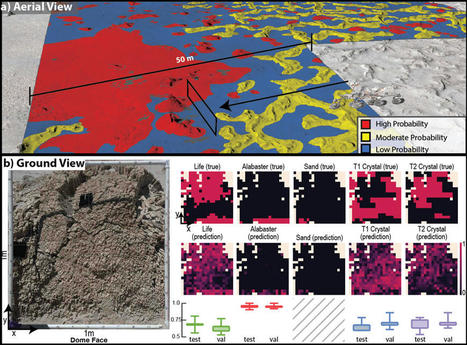
Wouldn’t finding life on other worlds be easier if we knew exactly where to look for it? Researchers have limited opportunities to collect samples on Mars or elsewhere or access remote sensing instruments when hunting for life beyond Earth. In a paper published in Nature Astronomy, an interdisciplinary study led by SETI Institute Senior Research Scientist Kim Warren-Rhodes, mapped the sparse life hidden away in salt domes, rocks and crystals at Salar de Pajonales at the boundary of the Chilean Atacama Desert and Altiplano. Warren-Rhodes then worked with co-investigators Michael Phillips (Johns Hopkins Applied Physics Lab) and Freddie Kalaitzis (University of Oxford) to train a machine learning model to recognize the patterns and rules associated with their distributions so it could learn to predict and find those same distributions in data on which it was not trained. In this case, by combining statistical ecology with AI/ML, the scientists could locate and detect biosignatures up to 87.5% of the time (versus ≤10% by random search) and decrease the area needed for search by up to 97%.
“Our framework allows us to combine the power of statistical ecology with machine learning to discover and predict the patterns and rules by which nature survives and distributes itself in the harshest landscapes on Earth.,” said Rhodes. “We hope other astrobiology teams adapt our approach to mapping other habitable environments and biosignatures. With these models, we can design tailor-made roadmaps and algorithms to guide rovers to places with the highest probability of harboring past or present life—no matter how hidden or rare.”
A video clip showing the major concepts of integrating datasets from orbit to the ground is presented. The first frames zoom in from a global view to an orbital image of Salar de Pajonales. The salar is then overlain with an interpretation of its compositional variability derived from ASTER multispectral data. The next sequence of frames transitions to drone-derived images of the field site within Salar de Pajonales. Note features of interest that become identifiable in the scene, starting with polygonal networks of ridges, then individual gypsum domes and polygonal patterned ground, and ending with individual blades of selenite. The video ends with a first-person view of a set of gypsum domes studied in the article using machine learning techniques. Video credit: M. Phillips
Ultimately, similar algorithms and machine learning models for many different types of habitable environments and biosignatures could be automated onboard planetary robots to efficiently guide mission planners to areas at any scale with the highest probability of containing life. Rhodes and the SETI Institute NASA Astrobiology Institute (NAI) team used the Salar de Pajonales, as a Mars analog. Pajonales is a high altitude (3,541 m), high U/V, hyperarid, dry salt lakebed, considered inhospitable to many life forms but still habitable.
During the NAI project’s field campaigns, the team collected over 7,765 images and 1,154 samples and tested instruments to detect photosynthetic microbes living within the salt domes, rocks and alabaster crystals. These microbes exude pigments that represent one possible biosignature on NASA’s Ladder of Life Detection.
At Pajonales, drone flight imagery connected simulated orbital (HiRISE) data to ground sampling and 3D topographical mapping to extract spatial patterns. The study’s findings confirm (statistically) that microbial life at the Pajonales terrestrial analog site is not distributed randomly but concentrated in patchy biological hotspots strongly linked to water availability at km to cm scales.
Next, the team trained convolutional neural networks (CNNs) to recognize and predict macro-scale geologic features at Pajonales—some of which, like patterned ground or polygonal networks, are also found on Mars—and micro-scale substrates (or ‘micro-habitats’) most likely to contain biosignatures.
Like the Perseverance team on Mars, the researchers tested how to effectively integrate a UAV/drone with ground-based rovers, drills and instruments (e.g., VISIR on ‘MastCam-Z’ and Raman on ‘SuperCam’ on the Mars 2020 Perseverance rover).
A Testosterone Enanthate course is used to promote mass muscle gain and strength development. It can be taken alone or combined with other drugs such as Deca Durabolin. The results can increase up to 4 times when stacked.$60.00 – $70.00
Vyvanse is a commonly prescribed medication for the treatment of ADHD and binge eating disorder. However, not everyone is familiar with the advantages of this medication and the steps of its prescription process.$600.00$390.00
Xanax is the branded name for the generic medication called alprazolam. Xanax is a prescription drug used to treat anxiety disorders and anxiety that is caused by depression. It can also be used for sleeping disorders (such as insomnia). Xanax is also used to treat patients suffering from panic disorders / panic attacks induced by situations that cause panic such as embarrassment, social anxiety, and helplessness. Xanax is a drug that works by regulating abnormal excitement stimulation in the brain.$450.00$270.00
Xenical capsules are a weight loss treatment for people with a BMI over 30 containing 120mg of orlistat. It can also be used by people who have a BMI over 28 with weight-related conditions such as high blood pressure.$400.99$209.99
Tramadol is a strong pain medication that is used to treat moderate to severe pain. This drug is an opioid, which means that it acts on the central nervous system and changes the perception of pain. Tramadol is often used to treat pain after surgery or injury, as well as pain related to cancer or chronic conditions such as arthritis. It can also be used to treat other conditions, as recommended by the healer.$300.00$190.00
According to Andreas Braun, the CTO of Microsoft Germany, Microsoft will release GPT-4 next week with AI powered video generation capabilities.
This announcement was made by Andreas Braun, the CTO of Microsoft Germany and Lead Data & AI STU, during the AI in Focus Digital Kickoff.
Bing, which currently runs on the power of ChatGPT and GPT 3.5, has faced criticism for its sluggishness in generating and presenting search results.
The forthcoming release of GPT-4 is anticipated to enhance Bing's capabilities and provide users with fresh opportunities. Through the use of multimodal models, users will be able to engage via various channels, such as text, images, and sounds. A major highlight of the latest version is its capability to generate videos.
OpenAI recently made an announcement about the development of a mobile app for ChatGPT, featuring the latest GPT-4 AI technology. The app will allow users to create videos with AI assistance, showcasing the potential of GPT-4.
Along with this, GPT-4 will offer faster answer generation compared to the current GPT 3.5 version. Furthermore, GPT-4's answers will be more akin to human responses, enhancing its human-like capabilities. These advancements will also be incorporated into Bing Chat in the near future.
Having invested billions of dollars in OpenAI, Microsoft is poised to quickly integrate GPT-4 into Bing search. Although, Andreas Braun did not mention a specific timeline for when Bing Chat will receive the benefits of GPT-4.
This updated version, with its capabilities of generating videos and producing more lifelike answers, has the potential to revolutionize our experience with AI technology.
ChatGPT is listed as a co-author for more than 200 books available for sale on Amazon. However, a report shows some people do not feel the need to disclose the AI helped write their masterpiece.
People are using the chatbot to churn out novels, children's stories and non-fiction in just a few hours and selling some copies for more than $20. And while some list ChatGPT as the book's co-author, others writers do not feel it is necessary to disclose that they had help from AI in writing their masterpiece.
Mary Rasenberger, executive director of the Authors Guild, told Reuters: 'This is something we really need to be worried about, these books will flood the market and a lot of authors are going to be out of work.'
ChatGPT, developed by OpenAI, is a large language model trained on massive text data, allowing it to generate eerily human-like text in response to a given prompt. The chatbot can simulate dialogue, answer follow-up questions, admit mistakes, challenge incorrect premises and reject inappropriate requests. It responds to user text prompts and can be asked to write essays, lyrics for songs, stories, marketing pitches, scripts, complaint letters and even poetry. And people are using the system to live out their dream of being published authors, one of these individuals is Brett Schickler. Schickler learned how to use the program to create a 30-page illustrated children's e-book in a matter of hours, offering it for sale in January through Amazon. 'The idea of writing a book finally seemed possible,' said Schickler, a salesman in Rochester, New York. 'I thought 'I can do this.''
Scientists have created an AI system capable of generating artificial enzymes from scratch. In laboratory tests, some of these enzymes worked as well as those found in nature, even when their artificially generated amino acid sequences diverged significantly from any known natural protein.
The experiment demonstrates that natural language processing, although it was developed to read and write language text, can learn at least some of the underlying principles of biology. Salesforce Research developed the AI program, called ProGen, which uses next-token prediction to assemble amino acid sequences into artificial proteins.
Scientists said the new technology could become more powerful than directed evolution, the Nobel-prize winning protein design technology, and it will energize the 50-year-old field of protein engineering by speeding the development of new proteins that can be used for almost anything from therapeutics to degrading plastic.
"The artificial designs perform much better than designs that were inspired by the evolutionary process," said James Fraser, PhD, professor of bioengineering and therapeutic sciences at the UCSF School of Pharmacy, and an author of the work, which was published Jan. 26, 2023, in Nature Biotechnology. "The language model is learning aspects of evolution, but it's different than the normal evolutionary process," Fraser said. "We now have the ability to tune the generation of these properties for specific effects. For example, an enzyme that's incredibly thermostable or likes acidic environments or won't interact with other proteins."
To create the model, scientists simply fed the amino acid sequences of 280 million different proteins of all kinds into the machine learning model and let it digest the information for a couple of weeks. Then, they fine-tuned the model by priming it with 56,000 sequences from five lysozyme families, along with some contextual information about these proteins.
The model quickly generated a million sequences, and the research team selected 100 to test, based on how closely they resembled the sequences of natural proteins, as well how naturalistic the AI proteins' underlying amino acid "grammar" and "semantics" were.
Out of this first batch of a 100 proteins, which were screened in vitro by Tierra Biosciences, the team made five artificial proteins to test in cells and compared their activity to an enzyme found in the whites of chicken eggs, known as hen egg white lysozyme (HEWL). Similar lysozymes are found in human tears, saliva and milk, where they defend against bacteria and fungi.
Two of the artificial enzymes were able to break down the cell walls of bacteria with activity comparable to HEWL, yet their sequences were only about 18% identical to one another. The two sequences were about 90% and 70% identical to any known protein.
OpenAI's artificial intelligence chatbot ChatGPT is the fastest-growing app in history. This is according to a UBS study (via CBS News(Opens in a new tab)), which claims that ChatGPT had 13 million unique visitors per day in January 2023, which is more than double the visitors it had in December 2022, just a month earlier. ChatGPT has only been around two months (can you believe it?), and it already has 100 million monthly users, the study concluded.
The study, which cites data from analytics company Similarweb (Opens in a new tab), positions ChatGPT well over other fast-growing apps such as TikTok and Instagram. In comparison, it took nine months for TikTok to reach 100 million monthly active users; for Instagram, it took two and a half years. "In 20 years following the internet space, we cannot recall a faster ramp in a consumer internet app," USB's analysts wrote in the study.
The report comes just a day after OpenAI launched ChatGPT Plus, which is a paid version of the chatbot. It costs $20 per month, offering users access to ChatGPT during peak usage times, faster response times, and priority access to new features.
To get content containing either thought or leadership enter:
To get content containing both thought and leadership enter:
To get content containing the expression thought leadership enter:
You can enter several keywords and you can refine them whenever you want. Our suggestion engine uses more signals but entering a few keywords here will rapidly give you great content to curate.


 Your new post is loading...























Buy Pethidine online
Price: $190.0 – $480.0Buy Prozac Online
Price: $100.0 – $250.0buy PURE WHEY PROTEIN online
Buy quaaludes online
Buy quality Ativan online
Buy quality methadone online
Price: $150.0 – $900.0Buy quality vyvanse online
Price: $200.0 – $450.0Buy sibelium online
Price: $150.0 – $250.0buy Sodium valproate
buy suboxone strips online
Price: $160.0 – $500.0Buy Subutex Online
Price: $180.0 – $450.0Buy to quality roxicodone Online
Price: $240.0 – $600.0Buy TOP QUALITY Suboxone Online
Price: $150.0 – $500.0Buy Ultram Online
Price: $100.0 – $400.0Buy vicodin online
Price: $150.0 – $500.0Buy vicoprofen online