Your new post is loading...

|
Scooped by
Srdjan Strbanovic
February 10, 2012 9:07 AM
|
|
|
Scooped by
Srdjan Strbanovic
July 26, 2017 6:55 AM
|
Rate limiting for FeathersJS HTTP (REST API) and Web Sockets connections (Express, Node.js)
|
|
Scooped by
Srdjan Strbanovic
January 31, 2015 8:06 AM
|
node-easymock - A simple but powerful mock server in nodejs

|
Suggested by
Lanie
January 22, 2015 8:16 AM
|
EasyCron provides the most stable Cron Job Services. Here you can schedule cron jobs with execution logs, Email notifications, run time predictions and a bunch of other featuers!
|
|
Scooped by
Srdjan Strbanovic
January 2, 2015 12:08 PM
|
Node.js design best practices
|
|
Scooped by
Srdjan Strbanovic
December 23, 2014 11:55 AM
|
2014 was the year of the API security hack. Snapchat, Twitter, Tinder – these companies and more all experienced malicious API security attacks that compromised their users’ data, and as a result, their credibility. So we looked at the hard numbers this year to determine the most prevalent types of API hacks and who is most vulnerable to a security breach. Check out the stats below so you can keep your APIs safeguarded for 2015.
|
|
Scooped by
Srdjan Strbanovic
December 18, 2014 8:07 AM
|
Roy Fielding talks to Mike Amundsen about versioning on the Web, why hypermedia is a requirement in his REST style, the process of designing network software that can adapt over time, and the challenge of thinking at the scale of decades.
|
|
Scooped by
Srdjan Strbanovic
December 14, 2014 10:59 AM
|
Articles and News about ECMA6: Harmony
|
|
Scooped by
Srdjan Strbanovic
December 12, 2014 4:55 PM
|
Design patterns and best practices for building scaleable, maintainable and beautiful Node.js applications.
|
|
Scooped by
Srdjan Strbanovic
November 28, 2014 1:13 PM
|
kick-off-koa - An intro to koa via a set of self-guided workshops
|
|
Scooped by
Srdjan Strbanovic
November 28, 2014 10:02 AM
|
|
|
Scooped by
Srdjan Strbanovic
November 28, 2014 9:30 AM
|
Transferring visual regression tests from PhantomJS to node-webkit for better node_modules/ support and more accurate screenshots.
|
|
Scooped by
Srdjan Strbanovic
November 25, 2014 3:52 PM
|
|
|
|
Scooped by
Srdjan Strbanovic
July 26, 2017 6:55 AM
|
Up-to-date documentation for your Node.js REST API
|
|
Scooped by
Srdjan Strbanovic
January 31, 2015 8:08 AM
|
Reblogged on WordPress.com
|
|
Scooped by
Srdjan Strbanovic
January 31, 2015 7:52 AM
|
As we know from the recent dustup around the forking of Node.js, people are passionate about that server-side JavaScript run-time environment.
|
|
Scooped by
Srdjan Strbanovic
January 7, 2015 1:42 PM
|
npm-algos - Curated List of Node.js Modules Implementing Computer Science Concepts
|
|
Scooped by
Srdjan Strbanovic
January 2, 2015 12:03 PM
|
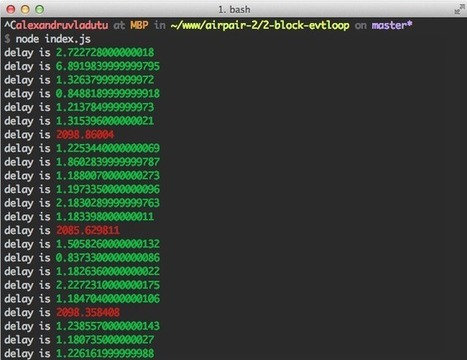
Node.js expert Alexandru Vladutu discusses some of the most common mistakes that developers make when working with Node.
|
|
Scooped by
Srdjan Strbanovic
December 19, 2014 11:13 AM
|
The next chapter of node.js best practices, featuring pre-commit checks, JavaScript code style checker and configuration best practices...
|
|
Scooped by
Srdjan Strbanovic
December 16, 2014 10:21 AM
|
Clearly, the world is in dire need of another blogging engine, right? OK, perhaps not so much but I am very much in need of a website where I can show off my best work and a blog where I...
|
|
Scooped by
Srdjan Strbanovic
December 13, 2014 11:31 AM
|
|
|
Scooped by
Srdjan Strbanovic
December 11, 2014 8:16 AM
|
|
|
Scooped by
Srdjan Strbanovic
November 28, 2014 12:57 PM
|
This article explores the basics of Node's readable and writable streams.
|
|
Scooped by
Srdjan Strbanovic
November 28, 2014 9:33 AM
|
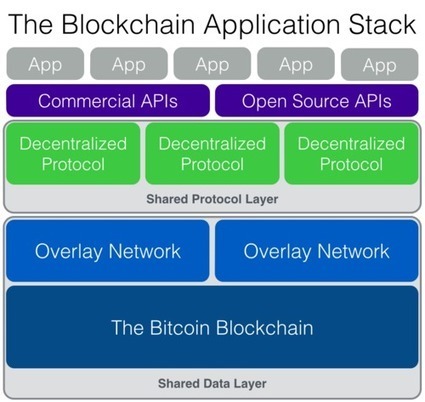
Last week I led a workshop at NYU’s Bitcoin Hackathon, HackBit, where I talked about Bitcoin as a Protocol, alternative uses for the Blockchain, and a little bit about the challenges and opportunities...
|
|
Scooped by
Srdjan Strbanovic
November 28, 2014 9:25 AM
|
UX guy. Javascript hacker. Founder of Madera Labs and Drawer.
|
|
Scooped by
Srdjan Strbanovic
November 25, 2014 3:49 PM
|
|