21st Century Learning and Teaching
757.0K views | +77 today
21st Century Learning and Teaching
Related articles to 21st Century Learning and Teaching as also tools...
Curated by Gust MEES
Your new post is loading...

Popular Tags

Current selected tag: 'EDUcation 4.0'. Clear
Scooped by Gust MEES
May 11, 2018 4:40 PM
Scoop.it!

Graphics Primitives | Adafruit GFX Graphics Library | Adafruit Learning System | #Coding #Maker #MakerED #MakerSpaces #LEARNingByDoing

Graphics Primitives | Adafruit GFX Graphics Library | Adafruit Learning System | #Coding #Maker #MakerED #MakerSpaces #LEARNingByDoing | 21st Century Learning and Teaching | Scoop.it

Graphics Primitives by Phillip Burgess
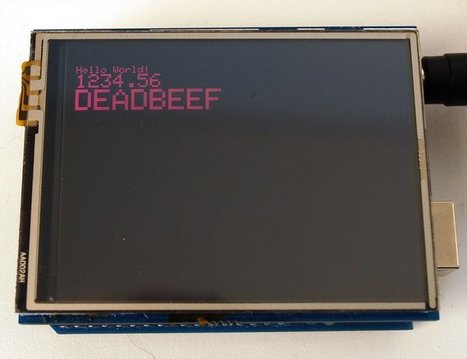
Each device-specific display library will have its own constructors and initialization functions. These are documented in the individual tutorials for each display type, or oftentimes are evident in the specific library header file. The remainder of this tutorial covers the common graphics functions that work the same regardless of the display type.

The function descriptions below are merely prototypes — there’s an assumption that a display object is declared and initialized as needed by the device-specific library. Look at the example code with each library to see it in actual use. For example, where we show print(1234.56), your actual code would place the object name before this, e.g. it might read screen.print(1234.56) (if you have declared your display object with the name screen).


Learn more / En savoir plus / Mehr erfahren:


https://www.scoop.it/t/21st-century-learning-and-teaching/?&tag=ARDUINO


https://www.scoop.it/t/21st-century-learning-and-teaching/?&tag=OLED


Gust MEES's insight:

Graphics Primitives by Phillip Burgess
Each device-specific display library will have its own constructors and initialization functions. These are documented in the individual tutorials for each display type, or oftentimes are evident in the specific library header file. The remainder of this tutorial covers the common graphics functions that work the same regardless of the display type.

The function descriptions below are merely prototypes — there’s an assumption that a display object is declared and initialized as needed by the device-specific library. Look at the example code with each library to see it in actual use. For example, where we show print(1234.56), your actual code would place the object name before this, e.g. it might read screen.print(1234.56) (if you have declared your display object with the name screen).


Learn more / En savoir plus / Mehr erfahren:


https://www.scoop.it/t/21st-century-learning-and-teaching/?&tag=ARDUINO


https://www.scoop.it/t/21st-century-learning-and-teaching/?&tag=OLED

 

No comment yet.
Scooped by Gust MEES
May 11, 2018 4:23 PM
Scoop.it!

Arduino SSD1306 128x64 OLED SPI - Bitmap Display - YouTube | #Coding #Maker #MakerED #MakerSpaces 

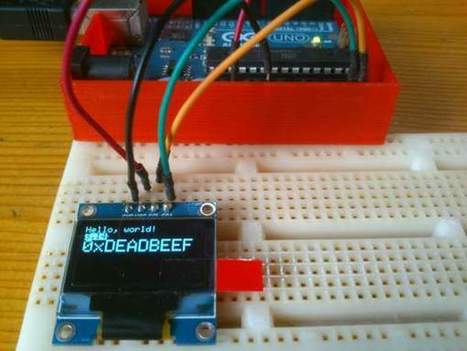
How to display bitmap wit Arduino.

Used librarys:
https://github.com/adafruit/Adafruit-...
https://github.com/adafruit/Adafruit_...

Bitmap converter...


Learn more / En savoir plus / Mehr erfahren:


https://www.scoop.it/t/21st-century-learning-and-teaching/?&tag=ARDUINO


https://www.scoop.it/t/21st-century-learning-and-teaching/?&tag=OLED
 

Gust MEES's insight:

How to display bitmap wit Arduino.

Used librarys:
https://github.com/adafruit/Adafruit-...
https://github.com/adafruit/Adafruit_...

Bitmap converter...


Learn more / En savoir plus / Mehr erfahren:


https://www.scoop.it/t/21st-century-learning-and-teaching/?&tag=ARDUINO


https://www.scoop.it/t/21st-century-learning-and-teaching/?&tag=OLED
 

No comment yet.
Scooped by Gust MEES
May 10, 2018 7:36 PM
Scoop.it!

Social Emotional Learning and the Future of Education | #ModernEDU #SEL 

Social Emotional Learning and the Future of Education | #ModernEDU #SEL  | 21st Century Learning and Teaching | Scoop.it

Despite widespread access to education in most parts of the world, today’s children have massive variability in their skills. This reflects the context and environment in which children grow up, and in many cases, school may be the only place where any deficiencies in a child’s entire self-development can be addressed before they become an active member of society.

According to The Organisation for Economic Co-operation and Development (OECD), social and emotional skills are the abilities that regulate one’s thoughts, emotions and behavior. These skills differ from cognitive abilities because they impact how people manage their emotions, perceive themselves and engage with others, rather than indicating their raw ability to process information.

In practice, social and emotional learning (SEL) is the process through which children and adults acquire and effectively apply the knowledge, attitudes, and skills necessary to manage emotions, set and achieve positive goals, demonstrate empathy for others, maintain positive relationships, and make responsible decisions. Developing these core life skills through SEL is crucially important to a child’s development as it directly correlates to how socially, academically and professionally skilled that child will be as an adult.

The OECD conducted a study on skills for social progress and the power of social and emotional skills; detailing the impact of developing those skills and highlights an underlying societal issue educators and world leaders need to prioritize.

Learn more / En savoir plus / Mehr erfahren:


https://www.scoop.it/t/21st-century-learning-and-teaching/?&tag=SEL


https://gustmees.wordpress.com/2016/05/19/a-holistic-view-of-what-will-influence-education-in-the-future/


https://www.scoop.it/t/21st-century-learning-and-teaching/?&tag=social+emotional+skills


Gust MEES's insight:

Despite widespread access to education in most parts of the world, today’s children have massive variability in their skills. This reflects the context and environment in which children grow up, and in many cases, school may be the only place where any deficiencies in a child’s entire self-development can be addressed before they become an active member of society.

According to The Organisation for Economic Co-operation and Development (OECD), social and emotional skills are the abilities that regulate one’s thoughts, emotions and behavior. These skills differ from cognitive abilities because they impact how people manage their emotions, perceive themselves and engage with others, rather than indicating their raw ability to process information.

In practice, social and emotional learning (SEL) is the process through which children and adults acquire and effectively apply the knowledge, attitudes, and skills necessary to manage emotions, set and achieve positive goals, demonstrate empathy for others, maintain positive relationships, and make responsible decisions. Developing these core life skills through SEL is crucially important to a child’s development as it directly correlates to how socially, academically and professionally skilled that child will be as an adult.

The OECD conducted a study on skills for social progress and the power of social and emotional skills; detailing the impact of developing those skills and highlights an underlying societal issue educators and world leaders need to prioritize.

Learn more / En savoir plus / Mehr erfahren:


https://www.scoop.it/t/21st-century-learning-and-teaching/?&tag=SEL


https://gustmees.wordpress.com/2016/05/19/a-holistic-view-of-what-will-influence-education-in-the-future/


https://www.scoop.it/t/21st-century-learning-and-teaching/?&tag=social+emotional+skills


No comment yet.
Scooped by Gust MEES
May 9, 2018 5:12 PM
Scoop.it!

Interfacing 0.96″ OLED Display with Arduino UNO | #Coding #Maker #MakerED #MakerSpaces 

Interfacing 0.96″ OLED Display with Arduino UNO | #Coding #Maker #MakerED #MakerSpaces  | 21st Century Learning and Teaching | Scoop.it

Time to interface a 0.96″ graphical OLED I2C Display with a Arduino Uno! This tiny OLED Display is useful in displaying various data from sensors, graphics and many more. In this tutorial, I’ll be showing you how you can use 2 different libraries to interface a I2C OLED Display with the Arduino Uno, therefore you have an option to choose either 1 of the library to use.


Learn more / En savoir plus / Mehr erfahren:


https://www.scoop.it/t/21st-century-learning-and-teaching/?&tag=ARDUINO


https://www.scoop.it/t/21st-century-learning-and-teaching/?&tag=OLED
 

Gust MEES's insight:

Time to interface a 0.96″ graphical OLED I2C Display with a Arduino Uno! This tiny OLED Display is useful in displaying various data from sensors, graphics and many more. In this tutorial, I’ll be showing you how you can use 2 different libraries to interface a I2C OLED Display with the Arduino Uno, therefore you have an option to choose either 1 of the library to use.


Learn more / En savoir plus / Mehr erfahren:


https://www.scoop.it/t/21st-century-learning-and-teaching/?&tag=ARDUINO


https://www.scoop.it/t/21st-century-learning-and-teaching/?&tag=OLED
 

No comment yet.
Scooped by Gust MEES
May 8, 2018 7:39 PM
Scoop.it!

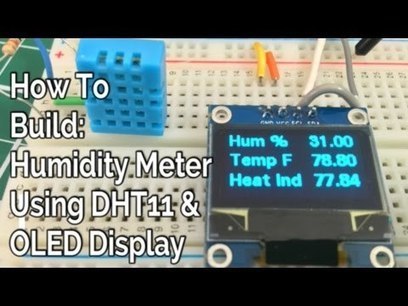
How to build Humidity and Temperature digital meter using DHT11 and OLED Display (#I2C) on #Arduino | #Coding #Maker #MakerED #MakerSpaces

How to build Humidity and Temperature digital meter using DHT11 and OLED Display (#I2C) on #Arduino | #Coding #Maker #MakerED #MakerSpaces | 21st Century Learning and Teaching | Scoop.it

A blog about Arduino programming, electronics.


Learn more / En savoir plus / Mehr erfahren:


https://www.scoop.it/t/21st-century-learning-and-teaching/?&tag=ARDUINO


Gust MEES's insight:

A blog about Arduino programming, electronics.


Learn more / En savoir plus / Mehr erfahren:


https://www.scoop.it/t/21st-century-learning-and-teaching/?&tag=ARDUINO


No comment yet.
Scooped by Gust MEES
May 5, 2018 7:30 AM
Scoop.it!

Arduino Usage | Adafruit DS3231 Precision RTC Breakout | #Coding #Maker #MakerED #MakerSpaces #LEARNingByDoing 

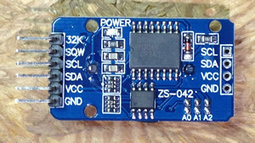
You can easily wire this breakout to any microcontroller, we'll be using an Arduino. For another kind of microcontroller, just make sure it has I2C, then port the code - its pretty simple stuff!


Learn more / En savoir plus / Mehr erfahren: 


https://www.scoop.it/t/21st-century-learning-and-teaching/?&tag=ARDUINO


Gust MEES's insight:

You can easily wire this breakout to any microcontroller, we'll be using an Arduino. For another kind of microcontroller, just make sure it has I2C, then port the code - its pretty simple stuff!


Learn more / En savoir plus / Mehr erfahren: 


https://www.scoop.it/t/21st-century-learning-and-teaching/?&tag=ARDUINO


No comment yet.
Scooped by Gust MEES
May 5, 2018 5:25 AM
Scoop.it!

Metacognition and self-regulated learning | Education Endowment Foundation | #LEARNing2LEARN

Metacognition and self-regulated learning | Education Endowment Foundation | #LEARNing2LEARN | 21st Century Learning and Teaching | Scoop.it

What does this guidance cover?


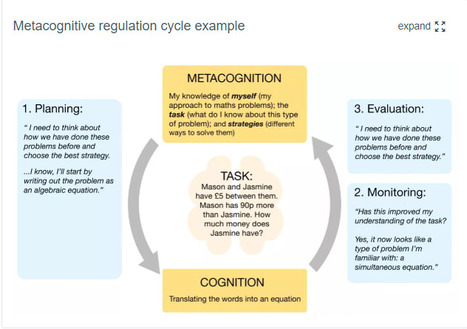
This guidance report is relevant to the teaching of all students, within any subject area. Most of the examples included are from Key Stages 1 to 4, where the research is strongest. It introduces a simplified framework for self-regulated learning and metacognition.

In due course, we will publish a more detailed research review exploring the subject in more depth; this is an area of academic discussion that may be of interest to some teachers. Here, however, we have simplified the frameworks to allow for ease of understanding and use in real-world settings—we focus on what the evidence says about what teachers can do to develop these skills. Often the research evidence is generic and hard to interpret; by giving specific examples we have tried to bring the work alive for teachers (but this means they are less directly supported by strong evidence).

This guidance draws on a review of the evidence about self-regulated learning and metacognition led by Professor Daniel Muijs and Dr Christian Bokhove (University of Southampton). It is not a new study in itself, but rather is intended as an accessible overview of existing research with clear, actionable guidance. More information about the review and the process is at the end of the review. Some key references are included here; for those wishing to explore the subject in more depth, the forthcoming report will contain a more comprehensive reference section.


Learn more / En savoir plus / Mehr erfahren:


https://www.scoop.it/t/21st-century-learning-and-teaching/?&tag=Metacognition


Gust MEES's insight:

What does this guidance cover?


This guidance report is relevant to the teaching of all students, within any subject area. Most of the examples included are from Key Stages 1 to 4, where the research is strongest. It introduces a simplified framework for self-regulated learning and metacognition.

In due course, we will publish a more detailed research review exploring the subject in more depth; this is an area of academic discussion that may be of interest to some teachers. Here, however, we have simplified the frameworks to allow for ease of understanding and use in real-world settings—we focus on what the evidence says about what teachers can do to develop these skills. Often the research evidence is generic and hard to interpret; by giving specific examples we have tried to bring the work alive for teachers (but this means they are less directly supported by strong evidence).

This guidance draws on a review of the evidence about self-regulated learning and metacognition led by Professor Daniel Muijs and Dr Christian Bokhove (University of Southampton). It is not a new study in itself, but rather is intended as an accessible overview of existing research with clear, actionable guidance. More information about the review and the process is at the end of the review. Some key references are included here; for those wishing to explore the subject in more depth, the forthcoming report will contain a more comprehensive reference section.


Learn more / En savoir plus / Mehr erfahren:


https://www.scoop.it/t/21st-century-learning-and-teaching/?&tag=Metacognition


No comment yet.
Scooped by Gust MEES
May 1, 2018 4:37 PM
Scoop.it!

Ugly Bug | #Coding #Maker #MakerED #MakerSpaces #ServoMotors | #LEARNingByDoing

Ugly Bug | #Coding #Maker #MakerED #MakerSpaces #ServoMotors | #LEARNingByDoing | 21st Century Learning and Teaching | Scoop.it

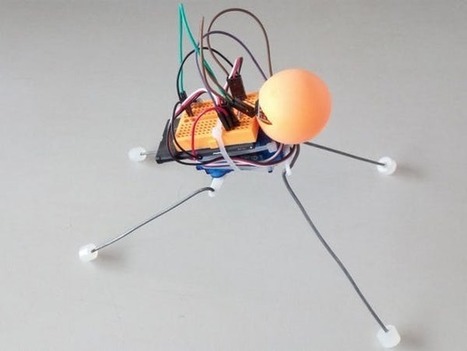
Here is a quick and easy little robot that can be built and assembled in about half an hour with the right tools and parts.

I didn't invent it. I saw a video of a thing like this on YouTube and thought 'Hey, that looks fun, I'll build one.'

So I grabbed some servos out of my junk box, an old cellphone battery I had kept in the hope of finding something cool to do with it, an arduino pro 3.3v that I had bought on a whim because I needed to reach the quota for free delivery and went to work.

An hour or so later, here it was!

Let's start with the basic assembly.

Cut off the mounting arm that's opposite the side where the wires come out on one of the servos (This will be your back servo). The back servo points down and the other forward. You can use glu or cable ties to keep them together.


Learn more / En savoir plus / Mehr erfahren:


https://www.scoop.it/t/21st-century-learning-and-teaching/?&tag=ARDUINO


Gust MEES's insight:

Here is a quick and easy little robot that can be built and assembled in about half an hour with the right tools and parts.

I didn't invent it. I saw a video of a thing like this on YouTube and thought 'Hey, that looks fun, I'll build one.'

So I grabbed some servos out of my junk box, an old cellphone battery I had kept in the hope of finding something cool to do with it, an arduino pro 3.3v that I had bought on a whim because I needed to reach the quota for free delivery and went to work.

An hour or so later, here it was!

Let's start with the basic assembly.

Cut off the mounting arm that's opposite the side where the wires come out on one of the servos (This will be your back servo). The back servo points down and the other forward. You can use glu or cable ties to keep them together.


Learn more / En savoir plus / Mehr erfahren:


https://www.scoop.it/t/21st-century-learning-and-teaching/?&tag=ARDUINO


Heidi Counsell's curator insight, May 4, 2018 3:34 AM
This rather ugly interesting bot makes for a quick ICT Robotics class project. - So many ideas can come from this...
 
Scooped by Gust MEES
April 30, 2018 6:09 PM
Scoop.it!

Raspberry Pi-alike NanoPi K1 Plus: For $35 you get 2xRAM, 4K video, Gigabit Ethernet | #Coding #Maker #MakerSpaces #MakerED

Raspberry Pi-alike NanoPi K1 Plus: For $35 you get 2xRAM, 4K video, Gigabit Ethernet | #Coding #Maker #MakerSpaces #MakerED | 21st Century Learning and Teaching | Scoop.it

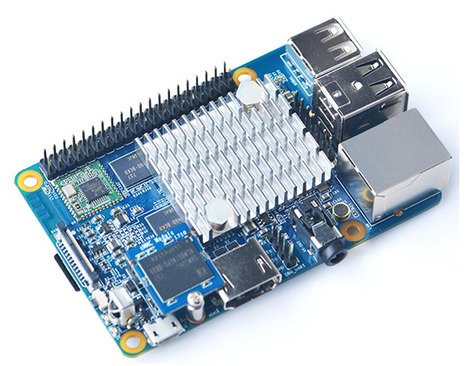
FriendlyElec has released a $35 rival to the Raspberry Pi 3 B+, outdoing the better-known board with 2GB of memory, Gigabit Ethernet, and a more powerful GPU.

The NanoPi K1 Plus follows FriendlyElec's Nano Pi K2, released last year with similar dimensions to the Raspberry Pi 3 for $40.

The NanoPi K1 Plus shares similar specs to the Nano Pi K2 and maintains the Raspberry Pi's form factor, but offers double the RAM, Gigabit Ethernet, and 4K video playback.

The device also has the same 40-pin GPIO pin-header as the Raspberry Pi 3, so it should work with Raspberry Pi accessories and housings.

Instead of the NanoPi K2's 1.5GHz Amlogic processor, FriendlyElec opted for an Allwinner H5 quad-core 64-bit Cortex A53 processor that runs at 1.4 GHz as well as a six-core Mali450 GPU. The Raspberry Pi 3 B+ uses a 1.4GHz Broadcom BCM2837B0, Cortex-A53 ArmV8 64-bit SoC.

The NanoPi K1 features three USB 2.0 ports, one microUSB 2.0 port for power, a microSD slot, while wireless support includes 802.11 b/g/n.


Learn more / En savoir plus / Mehr erfahren:


https://www.scoop.it/t/21st-century-learning-and-teaching/?&tag=Raspberry+Pi


Gust MEES's insight:

FriendlyElec has released a $35 rival to the Raspberry Pi 3 B+, outdoing the better-known board with 2GB of memory, Gigabit Ethernet, and a more powerful GPU.

The NanoPi K1 Plus follows FriendlyElec's Nano Pi K2, released last year with similar dimensions to the Raspberry Pi 3 for $40.

The NanoPi K1 Plus shares similar specs to the Nano Pi K2 and maintains the Raspberry Pi's form factor, but offers double the RAM, Gigabit Ethernet, and 4K video playback.

The device also has the same 40-pin GPIO pin-header as the Raspberry Pi 3, so it should work with Raspberry Pi accessories and housings.

Instead of the NanoPi K2's 1.5GHz Amlogic processor, FriendlyElec opted for an Allwinner H5 quad-core 64-bit Cortex A53 processor that runs at 1.4 GHz as well as a six-core Mali450 GPU. The Raspberry Pi 3 B+ uses a 1.4GHz Broadcom BCM2837B0, Cortex-A53 ArmV8 64-bit SoC.

The NanoPi K1 features three USB 2.0 ports, one microUSB 2.0 port for power, a microSD slot, while wireless support includes 802.11 b/g/n.


Learn more / En savoir plus / Mehr erfahren:


https://www.scoop.it/t/21st-century-learning-and-teaching/?&tag=Raspberry+Pi


No comment yet.
Scooped by Gust MEES
April 29, 2018 10:59 AM
Scoop.it!

Arduino DS3231 Real Time Clock With Color TFT | #Coding #Maker #MakerED #MakerSpaces #LEARNingByDoing

Arduino DS3231 Real Time Clock With Color TFT | #Coding #Maker #MakerED #MakerSpaces #LEARNingByDoing | 21st Century Learning and Teaching | Scoop.it

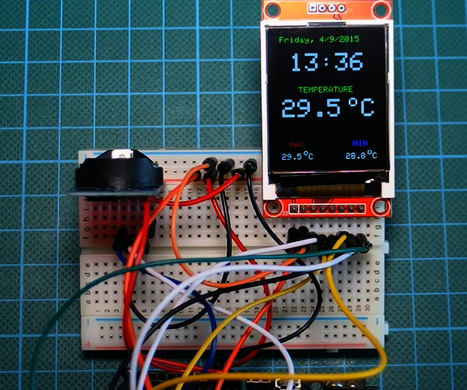
Building a real time clock with a color TFT display is extremely easy using Arduino. The display shows the time, the date, the currect temperature along the MAX and MIN temperature that it has measured. Let's build it!


Learn more / En savoir plus / Mehr erfahren:


https://www.scoop.it/t/21st-century-learning-and-teaching/?&tag=ARDUINO


https://www.scoop.it/t/21st-century-learning-and-teaching/?&tag=TFT+Screen


Gust MEES's insight:

Building a real time clock with a color TFT display is extremely easy using Arduino. The display shows the time, the date, the currect temperature along the MAX and MIN temperature that it has measured. Let's build it!


Learn more / En savoir plus / Mehr erfahren:


https://www.scoop.it/t/21st-century-learning-and-teaching/?&tag=ARDUINO


https://www.scoop.it/t/21st-century-learning-and-teaching/?&tag=TFT+Screen


No comment yet.
Scooped by Gust MEES
April 26, 2018 6:56 PM
Scoop.it!

Converting Images to Flash Memory Icons/images for TFT (without SD Card) | #Coding #Maker #MakerED #MakerSpaces #LEARNingByDoing

Converting Images to Flash Memory Icons/images for TFT (without SD Card) | #Coding #Maker #MakerED #MakerSpaces #LEARNingByDoing | 21st Century Learning and Teaching | Scoop.it

Many times to make any user interface or nicely display content, we use icons/images. In this Instructable, you will be displaying icons or logos or images...


Learn more / En savoir plus / Mehr erfahren:


https://www.scoop.it/t/21st-century-learning-and-teaching/?&tag=ARDUINO


https://www.scoop.it/t/21st-century-learning-and-teaching/?&tag=TFT+Screen


Gust MEES's insight:

Many times to make any user interface or nicely display content, we use icons/images. In this Instructable, you will be displaying icons or logos or images...


Learn more / En savoir plus / Mehr erfahren:


https://www.scoop.it/t/21st-century-learning-and-teaching/?&tag=ARDUINO


https://www.scoop.it/t/21st-century-learning-and-teaching/?&tag=TFT+Screen


No comment yet.
Scooped by Gust MEES
April 24, 2018 8:32 PM
Scoop.it!

ESP8266 ESP-01's projects | #Arduino #Coding #Maker #MakerED #MakerSpaces #LEARNingByDoing 

ESP8266 ESP-01's projects | #Arduino #Coding #Maker #MakerED #MakerSpaces #LEARNingByDoing  | 21st Century Learning and Teaching | Scoop.it

234 hardware projects made with ESP8266 ESP-01 from Everything ESP.


Learn more / En savoir plus / Mehr erfahren:


https://www.scoop.it/t/21st-century-learning-and-teaching/?&tag=ARDUINO


https://www.scoop.it/t/21st-century-learning-and-teaching/?&tag=ESP8266+WiFi+Module


Gust MEES's insight:

234 hardware projects made with ESP8266 ESP-01 from Everything ESP.


Learn more / En savoir plus / Mehr erfahren:


https://www.scoop.it/t/21st-century-learning-and-teaching/?&tag=ARDUINO


https://www.scoop.it/t/21st-century-learning-and-teaching/?&tag=ESP8266+WiFi+Module


No comment yet.
Scooped by Gust MEES
April 23, 2018 7:47 PM
Scoop.it!

784 Projects tagged with "ESP8266" | Hackaday.io | #Coding #Maker #MakerED #MakerSpaces #IoT #InternetOfThings

784 Projects tagged with "ESP8266" | Hackaday.io | #Coding #Maker #MakerED #MakerSpaces #IoT #InternetOfThings | 21st Century Learning and Teaching | Scoop.it

784 Projects tagged with ESP8266


Learn more / En savoir plus / Mehr erfahren:


https://www.scoop.it/t/21st-century-learning-and-teaching/?&tag=ARDUINO


https://www.scoop.it/t/21st-century-learning-and-teaching/?&tag=ESP8266+WiFi+Module


Gust MEES's insight:

784 Projects tagged with ESP8266


Learn more / En savoir plus / Mehr erfahren:


https://www.scoop.it/t/21st-century-learning-and-teaching/?&tag=ARDUINO


https://www.scoop.it/t/21st-century-learning-and-teaching/?&tag=ESP8266+WiFi+Module


No comment yet.
Scooped by Gust MEES
May 11, 2018 4:32 PM
Scoop.it!

Overview | Monochrome OLED Breakouts | Adafruit Learning System | #Coding #Maker #MakerED #MakerSpaces #LEARNingByDoing 

Overview | Monochrome OLED Breakouts | Adafruit Learning System | #Coding #Maker #MakerED #MakerSpaces #LEARNingByDoing  | 21st Century Learning and Teaching | Scoop.it

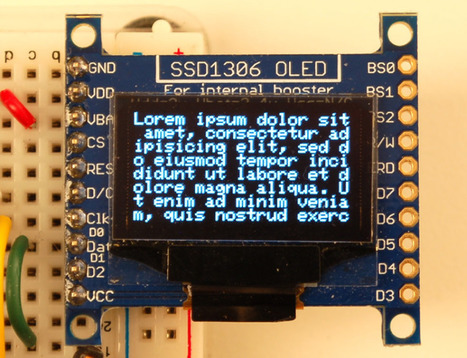
This is a quick tutorial for our 128x64 and 128x32 pixel monochrome OLED displays. These displays are small, only about 1" diagonal, but very readable due to the high contrast of an OLED display. Each OLED display is made of 128x64 or 128x32 individual white OLEDs, each one is turned on or off by the controller chip. Because the display makes its own light, no backlight is required. This reduces the power required to run the OLED and is why the display has such high contrast; we really like this miniature display for its crispness!


Learn more / En savoir plus / Mehr erfahren:


https://www.scoop.it/t/21st-century-learning-and-teaching/?&tag=ARDUINO


https://www.scoop.it/t/21st-century-learning-and-teaching/?&tag=OLED


Gust MEES's insight:

This is a quick tutorial for our 128x64 and 128x32 pixel monochrome OLED displays. These displays are small, only about 1" diagonal, but very readable due to the high contrast of an OLED display. Each OLED display is made of 128x64 or 128x32 individual white OLEDs, each one is turned on or off by the controller chip. Because the display makes its own light, no backlight is required. This reduces the power required to run the OLED and is why the display has such high contrast; we really like this miniature display for its crispness!


Learn more / En savoir plus / Mehr erfahren:


https://www.scoop.it/t/21st-century-learning-and-teaching/?&tag=ARDUINO


https://www.scoop.it/t/21st-century-learning-and-teaching/?&tag=OLED
 

No comment yet.
Scooped by Gust MEES
May 11, 2018 6:08 AM
Scoop.it!

First Steps with the Arduino-UNO R3 | Maker, MakerED, Coding | Useful help-tools | #LEARNingByDoing with #FUN

First Steps with the Arduino-UNO R3 | Maker, MakerED, Coding | Useful help-tools | #LEARNingByDoing with #FUN | 21st Century Learning and Teaching | Scoop.it

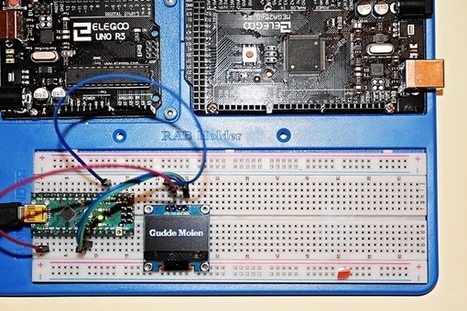
SO, after that one has becoming a little bit familiar with all that new stuff one has lived already some experience and one is asking if there aren’t any helping tools and devices to make life much easier… YES, and there are some very interesting prototype shields, board holders and breadboard jumper in different lengths…


Learn more / En savoir plus / Mehr erfahren:


https://www.scoop.it/t/21st-century-learning-and-teaching/?&tag=ARDUINO


https://www.scoop.it/t/21st-century-learning-and-teaching/?&tag=OLED
 

Gust MEES's insight:

SO, after that one has becoming a little bit familiar with all that new stuff one has lived already some experience and one is asking if there aren’t any helping tools and devices to make life much easier… YES, and there are some very interesting prototype shields, board holders and breadboard jumper in different lengths…


Learn more / En savoir plus / Mehr erfahren:


https://www.scoop.it/t/21st-century-learning-and-teaching/?&tag=ARDUINO


https://www.scoop.it/t/21st-century-learning-and-teaching/?&tag=OLED


No comment yet.
Scooped by Gust MEES
May 10, 2018 6:35 PM
Scoop.it!

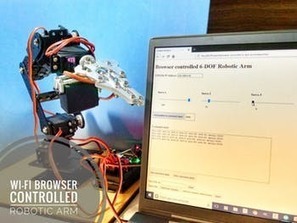
How to connect a display to U8g2 Library? | olikraus/u8g2 Wiki | #OLEDs #Coding #Arduino #Maker #MakerED #MakerSpaces

How to connect a display to U8g2 Library? | olikraus/u8g2 Wiki | #OLEDs #Coding #Arduino #Maker #MakerED #MakerSpaces | 21st Century Learning and Teaching | Scoop.it

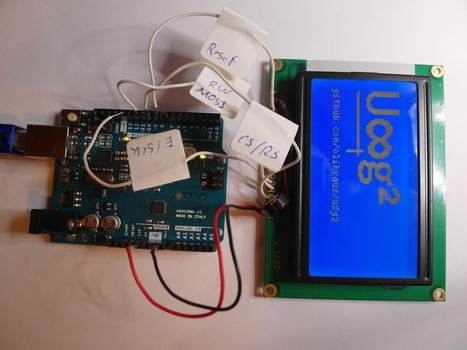
GitHub is where people build software. More than 27 million people use GitHub to discover, fork, and contribute to over 80 million projects.


Learn more / En savoir plus / Mehr erfahren:


https://www.scoop.it/t/21st-century-learning-and-teaching/?&tag=ARDUINO


https://www.scoop.it/t/21st-century-learning-and-teaching/?&tag=OLED
 

Gust MEES's insight:

GitHub is where people build software. More than 27 million people use GitHub to discover, fork, and contribute to over 80 million projects.


Learn more / En savoir plus / Mehr erfahren:


https://www.scoop.it/t/21st-century-learning-and-teaching/?&tag=ARDUINO


https://www.scoop.it/t/21st-century-learning-and-teaching/?&tag=OLED

 

WidMan UlcuAngo's curator insight, May 10, 2018 7:44 PM
Share your insight
Scooped by Gust MEES
May 9, 2018 4:35 PM
Scoop.it!

0.96 Inch OLED I2C Display 128 x 64 | Arduino Tutorial | #Coding #Maker #MakerED #MakerSpaces #LEARNingByDoing 

0.96 Inch OLED I2C Display 128 x 64 | Arduino Tutorial | #Coding #Maker #MakerED #MakerSpaces #LEARNingByDoing  | 21st Century Learning and Teaching | Scoop.it

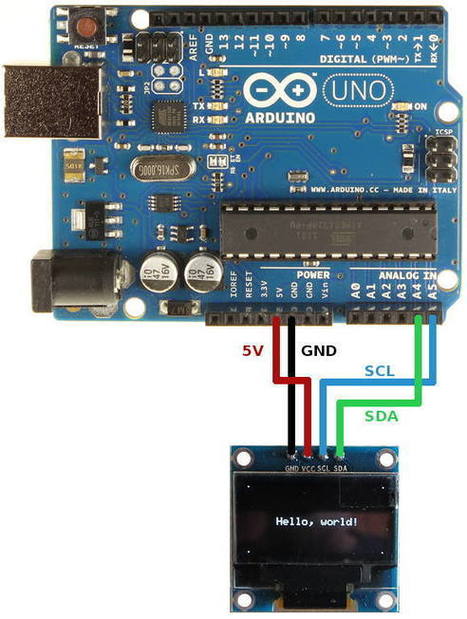
How to connect and program the Geekcreit 0.96 inch 4 pin white I2C OLED module with Arduino. OLED display based on a SSD1306 OLED driver IC.

In this tutorial a 0.96 inch monochrome OLED display from Geekcreit is connected or interfaced to an Arduino. Libraries are then installed and some example programs run which show how to use the display in an Arduino sketch.

The display connects to Arduino using only four wires – two for power and two for data, making the wiring very simple. The data connection is I2C (I²C, IIC or Inter-Integrated Circuit). This interface is sometimes called TWI (Two Wire Interface).

At the very lowest level, the Arduino Wire library is used to communicate with the display. Libraries are available that make it easy to start using the display right away to display text and graphics. These libraries are installed in this tutorial.


[Gust MEES] It works with THIS OLED <===> https://www.amazon.de/dp/B01L9GC470


Learn more / En savoir plus / Mehr erfahren:


https://www.scoop.it/t/21st-century-learning-and-teaching/?&tag=ARDUINO


Gust MEES's insight:

How to connect and program the Geekcreit 0.96 inch 4 pin white I2C OLED module with Arduino. OLED display based on a SSD1306 OLED driver IC.

In this tutorial a 0.96 inch monochrome OLED display from Geekcreit is connected or interfaced to an Arduino. Libraries are then installed and some example programs run which show how to use the display in an Arduino sketch.

The display connects to Arduino using only four wires – two for power and two for data, making the wiring very simple. The data connection is I2C (I²C, IIC or Inter-Integrated Circuit). This interface is sometimes called TWI (Two Wire Interface).

At the very lowest level, the Arduino Wire library is used to communicate with the display. Libraries are available that make it easy to start using the display right away to display text and graphics. These libraries are installed in this tutorial.


[Gust MEES] It works with THIS OLED <===> https://www.amazon.de/dp/B01L9GC470


Learn more / En savoir plus / Mehr erfahren:


https://www.scoop.it/t/21st-century-learning-and-teaching/?&tag=ARDUINO


No comment yet.
Scooped by Gust MEES
May 7, 2018 3:41 PM
Scoop.it!

Digital Content Curation as a Pedagogical Approach | OUT of #SchoolCocoon | #LEARNing2LEARN for #LifeLongLEARNing with/about #ICT, #SocialMedia #Twitter and #blogs | #ModernPedagogy #ModernLEARNing 

Digital Content Curation as a Pedagogical Approach | OUT of #SchoolCocoon | #LEARNing2LEARN for #LifeLongLEARNing with/about #ICT, #SocialMedia #Twitter and #blogs | #ModernPedagogy #ModernLEARNing  | 21st Century Learning and Teaching | Scoop.it

I was fortunate to be able to share my thoughts on how digital content curation may be implemented as a powerful pedagogical approach in the latest issue of SCIS Connections. 


Learn more / En savoir plus / Mehr erfahren: 


https://gustmees.wordpress.com/?s=curation


Gust MEES's insight:

I was fortunate to be able to share my thoughts on how digital content curation may be implemented as a powerful pedagogical approach in the latest issue of SCIS Connections. 


Learn more / En savoir plus / Mehr erfahren: 


https://gustmees.wordpress.com/?s=curation


No comment yet.
Scooped by Gust MEES
May 5, 2018 7:06 AM
Scoop.it!

Die Uhrzeit des RTC DS3231 Modul vom Arduino einstellen | #Coding #Maker #MakerED #MakerSpaces #LEARNingByDoing 

Die Uhrzeit des RTC DS3231 Modul vom Arduino einstellen | #Coding #Maker #MakerED #MakerSpaces #LEARNingByDoing  | 21st Century Learning and Teaching | Scoop.it

Die Uhrzeit des RTC DS3231 Modul vom Arduino einstellen

Die Uhrzeit des RTC DS3231 Uhrzeitmoduls soll vom Arduino einmalig eingestellt werden. Danach speichert das Modul die richtige Uhrzeit und läuft mit der angebauten Batterie weiter.
Die Verkabelung wurde im vorherigen Beitrag beschrieben.

Die aktuelle Uhrzeit +1min wird manuell eingegeben unter setup(). Dann wird das Programm ca. 4 Sekunden vor der Uhrzeit übersetzt und hochgeladen. Es sollte nun ungefähr zur richtigen Uhrzeit im RTC Chip ankommen. Ansonsten ein wenig mit den 4 Sekunden herum spielen.


Learn more / En savoir plus / Mehr erfahren:


https://www.scoop.it/t/21st-century-learning-and-teaching/?&tag=ARDUINO


Gust MEES's insight:

Die Uhrzeit des RTC DS3231 Modul vom Arduino einstellen

Die Uhrzeit des RTC DS3231 Uhrzeitmoduls soll vom Arduino einmalig eingestellt werden. Danach speichert das Modul die richtige Uhrzeit und läuft mit der angebauten Batterie weiter.
Die Verkabelung wurde im vorherigen Beitrag beschrieben.

Die aktuelle Uhrzeit +1min wird manuell eingegeben unter setup(). Dann wird das Programm ca. 4 Sekunden vor der Uhrzeit übersetzt und hochgeladen. Es sollte nun ungefähr zur richtigen Uhrzeit im RTC Chip ankommen. Ansonsten ein wenig mit den 4 Sekunden herum spielen.


Learn more / En savoir plus / Mehr erfahren:


https://www.scoop.it/t/21st-century-learning-and-teaching/?&tag=ARDUINO


No comment yet.
Scooped by Gust MEES
May 3, 2018 9:54 AM
Scoop.it!

Talking Arduino | Playing a MP3 With Arduino Without Any Module | Playing Mp3 File From Arduino Using PCM | #Coding #maker #MakerED #MakerSpaces #Music

Talking Arduino | Playing a MP3 With Arduino Without Any Module | Playing Mp3 File From Arduino Using PCM | #Coding #maker #MakerED #MakerSpaces #Music | 21st Century Learning and Teaching | Scoop.it

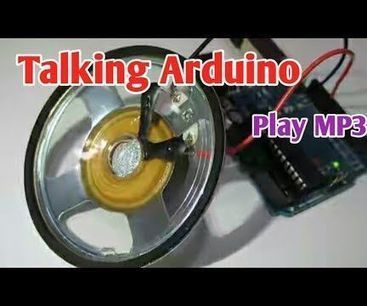
In this instructables we will learn how to play a mp3 file with arduino without using any audio module, here we gonna use PCM library for Arduino which plays...


Learn more / En savoir plus / Mehr erfahren:


https://www.scoop.it/t/21st-century-learning-and-teaching/?&tag=ARDUINO


Gust MEES's insight:

In this instructables we will learn how to play a mp3 file with arduino without using any audio module, here we gonna use PCM library for Arduino which plays...


Learn more / En savoir plus / Mehr erfahren:


https://www.scoop.it/t/21st-century-learning-and-teaching/?&tag=ARDUINO


No comment yet.
Scooped by Gust MEES
May 1, 2018 12:35 PM
Scoop.it!

How to Spark “Next-Gen” Creativity | #ModernSociety

How to Spark “Next-Gen” Creativity | #ModernSociety | 21st Century Learning and Teaching | Scoop.it

As robots take over more and more “dirty, dull, and dangerous” jobs from humans and automation assumes the knowledge work once done by people, the vocations that require complex, creative thinking will remain the domain of the living.

This point was driven home in a recent World Economic Forum (WEF) report, which forecasts expected advances in automation, artificial intelligence, and other areas that constitute Industry 4.0. The changes, already unfolding, could — and likely will — be profound, and include shifts in even the most essential job skills.

The report compares the top skills needed in 2015 and those predicted to be critical in 2020 (which is just a few heartbeats away). Quality control and active listening drop from this list — perhaps new technology will take care of these. Emotional intelligence and cognitive flexibility take their place. What I found most interesting is that creativity rockets from the number 10 spot all the way up to number three.


Learn more / En savoir plus / Mehr erfahren:


https://www.scoop.it/t/21st-century-learning-and-teaching/?&tag=Creativity


Gust MEES's insight:

As robots take over more and more “dirty, dull, and dangerous” jobs from humans and automation assumes the knowledge work once done by people, the vocations that require complex, creative thinking will remain the domain of the living.

This point was driven home in a recent World Economic Forum (WEF) report, which forecasts expected advances in automation, artificial intelligence, and other areas that constitute Industry 4.0. The changes, already unfolding, could — and likely will — be profound, and include shifts in even the most essential job skills.

The report compares the top skills needed in 2015 and those predicted to be critical in 2020 (which is just a few heartbeats away). Quality control and active listening drop from this list — perhaps new technology will take care of these. Emotional intelligence and cognitive flexibility take their place. What I found most interesting is that creativity rockets from the number 10 spot all the way up to number three.


Learn more / En savoir plus / Mehr erfahren:


https://www.scoop.it/t/21st-century-learning-and-teaching/?&tag=Creativity


No comment yet.
Scooped by Gust MEES
April 30, 2018 4:14 PM
Scoop.it!

First Steps with the ESP8266 Wi-Fi Module | Maker, MakerED, Coding | Adafruit Feather Huzzah Weather station | #LEARNingByDoing

First Steps with the ESP8266 Wi-Fi Module | Maker, MakerED, Coding | Adafruit Feather Huzzah Weather station | #LEARNingByDoing | 21st Century Learning and Teaching | Scoop.it

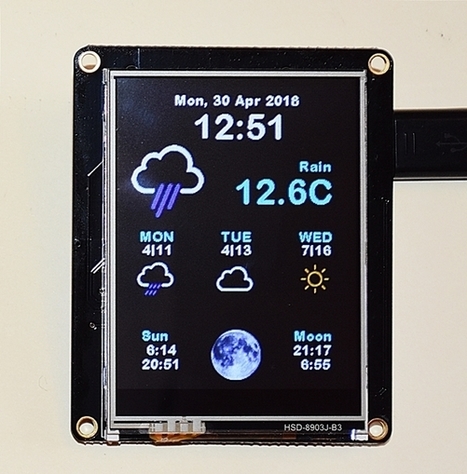
ESP8266 WiFi Weather Station with Color TFT Display We were playing around already with LED MATRIX's, devices to visualize measured values and/or texts. In this blog post (Tutorial) we will use a TFT Display (Thin-film-transistor liquid-crystal display) with touch screen to display a three (3) days weather forecast with moon phases. This…


Learn more / En savoir plus / Mehr erfahren:


https://www.scoop.it/t/21st-century-learning-and-teaching/?&tag=ARDUINO


https://www.scoop.it/t/21st-century-learning-and-teaching/?&tag=TFT+Screen


https://www.scoop.it/t/21st-century-learning-and-teaching/?&tag=ESP8266+WiFi+Module


Gust MEES's insight:

ESP8266 WiFi Weather Station with Color TFT Display We were playing around already with LED MATRIX's, devices to visualize measured values and/or texts. In this blog post (Tutorial) we will use a TFT Display (Thin-film-transistor liquid-crystal display) with touch screen to display a three (3) days weather forecast with moon phases. This…


Learn more / En savoir plus / Mehr erfahren:


https://www.scoop.it/t/21st-century-learning-and-teaching/?&tag=ARDUINO


https://www.scoop.it/t/21st-century-learning-and-teaching/?&tag=TFT+Screen


https://www.scoop.it/t/21st-century-learning-and-teaching/?&tag=ESP8266+WiFi+Module


No comment yet.
Scooped by Gust MEES
April 28, 2018 5:27 PM
Scoop.it!

Google Cofounder Sergey Brin Warns of AI's Dark Side | #Responsibility #ETHICS #ArtificialIntelligence 

Google Cofounder Sergey Brin Warns of AI's Dark Side | #Responsibility #ETHICS #ArtificialIntelligence  | 21st Century Learning and Teaching | Scoop.it

As you might expect, Brin expects Alphabet and others to find more uses for AI. But he also acknowledges that the technology brings possible downsides. “Such powerful tools also bring with them new questions and responsibilities,” he writes.

AI tools might change the nature and number of jobs, or be used to manipulate people, Brin says—a line that may prompt readers to think of concerns around political manipulation on Facebook. Safety worries range from “fears of sci-fi style sentience to the more near-term questions such as validating the performance of self-driving cars,” Brin writes.

All that might sound like a lot for Google and the tech industry to contemplate while also working at full speed to squeeze profits from new AI technology. Even some Google employees aren’t sure the company is on the right track—thousands signed a letter protesting the company’s contract with the Pentagon to apply machine learning to video from drones.


Learn more / En savoir plus / Mehr erfahren:


https://www.scoop.it/t/21st-century-learning-and-teaching/?&tag=AI


https://www.scoop.it/t/21st-century-learning-and-teaching/?&tag=Ethics


Gust MEES's insight:

As you might expect, Brin expects Alphabet and others to find more uses for AI. But he also acknowledges that the technology brings possible downsides. “Such powerful tools also bring with them new questions and responsibilities,” he writes.

AI tools might change the nature and number of jobs, or be used to manipulate people, Brin says—a line that may prompt readers to think of concerns around political manipulation on Facebook. Safety worries range from “fears of sci-fi style sentience to the more near-term questions such as validating the performance of self-driving cars,” Brin writes.

All that might sound like a lot for Google and the tech industry to contemplate while also working at full speed to squeeze profits from new AI technology. Even some Google employees aren’t sure the company is on the right track—thousands signed a letter protesting the company’s contract with the Pentagon to apply machine learning to video from drones.


Learn more / En savoir plus / Mehr erfahren:


https://www.scoop.it/t/21st-century-learning-and-teaching/?&tag=AI


https://www.scoop.it/t/21st-century-learning-and-teaching/?&tag=Ethics


No comment yet.
Scooped by Gust MEES
April 25, 2018 3:28 PM
Scoop.it!

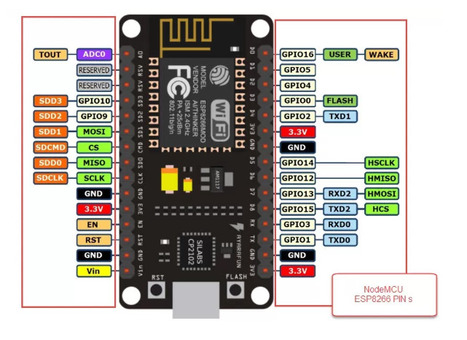
NodeMCU ESP8266 PINs – PINOUT | #Coding #Maker #MakerED #MakerSpaces #IoT

NodeMCU ESP8266 PINs – PINOUT | #Coding #Maker #MakerED #MakerSpaces #IoT | 21st Century Learning and Teaching | Scoop.it

Der NodeMCU ESP8266 ist wohl derzeit das Lieblings-Controller-Board vieler Bastler. Denn es vereint viele Vorteile unter einem Dach. Hier ein kleiner Auszug, was zum Erfolg des NodeMCU ESP8266 geführt hat:


  • kompakt und klein
  • WLAN on Board
  • viel Speicherplatz
  • USB-Schnittstelle (Bootloader) 
  • lässt sich über Arduino IDE programmieren
  • große Anzahl an Schnittstellen


Tja, und um genau diese Schnittstellen geht es hier in diesem Beitrag.


Hier zeigen wir Euch z.B. wo welche GPIO Ports liegen, wo ihr den Ground findet, an welcher Stelle das Board 3,3 Volt liefert. Welche PIN Stecker für RX und TX verwendet werden können – einfach alles, was man so über die PINs des NodeMCU ESP8266 wissen muss.


Learn more / En savoir plus / Mehr erfahren:


https://www.scoop.it/t/21st-century-learning-and-teaching/?&tag=ARDUINO


https://www.scoop.it/t/21st-century-learning-and-teaching/?&tag=ESP8266+WiFi+Module


Gust MEES's insight:

Der NodeMCU ESP8266 ist wohl derzeit das Lieblings-Controller-Board vieler Bastler. Denn es vereint viele Vorteile unter einem Dach. Hier ein kleiner Auszug, was zum Erfolg des NodeMCU ESP8266 geführt hat:


  • kompakt und klein
  • WLAN on Board
  • viel Speicherplatz
  • USB-Schnittstelle (Bootloader) 
  • lässt sich über Arduino IDE programmieren
  • große Anzahl an Schnittstellen


Tja, und um genau diese Schnittstellen geht es hier in diesem Beitrag.


Hier zeigen wir Euch z.B. wo welche GPIO Ports liegen, wo ihr den Ground findet, an welcher Stelle das Board 3,3 Volt liefert. Welche PIN Stecker für RX und TX verwendet werden können – einfach alles, was man so über die PINs des NodeMCU ESP8266 wissen muss.


Learn more / En savoir plus / Mehr erfahren:


https://www.scoop.it/t/21st-century-learning-and-teaching/?&tag=ARDUINO


https://www.scoop.it/t/21st-century-learning-and-teaching/?&tag=ESP8266+WiFi+Module


No comment yet.
Scooped by Gust MEES
April 24, 2018 8:19 PM
Scoop.it!

10 oled Projects - Arduino Project Hub | #Coding #Maker #MakerED #MakerSpaces #LEARNingByDoing

10 oled Projects - Arduino Project Hub | #Coding #Maker #MakerED #MakerSpaces #LEARNingByDoing | 21st Century Learning and Teaching | Scoop.it

Interested in oled? Explore 10 projects tagged with 'oled'. Find these and other hardware projects on Arduino Project Hub.


Learn more / En savoir plus / Mehr erfahren:


https://www.scoop.it/t/21st-century-learning-and-teaching/?&tag=ARDUINO


Gust MEES's insight:

Interested in oled? Explore 10 projects tagged with 'oled'. Find these and other hardware projects on Arduino Project Hub.


Learn more / En savoir plus / Mehr erfahren:


https://www.scoop.it/t/21st-century-learning-and-teaching/?&tag=ARDUINO


Jèét Sãlvî's curator insight, May 3, 2018 1:38 AM
Share your insight