21st Century Learning and Teaching
791.6K views | +4 today
21st Century Learning and Teaching
Related articles to 21st Century Learning and Teaching as also tools...
Curated by Gust MEES
Your new post is loading...

Popular Tags

Current selected tag: 'Learning 2 Learn'. Clear
Scooped by Gust MEES
November 23, 2016 2:56 PM
Scoop.it!

Ideas for Maker Spaces and MakerED-Electronics-1-Xmas Tree | #Maker #Creativity

Ideas for Maker Spaces and MakerED-Electronics-1-Xmas Tree | #Maker #Creativity | 21st Century Learning and Teaching | Scoop.it

Do YOU want to introduce Maker-ED in YOUR classroom? There is a BIG trend in Education worldwide; THE <===> Maker-Movement <===> and everybody is asking themselves on the How-To to follow and WHAT to do with the kids and at which age to start! Well, actually it isn't that difficult as most think…


Learn more / En savoir plus / Mehr erfahren:


https://gustmees.wordpress.com/2014/08/20/maker-space-a-new-trend-in-education-and-a-big-responsibility/


https://gustmees.wordpress.com/2016/04/05/luxembourg-education-interviews-5-creativity-and-maker-spaces-beecreative/


https://gustmees.wordpress.com/2016/10/26/luxembourg-education-interviews-creativity-and-maker-spaces-maach3-ltettelbruck/


Gust MEES's insight:

Do YOU want to introduce Maker-ED in YOUR classroom? There is a BIG trend in Education worldwide; THE <===> Maker-Movement <===> and everybody is asking themselves on the How-To to follow and WHAT to do with the kids and at which age to start! Well, actually it isn't that difficult as most think…


Learn more / En savoir plus / Mehr erfahren:


https://gustmees.wordpress.com/2014/08/20/maker-space-a-new-trend-in-education-and-a-big-responsibility/


https://gustmees.wordpress.com/2016/04/05/luxembourg-education-interviews-5-creativity-and-maker-spaces-beecreative/


https://gustmees.wordpress.com/2016/10/26/luxembourg-education-interviews-creativity-and-maker-spaces-maach3-ltettelbruck/


No comment yet.
Scooped by Gust MEES
November 23, 2016 8:17 AM
Scoop.it!

How to Make Your Day Super Productive?

How to Make Your Day Super Productive? | 21st Century Learning and Teaching | Scoop.it
We all have hard days. Tasks seem enormous and deadlines are stressful. However, you still have to make the most out of each day and finish everything in time. How can you make everything work? What are the tips on how to be productive and do everything on time? In this article, you will find everything you need to know about this.


Learn more / En savoir plus / Mehr erfahren:


http://www.scoop.it/t/21st-century-learning-and-teaching/?tag=Productivity


Gust MEES's insight:
We all have hard days. Tasks seem enormous and deadlines are stressful. However, you still have to make the most out of each day and finish everything in time. How can you make everything work? What are the tips on how to be productive and do everything on time? In this article, you will find everything you need to know about this.


Learn more / En savoir plus / Mehr erfahren:


http://www.scoop.it/t/21st-century-learning-and-teaching/?tag=Productivity


Adele Taylor's curator insight, November 23, 2016 3:54 PM

Another good read! 

Everyone battles with time, but these are some easy tips to do if you have self discipline to do them...

Scooped by Gust MEES
November 21, 2016 8:25 PM
Scoop.it!

Your Happiness Lies in the Balance | #LEARNing2LEARN 

Your Happiness Lies in the Balance | #LEARNing2LEARN  | 21st Century Learning and Teaching | Scoop.it
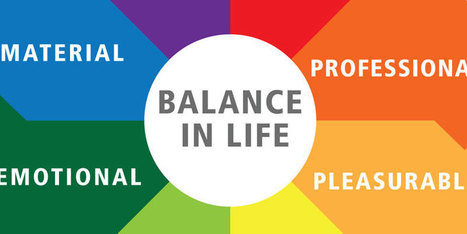
Are you pulled in a million directions? Because we’re all unique, it’s important to define what balance means to you and how you plan to achieve it.


Learn more / En savoir plus / Mehr erfahren:


http://www.scoop.it/t/21st-century-learning-and-teaching/?tag=Frank+SONNENBERG


Gust MEES's insight:
Are you pulled in a million directions? Because we’re all unique, it’s important to define what balance means to you and how you plan to achieve it.


Learn more / En savoir plus / Mehr erfahren:


http://www.scoop.it/t/21st-century-learning-and-teaching/?tag=Frank+SONNENBERG


No comment yet.
Scooped by Gust MEES
November 21, 2016 3:59 PM
Scoop.it!

Developing Empathy | Teaching Tolerance - Diversity, Equity and Justice

Developing Empathy | Teaching Tolerance - Diversity, Equity and Justice | 21st Century Learning and Teaching | Scoop.it
Developing Empathy


Framework

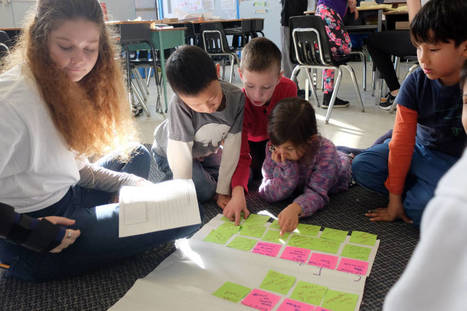
When we put ourselves in another person’s shoes, we are often more sensitive to what that person is experiencing and are less likely to tease or bully them. By explicitly teaching students to be more conscious of other people’s feelings, we can create a more accepting and respectful school community.

Additional Resources

  • Happy Faces encourages students to show empathy to classmates having a bad day.


Learn more / En savoir plus / Mehr erfahren:


http://www.scoop.it/t/21st-century-learning-and-teaching/?tag=Empathy


http://www.scoop.it/t/21st-century-learning-and-teaching/?tag=Soft+Skills


Gust MEES's insight:
Developing Empathy


Framework

When we put ourselves in another person’s shoes, we are often more sensitive to what that person is experiencing and are less likely to tease or bully them. By explicitly teaching students to be more conscious of other people’s feelings, we can create a more accepting and respectful school community.

Additional Resources

  • Happy Faces encourages students to show empathy to classmates having a bad day.


Learn more / En savoir plus / Mehr erfahren:


http://www.scoop.it/t/21st-century-learning-and-teaching/?tag=Empathy


http://www.scoop.it/t/21st-century-learning-and-teaching/?tag=Soft+Skills


No comment yet.
Rescooped by Gust MEES from E-Learning-Inclusivo (Mashup)
November 18, 2016 1:21 PM
Scoop.it!

Que doivent savoir les étudiants du 21e siècle ? | #ModernEDU #LEARNing2LEARN

Que doivent savoir les étudiants du 21e siècle ? | #ModernEDU #LEARNing2LEARN | 21st Century Learning and Teaching | Scoop.it
Que doivent savoir les étudiants du 21e siècle ?


A défaut d’avoir les ressources en interne, les universités peuvent nouer des partenariats. C’est ce que fait, par exemple, Paris 3 – Sorbonne nouvelle avec Talent Campus, un organisme de formation né dans le cadre des Investissements d’avenir et qui s’attache à développer les compétences sociales : esprit d’équipe, confiance en soi, leadership ou encore créativité.


Savoir apprendre, savoir-faire, savoir-être : voilà les trois facettes de ce que j’appelle un « enseignement total », expression qui fait référence au concept d’ « éducation totale » développé par Nathalie Mons, Marie Duru-Bellat et Yannick Savina.


Cet enseignement dépasse le cadre des disciplines académiques pour se connecter et interagir davantage avec les autres acteurs de la société, notamment les entreprises. Ce modèle aujourd’hui est plutôt celui des pays du Nord et de la Grande-Bretagne.


La France, où traditionnellement les savoirs académiques priment, doit pleinement s’engager dans cette voie si elle veut former des citoyens éclairés, capables de vivre et de créer de la valeur dans notre société de la connaissance. Et c’est la mission de l’université du 21e siècle de montrer le chemin.


Learn more / En savoir plus / Mehr erfahren:


https://gustmees.wordpress.com/2015/05/26/what-are-the-skills-needed-from-students-in-the-future/


https://gustmees.wordpress.com/2015/07/19/learning-path-for-professional-21st-century-learning-by-ict-practice/


https://gustmees.wordpress.com/2015/12/19/teaching-was-yesterday-today-is-coaching-the-learners-students-for-learning-to-learn/


https://gustmees.wordpress.com/2016/02/18/the-new-possibilities-to-learn-and-teach-with-ict/


https://gustmees.wordpress.com/2016/04/05/luxembourg-education-interviews-1-the-luxembourg-edu-system/


Via juandoming
Gust MEES's insight:
Que doivent savoir les étudiants du 21e siècle ?


A défaut d’avoir les ressources en interne, les universités peuvent nouer des partenariats. C’est ce que fait, par exemple, Paris 3 – Sorbonne nouvelle avec Talent Campus, un organisme de formation né dans le cadre des Investissements d’avenir et qui s’attache à développer les compétences sociales : esprit d’équipe, confiance en soi, leadership ou encore créativité.


Savoir apprendre, savoir-faire, savoir-être : voilà les trois facettes de ce que j’appelle un « enseignement total », expression qui fait référence au concept d’ « éducation totale » développé par Nathalie Mons, Marie Duru-Bellat et Yannick Savina.


Cet enseignement dépasse le cadre des disciplines académiques pour se connecter et interagir davantage avec les autres acteurs de la société, notamment les entreprises. Ce modèle aujourd’hui est plutôt celui des pays du Nord et de la Grande-Bretagne.


La France, où traditionnellement les savoirs académiques priment, doit pleinement s’engager dans cette voie si elle veut former des citoyens éclairés, capables de vivre et de créer de la valeur dans notre société de la connaissance. Et c’est la mission de l’université du 21e siècle de montrer le chemin.


Learn more / En savoir plus / Mehr erfahren:


https://gustmees.wordpress.com/2015/05/26/what-are-the-skills-needed-from-students-in-the-future/


https://gustmees.wordpress.com/2015/07/19/learning-path-for-professional-21st-century-learning-by-ict-practice/


https://gustmees.wordpress.com/2015/12/19/teaching-was-yesterday-today-is-coaching-the-learners-students-for-learning-to-learn/


https://gustmees.wordpress.com/2016/02/18/the-new-possibilities-to-learn-and-teach-with-ict/


https://gustmees.wordpress.com/2016/04/05/luxembourg-education-interviews-1-the-luxembourg-edu-system/


No comment yet.
Scooped by Gust MEES
November 16, 2016 2:45 PM
Scoop.it!

Putting students in charge of their learning transforms a small rural district | #LEARNing2LEARN 

Putting students in charge of their learning transforms a small rural district | #LEARNing2LEARN  | 21st Century Learning and Teaching | Scoop.it

The walls tell the story at Lindsay Unified. In every classroom – from kindergarten through 12th grade – each student’s name is on a list on the wall that shows what students have learned and what they need to do next for every topic they are studying. After checking the list each day, students get to work, with no need for prompting from their teachers.


This small rural district in Tulare County has embraced “performance-based learning,” which breaks down the way classrooms are traditionally structured so that students can work independently, with teachers providing individualized support. Lindsay is part of a growing national movement, with more schools embracing the concept of students working at their own pace, being in charge of their own learning and advancing only when they can show they understand the material.


“We have to teach kids to not be passive in their learning,” said Lindsay Unified Superintendent Thomas Rooney.


Marla Ernest, who teaches English language development at Lindsay High, said: “You never hear a kid say, ‘I’m failing a class.’ They always feel they are working toward proficiency. If they’re not on pace, they figure out what to do to catch up.”


Learn more / En savoir plus / Mehr erfahren:


https://gustmees.wordpress.com/2014/07/10/education-collaboration-and-coaching-the-future/


https://gustmees.wordpress.com/2016/07/13/coaching-instead-of-teaching-in-modern-education/


http://www.scoop.it/t/21st-century-learning-and-teaching/?tag=rubric


Gust MEES's insight:

The walls tell the story at Lindsay Unified. In every classroom – from kindergarten through 12th grade – each student’s name is on a list on the wall that shows what students have learned and what they need to do next for every topic they are studying. After checking the list each day, students get to work, with no need for prompting from their teachers.


This small rural district in Tulare County has embraced “performance-based learning,” which breaks down the way classrooms are traditionally structured so that students can work independently, with teachers providing individualized support. Lindsay is part of a growing national movement, with more schools embracing the concept of students working at their own pace, being in charge of their own learning and advancing only when they can show they understand the material.


“We have to teach kids to not be passive in their learning,” said Lindsay Unified Superintendent Thomas Rooney.


Marla Ernest, who teaches English language development at Lindsay High, said: “You never hear a kid say, ‘I’m failing a class.’ They always feel they are working toward proficiency. If they’re not on pace, they figure out what to do to catch up.”


Learn more / En savoir plus / Mehr erfahren:


https://gustmees.wordpress.com/2014/07/10/education-collaboration-and-coaching-the-future/


https://gustmees.wordpress.com/2016/07/13/coaching-instead-of-teaching-in-modern-education/


http://www.scoop.it/t/21st-century-learning-and-teaching/?tag=rubric


No comment yet.
Scooped by Gust MEES
November 15, 2016 5:17 PM
Scoop.it!

What the Heck Is Service Learning? | #Empathy #Community #SocietalNeeds #Sociality

What the Heck Is Service Learning? | #Empathy #Community #SocietalNeeds #Sociality | 21st Century Learning and Teaching | Scoop.it
Wikipedia explains service learning as: "An educational approach that combines learning objectives with community service in order to provide a pragmatic, progressive learning experience while meeting societal needs."

That second definition is easier to comprehend, but it still feels more complicated than it needs to be. How about this: In service learning, students learn educational standards through tackling real-life problems in their community.


Learn more / En savoir plus / Mehr erfahren:


http://www.scoop.it/t/21st-century-learning-and-teaching/?tag=Empathy


http://www.scoop.it/t/21st-century-learning-and-teaching/?tag=Sociality


Gust MEES's insight:
Wikipedia explains service learning as: "An educational approach that combines learning objectives with community service in order to provide a pragmatic, progressive learning experience while meeting societal needs."

That second definition is easier to comprehend, but it still feels more complicated than it needs to be. How about this: In service learning, students learn educational standards through tackling real-life problems in their community.


Learn more / En savoir plus / Mehr erfahren:


http://www.scoop.it/t/21st-century-learning-and-teaching/?tag=Empathy


http://www.scoop.it/t/21st-century-learning-and-teaching/?tag=Sociality


Marcio Jordan's curator insight, November 16, 2016 2:51 PM
This is about how service learning can help benefit you and the community by volunteering 
Rescooped by Gust MEES from Digital competences in Education
November 15, 2016 6:44 AM
Scoop.it!

Three Tools for Teaching Critical Thinking and Problem Solving Skills | #IntegrativeTHINKing

Three Tools for Teaching Critical Thinking and Problem Solving Skills | #IntegrativeTHINKing | 21st Century Learning and Teaching | Scoop.it
As the world economy shifts away from manufacturing jobs and towards service industry and creative jobs, there’s a consensus among parents, educators, politicians and business leaders that it is crucial students graduate into university or the workforce with the ability to identify and solve complex problems, think critically about information, work effectively in teams and communicate clearly about their thinking.


Originally developed by Rotman’s former dean, Roger Martin, integrative thinking is a broad term to describe looking for solutions through the tensions inherent in different viewpoints. Martin noticed that effective CEOs understood that their own world view was limited, so they sought out opposing viewpoints and came to creative solutions by leveraging seemingly opposing positions. For the past seven years, a spin-off group called the I-Think Initiative has been training teachers in the Toronto area on how integrative thinking can build critical thinking in students from a young age.


Learn more / En savoir plus / Mehr erfahren:


http://www.scoop.it/t/21st-century-learning-and-teaching?tag=Critical-Thinking


Via Nik Peachey, Ana Pérez Escoda
Gust MEES's insight:
As the world economy shifts away from manufacturing jobs and towards service industry and creative jobs, there’s a consensus among parents, educators, politicians and business leaders that it is crucial students graduate into university or the workforce with the ability to identify and solve complex problems, think critically about information, work effectively in teams and communicate clearly about their thinking.


Originally developed by Rotman’s former dean, Roger Martin, integrative thinking is a broad term to describe looking for solutions through the tensions inherent in different viewpoints. Martin noticed that effective CEOs understood that their own world view was limited, so they sought out opposing viewpoints and came to creative solutions by leveraging seemingly opposing positions. For the past seven years, a spin-off group called the I-Think Initiative has been training teachers in the Toronto area on how integrative thinking can build critical thinking in students from a young age.


Learn more / En savoir plus / Mehr erfahren:


http://www.scoop.it/t/21st-century-learning-and-teaching?tag=Critical-Thinking


Rosemary Tyrrell, Ed.D.'s curator insight, November 21, 2016 1:15 PM
Excellent article with some terrific ideas. I liked this insight particularly:  "the brain is wired to prioritize data that confirms the model a person already holds."
 
PEEP Matisse's curator insight, November 29, 2016 10:34 AM
article touffu en anglais, mais des idées intéressantes
Scooped by Gust MEES
November 14, 2016 8:46 PM
Scoop.it!

Tacheles – Wikipedia | Klartext reden | #Streitkultur

Tacheles - Wikipedia

Tacheles ist eine Entlehnung des jiddischen Wortes Tachles und bezeichnet:

Tacheles reden: offen und unverblümt seine Meinung äußern („Klartext reden“)


Learn more / En savoir plus / Mehr erfahren:


http://www.scoop.it/t/luxembourg-europe/?tag=Streitkultur


Gust MEES's insight:

Tacheles reden: offen und unverblümt seine Meinung äußern („Klartext reden“)


Learn more / En savoir plus / Mehr erfahren:


http://www.scoop.it/t/luxembourg-europe/?tag=Streitkultur


No comment yet.
Scooped by Gust MEES
November 14, 2016 4:02 PM
Scoop.it!

Jealousy - Wikipedia | #Moral #Character 

Jealousy - Wikipedia

Jealousy is an emotion, and the word typically refers to the thoughts and feelings of insecurity, fear, concern, and anxiety over an anticipated loss of status or something of great personal value, particularly in reference to a human connection. Jealousy often consists of a combination of emotions such as anger, resentment, inadequacy, helplessness and disgust.

Jealousy is often reinforced as a series of particularly strong emotions and constructed as a universal human experience; it has been a theme of many artistic works. Psychologists have proposed several models of the processes underlying jealousy and have identified factors that result in jealousy. Sociologists have demonstrated that cultural beliefs and values play an important role in determining what triggers jealousy and what constitutes socially acceptable expressions of jealousy.


Biologists have identified factors that may unconsciously influence the expression of jealousy. Artists have explored the theme of jealousy in photographs, paintings, films, songs, plays, poems, and books. Theologians have offered religious views of jealousy based on the scriptures of their respective faiths.


Learn more / En savoir plus / Mehr erfahren:


http://www.scoop.it/t/21st-century-learning-and-teaching/?tag=Moral


http://www.scoop.it/t/21st-century-learning-and-teaching/?tag=Moral+Compass


http://www.scoop.it/t/21st-century-learning-and-teaching/?tag=Character


http://www.scoop.it/t/upto12-learning/?tag=Character+Building


http://www.scoop.it/t/21st-century-learning-and-teaching/?tag=Values


Gust MEES's insight:

Jealousy is often reinforced as a series of particularly strong emotions and constructed as a universal human experience; it has been a theme of many artistic works. Psychologists have proposed several models of the processes underlying jealousy and have identified factors that result in jealousy. Sociologists have demonstrated that cultural beliefs and values play an important role in determining what triggers jealousy and what constitutes socially acceptable expressions of jealousy.


Biologists have identified factors that may unconsciously influence the expression of jealousy. Artists have explored the theme of jealousy in photographs, paintings, films, songs, plays, poems, and books. Theologians have offered religious views of jealousy based on the scriptures of their respective faiths.


Learn more / En savoir plus / Mehr erfahren:


http://www.scoop.it/t/21st-century-learning-and-teaching/?tag=Moral


http://www.scoop.it/t/21st-century-learning-and-teaching/?tag=Moral+Compass


http://www.scoop.it/t/21st-century-learning-and-teaching/?tag=Character


http://www.scoop.it/t/upto12-learning/?tag=Character+Building


http://www.scoop.it/t/21st-century-learning-and-teaching/?tag=Values


No comment yet.
Scooped by Gust MEES
November 14, 2016 2:56 PM
Scoop.it!

The Case for Learning Engineers in Education | #LEARNingPath #LEARNing2LEARN #ModernEDU

The Case for Learning Engineers in Education | #LEARNingPath #LEARNing2LEARN #ModernEDU | 21st Century Learning and Teaching | Scoop.it
So what are we missing?


We need learning engineers. By this phrase (first used, as far as I am aware, in the 1960's by Herbert Simon, the computer-scientist and Nobel-prize winning economist), we mean people who are deliberately trained and focused on designing and systematically improving learning environments at scale in measurable ways.


They make use of the current and new science of how learning and motivation work, and they do collect careful measurements, but the focus is on improving success and impact at scale, within constraints (economic, regulatory, practical), not research per se.

Learn more / En savoir plus / Mehr erfahren:


https://gustmees.wordpress.com/2016/11/01/getting-ready-for-modern-education-first-try-to-understand-what-it-is/


Gust MEES's insight:
So what are we missing?


We need learning engineers. By this phrase (first used, as far as I am aware, in the 1960's by Herbert Simon, the computer-scientist and Nobel-prize winning economist), we mean people who are deliberately trained and focused on designing and systematically improving learning environments at scale in measurable ways.


They make use of the current and new science of how learning and motivation work, and they do collect careful measurements, but the focus is on improving success and impact at scale, within constraints (economic, regulatory, practical), not research per se.

Learn more / En savoir plus / Mehr erfahren:


https://gustmees.wordpress.com/2016/11/01/getting-ready-for-modern-education-first-try-to-understand-what-it-is/


No comment yet.
Rescooped by Gust MEES from Curtin Global Challenges Teaching Resources
November 13, 2016 5:53 PM
Scoop.it!

Gaming for learning | #Gamification #Games #LEARNing2LEARN

Gaming for learning | #Gamification #Games #LEARNing2LEARN | 21st Century Learning and Teaching | Scoop.it
Serious gaming is growing in appeal across the education sector. This article explores gaming as a tool for learning, using the Aqua Republica Eco Challenge 2016 as an example.


Gaming as a tool for learning

Games have long been used for developing both skills and knowledge. As digital technologies continue to develop, the range of digital learning games also continues to grow, driving an area of learning called game-based learning. It’s not new, but it is using new digital tools and platforms – and there is an accompanying pedagogical shift from using games to motivate and engage students in learning to using ‘serious games’ as the basis for knowledge and skill development. ‘Gamification’ describes the process of applying game rules to a learning process.


Learn more / En savoir plus / Mehr erfahren:


http://www.scoop.it/t/21st-century-learning-and-teaching/?tag=Gamification


Via Kim Flintoff
Gust MEES's insight:
Serious gaming is growing in appeal across the education sector. This article explores gaming as a tool for learning, using the Aqua Republica Eco Challenge 2016 as an example.


Gaming as a tool for learning

Games have long been used for developing both skills and knowledge. As digital technologies continue to develop, the range of digital learning games also continues to grow, driving an area of learning called game-based learning. It’s not new, but it is using new digital tools and platforms – and there is an accompanying pedagogical shift from using games to motivate and engage students in learning to using ‘serious games’ as the basis for knowledge and skill development. ‘Gamification’ describes the process of applying game rules to a learning process.


Learn more / En savoir plus / Mehr erfahren:


http://www.scoop.it/t/21st-century-learning-and-teaching/?tag=Gamification


Kim Flintoff's curator insight, November 13, 2016 5:36 PM

Maybe we can look at an ANZ Water Challenge?  The Trans-Tasman Test in Water and Sustainability? @NZAquaRepublica

Scooped by Gust MEES
November 12, 2016 8:30 PM
Scoop.it!

3 Tips for How to Build a Classroom Makerspace | #Maker #MakerED #Creativity #LEARNingByDoing #STEM

3 Tips for How to Build a Classroom Makerspace | #Maker #MakerED #Creativity #LEARNingByDoing #STEM | 21st Century Learning and Teaching | Scoop.it

Maker Education and STEM are a great mix. Here are three tips for building a makerspace in your STEM classroom.


Learn more / En savoir plus / Mehr erfahren:


http://www.scoop.it/t/21st-century-learning-and-teaching/?tag=Maker


http://www.scoop.it/t/21st-century-learning-and-teaching/?tag=Ideas+for+makerspaces


https://gustmees.wordpress.com/2014/08/20/maker-space-a-new-trend-in-education-and-a-big-responsibility/


https://gustmees.wordpress.com/2016/04/05/luxembourg-education-interviews-5-creativity-and-maker-spaces-beecreative/


https://gustmees.wordpress.com/2016/10/26/luxembourg-education-interviews-creativity-and-maker-spaces-maach3-ltettelbruck/


Gust MEES's insight:

Maker Education and STEM are a great mix. Here are three tips for building a makerspace in your STEM classroom.


Learn more / En savoir plus / Mehr erfahren:


http://www.scoop.it/t/21st-century-learning-and-teaching/?tag=Maker


http://www.scoop.it/t/21st-century-learning-and-teaching/?tag=Ideas+for+makerspaces


https://gustmees.wordpress.com/2014/08/20/maker-space-a-new-trend-in-education-and-a-big-responsibility/


https://gustmees.wordpress.com/2016/04/05/luxembourg-education-interviews-5-creativity-and-maker-spaces-beecreative/


https://gustmees.wordpress.com/2016/10/26/luxembourg-education-interviews-creativity-and-maker-spaces-maach3-ltettelbruck/


No comment yet.
Scooped by Gust MEES
November 23, 2016 2:33 PM
Scoop.it!

Managing Stuff, Leading People | #LEADERship

Managing Stuff, Leading People | #LEADERship | 21st Century Learning and Teaching | Scoop.it
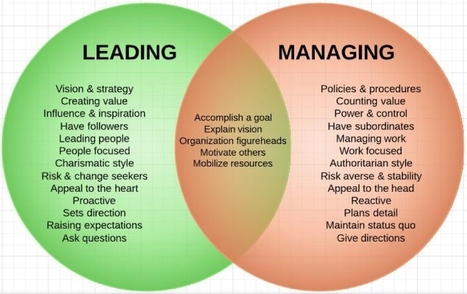
Leadership is not about stability, it is about growth. Leadership is about change for the better. While managers can fall into the trap of believing that strong management can improve a business, leaders know that nothing improves without something changing and they drive that change.


Learn more / En savoir plus / Mehr erfahren:


http://www.scoop.it/t/21st-century-learning-and-teaching/?tag=LeaderShip


Gust MEES's insight:
Leadership is not about stability, it is about growth. Leadership is about change for the better. While managers can fall into the trap of believing that strong management can improve a business, leaders know that nothing improves without something changing and they drive that change.


Learn more / En savoir plus / Mehr erfahren:


http://www.scoop.it/t/21st-century-learning-and-teaching/?tag=LeaderShip


No comment yet.
Scooped by Gust MEES
November 22, 2016 3:48 AM
Scoop.it!

Studying With Quizzes Helps Make Sure the Material Sticks

Studying With Quizzes Helps Make Sure the Material Sticks | 21st Century Learning and Teaching | Scoop.it
This phenomenon — testing yourself on an idea or concept to help you remember it — is called the “testing effect” or “retrieval practice.” People have known about the idea for centuries. Sir Francis Bacon mentioned it, as did the psychologist William James. In 350 BCE, Aristotle wrote that “exercise in repeatedly recalling a thing strengthens the memory.”

But the testing effect had been mostly overlooked in recent years. “What psychologists interested in learning and memory have always emphasized is the acquisition part. The taking [information] in and getting it into memory,” Roediger said.

Laypeople — and even experts — tend to think of human memory as a box to be packed with information.


“Memory is dynamic, and it keeps changing,” McDaniel said. “And retrieval helps it change.”


Learn more / En savoir plus / Mehr erfahren:


http://www.scoop.it/t/21st-century-learning-and-teaching/?tag=Brain


Gust MEES's insight:
This phenomenon — testing yourself on an idea or concept to help you remember it — is called the “testing effect” or “retrieval practice.” People have known about the idea for centuries. Sir Francis Bacon mentioned it, as did the psychologist William James. In 350 BCE, Aristotle wrote that “exercise in repeatedly recalling a thing strengthens the memory.”

But the testing effect had been mostly overlooked in recent years. “What psychologists interested in learning and memory have always emphasized is the acquisition part. The taking [information] in and getting it into memory,” Roediger said.

Laypeople — and even experts — tend to think of human memory as a box to be packed with information.


“Memory is dynamic, and it keeps changing,” McDaniel said. “And retrieval helps it change.”


Learn more / En savoir plus / Mehr erfahren:


http://www.scoop.it/t/21st-century-learning-and-teaching/?tag=Brain


Koen Mattheeuws's curator insight, November 23, 2016 3:07 AM
Dit artikel daagt ons uit om de 'varken metafoor /evaluatie stelling' in vraag te stellen. (een varken verdikt niet door het vaker te wegen). Het antwoord zit volgens dit artikel in de wijze waarop we wegen. 
Mona K. Haug's curator insight, December 5, 2016 3:38 AM
Share your insight
Sandra Vizcaíno's curator insight, June 30, 2017 12:49 PM

#3#SCEUNED16#

Scooped by Gust MEES
November 21, 2016 6:12 PM
Scoop.it!

Dongle - Wikipedia

Dongle - Wikipedia

The term "dongle" is also associated with similar devices meant to provide additional forms of wireless connectivity to devices (such as Wi-Fi or Bluetooth support), often over USB connections, as well as small digital media players (such as Amazon Fire TV Stick, Chromecast, and Roku Streaming Stick) and personal computers (such as Chromebit and Intel Compute Stick) meant to plug directly into an HDMI input on a television.

Gust MEES's insight:
Dongle - Wikipedia

The term "dongle" is also associated with similar devices meant to provide additional forms of wireless connectivity to devices (such as Wi-Fi or Bluetooth support), often over USB connections, as well as small digital media players (such as Amazon Fire TV Stick, Chromecast, and Roku Streaming Stick) and personal computers (such as Chromebit and Intel Compute Stick) meant to plug directly into an HDMI input on a television.


No comment yet.
Scooped by Gust MEES
November 20, 2016 7:35 AM
Scoop.it!

4 Secrets to Learning Anything, According to Neuroscience

4 Secrets to Learning Anything, According to Neuroscience | 21st Century Learning and Teaching | Scoop.it
The future of work is all about innovation and agility. We have to be prepared for ever-changing circumstances, and that means being open to learning new things.

Learning is no longer something we just do in schools. We can't rely on just the skillset we knew when we entered the workforce--that will guarantee career stagnation.


NLI has recently been exploring how to make ideas stick. Through their research, they created a model outlining four key conditions for effective learning: Attention, Generation, Emotion and Spacing (AGES).


Here's a quick overview of the AGES model:


Attention: When you learn, maintain a single focus having complete and undivided attention.

Generation: Listening isn't enough. Heighten the likelihood of memory retention by doing something with the information you're learning. Create a situation that will make this information meaningful.

Emotion: Strong emotions lead to strong memories. Look for ways to build an emotional connection to what you're learning.

Spacing: In order to grow memory, you need a break in between learning.


Learn more / En savoir plus / Mehr erfahren:


http://www.scoop.it/t/21st-century-learning-and-teaching/


Gust MEES's insight:
The future of work is all about innovation and agility. We have to be prepared for ever-changing circumstances, and that means being open to learning new things.

Learning is no longer something we just do in schools. We can't rely on just the skillset we knew when we entered the workforce--that will guarantee career stagnation.


NLI has recently been exploring how to make ideas stick. Through their research, they created a model outlining four key conditions for effective learning: Attention, Generation, Emotion and Spacing (AGES).


Here's a quick overview of the AGES model:


Attention: When you learn, maintain a single focus having complete and undivided attention.

Generation: Listening isn't enough. Heighten the likelihood of memory retention by doing something with the information you're learning. Create a situation that will make this information meaningful.

Emotion: Strong emotions lead to strong memories. Look for ways to build an emotional connection to what you're learning.

Spacing: In order to grow memory, you need a break in between learning.


Learn more / En savoir plus / Mehr erfahren:


http://www.scoop.it/t/21st-century-learning-and-teaching/


ANA MARÍA GONZÁLEZ PERDONES's curator insight, November 21, 2016 2:27 AM
#SCEUNED16 Attention, Generation, Emotion y Spacing
Koen Mattheeuws's curator insight, November 21, 2016 4:46 AM
Vier dingen om te onthouden. Klinkt simpel. Is het valse eenvoud of bemoeilijken we het leren zelf te veel?
Scooped by Gust MEES
November 16, 2016 5:49 PM
Scoop.it!

The Most Visual Science Textbook You've Never Seen | #Evolution #NationalGeographic #STEM

The Most Visual Science Textbook You've Never Seen | #Evolution #NationalGeographic #STEM | 21st Century Learning and Teaching | Scoop.it
Evolution happens so slowly, it's hard to see up close. Now you can.


Gust MEES's insight:
Evolution happens so slowly, it's hard to see up close. Now you can.


No comment yet.
Scooped by Gust MEES
November 15, 2016 6:17 PM
Scoop.it!

Google wants to introduce VR to a million British schoolchildren | #VirtualReality

Google wants to introduce VR to a million British schoolchildren | #VirtualReality | 21st Century Learning and Teaching | Scoop.it
Google is convinced about the long-term of VR. The company is heavily pushing it through affordable hardware initiatives like Google Cardboard and Daydream. And now, Mountain View is bringing it to the classroom with the aim of introducing the concept to one million British schoolchildren.

In his first visit to the UK since landing the coveted role of Google CEO, Sundar Pichai has said that Mountain View will offer VR training and resources to teachers through its Google Expeditions program.


Learn more / En savoir plus / Mehr erfahren:


http://www.scoop.it/t/21st-century-innovative-technologies-and-developments/?tag=VR


http://www.scoop.it/t/21st-century-learning-and-teaching/?tag=VR


Gust MEES's insight:
Google is convinced about the long-term of VR. The company is heavily pushing it through affordable hardware initiatives like Google Cardboard and Daydream. And now, Mountain View is bringing it to the classroom with the aim of introducing the concept to one million British schoolchildren.

In his first visit to the UK since landing the coveted role of Google CEO, Sundar Pichai has said that Mountain View will offer VR training and resources to teachers through its Google Expeditions program.


Learn more / En savoir plus / Mehr erfahren:


http://www.scoop.it/t/21st-century-innovative-technologies-and-developments/?tag=VR


http://www.scoop.it/t/21st-century-learning-and-teaching/?tag=VR


Trinidad Marín's curator insight, November 18, 2016 9:54 AM
Siempre aprendiendo con las tecnologías.
Scooped by Gust MEES
November 15, 2016 4:42 PM
Scoop.it!

Digitalisierung braucht Veränderungsbereitschaft | #ICT #IKT #CHANGE #ModernEDU #LEADERship #eLEADERship

Digitalisierung braucht Veränderungsbereitschaft | #ICT #IKT #CHANGE #ModernEDU #LEADERship #eLEADERship | 21st Century Learning and Teaching | Scoop.it
Digitalisierung braucht Veränderungsbereitschaft

Der Begriff DIGITALISIERUNG polarisiert wie kaum ein anderer. Für die einen bietet sie enorme Chancen und für die anderen stellt sie ein großes Risiko dar. Neue Technologien sind der Hauptdarsteller der Digitalen Transformation, sie ermöglichen neue und/oder beschleunigen bestehende Geschäftsmodelle.

Die Bedürfnispyramide gewinnt im digitalen Zeitalter eine völlig neue Bedeutung. Die digitale Transformation treibt den sonst eher sicherheitsbedürftigen Menschen zur Pflichtveränderung mit ungewissem Ausgang.


Learn more / En savoir plus / Mehr erfahren:


https://gustmees.wordpress.com/2015/11/27/unlearning-the-old-relearning-learning-to-learn-howto/


https://gustmees.wordpress.com/2016/04/05/luxembourg-education-interviews-1-the-luxembourg-edu-system/


https://gustmees.wordpress.com/2013/05/25/so-whats-the-change-for-teachers-in-21st-century-education/


Gust MEES's insight:
Digitalisierung braucht Veränderungsbereitschaft

Der Begriff DIGITALISIERUNG polarisiert wie kaum ein anderer. Für die einen bietet sie enorme Chancen und für die anderen stellt sie ein großes Risiko dar. Neue Technologien sind der Hauptdarsteller der Digitalen Transformation, sie ermöglichen neue und/oder beschleunigen bestehende Geschäftsmodelle.

Die Bedürfnispyramide gewinnt im digitalen Zeitalter eine völlig neue Bedeutung. Die digitale Transformation treibt den sonst eher sicherheitsbedürftigen Menschen zur Pflichtveränderung mit ungewissem Ausgang.


Learn more / En savoir plus / Mehr erfahren:


https://gustmees.wordpress.com/2015/11/27/unlearning-the-old-relearning-learning-to-learn-howto/


https://gustmees.wordpress.com/2016/04/05/luxembourg-education-interviews-1-the-luxembourg-edu-system/


https://gustmees.wordpress.com/2013/05/25/so-whats-the-change-for-teachers-in-21st-century-education/


No comment yet.
Scooped by Gust MEES
November 14, 2016 9:08 PM
Scoop.it!

Wolfgang Schivelbusch über die Niederlage der Diplomatie | #Streitkultur #Tacheles #LEARNing2LEARN #Empathy

Wolfgang Schivelbusch über die Niederlage der Diplomatie | #Streitkultur #Tacheles #LEARNing2LEARN #Empathy | 21st Century Learning and Teaching | Scoop.it
Nach Trump und Brexit: Ist unser liberales System am Ende? Der Experte Wolfgang Schivelbusch ist überzeugt: Politik muss wieder mehr verbaler Boxring sein und nicht nur Schönsprech-Diplomatie.


Learn more / En savoir plus / Mehr erfahren:


http://www.scoop.it/t/21st-century-learning-and-teaching/?tag=Ethics


http://www.scoop.it/t/21st-century-learning-and-teaching/?tag=Empathy


http://www.scoop.it/t/luxembourg-europe/?tag=Streitkultur


http://www.scoop.it/t/21st-century-learning-and-teaching/?tag=Tacheles


Gust MEES's insight:
Nach Trump und Brexit: Ist unser liberales System am Ende? Der Experte Wolfgang Schivelbusch ist überzeugt: Politik muss wieder mehr verbaler Boxring sein und nicht nur Schönsprech-Diplomatie.


Learn more / En savoir plus / Mehr erfahren:


http://www.scoop.it/t/21st-century-learning-and-teaching/?tag=Ethics


http://www.scoop.it/t/21st-century-learning-and-teaching/?tag=Empathy


http://www.scoop.it/t/luxembourg-europe/?tag=Streitkultur


http://www.scoop.it/t/21st-century-learning-and-teaching/?tag=Tacheles


No comment yet.
Scooped by Gust MEES
November 14, 2016 4:09 PM
Scoop.it!

The Courage to Despair: Goethe, the Inner Tension of Creativity, and What It Takes to Be a Great Artist

The Courage to Despair: Goethe, the Inner Tension of Creativity, and What It Takes to Be a Great Artist | 21st Century Learning and Teaching | Scoop.it
“[The artist] must be shaken by the naked truths that will not be comforted. This divine discontent, this disequilibrium, this state of inner tension is the source of artistic energy.”


Gust MEES's insight:
“[The artist] must be shaken by the naked truths that will not be comforted. This divine discontent, this disequilibrium, this state of inner tension is the source of artistic energy.”


Scooped by Gust MEES
November 14, 2016 3:48 PM
Scoop.it!

Envy - Wikipedia | #Character #Moral

Envy - Wikipedia

Aristotle (in Rhetoric) defined envy (φθόνος phthonos) "as the pain caused by the good fortune of others", while Kant defined it as "a reluctance to see our own well-being overshadowed by another's because the standard we use to see how well off we are is not the intrinsic worth of our own well-being but how it compares with that of others" (in Metaphysics of Morals).

However, psychologists have recently suggested that there may be two types of envy: malicious envy and benign envy—malicious envy being proposed as a sick force that ruins a person and his/her mind and causes the envious person to blindly want the "hero" to suffer; on the other hand, benign envy being proposed as a type of positive motivational force that causes the person to aspire to be as good as the "hero"-but only if benign envy is used in a right way.[4][5]


Learn more / En savoir plus / Mehr erfahren:


http://www.scoop.it/t/21st-century-learning-and-teaching/?tag=Moral


http://www.scoop.it/t/21st-century-learning-and-teaching/?tag=Moral+Compass


http://www.scoop.it/t/21st-century-learning-and-teaching/?tag=Character


http://www.scoop.it/t/upto12-learning/?tag=Character+Building


http://www.scoop.it/t/21st-century-learning-and-teaching/?tag=Values


Gust MEES's insight:

However, psychologists have recently suggested that there may be two types of envy: malicious envy and benign envy—malicious envy being proposed as a sick force that ruins a person and his/her mind and causes the envious person to blindly want the "hero" to suffer; on the other hand, benign envy being proposed as a type of positive motivational force that causes the person to aspire to be as good as the "hero"-but only if benign envy is used in a right way.[4][5]


Learn more / En savoir plus / Mehr erfahren:


http://www.scoop.it/t/21st-century-learning-and-teaching/?tag=Moral


http://www.scoop.it/t/21st-century-learning-and-teaching/?tag=Moral+Compass


http://www.scoop.it/t/21st-century-learning-and-teaching/?tag=Character


http://www.scoop.it/t/upto12-learning/?tag=Character+Building


http://www.scoop.it/t/21st-century-learning-and-teaching/?tag=Values


No comment yet.
Scooped by Gust MEES
November 13, 2016 7:42 PM
Scoop.it!

How to Spark Curiosity in Children Through Embracing Uncertainty | #EQ #LEARNing2LEARN

How to Spark Curiosity in Children Through Embracing Uncertainty | #EQ #LEARNing2LEARN | 21st Century Learning and Teaching | Scoop.it
In the classroom, subjects are often presented as settled and complete. Teachers lecture students on the causes of World War I, say, or the nature of matter, as if no further questioning is needed because all the answers have been found.

In turn, students regurgitate what they’ve been told, confident they’ve learned all the facts and unaware of the mysteries that remain unexplored. Without insight into the holes in our knowledge, students mistakenly believe that some subjects are closed. They lose humility and curiosity in the face of this conceit.

But our collective understanding of any given subject is never complete, according to Jamie Holmes, who has just written a book on the hidden benefits of uncertainty. In “Nonsense: The Power of Not Knowing,” Holmes explores how the discomforting notions of ambiguity and uncertainty affect the way we think and behave. Confronting what we don’t know sometimes triggers curiosity.


Show how the process of discovery is often messy and non-linear.


Rather than present breakthroughs as the logical result of a long trek toward understanding, teachers can share with students how discoveries are often made: through trial and error, missteps, happy accidents and chance. Firestein describes scientific discovery as “groping and probing and poking, and some bumbling and bungling, and then a switch is discovered, often by accident, and the light is lit.” All the poking around in the unknown, he adds, is what makes science exhilarating.


Learn more / En savoir plus / Mehr erfahren:


http://www.scoop.it/t/21st-century-learning-and-teaching/?tag=curiosity


http://www.scoop.it/t/21st-century-learning-and-teaching/?tag=Serendipity


OneydaAyala's curator insight, November 16, 2016 9:28 PM
In this article the author addresses the need for educators to promote uncertainty in the classroom. Using the book "Nonsense: The Power of Not  Knowing" the author develops his claims. He writes with the purpose of telling the reader that the understanding of a given subject is never complete rather they have holes and when these uncertainties are addressed it allows for curiosity to take place. With the placement of curiosity students will be equipped to face the realities of the real world. Applying uncertainty when learning allows for the exploration of new ideas and acts such as novel interpretations can come into play. The author then proceeds to explains ways teachers can incorporate this idea into the classroom. One way this can be done is by  discussions that to allow students to understand that failure is a part of innovation and that confusion is often prevalent. Another way to reach students is by assigning that may be confusing. These include: assigning students to find mistakes, present an argument for alien views, and provide assignments that the student will fail. According to the author and the expert who wrote the book, incorporating such things will allow for the preparation of students into the real world. 
Scooped by Gust MEES
November 12, 2016 8:55 PM
Scoop.it!

Live and Learn | #LEARNing2LEARN #LifeLongLEARNing

Live and Learn | #LEARNing2LEARN #LifeLongLEARNing | 21st Century Learning and Teaching | Scoop.it
Live and Learn

The great thing about self-directed, sometimes called informal, learning is that you own it. You determine what you want to learn, establish when the learning will take place, and have the opportunity to tailor it to your personal needs. There’s no forced curriculum, there are no required exams, and there are absolutely no grades — except the ones you give yourself. Your only test is how much knowledge you’re able to soak in and apply to your professional and personal life.

The world is at your fingertips. All you have to do is open your eyes and ears and begin taking it all in. The fact is, learning is as much an attitude as it is an activity. As the Buddhist proverb says, “When the student is ready, the master appears.”

So, promise yourself to begin today. Open your mind to new horizons — energize yourself by connecting with the world around you — and promise yourself that you’ll strive for excellence. It’ll change your perspective, it’ll change your potential, and it’ll change your life.

As Vernon Howard once said, “Always walk through life as if you have something new to learn and you will.” Live and learn!


Learn more / En savoir plus / Mehr erfahren:


https://gustmees.wordpress.com/?s=coaching


https://www.scoop.it/t/21st-century-learning-and-teaching/?tag=Learning+2+Learn


https://www.scoop.it/t/21st-century-learning-and-teaching/?tag=Life-Long-Learning


https://gustmees.wordpress.com/2015/03/28/learning-to-learn-for-my-professional-development-i-did-it-my-way/


Gust MEES's insight:
Live and Learn

The great thing about self-directed, sometimes called informal, learning is that you own it. You determine what you want to learn, establish when the learning will take place, and have the opportunity to tailor it to your personal needs. There’s no forced curriculum, there are no required exams, and there are absolutely no grades — except the ones you give yourself. Your only test is how much knowledge you’re able to soak in and apply to your professional and personal life.

The world is at your fingertips. All you have to do is open your eyes and ears and begin taking it all in. The fact is, learning is as much an attitude as it is an activity. As the Buddhist proverb says, “When the student is ready, the master appears.”

So, promise yourself to begin today. Open your mind to new horizons — energize yourself by connecting with the world around you — and promise yourself that you’ll strive for excellence. It’ll change your perspective, it’ll change your potential, and it’ll change your life.

As Vernon Howard once said, “Always walk through life as if you have something new to learn and you will.” Live and learn!


Learn more / En savoir plus / Mehr erfahren:


https://gustmees.wordpress.com/?s=coaching


https://www.scoop.it/t/21st-century-learning-and-teaching/?tag=Learning+2+Learn


https://www.scoop.it/t/21st-century-learning-and-teaching/?tag=Life-Long-Learning


https://gustmees.wordpress.com/2015/03/28/learning-to-learn-for-my-professional-development-i-did-it-my-way/


No comment yet.