

Read the complete article at: scitechdaily.com...


|
Revalued
How to enjoy every phase of life, particularly post-retirement: health, finances, culture, entertainment and intellectual activity. See my website at www.revalued.com.au for more succinct guides and charts to support your relationship with ageing. Celebrate your own life before others have to do it for you! Curated by Susan Myburgh |
 Your new post is loading...

|
Scooped by
Susan Myburgh
July 25, 2021 2:59 AM
|
 Scoop.it!
Read the complete article at: scitechdaily.com...
|
|
Scooped by
Susan Myburgh
July 25, 2021 2:57 AM
|
Scoop.it!

Discover. Success. Learn part-time, online or in person. Diplomas, certificates and professional development. Enhance your career by enrolling today!
|
|
Scooped by
Susan Myburgh
July 25, 2021 2:56 AM
|
Scoop.it!
Isolation is a risk factor for developing loneliness.1 Social isolation is consistently associated with reduced well-being, health, and quality of life. It causes negative psychological outcomes such as depression and anxiety. It can even be life-threatening. “Loneliness is as lethal as smoking 15 cigarettes a day,” says researcher Julianne Holt-Lunstad. 2 Subjective feelings of loneliness can increase the risk of death by anywhere from 26% to 45%.3 Many people feel lonely under the best of circumstances. When a crisis like the COVID-19 pandemic loomed out of control, our capacity to deal with it was quickly overwhelmed. Individuals struggled to find a way through the confusion, fear, and painful losses that came with this crisis. Expectations for high-quality nursing home care changed with the sudden loss of connections to family, friends, volunteers and health and social services staff. Loneliness is a common source of distress, suffering, and impaired quality of life in older persons.4 Covid-19 Exposed an Existing Problem Prior to the pandemic, The National Academy of Sciences, Engineering, and Medicine book, “Social Isolation and Loneliness in Older Adults,” published in 2020 reports approximately one-quarter (24%) of community-dwelling Americans aged 65 and older are considered to be socially isolated and a significant proportion of adults in the United States report feeling lonely (35% of adults aged 45 and older and 43% of adults aged 60 and older).5 Loneliness is even more common in long-term care institutions. The prevalence of severe loneliness among older people living in care homes is at least double that of community-dwelling populations. 6 One study found that more than half of nursing home residents without cognitive impairment reported feeling lonely.7 Measuring social isolation and loneliness precisely is hard. There is strong evidence that many adults aged 50 and older remain socially isolated or lonely in ways that put their health at risk. Recent studies found that:5 Social isolation significantly increased a person’s risk of premature death from all causes. It’s a risk that may rival those of smoking, obesity, and physical inactivity. Social isolation was associated with about a 50% percent increased risk of dementia. Poor social relationships is characterized by social isolation or loneliness. This condition is associated with a 29% increased in risk of heart disease and a 32% increased risk of stroke. Loneliness among heart failure patients was associated with a nearly four times increased risk of death. A 68% increased risk of hospitalization, and 57% increased risk of emergency department visits. KEY DEFINITIONS Social Isolation: While researchers recognize a variety of definitions for social isolation, it is accepted to define social isolation as. An experienced or perceived lack of personal relationships with family, friends, and acquaintances on which people can rely in case of need. Spiritual Distress: Spiritual distress is the impaired ability to experience and integrate meaning and purpose in life through connectedness. This includes self, others, art, music, literature, nature, and/or a power greater than oneself. Spirituality: Spirituality is a dynamic and intrinsic aspect of humanity through which persons seek ultimate meaning, purpose and transcendence. This experience comes from relationship to self, family, others, community, society, nature, and the significant or sacred. Spirituality is expressed through beliefs, values, traditions, and practices. Resilience: Resilience is the ability to withstand, recover, and sometimes grow when faced with adversity. It is an active process of enduring and successfully coping. Resilience is bouncing back after a crisis. It is also bouncing forward to adjust to a “new normal.” REFERENCES Span P. Just What older people didn’t need: More isolation. https://www.nytimes.com/2020/04/13/health/coronavirus-elderly-isolation-loneliness.html https://www.ncbi.nlm.nih.gov/pmc/articles/PMC7205644/#bib13 Julianne Holt-Lunstad, PhD, The Potential Public Health Relevance of Social Isolation and Loneliness: Prevalence, Epidemiology, and Risk Factors, Public Policy & Aging Report, Volume 27, Issue 4, 2017, Pages 127–130, https://doi.org/10.1093/ppar/prx030 Andrew Steptoe, Aparna Shankar, Panayotes Demakakos, Jane Wardle Social isolation, loneliness, and mortality Proceedings of the National Academy of Sciences Apr 2013, 110 (15) 5797-5801; DOI: 10.1073/pnas.1219686110 Health Affairs, The Importance Of Nursing Home Transparency And Oversight, Even In The Midst Of A Pandemic https://www.healthaffairs.org/do/10.1377/hblog20200511.431267/full/ Blazer D.G. National Academies of Sciences, Engineering, and Medicine. 2020. Social Isolation and Loneliness in Older Adults: Opportunities for the Health Care System. Washington, DC: The National Academies Press. Victor C.R. Loneliness in care homes: A neglected area of research? Aging Health. 2012; 8:637–646. [Google Scholar] https://www.ncbi.nlm.nih.gov/pmc/articles/PMC7205644/#bib13 Drageset J., Kirkevold M., Espehaug B. Loneliness and social support among nursing home residents without cognitive impairment: A questionnaire survey. Int J Nurs Stud. 2011; 48:611–619. [PubMed] [Google Scholar] https://www.ncbi.nlm.nih.gov/pmc/articles/PMC7205644/#bib13
|
|
Scooped by
Susan Myburgh
July 17, 2021 11:44 PM
|
Scoop.it!

We give and give but sometimes forget ourselves. Here is an article on transitioning to a mindset of self-care in mid-life.
|
|
Scooped by
Susan Myburgh
July 17, 2021 11:43 PM
|
Scoop.it!

Too often the ageing process is viewed in fatalistic terms - people simply resign to the poor health outcomes that often come with age.However, you can actuall...
|
|
Scooped by
Susan Myburgh
July 17, 2021 11:43 PM
|
Scoop.it!

DOWNSIDES OF POSTPONED RETIREMENT: UK evidence of reduced informal care support for parents and greater pressures on the NHS 12 Apr 2021 At a time when governments in ageing societies are raising the retirement age to increase the labour supply of older workers, new research by Ludovico Carrino, Vahé Nafilyan and Mauricio Avendano Pabon suggests that the net gain arising from increased employment may be smaller than anticipated. This is because of a reduction in older workers’ ability to provide intergenerational care support for their parents. Their study finds that women in the UK who work more hours due to the increase in their state pension age substantially reduce informal caregiving to older parents, who receive less overall care as a consequence. The reduction in the supply of care for older people is expected to lead to higher unmet need, increasing the demand and costs for health services later in life. More… Among women aged 55-65 providing care outside their household, an increase in work-time by 10 hours/week, due to postponement of the state pension age (SPA), leads to a drop in care time by 2.1 hours/week. Moreover, it reduces by 50% and 36% the probability of providing intensive care (20+ hours/week) or meaningful care (5+ hours/week). For someone working 30 h/week (the population average), there is a reduction in caregiving of 330 hours a year, valued at around £5,600 (standard rate of £17/hour). Specific groups are more affected by longer working. First, the above effects are twofold among women engaged in jobs characterised by high physical or psychosocial demand. Second, among women with ‘sandwich’ care responsibilities for both grandchildren and parents, the probability of providing any amount of care drops by 30% on average. Parents who receive less help from their daughter do not receive more help from other family members or formal services as a counterbalance. Therefore, total support for older parents shrinks when their daughters work longer due to postponed SPA. Policy relevance Findings from this study highlight the unanticipated impact of pension policies on overall welfare. Informal care represents the largest source of long-term care in OECD countries, with large economic value (over £132 billion in the UK alone in 2015). Over two million carers in the UK (over 30% of all carers) are aged between 50 and 64 years old, a key age group affected by pension reform. The reduction in the supply of care for older people is expected to lead to higher unmet need, increasing the demand and costs for health services later in life. The study highlights the fact that policies should not be considered in institutional silos, but their overall welfare impact should be considered. Policies that support vulnerable older people and their caregivers may be warranted. For example, expanding caregiver’s allowances coverage to women who face an increasing SPA might increase their ability to care for older relatives. Access to formal care services might be reformed, for example, by relaxing eligibility rules for older people whose primary caregiver was subject to an increase in their State Pension age. Finally, workplace interventions could be implemented, by giving incentives to employers to offer flexible work arrangements for women who have caring responsibilities. Methods and data The study followed 7,102 women aged 55 to 65 between 2009 and 2018, using the Understanding Society survey. By comparing information on individual’s birth and interview date, the researchers classified respondents based on whether they were eligible for the state pension at the time of interview. Using an instrumental variable approach, they compared the working time and caregiving decisions of women who were not eligible to receive their state pension because of legislation changes, to that of women of a similar age and characteristics, who were unaffected by the reform by virtue of their birth date. Separately, they followed a sample of 1,617 parents aged 70 or older between 2006 and 2017, from the English Longitudinal Study of Ageing (ELSA). By exploiting information on children’s birth date, they classified respondents based on whether their eldest daughter was eligible for the state pension at the time of interview. Using a difference in differences approach, they compared the amount of care received by parents with daughters of similar age and characteristics, but different pension eligibility due to the reform. Should I care or should I work? The impact of working in older age on intergenerational support Ludovico Carrino, Vahé Nafilyan, Mauricio Avendano Pabon Ludovico Carrino Research Fellow | King's College London | ludovico.carrino@kcl.ac.uk Return to listing
|
|
Scooped by
Susan Myburgh
July 17, 2021 11:42 PM
|
Scoop.it!

Learn How To Burns Belly Fat And Lowers Stress Levels: Revitaa Pro. Dietary supplement intended to aid with weight loss and reduce stress.
|
|
Scooped by
Susan Myburgh
July 17, 2021 11:40 PM
|
Scoop.it!
Menopausal transition is associated with weight gain and increased visceral fat distribution, which acts as an endocrine organ secreting the pro-inflammatory adipocytokines, which leads to metabolic disorders typical of menopause, including type 2 diabetes and cardiovascular diseases.
|
|
Scooped by
Susan Myburgh
July 17, 2021 11:40 PM
|
Scoop.it!
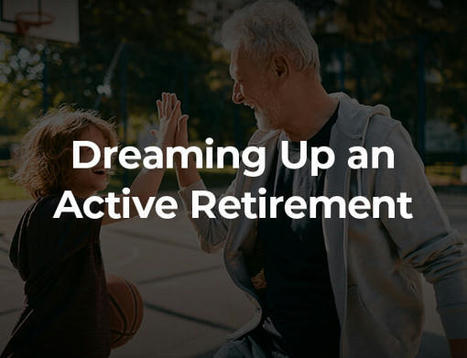
When you retire, how will you treat your next chapter?
|
|
Scooped by
Susan Myburgh
July 17, 2021 11:39 PM
|
Scoop.it!
Aging is associated with a progressive decline in skeletal muscle mass and strength.The decline, known as sarcopenia, could lead to physical disabili…...
|
|
Scooped by
Susan Myburgh
July 17, 2021 11:38 PM
|
Scoop.it!
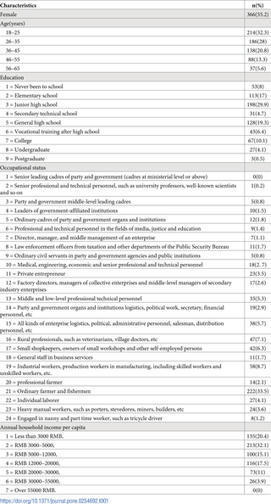
Background Studies have explored the relationship between social class and health for decades. However, the underlying mechanism between the two remains not fully understood. This study aimed to explore whether health self-management had a mediating role between social class and health under the...
|
|
Scooped by
Susan Myburgh
July 17, 2021 9:00 PM
|
Scoop.it!
Globally, cancer is the second leading cause of death. Loneliness has been suggested as a risk factor for cancer mortality. However, connections between loneliness, social isolation, and cancer are poorly understood.
|
|
Scooped by
Susan Myburgh
July 17, 2021 8:59 PM
|
Scoop.it!

Researchers want to help humans and their canine companions age better together.
|
|
Scooped by
Susan Myburgh
July 1, 2021 9:09 PM
|
Scoop.it!

These 20 easy recipes for elderly parents include heart-healthy ingredients and soft foods. Drink recipes for seniors prevent dehydration, a common problem.
|
|
Scooped by
Susan Myburgh
July 1, 2021 9:08 PM
|
Scoop.it!

Yes, you probably need to eat more fiber. Here are easy, tasty ways to fix that by enhancing foods you turn to often with fiber-rich additions.
|
|
Scooped by
Susan Myburgh
July 1, 2021 9:07 PM
|
Scoop.it!

What you do during your free time could help save your brain, since research shows challenging your brain may help avoid cognitive decline.
|
|
Scooped by
Susan Myburgh
July 1, 2021 9:04 PM
|
Scoop.it!

July 2, 2021 @ All Health & Fitness Tips - Sumary of High blood pressure: Avoid these sauces and flavourings to reduce hypertension risk:High blood pressure is also known as hypertension and is a major component in the risk of heart attacks or strokes..Millions of people around the world suffer with...
|
|
Scooped by
Susan Myburgh
July 1, 2021 9:03 PM
|
Scoop.it!

You can plan ahead to protect yourself and your family against the financial consequences of deteriorating health.
|
|
Scooped by
Susan Myburgh
July 1, 2021 9:02 PM
|
Scoop.it!

Three truths about aging, and four ways to plan for a fulfilling older age.
|
|
Scooped by
Susan Myburgh
July 1, 2021 8:28 PM
|
Scoop.it!

A daily five-minute workout dubbed "strength training for your breathing muscles" lowers blood pressure and improves some measures of cardiovascular health more than aerobic exercise or medications designed to reduce blood pressure.
|
|
Scooped by
Susan Myburgh
July 1, 2021 8:28 PM
|
Scoop.it!

ARCs go ahead with National Priority Research ARCs funded for research into National Priority Area of Healthy Ageing, Dementia, and Frailty The NIHR has approved research plans for a consortium of Applied Research Collaborations (ARCs) led by NIHR ARC Wessex with NIHR ARC Greater Manchester, NIHR ARC Yorkshire & Humber and NIHR ARC South West Peninsula. The research programme is focused on the health challenges facing our growing older population. The programme will support three multi-regional projects that are as much about staying well as finding better ways to care for and treat people in later life. This consortium of ARCs will work across the NIHR ARC network in England as part of the NIHR National Priority Area research programme. The work is funded by an award of £1.8 million until September 2023. Professor Helen Roberts, from NIHR ARC Wessex leads the consortium of ARCs behind the research: “This is a fantastic opportunity to deliver research that will make a real difference to older people and their families. The research teams leading the three projects have spent many years collecting evidence to show that their interventions work. Now we can see how best to use these interventions in a range of real life situations across different parts of the country” The three projects are: FLEXI: Falls management exercise programme led by NIHR ARC East Midlands working with NIHR ARC Greater Manchester and NIHR ARC South West Peninsula WHELD: Training care home staff to improve well-being and mental health of dementia residents led by NIHR ARC South West Peninsula and working with NIHR ARC South London, NIHR ARC East Midlands, NIHR ARC East of England, NIHR ARC North East North Cumbria, NIHR ARC North West and NIHR ARC Yorkshire and Humber FinCH Implementation study: Falls prevention in care homes led by NIHR ARC East Midlands working with NIHR ARC North East North Cumbria, NIHR ARC West Midlands and NIHR ARC South London.
|
|
Scooped by
Susan Myburgh
July 1, 2021 8:27 PM
|
Scoop.it!


Healthy Aging We all want to stay healthy and independent as we get older. Adopting healthy habits and behaviors, staying involved in your community, using preventive services, and managing health conditions can contribute to healthy aging. Communities want to be thriving places for people to grow up and grow older. People want to age in a place, in the community where they have spent their life, in a place they call home. What is healthy aging? The Centers for Disease Control and Prevention’s (CDC) Healthy Aging Research Network defines healthy aging as the development and maintenance of optimal physical, mental and social well-being and function in older adults. Effective health promotion addresses individual behavior as well as community support systems and environmental conditions that support healthy choices for adults. Healthy aging is most likely to be achieved when: physical environments and communities are safe, attitudes and behaviors known to promote health and well-being are adopted and maintained by individuals, and health services and community programs are effectively used to prevent or minimize the impact of acute and chronic disease. CDC indicates the most effective public health strategies for improving the health and quality of life for the 50 plus population are: promoting healthy environments and lifestyles, closing gaps in the delivery of clinical preventive services, and meeting the needs of older adults with cognitive impairment and their caregivers. The Tennessee Department of Health promotes healthy aging to support the quality of life of older adults. How can communities promote healthy aging and livable communities? A livable community is one that promotes physical activity, is safe and has convenient, affordable housing; available transportation options, enhances personal independence, provides social opportunities for the resident to engage in the community’s civic, economic and social life, and allows residents to age in place. The American Association of Retired Persons (AARP) offers partnership opportunities for state and local public health departments to promote well-designed, livable communities for all ages. For additional information go to AARP Age-Friendly Communities Selection Criteria. The federal initiative, National Prevention Strategy , developed by the National Prevention, Health Promotion, and Public Health Council provides evidence-based Recommendations for Healthy and Safe Community Environments and promotes the creation of social and physical environments to maintain good health for all. Many strategies are identified for developing livable communities that promote mobility, including pedestrian and bicycle safety, urban design and land use policies that support physical activity for older adults, and aging in place. The Partnership for Sustainable Communities is an interagency initiative between the Department of Housing and Urban Development (HUD), Department of Transportation (DOT) and the Environmental Protection Agency (EPA). Through the partnership, HUD, DOT and EPA coordinate initiatives to help communities nationwide improve access to affordable housing, increase transportation options and lower transportation costs while protecting the environment. The Partnership agencies periodically offer funding opportunities and you can visit each agencies webpage to learn more: HUD offers funding opportunities to help communities realize their own visions for building more livable, walkable and environmentally sustainable regions. DOT offers funding opportunities to support more livable walkable communities. EPA offers grants to support activities that improve the quality of development and protect human health and the environment. Why is physical activity important for older adults? According to the National Institute on Aging (NIA) and the World Health Organization (WHO) exercise and physical activity can combat and reduce the risk of heart diseases, stroke, diabetes and other chronic diseases that are associated with aging, providing a better quality of life. CDC indicates one-third of older adults do not get regular physical activity. CDC stresses the importance of promoting healthy environments and active lifestyles through the creation of healthy communities to make it easier for people to pursue healthy behaviors. For example, in communities that provide safe walking and biking trails, residents are more likely to get and be more physically active by walking or biking regularly. The NIA is working with public and private organizations to empower older adults to become more physically active through their Go4Life campaign. Go4Life provides information and motivational tools through their interactive website for people 50-plus to move more and increase their physical activity. The campaign features partnerships with community organizations and agencies. Additional information and resources are available on the Go4Life webpage. The National Institute of Diabetes and Digestive and Kidney Disease provide information and resources that older adults can take to improve their health, including moving more. The Walking... A Step in the Right Direction! and the Fit and Fabulous as You Mature programs both provide information about the health benefits of walking and how to start a walking program in your community. Along with keeping our bodies in good shape, we want to keep our minds healthy too. Physical Activity may protect brain health according to ALC’s Brain Health as You Age website. Get at least 150 minutes of exercise each week. Move about 30 minutes on most days. Walking is a good start. How can we implement fall prevention and safety? Centers for Disease Control and Prevention (CDC) reports treating falls is very costly and is likely to rise. In 2013, direct medical costs for falls totaled 34 billion. Annually, millions of people are treated in emergency rooms because of falls and fall injuries are among the 20 most expensive medical conditions. Among older adults, falls are the leading cause of both fatal and nonfatal injuries. Falls are the main reason people lose their independence. CDC recommends four actions individuals can do to prevent falls: Exercise to improve your leg strength and balance. Ask your doctor or pharmacist to review your medicines. Get an annual eye checkup and update your glasses. Make your home safer by removing clutter and trip hazards, putting railings on stairs, adding grab bars in the bathroom and having good lighting, especially on stairs. To prevent injuries, there are a number of things individuals can do. Older adults should learn about and deal with risks for falls and participate in fall prevention programs. The CDC’s Stopping Elderly Accidents, Deaths and Injuries (STEADI) Initiative for Health Care Providers tool walks health care providers through assessing a patient’s fall risk, educating patients, selecting interventions and following up. The Tennessee Department of Health’s Stepping ON Falls Prevention program can reduce falls while building confidence in older people. Stepping On is designed for people who are at risk for falling, have a fear of falling or those who have fallen before. Throughout Tennessee workshops are facilitated by trained volunteer leaders. Classes are highly participatory. Participants are trained to manage their health behaviors, reduce their risk of falls and maintain active and fulfilling lives. Why is proper nutrition important for older adults? Many health issues associated with aging can be controlled and delayed by eating healthier. Designing and building healthy communities can ensure access to affordable and healthy foods and create outlets for fresh fruits and vegetables, such as community gardens and farmers markets. Based on Federal Government dietary guidelines, What's On Your Plate? Smart Food Choices for Healthy Aging (PDF) provides healthy eating information for older adults. The National Institute on Aging (NIA), part of the National Institutes of Health (NIH) guide includes tips on nutrients, food groups and grocery shopping as well as healthy sample menus. Because adults 50 and over continue to remain gainfully employed, it is important to consider ways in which worksites can promote health and wellness in the workplace. One way to do this is to implement food service guidelines such as those developed for federal government worksites. CDC’s Healthy Food Environments website provides guidelines that are designed to make healthier food choices and physical activity opportunities more available for employees throughout their work day. The Tennessee Department of Health receives grants from the U.S. Department of Agriculture to operate the Farmers Market Nutrition Program (FMNP). In designated counties , the FMNP provides locally grown fruits, vegetables and herbs to families with limited resources and is available to seniors. How can we promote preventive services for adults 50-64? A healthy lifestyle and the use of preventive services, makes many chronic diseases preventable. According to the CDC, chronic diseases are the most prevalent, costly and preventable health problems. Chronic diseases are the leading causes of death and disability, responsible for 7 out of 10 deaths each year. Clinical preventive services, including cancer screenings and immunizations for flu and pneumonia, can prevent disease or find disease early, when treatment is more effective. CDC states greater use of these services could prevent thousands of deaths among older Americans each year. However, only about one-third of adults aged 50 to 64 and less than half of those aged 65 or older are up to date on a selected set of recommended screenings and immunizations. Effective health promotion addresses individual behavior as well as community support systems and environmental conditions that will support healthy choices for adults. The CDC, AARP and the American Medical Association (AMA) have joined together to highlight key issues, strategies and resources for promoting broader use of preventive services for adults 50-64 in the report, Promoting Preventive Services for Adults 50–64: Community and Clinical Partnerships (PDF). At the core of this Report are 14 key indicators for monitoring the use of clinical preventive services among adults aged 50 to 64: four disease screenings (breast, cervical, colorectal and cholesterol), two immunizations (Influenza and pneumococcal vaccinations), and six risk factors (physical inactivity, smoking, binge drinking, obesity, high blood pressure and moderate depressive symptoms) that combine several select clinical preventive services. The state’s goal is to put healthy options within reach for all Tennesseans, and offering Chronic Disease and Diabetes self-management workshops is one way to ensure that people with chronic diseases have the support they need to access those options and live well. The Tennessee Department of Health offers two evidenced-based programs: Living Well with Chronic Disease Self-Management Program (CDSMP) and Diabetes Self-Management Program (DSMP). The Living Well with CDSMP is a two and a half hour workshop given, once a week, for six weeks, in community settings such as senior centers, churches, libraries and local health departments. People with different chronic health problems attend together. Workshops are facilitated by two trained certified leaders, one or both of whom are not health professionals. Subjects covered include: techniques to deal with problems such as frustration, fatigue, pain and isolation; appropriate exercise for maintaining and improving strength, flexibility and endurance; appropriate use of medications; communicating effectively with family, friends and health professionals; nutrition; decision making and how to evaluate new treatments. The Tennessee Department of Health’s Diabetes Self-Management Program is a chronic disease self-management program that specifically targets diabetics and their needs. Why focus on adults aged 50-64 for clinical preventive services? The Department of Health and Human Services’ National Adult Immunization Plan provides an overview of actions needed to be undertaken by federal and nonfederal partners to protect public health and achieve optimal prevention of infectious diseases and their consequences through vaccination of adults. The plan establishes four key goals: (1) strengthen the public health and health care systems involved in adult immunization, (2) improve access to adult vaccines, (3) increase awareness of adult vaccine recommendations and use of recommended vaccines and (4) foster innovations in adult vaccines, including new vaccines and new ways to provide them. As noted in one section of the report, Why This Matters, the impact of the issue on adults aged 50 to 64 and at-risk or vulnerable populations, the value of the preventive service, and cost implications are highlighted: Breast Cancer Screening Breast cancer is the second leading cause of cancer death among women in the U.S. and the most commonly diagnosed non-skin cancer. One of every four dollars spent on cancer in the U.S. goes toward the cost of treating breast cancer. Early detection can save up to 35 percent of the net cost of this care. Cervical Cancer Screening Poor women between 45 and 64 years of age are 25 percent less likely to have received a Pap test in the past three years compared with high-income adults. Early detection of cervical cancer through population-wide screening with the Pap test every 3 years can reduce the rate of invasive cervical cancer by 91 percent. Colorectal Cancer Screening The cost of treatment for colorectal cancer is often lowest when the tumor is detected in an early stage. In 2005, an estimated 141,405 Americans were diagnosed with colorectal cancer, making it the third most common cancer in both men and women. Cholesterol Screening Periodic cholesterol screening for early detection and treatment can decrease hospital and ambulatory services, prevent premature mortality from coronary heart disease, and avoid considerable disability, distress and pain. Adults aged 45 to 64 with low incomes are 15 percent less likely to have received a cholesterol screening in the past 5 years compared with high-income adults. Influenza Vaccination Influenza infection can exacerbate other underlying medical conditions and lead to hospitalization or even death. Healthy, working adults who receive influenza vaccines experience significantly fewer days of influenza-like illness, make fewer doctor visits for such illnesses, and miss fewer days of work than non-vaccinated workers. Pneumococcal Vaccination On average, costs to employers are approximately five times higher for workers who had pneumonia than for the overall population of workers. Shingles Vaccination The same virus that causes chicken pox in childhood can painfully reemerge as shingles later in life. CDC recommends adults age 60 and older get vaccinated for shingles. Who advocates for older Tennesseans? The Tennessee Commission on Aging and Disability's Information and Assistance program was established by the Older Americans Act. Area Agencies on Aging and Disability plan and provide programs and services for older Tennesseans, as well as those with disabilities. The Tennessee Commission on Aging and Disability (TCAD) is the designated state agency on aging and is mandated to provide leadership relative to aging issues on behalf of older persons in the state. Their mission is to bring together and leverage programs, resources, and organizations to protect and ensure the quality of life and independence of older Tennesseans and adults with disabilities. The Commission has programs on caregiver support, long-term care, nutrition, public guardianship, and the State Health Insurance Assistance Program (SHIP). Other topics important to the Commission are Alzheimer’s disease and dementia, community gardens, elder abuse, fall prevention and volunteer opportunities. What is my area Human Resource Agency? There are ten Human Resource Agencies in Tennessee. These agencies deliver social services across the state to help people to have a sense of self-worth and wellbeing. Their services cover a broad range of human needs including children and youth; community services; community intervention; education and employment; nutrition; elderly and disabled; housing; transportation; and healthcare. For more information visit the Tennessee Association of Human Resource Agencies’ website. How does universal design benefit older adults? Universal design creates products and environments usable by all people, regardless of ability. Universal design means things are accessible to all people whether they have a disability or not in both public and private spaces. Examples of universal design features are step-free entries, curb ramps, levers, wide doorways and handheld adjustable showerheads. Places designed for all ages and abilities are more flexible, efficient and comfortable. Visit our universal design webpage for more information and ideas. Government partners Tennessee Commission on Aging and Disability (TCAD) Centers for Disease Control and Prevention (CDC) Health Information for Older Adults http://www.cdc.gov/aging/aginginfo/index.htm National Center for Injury Control and Prevention http://www.cdc.gov/injury/index.html Stopping Elderly Accidents, Deaths and Injuries http://www.cdc.gov/steadi/index.html Health Information for Older Adults http://www.cdc.gov/aging/aginginfo/index.htm Department of Health and Human Services (HHS) National Prevention Council http://www.surgeongeneral.gov/priorities/prevention/about/index.html National Institute on Aging at National Institute of Health Go4Life https://go4life.nia.nih.gov Additional resources American Association of Retired Persons (AARP) Livable Communities www.aarp.org/livable-communities Where We Live: Communities for All Ages www.aarp.org/livable-communities/tool-kits-resources/info-2016/where-we-live-communities-for-all-ages.html National Aging in Place Council Age in Place www.ageinplace.org Administration for Community Living (ACL) Brain Health as You Age www.brainhealth.gov NPT’s main page for Aging Matters www.wnpt.org/agingmatters/about/ Honoring Choices Honoring Choices® Tennessee provides educational resources to assist individuals and families plan for the future and make difficult decisions. www.honoringchoicestn.org Helpful documents Robert Wood Johnson Foundation A State-by-State Look at Adult Health www.commissiononhealth.org/Documents/AdultHealthChartbookFullReport.pdf American Association of Retired Persons (AARP) Growing Smarter, Living Healthier: A Guide to Smart Growth and Active Aging www.aarp.org/content/dam/aarp/livable-communities/act/planning/growing-smarter-living-healthier-a-guide-to-smart-growth-active-aging-aarp.pdf (PDF) Tennessee Department of Health Tennessee State Plan on Aging www.tn.gov/content/dam/tn/aging/documents/State_Plan_2014-2018.pdf (PDF)
|
|
Scooped by
Susan Myburgh
June 30, 2021 10:50 PM
|
Scoop.it!
Exercising the mind to keep it fit is important. Challenging the brain with online gaming options is a convenient option for the elderly.







