Your new post is loading...
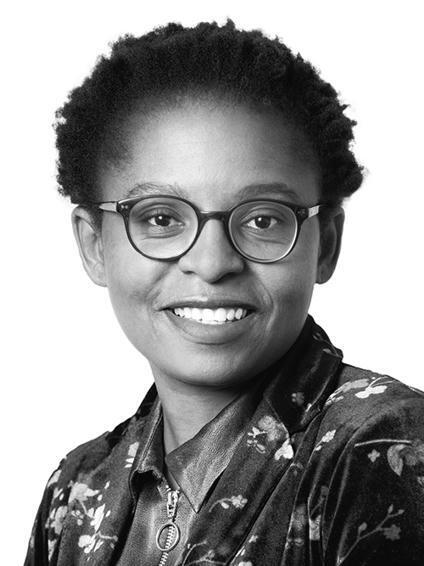
The Deputy Minister in the Presidency, Nonceba Mhlauli, will host a Youth Dialogue and Luncheon with matric learners from Gugulethu.
The dialogue is part of government's efforts to engage young people on issues affecting their future and to inspire active participation in building a prosperous South Africa. The engagement will provide learners with an opportunity to have a meaningful conversation with the Deputy Minister about their aspirations, challenges, opportunities, and the role they can play in shaping the country's future. The details of the dialogue are as follows:
Date: 3 June 2026
Time: 12:30
Venue: Capetonian Hotel, Cape Town The Deputy Minister will engage directly with matric learners from Gugulethu on matters relating to education, youth development, leadership, and South Africa's future. Media enquiries: Mandisa Mbele, 082 580 2213 / MandisaM@Presidency.gov.za Issued by: The Presidency
Pretoria
The Deputy Minister in the Presidency, Nonceba Mhlauli, will officially hand over a newly refurbished house to youth beneficiaries from previously disadvantaged backgrounds in Nyanga, Cape Town. The handover is a collaborative initiative between the Presidency and the Mellon Housing Initiative aimed at improving access to dignified housing and creating opportunities for young people to thrive. Details of the handover ceremony are as follows:
Date: Wednesday, 3 June 2026
Time:11:00 – 12:00
Venue: New Cross Roads, Nyanga, Cape Town The event will feature remarks by Deputy Minister Nonceba Mhlauli, representatives of the Mellon Housing Initiative, and the beneficiaries of the project.
Media enquiries and RSVPs: Mandisa Mbele, MandisaM@Presidency.gov.za / 082 580 2213
Issued by: The Presidency
Pretoria
Speaker of the National Assembly, Ms Thoko Didiza,
Ministers and Deputy Ministers,
Honourable Members,
Fellow South Africans, Thirty years ago, the people of South Africa adopted a Constitution that transformed our country from a divided past into a democratic future. That Constitution remains our national covenant. It is the foundation upon which we are building a society founded on freedom, dignity, equality and opportunity for all. The Constitution mirrors the hopes and aspirations of the millions of South Africans who played a direct role in drafting it. Our Constitution reflects the desire of our people for a government that is responsive, open and accountable. The Constitution reflects our people’s desire for a democracy where all three spheres of government serve the public interest, where power is exercised in accordance with the law, and where those entrusted with authority are subject to scrutiny and oversight. This Presidency Budget Vote is the first to be considered since the National Assembly’s Committee on The Presidency was established in December 2025. The Presidency welcomes the establishment of the Committee and members of this House can be assured of our full support for its work. Strengthening parliamentary oversight is good for transparency, accountability and our democracy. The Presidency occupies a unique place within Government in that it is not a service delivery department. The Presidency does not build roads, deliver water or supply medicines to clinics. The Presidency is not simply a coordinating institution. It is the strategic centre from which Government drives implementation, resolves blockages, mobilises partnerships and ensures that the commitments we make to the people of South Africa are translated into tangible results. The Presidency’s key role is: Firstly, to drive inclusive growth and job creation. Secondly, to reduce poverty and tackle the high cost of living. Thirdly, to build a capable, ethical and developmental state. The Presidency ensures that the efforts of departments, provinces, municipalities and social partners are coordinated, focused and directed towards the achievement of our developmental objectives. Because The Presidency’s role is strategic rather than operational, its budget necessarily differs from those of frontline departments. Unlike frontline departments whose budgets are primarily directed towards service delivery, The Presidency's mandate is to provide strategic leadership across the entire State. Its resources are therefore invested in long-term planning, policy coordination, evidence-based decision-making, performance monitoring and implementation oversight. These functions are indispensable to ensuring that public resources are used effectively, that Government programmes deliver measurable outcomes and that the priorities of the nation are translated into action. During the course of this financial year, The Presidency will focus its work on the priorities set out in the State of the Nation Address (SONA). The first priority we set out in SONA is to grow the economy and create jobs. Following years of challenges, our economy is on the mend. The macroeconomic environment has improved, tax collection revenues remain strong, public finances are in better shape and national debt has stabilised. Last week, the ratings agency Moody’s lifted South Africa’s rating outlook from stable to positive. This comes six months after S&P lifted South Africa’s credit rating for the first time in two decades. With dedicated investment expertise, The Presidency continues to coordinate the national investment drive. In March, we held a successful 6th South Africa Investment Conference, where we secured pledges in excess of R890 billion in industries across the economy. Significantly, a substantial portion of investment commitments were from domestic investors. When local investors show confidence in the prospects of the economy, international investors follow suit. Economic growth is not an end in itself. Its purpose is to create work, restore hope and expand opportunity. Every investment secured, every infrastructure project completed and every reform implemented must ultimately improve the lives of ordinary South Africans. The Presidency is also working with the relevant department to protect jobs in the auto, cement, steel and other distressed sectors. We have embarked on the largest infrastructure build in South Africa’s history. Over the next three years, the state will be investing R1 trillion in building and refurbishing roads, dams, schools, hospitals and clinics, as well as energy, logistics and transportation infrastructure. The Presidency is coordinating efforts to broaden markets for South African goods. We are strengthening our trade relations with our main trading partners, including a number of countries on the African continent, the European Union, the United States and China, while expanding the diversity and volume of our exports to other parts of the world. For close to two decades, load shedding was one of the single largest constraints to economic growth and social development. Through the National Energy Crisis Committee – and thanks to the efforts of Eskom, Government departments and social partners – the country has recorded more than a year without load shedding. Eskom has returned to financial and operational viability. New capacity continues to be added to the national grid including from renewables. We are now working to bring load reduction experienced by communities in many municipalities to an end. Through the focused work of Transnet, supported by the National Logistics Crisis Committee, the performance of our railways and ports is improving. This is helping to ease longstanding bottlenecks across key economic sectors like mining, agriculture and manufacturing. We are also seeing progress in other economic sectors. For example, between January and March this year, agriculture recorded an 11 percent increase in export earnings compared to the same period last year. South Africa is now the world’s largest exporter of citrus by volume. Access to productive land is essential to further grow our agricultural output, create jobs and lift people out of poverty. Over time, government has acquired around 2.5 million hectares of land under the Proactive Land Acquisition Strategy programme. This land has generally been leased to beneficiaries on a short-term basis, which limits their ability to borrow money, invest in the land, grow agricultural production and contribute to the rural economy. As part of our efforts to revitalise rural economies, to strengthen land rights and support the inclusion of black farmers in commercial agriculture, we have embarked on a concerted programme to release this land with title deeds to deserving beneficiaries. The Minister of Land Reform and Rural Development will outline the details of the programme to convert agricultural leases to title deeds. In other areas of the economy, such as tourism, there is significant growth. South Africa recorded 10.5 million international tourist arrivals last year, which is the highest number of visitors on record. And in the first quarter of this year, tourist arrivals were up by more than 12 percent compared to the same period last year. These are some of the indicators of progress in pursuit of inclusive growth that creates jobs. They are the building blocks upon which investments are being secured and opportunities are being created for the people of South Africa. Even while there is clear progress, events far from our shores are threatening to slow our emerging economic recovery. The attack by the United States and Israel on Iran – and the conflict that has now engulfed much of the region – has set off a global oil crisis. The effects of the surge in oil prices – and of other critical supplies like fertiliser – are likely to undermine much of the progress we had made in bringing down inflation and the cost of living. Together with disruptions to the global economy, these developments are likely in the immediate term to slow economic growth and hamper our efforts to create jobs. We should anticipate that conditions will be difficult for the next while. These developments are unfolding as the latest employment figures from Stats SA show a decline in employment in the last quarter. We know from experience that it often takes time for investment to translate into economic growth, and for growth to translate into jobs. But we must still be deeply concerned about the decline in employment, because it is about people’s lives and livelihoods. These difficulties underline the urgency of the work we are doing. We must move faster and with greater focus to implement our priority actions. Another of the priorities we identified in SONA is to fight crime and corruption. We continue to rebuild and strengthen our law enforcement agencies, security services, National Prosecuting Authority and specialised anti-corruption bodies. A critical area of focus is the South African Police Service. We look forward to receiving the final report of the Commission of Inquiry into Criminality, Political Interference and Corruption in the Criminal Justice System which is chaired by Judge Mbuyiseli Madlanga. The findings and recommendations of the Commission are expected to bolster our efforts to strengthen the SAPS. The work of the Commission is already having an impact. Following the submission of the Commission’s first interim report in December last year, the South African Police Service, working with the National Prosecuting Authority, set up a special task team to investigate referrals arising from the Commission. This task team has begun its work in earnest and has already brought a number of cases to court. We must be unequivocal: public office is a public trust. Those who abuse public resources for private gain betray the Constitution, undermine development and steal from the poor. There will be no tolerance for corruption, regardless of position, status or political affiliation. The Presidency continues to oversee and coordinate the implementation of the recommendations of the State Capture Commission. Of the 60 actions contained in our implementation plan, 80 percent are complete, substantially complete or on track. The recoveries by law enforcement linked to the work of the Commission now stand at over R17 billion. Ten new Acts have been passed to close the gaps that state capture exploited. These include acts to enable prosecution-led investigation of corruption, reform public procurement, professionalise public administration and overhaul our intelligence services. Cabinet recently approved for public comment a draft Bill to amend the Protected Disclosures Act. This Bill aims to strengthen the protection of whistleblowers and is a vital pillar of our fight against corruption. The Presidency is at the forefront of mobilising South Africans from all walks of life behind the national effort to end violence against women. It exercises stewardship over the implementation of the National Strategic Plan to combat Gender-Based Violence and Femicide. In November last year, gender-based violence and femicide was classified as a national disaster, and Cabinet has approved an action plan to tackle this crisis and commit the necessary resources. Prevention is our priority. We are therefore increasing our efforts to promote positive masculinity, focused on boys and young men in schools, communities and organisations. We continue to strengthen the response of the police, prosecutors and courts, and are improving support and care for survivors of gender-based violence. Another important area is the economic empowerment of women through capacity building, improved access to public procurement and greater involvement in the value chains of key industries. As we work to build a safer, more stable and more prosperous society, we need to address the challenge of migration. When it is well managed and regulated, migration can help drive growth and opportunity for South Africans. However, we need to deal with illegal migration. We have seen how illegal immigration can put pressure on our public services and undermine our efforts to create decent work. As announced in SONA, Government is taking decisive action to address this challenge. We are cracking down on violations of immigration laws. We are increasing our inspections of workplaces and prosecuting employers who violate our labour laws. We are strengthening border security, stamping out corruption in the immigration system and closing the loopholes in fragmented immigration laws. We must be clear: every person in South Africa – whether they are citizens or foreign nationals – must respect our laws, and the rights of every person in our country must be upheld. We must never give in to violence, xenophobia or vigilantism. As a society, we must stand against all forms of disinformation, incitement, racism and ethnic mobilisation. We will strengthen and enforce our laws, while upholding the Constitution and the human dignity of all. This will enable us to deal with illegal immigration without turning against one another. Another critical priority we outlined in the State of the Nation Address is to urgently resolve the water crisis affecting many parts of the country. Drawing on our experience in ending load shedding, we have established the National Water Crisis Committee. Coordinated from the centre of Government, the committee has begun implementation of the National Water Action Plan to address weaknesses in the management and delivery of water services. Through the plan, we will pursue both immediate relief and lasting structural reform. In the short term, national Government will intervene directly in municipalities facing acute water failures using existing constitutional and legislative powers. Over the medium to long term, the water delivery model will be overhauled. Municipalities will be required to ring-fence water revenues so that what consumers pay for water is reinvested directly into fixing pipes, reservoirs and pumping stations. We are also working to overhaul local Government so that it works for the people. This is vital if we are to improve people’s lives. The true test of government is not what happens at the Union Buildings or in the Houses of Parliament. The true test is whether water flows from a tap, whether a streetlight works, whether refuse is collected, whether a road is maintained and whether a community feels safe. That is why fixing local Government is among the most urgent priorities of this administration. It is vital to growing our economy and creating jobs. If the conditions for investment in our cities and towns are unfavourable, if there is a lack of electricity or water or poorly managed infrastructure, investors simply take their business elsewhere. That is why we continue to prioritise the revitalisation of local Government and to support efforts towards finalising the revised White Paper on Local Government. As we undertake the far-reaching reforms outlined in the White Paper, The Presidency is using the working group model to support large metros. This model brings together The Presidency, municipalities, provincial government, business, SOEs, organised labour and representatives from civil society to implement priority interventions to turn municipalities around. In 2024, we established the Presidential eThekwini Working Group, and in March last year, the Presidential Johannesburg Working Group. Across all the metros in the country, we have prioritised key reforms to ring-fence revenue in the trading services. These reforms will enable greater investment in water, energy and waste management infrastructure to meet the growing service delivery demands in our cities. Another priority from the State of the Nation Address is to tackle youth unemployment and overhaul skills development in the country. The Presidency is the coordinator of the Presidential Employment Stimulus and the Presidential Youth Employment Intervention. For the current financial year, we will be expanding the National Youth Service under the Presidential Youth Employment Intervention to 100,000 community service youth employment opportunities. The Presidency also supports the Youth Employment Service initiative led by the private sector, which connects unemployed youth with work experience opportunities. The on-the-job training and skills development that beneficiaries receive through these programmes improves their labour market prospects and prepares them for opportunities to become entrepreneurs. We are implementing the commitments I made in SONA to overhaul the skills system. We are working to transition TVET colleges to offer occupational qualifications with embedded workplace experience, allowing more graduates to transition into employment. We are also working to rationalise and reform the SETA system to strengthen industry ownership and reorient the Levy-Grant Incentive structure. Community Education and Training colleges are being strengthened as pathways into livelihoods, micro-enterprise and second-chance education.
We are focusing on outcomes-based funding by reforming the National Skills Fund and scaling-up of the Jobs Boost Outcomes Fund. Building a capable, developmental state is both a SONA priority and one of the three strategic priorities outlined in the Medium Term Development Plan. A strong, capacitated and professional Presidency is the engine room of the capable, ethical and, increasingly digital, developmental state we are striving to build. We are undertaking a broad range of initiatives to strengthen accountability, promote participatory democracy and deepen intergovernmental coordination. We are advancing participatory democracy through the Presidential izimbizo. Through the District Development Model, we are mobilising all spheres of Government and local stakeholders to coordinate planning, budgeting and service delivery implementation in local Government. The Presidency has a central role in advancing South Africa’s global and continental agenda. The President and Deputy President continue to participate in outward investment missions and business forums with key trading partners. This is part of deepening economic diplomacy efforts to attract investment in key sectors such as agriculture, critical minerals and manufacturing value chains. A central part of this work is the advancement of the African Continental Free Trade Area, which presents unprecedented opportunities for trade, investment and industrialisation across the continent. We continue to support key initiatives of South Africa’s G20 Presidency. These include the International Panel on Inequality, which is in the process of being formally established. This year, South Africa will be assuming the chairship of SADC and will focus on advancing stability, cooperation and integration across our region. We will continue to be involved with diplomatic efforts in support of peace processes in areas such as the Eastern DRC and South Sudan. We continue to use our membership of the G20, BRICS, the Non-Aligned Movement and other bodies to assert the primacy of international law and the centrality of the United Nations in global affairs. We remain convinced that the right to sovereignty and self-determination be extended to all people, including the people of Palestine, Western Sahara and Cuba. The country will soon also be embarking on the next phase of the National Dialogue as we strive to chart a new course for our country. Between June and August this year, pilot dialogues will be held across the country. These will include ward-based engagements, digital engagements and sectoral dialogues. I call on all South Africans to come together once more and be part of crafting a new vision for South Africa. Honourable Members, The State of the Nation Address sets out the line of march. The budget process gives effect to Government’s plans and programmes for the year ahead. We have sought to outline the role of The Presidency in driving the national priorities. We have sought to demonstrate the value of this strategic coordination, the progress that has been made and how we plan to build on that progress in the year ahead. The progress we have made to date is not a product of chance. It is the result of deliberate state action to drive a structural reform agenda across Government and with business, labour and other social partners. The progress we are witnessing owes much to strategic direction from The Presidency to unlock growth and restore investor confidence. Even as our economy is recovering, there is much still to be done. Our people need jobs and the economy needs to grow at a pace that will create them. Local Government must be fixed with urgency and the state of service delivery must be turned around. Corruption must be uprooted. Crime must be stamped out. Government must serve the people and treat them with respect and dignity. Work must now continue in earnest. Let us not allow ourselves to be deterred by distractions or political intrigue. The National Executive, Parliament and our courts are mandated to serve the South African people and give effect to the promise of the Constitution. This must be our overriding priority. As I conclude, I express my gratitude to Deputy President Paul Mashatile, Minister in The Presidency, Khumbudzo Ntshavheni and Deputy Ministers, Nonceba Mhlauli and Kenny Morolong. I also express my gratitude to the Director-General in The Presidency and all the advisers and officials who make this important institution at the heart of Government work. I hereby commend this Budget Vote of The Presidency to the National Assembly and look forward to the debate. I thank you.
Madame Speaker,
Your Excellency, President Cyril Ramaphosa,
Ministers and Deputy Ministers,
Honourable Chief Whip,
Honourable Members of the House,
Fellow South Africans, Good evening, I rise in support of Budget Vote: The Presidency. I do so with a clear understanding of the moment we are in as a country. South Africans are not asking government for more slogans. They are asking for work that can be seen, felt and trusted. They are asking for a government that delivers on its promises; a government that does not work in fragments; and a government that is able to move from planning to delivery with urgency and discipline. Essentially, South Africans want a Government that works for all, especially its young people who constitute 59% of the country’s total population. The youth of this country have for the past 50 years since June 16 1976, and beyond; demonstrated that they do not lack ideas, talent, and courage to stand up for their future. What they lack is access. Through the Presidential Youth Employment Intervention (PYEI) as launched by President Ramaphosa in 2020, we are actively expanding that door to access. The recently released Q3 results for 2025/26 demonstrate real, quantifiable momentum in our drive to transition young people from learning to earning:
• In the third quarter alone, the PYEI facilitated 294,530 new earning opportunities.
• By the end of Q3, more than 5.77 million young people had registered on the SA Youth platform, and over 4.8 million on the Employment Services of South Africa (ESSA) system.
• Since its inception, the PYEI has facilitated access to more than 2.36 million earning opportunities.
• Importantly, over 70% of the opportunities accessed through SA Youth have been taken up by young women, helping close historical gender gaps.
• The Jobs Boost Outcomes Fund exceeded its targets this quarter, enrolling over 9,170 young people and successfully placing more than 7,200 into employment. This is funding real outcomes.
• The Revitalised National Youth Service continues its rapid expansion, having placed 132,784 young people in paid service opportunities to date, with additional 100 000 opportunities currently available on SA Youth.Mobi. We therefore call upon youth between the ages of 18 and 35 to participate in this programme focused on community service, skills development and gain meaningful work experience. The success of the Presidential Youth Employment Initiative (PYEI) demonstrates the impact of deliberate policy choices made by the ANC-led government. The Youth Employment Service (YES), a private sector led initiative in partnership with the Presidency, has created over 228 000 youth jobs with an absorption rate of 60% into fulltime employment post the programme. 17% of YES Alumni have started their own business with the support of the programme across sectors. These are real measurable outcomes Honourable Khanyile. The reports are released quarterly and readily available on the StateOfTheNation website. I would invite the honourable member to make use of this information to avoid quoting incorrect figures as she did earlier today. Through sustained investment in youth employment and empowerment programmes, partnerships with the private sector, and the allocation of public resources to create opportunities for young people, this government has enabled hundreds of thousands of youth to gain work experience, skills, and pathways into the labour market. The PYEI is not an accidental success; it reflects government's commitment to tackling youth unemployment through targeted intervention and innovation. At a time when youth unemployment remains one of South Africa's greatest challenges, the programme stands as evidence that government action can make a meaningful difference in the lives of young people. This evidence does not stand in isolation, it speaks to the 32 years of effective governance which has made South Africa a far better country it is today. The propagandists want us to believe that this country has gone backwards but in actual fact, the numbers as released by Statistics South Africa in the General Household Survey last week tells a different story. Therefore, Honourable Members, allow me to recount the story of the Republic of South Africa in numbers – (and I urge Honourable Litchfield-Tshabalala to listen closely as I know that research is not their strong point, corruption is.) • South Africa’s total life expectancy at birth increased from 55.2% in 2002 to nearly 67% in 2025.
• 84% of households live in formal dwellings and with more than half of these households owning their homes. This is empirical evidence that we are housing the nation.
• Earlier the President recounted that we have gone for over a year without loadshedding. In addition, 94.9% of South Africa’s households have access to electricity.
• On access to water and sanitation, 87.4% of South African households have access to piped water with 8.1 million more households having gained piped water since 2002.
• 84% of households now have improved sanitation.
• On education, 96.6% of school participation is achieved by age 15.
• 52.9% of South African adults now have at least Grade 12, with an enrolment of 1.9 million students in our public institutions of higher learning as at 2024.
• On connectivity, 93.8% of households have access to a functional telephone (cellphone or landline), with 85.6% of households having access to the internet. In actual fact, our State Owned Telkom have declared R559 million in dividends to government in the past financial year. This, ladies and gentlemen is the story of South Africa in numbers, with the Presidency at the apex of driving this delivery through effective coordination. It is a story of a nation in progress with real tangible development in the lives of our people as affirmed by the Honourable Daniels. The Honorable Trollip stood here and purported to do an assessment of Chapter 9 Institutions. Let us assist him in his assessment of the work of the Presidency with the relevant FACT! The Constitutional Court, the Public Protector, the Auditor-General, the South African Human Rights Commission, the Independent Electoral Commission, and the broader suite of Chapter 9 institutions — were authored, established and resourced by the African National Congress in Government. The Constitution itself was, in its principal authorship, is the work of this very President. The Judicial Commission of Inquiry into Allegations of State Capture — chaired by then-Deputy Chief Justice Raymond Zondo — was established by in January 2018, on the recommendation of the Public Protector. Six volumes of findings were delivered between January and June 2022 with over 17 billion recovered by the state to date. It is the most exhaustive corruption inquiry in the history of the Republic. The Commission of Inquiry into the Public Investment Corporation (the Mpati Commission), chaired by Judge Lex Mpati and reporting in 2020, cleansed the governance of the largest asset manager on the continent. The Commission of Inquiry into Tax Administration and Governance at the South African Revenue Service (the Nugent Commission), chaired by Justice Robert Nugent in 2018, restored the integrity of SARS and recovered tens of billions of Rand in revenue. The Toy Soldiers spoke about taxes having forgotten that the reason we have a SARS to speak about today, is because of this very Presidency. Those who sought to cripple this institution now sit in the opposition benches and want to lecture us about progressive taxes. The Instruments of the anti-corruption architecture in our country all happened under President Ramaphosa. The Special Investigating Unit and its Tribunal;
The Investigating Directorate of the National Prosecuting Authority, elevated to permanent statutory status as the Investigating Directorate Against Corruption (IDAC) by the National Prosecuting Authority Amendment Act of 2024;
The Directorate for Priority Crime Investigation (the Hawks);
The Asset Forfeiture Unit;
The Financial Intelligence Centre;
The National Anti-Corruption Strategy 2020-2030 and the National Anti-Corruption Advisory Council were adopted under President Ramaphosa. Honourable President, Many of those who called you Mr Commission of Inquiry when you established the Madlanga Commission, claiming that it is a delay tactic and waste of funds, are now at the forefront of saying it must continue indefinitely. We of course welcome the change of heart. It is indeed a function of democracy to change your mind when presented with new evidence. Mr President, you have stayed true to the promise you made when you came into office when you said – “the era of impunity is over.” Your Presidency has in truth been characterised by the fact that no one is above the law, including yourself, which is what you have asserted since incumbency. So there is no crisis Hon Mesheo, the instruments of accountability created by this government shall continue to work. Conclusion Honourable Members, South Africans will not judge The Presidency by the number of meetings convened. They will judge us by whether government works better when it matters most.
• They will judge us when a young person is searching for a pathway to work.
• They will judge us when a woman seeks protection and justice.
• They will judge us when a community faces service delivery failure.
• They will judge us when reform commitments must become visible progress.
• They will judge us when public expenditure must translate into public trust. Our duty is to shorten the distance between commitment and consequence. This Budget Vote is therefore a vote for a Presidency that coordinates with purpose, monitors with discipline, supports reform with urgency, and places the lived experience of South Africans at the centre of its work. It is a vote for a government that must move faster, work together better and account more honestly. I submit.
Deputy President Paul Mashatile, in his capacity as Chairperson of the South African National AIDS Council (SANAC), will on Thursday, 04 June 2026, meet with Private Sector Captains of Industry in Johannesburg, with a view to strengthen the implementation of the country’s National Strategic Plan (NSP) for HIV, TB and STIs. The engagement, hosted under the umbrella of the SANAC Private Sector Forum (PSF), will provide a high-level platform to explore opportunities for closing the funding gap left by external donors, through sustainable public–private financing models to accelerate the implementation of the NSP. South Africa continues to face a high burden of HIV and TB, with millions affected and ongoing new infections despite progress in treatment and prevention interventions. While the NSP provides a clear roadmap, challenges such as funding gaps, slow prevention progress, and high rate of new infections still persist. The HIV and TB epidemics also place significant strain on the economy by reducing productivity, increasing healthcare costs, and impacting key labour-intensive sectors, thus underscoring the need for stronger government–private sector collaboration. The engagement will also mark the formal launch of the fully constituted SANAC Private Sector Forum across all nine provinces. It will further align expectations, commitments, and messaging ahead of key national and international funding milestones, including current and future Global Fund replenishments. Members of the media are invited to attend and cover the high-level meeting as follows: Date: Thursday, 04 June 2026
Time: 17h00 (Media to arrive at 16h00)
Venue: Aspen Pharmacare, Healthcare Park, Woodlands Drive, Woodmead, Sandton Dress Code: Business Formal/Traditional
Members of the media wishing to cover the event are kindly requested to RSVP with their full names, designation, media house and ID numbers to Simangaliso Motsepe (SANAC) at simangaliso@sanac.org.za by end of day Wednesday, 03 June 2026. Media enquiries: Mr Keith Khoza, Acting Spokesperson to the Deputy President, on 066 195 8840, or Nelson Dlamini (SANAC) on 078 731 0313 / nelson@sanac.org.za Issued jointly by: The Presidency and SANAC
Pretoria
President Cyril Ramaphosa received, on Friday, 29 May 2026, the second interim report of the Madlanga Commission of Inquiry into Criminality, Political Interference, and Corruption in the Criminal Justice System. President Ramaphosa established the Commission, chaired by retired Constitutional Court Justice Mbuyiseli Madlanga, in July 2025. President Ramaphosa will study the latest report while the Commission continues its proceedings. President Ramaphosa has expressed his appreciation for the interim report as well as his expectation that the Commission will, as part of its terms of reference, refer actions thought to be criminal acts for prosecution.
Media enquiries: Vincent Magwenya Spokesperson to the President, media@presideny.gov.za Issued by: The Presidency
Pretoria
President Cyril Ramaphosa will on Thursday, 4 June 2026, host His Excellency President William Samoei Ruto of the Republic of Kenya on a State Visit at the Union Buildings in Tshwane. President Ruto will undertake the State Visit from 3 to 5 June 2026 at the invitation of President Ramaphosa. South Africa and Kenya enjoy long standing mutually beneficial and cordial relations that were re-established in 1994. South Africa values Kenya as a strategic partner in the East African region and the continent. The welcome ceremony will be followed by discussions between the Presidents and a Business Forum. The Business Forum will focus on deepening economic cooperation, facilitating business partnership and exploring statergies for unlocking the full potential of trade and investment between the two countries in mutually beneficial strategic sectors. The media programme for the State Visit is as follows: WELCOME CEREMONY
Time: 09h30 (Media to arrive at 07:00)
Venue: Union Buldings
Date: Thursday 4 June 2026 SOUTH AFRICA – KENYA OFFICIAL TALKS
Time: 10h30
Venue: Union Buildings
Date: Thursday 4 June 2026 MEMORANDA OF AGREEMENT SIGNING CEREMONY AND MEDIA BRIEFING
Time: 12h30
Venue: Union Buildings
Date: Thursday 4 June 2026 SOUTH AFRICA - KENYA BUSINESS FORUM
Time: 17h00
Venue: Gallagher Estate, Midrand, Johannesburg
Date: Thursday, 4 June 2026 Media interested in covering the State Visit are requested to complete the form found on the media registration link provided: https://mrs.gcis.gov.za/?q=Kenya-State-Visit Closing date for media registration is Monday, 1 June 2026 at 12h00 Media enquiries: State Visit can be directed to Patience Mtshali, 083 376 9468 Media enquiries: Business Forum can be directed to MDikeledi@thedtic.gov.za Media enquiries: Vincent Magwenya Spokesperson to the President, media@presideny.gov.za Issued by: The Presidency
Pretoria
President Cyril Ramaphosa will on Friday, 5 June 2026, officially launch the rollout of Lenacapavir, a new injectable prevention for HIV. The event will take place in Secunda, Mpumalanga. This groundbreaking initiative marks a significant milestone in South Africa’s ongoing efforts to fight against HIV/AIDS and aims to enhance prevention of new HIV infections. Lenacapavir is a twice-yearly long-acting injectable option for HIV prevention, and the rollout highlights the collaboration between the government, civil society, and private sector, and development partners amongst the stakeholders committed to ending HIV as a public health threat in South Africa. President Ramaphosa will be joined by Health Minister, Dr Aaron Motsoaledi, Mpumalanga Premier, Mr Mandla Ndlovu, Provincial Health MECs, leaders of SANAC civil society, development partners, and donors including the Global Fund. Details of the launch: Date: Friday, 5 June 2026
Time: 09h00
Venue: Lilian Ngoyi Stadium, Secunda, Mpumalanga Members of the media wishing to cover the event are advised to complete online accreditation process before Tuesday, 02 June 2026 at 14h00, on the link below: https://mrs.gcis.gov.za/?q=Launch-of-Lenacapavir-HIV-injection For more information and media enquiries, please contact: Mr Foster Mohale
Departmental Spokesperson
072 432 3792
Foster.mohale@health.gov.za Mr Sello Lediga
Health Ministry Spokesperson
082 353 9859
Sello.Lediga@health.gov.za
Media enquiries: Vincent Magwenya Spokesperson to the President, media@presideny.gov.za Issued by: The Presidency
Pretoria
Tuesday, 26 May 2026: 14h00 - 15h30 1. Power of cooperation for the health of nations Health response cooperation and coordination has become an integral pillar of international security in the post- COVID-19 pandemic era. As a country, South Africa had interesting insights on health cooperation and coordination during her tenure as the African Union COVID-19 champion. These insights include mechanisms to promote fair access to vaccines and strategies focused on strengthening pandemic preparedness. With the recent outbreak of foot and mouth disease, we are focused on improving cross-border disease-surveillance systems. During the Covid-19 pandemic, we witnessed improved global heath cooperation that resulted in the development and availability of life saving vaccines. The pace with which Covid-19 vaccines were developed indicated that with cooperation, it is possible to resolve endemic diseases. Therefore, with cooperation, it should be possible to eradicate epidemics such malaria, TB, cholera, HIV/ Aids, Ebola other regional epidemics. In the current global order, global health cooperation is always witnessed on diseases that affect the global north, leaving Africa and to some extent Asia to their own devices. For example, the Central – East Africa region is experiencing another outbreak of Ebola but the global North have opted to not only watch but we are witnessing the diversion of flights with passengers from the region, without any response to the call for support by the Centre for Disease Control (CDC) of the African Union. Even when vaccines became available during the COVID-19 pandemic, the global North opted to hoard the vaccines for their own nations in total violation of the World Health Organisation (WHO) principles. When the global South applied for patents waivers at the World Trade Organisation (WTO) to develop their own Covid-19 vaccines, even our supposed allies in the global North opposed our patent waiver applications. Therefore, Forums like the International Security Forum cannot just talk about the power of cooperation for the health of nations without also focusing on building resilience and regional response capacity of the global South. South Africa has just pledged US$5 million to the CDC to deal with the current Ebola outbreak – how much is the International Security Forum mobilising to help Africa address Ebola? South Africa is driving several initiatives such as a partnership to establish Africa’s first end-to-end, multi-vaccine production plant that will produce oral cholera vaccines, and later expanding to include vaccines for polio, pneumonia, and meningitis. Once fully operational, Biovac will have a production capacity of up to 40 million doses annually, significantly bolstering Africa’s healthcare resilience and supply chain security. The plant is scheduled for completion by 2028. There is an urgency for all regions and countries to have capacity for robust early warning mechanisms to enable timely information sharing so that the international community can mount coordinated responses to health emergencies. A health emergency in one region can quickly morph into a global health emergency due to the benefits of globalisation. Furthermore, Integrated digital health technologies (including AI-enabled diagnostics and data platforms) are enabling faster detection and more effective containment of outbreaks, although geopolitical competition and unequal access to these tools continue to undermine collective efforts, particularly between developed and developing regions. Health must be insulated from global geo-political contestations through ensuring that health cooperation, access to WHO programmes and pandemic related products must not be conditioned on unrelated political concessions or resource deals. 2. Disinformation and manipulation as tools of the west’s hybrid war against the global majority for maintaining hegemony Disinformation and information manipulation have become core instruments of hybrid warfare, used to shape narratives, influence political outcomes and secure strategic advantage without crossing the threshold of open armed conflict. Conflicts in different regions demonstrate how state and non-state actors combine coordinated media campaigns, cyber operations and targeted online messaging to steer public opinion and to contest control of information environments. Multiple competing operations often run in parallel, seeking to influence perceptions, governance models and economic partnerships. This demonstrates that the global disinformation landscape is multi-directional and highly contested, with the global majority frequently serving both as the target and the terrain of these campaigns. South Africa has faced sustained disinformation campaigns during its elections, on foreign and domestic policy decisions. The so called “white genocide” narrative campaign radicalises farm murders to claim a systematic extermination of white people, amplified by international far-right networks at state and non-state levels. Disinformation must be understood as a shared global threat; reducing it to a geographical label risks oversimplifying the challenge and obscuring the wider international dynamics at play. South Africa’s strategic interest lies in protecting its information sovereignty while maintaining balanced international relationships, ensuring that external narratives and influence do not compromise national decision making or social cohesion. We have observed the contribution of digital media and artificial intelligence (AI) as theatres and tools of disinformation and misinformation. We are currently reviewing our information and related policies to compel digital platforms to: - Disclose the AI generated content carried on their platforms (AI content branding), and
- Prohibit the publication of Fake and Misleading News about South Africa Furthermore, we are working to provision for the government Fact-Check capability to proactively debunk deepfakes, fake and misinformation and provide correct facts against the fake news. We are also developing a “Quick Guide” to assist government communicators in effectively countering misinformation, disinformation and malinformation. Thursday, 28 May 2026: 09h30 - 12h30 1. Challenges and threats to international security in the context of the emergency of the multipolar world We meet at a moment when the international security environment is shaped by overlapping crises such as persistent armed conflicts, geo-economic pressures, technological disruptions and accelerating impacts of climate change. At the same time, power is diffusing. The world is moving from a largely unipolar system to a more complex, multipolar order in which several centres of power (including the United States, China, Russia, India, the European Union and key regional groupings) exert significant influence on global affairs. South Africa’s view is that multipolarity in itself is not a threat. Properly managed, it can create space for a more equitable and representative international system in which the Global South has a stronger voice. The danger lies in how this transition is unfolding, with heightened strategic rivalry, fragmented responses to crises, and a weakening consensus on multilateral rules and norms. We see this in the deterioration of trust between major powers, the paralysis in some multilateral forums and the growing temptation to use unilateral measures, including sanctions and extraterritorial policies that often have unintended consequences for developing countries. Ongoing conflicts, including the war in Ukraine and the crisis in the Middle East, have deepened polarisation between blocs and exposed fault lines in the global governance system. For South Africa, whose foreign policy is grounded in non-alignment, constitutional values and the primacy of international law, these developments underscore the need to defend the United Nations Charter, sovereign equality and the peaceful settlement of disputes. As outlined in our National Security Strategy, national and international security cannot be separated from human security, economic justice and the credibility of multilateral institutions. In this emerging multipolar world, South Africa’s strategic interest is to help rebuild consensus on fair, rules-based multilateralism; to work with all partners, North and South, on issues such as the climate, cyber threats, illicit financial flows and pandemics; and to ensure that competition between major powers does not come at the expense of the African continent. Our message is clear: Multipolarity must not mean multi-conflict or multi-standards. It must mean shared responsibility, consistent respect for international law, and a greater voice and agency for the Global South in shaping the future of global security governance. Thursday, 28 May 2026: 12h30 - 14h00 1. BRICS coordination on international issues South Africa regards BRICS as a critical forum where we focus on matters of common interest and mutual benefits, and where we prepare our shared approaches to a rapidly changing global landscape. We meet at a time when geopolitics has once again taken centre stage and is affecting and impacting on the development of all, which makes purposeful coordination of our international positions more important than ever. South Africa supports the view that we must reinforce the way we do things through both BRICS and the multilateral system of the United Nations. Coordination of international positions among BRICS is not about creating an alternative to existing institutions; it is about deepening our internal alignment so that our engagement with those institutions is more effective and more reflective of the realities and aspirations of the Global South. At the same time, we recognise and respect that each BRICS member retains its own national interests, constitutional mandates and legal obligations. Our goal, therefore, is alignment where possible, and mutual understanding and transparency where full agreement is not yet attainable. Our coordination should be rooted in a shared understanding of the challenges we face. As we have said in the past, challenges of instability, terrorism, cyber attacks or economic coercion that undermines development and human security are not unique to any one country. This shared exposure underpins our effort to craft coordinated positions that are guided by international law, the Charter of the United Nations, and a strong preference for the peaceful settlement of disputes and dialogue over confrontation. In practice, this means that when we discuss global crises, we should consistently highlight their spill over effect on African peace and development, food and energy security and argue for solutions that strengthen, rather than side-line regional organisations such as the African Union. South Africa’s approach to coordination of international positions within BRICS is guided by three principles. First, that coordinated positions must strengthen multilateralism and the UN centred rules-based order not erode it. Second, that they must translate into concrete contributions to global peace, resilience and sustainable development, particularly for the most vulnerable. Thirdly, that they must broaden the space for the Global South, especially Africa, to shape decisions that have historically been taken without us. 2. Middle East Crisis The situation in the Middle East remains tense due to the long-standing Israel-Palestine conflict and a fragile ceasefire between the United States (US) and Iran. In Palestine, the Gaza strip continues to experience violence, exacerbated by a severe humanitarian crisis and mass displacements. While large-scale civilian attacks have stopped, implementing Phase II of the ceasefire faces political challenges, which hinders the broader diplomatic road map for stability. As the war between Israel and the US on one side and Iran on the other enters its fourth month, the objectives of the US/ Israel to eliminate Iran’s leadership and instigate regime change remain unfulfilled. This is largely due to Iran’s fierce resistance, which the US and Israel underestimated when they initiated the war. Despite the assassination of high-ranking Iranian officials, Iran’s military capability remains largely intact, and its hard-line position has been strengthened. The war remains uncertain under the fragile ceasefire and relentless threats of renewed attacks from both sides. Pakistan-led diplomatic efforts to end the war are ongoing but intermittent, with both sides reluctant to make major concessions due to deep mistrust. The warring parties continue to exchange proposals, often changing their goalposts frequently. The dual naval blockade by the US and Iran of the Strait of Hormuz remains in place, severely disrupting global shipping. Both Iran and the US continue to attack ships in and around the strait. The intensified military deployments by both sides have turned this critical chokepoint into a no-go zone. Furthermore, threatens to expand its leverage in the Strait of Hormuz to include vulnerabilities in digital infrastructure. Iran plans to target and disrupt fibre-optic subsea communication cables in the Strait. Such sabotage could impact global technology companies such as Google, Microsoft, Meta and Amazon, adding a catastrophic digital dimension to the blockade of the strait. Digital disruptions could negatively impact communications, financial transactions, social media, e-commerce and streaming services. The possibility of the war transitioning from threatening global energy to posing a risk to digital infrastructure could lead to a global digital catastrophe. Thus, the situation remains volatile and unpredictable due to significant areas of divergence, with neither side willing to make concessions. The Strait of Hormuz will continue to be a contested maritime chokepoint, used as a strategic pressure point, with control of the passage leverage for broader negotiations. The repeated ceasefire violations in this area, coupled with the diplomatic deadlock, suggests that the possibility of returning to a full-scale war cannot be discounted. South Africa, like other countries in the world will continue to bear the brunt of rising energy prices, inflation, and a high cost of living. Consequently, the Republic will persist in calling for an end to the war and a negotiated settlement to bring stability to the region. Regarding Palestine, South Africa will support initiatives from the international community aimed at creating a credible pathway toward establishing Palestinian Statehood within the 1967 borders, alongside Israel, with East Jerusalem as its capital. 3. Food and energy security issues Food and energy security have become defining issues of our time. Together, BRICS countries and new partners are responsible for 40-45% of global food production, about one-third of the world’s agricultural land and close to 40% of global water resources, making this grouping a central pillar of global food security and an indispensable actor in the energy transition. Yet, in 2025 an estimated 673 million people still faced hunger, while climate change, price volatility and conflict continue to erode the resilience of food and energy systems, particularly in the Global South. Within BRICS, we increasingly recognise that food and energy security cannot be treated in isolation. Evidence from our own countries shows how energy shortages, water stress and climate shocks directly undermine agricultural output and food access, and how unbalanced growth patterns can amplify these vulnerabilities. For South Africa and Africa as whole, this nexus is very real; droughts, rising input costs and fuel price spikes translate rapidly into higher food prices, lost livelihoods and deepened inequality. South Africa’s Musa Plan use data driven research and collaborative resource mobilisation to support efforts to end food poverty and food insecurity. Just Energy Transition Investment Plan has attracted around 13.5 billion USD in international pledges to scale renewable manufacturing, grid and transmission upgrades and skills development across the transition value chain. Food and energy security should be treated as a strategic area of BRICS cooperation where we link three strands of work. First, coordinated trade and investment that supports resilient agricultural value chains and sustainable energy systems, including through South-South technology transfer, sustainable trade frameworks, and responsible investment in critical minerals and agricultural supply chains. Second, joint innovation; sharing best practice on drought resistant crops, water efficient irrigation, renewable powered agro-processing and storage, including risk management tools that help buffer our populations from price spikes and climate disasters. Third, common advocacy in global forums for fairer rules on agricultural trade, climate finance and energy transition support, so that our countries are not forced to choose between development, food on the table and climate ambition. Our objective as South Africa is for BRICS to turn our combined potential into real security for our peoples. This mean working with partners to reduce hunger and malnutrition, to ensure stable and affordable energy for households and industry, and to build systems that can withstand the shocks what we know are coming.
President Cyril Ramaphosa will on Friday, 29 May 2026, officiate the upgrading of land tenure rights and the handover of title deeds ceremony to the Gaesegwe, Barolong ba ga Rapulana, Barolong ba ga Phoi and Barolong ba ga Seitshiro communities at the Ngaka Modiri Molema District Municipality in the North West Province. The handover marks a significant milestone in government's ongoing efforts to redress historical land dispossession and restore land rights to rightful beneficiaries. President Ramaphosa will officiate the handover ceremony and deliver the keynote address at the Ratlou Local Municipality Sports ground, North West Province. The handover affirms government’s commitment to dignity, lawful land management, sustainable economic development, responsible use of grants, and the completion of outstanding restitution processes to deliver lasting socio‑economic impact. The handover also coincides with commemoration of important anniversaries in 2026, including the 30th anniversary of the adoption of the Constitution; 70th commemoration of the anti-pass campaign and 60th Anniversary of forced removals and the declaration of District Six, in Cape Town. The Restitution of Land Rights Act is a vital piece of legislation aimed at rectifying historical injustices related to land dispossessions in South Africa, fostering reconciliation, and promoting social justice. It continues to evolve to meet the needs of claimants and the broader society. Government, through the Land Restitution programme has invested R58 billion in land purchases, grants and financial compensation supporting 376,976 beneficiaries nationwide, encompassing a total of 5.3 million hectares which has been redistributed. The President will be joined by members of the Inter-Ministerial Committee on Land Reform; the Premier of North West, Mr Lazarus Mokgosi; leadership from the Ngaka Modiri Molema District Municipality and Ratlou Local Municipality; as well as representatives from the Commission on Restitution of Land Rights. The Presidential Handover Ceremony will take place as follows: Date: Friday, 29 May 2026
Time: 11:00
Venue: Ratlou Local Municipality Sports ground, North West Province. Note to media: Accreditation process for this event has been concluded by the Government Communications and Information System (GCIS)
Media enquiries: Vincent Magwenya Spokesperson to the President, media@presideny.gov.za Issued by: The Presidency
Pretoria
Programme Director,
Minister of Sport, Arts and Culture, Mr Gayton McKenzie,
Ministers and Deputy Ministers,
President of the South African Football Association, Dr Danny Jordaan,
Representatives of football organisations present,
Head Coach, Mr Hugo Broos,
Members of the national squad,
Members of the technical team,
Guests,
Ladies and Gentlemen, It gives me the greatest pleasure to welcome you all here this evening. We gather here to declare boldly and with great pride: Bafana Bafana has done it. Bafana Bafana is back. Stronger. Focused. Fearless. Hungrier. The people of South Africa have waited a long time for this moment. We have been behind our team in the stadiums, in our homes and in our hearts. As a team, you have already made history by qualifying for the first time in more than twenty years. Now we want to see you lift that trophy. Asifuni group stage. Asifuni knockout rounds. Asifuni ukuzwa the words ‘elimination’ or ‘bowing out.’ You are bringing the FIFA World Cup trophy home. We have seen the immense potential of sport to inspire and unite our country. Time and again we have witnessed South Africans from all walks of life rallying behind our sportsmen and women as they compete on the international stage. This time will be no different. I fully expect to be inundated with calls to declare a public holiday every time you progress to the next round. It has been a long journey to get to this point, where our team is jetting off to the 2026 FIFA World Cup. It has been a difficult road, with lots of challenges. What has seen us through is the unwavering commitment of SAFA, government, the football clubs and associations and sponsors to invest in, develop and strengthen South African football over the course of many years. We owe everyone involved a debt of gratitude for not only developing this sport, but of uniting a nation. When you arrive in Mexico City, you will be carrying with you the dreams of more than 60 million South Africans. We are with you, behind you and beside you all the way. Bafana Bafana are our emissaries of hope and the standard-bearers of the national flag. The diversity of our squad and technical team is a reminder to the world that in our constitutional democracy there is room and opportunity for all to realise their potential and fulfil their dreams. As ambassadors for South Africa, we are counting on you to put fully into practice what your years of training have prepared you for: sportsmanship, camaraderie, professionalism and teamwork. Yet sport is about so much more. How the game is played reflects the values of the society itself. Values like integrity, humility, respect, tolerance and inclusivity. History has presented Bafana Bafana with this opportunity to rise anew and to take your rightful place at the highest echelons of world football. Seize this opportunity. Do even more than your best. Make us even prouder than we are tonight. We wish you the very best as you head off to the tournament. I will be there when you lift the trophy on the 19th of July. And, yes, I will declare it a public holiday. May you have wind in your sails, steel in your veins and thunder in your boots. I thank you.
Your Excellency Dr John Dramani Mahama, President of the Republic of Ghana and Champion of the Accra Reset
Your Excellency Chair of the African Union Commission, Mr Mahmoud Ali Youssouf
Dr Jean Kaseya, Director General of Africa CDC,
Dr Tedros Adhanom Ghebreyesus, Director General of the WHO
Excellencies the co-chairs of the African High Level Ministerial Council and all Ministers present,
Distinguished Partners,
Ladies and Gentlemen, I thank Africa CDC for convening this important High-Level Ministerial Meeting at a critical moment for our continent. Africa is once again being tested by a dangerous Ebola outbreak affecting the Democratic Republic of the Congo and Uganda, with a serious risk of wider regional spread. The outbreak is unfolding in areas marked by intense population movement, insecurity, porous borders, humanitarian pressures and active trade corridors. These realities make rapid containment more difficult and increase the urgency of our collective response. I pay tribute to the frontline health workers who have shouldered a succession of epidemics and outbreaks. Yet, they continue to demonstrate unwavering commitment and stamina in the face of a highly dangerous and demanding public health threat. It is of utmost importance that we ensure their lives and livelihoods are protected: by securing ample supplies of high quality personal protective equipment, ensuring there are enough health workers deployed to allow for rest and recouperation and equipping them with all the tools of trade they require to deliver high quality health and care. I commend Africa CDC, under the leadership of Dr Jean Kaseya, for acting swiftly and decisively in accordance with the mandate entrusted to the institution by African Heads of State and Government. Africa CDC has led a unified strategy for the continent by immediately mobilising affected countries, coordinating regional preparedness, convening a ministerial platform and galvanising the joint incident management team in collaboration with the World Health Organization. I commend the Governments of the Democratic Republic of the Congo, Uganda and South Sudan for the courage and solidarity they demonstrated during the Kampala High-Level Ministerial Meeting. At a moment of uncertainty, these countries chose cooperation over isolation and unity over fragmentation. This is the Africa we must continue to build. The latest situation remains deeply concerning. We are witnessing continued transmission in the DRC, confirmed cases in Uganda and heightened risk for several neighbouring countries. We have already lost more than 200 people. Africa CDC has said that this is the second largest Ebola outbreak after the one in West Africa in 2014. Although, at the onset of this outbreak, there are no therapeutics and vaccines for the Bundibugyo strain, we have reason to be hopeful. Working together with Africa CDC and the World Health Organization through the interim medical countermeasures network, organisations such as GAVI, CEPI and UNITAID are working at speed on promising vaccine and therapeutic candidates towards clinical trials. We strongly support these efforts, as Africa cannot continue to face deadly epidemics without equitable access to diagnostics, vaccines and treatments. We call on all relevant partners and manufacturers to accelerate research and development, strengthen genomic surveillance, expand laboratory systems, and fast-track the equitable delivery of safe and effective vaccines and therapeutics. The Kampala meeting aligned behind a continental preparedness and response plan of approximately $319 million for the period June to November 2026. This plan will support outbreak control in affected countries while strengthening preparedness in at least ten high-risk Member States. Importantly, African countries themselves have already committed initial domestic contributions representing approximately ten percent of the required financing. This demonstrates ownership and responsibility. Africa is no longer waiting passively for others to act. In this spirit of African solidarity and African solutions to African challenges, the Government and people of South Africa are pleased to announce an initial contribution of U$5 million to Africa CDC in support of the ongoing continental Ebola response. This contribution is a demonstration of our confidence in Africa CDC as the Public Health Agency of Africa and in the importance of collective continental action. We encourage other Member States, African financial institutions, philanthropy and the African private sector to join this effort urgently. I particularly welcome the mobilisation of African business leaders, including Mr Aliko Dangote, Professor Benedict Oramah, Dr George Elombi and Mr Simon Tiemtoré, who are stepping forward to support this response. Their engagement reflects a growing understanding that health security is also economic security, development security and continental security. At the same time, we call on the international community to stand with Africa in a spirit of partnership, solidarity and respect. The world is safer when Africa is safer. Delayed support today will result in much higher human, social and economic costs tomorrow. This outbreak reminds us that preparedness cannot begin when a crisis is already expanding. We must continue investing in resilient health systems, strong national public health institutes, emergency operations centres, local manufacturing of medical countermeasures, community health workers, genomic surveillance and sustainable domestic financing. Africa has the institutions, expertise and leadership to respond effectively. What is required now is speed, unity, solidarity and trust in our collective capacity. The people of the Democratic Republic of the Congo, Uganda and all countries at risk must know that they are not alone. Africa stands with them. I thank you.
Honourable House Chairperson
Chairperson of the Joint Standing Committee on Intelligence, the Honourable Sylvia Izaks
Members of the Joint Standing Committee on Intelligence
The Acting Director General of the SSA, Ambassador Tony (Gab) Msimanga.
The Acting Coordinator of the National Intelligence Coordinating Committee (NICOC) Dr Ntandazo Sifolo.
Top Management Committee of the SSA Honourable Members, The rapidly changing global landscape is not only reshaping the international order but fundamentally challenging longstanding arrangements on security, economic stability, and the role of the state itself. We are living in an era where threats evolve faster, risks spread wider, and certainty grows thinner. Heightened geopolitical tensions, technological disruptions, cyber threats and transnational nature of organised crime continue to define the security environment confronting nations. Under these conditions, the responsibility placed on the intelligence community has never been greater. The intelligence community is called upon not to merely gather information but to convert information into strategic insight, not to merely anticipate events but to interrupt them, For intelligence without foresight is like a radar without range, that remains operational in form, but unable to detect the dangers approaching the nation. These demands institutions that are agile in thought, focused in conduct, and decisive in action. Institutions that can protect the Republic while remaining firmly grounded in the Constitution and democratic accountability. Honourable Members, For State Security Agency to fulfill this responsibility of securing the Republic, we must: Modernise our systems
Strengthen the capacity to anticipate and respond to emerging threats.
Build the skills and capabilities required for a changing security environment.
And above all, we must decisively act to secure the Republic. ORGANISED CRIME Our most immediate frontier to secure the Republic is through a focused, non-negotiable and decisive fight against organised crime. Organised crime in South Africa has escalated into a multi-dimensional and deeply entrenched threat that undermines the country’s national security, economic stability, democratic governance, and social cohesion. We are witnessing structured and highly coordinated criminal networks that operate systematically for profit through illegal activities. These networks range from local gangs to transnational syndicates and often exploit weaknesses in border management, socio-economic conditions, corruption and state capture risks, international criminal connections, technological systems, and limited law-enforcement & coordination capacity in some areas. During the 2025/26 financial year, the State Security Agency (SSA) completed a comprehensive intelligence-led Anti-Organised Crime Strategy to focus its operational plans. This strategy prioritises critical pillars such as as criminal networks, cartels and syndicate profiling, mapping & monitoring, enhanced disruption and enforcement capabilities including through multi-agency collaboration & cooperation, increased partnerships with critical role players, building our technological capabilities, as well as improving the technical ability of our members to stay ahead of evolving criminal tactics. In the 2026/27 financial year, the SSA will spare no effort in translating the goals of our Anti-Organised Crime strategy into tangible results. Accordingly, we commit to a strengthened, intelligence-led approach that prioritises the identification of priority syndicates, and the coordinated deployment of multidisciplinary capabilities to disrupt and dismantle criminal networks. DECONTAMINATING THE CRIMINAL JUSTICE SYSTEM AND DEALING WITH CORRUPTION AND MALFEASANCE IN GOVERNMENT The fight against organised crime in South Africa and across the globe is always undermined by the contamination of the criminal justice system. Since 2021, the National Intelligence Estimates raised the need to decontaminate the criminal justice, however compromised elements within the system have always made it impossible to implement this National Intelligence Priority. I must take this moment to appreciate the decision by HE President Cyril Ramaphosa to appoint the Madlanga Commission that is bring to the public the extent of the contamination of the criminal justice system and thus making it slightly difficult for compromised elements to continue to operate. On our part, the SSA has commenced to implement the State of the Nation Address directive to re-vet members of senior management service of the SAPS and vet members of the Metro Police departments and metro municipalities. This work coincided with our own project of implementing the e-Vetting system and reviewing the Vetting Regulations. The e-vetting system will make it possible for the SSA to undertake large scale vetting projects. Currently, the User acceptance testing (UAT) on phase 1 of the eVetting system has commenced and will be deployed for SAPS and EMPD vetting in 1st Quarter of 2026/2027 financial year. A total of 39 000 files out of 56 000 dating back from 2018 have been digitized to date. The reviewed Vetting Regulations are undergoing consultations with a plan to have them finalised by end of September 2026. Two of the critical new provisions of this Regulations are worth mentioning, (a) the provision to refer criminal suspicions to law enforcement for investigations as part of the outcomes of the vetting process, (b) the provision for continuous lifestyle audit for public sector personnel in strategic positions. VIOLENT SOCIETAL CONFLICTS AND INTELLIGENCE MEASURE TO PREVENT THE SCOURGE OF ILLEGAL MIGRATION Honourable members, A stable and cohesive society is the bedrock of national security. Violent societal conflicts, pose a direct threat to social cohesion, economic stability, and South Africa’s international standing. These tensions, when left unchecked, manifest in sporadic outbreaks of violence, community clashes, and heightened polarisation that undermine the very foundations of our constitutional democracy. Such conflicts not only endanger lives and destroy livelihoods but also damage investor confidence and disrupt local economies. We are starting to observe the intersection of violent societal conflicts with organised crime and influence of foreign actors. Of recent, South Africa is experiencing a rise in anti-illegal immigration linked protests that are exploitating the genuine concerns of South Africans about the spiralling illegal immigration programme and these genuine concerns are opportunistically being used by criminal elements, populist agitators, and external actors seeking to destabilise our nation. In the 2025/26 financial year, the State Security Agency strengthened its focus on early detection and mitigation of these threats. The SSA will continue to monitor underlying drivers of violent societal conflict, including economic inequality, service delivery failures, unemployment, and inflammatory rhetoric and provides timely strategic and operational intelligence to relevant government departments and law enforcement agencies to address the challenges. As the lead agency for national security, the SSA remains committed to safeguarding social cohesion without compromising the rights and freedoms enshrined in our Constitution. Our assessment is that South Africans are not xenophobic, hence we uphold the constitutional principles that “National Security must reflect the resolve of South African, as individuals and as a nation, to live as equals, to live in peace and harmony, to be free from fear and want and to seek a better life”. Honourable members, The intelligence services recognise that illegal migration, when exploited by organised criminal syndicates, constitutes not merely a domestic border-management challenge, but a broader transnational security concern requiring coordinated regional and international intelligence cooperation. In this regard, the Republic remains guided by the provisions of the United Nations Convention and Protocols, within which South African intelligence services are increasingly engaging foreign intelligence and security counterparts on the need for a coordinated continental and regional security response directed not against lawful migration itself, but against organised criminal facilitation networks that exploit vulnerable populations, porous borders, corruption vulnerabilities and weak governance environments for financial and operational gain. South Africa continues to advocate for enhanced intelligence-sharing mechanisms among regional and continental partners regarding organised migrant smuggling syndicates, trafficking networks, fraudulent documentation systems, illicit financial flows and transnational criminal facilitators operating across multiple jurisdictions. The Republic further supports the strengthening of cooperative early-warning systems capable of identifying emerging migration-security risks, criminal transit corridors and evolving patterns of cross-border organised criminal activity. South Africa also continues to encourage greater cooperation within the African Union and the Southern African Development Community frameworks regarding harmonised border-security standards, intelligence fusion mechanisms and coordinated counter-organised crime strategies aligned with the obligations contemplated under the Palermo Convention. In fulfilment of South Africa’s international obligations and national security responsibilities, intelligence cooperation with foreign counterparts will therefore remain focused on strengthening regional stability, protecting territorial integrity, combating organised criminal exploitation and promoting coordinated African solutions to transnational organised crime and irregular migration challenges COUNTER TERRORISM (CT) Modern terrorism increasingly operates through decentralised networks, digital platforms, illicit financial flows and transnational facilitation systems. This means that counterterrorism today is not only about preventing attacks, but also about protecting the integrity of financial systems, strengthening institutional coordination, and disrupting the financial infrastructure that enables extremist activity In the last year, South Africa has shown great progress in strengthening its resilience and response to countering of violent extremism and terrorism. The State Security Agency (SSA) and other Law Enforcement Agencies have placed specific focus on disrupting and countering Terrorist Financing (TF) and improving institutional coordination. This included better inter-agency and inter-department collaboration, an increased use of financial intelligence in investigations and an increase in the detection of terrorism and terrorist financing related activities in line with the countries Risk profile. Noteworthy advancements have been made in this regard, such as finalising the comprehensive Terrorism Financing National Risk Assessment (NRA); compiling a National Countering the Financing of Terrorism Strategy (NCFTS); developing and implementing a Targeted Financial Sanctions Operational Framework (TFSOF) regime; improving access to Beneficial Ownership Information (BOI); and strengthening the capability and capacity of law enforcement and other role-players in order to effectively detect, investigate and prosecute TF offences. NATIONAL CYBERSECURITY STRATEGY Today, every aspect of our lives relies on digital systems, which are increasingly vulnerable to malicious actors. Consequently, nations globally have made cybersecurity as a top priority, and South Africa is no different. As South Africa’s digital economy rapidly transforms and expands, it increases vulnerabilities and provides more entry points for increasingly sophisticated cybercriminals, hackers, and state-sponsored actors. During our budget vote debate last year, we communicated that we are finalising consultations on the draft National Cybersecurity Strategy. Considering the feedback from the consultative sessions and the growing number of cyberattacks affecting multiple sectors and causing significant disruptions, it is imperative to develop a comprehensive strategy that transcends traditional defensive measures and focuses on resilience. To achieve digital resilience, we are prioritising cyber resilience, the ability to anticipate, withstand, respond to, and recover from cybersecurity incidents. A significant amount of work has already been completed, and the revised National Cybersecurity Strategy should be adopted in the next quarter. THE NCIC AS THE STRATEGIC NERVE CENTRE Intelligence coordination is central pillar to intelligence success. In the 2024/ 25 financial year, we finalised and brought into implementation, the Regulations for Intelligence Coordination and that effort strengthened the effectiveness of nation intelligence structures. This term, we finalised the establishment of the National Centre for Intelligence Coordination, (NCIC). Since the dawn of democracy there has been just the Office of the National Coordinator for Intelligence and the National Intelligence Coordinating Committee (NICOC) without the structure to support the work. In this regard, we have sought to implement the recommendations of the 2006 Task Team on the Review of Intelligence-Related Legislation, Regulation and Policies. The Task Team had recommended that there be a distinction between the Office of the Coordinator, the NICOC principals and the staff supporting the work of intelligence coordination. As such we established and launched the National Centre for Intelligence Coordination. This body represents the final piece of the puzzle in our quest for a unified national security picture and strategic reforms. The NCIC serves as the daily integration hub where NICOC (the Committee ie. Heads of SAPS-CI, DI, SAI and SAIS) regularly meets to synthesize raw data into actionable wisdom for the Executive and execution. It is through the full functioning of the NCIC that we are finally breaking down the silos that once allowed organized crime and sabotage to flourish in the gaps between departments. This centre ensures that our response to national threats is no longer reactive but is instead guided by a single, coherent narrative of the risks facing our nation. As we meet today, we are delighted to indicate that the 2026 National Intelligence Estimates are awaiting the National Security Council (NSC) approval. This work of the NCIC and NICOC is pivotal in focusing the attention of our national intelligence structures to key intelligence priorities that ought to be addressed in a financial year. TECHNOLOGICAL ENABLEMENT In today’s rapidly evolving digital landscape, communications have fundamentally transformed. Criminal networks, organised-crime syndicates, and national security threats actors increasingly operate across encrypted platforms, data-driven applications, and borderless digital environments. These actors continue to exploit advanced technologies to operate with greater sophistication and anonymity. Traditional methods of investigation, lawful interception and surveillance are therefore no longer sufficient on their own. As a country, we must ensure that our capabilities evolve at the same pace as the threats confronting us. The operations of the OIC and the NCC are currently constrained by aging infrastructure, challenges relating to reliability, maintenance, scalability, and increasing technological obsolescence amid rapid advancements in telecommunications. It is therefore imperative that the OIC and NC prioritise the modernisation and strengthening of its interception and surveillance capabilities to ensure that law enforcement agencies are equipped with lawful, reliable, and effective tools to fulfil their constitutional mandates. This modernisation will enhance system stability, minimise downtime, and establish a sustainable technical environment capable of meeting future operational demands. Furthermore, investment in sovereign interception technologies is critical to ensure that sensitive data remains protected, managed within national jurisdiction and aligned with applicable legal and regulatory frameworks. Financial resources have been appropriately ring-fenced to enable the OIC to respond rapidly to technological changes introduced by Electronic Communications Service Providers (ECSPs). Given the dynamic nature of the telecommunications environment, OIC systems must remain agile, adaptive, and continuously modernised. Cloud computing is no longer optional, it is essential. The volume, velocity, and variety of data associated with modern communications require scalable, flexible, and resilient infrastructure. Investment must therefore prioritise robust cybersecurity and data protection measures to ensure that sensitive information remains secure. Priority will therefore be given to investment in state-of-the-art technologies capable of supporting operations complemented by advanced data analytics capabilities to proactively identify and respond to emerging threats. MODERNISING FOR RESILIENT INTELLIGENCE SERVICE During the previous Budget Vote, we reflected extensively on the transformation currently underway within the State Security Agency and reaffirmed the commitment of the Agency’s leadership to implement the recommendations of the High-Level Review Panel as part of a broader programme of renewal and repositioning. That commitment remains and progress firmly underway. A key priority over the medium term is the implementation of human resource strategies and policies that improve the organisational framework and strengthen alignment between skills and functional requirements across the organisation. This will ensure that skills are aligned to roles in a manner that supports effective delivery of the Agency’s mandate. The process is guided by the developed business model, capability models, operational models, and capacity requirements which provide clarity on what the organisation must deliver, the capabilities required, and how these should be structured and deployed. These models also inform how technology must be leveraged to enhance specific components of the operational model, enabling improved efficiency, integration, and responsiveness. In the 2026/27 financial year we will prioritise the disestablishment of the State Security Agency and the establishment of the South African Intelligence Agency (domestic) and the South African Intelligence Service (foreign). Work is already underway to prepare for the proclamation of the GILAA (General Intelligence Laws Amendment Act, No. 37 of 2024) including the articulation of functions and structures for the reconfigured intelligence services, as well as the finalisation of the Regulations, which are a key requirement for the implementation of the GILAA. To support the effective functioning of the civilian intelligence services within the allocated resource framework, I have approved the Shared Services structure, which will provide integrated corporate support services across the intelligence environment. This model will support key legislated entities, including the Office for Interception Centres, the Office of the Inspector-General of Intelligence, and the newly established National Centre for Intelligence Coordination. These institutional reforms are not taking place in isolation. They are being driven by the nature of the threats confronting the Republic today. AFRICA AND THE REST OF THE WORLD Honourable House Chairperson, The global security environment is undergoing a period of intense geopolitical tensions and conflicts, which threaten and disrupt supply chains and the overall business environment. South Africa remains a key financier and strategic country within the Southern African Development Community (SADC) region to advance regional integration and cohesion.
However, SADC faces a myriad of threats which impede the advancement of the priorities of the Medium-Term Development Plan 2024-2029. Inclusive economic growth and job creation cannot materialise, if political instability and conflict in the region continues to exert pressure on South Africa’s bilateral relationships. As the Chair of the SADC, South Africa will not only seek to strengthen existing partnerships toward diversifying its trade and commercial relations but will also champion regional integration and rapid industrialization to advance regional security. The State Security Agency (SSA) continues to closely monitor developments in the North and Horn of Africa, regions whose instability carries implications for South Africa’s national security. In Sudan, the ongoing civil war and escalating drone attacks have worsened the humanitarian crisis, with ongoing mass displacements and arms proliferation. Moreover, terror activity such as espoused by Al-Shabaab in Somalia, coupled with transnational organised crime, further threaten the Horn’s stability. In North Africa, the ongoing Western Sahara dispute delays the final chapter of decolonisation in Africa. The SSA will intensify its focus on providing timely threat, risk, and opportunity assessments to support South Africa’s work in the African Union Peace and Security Council and bilateral diplomacy, enabling Government to safeguard our national interests and advance African-led solutions. The situation in the Middle East remains tense due to the long-standing Israel-Palestine conflict as violence continues, exacerbating a severe humanitarian crisis and mass displacements in Gaza. A fragile ceasefire between the United States (US) and Iran continues to threaten global energy security and food security in the African continent, with severe implications on livelihoods and economic stability. INTELLIGENCE ACADEMY The evolution of the intelligence environment demands for continuous alignment of skills, knowledge and tools, matching them with the ever-changing cutting-edge technologies used by potential adversaries. It is upon this premise that the South African National Intelligence Academy (SANAI) is utilising its convenience to foster business optimisation through the alluded technically inclined intelligence production. As the Minister in The Presidency, I have directed that the Agency must optimise its business by leveraging the power of data by establishing a Data Institute. The Data Institute would then serve as a dedicated hub for research and development, and would foster data-driven innovation, develop data capabilities through training and continuous professional development in support of data-related technologies for the intelligence community and other interested parties to advance South Africa’s national security and national interests. The Data Institute will attract and house experts in the fields of data science, cybersecurity, machine learning (ML), artificial intelligence (IA), geospatial technologies, amongst others. These experts will then collaborate on complex data challenges, ensuring governance, security and integrity of data, and in creating advanced solutions that can transform SSA’s operations across all business functions. The Geospatial Information Dashboard is another innovation intended to help reorient functions of the SSA towards geospatial technology inclined intelligence collection, analysis and dissemination. Through the Academy, the SSA entered into an MOU with the South African National Space Agency (SANSA) in 2024, the scope of which makes provision for collaboration in various areas encompassing training and provision of access to data platforms. The Academy has embarked on a Project to register as a Higher Education Institution (HEI) with the Department of Higher Education and Training (DHET), which will also include accreditation with the Council for Higher Education (CHE). A HEI Project Task Team was established, consisting of various expertise within the Academy and across other structures of the Agency. An application has already been submitted to the Department of Higher Education and Training. In support of this strategic repositioning, the Agency is also strengthening the Academy’s role as a centre for research, innovation and future-oriented capability development. As part of this process, the Research and Development function currently residing within National Communications will be transitioned to the Academy in order to consolidate institutional research capability, enhance collaboration, and create an integrated environment for advanced intelligence learning, innovation and technology development. This repositioning will further support the Academy’s evolution into a strategic intelligence and knowledge hub aligned to emerging national security demands. These initiatives are designed to accelerate the Agencies advancement in AI and Data Science. CONCLUSION The State Security Agency is at the moment, an organisation in transition and every effort is being made to ensure that we are building for resilience and positioned to confront multiple futures in the horizon. We are not just observers of the change happening around us, but we are active shapers of our nation’s destiny. I table Vote 8: National Treasury (State Security Agency) for your support to enable us to deliver on our mandate. I thank you.
|
President Cyril Ramaphosa will on Thursday, 04 June 2026, host His Excellency President William Samoei Ruto of the Republic of Kenya on a State Visit at the Union Buildings in Tshwane. South Africa and Kenya enjoy long standing mutually beneficial and cordial relations that were re-established in 1994. South Africa values Kenya as a strategic partner in the East African region and the continent. The strategic importance of the bilateral relations between the two countries underlines South Africa’s intentions to elevate the nature of the relationship to that of a Strategic Partnership. South Africa and Kenya have to date signed 28 Agreements and Memoranda of Understanding in various fields including, Agriculture, Sports, Education, Home Affairs, Defence and Correctional Services, Water and Sanitation, Government Printing Works, Tourism, Trade Industry and Competition, Transport and Environment. The two countries undertook reciprocal State Visits in 2021 and in 2022. Kenya is one of South Africa’s largest trading partners in Africa, outside of the Southern African Development Community. There are more than 60 South African companies operating in Kenya, with investments in various sectors of the economy.
President Ramaphosa will lead South Africa’s delegation to the Official Talks with President Ruto where discussions will range between bilateral, multilateral, economic, regional and continental issues. The official talks will be followed by a Business Forum. The Business Forum will focus on deepening economic cooperation, facilitating business partnership and exploring statergies for unlocking the full potential of trade and investment between the two countries in mutually beneficial strategic sectors. The media programme for the State Visit is as follows:
WELCOME CEREMONY
Time: 09h30 (Media to arrive at 07:00)
Venue: Union Buildings
Date: Thursday 04 June 2026
SOUTH AFRICA – KENYA OFFICIAL TALKS
Time: 10h30
Venue: Union Buildings
Date: Thursday 04 June 2026
MEMORANDA OF AGREEMENT SIGNING CEREMONY AND MEDIA BRIEFING
Time: 12h30
Venue: Union Buildings
Date: Thursday 04 June 2026 SOUTH AFRICA - KENYA BUSINESS FORUM
Time: 16h00
Venue: Gallagher Estate, Midrand, Johannesburg
Date: Thursday, 04 June 2026
Note to Media: The accreditation process for this event has been concluded by the Government Communications and Information System (GCIS).
Media enquiries: Vincent Magwenya, Spokesperson to the President – media@presidency.gov.za
Issued by: The Presidency
Pretoria
Speaker of the National Assembly, Ms Thoko Didiza,
Ministers and Deputy Ministers,
Honourable Members,
Fellow South Africans, Allow me to thank the members of this House for what has been, for the most part, a debate of substance on Vote 1.
This debate has demonstrated that while we may differ on matters of policy and politics, there is broad agreement on the challenges confronting our nation and on the urgency with which they must be addressed. South Africans expect of all of us not simply to diagnose the country’s problems, but to work together to solve them. They expect leadership, accountability and results. It is with that responsibility firmly in mind that the Presidency approaches its work every day. For Parliamentary oversight to be effective, it is necessary to engage not just with the grand vision, but also with the granular detail that will determine whether such a vision succeeds or fails. Many issues were raised during the course of the debate yesterday and it is not possible in this reply to reflect on all of them. However, as we conclude this debate on the Presidency Budget Vote, there are some fundamental assertions that must be made. We should state that this Presidency is resolutely focused on the task of growing an inclusive economy and creating jobs. We are not distracted by the clamour of some political parties for attention. We are not distracted by political theatre or electoral posturing. We will not be sidetracked by narrow agendas that have nothing to do with the needs, interests and concerns of the people of South Africa. As an institution and as the people who lead it, we are focused on the work that must be done to move with greater urgency and purpose to transform our economy. This determination is shared across government. It is shared by most of the Members of this House, and it is certainly shared by the people of this country. Economic growth is not an abstract concept. It is about whether a young person can find work. It is about whether a small business can expand. It is about whether investors have confidence to build factories, establish enterprises and create opportunities. Our task is therefore not simply to grow the economy. It is to ensure that growth is inclusive, sustainable and capable of transforming the lives of ordinary South Africans. As Deputy Minister Morolong said, building a common future for all South Africans is our overriding priority. We can assert with confidence that we are building a Presidency capable of driving transformation across society. In many ways, we are having to rebuild the Presidency as an institution with the resources, capability and intent to provide strategic direction and coordination. The Presidency is not intended to replace departments or duplicate their responsibilities. Its purpose is to ensure coherence across government, to drive implementation, to remove obstacles to progress and to ensure that the priorities of the nation are translated into measurable outcomes. In a complex and rapidly changing world, the centre of government must have both the capability and the authority to coordinate national efforts around growth, jobs, service delivery and social development. During the state capture era, power tended to be concentrated at the centre of government not to advance the public good but to facilitate patronage. And, as the State Capture Commission found, to shield wrongdoing. This was true across many parts of the state. The State Capture Commission also found that efforts were made to undermine and repurpose institutions like the National Prosecuting Authority and the South African Revenue Service. In a number of departments and state owned enterprises key to economic growth and social development, service delivery was considered secondary to the adjudication of massive tenders to favour vested interests. Institutions responsible for safety, security and intelligence were politicised and weakened. To understand the role, approach and priorities of the Presidency at this time in our country’s history, it is necessary to recognise where we have come from. Coordinating the repair of the damage wrought by state capture from the centre of government has been, and will continue to be, a critical function of this Presidency. Having strategic functions like structural reform, state security or investment driven from the centre of government is common practice in a number of established democracies. South Africa is not alone in coordinating issues of national consequence from the centre of government. The challenges facing modern states are increasingly complex, interconnected and cross-cutting. Economic growth, energy security, infrastructure investment, climate adaptation, national security, logistics reform and public employment cannot be effectively addressed by individual departments acting in isolation. As a result, many successful democracies have strengthened the coordinating role of the centre of government to ensure policy coherence, implementation discipline and accountability across the state. The Presidency's role in South Africa should therefore be understood not as the centralisation of power for its own sake, but as the coordination of national priorities that require collective action across multiple departments, spheres of government and social partners. The centre of government becomes the place where obstacles are removed, competing priorities are aligned and implementation is monitored to ensure that national objectives are achieved. The Presidency has used this approach – working together with departments and other state entities – to, among other things, mobilise investment, manage the COVID-19 pandemic, tackle gender-based violence and overcome the energy crisis. The Presidency has devoted much effort to rebuild the relationship between the state and other social partners. The change has been most evident in the relationship between government and business. During the era of state capture, relations between the Presidency and business were opaque and advanced the interests of a connected few. Today the Presidency is working with business in a structured partnership to advance growth, attract investment, create jobs and move South Africa forward. This partnership is conducted in a spirit of collaboration, mutual respect and transparency. The partnerships we have built with business, labour, civil society, community organisations and development organisations have proven invaluable both in times of crisis and in times of reconstruction. From the COVID-19 pandemic to the load shedding crisis, from the just energy transition to the Presidential Employment Stimulus, we have forged strong and enduring partnerships. We can confidently assert that the achievements of this Presidency are meaningful and measurable. Budget debates are an exercise in assessing whether public resources are translating to public value. We must therefore ask: what is the value of the work we have done as government, through the leadership of the Presidency, to end load shedding? Over the course of nearly two decades, load shedding cost our economy billions of rands a year in lost output. Through the implementation of the Energy Action Plan, through Eskom’s generation recovery programme, through the massive investment in renewable generation, we have in effect brought load shedding to an end. By the same measure, what is the value of the work underway to restore stability in other key state-owned enterprises? For years, corruption, dysfunction and mismanagement at Transnet was a severe constraint on growth. It has taken a great effort, involving partners across government and across industry, to turn the situation around. Transnet is now registering a steady increase in rail volumes and vessel traffic through its ports. Its financial position is improving and in the last financial year, cargo volumes through its ports showed its strongest growth in 15 years. These gains have been reinforced by the work of Operation Vulindlela, which continues to remove long-standing structural constraints to growth. Reforms in the electricity sector, telecommunications, logistics, water and the visa system are improving the conditions for investment and economic expansion. These reforms are not always immediately visible, but they are steadily reshaping the foundations of our economy and strengthening South Africa's long-term growth prospects. Some Honourable Members asked what the value of investment conferences, envoys and task teams is. Eight years ago fixed investment in the country had all but stalled, business confidence was low and the relationship between government and the private sector was characterised by mistrust. The investment drive we launched then has made a significant difference. Of the total of R1.5 trillion in investment pledges over the first five years, a total of R634 billion has already been invested in new factories, new production lines, new mines, renewable energy plants, data centres and new machinery. These investments have sustained and created employment, have developed valuable skills, provided opportunities to emerging businesses and supported livelihoods in communities across the country. This year’s South Africa Investment Conference recorded the highest cumulative value of pledges to date, encouraging us to set our ambitions even higher. Several Members raised the challenge of youth unemployment. We recognise that unemployment among young people remains one of the greatest threats to our country's future prosperity and social stability. As we create the favourable conditions under which investment can take place that creates jobs at scale, the Presidency has been centrally involved in undertaking mass public employment. The Presidential Employment Stimulus, coordinated through the Presidency, has created work and livelihood opportunities for more than 2.5 million unemployed South Africans. The Presidential Employment Stimulus continues to demonstrate that public support for employment is a vital part of our overall employment strategy and can create opportunities for meaningful work and create real social value in the process. Last year, the Basic Education Employment Initiative provided work experience for nearly 200,000 young people in schools across the country, with support also provided to social employment, the creative sector, metros and the National Youth Service. The National Pathway Management Network continues to expand with more than 900,000 young people joining SA Youth mobi in the last year, increasing the number of young people on the platform to 5.7 million. While public employment programmes provide important opportunities, our ultimate objective is to create a growing economy capable of generating sustainable employment at scale. We must also appreciate the contribution of the social wage towards inclusive economic growth, social development and improved livelihoods. We spend more than 60 percent of our budget before interest costs on the social wage. This is an investment in our people. Studies have shown that social grants have enabled beneficiaries to pursue diverse livelihoods, to start and sustain small businesses, to search for employment and to invest in a child's education. Recipients of the Child Support Grant complete significantly more years of schooling and consistently achieve higher test scores at school. Of all the investments we are making, the most enduring and impactful is the investment we are making in our children. The Presidency was centrally involved in developing the National Strategy to Accelerate Action for Children, which was approved by Cabinet in December 2025. Central to this strategy is our mission to end child stunting. In line with the commitment made in SONA, we have established an inter-departmental task team and are setting up mechanisms to engage civil society, business and trade unions to address the issue of hunger and malnutrition. This is taking place alongside the commitment of substantial new resources to ensure that every child benefits from early childhood development. We want our children to have both the food and the intellectual stimulation to grow their brainpower and their bodies to full potential. Another question to ask in this Budget Vote is what is the value of the work we have done – driven from the Presidency – to root out corruption and state capture? The State Capture Commission estimated that more than R57 billion in public funds was lost through state capture. However, the true cost of state capture to the economy – in lost investment, higher borrowing costs, collapsed institutions, and foregone growth and jobs – is much greater. Work has begun in earnest to recover as much of the stolen funds as possible. As I reported yesterday, recoveries by law enforcement linked to the work of the Commission now stand at over R17 billion. As a result of Presidential Proclamations, the SIU has recovered R1.3 billion in cash and assets in the past financial year alone. A number of Honourable Members correctly pointed out that corruption weakens the capacity of the state, undermines public trust and diverts resources away from the needs of our people. The fight against corruption is therefore not simply a governance issue. It is a development issue, a service delivery issue and a moral imperative. Beyond the recovery of stolen funds and the prosecution of wrongdoing, we are working to build institutions that are transparent, accountable and resilient against future abuse. We are working hard to strengthen consequence management, improve procurement oversight and promote ethical leadership across the public sector.
Several speakers raised concerns about crime, violence and the effectiveness of our criminal justice system. These concerns are both legitimate and urgent. Every day, South Africans experience the devastating consequences of violent crime, organised criminal activity, gender-based violence and the exploitation of vulnerable communities. As we said in the State of the Nation Address, the fight against crime cannot be approached as a routine function of government. It must be approached as a national priority requiring urgency, coordination and sustained effort. That is why we have placed specific focus on tackling organised crime, reducing gun violence and restoring stability and security in communities ravaged by gang warfare. The South African Police Service has achieved much success with its specialised task forces and units to deal with specific forms of criminality, and will continue to refine this approach. A number of Members reminded this House that the measure of a society is how it treats its most vulnerable. The scourge of gender-based violence and femicide remains one of the greatest challenges confronting our nation. We agree with the Honourable Members who said that the National Council on Gender-Based Violence and Femicide must be established without delay and will give the matter priority. As I said yesterday, government remains committed to strengthening prevention efforts, improving support services for survivors, enhancing the effectiveness of the criminal justice response and addressing the social conditions that contribute to violence against women and children. This work requires the collective effort of government, communities, faith-based organisations, civil society and the private sector. Madam Speaker, We can state with conviction that, as a nation, we look to the future with confidence because we have seen what we are capable of. Five months from now, South Africans will participate in local government elections where they will signal with their votes how they want their municipalities to be run. The elections will be overseen by the Independent Electoral Commission, one of our finest and most trusted institutions constitutionally mandated to safeguard democracy. It was quite disappointing to hear aspersions being cast on the IEC by a member of this House. Since the dawn of democracy in 1994, this country has held seven national and provincial elections and six local government elections. Without exception, all of them were declared free and fair, and took place under conditions free from violence. At a time when there is democratic backsliding in many parts of the world, that participatory democracy remains strong in this country is a credit to our constitutional order – and to the work of the IEC. I urge members of this House and indeed all South Africans to rally behind the IEC as we prepare to head to elections. These elections are taking place at an important time, as we work to fashion a new approach to local government. The Draft Revised White Paper on Local Government, which has been developed through extensive consultation, proposes far-reaching changes to governance arrangements. These are intended to reduce overlapping powers and functions, and ensure that each municipality is able to fulfil the responsibilities assigned to it. In particular, we need to re-organise how water and electricity services are delivered. We continue to move forward in establishing a utility model which allows water and electricity services to be ring-fenced, professionally managed and able to invest in essential infrastructure. With the proposed changes, municipalities will be held to stricter account on how they spend public money. Effective local government is critical and necessary for the progress of our country. We all carry a responsibility, wherever we are, to ensure that local government works for all South Africans. Thirty-two years after the achievement of democracy, South Africa remains a country where political contestation takes place openly, where the courts are independent, where the media operates freely and where citizens are able to hold those in power accountable. These are achievements that should never be taken for granted and which all of us have a responsibility to protect. Honourable Members, Reference was made by a number of speakers to the Section 89 process that Parliament has embarked upon following the Constitutional Court judgment. My approach to this matter is guided – as it as always been – by the supremacy of the Constitution and the rule of law. The institutions of our democracy must be allowed to perform their work without interference and without intimidation. I will continue to uphold the principles and safeguard the integrity of my office. I will respect the work and authority of Parliament and abide by the rulings of our courts. I have every confidence in the constitutional processes of our country and will continue to respect and abide by them. We will not allow anything to slow the momentum of growth and transformation that, with each passing day, is gaining more and more pace. Honourable Members, South Africans do not judge government by the speeches we make or the debates we have in this House. They judge us by whether they feel safe in their homes, whether they can find work, whether services are delivered, whether corruption is punished and whether their children can look to the future with hope. Those are the standards by which this Presidency wishes to be measured, and those are the outcomes towards which we direct all our efforts. South Africa has faced many challenges over the course of its democratic journey. We have confronted division and instability. We have confronted corruption and state capture. We have confronted a devastating pandemic and an unprecedented energy crisis. Each time, through determination, resilience and collective effort, we have prevailed. Today we are seeing the results of that effort. Investment is growing. Infrastructure is being rebuilt. Energy supply has stabilised. Institutions that were weakened are being restored. Opportunities are being created for millions of South Africans. While much work remains to be done, we can say with confidence that our country is moving forward. Let us therefore reject pessimism and cynicism. We must draw strength from what we have achieved together and from what remains possible. We should continue to work together to build a South Africa that is growing, inclusive, prosperous and united. A South Africa in which every person can realise their potential. A South Africa that works for all leaving no one behind. I thank you.
President Cyril Ramaphosa will today, Tuesday, 02 June 2026, table the 2026/2027 Presidency Budget Vote before the National Assembly in Parliament, Cape Town. The Presidency’s focus is on growing the economy, reducing poverty and building a capable, ethical and developmental state as part of implementing the priorities of the Government of National Unity. The Presidency Budget Vote for 2026/2027 includes specific allocations for key sub-departments within the Presidency, including State Security Agency, the Government Communication and Information System and Statistics South Africa. Centred in this year’s Budget Vote are priorities such as an intelligence-led approach to dismantle criminal networks, coordinating government communication for an informed, empowered citizenry as well as modernising national statistics. This is geared to help combat misinformation and advancing evidence-based decision-making in service delivery. The President’s delivery of the Budget Vote address is customarily followed by a debate among Members of Parliament. President Ramaphosa will reply to this debate on Wednesday 03 June 2026. The President’s Budget Vote tabling represents practical checks and balance on Parliament and accountability mechanism for the public to monitor how public funds and resources are allocated. Details of the Presidency Budget Vote 2026/2027 are as follows: Presidency Budget Vote:
Date: Tuesday, 02 June 2026
Time: 14h00
Venue: Nieuwmeester Parking Dome, Cape Town Reply to Presidency Budget Vote debate:
Date: Wednesday, 03 June 2026
Time: 14h00
Venue: Nieuwmeester Parking Dome, Cape Town
Media enquiries: Vincent Magwenya, Spokesperson to the President – media@presidency.gov.za
Issued by: The Presidency
Pretoria
Members of the media, Today marks the fourth day of our visit to India. We had a highly productive first leg of our Working Visit to the Republic of India here in New Delhi, together with the delegation of Ministers and Deputy Ministers. We have come to the capital of India to build on the long-standing friendship and partnership between our two countries. Currently, India ranks among the top 10 investing countries in South Africa. The purpose of this visit has been to strengthen our trade and investment relations. As such, we engaged business associates, current investors in South Africa and India, and those who want to invest in our country. During the first leg of our Working Visit, we had high-level bilateral meetings with His Excellency Vice President Chandrapuram PonnusamiRadhakrishnan and a courtesy call on Her Excellency Mrs. Droupadi Murmu, which reinforced the strategic partnership between South Africa and India and its shared democratic values. We also discussed trade, investment, skills development, and infrastructure. Our meetings reaffirmed our historic common bond of cooperation and friendship between South Africa and India and the deep cooperation in the areas of trade diversification, investment promotion, skills development, and multilateral cooperation in such areas as BRICS, IBSA, the G20, and the United Nations. Our engagements have also sought to align our cooperation with Africa’s Agenda 2063 and India’s Viksit Bharat 2047 vision, ensuring that our partnership contributes to inclusive growth and renewal within the context of global South cooperation. I engaged with leading Indian corporations and business associations. This included delivering a keynote at the Global Trade and Technology Council of India (GTTCI) Business Round Table. We understand that GTTCI is an apex business chamber and trade organisation founded in 2021 to promote bilateral trade, technology exchange, and global investment between India and the rest of the world. I also met with the National Association of Software Services Companies (NASSCOM), which operates as a nonprofit organisation and serves as a key entity within the Indian technology sector. There was consensus on South Africa and India transitioning from dialogue to action, aiming to transform historic solidarity into a future-oriented partnership centered on innovation, industrialisation, and shared prosperity. Further engagement includes meeting with companies investing in the following sectors: energy, water, infrastructure, and agriculture as well as ICT. Specifically, we engaged with companies such as Mahindra Group, Jindal Power, IGT Solution, SBU Head Thermax, UFlex, and others. Our discussions focused on expanding investment footprints in South Africa in sectors such as renewable energy, automotive manufacturing, mining, and infrastructure. We also discussed the possibilities for collaboration in the increase and diversification of exporting agricultural products and agro-processing, beneficiation of key minerals, and vaccine manufacturing. Key outcomes of the visit include: - Reaffirmation and resetting of the Strategic Partnership between South Africa and India, anchored in shared prosperity and innovation. - Commitments by Indian industry leaders to expand investments in South Africa, particularly in clean energy, pharmaceuticals, ICT, and automotive components. - Progress on trade facilitation, including India’s notification of in-transit cold treatment for South African citrus exports, a milestone for our agricultural producers. - Strengthened cooperation in multilateral forums, with alignment on reforming global institutions and advancing Africa’s Agenda 2063 alongside India’s Viksit Bharat 2047 vision. - Enhanced people-to-people ties, recognising the deep cultural and historical bonds between our nations. This visit has laid a solid basis for greater cooperation and development of a better future for all. It has positioned South Africa as India’s gateway into Africa under the African Continental Free Trade Area, while reinforcing our role as a reliable partner in advancing the development agenda of the Global South. As part of the second leg of this visit, tomorrow we will be at Hyderabad, where we will engage further with leaders in the pharmaceuticals and information technology industries. Our discussion will seek to reinforce South Africa’s vision of inclusive growth and shared prosperity, underscoring the country’s readiness to deepen partnerships that advance innovation, expand opportunities for youth, and strengthen the bonds of solidarity between South Africa and India. I committed myself to growing investment in South Africa and to building mutually beneficial relationships with India, rooted in shared prosperity. Our business in South Africa and India will be facilitated. As the second Deputy President of South Africa to visit India, I want to affirm that though this trip is my first visit, it is the beginning of many to come. I look forward to returning to India in the near future to further strengthen our relations, deepen our economic partnership, and advance sustainable development. We will endeavour to facilitate a trade and investment interface between South African and Indian people. I wish to express my gratitude to the Government and people of India for their warm hospitality. I thank you.
Programme Director;
Chairperson of the Global Trade and Technology Council of India, Dr Rashmi Saluja;
Ministers and Deputy Minister;
Government Representatives from South Africa and India;
High Commissioner of South Africa to India, Prof Anil Sooklai;
Leadership of GTTCI;
Business Leaders and Captains of Industry;
Ladies and Gentlemen, It is a privilege to join you at this South Africa–India Technology, Trade, and Investment Collaboration. I am joined by Ministers, Deputy Minister and senior officials from our government and state agencies. Since our arrival yesterday, the people of India have welcomed us with great warmth. Truly, the people of India embody the timeless saying, “Atithi Devo Bhavah — the guest is equivalent to God,” for your hospitality and generosity are unmatched. This gesture reflects the spirit of fraternity that binds our nations, and it strengthens our resolve to walk together in partnership and mutual respect. South Africa and India share a historical and cultural relationship, unified by their commitment to non-alignment and the development of the Global South through South-South partnerships. Both nations are active in multilateral organisations such as the Non-Aligned Movement (NAM), BRICS, IBSA, and IORA, reflecting their dedication to these principles and democratic values. The story of India and South Africa is one of moral courage, scientific discovery, and economic partnership. It is a relationship that began with the struggles of Gandhi, was carried forward by Mandela, and today finds expression in shared innovation and prosperity. The first pillar of our bond is the Gandhi–Mandela legacy, rooted in Mohandas Gandhi's evolution into Mahatma Gandhi in South Africa, where he pioneered non-violent resistance. Nelson Mandela later affirmed India's solidarity, highlighting that "the soul of India lies in South Africa." India actively opposed apartheid from 1946, cutting trade ties and supporting the African National Congress. Following South Africa's freedom, India was quick to re-establish relations, exemplified by the Red Fort Declaration of 1997, underscoring the moral foundation of our friendship. The second pillar of our partnership is in science and technology, established by a 1995 agreement. This collaboration has included fields such as astronomy, agriculture, health sciences, and Indigenous knowledge. A significant project is the Square Kilometre Array, the world's largest radio telescope, led by South Africa with India as a key partner. This endeavor symbolises the progress of two nations, transforming past struggles into a joint aspiration for discovery, embodying the spirits of Gandhi and Mandela. The third pillar is our expanding economic partnership, with trade between the nations increasing from $4 billion in 2005 to nearly $20 billion in 2024, exceeding pre-pandemic levels. India consistently ranks as one of South Africa's top overall trading partners, as well as South Africa's largest export market on the Asian continent. Initiatives like the India–South Africa CEOs Forum and the Joint Ministerial Commission are fostering opportunities for MSMEs and entrepreneurs. This growth showcases solidarity and shared prosperity, reaffirming South Africa's commitment to collaborate on significant development agendas. As we approach the future, we face significant challenges, such as climate change and resource depletion, which highlight the limits of our planet. Additionally, rapid technological advancements, particularly in artificial intelligence, are transforming economies and governance. There is also concern about the rise of unipolar forces that may prioritise their self-interest over international law and the needs of smaller nations. Our collective task is therefore to transform these shared challenges into opportunities, to turn climate action into renewal, technology into empowerment, and global governance into a voice for all. This is the call of our time to face the limits of our planet with courage, to harness the power of innovation with wisdom, and to defend the dignity of nations with unity. Recent engagements between President Cyril Ramaphosa and Prime Minister Narendra Modi, including during South Africa’s G20 Presidency, have reaffirmed our shared commitment to unity and deeper cooperation in technology, skills, infrastructure, and critical minerals. Through BRICS, IBSA, and the G20, our two countries continue to champion a more inclusive global economic order. The question before us today is therefore not whether South Africa and India should work together. The question is how decisively we move from dialogue to delivery. I wish to outline a focused collaboration agenda built around four strategic priorities, supported by three concrete flagship outcomes. First: Industrial and SMME Co Creation
Small, medium, and micro enterprises are central to inclusive growth. India’s globally competitive MSME ecosystem and South Africa’s industrial and entrepreneurial base offer powerful complementarities. We will therefore work with GTTCI, the DTIC, and SEDA to establish an SA–India SMME Industrial Linkage Programme, focused on supply chain integration, co production, and joint market access. This partnership will prioritise sectors where our strengths are complementary: agro processing, mining beneficiation, renewable energy components, pharmaceuticals, and digital services and will move beyond trade facilitation toward true industrial cooperation. Critically, this collaboration must be digital by design. India’s experience in technology enabled MSMEs, including AI and automation, offers valuable lessons as South Africa strengthens the competitiveness of its small business sector. Second: Technology Joint Ventures and Digital Infrastructure
South Africa is Africa’s leading digital gateway. India is one of the world’s foremost technology ecosystems. Together, we must shift from technology transfer to technology co-creation. We see immediate opportunity in fintech and digital payments, health technology and pharmaceutical manufacturing, and agricultural technology, including precision farming and cold chain logistics. South Africa welcomes Indian investment into data centres, cloud infrastructure and fibre connectivity, strengthening Africa’s digital economy and enabling scale under the African Continental Free Trade Area. Artificial intelligence will shape competitiveness across mining, logistics, retail and public administration. South Africa and India must be active architects of this transformation, while deepening cooperation on AI ethics, governance and public trust. Third: Investment for Beneficiation and Industrial Capacity
Trade and investment today are measured not only by volumes, but by their contribution to productive capacity and jobs. India already has a strong investment footprint in South Africa. We now seek to deepen this through beneficiation led and manufacturing focused investment, particularly in critical minerals such as platinum group metals, manganese and vanadium, as well as pharmaceuticals and renewable energy technologies. South Africa’s Special Economic Zones from Coega and East London to Richards Bay and Dube TradePort provide globally competitive platforms for export oriented production. Through InvestSA and our One Stop Shop, Government stands ready to support investors seeking long term, value adding partnerships. We invite GTTCI and Indian investors to engage actively in South Africa’s upcoming Investment Conferences as we build a stronger bilateral pipeline. Fourth: Skills, Talent and Innovation Ecosystems
Industrialisation cannot succeed without people. India’s strength in higher education, technical training and industrial skilling aligns closely with South Africa’s priority to expand capability in software engineering, artificial intelligence, advanced manufacturing and green technologies. We will therefore pursue a SA–India Skills and Innovation Exchange, anchored in university partnerships, youth technology programmes and vocational training aligned to industry demand. At the same time, we see strong potential to connect our innovation hubs, from Cape Town and Johannesburg to Bengaluru and Hyderabad, creating an Africa–Asia Innovation Bridge that supports start ups, co investment and global scaling. India-affiliated Global Capability Centres in South Africa present a particularly exciting opportunity, leveraging our skilled talent base and continental reach. To focus our collective effort, we propose three flagship outcomes from this collaboration: First, the launch of the SA–India SMME Industrial Linkage Programme within the next year. Second, the establishment of at least two joint technology or pharmaceutical manufacturing projects serving African markets. Third, the rollout of an SA–India Youth Technology Skills Programme, targeting AI, digital services and advanced manufacturing. These initiatives will provide tangible platforms for partnership, investment and job creation. Ladies and Gentlemen, technology and automation must become tools of inclusion, not exclusion. Renewable energy, business process outsourcing, IT enabled services and agro processing all present powerful opportunities to create work, particularly for young people. Let us therefore act with ambition and urgency. Let us build industries that create jobs. We are here to forge a partnership worthy of the extraordinary history that binds South Africa and India together. In conclusion, in one of the African languages we say, "kule ndi husina wau". Simply translated, it means there is no place too far as long as you have a relative or a family, and India is our family. I thank you.
Minister of Land Reform and Rural Development, Mr Mzwanele Nyhontso,
Premier of the North West, Mr Lazarus Kagiso Mokgosi,
Representatives of the Commission on Restitution of Land Rights,
Mayors and Speakers of local municipalities,
Dikgosi and traditional leadership of the Barolong communities,
Recipients of title deeds,
Compatriots,
Dumelang. Molweni. Ndi masiari. Good morning.
Today is a day of celebration. We are celebrating because the dignity of communities is restored. For many of you this day has been a long time coming. Today is the culmination of a struggle for land that has become a reality. When Chief Gaesegwe Henry Phoi submitted his community's land claim on 9 July 1996, he was acting on a constitutional promise this country had just made to itself. Our Constitution, which was adopted 30 years ago, says that any person or community dispossessed of land after 19 June 1913 is entitled to restitution of that property or equitable redress. So, when I hand over these title deeds today, I am fulfilling a Constitutional responsibility. But today is not just about the law. It is about a family being able to say: this land is ours. It sends a clear message that never again will someone’s land be taken away based on the colour of their skin, background or location. More than a century ago, in 1913, the Natives Land Act stripped millions of black South Africans of their birthright. They were deprived of their land, their assets, their livelihoods and their community. The effects of this law – and the subsequent laws of dispossession – are still visible across our country. Land dispossession is at the root of inequality in South Africa today. That is the history we are correcting. Today’s event is unique in many ways. We are not here to hand over just one deed or to celebrate one community. Today, three distinct programmes of land reform converge in this district, addressing different dimensions of injustice and dispossession. The first part of the programme involves the communities of Setlagole and Madibogo. For many years, families in these two villages built homes, erected structures, enrolled their children in local schools and lived their lives on land they did not formally own. Their rights to the land were occupational, informal and insecure. Through the Upgrading of Land Tenure Rights Programme, we are handing over 368 individual title deeds to households at Setlagole and Madibogo. The townships that have been formally established here include business sites, creche sites, church sites, open spaces and facilities for government and municipal services. We will continue to work to ensure every household in both townships has a deed in their hand. As part of the second programme, we are handing over title deeds to 20 farmers across all four district municipalities in the province. The state land that they have been leasing for farming activities has now been converted to full freehold title. They are no longer tenants. They are now farm owners. The third programme is land restitution. Today we are handing over title deeds to three Communal Property Associations. They represent communities whose ancestors farmed this land, were removed from it by force and have spent decades working through the legal and administrative processes to get it back. Today, we hand over seven title deeds, covering over 4,000 hectares, to the Gaesegwe Communal Property Association, representing the Barolong Ba Ga Phoi community. The Barolong Ba Ga Rapulana Communal Property Association is receiving three title deeds covering 411 hectares. Over 26,000 hectares have already been restored to this community. And we are handing over eleven title deeds, covering over 2,900 hectares, to the Barolong Ba Ga Seitshiro Communal Property Association. However, we know that land alone is not enough. A title deed in a drawer does not on its own transform a family or a community's fortunes. A farm with no equipment, no water, no capital and no support will not meet people’s needs. It does not close the inequality gap and it does not build the rural economy we need. The title deed is the foundation on which we must build. That is why we are handing over productive assets and confirming that post-settlement support is in place. We are committed to making these farms work. We are committed to ensuring that the townships being established at Setlagole and Madibogo have the sites they need for businesses, community facilities and government services. Formal title means these households can now access mortgage credit, small business finance and development grants that were previously unavailable. Our commitment is to walk alongside these communities not just today, but in the years ahead. Section 25 of our Constitution guarantees legally secure tenure to every person whose tenure was made insecure by past discriminatory laws. It requires the state to foster conditions that enable equitable access to land. When communities wait for years — sometimes decades — for those rights to be realised, that is a failure we must acknowledge honestly. That is why we are working to fast-track the programme, resource it properly and streamline the processes. The handover of title deeds today is significant. But it is not the end. We will accelerate the outstanding claims and restore the dignity of our communities. Our commitment to completing the work of land reform is undiminished. The Restitution of Land Rights Act remains in force. Our Communal Land Administration and related legislative work continues. The Inter-Ministerial Committee on Agriculture and Land Reform is actively driving the conversion of state land leases to freehold title across the country. Progress like this does not happen through the efforts of a single department or a single sphere of government. What you see today is the result of years of work by hundreds of dedicated officials, community representatives, professional practitioners and elected leaders across many institutions. I want to acknowledge Minister Mzwanele Nyhontso and the entire team at the Department of Land Reform and Rural Development – particularly the North West Provincial Shared Service Centre and the Office of the Regional Land Claims Commissioner – for the sustained effort that brought us to this point. We thank the town planners, land surveyors, conveyancers and property management officials whose technical work made these title deeds possible. We must acknowledge the Premier's Office, the North West Provincial Department of Agriculture and Rural Development and the Department of Human Settlements for creating the conditions for integrated development. I acknowledge the Ngaka Modiri Molema District Municipality, Ratlou Local Municipality, Ditsobotla Local Municipality, Tswaing Local Municipality and the Surveyor General and Vryburg Deeds Office. The coordination of this event across all those institutions is a demonstration of what capable, committed government can achieve. Above all, I acknowledge the Dikgosi and traditional leadership of these communities. They held their communities together through the long years of waiting, gave legitimacy to the claim process and continue to serve as the custodians of the culture, land and social fabric of their people. To every person whose claim is still outstanding: we have not forgotten you. In 1913, the Natives Land Act took from our people what they had built over generations. In 1996, the democratic Constitution gave a clear instruction to return the land to individuals and communities. Today, we are using the laws and institutions of our democracy to restore what was taken. We are not only correcting a historical injustice. We are building a fairer, more sustainable and more prosperous future for these communities. And in doing so, we are building a better country for all. Ke a leboha. Siyabonga. Re a leboga. Ndiyabulela. I thank you.
His Excellency, the Deputy President of the Republic of South Africa, Mr Shipokosa Paulus Mashatile, has on Friday, 29 May 2026, arrived in the Capital of India, New Delhi, on a Working Visit. The Working Visit is scheduled for 29 May to 03 June 2026. South Africa and India have a longstanding relationship grounded in shared history, cultural relations, and a mutual vision rooted in non-alignment, aiming to advance the Global South through South-South partnerships. Both South Africa and India are represented in many multilateral formations that promote this commitment to the development of the Global South, including membership to the Non-Aligned Movement (NAM), BRICS, IBSA, G20 and IORA. The visit aims to reaffirm the South African Government's commitment to its relationship with India, emphasising historical and cultural ties. The visit will highlight the importance of India's role in global affairs and its contributions to the African Agenda, advocating for India as a key investment partner. Additionally, the visit seeks to strengthen cooperation in multilateral forums such as the UN, BRICS, and G20, enhancing collaboration in trade, investment, research, technology transfer, and support for small enterprises. Deputy President Mashatile, the second Deputy President to visit India, is expected to engage with Indian business leaders and investors through a high-level Roundtable Discussion aimed at encouraging greater investment flows and economic collaboration between the two countries. The visit will advance bilateral cooperation in key sectors including trade, investment, healthcare, science and technology, digital innovation, and small business development. Deputy President expressed his confidence that these high-level deliberations will further cultivate the strategic synergy between the two countries. “The visit to India aims to strengthen bilateral relations between South Africa and India, building on a foundation of solidarity and shared developmental priorities. The focus is on promoting South Africa as a competitive investment destination to encourage Indian investments in key sectors, enhancing trade partnerships and supporting job creation and inclusive economic growth through investment-led partnership.”
As part of his Working Visit, Deputy President Mashatile will engage on a Bilateral Meeting with Vice President C.P Radhakrishnan, and pay a courtesy call on Her Excellency Mrs Smt. Droupadi Murmu, President of the Republic of India. Deputy President Mashatile is accompanied by Minister of Health, Dr Aaron Motsoaledi; Minister of Small Business Development, Stella Ndabeni; Deputy Minister of International Relations and Cooperation, Thandi Moraka; Deputy Minister of Science, Technology and Innovation, Dr. Nomalungelo Gina; and Deputy Minister of Communications and Digital Technologies, Mondli Gungubele. Media enquiries: Mr Keith Khoza, Acting Spokesperson to the Deputy President, on 066 195 8840 Issued by: The Presidency
Pretoria
President Cyril Ramaphosa will on Saturday, 30 May 2026, address the official launch of the Kruger National Park (KNP) Centenary Commemoration at Skukuza Rest Camp in Mpumalanga. The year 2026 marks a significant milestone in South Africa’s conservation history as Kruger National Park commemorates 100 years since its formal proclamation in 1926. Held under the theme, “Our Heritage, Our Future,” the centenary commemorations will reflect on a century of conservation leadership, biodiversity protection, scientific progress, tourism development and heritage management. This milestone also reaffirms the country’s commitment to environmental sustainability, inclusivity and shared heritage. The centenary further provides an opportunity to honour the generations of rangers, scientists, communities, conservationists and leaders who contributed to the development and protection of one of the world’s most renowned protected areas. The commemoration highlights the importance of collaborative partnerships in conservation, tourism and environmental sustainability, as well as the resilience and recovery of the Park following recent flooding that affected infrastructure, tourism operations and surrounding communities. Kruger National Park remains one of South Africa’s leading conservation and tourism assets and continues to contribute significantly to biodiversity conservation, research, economic development and job creation. The President will address the official launch as follows: Date: Saturday, 30 May 2026
Time: 18h00
Venue: Skukuza Rest Camp, Kruger National Park, Mpumalanga
Media enquiries: Vincent Magwenya Spokesperson to the President, media@presideny.gov.za Issued by: The Presidency
Pretoria
Secretary Sergei Shoigu of the Security Council of the Russian Federation, allow me to thank you for the successful organising and hosting of this 3rd International Security Forum,
High Ranking Officials responsible for Security Matters,
Ladies and gentlemen, I have been listening carefully and attentively and agree with the sentiments already expressed on this matter of challenges and threats to international security in the emerging multipolar world. The emergence of a multipolar world is reshaping the international security landscape. While the diffusion of power creates opportunities for greater inclusivity and regional influence, it also increases geopolitical rivalry, strategic uncertainty, and complex transnational threats. This diffusion has profound implications for international security, global governance, economic stability, and geopolitical competition. The strategic competition between major powers has intensified global tensions. Resulting in major security risks such as proxy conflicts, militarisation of strategic regions, economic coercion, and sanctions, diplomatic polarisation, competition for influence in Africa, competition over resources, trade routes, and influence, and technological and cyber rivalry This competition for influence in Africa has negative implications for the development of the African continent and African Union Agenda 2063, with similar implications for Africa and the developing world in general, to the ways the multipolar system of the 19th century did. The multipolar system of the 19th century resulted in colonialisation and slavery in Africa and the developing world, the consequences of which Africa is yet to recover from. Today, the emerging multi-polar world system is seeking to balkanise the world, and South Africa is no exception. We are experiencing concerted efforts and campaign to portray the democratic government as anti-white with claims of “white genocide” that are disputed by facts, which the overall intention is to mobilise and justify the cessation of the Western Cape province to a whites-only enclave. This narrative undermines the core foundation of a democratic South Africa that is built on the principles of non-racialism, non-sexism, equal and a united nation. These principles were also the drivers of our struggle for liberation and freedom. This is part of a clear misinformation campaign against South Africa which is coordinated internationally. Ladies and gentlemen, The emergence of the renewed multipolar world is also weakening multilateral institutions. Institutions such as the United Nations and its agencies are increasingly struggling to resolve conflicts due to divisions among major powers, consequences of which include; paralysis in international decision-making, declining trust in international law, and reduced effectiveness of peacekeeping missions. This situation has created difficulty in advancing African interests globally, it has reduced effectiveness of African peace and security mechanisms, and it is creating greater instability in conflict-prone African regions. Global insecurity and insecurity within the African continent have strengthened transnational criminal and extremist networks, resulting in increased human trafficking, drug trafficking, illegal mining, arms smuggling, and terror financing. An undesired vicious circle. Worst is that these criminal networks threaten governance, economic stability, and public safety. Increasingly, multipolar competition is also revolving around technology and strategic industries with resultant cyber warfares, digital espionage, and disinformation campaigns. There is a rise in cyberattacks on state infrastructure, data breaches and espionage, and manipulation through social media. These have created huge risks to financial and communication systems. In response, South Africa is modernising its security framework to ensure we are capable of addressing these hybrid threats, with priority given to cybersecurity capability, border security, counter-organised crime operations, and protection of critical infrastructure. To respond to the technological posture of the emerging multipolar system, South Africa is seeking to develop digital sovereignty and investing in AI and cybersecurity. We have intensified our protection of strategic industries, enhancing energy security, and diversifying trade and investment partnerships, including advancing the African Continental Free Trade Area (AcFTA). Economic competition is central to multipolarity. The global system is caught up in trade wars, supply chain disruptions, energy insecurity, and resource competition resulting in financial instability that is reversing progress in the fight against food insecurity and hunger in the African continent. Food insecurity and hunger have direct co-relation with a rise in illegal migration. A rise in illegal migration in Africa has huge consequences for South Africa, which is one of the largest receiving nations for illegal immigrants. In a global environment that is creating economic instability for developing nations, the high number of illegal immigrants is bound to create tensions between locals and undocumented foreign nationals as competition for basic resources, limited employment opportunities, and informal and small business survival. Ladies and gentlemen, In this emerging multipolar world, South Africa’s strategic interest is to ensure a fair, rules-based multilateralism; to work with all partners, North and South, on global peace and development through ensuring that competition between major powers does not come at the expense of the African continent. Our message is clear: multipolarity must not mean multiple conflicts or multiple standards. It must mean shared responsibility, consistent respect for international law, and a greater voice and urgency for the Global South in shaping the future of the global security architecture. President Ramaphosa in 2024 presented the Pact for the Future as a change to “reinvigorate the multilateral system” and to finally reform global governance, especially the UN Security Council to be more representative, inclusive and responsive to today’s security and development challenges. It is this Pact for the Future that we wish to mobilise participants at this 3rd Internationally Security Forum to support for an inclusive multilateral system.
His Excellency, the Deputy President of the Republic of South Africa, Mr Shipokosa Paulus Mashatile will on Thursday, 28 May 2026, undertake a Working Visit to the Republic of India. South Africa and India enjoy a long relationship together which is based on shared history, cultural ties, and a...
Deputy President Paul Mashatile will tomorrow, Wednesday 27 May 2026, undertake an oversight visit to the Cape Flats in the Western Cape Province. While responding to Questions for Oral Reply in the National Assembly on 21 May 2026, the Deputy President made a commitment to Honourable Wesley Marshal Douglas, MP, to conduct an oversight visit to the Cape Flats, particularly to assess progress on the implementation of measures aimed at combating gang-related criminality under Operation Prosper. President Cyril Ramaphosa announced during the State of the Nation Address in February the deployment of Members of the South African National Defence Force (SANDF), along with SAPS personnel, to the areas in Cape Town and surrounding communities that are affected by gang-related violence and criminality, with Operation Prosper subsequently launched in this regard. Deputy President Mashatile will visit three of the gang-affected areas, namely, Lentegeur, Mitchells Plein and Gugulethu. He will be accompanied by the Acting Minister of Social Development, Ms Sindisiwe Chikunga; Deputy Ministers of Defence and Military Veterans, Gen (Rtd) Bantu Holomisa and Mr Richard Hlophe; Deputy Minister of Police, Dr Polly Boshielo; Deputy Minister of Justice and Constitutional Development, Mr Andries Nel and Deputy Minister Ganief Hendricks of Social Development. Details of the oversight visits are as follows: Date: Wednesday, 27 May 2026
Venues and Times:
14h00 - 15h00 Lentegeur Police Station: Briefing and Walkabout in the nearby community.
15h15 - 15h50 Mitchells Plein - Assessing progress on the implementation of Operation Prosper at Tafelsig.
15h50 - 16h00 Media doorstop opportunity.
16h15 - 16h45 Gugulethu Lotus Park - Walkabout and Interaction.
16h45 Departure.
Media enquiries: Mr Keith Khoza, Acting Spokesperson to Deputy President Mashatile on 066 195 8840
Issued by: The Presidency
Pretoria
President Cyril Ramaphosa will on Wednesday, 27 May 2026, host the Bafana Bafana FIFA World Cup Send-off Dinner at the Sefako M. Makgatho Presidential Guesthouse in Pretoria. The send-off dinner hosted under the theme "United by Hope, Driven by Pride" will serve as a formal farewell to the national squad ahead of their departure to the FIFA World Cup tournament in Mexico, the United States and Canada. The ceremony will also include the announcement of the final 26-man squad by Bafana Bafana Head Coach, Mr Hugo Broos. The event forms part of the nation’s support for the senior men’s national football team as they prepare to represent South Africa on the global stage. The President will be joined by the Minister of Sport, Arts and Culture, Mr Gayton McKenzie, the President of the South African Football Association (SAFA), Dr Danny Jordaan, members of the technical team, players, and invited guests. The details of the event are as follows: Date: Wednesday, 27 May 2026
Time: 19h00
Venue: Sefako M. Makgatho Presidential Guesthouse, Pretoria Members of the media wishing to cover the ceremony are advised to note the following:
SABC has been appointed as the Official Broadcast Partner for SAFA.
Access will be granted STRICTLY to sports journalists.
Due to space limitations, media access will be limited. Media RSVPs should to be sent to Ndivhuwo Kharivhe on ndivhuwo@presidency.gov.za DEADLINE FOR MEDIA ACCREDITATION:
MONDAY, 25 MAY 2026 at 11H00am Please note that no late submissions will be accepted beyond the stated deadline. Right of admission is reserved.
Media enquiries: Vincent Magwenya Spokesperson to the President, media@presideny.gov.za Issued by: The Presidency
Pretoria
|