 Your new post is loading...
For individuals who are looking for a whipped cream substitute for a dairy-free alternative, what are the options to choose from? Whipped Cream Substitute Individuals may want to use a whipping cream substitute if they have a dairy allergy, prefer a plant-based lifestyle, or are choosing low-fat foods. Whipping cream is made from milk and contains the same proteins found in milk and other dairy products that individuals with a dairy allergy may react to. However, heavy whipping and whipped cream contain small amounts of lactose and are safe for those with lactose intolerance. (University of Virginia, 2022) Because of this, individuals do not need to seek a whipping cream substitute if they are lactose intolerant. Fortunately, there are several dairy-free options and whipping cream alternatives. Nutrition The nutrition information for one tablespoon or 15 grams of light whipping cream. (USDA, FoodData Central, 2018) - Calories - 44
- Protein - 0.3 grams
- Fat - 5 grams
- Carbohydrates - 0.4 grams
- Fiber - 0 grams
- Sugar - 0.4 grams
Nutritional information for 1 cup or 120 grams of whipped cream. (USDA, FoodData Central, 2018) - Calories - 350
- Protein - 2.6 grams
- Fat - 37g
- Carbohydrates - 4 grams
- Fiber - 0 grams
- Sugar - 3.5 grams
Whipping and whipped cream are both high in calories due to their high fat content. Dairy fat and heart health have been issues; however, recent research suggests that dairy fat intake is associated with lower cardiovascular disease risk. (Trieu K. et al., 2021) Substitutes Coconut Milk The nutritional value of coconut milk is similar to that of whipping cream. Coconut milk is a vegan and dairy-free alternative to whipped cream. It contains just the right amount of fat for whipping. To make perfect peaks with canned coconut milk, chill the can overnight and beat with a hand or stand mixer until soft and fluffy. Sifted powdered sugar and stevia make the best sweeteners because they will not weigh them down. The coconut milk adds coconut flavor. One tablespoon or 15 grams of coconut milk has 30 calories, 0.3 grams of protein, 3.2 grams of fat, and 0.4 grams of carbohydrates. (USDA, FoodData Central, 2018) Silken Tofu Pureed with Soy Milk Another vegan and dairy-free whipping cream substitute is made with silken tofu, soy milk, sugar, and vanilla extract. Because tofu is high in protein and low fat, this alternative is lower in fat than dairy whipping cream but is higher in carbohydrates. To make: - Combine 1 pound of silken tofu, one tablespoon of vanilla extract, and 1/4 cup of sugar in a blender or food processor until smooth.
- While the machine is running, gradually add the soy milk until it becomes light and fluffy.
- Refrigerate until ready to serve.
Powdered Milk, Vanilla Extract, and Lemon Juice - Combine 1/2 cup cold water, two tablespoons lemon juice, and one teaspoon vanilla extract in a large bowl.
- Sprinkle 1/2 cup of non-fat powdered milk over the water and beat with an electric mixer or beater for 4 minutes or until stiff.
- Then beat in 1/4 cup granulated sugar until it dissolves and the mixture is smooth.
- Chill for at least 30 minutes before using.
Powdered milk is dairy, so it is not ideal for plant-based diets or people with dairy allergies. Evaporated Milk and Lemon Juice - Combine a can of chilled evaporated milk with one teaspoon of lemon juice.
- Beat with an electric mixer until smooth and creamy.
Egg Whites, Sugar, and Bananas - Whip two large ripe bananas with two egg whites and three teaspoons of sugar until fluffy.
- Be careful not to overbeat.
Flour, Cornstarch, and Milk A low-fat, low-carb cream. To make: - One cup of almond, rice, low-fat or nonfat dairy milk, and two tablespoons of cornstarch.
- Combine with a whisk.
- Continue whisking and add one tablespoon of flour until the mixture is smooth.
- This preparation is a solid whipping cream substitute for a thickener in recipes.
You may have to experiment to find what works for the recipe and taste, but here are a few options. Injury Medical Chiropractic and Functional Medicine Clinic Injury Medical Chiropractic and Functional Medicine Clinic works with primary healthcare providers and specialists to develop a personalized treatment plan. Our providers use an integrated approach to create customized care plans for each patient and restore health and function to the body. Dr. Jimenez has teamed up with top surgeons, clinical specialists, medical researchers, nutritionists, and health coaches to provide the most effective clinical treatments. General Disclaimer * The information herein is not intended to replace a one-on-one relationship with a qualified healthcare professional or licensed physician and is not medical advice. We encourage you to make healthcare decisions based on your research and partnership with a qualified healthcare professional. Our information scope is limited to chiropractic, musculoskeletal, physical medicines, wellness, sensitive health issues, functional medicine articles, topics, and discussions. We provide and present clinical collaboration with specialists from various disciplines. Each specialist is governed by their professional scope of practice and their jurisdiction of licensure. We use functional health & wellness protocols to treat and support care for the injuries or disorders of the musculoskeletal system. Our videos, posts, topics, subjects, and insights cover clinical matters, issues, and topics that relate to and directly or indirectly support our clinical scope of practice.* Our office has reasonably attempted to provide supportive citations and identified the relevant research studies or studies supporting our posts. We provide copies of supporting research studies available to regulatory boards and the public upon request. We understand that we cover matters that require an additional explanation of how it may assist in a particular care plan or treatment protocol; therefore, to further discuss the subject matter above, don't hesitate to contact Dr. Alex Jimenez or contact us at 915-850-0900. Dr. Alex Jimenez DC, MSACP, CCST, IFMCP*, CIFM*, ATN* email: coach@elpasofunctionalmedicine.com Licensed in: Texas & New Mexico* References University of Virginia. (2022). Lactose Content of Common Dairy Foods. https://med.virginia.edu/ginutrition/wp-content/uploads/sites/199/2022/04/Lactose_Content_of_Common_Foods-4-2022.pdf USDA, FoodData Central. (2018). Cream, fluid, light whipping. Retrieved from https://fdc.nal.usda.gov/food-details/170859/nutrients Trieu, K., Bhat, S., Dai, Z., Leander, K., Gigante, B., Qian, F., Korat, A. V. A., Sun, Q., Pan, X. F., Laguzzi, F., Cederholm, T., de Faire, U., Hellénius, M. L., Wu, J. H. Y., Risérus, U., & Marklund, M. (2021). Biomarkers of dairy fat intake, incident cardiovascular disease, and all-cause mortality: A cohort study, systematic review, and meta-analysis. PLoS medicine, 18(9), e1003763. https://doi.org/10.1371/journal.pmed.1003763 USDA, FoodData Central. (2018). Nuts, coconut milk, canned (liquid expressed from grated meat and water). Retrieved from https://fdc.nal.usda.gov/food-details/170172/nutrients
Can healthy noodle alternatives and heart-healthy ingredients help make cholesterol-friendly pasta dishes for individuals trying to lower and manage cholesterol levels? Pasta and Cholesterol Pasta, like other refined carbohydrates such as white bread and rice, can increase cholesterol levels. Although pasta does not contain cholesterol, it is high in carbohydrates, which can increase the amount of calories and fat in one's diet and contribute to high cholesterol levels. Since some types of carbohydrates can affect cholesterol levels, the goal is to eat the right pasta and healthier sauces and sides. Even for those following a cholesterol-lowering diet, there's no reason you can't enjoy meals containing pasta occasionally. The Pasta and Cholesterol Link Pasta made from white flour is considered a refined carbohydrate because it is high in carbs and low in fiber. Research has shown that a diet high in refined carbohydrates is associated with increased levels of triglycerides and LDL (unhealthy) cholesterol in the blood. (Yu, D. et al., 2013) (Bhardwaj B., O'Keefe E. L., and O'Keefe J. H. 2016) High levels of blood fats increase the risk of developing heart disease. Examples of refined carbohydrates include: - White rice
- Breakfast cereals
- Potato Chips
- White bread
- Pastries
- Pizza
One cup of dry pasta has 0 milligrams of cholesterol but is high in carbohydrates, with around 43 grams per serving (U.S. Department of Agriculture, 2018). Eating foods high in saturated fats and refined carbohydrates can raise cholesterol levels. Choosing Healthy Alternatives Choosing healthier options that are cholesterol-friendly can make pasta healthy. Pasta labeled whole wheat or whole grain is darker than white flour pasta, which contains more fiber and can lower cholesterol levels and reduce the risk of heart disease. (American Heart Association, 2024) The label will show the carbohydrate and fiber content per serving. Alternatives Alternatives that are lower in carbohydrates and/or higher in protein and fiber include: - Spaghetti squash
- Spiralized vegetables like zucchini, carrots, and butternut squash.
- Shirataki noodles are made from the konjac plant.
- Chickpea pasta
- Black bean pasta
- Red lentil pasta
- Edamame pasta
Vegetables Vegetables are heart-healthy and are a great addition to pasta dishes. Vegetables that pair well with pasta include: - Peppers
- Onion
- Zucchini
- Spinach
- Broccoli
- Asparagus
Add a few olives, which contain healthy monounsaturated fats. (Rocha J., Borges N., and Pinho O. 2020) Mix vegetables and pasta in equal amounts to create a lower-carb, fiber-dense dish that will keep cholesterol levels low and maintain a healthy heart. Cheese and Low-Fat Cheese It is common to incorporate cheese. While cheese contains calcium and adds flavor and texture, it also adds saturated fat. The American Heart Association recommends that saturated fats make up less than 6% of daily calories because of their role in heart health and high cholesterol risks. (American Heart Association, 2024) Instead, use a small amount of cheese, such as Romano or cheddar, and add a small amount of low-fat cheese that includes: - Parmesan cheese
- Part-skim mozzarella cheese
- Low-fat ricotta
- Low-fat cottage cheese
Lean Meats Sausage and ground beef are common additions but are also a source of saturated fat that could raise cholesterol levels. (American Heart Association, 2024) So, when possible, limit red meat and sausage or use a low-fat sausage alternative that is chicken or turkey-based, and add heart-healthy options, which include: - Beans
- Shrimp
- Turkey
- Chicken
- Salmon
Make It Herbaceous and Spicy Spices can enhance the taste of a dish. Many herbs and spices commonly used in pasta dishes, such as parsley, oregano, garlic, and basil, contain healthy nutrients and don't add any fat or calories. Spice up a pasta dish to taste with a little heart-healthy olive oil and spices to create a light coating on the noodles. (Rocha J., Borges N., and Pinho O. 2020) One tablespoon of olive oil contains nearly 120 calories and 14 grams of fat. (U.S. Department of Agriculture, 2019) Healthy Sauces Sauces are important, but an unhealthy one can introduce extra sugar and fat. Plenty of healthy sauces are at the store, but check the label as some contain extra salt, sugar, and fat, which are not heart-healthy. (U.S. Department of Health and Human Services and U.S. Department of Agriculture. 2015) Try to limit the use of creamy sauces, such as cheese and alfredo sauces, as they are a source of added fat and are high in saturated fat. An alternative is to dress the pasta with sautéd olive oil and sliced cherry tomatoes. Sauteing helps soften the tomatoes and release extra flavor into the oil. Injury Medical Chiropractic and Functional Medicine Clinic So, experiment with healthy pasta, various vegetables, lean meat, and healthy sauces to add flavor and make your next pasta dish delicious and cholesterol-friendly. Injury Medical Chiropractic and Functional Medicine Clinic focuses on and treats injuries and chronic pain syndromes through personalized care plans that improve ability through flexibility, mobility, and agility programs to relieve pain. Our providers use an integrated approach to create customized care plans for each patient and restore health and function to the body through nutrition and wellness, functional medicine, acupuncture, Electroacupuncture, and sports medicine protocols. If the individual needs other treatment, they will be referred to a clinic or physician best suited for them. Dr. Jimenez has teamed up with top surgeons, clinical specialists, medical researchers, nutritionists, and health coaches to provide the most effective clinical treatments. General Disclaimer * The information herein is not intended to replace a one-on-one relationship with a qualified healthcare professional or licensed physician and is not medical advice. We encourage you to make healthcare decisions based on your research and partnership with a qualified healthcare professional. Our information scope is limited to chiropractic, musculoskeletal, physical medicines, wellness, sensitive health issues, functional medicine articles, topics, and discussions. We provide and present clinical collaboration with specialists from various disciplines. Each specialist is governed by their professional scope of practice and their jurisdiction of licensure. We use functional health & wellness protocols to treat and support care for the injuries or disorders of the musculoskeletal system. Our videos, posts, topics, subjects, and insights cover clinical matters, issues, and topics that relate to and directly or indirectly support our clinical scope of practice.* Our office has reasonably attempted to provide supportive citations and identified the relevant research studies or studies supporting our posts. We provide copies of supporting research studies that are available to regulatory boards and the public upon request. We understand that we cover matters that require an additional explanation of how it may assist in a particular care plan or treatment protocol; therefore, to further discuss the subject matter above, don't hesitate to contact Dr. Alex Jimenez or contact us at 915-850-0900. Dr. Alex Jimenez DC, MSACP, CCST, IFMCP*, CIFM*, ATN* email: coach@elpasofunctionalmedicine.com Licensed in: Texas & New Mexico* References Yu, D., Shu, X. O., Li, H., Xiang, Y. B., Yang, G., Gao, Y. T., Zheng, W., & Zhang, X. (2013). Dietary carbohydrates, refined grains, glycemic load, and risk of coronary heart disease in Chinese adults. American journal of epidemiology, 178(10), 1542–1549. https://doi.org/10.1093/aje/kwt178 Bhardwaj, B., O'Keefe, E. L., & O'Keefe, J. H. (2016). Death by Carbs: Added Sugars and Refined Carbohydrates Cause Diabetes and Cardiovascular Disease in Asian Indians. Missouri medicine, 113(5), 395–400. U.S. Department of Agriculture. FoodData Central. (2018). Pasta, dry, enriched. Retrieved from https://fdc.nal.usda.gov/fdc-app.html#/food-details/169736/nutrients American Heart Association. (2024). Whole grains, refined grains, and dietary fiber. https://www.heart.org/en/healthy-living/healthy-eating/eat-smart/nutrition-basics/whole-grains-refined-grains-and-dietary-fiber Rocha, J., Borges, N., & Pinho, O. (2020). Table olives and health: a review. Journal of nutritional science, 9, e57. https://doi.org/10.1017/jns.2020.50 American Heart Association. (2024). Saturated fat. https://www.heart.org/en/healthy-living/healthy-eating/eat-smart/fats/saturated-fats U.S. Department of Agriculture. FoodData Central. (2019). Oil, olive, extra virgin. Retrieved from https://fdc.nal.usda.gov/fdc-app.html#/food-details/748608/nutrients U.S. Department of Health and Human Services and U.S. Department of Agriculture. (2015). Dietary Guidelines for Americans. 8th Edition. Retrieved from https://odphp.health.gov/our-work/nutrition-physical-activity/dietary-guidelines/previous-dietary-guidelines/2015
Can using ghee improve diet and overall health for individuals looking to cook healthier? Ghee Ghee is a type of clarified butter that is commonly used in Indian and Middle Eastern cooking. It's made by heating butter to remove water and milk solids, a clarification process that results in a golden, pure fat with a high smoke point. The butter is cooked longer than in clarified butter, allowing milk solids to brown before being strained, giving ghee a richer, nuttier flavor than traditional clarified butter. The clarification process is believed to remove impurities, creating a healthier product. The clarification removes milk solids, decreasing ghee's lactose and casein content. This could benefit people with a milk allergy or sensitivity. Nutrition Nutrition information for one tablespoon or 15 grams of ghee. (U.S Department of Agriculture, 2019) - Calories - 130
- Fat - 15 grams
- Sodium - 0 milligrams
- Carbohydrates - 0 grams
- Fiber - 0 grams
- Sugars - 0 grams
- Protein - 0 grams
- Vitamin A - 107.5 micrograms
- Vitamin E - 0.4 milligrams
- Vitamin K - 1.1 micrograms
Carbohydrates Ghee is almost completely pure fat, so it contains no carbohydrates. Fats Ghee is nearly 100% fat; one tablespoon has 15 grams, 9 of which are saturated fat. The remaining fat content is divided between 5 grams of healthier monounsaturated fat and less than one gram of polyunsaturated fat. Ghee is more concentrated than butter, containing more calories and fat. Protein Ghee may contain trace amounts of leftover protein if the milk solids or whey have not been completely removed in the clarification process. Vitamins and Minerals The micronutrient content can vary by brand and the supplied milk. A one-tablespoon serving contains about 8% of the recommended daily intake of vitamin A, 2% of vitamin E, and 1% of vitamin K. It’s recommended to use a small amount when cooking vegetables and other foods with fat-soluble nutrients so the body can better absorb them. Benefits Ghee has been used to improve memory, increase flexibility, and promote healthy digestion. However, further research is needed and ongoing to obtain scientific evidence to support health claims. For example, one animal study found no difference in memory or cognition from a diet that included ghee instead of regular butter, and there is no research on how ghee can help with memory. (Karandikar Y. S. et al., 2016) Skin Health Some individuals apply ghee topically as a salve for wounds, burns, or rashes. Research has confirmed that ghee has healing properties for the skin due to its antimicrobial and antioxidant activity, more than likely because of its vitamin A and E content. However, some studies examined ghee combined with honey, which provides other benefits. (Udwadia T. E. 2011) (Kotian S. et al., 2018) Produces Less Acrylamide Acrylamide is a potentially toxic and carcinogenic compound. It is produced when cooking fats are exposed to high heat. (American Cancer Society, 2019) A study found that ghee produces much less acrylamide when heated than vegetable oils and other saturated fats. (Daniali G. et al., 2016) Allergies Ghee is a dairy-based product. Individuals with a milk protein allergy could provoke an immune response, such as a rash, hives, vomiting, or diarrhea. Likewise, for individuals with lactose intolerance, consuming ghee could lead to symptoms of bloating, gas, or upset stomach. However, it may be less likely to cause allergic symptoms than butter since the clarification removes most lactose and casein components that typically cause adverse reactions. Talk to a doctor, dietitian, or allergist about whether ghee could be beneficial. Adverse Effects Since saturated fat is associated with the development of heart disease, the American Heart Association recommends reducing saturated fat to 5% to 6% of total daily calories for individuals who need to lower their cholesterol. A tablespoon of ghee contains about 40 milligrams of cholesterol, or 13% of the recommended daily intake, slightly higher than butter, 30 milligrams, or 10% RDI of the recommended daily intake. Recommendations are to use small quantities to enhance other foods, such as butter or oils. Storage and Safety Ghee usually comes in a glass jar. Depending on how quickly it will be used, it can be kept in a cool, dark place at room temperature, where it will be good for about three months. To extend its shelf life, it can be stored in the refrigerator for up to one year. While it will solidify when cooled, it will return to a liquid state once removed from the fridge. Ghee is available year-round at Indian and mainstream stores and sold online. However, it will probably be more expensive than regular butter because it takes more time and requires 16 ounces of butter to create 12oz. of ghee. Preparation Ghee has a nuttier flavor, higher density, and oilier texture, so individuals may not want to use it in the same ways that regular butter is, like spreading it on toast or baking it into pastries. For example, substituting ghee for shortening for pie dough may result in a richer flavor but a greasier texture. However, using ghee in baked goods can yield a crispier crust in certain recipes. A small serving can be used to enhance vegetable dishes. Its high smoke point makes it ideal for sautéing and stir-frying. Smoke Point The smoke point is the temperature at which fat starts to burn and smoke. - Butter 302 degrees F.
- Olive oil 400 degrees F.
- Ghee 482 degrees F
Injury Medical Chiropractic and Functional Medicine Clinic Injury Medical Chiropractic and Functional Medicine Clinic providers use an integrated approach to create customized care plans for each patient and restore health and function to the body through nutrition and wellness, chiropractic adjustments, functional medicine, acupuncture, Electroacupuncture, and sports medicine protocols. If the individual needs other treatment, they will be referred to a clinic or physician, as Dr. Jimenez has teamed with top surgeons, clinical specialists, medical researchers, nutritionists, and health coaches to provide the most effective clinical treatments. General Disclaimer * The information herein is not intended to replace a one-on-one relationship with a qualified healthcare professional or licensed physician and is not medical advice. We encourage you to make healthcare decisions based on your research and partnership with a qualified healthcare professional. Our information scope is limited to chiropractic, musculoskeletal, physical medicines, wellness, sensitive health issues, functional medicine articles, topics, and discussions. We provide and present clinical collaboration with specialists from various disciplines. Each specialist is governed by their professional scope of practice and their jurisdiction of licensure. We use functional health & wellness protocols to treat and support care for the injuries or disorders of the musculoskeletal system. Our videos, posts, topics, subjects, and insights cover clinical matters, issues, and topics that relate to and directly or indirectly support our clinical scope of practice.* Our office has reasonably attempted to provide supportive citations and identified the relevant research studies or studies supporting our posts. We provide copies of supporting research studies available to regulatory boards and the public upon request. We understand that we cover matters that require an additional explanation of how it may assist in a particular care plan or treatment protocol; therefore, to further discuss the subject matter above, please contact Dr. Alex Jimenez or contact us at 915-850-0900. Dr. Alex Jimenez DC, MSACP, CCST, IFMCP*, CIFM*, ATN* email: coach@elpasofunctionalmedicine.com Licensed in: Texas & New Mexico* References U.S Department of Agriculture. FoodData Central. (2019). Ghee. Retrieved from https://fdc.nal.usda.gov/fdc-app.html#/food-details/718294/nutrients Karandikar, Y. S., Bansude, A. S., & Angadi, E. A. (2016). Comparison between the Effect of Cow Ghee and Butter on Memory and Lipid Profile of Wistar Rats. Journal of clinical and diagnostic research: JCDR, 10(9), FF11–FF15. https://doi.org/10.7860/JCDR/2016/19457.8512 Udwadia T. E. (2011). Ghee and honey dressing for infected wounds. The Indian journal of surgery, 73(4), 278–283. https://doi.org/10.1007/s12262-011-0240-7 Kotian, S., Bhat, K., Pai, S., Nayak, J., Souza, A., Gourisheti, K., & Padma, D. (2018). The Role of Natural Medicines on Wound Healing: A Biomechanical, Histological, Biochemical and Molecular Study. Ethiopian journal of health sciences, 28(6), 759–770. https://doi.org/10.4314/ejhs.v28i6.11 American Cancer Society. (2019). Acrylamide and cancer risk. https://www.cancer.org/cancer/risk-prevention/chemicals/acrylamide.html Daniali, G., Jinap, S., Hajeb, P., Sanny, M., & Tan, C. P. (2016). Acrylamide formation in vegetable oils and animal fats during heat treatment. Food Chemistry, 212, 244–249. https://doi.org/10.1016/j.foodchem.2016.05.174
Individuals who are vegan, vegetarian, or allergic to fish may want to avoid fish sauce and foods made with it. What are fish-free sauce substitutes? Fish Sauce Substitutes Fish sauce is a liquid ingredient that adds a salty fish flavor to recipes. It is made by coating fish, like anchovies, in salt and letting them ferment in large barrels. The result is bottled fish sauce. Commonly associated with Asian cooking, fish sauce adds flavor to recipes like noodles, stir-fries, and more. The sauce is described as having an earthy, umami flavor. Because the sauce has a unique flavor that is difficult to replicate, removing it altogether is an option for those who do not consume fish products or do not have this ingredient readily available. There are fish sauce substitutes that are vegan—and vegetarian-friendly. Options Fish and fish products can be part of a balanced diet and a nutritious source of omega fatty acids. However, fish sauce can be substituted for those who follow a meat-free meal plan, have seafood allergies, or do not have fish sauce available. Omitting some or all animal products from one's diet is not as easy as avoiding fish. Individuals must also check ingredient labels for animal-based ingredients and byproducts. According to the Asthma and Allergy Foundation of America, fish and shellfish are among the most common food allergies in the U.S. (Asthma and Allergy Foundation of America, 2022) Nutrition Nutrition information for one tablespoon or 18 grams of fish sauce. (U.S. Department of Agriculture, 2018) - Calories - 6.3
- Fat - 0 grams
- Sodium - 1,410 milligrams
- Carbohydrates - 0.66 grams
- Fiber - 0 grams
- Sugars - 0.66 grams
- Protein - 0.91 grams
Fish sauce is usually added in small amounts so that it is not a significant source of calories, protein, fat, or carbohydrates. However, it does contain 1,410 milligrams of sodium. Guidelines recommend 2,300 milligrams of sodium per day for adults, and the recommended serving size of sauce contains around 61%. (U.S. Department of Agriculture and U.S. Department of Health and Human Services, 2020) Substitutes Fish sauce substitutes typically replace the salty, savory flavors and help deepen the taste of recipes by adding salty and umami flavors. The vegan and vegetarian-friendly alternatives do not provide the fish flavor. Soy Sauce Soy sauce is a liquid condiment made with fermented ingredients. It replicates the salty flavor, and although it can be high in sodium, it yields a similar nutritional profile. Soy sauce can be substituted at a 1:1 ratio. Adding minced fish, such as anchovies or sardines, is optional to satisfy the fish flavor. Tamari Tamari is a gluten-free Japanese-style soy sauce that can naturally substitute fish sauce and be used in equal amounts. Worcestershire Sauce Worcestershire sauce can substitute the fish sauce flavor and saltiness. It is a condiment that deepens the flavor of dishes like steaks, stews, sauces, marinades, etc. Though it is not a traditional ingredient in Asian cooking, it can be used in recipes like noodles, dumplings, marinated meat, and salads. It is lower in sodium, so it may be preferred for a low-sodium meal plan. It can be used at a 1:1 ratio. Hoisin Sauce Hoisin sauce is made from fermented soybeans. It has the fermented aspect of fish sauce and the salty flavors of soy sauce, with a slightly sweet flavor. Compared to American-style barbecue sauce, it is thick and usually used as a glaze or dipping sauce. To substitute, mix hoisin sauce with soy sauce at a 1:1 ratio to offset the sweetness of hoisin sauce. Use the mixture to replace the fish sauce in equal amounts. Oyster Sauce Oyster sauce is a fish product with the closest flavor profile to fish sauce. It has a thicker consistency, offers a salty fish flavor, and can be used at a 1:1 ratio. Integrative and Functional Medicine Clinic Injury Medical Chiropractic and Functional Medicine Clinic works with primary healthcare providers and specialists to develop personalized treatment plans through an integrated approach to restore health and function to the body through nutrition and wellness, functional medicine, acupuncture, Electroacupuncture, and integrated medicine protocols. If the individual needs other treatment, they will be referred to a clinic or physician best suited for them. Dr. Jimenez has teamed up with top surgeons, clinical specialists, medical researchers, nutritionists, trainers, and health coaches to provide the most effective clinical treatments. General Disclaimer * The information herein is not intended to replace a one-on-one relationship with a qualified healthcare professional or licensed physician and is not medical advice. We encourage you to make healthcare decisions based on your research and partnership with a qualified healthcare professional. Our information scope is limited to chiropractic, musculoskeletal, physical medicines, wellness, sensitive health issues, functional medicine articles, topics, and discussions. We provide and present clinical collaboration with specialists from various disciplines. Each specialist is governed by their professional scope of practice and their jurisdiction of licensure. We use functional health & wellness protocols to treat and support care for the injuries or disorders of the musculoskeletal system. Our videos, posts, topics, subjects, and insights cover clinical matters, issues, and topics that relate to and directly or indirectly support our clinical scope of practice.* Our office has reasonably attempted to provide supportive citations and identified the relevant research studies or studies supporting our posts. We provide copies of supporting research studies available to regulatory boards and the public upon request. We understand that we cover matters that require an additional explanation of how they may assist in a particular care plan or treatment protocol; therefore, to discuss the subject matter above further, don't hesitate to contact Dr. Alex Jimenez or us at 915-850-0900. Dr. Alex Jimenez DC, MSACP, CCST, IFMCP*, CIFM*, ATN* email: coach@elpasofunctionalmedicine.com Licensed in: Texas & New Mexico* References Asthma and Allergy Foundation of America. (2022). Food allergies. Allergies. https://aafa.org/allergies/types-of-allergies/food-allergies/ U.S. Department of Agriculture, FoodData Central. (2018). Sauce, fish, ready-to-serve. Retrieved from https://fdc.nal.usda.gov/fdc-app.html#/food-details/174531/nutrients U.S. Department of Agriculture and U.S. Department of Health and Human Services. (2020). Dietary Guidelines for Americans, 2020-2025. Retrieved from https://www.dietaryguidelines.gov/sites/default/files/2021-03/Dietary_Guidelines_for_Americans-2020-2025.pdf
Can fruit help with a sweet craving for individuals trying to limit sugar? Fruits Low In Sugar Fruits and their natural sugars: Whether following a low-carbohydrate diet or having diabetes and watching your A1C, many have heard that fruit is either bad or okay because of its natural sugars. Sugars in fruit are natural. How they affect blood sugar depends on various factors, like which foods they're paired with and if diabetes is a factor. Counting carbs or noting the glycemic index or glycemic load of foods being eaten, understanding low-sugar fruits can help make choices that best fit your dietary needs. Certain fruits are considered lower in sugar because they contain fewer carbohydrates and sugar, allowing you to consume a larger portion. - One serving of fruit has about 15 grams of carbohydrates.
- A serving is one small apple, half a medium-sized banana, or a cup of berries.
- Fruits like berries can be eaten in more significant portions for the same amount of carbohydrates but less sugar.
Fruits Low-sugar fruits include: - Lemons and Limes
- Rhubarb
- Apricots
- Cranberries
- Guava
- Raspberries
- Blackberries
- Kiwi
- Figs
- Tangerines
- Grapefruit
Natural Sugar How much fruit an individual eats may differ if they follow a specific low-carb meal plan or are counting or modifying their carbohydrate intake because of diabetes. Adults should consume two cups of fruit or juice or a half-cup of dried fruit daily. (U.S. Department of Health and Human Services and U.S. Department of Agriculture, 2015) Most fruits have a low glycemic index/GI because of the amount of fiber they contain and because the sugar is mostly fructose. However, dried fruits like raisins, dates, sweetened cranberries, melons, and pineapples have a medium glycemic index. Sweetened dried fruits have an even higher glycemic index. Fruits from Lowest to Highest Content Fruits are a healthy way to satisfy a sweet craving. The fruits listed are ranked from lowest to highest sugar content, providing a quick way to assess sugar content. The fruits lowest in sugar have some of the highest nutritional values, plus antioxidants and other phytonutrients. Limes and Lemons Limes contain: - 1.1 grams of sugar
- 7 grams of carbs
- 1.9 grams of fiber per fruit
Lemons contain: - 1.5 grams of sugar
- 5.4 grams of carbs
- 1.6 grams of fiber per fruit
Rhubarb Rhubarb contains: - 1.3 grams of sugar
- 5.5 grams of carbs
- 2.2 grams of fiber per cup
Apricots Apricots contain: - 3.2 grams of sugar
- 3.8 grams of carbs
- 0.7 grams of fiber per small apricot
Apricots are available fresh in spring and early summer. They can be eaten whole, skin and all. However, watch portions of dried apricots as they shrink when dried. Cranberries Cranberries contain: - 3.8 grams of sugar
- 12 grams of carbs
- 3.6 grams of fiber per cup when fresh.
While they're low in sugar, be aware that they are usually sweetened when dried or used in a recipe. Guavas Guava contains: - 4.9 grams of sugar
- 7.9 grams of carbs
- 3 grams of fiber per fruit
They can be sliced or dipped in salty sauce, including the rind. Berries These fruits generally have the lowest sugar content and are among the highest in fiber, antioxidants, and other nutrients. Berries, lemon, and lime can be added to flavor water. Raspberries Raspberries contain: - 5.4 grams of sugar
- 14.7 grams of carbs
- 8 grams of fiber per cup
Eat a handful, or use them as a topping or ingredient. Fresh in summer or frozen year-round. Blackberries Blackberries contain: - 7 grams of sugar
- 13.8 grams of carbs
- 7.6 grams of fiber per cup
Strawberries contain: - 7.4 grams of sugar
- 11.7 grams of carbs
- 3 grams of fiber per cup
Berries are excellent choices for a snack, a fruit salad, or an ingredient in a smoothie, sauce, or dessert. Blueberries Blueberries contain: - 15 grams of sugar
- 21 grams of carbs
- 3.6 grams of fiber per cup
While blueberries are higher in sugar than other berries, they're packed with powerful antioxidants. Kiwis Kiwis contain: - 6.2 grams of sugar
- 10.1 grams of carbs
- 2.1 grams of fiber per kiwi
Kiwis have a mild flavor, and the seeds and skin can be eaten. Figs Figs contain: - 6.5 grams of sugar
- 7.7 grams of carbs
- 1.2 grams of fiber per small fig
These figures are for fresh figs, and it may be harder to estimate for dried figs of different varieties, which can have 5 to 12 grams of sugar per fig. Tangerines Tangerines contain: - 8 grams of sugar
- 10.1 grams of carbs
- 1.3 grams of fiber per medium fruit
These low-sugar citrus fruits have less sugar than oranges and are great for salads. They are also portable, making them healthy additions to packed lunches and snacks. Grapefruit Grapefruit contains: - 8.5 grams of sugar
- 13 grams of carbs
- 2 grams of fiber per half fresh grapefruit
Individuals can enjoy fresh grapefruit in a fruit salad or by itself, adjusting the amount of sugar or sweetener. Low-Carb Diets Individuals following a low-carb eating plan should remember that while some popular diet plans factor in the glycemic index or glycemic load of foods, others only factor in the number of carbohydrates. 20 Grams of Carbohydrates or Less - Individuals will likely not consume fruit or rarely substitute it for other food items with less than 20 grams of carbohydrates daily.
- Nutrients are obtained from vegetables.
- Some diets don't even allow low-sugar fruits in the first phase.
20-50 Grams of Carbohydrates - These eating plans allow 20 to 50 grams of carbs daily, allowing room for one daily fruit serving.
50-100 Grams of Carbohydrates - If the eating plan allows 50 to 100 grams of carbs per day, individuals may be able to follow the FDA guidelines for two fruit servings a day, as long as other resources of carbohydrates are limited.
- Other popular plans, like the Paleo diet and Whole30, don't place a limit on fruit.
- Although not necessarily a low-carb diet, Weight Watchers also allows fruit.
In general, individuals following a low-carb diet are recommended to try to eat fruits low in sugar. Diabetes Fruit choices when managing diabetes will depend on the type of diet being followed. For example, when counting carbohydrates, individuals should know that 1/2 cup of frozen or canned fruit has about 15 grams of carbohydrates. - Enjoy 3/4 to 1 cup of fresh berries, melon, or 17 grapes for the same carbs.
- If using the plate method, add a small piece of whole fruit or 1/2 cup of fruit salad to the plate.
- When using the glycemic index to guide food choices, remember that most fruits have a low GI and are encouraged.
- Melons, pineapples, and dried fruits have medium GI index values, so watch portion size.
Individuals with diabetes may want to consult their primary doctor or a registered dietitian to help design an eating plan that incorporates fruit appropriately. General Disclaimer * The information herein is not intended to replace a one-on-one relationship with a qualified healthcare professional or licensed physician and is not medical advice. We encourage you to make healthcare decisions based on your research and partnership with a qualified healthcare professional. Our information scope is limited to chiropractic, musculoskeletal, physical medicines, wellness, sensitive health issues, functional medicine articles, topics, and discussions. We provide and present clinical collaboration with specialists from various disciplines. Each specialist is governed by their professional scope of practice and their jurisdiction of licensure. We use functional health & wellness protocols to treat and support care for the injuries or disorders of the musculoskeletal system. Our videos, posts, topics, subjects, and insights cover clinical matters, issues, and topics that relate to and directly or indirectly support our clinical scope of practice.* Our office has reasonably attempted to provide supportive citations and identified the relevant research studies or studies supporting our posts. We provide copies of supporting research studies that are available to regulatory boards and the public upon request. We understand that we cover matters that require an additional explanation of how it may assist in a particular care plan or treatment protocol; therefore, to further discuss the subject matter above, please get in touch with Dr. Alex Jimenez or contact us at 915-850-0900. Dr. Alex Jimenez DC, MSACP, CCST, IFMCP*, CIFM*, ATN* email: coach@elpasofunctionalmedicine.com Licensed in: Texas & New Mexico* References U.S. Department of Health and Human Services and U.S. Department of Agriculture. 2015–2020 Dietary Guidelines for Americans. 8th Edition. December 2015. Available at http://health.gov/dietaryguidelines/2015/guidelines/
For individuals with diabetes or who are watching their sugar intake, is sugar-free candy a healthy choice? Sugar-Free Candy Sugar-free candies can be an option for individuals with diabetes and those watching their sugar intake. Different types of sweeteners are used in sugar-free candies, with pros and cons and possible side effects. Ingredients Sugar-free candies use artificial sweeteners or sugar substitutes to generate a sweet taste. Most of these sweeteners have fewer calories and carbohydrates than sugar, but not all are calorie or carb-free. Some sugar substitutes on labels include: - Aspartame
- Saccharin
- Sucralose
- Aspartame, saccharin, stevia, and sucralose are calorie-free and carb-free.
- Stevia is a non-alcoholic, non-artificial sugar substitute made from plant leaves.
- Sugar alcohols - erythritol, xylitol, maltitol, lactitol, and sorbitol contain some carbohydrates.
Pros Pros over candies sweetened with sugar. Satisfies Cravings - Sugar-free candies can satisfy sweet cravings with less impact on blood sugar than their full-sugar counterparts.
Less Sugar Blood Sugar Levels - Individuals with diabetes can maintain stable blood sugar levels.
Healthy Teeth - Candies and gums pose less risk to teeth.
Carbohydrates From Sugar Alcohols - Sugar alcohols are digested differently than regular sugar and have less impact on blood sugar levels.
- If counting carbohydrates, subtract half the grams of sugar alcohol from the total carbohydrates on the label.
- For example, if total carbohydrates are 25 and sugar alcohols are 20, count the food as 15 carbs per serving. (University of California, San Francisco, Diabetes Teaching Center, 2024)
Cons The cons can include: Digestive Side Effects - For some individuals, especially with irritable bowel syndrome/IBS, sugar alcohols can cause unpleasant gastrointestinal side effects like bloating and diarrhea. (Mäkinen K. K. 2016)
- It is recommended to avoid large amounts, especially for individuals with a sensitive stomach. (Evert, A. B. et al., 2019)
Taste - There may be an irregular or unfamiliar taste that can require getting used to.
- Try other types and brands.
Carbohydrates - Always read the label.
- The sweetener may contain some or none.
- Other ingredients may have added carbohydrates.
- For example, sugar-free chocolates may be high in saturated fat from ingredients like cocoa butter.
Appetite stimulants - Zero-calorie sweeteners may stimulate appetite, leading to eating more, which can be counterproductive to dietary goals. (Azad, M. B. et al., 2017)
Options Choosing which types are best depends on personal taste and health goals. - Because of fatty ingredients, sugar-free chocolates may not be recommended if heart problems exist or fat intake must be limited.
- Hard candies may be a better option.
- Sugar alcohols can have an impact on blood sugar levels, which may make the candies less than ideal for those with diabetes. Digestive side effects can make them less appealing as well.
- Some artificial sweeteners may cause discomfort. Learning the body's response will help when choosing.
- When it comes to taste, note what the preferred candy is sweetened with, as well as other ingredients, to guide future purchases.
- Choose a snack that blends something sweet with other healthy ingredients, like fiber or protein, whole grains, nuts, or dried fruit. For example, strawberries with dark chocolate or apple slices with peanut butter.
Dr. Jimenez Functional Medicine Team. Healthy eating does not have to be hard. Using an integrated approach, we aim to restore health and function to the body through Nutrition and Wellness, Functional Medicine, Acupuncture, Electro-Acupuncture, and Sports Medicine protocols. If the patient needs other treatment, they will be referred to a clinic or physician best suited for them, as Dr. Jimenez has teamed up with the top surgeons, clinical specialists, medical researchers, nutritionists, and health coaches to provide the most effective clinical treatments. We focus on what works for you and strive to better the body through researched methods and total wellness programs. General Disclaimer * The information herein is not intended to replace a one-on-one relationship with a qualified healthcare professional or licensed physician and is not medical advice. We encourage you to make healthcare decisions based on your research and partnership with a qualified healthcare professional. Our information scope is limited to chiropractic, musculoskeletal, physical medicines, wellness, sensitive health issues, functional medicine articles, topics, and discussions. We provide and present clinical collaboration with specialists from various disciplines. Each specialist is governed by their professional scope of practice and their jurisdiction of licensure. We use functional health & wellness protocols to treat and support care for the injuries or disorders of the musculoskeletal system. Our videos, posts, topics, subjects, and insights cover clinical matters, issues, and topics that relate to and directly or indirectly support our clinical scope of practice.* Our office has reasonably attempted to provide supportive citations and identified the relevant research studies or studies supporting our posts. We provide copies of supporting research studies that are available to regulatory boards and the public upon request. We understand that we cover matters that require an additional explanation of how it may assist in a particular care plan or treatment protocol; therefore, to further discuss the subject matter above, please get in touch with Dr. Alex Jimenez or contact us at 915-850-0900. Dr. Alex Jimenez DC, MSACP, CCST, IFMCP*, CIFM*, ATN* email: coach@elpasofunctionalmedicine.com Licensed in: Texas & New Mexico* References U.S. Department of Agriculture and U.S. Department of Health and Human Services. (2020). Dietary Guidelines for Americans, 2020-2025. 9th Edition. Available at DietaryGuidelines.gov. Retrieved from https://www.dietaryguidelines.gov/sites/default/files/2020-12/Dietary_Guidelines_for_Americans_2020-2025.pdf American Heart Association. (2020). Federal dietary guidelines emphasize healthy eating but fall short on added sugars. https://newsroom.heart.org/news/federal-dietary-guidelines-emphasize-healthy-eating-habits-but-fall-short-on-added-sugars University of California, San Francisco, Diabetes Teaching Center: Diabetes Education Online. (2024). Counting sugar alcohols. https://dtc.ucsf.edu/living-with-diabetes/diet-and-nutrition/understanding-carbohydrates/counting-carbohydrates/learning-to-read-labels/counting-sugar-alcohols/ Mäkinen K. K. (2016). Gastrointestinal Disturbances Associated with the Consumption of Sugar Alcohols with Special Consideration of Xylitol: Scientific Review and Instructions for Dentists and Other Health-Care Professionals. International journal of dentistry, 2016, 5967907. https://doi.org/10.1155/2016/5967907 Evert, A. B., Dennison, M., Gardner, C. D., Garvey, W. T., Lau, K. H. K., MacLeod, J., Mitri, J., Pereira, R. F., Rawlings, K., Robinson, S., Saslow, L., Uelmen, S., Urbanski, P. B., & Yancy, W. S., Jr (2019). Nutrition Therapy for Adults With Diabetes or Prediabetes: A Consensus Report. Diabetes care, 42(5), 731–754. https://doi.org/10.2337/dci19-0014 Azad, M. B., Abou-Setta, A. M., Chauhan, B. F., Rabbani, R., Lys, J., Copstein, L., Mann, A., Jeyaraman, M. M., Reid, A. E., Fiander, M., MacKay, D. S., McGavock, J., Wicklow, B., & Zarychanski, R. (2017). Nonnutritive sweeteners and cardiometabolic health: a systematic review and meta-analysis of randomized controlled trials and prospective cohort studies. CMAJ : Canadian Medical Association journal = journal de l'Association medicale canadienne, 189(28), E929–E939. https://doi.org/10.1503/cmaj.161390
For individuals dealing with digestive issues or bowel disorders, can adding peppermint to a nutrition plan help manage symptoms and digestion? Peppermint First grown in England, peppermint's medicinal properties were soon recognized and are cultivated today in Europe and Northern Africa. How It Is Used - Peppermint oil can be taken as a tea or in capsule form.
- Consult a physician or licensed healthcare professional to determine the proper dosage for the capsule form.
For Irritable Bowel Syndrome Peppermint is taken as a tea to treat general digestive problems. It is known to reduce the production of gas in the intestine. Today, researchers recognize peppermint as effective for irritable bowel syndrome when used in oil form. (N. Alammar et al., 2019) Peppermint oil has been approved for use by IBS patients in Germany. However, the FDA has not approved peppermint and oil to treat any condition, but it has listed peppermint and the oil as generally safe. (ScienceDirect, 2024) Interactions With Other Medications - Individuals who take lansoprazole to reduce stomach acid may compromise the enteric coating of some commercial peppermint oil capsules. (Taofikat B. Agbabiaka et al., 2018)
- This can happen using H2-receptor antagonists, proton pump inhibitors, and antacids.
Other potential interactions include: (Benjamin Kligler, Sapna Chaudhary 2007) - Amitriptyline
- Cyclosporine
- Haloperidol
- Peppermint extract may increase serum levels of these medications.
It is recommended to discuss medication interactions with a healthcare provider before starting supplements if taking any of these medications. Pregnancy - Peppermint is not recommended for use during pregnancy or by nursing individuals.
- It is unknown if it could affect a developing fetus.
- It is unknown if it can affect a nursing baby.
How To Use The Herb It is not that common, but some individuals are allergic to peppermint. Peppermint oil should never be applied to the face or around mucous membranes (National Center for Complementary and Integrative Health. 2020). Using more than one form, such as tea and oil, is not recommended because it could lead to side effects. - Because the FDA does not regulate supplements like peppermint and others, their contents may be varied.
- Supplements may contain harmful ingredients or not contain the active ingredient at all.
- This is why seeking reputable brands and informing an individual's healthcare team of what is being taken is highly recommended.
It has the potential to worsen certain conditions and should not be used by: - Individuals who have chronic heartburn. (National Center for Complementary and Integrative Health. 2020)
- Individuals who have severe liver damage.
- Individuals who have inflammation of the gallbladder.
- Individuals who have obstruction of bile ducts.
- Individuals who are pregnant.
- Individuals with gallstones should consult their healthcare provider to see if it is safe.
Side Effects - The oil may cause an upset stomach or burning.
- Enteric-coated capsules may cause a burning sensation in the rectum. (Brooks D. Cash et al., 2016)
Children and Infants - Peppermint was used to treat colic in infants but is not recommended today.
- The menthol in the tea may cause infants and small children to choke.
- Chamomile could be a possible alternative. Consult a healthcare provider to see if it is safe.
General Disclaimer * The information herein is not intended to replace a one-on-one relationship with a qualified healthcare professional or licensed physician and is not medical advice. We encourage you to make healthcare decisions based on your research and partnership with a qualified healthcare professional. Our information scope is limited to chiropractic, musculoskeletal, physical medicines, wellness, sensitive health issues, functional medicine articles, topics, and discussions. We provide and present clinical collaboration with specialists from various disciplines. Each specialist is governed by their professional scope of practice and their jurisdiction of licensure. We use functional health & wellness protocols to treat and support care for the injuries or disorders of the musculoskeletal system. Our videos, posts, topics, subjects, and insights cover clinical matters, issues, and topics that relate to and directly or indirectly support our clinical scope of practice.* Our office has reasonably attempted to provide supportive citations and identified the relevant research studies or studies supporting our posts. We provide copies of supporting research studies available to regulatory boards and the public upon request. We understand that we cover matters that require an additional explanation of how it may assist in a particular care plan or treatment protocol; therefore, to further discuss the subject matter above, please contact Dr. Alex Jimenez or contact us at 915-850-0900. Dr. Alex Jimenez DC, MSACP, CCST, IFMCP*, CIFM*, ATN* email: coach@elpasofunctionalmedicine.com Licensed in: Texas & New Mexico* References Alammar, N., Wang, L., Saberi, B., Nanavati, J., Holtmann, G., Shinohara, R. T., & Mullin, G. E. (2019). The impact of peppermint oil on the irritable bowel syndrome: a meta-analysis of the pooled clinical data. BMC complementary and alternative medicine, 19(1), 21. https://doi.org/10.1186/s12906-018-2409-0 ScienceDirect. (2024). Peppermint Oil. https://www.sciencedirect.com/topics/nursing-and-health-professions/peppermint-oil#:~:text=As%20a%20calcium%20channel%20blocker,as%20safe%E2%80%9D%20%5B11%5D. Agbabiaka, T. B., Spencer, N. H., Khanom, S., & Goodman, C. (2018). Prevalence of drug-herb and drug-supplement interactions in older adults: a cross-sectional survey. The British journal of general practice : the journal of the Royal College of General Practitioners, 68(675), e711–e717. https://doi.org/10.3399/bjgp18X699101 Kligler, B., & Chaudhary, S. (2007). Peppermint oil. American family physician, 75(7), 1027–1030. National Center for Complementary and Integrative Health. (2020). Peppermint oil. Retrieved from https://www.nccih.nih.gov/health/peppermint-oil#safety Cash, B. D., Epstein, M. S., & Shah, S. M. (2016). A Novel Delivery System of Peppermint Oil Is an Effective Therapy for Irritable Bowel Syndrome Symptoms. Digestive diseases and sciences, 61(2), 560–571. https://doi.org/10.1007/s10620-015-3858-7 Khanna, R., MacDonald, J. K., & Levesque, B. G. (2014). Peppermint oil for the treatment of irritable bowel syndrome: a systematic review and meta-analysis. Journal of clinical gastroenterology, 48(6), 505–512. https://doi.org/10.1097/MCG.0b013e3182a88357
Could pita bread be a possible option for individuals trying to eat healthier? Pita Bread Pita bread is a yeast-leavened, round flatbread made with wheat flour. When baked, the dough turns into two layers. These layers create a pocket that can be filled with vegetables, meats, or vegetarian proteins. Pita bread offers health benefits because of its low carbohydrate count, the amount of nutrients in one serving, and the use of wheat flour. Nutrition Nutrition information for one serving of pita bread is 39 grams. (U.S. Department of Agriculture 2021) - Carbohydrates - 17 grams
- Fat - 0.998 grams
- Protein - 4.02 grams
- Fiber - 1.99 grams
- Sodium - 120 milligrams
- Sugars - 0 grams
- Calories - 90.1
Carbohydrates - The carbohydrate count for pita bread is 17 grams per serving or a little more than one carb count - 15 grams, used in meal planning for individuals with diabetes.
- Non-keto bread is around 20 grams of carbohydrates per serving or slice.
- Pita bread has a lower carbohydrate count than most breads.
Fats - Pita breads are relatively low in fat content.
- The total lipid fat is under 2 grams, only 2% of the recommended daily amount or RDA.
- The bread contains no fatty acids or trans or saturated fat.
Protein - Four grams of protein are in one serving of pita bread.
- The protein content is found in the wheat flour.
Vitamins and Minerals Other minerals in pita bread include: - Calcium, with 60.1 milligrams per serving.
- Iron with 1.08 milligrams per serving - helps the body create hemoglobin, a protein in red blood cells that carries oxygen from the lungs. (National Institute of Health, 2023)
- Sodium with 120 milligrams.
- According to the Federal Drug Administration, this is a low amount of sodium. However, individuals should stay aware of sodium intake and limit it to no more than 2,300 milligrams per day.
- The average adult consumes about 3,400 milligrams of sodium a day. (Food and Drug Administration, 2022)
Calories - One serving of pita bread contains 90 calories.
- Pita bread for a sandwich contains fewer calories than two slices of regular bread.
Benefits Potential health benefits include the following: Glucose Levels Lowered - Whole wheat can be beneficial to glucose levels.
- The American Diabetes Association suggests that choosing bread with whole wheat grains, like pita bread, instead of white bread, can work to keep blood sugar levels from spiking. (American Diabetes Association 2024)
Digestion Support - Whole-grain pita bread fiber content can benefit the digestive system by regulating bowel movements.
- Complex carbohydrates are digested slower than simple carbohydrates, keeping the body fuller for longer and assisting in weight management. (Harvard Health 2022)
Protein Source - Pita bread provides a healthy amount of protein.
- A serving contains around 8% of protein.
- Consuming the proper amount of protein helps in muscle repair. (Harvard Health 2024)
Allergies Major allergies or intolerances can cause individuals to pass on the bread. What individuals need to know. Celiac Disease - Celiac disease is a heredity autoimmune disease that occurs in genetically predisposed individuals.
- Individuals with the disease cannot ingest gluten - a protein found in wheat - which can lead to small intestinal damage.
- Individuals who experience gastrointestinal distress when eating wheat should consult a healthcare professional to get tested. (Celiac Disease Foundation 2023)
Wheat Allergy - A wheat allergy may mimic celiac disease symptoms, but they are different allergies.
- The allergy occurs when the body produces antibodies to wheat proteins.
- Symptoms include anaphylaxis, swelling and itching of the mouth, nasal congestion, headache, cramps, nausea, vomiting, and breathing difficulties. (American College of Allergy, Asthma, and Immunology 2024)
- Individuals who suspect a wheat allergy should consult a healthcare provider about an allergy test.
Gluten Intolerance - Gluten intolerance can cause similar symptoms to celiac disease when eating products containing gluten.
- Symptoms include bloating, abdominal pain, constipation, joint pain, fatigue, brain fog, and depression. (Celiac Disease Foundation 2023)
Preparation Pita bread preparation options. - Dunk the bread in sauces or dips.
- Use the bread for pita-pocket sandwiches and fill it with meats and/or vegetables.
- Cut the bread and bake for pita chips.
- Cut the bread into small cubes and toast as an alternative to croutons for salads and soups.
- Grill the pita bread.
General Disclaimer * The information herein is not intended to replace a one-on-one relationship with a qualified healthcare professional or licensed physician and is not medical advice. We encourage you to make healthcare decisions based on your research and partnership with a qualified healthcare professional. Our information scope is limited to chiropractic, musculoskeletal, physical medicines, wellness, sensitive health issues, functional medicine articles, topics, and discussions. We provide and present clinical collaboration with specialists from various disciplines. Each specialist is governed by their professional scope of practice and their jurisdiction of licensure. We use functional health & wellness protocols to treat and support care for the injuries or disorders of the musculoskeletal system. Our videos, posts, topics, subjects, and insights cover clinical matters, issues, and topics that relate to and directly or indirectly support our clinical scope of practice.* Our office has reasonably attempted to provide supportive citations and identified the relevant research studies or studies supporting our posts. We provide copies of supporting research studies available to regulatory boards and the public upon request. We understand that we cover matters that require an additional explanation of how it may assist in a particular care plan or treatment protocol; therefore, to further discuss the subject matter above, please contact Dr. Alex Jimenez or contact us at 915-850-0900. Dr. Alex Jimenez DC, MSACP, CCST, IFMCP*, CIFM*, ATN* email: coach@elpasofunctionalmedicine.com Licensed in: Texas & New Mexico* References USDA. Pita Bread. (2021). Pita Bread. Retrieved from https://fdc.nal.usda.gov/fdc-app.html#/food-details/2134834/nutrients National Institute of Health, Office of Dietary Supplements. (2023). Iron. Retrieved from https://ods.od.nih.gov/factsheets/Iron-HealthProfessional/ Food and Drug Administration. (2022). Sodium in your diet. Retrieved from https://www.fda.gov/food/nutrition-education-resources-materials/sodium-your-diet American Diabetes Association. (2024). Types of carbohydrates (Food and Nutrition, Issue. https://diabetes.org/food-nutrition/understanding-carbs/types-carbohydrates Harvard Health. (2022). Fiber (The Nutrition Source, Issue. https://www.hsph.harvard.edu/nutritionsource/carbohydrates/fiber/ Harvard Health. (2024). Protein (The Nutrition Source, Issue. https://www.hsph.harvard.edu/nutritionsource/what-should-you-eat/protein/ Celiac Disease Foundation. (2023). What is celiac disease? (About Celiac Disease, Issue. https://celiac.org/about-celiac-disease/what-is-celiac-disease/ American College of Allergy, Asthma, and Immunology. (2024). Wheat (Allergic Conditions, Issue. https://acaai.org/allergies/allergic-conditions/food/wheat-gluten/
For a hearty side of potatoes, can oven roasting and paying attention to portion size make for a healthy meal? Oven Roasted Potatoes Potatoes are starchy, but that does not make them unhealthy. This is where individuals need to take portion size into consideration. Starchy foods like potatoes should take up around a quarter of the plate, with room for vegetables and a protein source. - Potatoes can provide a good source of vitamin C, calcium, magnesium, potassium, folate, and fiber.
- Potatoes are almost fat-free. (U.S. Department of Agriculture. 2019)
- Potatoes contain certain antioxidants - lutein and zeaxanthin.
- These antioxidants help protect eyesight and help lower the risk of macular degeneration, which can lead to vision loss. (Umesh C. Gupta Subhas C. Gupta 2019)
Ingredients - 2 pounds red or white potatoes, with skin left on.
- 2 tablespoons olive oil.
- 2 tablespoons fresh minced rosemary.
- 1 teaspoon garlic, chopped.
- 1/2 teaspoon salt.
- 1/4 teaspoon black pepper.
Preparation - Preheat the oven to 425F.
- Wash the potatoes and let them dry.
- The potatoes don't need to be peeled, but cut out surface blemishes.
- Cut large potatoes into 2-inch pieces.
- If using small potatoes, they can be left whole.
- Place on a baking dish in a single layer.
- Drizzle olive oil.
- Add the rosemary, garlic, salt, and pepper.
- Toss the potatoes until they are evenly coated.
- Roast uncovered for 45 minutes to 1 hour, turning occasionally.
- The potatoes are done when easily pierced with a fork.
Variations and Substitutions - Dried rosemary can be used instead of fresh rosemary, but not as much is needed.
- 2 teaspoons will suffice.
- If there is no rosemary, thyme or oregano can be used.
- Another option is using a combination of favorite herbs.
Cooking and Serving - When roasting, don't over-crowd the potatoes on the baking pan, as this can cause them to cook unevenly or become mushy.
- Ensure the potatoes are spread out and distributed in a single layer.
- Choose potatoes that are firm and don't have a green tint.
- Green-tinted potatoes contain a compound called solanine.
- Solanine has a bitter flavor and can be harmful if eaten in large amounts. (U.S. Department of Agriculture. 2023)
- The potatoes can be spiced up to add more flavor. Try with spicy ketchup, hot sauce, or aioli.
- Oven-roasted potatoes are great with vegetarian meals.
- Serve with Swiss chard, black beans, or chickpeas for a healthy, balanced meal.
General Disclaimer * The information herein is not intended to replace a one-on-one relationship with a qualified healthcare professional or licensed physician and is not medical advice. We encourage you to make healthcare decisions based on your research and partnership with a qualified healthcare professional. Our information scope is limited to chiropractic, musculoskeletal, physical medicines, wellness, sensitive health issues, functional medicine articles, topics, and discussions. We provide and present clinical collaboration with specialists from various disciplines. Each specialist is governed by their professional scope of practice and their jurisdiction of licensure. We use functional health & wellness protocols to treat and support care for the injuries or disorders of the musculoskeletal system. Our videos, posts, topics, subjects, and insights cover clinical matters, issues, and topics that relate to and directly or indirectly support our clinical scope of practice.* Our office has reasonably attempted to provide supportive citations and identified the relevant research studies or studies supporting our posts. We provide copies of supporting research studies available to regulatory boards and the public upon request. We understand that we cover matters that require an additional explanation of how it may assist in a particular care plan or treatment protocol; therefore, to discuss the subject matter above further, please contact Dr. Alex Jimenez or contact us at 915-850-0900. Dr. Alex Jimenez DC, MSACP, CCST, IFMCP*, CIFM*, ATN* email: coach@elpasofunctionalmedicine.com Licensed in: Texas & New Mexico* References U.S. Department of Agriculture. FoodData Central. (2019). Potatoes. Umesh C. Gupta, Subhas C. Gupta. (2019). The important role of potatoes, an underrated vegetable food crop in human health and nutrition. Current Nutrition & Food Science. 15(1):11-19. doi:10.2174/1573401314666180906113417 U.S. Department of Agriculture. (2023). Are green potatoes dangerous?
For individuals watching their food intake during the Thanksgiving holiday, can knowing the nutritional value of turkey help maintain diet health? Nutrition and Benefits Minimally processed turkey can be a beneficial source of protein, vitamins, and minerals. However, processed turkey can be high in sugar, unhealthy fats, and sodium. Nutrition Nutrition information for a roasted turkey leg with the skin - 3 ounces - 85g. (U.S. Department of Agriculture. 2018) - Calories - 177
- Fat - 8.4
- Sodium - 65.4mg
- Carbohydrates - 0g
- Fiber - 0g
- Sugars - 0g
- Protein - 23.7g
Carbohydrates - Turkey does not contain any carbohydrates.
- Certain deli lunch meats contain carbs as the turkey is breaded, marinated, or coated in a sauce containing sugar or added during processing.
- Choosing fresh can make a big difference in sugar content.
Fats - Most of the fat comes from the skin.
- Turkey generally has equal parts of saturated, monounsaturated, and polyunsaturated fat.
- Removing the skin and cooking without added fat significantly reduces total fat content.
Protein - Turkey is an excellent source of complete protein, with around 24 grams in a 3-ounce serving.
- Leaner cuts, like skinless turkey breast, have more protein.
Vitamins and Minerals - Provides vitamin B12, calcium, folate, iron, magnesium, phosphorus, potassium, and selenium.
- Dark meat is higher in iron than the white meat.
Health Benefits Supports Muscle Retention - Sarcopenia, or muscle wasting, commonly leads to frailty in elderly individuals.
- Getting enough protein at every meal is essential for older adults to maintain muscle mass and physical mobility.
- Turkey can help meet guidelines suggesting lean meat consumption 4-5 times a week to maintain muscle health with aging. (Anna Maria Martone, et al., 2017)
Reduces Diverticulitis Flare-Ups Diverticulitis is inflammation of the colon. Dietary factors that influence the risk of diverticulitis include: - Fiber intake - lowers risk.
- Processed red meat intake - raises risk.
- Intake of red meat with higher total fat - raises risk.
- Researchers studied 253 men with diverticulitis and determined that replacing one serving of red meat with a serving of poultry or fish reduces the risk of diverticulitis by 20%. (Yin Cao et al., 2018)
- The study's limitations are that the meat intake was recorded in men only, the intake was self-reported, and the amount consumed at each eating episode was not recorded.
- It may be a helpful substitution for anyone at risk for diverticulitis.
Prevents Anemia - Turkey offers nutrients required by blood cells.
- It provides heme iron, easily absorbed during digestion, to prevent iron deficiency anemia. (National Institutes of Health. 2023)
- Turkey also contains folate and vitamin B12, which are needed in the formation and proper function of red blood cells.
- Regular turkey consumption can help maintain healthy blood cells.
Supports Heart Health - Turkey is a lean alternative to other low-sodium meats, especially if the skin is removed and cooked fresh.
- Turkey is also high in the amino acid arginine.
- Arginine can help keep arteries open and relaxed as a precursor to nitric oxide. (Patrick J. Skerrett, 2012)
Allergies Meat allergies can happen at any age. A turkey allergy is possible and may be associated with allergies to other types of poultry and red meat. Symptoms can include: (American College of Allergy, Asthma & Immunology. 2019) - Vomiting
- Diarrhea
- Wheezing
- Shortness of breath
- Repetitive cough
- Swelling
- Anaphylaxis
Storage and Safety Preparation - The USDA recommends 1 pound for each person.
- That means a family of five needs a 5-pound turkey, a group of 12 a 12-pound. (U.S. Department of Agriculture. 2015)
- Keep fresh meat in the refrigerator until ready to cook.
- Frozen pre-stuffed turkeys labeled with the USDA or state mark of inspection have been prepared under safe, controlled conditions.
- Cook frozen pre-stuffed turkeys directly from the frozen state rather than thawing first. (U.S. Department of Agriculture. 2015)
- Safe ways to thaw a frozen turkey: in the refrigerator, cold water, or microwave oven.
- They should be thawed for a specified amount of time using guidelines based on weight.
- It needs to be cooked to an internal temperature of 165 degrees Fahrenheit.
- Cooked turkey needs to be refrigerated within 1–2 hours after cooking and used within 3–4 days.
- Turkey leftovers stored in the freezer should be eaten within 2–6 months.
General Disclaimer * The information herein is not intended to replace a one-on-one relationship with a qualified healthcare professional or licensed physician and is not medical advice. We encourage you to make healthcare decisions based on your research and partnership with a qualified healthcare professional. Our information scope is limited to chiropractic, musculoskeletal, physical medicines, wellness, sensitive health issues, functional medicine articles, topics, and discussions. We provide and present clinical collaboration with specialists from various disciplines. Each specialist is governed by their professional scope of practice and their jurisdiction of licensure. We use functional health & wellness protocols to treat and support care for the injuries or disorders of the musculoskeletal system. Our videos, posts, topics, subjects, and insights cover clinical matters, issues, and topics that relate to and directly or indirectly support our clinical scope of practice.* Our office has reasonably attempted to provide supportive citations and identified the relevant research studies or studies supporting our posts. We provide copies of supporting research studies available to regulatory boards and the public upon request. We understand that we cover matters that require an additional explanation of how it may assist in a particular care plan or treatment protocol; therefore, to further discuss the subject matter above, don't hesitate to contact Dr. Alex Jimenez or contact us at 915-850-0900. Dr. Alex Jimenez DC, MSACP, CCST, IFMCP*, CIFM*, ATN* email: coach@elpasofunctionalmedicine.com Licensed in: Texas & New Mexico* References U.S. Department of Agriculture. FoodData central. (2018). Turkey, all classes, leg, meat and skin, cooked, roasted. Martone, A. M., Marzetti, E., Calvani, R., Picca, A., Tosato, M., Santoro, L., Di Giorgio, A., Nesci, A., Sisto, A., Santoliquido, A., & Landi, F. (2017). Exercise and Protein Intake: A Synergistic Approach against Sarcopenia. BioMed research international, 2017, 2672435. https://doi.org/10.1155/2017/2672435 Cao, Y., Strate, L. L., Keeley, B. R., Tam, I., Wu, K., Giovannucci, E. L., & Chan, A. T. (2018). Meat intake and risk of diverticulitis among men. Gut, 67(3), 466–472. https://doi.org/10.1136/gutjnl-2016-313082 National Institutes of Health, Office of Dietary Supplements. (2023). Iron: Fact Sheet for Health Professionals. Skerrett PJ. Harvard Health Publishing, Harvard Medical School. (2012). Turkey: A Healthy Base of Holiday Meals. American College of Allergy, Asthma & Immunology. (2019). Meat Allergy. U.S. Department of Agriculture. (2015). Let's Talk Turkey — A Consumer Guide to Safely Roasting a Turkey.
As research increases in regenerative medicine with the potential of being able to regrow thyroid tissue, could regeneration therapy eliminate the need for patients to take thyroid replacement hormones? Thyroid Regenerative Therapy A great hope for regenerative therapy is the ability to grow healthy organs. One of the organs being looked at is the thyroid gland. The goal is to re-grow thyroid tissue in: - Individuals who had to have the gland removed because of thyroid cancer.
- Individuals who were born without a fully developed gland.
As science advances and research has expanded from laboratory and animal experiments to test tube human thyroid cell studies, the use of stem cell therapy for this purpose is not there yet, as more extensive research is needed for human consideration. Human Research Research on the use of thyroid regenerative therapy for thyroid disease has not published studies in which stem cell therapy has been attempted in human thyroid patients. - The studies that have been done were conducted in mice, and any findings of this research cannot automatically be applied to humans. (H. P. Gaide Chevronnay, et al., 2016)
- In human thyroid tissue in test tube studies, the stimulation of cells was achieved in a way that raised the question of making cancerous transformations more likely if it were to be attempted in humans. (Davies T.F., et al., 2011)
Recent Studies - Current research involves advances in embryonic stem cell - ESC and induced pluripotent stem cell - iPSC. (Will Sewell, Reigh-Yi Lin. 2014)
- ESCs, also known as pluripotent stem cells, can increase any type of cell in the body.
- They are harvested from embryos that were produced, but not implanted, during IVF procedures.
- iPSCs are pluripotent cells that have been developed using a reprogramming process of adult cells.
- Follicular cells are thyroid cells that make thyroid hormones - T4 and T3 and have been produced from the embryonic stem cells of mice.
- In a study published in the journal Cell Stem Cell in 2015, these cells had the ability to grow and were also able to start making thyroid hormone within two weeks. (Anita A. Kurmann, et al., 2015)
- After eight weeks, cells that were transplanted into mice that did not have thyroid glands had normal amounts of thyroid hormone.
New Thyroid Gland - Investigators at Mount Sinai Hospital induced human embryonic stem cells into thyroid cells.
- They were looking at the possibility of creating a new-like thyroid gland in individuals who have had their thyroid surgically removed.
- They reported their results at the 84th annual American Thyroid Association meeting. (R. Michael Tuttle, Fredric E. Wondisford. 2014)
The future looks promising for the ability to regrow thyroid tissue and eliminate thyroid replacement hormone. However, far more research is needed for this to even be considered a possibility. General Disclaimer * The information herein is not intended to replace a one-on-one relationship with a qualified healthcare professional or licensed physician and is not medical advice. We encourage you to make healthcare decisions based on your research and partnership with a qualified healthcare professional. Our information scope is limited to chiropractic, musculoskeletal, physical medicines, wellness, sensitive health issues, functional medicine articles, topics, and discussions. We provide and present clinical collaboration with specialists from various disciplines. Each specialist is governed by their professional scope of practice and their jurisdiction of licensure. We use functional health & wellness protocols to treat and support care for the injuries or disorders of the musculoskeletal system. Our videos, posts, topics, subjects, and insights cover clinical matters, issues, and topics that relate to and directly or indirectly support our clinical scope of practice.* Our office has reasonably attempted to provide supportive citations and identified the relevant research study or studies supporting our posts. We provide copies of supporting research studies available to regulatory boards and the public upon request. We understand that we cover matters that require an additional explanation of how it may assist in a particular care plan or treatment protocol; therefore, to further discuss the subject matter above, please contact Dr. Alex Jimenez or contact us at 915-850-0900. Dr. Alex Jimenez DC, MSACP, CCST, IFMCP*, CIFM*, ATN* email: coach@elpasofunctionalmedicine.com Licensed in: Texas & New Mexico* References Gaide Chevronnay, H. P., Janssens, V., Van Der Smissen, P., Rocca, C. J., Liao, X. H., Refetoff, S., Pierreux, C. E., Cherqui, S., & Courtoy, P. J. (2016). Hematopoietic Stem Cells Transplantation Can Normalize Thyroid Function in a Cystinosis Mouse Model. Endocrinology, 157(4), 1363–1371. https://doi.org/10.1210/en.2015-1762 Davies, T. F., Latif, R., Minsky, N. C., & Ma, R. (2011). Clinical review: The emerging cell biology of thyroid stem cells. The Journal of clinical endocrinology and metabolism, 96(9), 2692–2702. https://doi.org/10.1210/jc.2011-1047 Sewell, W., & Lin, R. Y. (2014). Generation of thyroid follicular cells from pluripotent stem cells: potential for regenerative medicine. Frontiers in endocrinology, 5, 96. https://doi.org/10.3389/fendo.2014.00096 Kurmann, A. A., Serra, M., Hawkins, F., Rankin, S. A., Mori, M., Astapova, I., Ullas, S., Lin, S., Bilodeau, M., Rossant, J., Jean, J. C., Ikonomou, L., Deterding, R. R., Shannon, J. M., Zorn, A. M., Hollenberg, A. N., & Kotton, D. N. (2015). Regeneration of Thyroid Function by Transplantation of Differentiated Pluripotent Stem Cells. Cell stem cell, 17(5), 527–542. https://doi.org/10.1016/j.stem.2015.09.004 Tuttle, R. M., & Wondisford, F. E. (2014). Welcome to the 84th annual meeting of the American Thyroid Association. Thyroid : official journal of the American Thyroid Association, 24(10), 1439–1440. https://doi.org/10.1089/thy.2014.0429
Garlic tea is an herbal tonic made from garlic, lemon, and honey. What medicinal uses and benefits can garlic provide that is supported by scientific research? Garlic Tea Garlic tea: - Garlic - Allium sativum - is a perennial plant from Central Asia.
- The plant produces a bulb that is used in cooking and in health remedies all over the world.
- Garlic powder, oil, and supplements are available.
- Supplements can be made from garlic oil or from fresh, dried, or aged garlic.
- Each form may have a different effect on the body. (National Center for Complementary and Integrative Health. 2020)
- The tea is commonly made with garlic, lemon, and honey, but can be made with a variety of different ingredients.
- It is used for cold symptoms like congestion and cough.
Health Benefits Some, but not all benefits are supported by scientific evidence. It is important to keep in mind that these studies are analyzing garlic, and not necessarily garlic tea. The dose of garlic in tea may not be the same as a more concentrated dose that is used in the studies. Also, cooking or boiling garlic can change its therapeutic effects. Potential Benefits However, some of these are not backed up by research: (Leyla Bayan, Peir Hossain Koulivand, Ali Gorji. 2014) - Improves immune health
- Prevents and treats cancer
- Helps with Weight loss
- Helps fight infections
- Helps reduce cholesterol
- Helps to disinfect wounds
- Helps treat vaginal yeast infections
- Relief from mouth ulcers
- Improves exercise performance
- Treatment for atherosclerosis
- Helps to ward off mosquitos
Research-Backed Benefits of Garlic - The scientific evidence about garlic's benefits. Garlic is a healthy source of organosulfur compounds, including alliinase, which is released when it is crushed or chopped. (Leyla Bayan, Peir Hossain Koulivand, Ali Gorji. 2014)
- Organosulfur compounds are believed to provide health benefits.
- An overview of garlic studies found that there are promising health benefits, however, the researchers caution that larger studies are needed to confirm the results and verify the right dosage to get the results. (Johura Ansary, et al., 2020)
The current studies show the following possible benefits: - Raw garlic could be beneficial in reducing high blood pressure. (Shunming Zhang, et al., 2020)
- Some studies have also shown that garlic could be able to stimulate the immune system and decrease tumor growth in certain cancers, like colorectal cancer.
- However, research investigating the cancer-preventing benefits has shown mixed results. (Xi Zhou, et al., 2020)
- Garlic does have antioxidant and anti-inflammatory properties. (Aslihan Avci, et al., 2008)
- A study in animals found that garlic has antifungal properties. (J P Burian, L V S Sacramento, I Z Carlos. 2017)
Honey and Lemon Honey and lemon provide their own health benefits. - Lemon is a healthy source of vitamin C.
- Research has found that lemons may help reduce blood pressure when combined with walking. (Yoji Kato, et al., 2014)
- Honey can help soothe cold and flu symptoms, including cough and congestion.
- It is also an antioxidant, anti-inflammatory, and antimicrobial. (Saeed Samarghandian, et al., 2017)
Side Effects According to the NIH, garlic is safe for most individuals in moderate amounts. ((National Center for Complementary and Integrative Health. 2020) - Common side effects of garlic consumption include bad breath, upset stomach, and body odor.
- Garlic can also cause bloating, gas, and heartburn for some.
- There are allergies to garlic and individuals with an allergy can experience more severe symptoms.
- The NIH also advises that taking garlic may increase your risk of bleeding.
- Individuals taking a blood thinner like warfarin or about to undergo surgery should discuss taking supplements or drinking garlic tea with their healthcare provider.
- Garlic has been found to interfere with the effectiveness of some drugs that are used to treat HIV infection.
- Lemon can cause tooth erosion so it is recommended to rinse teeth after drinking.
- Honey has sugar content so it is recommended to use it in small quantities.
General Disclaimer * The information herein is not intended to replace a one-on-one relationship with a qualified healthcare professional or licensed physician and is not medical advice. We encourage you to make healthcare decisions based on your research and partnership with a qualified healthcare professional. Our information scope is limited to chiropractic, musculoskeletal, physical medicines, wellness, sensitive health issues, functional medicine articles, topics, and discussions. We provide and present clinical collaboration with specialists from various disciplines. Each specialist is governed by their professional scope of practice and their jurisdiction of licensure. We use functional health & wellness protocols to treat and support care for the injuries or disorders of the musculoskeletal system. Our videos, posts, topics, subjects, and insights cover clinical matters, issues, and topics that relate to and directly or indirectly support our clinical scope of practice.* Our office has reasonably attempted to provide supportive citations and identified the relevant research study or studies supporting our posts. We provide copies of supporting research studies available to regulatory boards and the public upon request. We understand that we cover matters that require an additional explanation of how it may assist in a particular care plan or treatment protocol; therefore, to further discuss the subject matter above, please contact Dr. Alex Jimenez or contact us at 915-850-0900. Dr. Alex Jimenez DC, MSACP, CCST, IFMCP*, CIFM*, ATN* email: coach@elpasofunctionalmedicine.com Licensed in: Texas & New Mexico* References National Center for Complementary and Integrative Health. Garlic. Bayan, L., Koulivand, P. H., & Gorji, A. (2014). Garlic: A review of potential therapeutic effects. Avicenna journal of phytomedicine, 4(1), 1–14. Ansary, J., Forbes-Hernández, T. Y., Gil, E., Cianciosi, D., Zhang, J., Elexpuru-Zabaleta, M., Simal-Gandara, J., Giampieri, F., & Battino, M. (2020). Potential Health Benefit of Garlic Based on Human Intervention Studies: A Brief Overview. Antioxidants (Basel, Switzerland), 9(7), 619. https://doi.org/10.3390/antiox9070619 Zhang, S., Liu, M., Wang, Y., Zhang, Q., Liu, L., Meng, G., Yao, Z., Wu, H., Xia, Y., Bao, X., Gu, Y., Wang, H., Shi, H., Sun, S., Wang, X., Zhou, M., Jia, Q., Song, K., & Niu, K. (2020). Raw garlic consumption is inversely associated with prehypertension in a large-scale adult population. Journal of human hypertension, 34(1), 59–67. https://doi.org/10.1038/s41371-019-0257-0 Zhou, X., Qian, H., Zhang, D., & Zeng, L. (2020). Garlic intake and the risk of colorectal cancer: A meta-analysis. Medicine, 99(1), e18575. https://doi.org/10.1097/MD.0000000000018575 Avci, A., Atli, T., Ergüder, I. B., Varli, M., Devrim, E., Aras, S., & Durak, I. (2008). Effects of garlic consumption on plasma and erythrocyte antioxidant parameters in elderly subjects. Gerontology, 54(3), 173–176. https://doi.org/10.1159/000130426 Burian, J. P., Sacramento, L. V. S., & Carlos, I. Z. (2017). Fungal infection control by garlic extracts (Allium sativum L.) and modulation of peritoneal macrophage activity in a murine model of sporotrichosis. Brazilian journal of biology = Revista brasleira de biologia, 77(4), 848–855. https://doi.org/10.1590/1519-6984.03716 Kato, Y., Domoto, T., Hiramitsu, M., Katagiri, T., Sato, K., Miyake, Y., Aoi, S., Ishihara, K., Ikeda, H., Umei, N., Takigawa, A., & Harada, T. (2014). Effect on blood pressure of daily lemon ingestion and walking. Journal of nutrition and metabolism, 2014, 912684. https://doi.org/10.1155/2014/912684 Samarghandian, S., Farkhondeh, T., & Samini, F. (2017). Honey and Health: A Review of Recent Clinical Research. Pharmacognosy Research, 9(2), 121–127. https://doi.org/10.4103/0974-8490.204647
With the summer heatwave blasting through, some individuals can experience digestive health problems. The relationship between the temperature outside and the temperature in the body translates to the digestive system. As the heat rises, it can make the digestive system slow down and become weakened feeling bloated, nauseated, and tired. The body's balance may feel off because the body lowers its internal temperature to protect itself. Individuals must be careful not to overload themselves with the wrong foods. One way to avoid problems and maintain digestion working smoothly is to eat lighter, eat smaller portions for each meal, and eat easily digestible foods. Doing this will allow the body will feel cooler, and maintain alertness and energy throughout the hot day. Easily Digestible Foods Heat-related health issues can include: - Loss of appetite
- Heartburn
- Acid buildup
- Abdominal pain
- Constipation
- Gastroenteritis
- Diarrhea
- Irritable bowel syndrome (IBS)
- Dehydration
- Heat exhaustion
- Stroke
The objective is not to skip meals but to eat regular meals, just smaller and easily digestible ones. Foods low in fiber tend to be easy to digest and can help the body feel better. White Rice - White rice is low in fat and fiber, making it easy on the stomach and easy to digest.
- It is not associated with any gastrointestinal issues and is considered a safe starch because it is an easy source of carbohydrates that provides instant energy.
- To digest rice even more easily, eat it by itself or pair it with foods low in fat.
- Certain foods that are high in fat, like vegetable oils, can take longer to digest and could cause discomfort.
- A 1/2 cup of cooked white rice:
- 210 calories
- 4g protein
- 0g fat
- 49g carbohydrates
- 1g fiber
Bananas - Ripe bananas are an easily digestible fruit that only contains a moderate amount of fiber.
- They are associated with improvements in both constipation and diarrhea,
- Individuals with a variety of digestive issues may experience relief when incorporating bananas into their diets.
- Cooking bananas makes them even easier to digest as it makes certain nutrients easier to absorb.
- Make sure the bananas are ripe enough.
- Unripe bananas can be more difficult to digest.
- 1 medium raw/ripe banana:
- 105 calories
- 1.3g protein
- 0.4g fat
- 27g carbohydrates
- 3g fiber
Applesauce - Although made from apples, applesauce is low in fiber and a great source of vitamin C.
- Cooked, canned, or processed fruits tend to be lower in fiber and easier to digest.
- Applesauce is recommended to calm a variety of stomach-related ailments like constipation, diarrhea, and gastroparesis.
- A 4-ounce serving of applesauce:
- 90 calories
- 0g protein
- 0g fat
- 22g carbohydrates
- 2g fiber
White Bread - Plain white bread is low in fiber and easier to digest than bread made with whole-grain wheat bread.
- It is often fortified with nutrients including folic acid, B vitamins, vitamin D3, and more.
- Try plain toast for breakfast
- Use low-fat fillings for an easily digestible sandwich for lunch or dinner.
- 2 slices of plain white bread:
- 150 calories
- 4g protein
- 28g carbohydrates
- 2g fat
- 1g fiber
Chicken and Turkey - Lean proteins low in fat like chicken breast and turkey are easy to digest.
- Individuals experiencing digestive problems are recommended to consume lean protein over fattier red meats.
- A 3-ounce serving of skinless, boneless chicken breast:
- 128 calories
- 26g protein
- 2.7g fat
- 0g carbohydrates
- 0g fiber
Sweet Potatoes - Cooked potatoes of all varieties are examples of easily digestible foods.
- Sweet potatoes are gentle on the digestive tract because they are mostly insoluble fiber, which speeds up digestion and increases regularity.
- To make potatoes easier to digest, remove the skins and mash the inside.
- Removing the skins decreases the fiber content, and mashing them makes digestion easier.
- 1 medium sweet potato that is cooked and peeled:
- 135 calories
- 3g protein
- 0.2g fat
- 31g carbohydrates
- 5g fiber
Other recommendations that could help stimulate digestion include drinking more water, getting more sleep, reducing stress levels, and exercising. General Disclaimer * The information herein is not intended to replace a one-on-one relationship with a qualified healthcare professional or licensed physician and is not medical advice. We encourage you to make healthcare decisions based on your research and partnership with a qualified healthcare professional. Our information scope is limited to chiropractic, musculoskeletal, physical medicines, wellness, sensitive health issues, functional medicine articles, topics, and discussions. We provide and present clinical collaboration with specialists from various disciplines. Each specialist is governed by their professional scope of practice and their jurisdiction of licensure. We use functional health & wellness protocols to treat and support care for the injuries or disorders of the musculoskeletal system. Our videos, posts, topics, subjects, and insights cover clinical matters, issues, and topics that relate to and directly or indirectly support our clinical scope of practice.* Our office has reasonably attempted to provide supportive citations and identified the relevant research study or studies supporting our posts. We provide copies of supporting research studies available to regulatory boards and the public upon request. We understand that we cover matters that require an additional explanation of how it may assist in a particular care plan or treatment protocol; therefore, to further discuss the subject matter above, please contact Dr. Alex Jimenez or contact us at 915-850-0900. Dr. Alex Jimenez DC, MSACP, CCST, IFMCP*, CIFM*, ATN* email: coach@elpasofunctionalmedicine.com Licensed in: Texas & New Mexico* References Howard, Sally, and Geetanjali Krishna. “How hot weather kills: the rising public health dangers of extreme heat.” BMJ (Clinical research ed.) vol. 378 o1741. 14 Jul. 2022, doi:10.1136/bmj.o1741 Kong, Fanbin, et al. “Physical changes in white and brown rice during simulated gastric digestion.” Journal of food science vol. 76,6 (2011): E450-7. doi:10.1111/j.1750-3841.2011.02271.x Nguyen, Hoang Chinh et al. “Bioactive Compounds, Antioxidants, and Health Benefits of Sweet Potato Leaves.” Molecules (Basel, Switzerland) vol. 26,7 1820. 24 Mar. 2021, doi:10.3390/molecules26071820 Remes-Troche, José María. “Too hot" or "too cold": effects of meal temperature on gastric function.” Digestive diseases and sciences vol. 58,9 (2013): 2439-40. doi:10.1007/s10620-013-2789-4 Salfi, Salvatore F, and Karyn Holt. “The role of probiotics in diarrheal management.” Holistic nursing practice vol. 26,3 (2012): 142-9. doi:10.1097/HNP.0b013e31824ef5a3 Singh, Balwinder, et al. “Bioactive compounds in banana and their associated health benefits - A review.” Food Chemistry vol. 206 (2016): 1-11. doi:10.1016/j.foodchem.2016.03.033
|
Can individuals dealing with joint pain incorporate turmeric as part of their treatment to reduce inflammation and restore joint health? Introduction Many people realize that when the body ages, so do the bones, joints, and spinal discs. This causes musculoskeletal issues to develop and lead to joint pain. Many environmental factors, like improper posture, injuries, accidents, and heavy-loaded objects, are pain-like issues that can affect an individual’s health and well-being. This is because joint pain is associated with these environmental factors, which cause pain and inflammatory effects that can impact their well-being. Additionally, many people will try to find ways to reduce the inflammatory effects caused by joint pain, and one of them is found in their kitchen pantry, which is known as turmeric. Today’s article focuses on the connection between the joints and inflammation, what is turmeric, and its beneficial properties for the joints. We talk with certified associated medical providers who inform our patients about how adding turmeric to their daily routine can reduce the inflammatory effects on the joints. While asking associated medical providers intricate questions, we advise patients to incorporate turmeric in their meals and find therapeutic ways to reduce joint pain in their upper and lower extremities. Dr. Alex Jimenez, D.C., includes this information as an academic service. Disclaimer. Joint Pain & Inflammation Connection Do you feel localized or referred pain in your joints that causes you to rest for an extended period? Do general morning aches and pains get better throughout the day? Or do you notice that you are losing your grip occasionally? Many of these scenarios are correlated with joint pain. The joints are part of the musculoskeletal system, and their primary job is to provide movement to the upper and lower extremities without pain. However, when the human body ages, the joints also gradually age. When the joints start to lose their cartilage, environmental factors can cause pain-like symptoms like inflammation to affect the joints, thus causing pain, stiffness, and inflammation. Additionally, it can also lead to joint disorders in the body. While inflammation helps heal the affected area in the body, it is beneficial for the natural healing process; however, when inflammation is chronic, it can do more harm than good.
This is because the immune cells are involved in neuroimmune interplay, which plays a key role in generating and maintaining pain in diseases with an inflammatory component. (Vasconcelos et al., 2022) Additionally, when environmental factors start to affect the joints, the inflammatory effects can cause peripheral nerve damage, and that can cause structural damage to the joints, leading to altered gait and abnormal loading patterns through movement. (McDougall & Reid, 2022) When individuals experience inflammatory effects that affect their joints, many will try to find ways to reduce the pain-like effects in their joints. General Disclaimer * The information herein is not intended to replace a one-on-one relationship with a qualified health care professional, licensed physician, and is not medical advice. We encourage you to make your own health care decisions based on your research and partnership with a qualified health care professional. Our information scope is limited to chiropractic, musculoskeletal, physical medicines, wellness, sensitive health issues, functional medicine articles, topics, and discussions. We provide and present clinical collaboration with specialists from a wide array of disciplines. Each specialist is governed by their professional scope of practice and their jurisdiction of licensure. We use functional health & wellness protocols to treat and support care for the injuries or disorders of the musculoskeletal system. Our videos, posts, topics, subjects, and insights cover clinical matters, issues, and topics that relate to and support, directly or indirectly, our clinical scope of practice.* Our office has made a reasonable attempt to provide supportive citations and has identified the relevant research study or studies supporting our posts. We provide copies of supporting research studies available to regulatory boards and the public upon request. We understand that we cover matters that require an additional explanation of how it may assist in a particular care plan or treatment protocol; therefore, to further discuss the subject matter above, please feel free to ask Dr. Alex Jimenez or contact us at 915-850-0900. Dr. Alex Jimenez DC, MSACP, CCST, IFMCP*, CIFM*, ATN* email: coach@elpasofunctionalmedicine.com Licensed in: Texas & New Mexico*
Does an individual's ideal daily intake of vegetables depend on age, sex, and activity level? Daily Serving of Vegetables Vegetables are vital to a healthy diet. Every type offers various nutrients in a unique combination of vitamins, minerals, and phytochemicals. Plus, they are low in fat and calories and packed with fiber. The U.S. Department of Agriculture and other health organizations recommend eating a variety for optimal health. An age guide recommends the number of cups of vegetables that babies and older adults should consume daily. The U.S. Centers for Disease Control and Prevention reports that very few individuals meet the vegetable consumption guidelines, putting them at risk for chronic diseases like diabetes and heart disease. (U.S. Centers for Disease Control and Prevention, 2017) What Is a Serving? Current Dietary Guidelines recommend 2 1/2 cups of vegetables or nine servings daily. However, the amount varies by age. Serving sizes are also based on the type of vegetable. Overall, individuals are recommended to consume a variety each day. For most vegetables, a serving equals the amount that will fill one measuring cup. However, a serving of raw leafy greens like spinach and lettuce is two cups (U. S. Department of Agriculture, 2020), and eight ounces of vegetable juice also counts as one cup serving. For those who don't have a measuring cup or kitchen scale, here are some one-cup equivalents for certain vegetables. - One large tomato
- One medium potato
- One large ear of corn
- One large sweet pepper
- One large sweet potato
- Two medium carrots
- Five or six broccoli florets
Another way is to use tablespoons—one cup contains around 16 tablespoons, which can be used when calculating servings for babies, toddlers, and young children. Babies Most babies are ready to eat solid foods between four and six months. There's no ideal order, so starting with vegetables is fine. Starting babies with foods like peas, carrots, and squash could help encourage a preference for these foods that will carry on into adulthood, as babies tend to gravitate toward sweet flavors and may only want applesauce and pears, which could lead to not wanting to eat vegetables. It is recommended to start with a few teaspoons at a time. Eventually, they will eat about three or four tablespoons of baby food, like cereal or purees, a few times a day, which can fill about half a cup. Toddlers 2-3 Toddlers age two to three should consume one cup of vegetables each day. If that sounds like a lot, remember that one cup can be spread throughout the day—it doesn't have to be finished in a single meal. It also means one cup of various vegetables, not just one type. For example, some baby carrots during breakfast, steamed broccoli for lunch, and roasted sweet potatoes with dinner. Each serving can include four tablespoons that will become one serving. And if the only vegetable the toddler will eat is corn, that's okay. There are also ways to disguise vegetables so they will eat them, like spinach or kale, which can disappear into a fruit smoothie. Children under five can choke on uncooked fruits and vegetables, so make sure whatever form is safe. Young Children 4-8 Boys and girls in this age group should eat one and a half cups of vegetables daily. Regarding preparation, it's fine to eat raw and cooked veggies. However, four-year-olds are still at risk of choking on raw vegetables. Cut carrots, bell peppers, and other vegetables into pieces no larger than a half-inch long so they won't get stuck in their throat if inadvertently swallowed without chewing properly. And steamed, baked, and roasted vegetables are the healthiest. Tweens 9-13 During the tween years, nutritional needs vary slightly based on sex. The recommended daily amount for girls is at least two cups. For boys, the recommendation is at least two and a half cups. Tweens of either gender who are especially active benefit from eating more than the suggested minimum. Research shows that boys eat fewer vegetables and fruits than girls. (Bere E. et al., 2008) Offer as much variety of vegetables and ways to prepare to find the ones they enjoy most. Teens 14-18 Teenage girls should eat at least two and a half cups of vegetables daily, and boys eat at least three cups. Active teens who get 30 minutes of exercise daily may need more. However, it can be harder to monitor their vegetable intake as kids get older and spend more time eating away from home. In all family meals, try to include a variety of healthy prepared vegetables like: - Raw in salads
- Steamed
- Roasted
- Baked as a side dish
- Folded into omelets
- Added to soups and stews
- Layered on pizzas
Make it easy for teenagers to have vegetables between meals. Pre-cut carrots, celery, and bell peppers can be kept front and center in the fridge alongside hummus or guacamole for dipping. Young Adults 19-30 The recommended daily amount of vegetables for individuals ages 19 to 30 is the same as for teens: at least three cups daily for men and at least two and a half cups for women. Those who exercise should include more. If a busy lifestyle makes getting all the vegetables needed difficult, take advantage of options like smoothies, including vegetables, pre-tossed salads, and prepped-for-cooking vegetables at the store. They may be more expensive, but if the time saved makes it easier to eat vegetables, it may be worth it, and eventually, individuals will learn how to prepare their own. Kitchen gadgets, like a smoothie blender, can help with faster preparations. Adults 31-50 As with young adults, the amount of vegetables should be at least two and a half cups daily for women, three cups for men, and more for those who work out or are physically active. Older Adults 51-Up Because the body's metabolism slows down, individuals 51 and older are advised to cut calories to prevent weight gain. This also applies to calories from vegetables. Women 51 and older should consume around two cups of vegetables daily, and men should consume around two and a half cups. Active older adults should continue to factor in the amount of physical activity with vegetable intake. Individuals should talk to their doctor or see a nutritionist if they want more specific guidance on what to include in their diet. Injury Medical Chiropractic and Functional Medicine Clinic Injury Medical Chiropractic and Functional Medicine Clinic providers use an integrated approach to create personalized care plans for each patient and restore health and function to the body through nutrition and wellness, functional medicine, acupuncture, Electroacupuncture, and sports medicine protocols. If the individual needs other treatment, they will be referred to a clinic or physician best suited for them. Dr. Jimenez has teamed up with top surgeons, clinical specialists, medical researchers, nutritionists, and health coaches to provide the most effective clinical treatments. General Disclaimer * The information herein is not intended to replace a one-on-one relationship with a qualified healthcare professional or licensed physician and is not medical advice. We encourage you to make healthcare decisions based on your research and partnership with a qualified healthcare professional. Our information scope is limited to chiropractic, musculoskeletal, physical medicines, wellness, sensitive health issues, functional medicine articles, topics, and discussions. We provide and present clinical collaboration with specialists from various disciplines. Each specialist is governed by their professional scope of practice and their jurisdiction of licensure. We use functional health & wellness protocols to treat and support care for the injuries or disorders of the musculoskeletal system. Our videos, posts, topics, subjects, and insights cover clinical matters, issues, and topics that relate to and directly or indirectly support our clinical scope of practice.* Our office has reasonably attempted to provide supportive citations and identified the relevant research studies or studies supporting our posts. We provide copies of supporting research studies available to regulatory boards and the public upon request. We understand that we cover matters that require an additional explanation of how it may assist in a particular care plan or treatment protocol; therefore, to further discuss the subject matter above, don't hesitate to contact Dr. Alex Jimenez or contact us at 915-850-0900. Dr. Alex Jimenez DC, MSACP, CCST, IFMCP*, CIFM*, ATN* email: coach@elpasofunctionalmedicine.com Licensed in: Texas & New Mexico* References U.S. Centers for Disease Control and Prevention. (2017). Only 1 in 10 adults get enough fruits or vegetables. Retrieved from https://archive.cdc.gov/#/details?url=https://www.cdc.gov/media/releases/2017/p1116-fruit-vegetable-consumption.html U. S. Department of Agriculture. (2020). Vegetables. Retrieved from https://www.myplate.gov/eat-healthy/vegetables Bere, E., Brug, J., & Klepp, K. I. (2008). Why do boys eat less fruit and vegetables than girls? Public Health Nutrition, 11(3), 321–325. https://doi.org/10.1017/S1368980007000729
For individuals who like sweet foods but want to maintain health, how do honey and maple syrup compare nutritionally? Honey and Maple Syrup Reducing sugar intake is recommended for overall health, but that does not mean eliminating sweeteners completely for most. Honey and maple syrup can flavor various dishes, baked goods, beverages, and more. Because of their natural origins, honey and maple syrup can seem interchangeable as they are brown, thick, and sweet. Maple syrup and honey can be part of a healthy diet in moderation, sweetening everything from breakfast to dinnertime dishes. Depending on individual dietary goals or taste preferences, individuals may have a personal favorite, but neither is better than the other. The nutritional makeup of these two sweeteners is distinct, and there are recommended practices for when to include each in cooking and baking. Nutrition Honey is slightly higher in calories, carbohydrates, and sugar than maple syrup and somewhat lower in fat. Maple syrup comprises more micronutrients, such as calcium and manganese, but it also has more sodium than honey. Nutrition information for For food-labeling purposes, honey and maple syrup have different serving sizes: - One tablespoon of honey
- 1/4 cup of maple syrup
Nutritional Comparison Honey 1 tbsp. Maple syrup 1 tbsp. - Calories: 64 - 52
- Fat: 0g - >1g
- Sodium: >1mg - 2.4mg
- Carbohydrates: 17.3g - 13.4g
- Fiber: >1g - 0g
- Sugars: 17.2g - 12.1g
- Protein: >1g - >1g
- Calcium: 1.26mg - 20.4mg
- Manganese: 0.17mg - 0.582mg
- Zinc: 0.046mg - 0.294mg
- Riboflavin: 0.008mg - 0.254mg
Similarities Honey and maple syrup are similar liquid sweeteners nutritionally. Both contain no substantial amount of fat or protein, with carbohydrates from sugar supplying all their calories. Both also contain some micronutrients and antioxidants. Research has revealed promising levels of antioxidants in honey (Schramm, D. D. et al., 2003) and maple syrup (Li, L., and Seeram, N. P. 2011) that could contribute to reducing oxidative stress, a key component in preventing some chronic diseases. Differences The nutrition differences between maple syrup and honey are more significant. Although a tablespoon of honey has only eight more calories than maple syrup, this can add up depending on the amount used. In a quarter cup, honey contains 32 more calories than maple syrup or 128 more calories in 1 cup. The carbohydrate count of maple syrup and honey is similar, but there is a difference of one teaspoon of added sugar. Honey and maple syrup are not identical in micronutrient levels. Honey contains small amounts of vitamins C and B, but individuals would have to consume a lot of honey to receive the benefits. In 100 grams, around five tablespoons of honey, individuals receive about 1% of the RDA for vitamin C. Maple syrup is a healthy source of manganese, riboflavin, and zinc. Health Benefits Honey Health Benefits Honey's antioxidants help clean cells of damaging free radicals. It can also be used as food and medicine during cold and flu season. Research has shown that a spoonful could be a more effective treatment for a cough than over-the-counter medications. (Oduwole, O. et al., 2018) Those with allergies may consider visiting a local beekeeper. While inconclusive, some studies (Asha'ari, Z. A. et al., 2013) have found that eating local raw honey can help improve seasonal allergy symptoms. Maple Syrup Health Benefits Maple syrup offers health benefits, particularly because it contains high amounts of manganese and riboflavin. Manganese is a trace mineral the body does not need very much of but does need to operate efficiently. It is essential to bone and tissue formation, blood clotting, proper immune response, and sexual function. Riboflavin helps create usable energy from food and could help prevent cancer and migraines. (National Institutes of Health Office of Dietary Supplements, 2022) Maple syrup also offers benefits for individuals with certain chronic health conditions. Its lower glycemic index makes it recommended for those with diabetes or other blood sugar conditions. Because of the type of sugar it contains, those with irritable bowel syndrome/IBS may be able to digest maple syrup better than honey. Maple syrup and honey both contain simple sugars; however, fructose in honey may not be digested as well in individuals with IBS who need a low FODMAP diet. Preparation and Cooking Honey and maple syrup have distinctive flavors, so the individual can choose where and when to use each. Maple syrup has a more earthy, woodsy taste, while honey has floral hints and a thicker texture. Honey does well in salad dressings and marinades, where it can cling to other foods, whereas maple syrup blends easily in baked goods. Both work well in various food preparations. Rules of thumb for using honey and maple syrup include: - Both can be used in place of sugar as long as the liquid in the recipe is adjusted.
- For every cup of sugar replaced by honey or maple syrup, decrease other liquid ingredients by three to four tablespoons.
- Scaling back a little is recommended if using either as a substitute for table sugar.
- Both maple syrup and honey are sweeter than sugar; replacing sugar requires only three-fourths of either.
Lifestyle and Safety Sometimes, when to use honey and maple syrup has nothing to do with nutrition or taste. Vegans, for example, often choose not to consume honey because it’s an insect by-product. A vegan lifestyle may prefer maple syrup, which is 100% plant-based. Parents of infants under one should keep honey off the menu. Honey can contain small amounts of the bacteria Clostridium botulinum, which can cause botulism poisoning in babies; for babies under 12 months old, maple syrup or other sweeteners are recommended in baked goods or cooked meals. However, while honey can be harvested almost anywhere honeybees live, maple syrup is native only to a small region of eastern North America, and obtaining the syrup may not be possible. Injury Medical Chiropractic and Functional Medicine Clinic Injury Medical Chiropractic and Functional Medicine Clinic providers use an integrated approach to create customized care plans for each patient and restore health and function to the body through nutrition and wellness, chiropractic adjustments, functional medicine, acupuncture, Electroacupuncture, and sports medicine protocols. If the individual needs other treatment, they will be referred to a clinic or physician best suited for them. Dr. Jimenez has teamed up with top surgeons, clinical specialists, medical researchers, nutritionists, and health coaches to provide the most effective clinical treatments. General Disclaimer * The information herein is not intended to replace a one-on-one relationship with a qualified healthcare professional or licensed physician and is not medical advice. We encourage you to make healthcare decisions based on your research and partnership with a qualified healthcare professional. Our information scope is limited to chiropractic, musculoskeletal, physical medicines, wellness, sensitive health issues, functional medicine articles, topics, and discussions. We provide and present clinical collaboration with specialists from various disciplines. Each specialist is governed by their professional scope of practice and their jurisdiction of licensure. We use functional health & wellness protocols to treat and support care for the injuries or disorders of the musculoskeletal system. Our videos, posts, topics, subjects, and insights cover clinical matters, issues, and topics that relate to and directly or indirectly support our clinical scope of practice.* Our office has reasonably attempted to provide supportive citations and identified the relevant research studies or studies supporting our posts. We provide copies of supporting research studies that are available to regulatory boards and the public upon request. We understand that we cover matters that require an additional explanation of how they may assist in a particular care plan or treatment protocol; therefore, to discuss the subject matter above further, don't hesitate to contact Dr. Alex Jimenez or us at 915-850-0900. Dr. Alex Jimenez DC, MSACP, CCST, IFMCP*, CIFM*, ATN* email: coach@elpasofunctionalmedicine.com Licensed in: Texas & New Mexico* References U.S. Department of Agriculture, FoodData Central. (2018). Syrups, maple. Retrieved from https://fdc.nal.usda.gov/fdc-app.html#/food-details/169661/nutrients U.S. Department of Agriculture, FoodData Central. (2018). Honey. Retrieved from https://fdc.nal.usda.gov/fdc-app.html#/food-details/169640/nutrients Schramm, D. D., Karim, M., Schrader, H. R., Holt, R. R., Cardetti, M., & Keen, C. L. (2003). Honey with high levels of antioxidants can provide protection to healthy human subjects. Journal of agricultural and food chemistry, 51(6), 1732–1735. https://doi.org/10.1021/jf025928k Li, L., & Seeram, N. P. (2011). Further investigation into maple syrup yields 3 new lignans, a new phenylpropanoid, and 26 other phytochemicals. Journal of agricultural and food chemistry, 59(14), 7708–7716. https://doi.org/10.1021/jf2011613 Oduwole, O., Udoh, E. E., Oyo-Ita, A., & Meremikwu, M. M. (2018). Honey for acute cough in children. The Cochrane database of systematic reviews, 4(4), CD007094. https://doi.org/10.1002/14651858.CD007094.pub5 Asha'ari, Z. A., Ahmad, M. Z., Jihan, W. S., Che, C. M., & Leman, I. (2013). Ingestion of honey improves the symptoms of allergic rhinitis: evidence from a randomized placebo-controlled trial in the East coast of Peninsular Malaysia. Annals of Saudi medicine, 33(5), 469–475. https://doi.org/10.5144/0256-4947.2013.469 National Institutes of Health Office of Dietary Supplements. (2022). Riboflavin: Fact sheet for health professionals. Retrieved from https://ods.od.nih.gov/factsheets/Riboflavin-HealthProfessional/
Replenishing electrolytes and maintaining hydration is essential for individuals who work out, fitness enthusiasts, and those who play recreational or serious sports and want to improve overall health. Can making a homemade sugar-free electrolyte drink help individuals achieve health goals faster? Homemade Electrolyte Drink Sports drinks can help replenish the body's lost electrolytes. Individuals who follow a low-carb diet and exercise or who are on a low-carb diet and get sick need double the added electrolytes. There is evidence that electrolytes are very effective in regulating the body's fluid balance, especially during and after exercise or illness, and for those on a strict low-carb diet. (Maughan R. J. 1991) Why More Electrolytes Are Needed On a low-carb diet, insulin levels drop, so the kidneys retain less sodium. As the body excretes water, important minerals, such as the electrolytes calcium, sodium, magnesium, chloride, and potassium, are also excreted from the body's system. Therefore, it is important to replenish them to avoid negative symptoms like lightheadedness and dehydration—especially when exercising or ill. (Bostock E. C. S. et al., 2020) - Two tablespoons of lemon juice contain almost the same amount of potassium in an 8-ounce sports drink.
- A pinch of salt supplies 110 milligrams of sodium, the same amount in 8 ounces of a sports drink.
Individuals can make a low-carb sports drink. Many sports drinks contain a lot of sugar and other additives. The science behind why many of these drinks contain sugar is that a quick hit of sugar provides glucose for replenishing energy stores. Most individuals benefit from having small amounts of carbohydrates during heavy exercise. However, those who want to avoid sugar might want a sugar-free option to replace fluids and electrolytes. Basic Recipe Homemade Electrolyte Drink Mix: - 1 cup or 8 ounces of non-carbonated water
- Two tablespoons of lemon juice
- A small pinch of salt—a teaspoon contains 2,300 milligrams of sodium, but the body needs 1/20th of a teaspoon.
- Flavoring and sweetener for taste are optional. Try unsweetened Kool-Aid, Crystal Light Drink Mix, or sugar-free flavored syrups.
- If avoiding artificial sweeteners, Stevia could be an option.
Sports Drink Ingredients What goes into most sports drinks and adapting to a low-carb diet? Water Water is a primary ingredient, as the goal is to hydrate the body. Sugar Sports drinks can contain a lot of sugar, but only about half the sugar of most commercial beverages. For example, - A 20-ounce bottle of Gatorade has about 34 grams of sugar.
- A 20-ounce soda has about 69 grams of sugar.
Sports drinks have less sugar to prevent gastrointestinal cramping during exercise and strenuous physical activity. Although Gatorade contains less sugar than soda, there may be better options depending on individual health goals. Studies of nutritional needs during exercise for those restricting carbohydrates are limited. However, it is known that when individuals cut carbs, their bodies switch from primarily using carbohydrates to using fat for energy. This change, known as keto-adaptation, can take two to three weeks. Native populations, like the Inuit, traditionally ate a very low-carbohydrate diet and could maintain vigorous endurance for a long time without ill effects. (Phinney S. D. 2004) This suggests that bodies adapt to using fat for energy during physical activity and exercise over time. However, cutting carbohydrates too much and too soon can lead to symptoms like the keto flu. (Harvard Medical School, 2018). Individuals may need to replace carbohydrates during training for longer, more vigorous workouts, such as running longer than an hour. In addition, what is eaten before and after exercise can also affect physical performance. Working with a registered dietitian, nutritionist, or health coach could help achieve specific fitness goals. Electrolytes Electrolytes are molecules of certain minerals that contain an electrical charge. The nervous system runs on those charges generated by manipulating molecules called ions. (Faber D. S. and Pereda A. E. 2018) Every body function that depends on the nervous system, which includes muscle movement, breathing, digestion, thinking, etc., requires electrolyte activity. Those who exercise strenuously for long periods, individuals who follow a low-carb diet, or those with illness may need extra salt and potassium. Sports drinks contain small amounts of sodium and potassium. A balanced diet will supply plenty of minerals for electrolyte needs for individuals engaged in moderate exercise. Using an integrated approach to treat and prevent injuries and chronic pain syndromes, improve flexibility, mobility, and agility, and help individuals return to normal activities, Injury Medical Chiropractic and Functional Medicine Clinic works with primary healthcare providers and specialists to develop a personalized treatment, nutrition, and fitness programs. Each case is different and requires reviewing individual medical history and physical examination to determine the proper and most effective plan. Dr. Jimenez has teamed up with top trainers, clinical specialists, medical researchers, and rehabilitation providers to provide the most effective treatments and training. General Disclaimer * The information herein is not intended to replace a one-on-one relationship with a qualified healthcare professional or licensed physician and is not medical advice. We encourage you to make healthcare decisions based on your research and partnership with a qualified healthcare professional. Our information scope is limited to chiropractic, musculoskeletal, physical medicines, wellness, sensitive health issues, functional medicine articles, topics, and discussions. We provide and present clinical collaboration with specialists from various disciplines. Each specialist is governed by their professional scope of practice and their jurisdiction of licensure. We use functional health & wellness protocols to treat and support care for the injuries or disorders of the musculoskeletal system. Our videos, posts, topics, subjects, and insights cover clinical matters, issues, and topics that relate to and directly or indirectly support our clinical scope of practice.* Our office has reasonably attempted to provide supportive citations and identified the relevant research studies or studies supporting our posts. We provide copies of supporting research studies available to regulatory boards and the public upon request. We understand that we cover matters that require an additional explanation of how they may assist in a particular care plan or treatment protocol; therefore, to discuss the subject matter above further, don't hesitate to contact Dr. Alex Jimenez or us at 915-850-0900. Dr. Alex Jimenez DC, MSACP, CCST, IFMCP*, CIFM*, ATN* email: coach@elpasofunctionalmedicine.com Licensed in: Texas & New Mexico* References Maughan R. J. (1991). Fluid and electrolyte loss and replacement in exercise. Journal of sports sciences, 9 Spec No, 117–142. https://doi.org/10.1080/02640419108729870 Bostock, E. C. S., Kirkby, K. C., Taylor, B. V., & Hawrelak, J. A. (2020). Consumer Reports of "Keto Flu" Associated With the Ketogenic Diet. Frontiers in nutrition, 7, 20. https://doi.org/10.3389/fnut.2020.00020 Phinney S. D. (2004). Ketogenic diets and physical performance. Nutrition & metabolism, 1(1), 2. https://doi.org/10.1186/1743-7075-1-2 Harvard Medical School, Harvard Health Publishing, Marcelo Campos, M., Contributor. (2018). What is keto flu? Harvard Health Blog. https://www.health.harvard.edu/blog/what-is-keto-flu-2018101815052 Faber, D. S., & Pereda, A. E. (2018). Two Forms of Electrical Transmission Between Neurons. Frontiers in molecular neuroscience, 11, 427. https://doi.org/10.3389/fnmol.2018.00427
Can incorporating tonic water benefit individuals who want to drink more water? Tonic Water Tonic water is more than just water. Its bitter taste comes from quinine, a natural substance found in the bark of the Peruvian cinchona tree. Most store-bought tonic water contains quinine, with natural or artificial flavors from fruits or herbs to temper the bitterness, varying from brand to brand. Nutrition The following nutrition information for one 12-ounce serving of tonic water. (U.S. Department of Agriculture 2018) - Calories - 114
- Fat - 0 grams
- Protein - 0 grams
- Sugars - 30 grams
- Sodium - 40 milligrams
- Carbohydrates - 30 grams
- Fiber - 0 grams
Calories Tonic water calories can be high. Some brands can have up to 114 calories per bottle. The reason is they use a sweetener. Some brands have a diet version with zero calories and no sugar but may contain more sodium. Fats and Protein There is no fat or protein in tonic water. Sugar Some brands use high fructose syrup, while others use cane sugar or sugar from the other ingredients. For example, adding an alcoholic ingredient to make a tonic cocktail can significantly increase the calorie count. Sodium Depending on the variety and the amount drunk, tonic water can be a source of sodium. However, sodium intake should be 1500 milligrams per day. Carbohydrates There are 33 grams of carbohydrates per serving with the estimated glycemic load or the numerical value that estimates how much a food will raise an individual's blood sugar to around four. Micronutrients There are no significant vitamins or minerals but a small amount of sodium, zinc, and copper. Health Quinine is FDA-approved in specific doses to treat malaria. However, the quinine in tonic water is less than prescribed for medicinal purposes. (Achan, J. et al., 2011) Some individuals have tried to use quinine for leg cramps. However, the FDA has warned that this is not recommended and can cause harm. (U.S. Food and Drug Administration. 2017) Other Water Beverages There are other water alternatives to reduce calories, sodium, and added sugar. Seltzer - Seltzer is carbonated water, similar to club soda, with no calories or added sweeteners.
- Add lemon or other fruit for flavor.
Mineral water - Mineral water tastes like seltzer, but the carbonation is usually natural.
Flavored water - Flavored water provides some nutrients and antioxidants from the vegetables and fruits.
- It is a great alternative if the other options don't work.
Allergies It is possible to have an allergy to quinine that could cause a reaction when drinking tonic water. (Winter F. D., Jr. 2015) In these cases, the research suggests, the allergy may cause: - Thrombocytopenia - blood disorder
- Neutropenia - hematological disorder
- Anemia
- Clotting disorders
- Acute renal failure
- Liver toxicity
- Neurological abnormalities. (Howard, M. A. et al., 2003)
Make Your Own Individuals can make tonic water with online recipes using different herbs and flavors. Tonic water made at home may or may not be lower in calories than store-bought brands, but the ingredients can be controlled to create beverages that cater to personal tastes. Using tonic or sparkling water, keep the bottled water tightly capped and chilled to maintain carbonation and ready to serve. Injury Medical Chiropractic and Functional Medicine Clinic focuses on and treats injuries and chronic pain syndromes through personalized care plans to restore health and function to the body through Nutrition and Wellness, Functional Medicine, Acupuncture, Electro-Acupuncture, and Sports Medicine protocols. If the individual needs other treatment, they will be referred to a clinic or specialist best suited for them, as Dr. Jimenez has teamed up with the top surgeons, clinical specialists, medical researchers, nutritionists, and health coaches to provide the most effective clinical treatments. General Disclaimer * The information herein is not intended to replace a one-on-one relationship with a qualified healthcare professional or licensed physician and is not medical advice. We encourage you to make healthcare decisions based on your research and partnership with a qualified healthcare professional. Our information scope is limited to chiropractic, musculoskeletal, physical medicines, wellness, sensitive health issues, functional medicine articles, topics, and discussions. We provide and present clinical collaboration with specialists from various disciplines. Each specialist is governed by their professional scope of practice and their jurisdiction of licensure. We use functional health & wellness protocols to treat and support care for the injuries or disorders of the musculoskeletal system. Our videos, posts, topics, subjects, and insights cover clinical matters, issues, and topics that relate to and directly or indirectly support our clinical scope of practice.* Our office has reasonably attempted to provide supportive citations and identified the relevant research studies or studies supporting our posts. We provide copies of supporting research studies available to regulatory boards and the public upon request. We understand that we cover matters that require an additional explanation of how it may assist in a particular care plan or treatment protocol; therefore, to further discuss the subject matter above, please get in touch with Dr. Alex Jimenez or contact us at 915-850-0900. Dr. Alex Jimenez DC, MSACP, CCST, IFMCP*, CIFM*, ATN* email: coach@elpasofunctionalmedicine.com Licensed in: Texas & New Mexico* References U.S. Department of Agriculture. FoodData Central. (2018). Beverages, carbonated, tonic water. Retrieved from https://fdc.nal.usda.gov/fdc-app.html#/food-details/171869/nutrients Achan, J., Talisuna, A. O., Erhart, A., Yeka, A., Tibenderana, J. K., Baliraine, F. N., Rosenthal, P. J., & D'Alessandro, U. (2011). Quinine, an old anti-malarial drug in a modern world: role in the treatment of malaria. Malaria journal, 10, 144. https://doi.org/10.1186/1475-2875-10-144 U.S. Food and Drug Administration. (2017). FDA drug safety communication: New risk management plan and patient medication guide for Qualaquin (quinine sulfate). Retrieved from https://www.fda.gov/drugs/postmarket-drug-safety-information-patients-and-providers/fda-drug-safety-communication-new-risk-management-plan-and-patient-medication-guide-qualaquin Howard, M. A., Hibbard, A. B., Terrell, D. R., Medina, P. J., Vesely, S. K., & George, J. N. (2003). Quinine allergy causing acute severe systemic illness: report of 4 patients manifesting multiple hematologic, renal, and hepatic abnormalities. Proceedings (Baylor University. Medical Center), 16(1), 21–26. https://doi.org/10.1080/08998280.2003.11927884 Winter F. D., Jr (2015). Immune thrombocytopenia associated with consumption of tonic water. Proceedings (Baylor University. Medical Center), 28(2), 213–216. https://doi.org/10.1080/08998280.2015.11929233
For individuals who are getting into exercise, fitness, and physical activity, can knowing how glycogen works help in workout recovery? Glycogen When the body needs energy, it draws on its glycogen stores. Low-carbohydrate, ketogenic diets and intense exercise deplete glycogen stores, causing the body to metabolize fat for energy. Glycogen is supplied through carbohydrates in an individual's diet and is used to power the brain, physical activity, and other bodily functions. The molecules made from glucose are mainly stored in the liver and muscles. What is eaten, how often, and the activity level influence how the body stores and uses glycogen. Restoring glycogen after physical activity or working out is a vital part of the recovery process. The body can quickly mobilize glycogen from these storage sites when it needs fuel. Eating enough carbohydrates to reach health goals and activity levels is essential for success. What Is It - It is the body's stored form of glucose or sugar.
- It is stored in the liver and muscles.
- It is the body's primary and preferred energy source.
- It comes from carbohydrates in foods and drinks.
- It is made from several connected glucose molecules.
Production and Storage Most carbohydrates eaten are converted to glucose, which becomes the body's main energy source. However, when the body doesn't need fueling, the glucose molecules become linked chains of eight to 12 glucose units, forming a glycogen molecule. Process Triggers - Eating a carbohydrate-containing meal will raise blood glucose levels in response.
- Increasing glucose signals the pancreas to produce insulin, a hormone that helps the body's cells take up glucose from the bloodstream for energy or storage.
- Insulin activation causes the liver and muscle cells to produce an enzyme called glycogen synthase, which links glucose chains together.
- With enough glucose and insulin, glycogen molecules can be delivered to the liver, muscles, and fat cells for storage.
Since most glycogen is found in the muscles and liver, the amount stored in these cells varies depending on activity level, how much energy is burned at rest, and the foods eaten. The muscles primarily use glycogen stored in the muscles, while glycogen stored in the liver is distributed throughout the body, mainly to the brain and spinal cord. Body Usage The body converts glucose to glycogen through a process called glycogenesis. During this process, various enzymes help the body break down glycogen in glycogenolysis so the body can use it. The blood has a set amount of glucose ready to go at any given time. The insulin levels also drop when the level begins to decline, either from not eating or burning glucose during exercise. When this happens, an enzyme known as glycogen phosphorylase starts breaking the glycogen down to supply the body with glucose. Glucose from liver glycogen becomes the body's primary energy. Short bursts of energy use glycogen, whether during sprints or heavy lifting. (Bob Murray, Christine Rosenbloom, 2018) A carbohydrate-rich pre-workout drink can provide energy to exercise longer and recover quicker. Individuals should eat a post-workout snack with a balanced amount of carbohydrates to replenish glycogen stores. The brain also uses glucose for energy, with 20 to 25% of glycogen going toward powering the brain. (Manu S. Goyal, Marcus E. Raichle, 2018) Mental sluggishness or brain fog can develop when not enough carbohydrates are consumed. When glycogen stores are depleted through exercise or insufficient carbs, the body can feel fatigued and sluggish and perhaps experience mood and sleep disturbances. (Hugh S. Winwood-Smith, Craig E. Franklin 2, Craig R. White, 2017) Diet What foods are eaten and how much physical activity an individual does also influence glycogen production. The effects can be acute if one follows a low-carb diet, where carbohydrates, the primary source of glucose synthesis, are suddenly restricted. Fatigue and Brain Fog - When first starting a low-carb diet, the body's glycogen stores can be severely depleted and individuals may experience symptoms like fatigue and brain fog. (Kristen E. D'Anci et al., 2009)
- The symptoms begin to subside once the body adjusts and renews its glycogen stores.
Water Weight - Any amount of weight loss can have the same effect on glycogen stores.
- Initially, individuals may experience a rapid drop in weight.
- Over time, weight may plateau and increase.
The phenomenon is partly due to glycogen composition, which is also water. Rapid glycogen depletion at the onset of the diet triggers the loss of water weight. Over time, glycogen stores are renewed, and the water weight returns. When this happens, weight loss can stall or plateau. Fat loss can continue despite the short-term plateau effect. Exercise If undertaking a strenuous exercise routine, there are strategies to help avoid decreased performance that may be helpful: Carbo-loading - Some athletes consume excessive amounts of carbohydrates before working out or competing.
- Extra carbohydrates provide plenty of fuel.
- The method has fallen out of favor as it can lead to excess water weight and digestive issues.
Glucose Gels - Energy gels containing glycogen can be consumed before or as needed during an event to increase blood glucose levels.
- For example, energy chews are effective supplements for runners to help increase performance during extended runs.
Low-Carb Ketogenic Diet - Eating a diet high in fat and low in carbohydrates can put the body in a keto-adaptative state.
- In this state, the body begins to access stored fat for energy and relies less on glucose for fuel.
At Injury Medical Chiropractic and Functional Medicine Clinic, our providers use an integrated approach to create personalized care plans for each individual, often including Functional Medicine, Acupuncture, Electro-Acupuncture, and Sports Medicine principles. Our goal is to restore health and function to the body. General Disclaimer * The information herein is not intended to replace a one-on-one relationship with a qualified healthcare professional or licensed physician and is not medical advice. We encourage you to make healthcare decisions based on your research and partnership with a qualified healthcare professional. Our information scope is limited to chiropractic, musculoskeletal, physical medicines, wellness, sensitive health issues, functional medicine articles, topics, and discussions. We provide and present clinical collaboration with specialists from various disciplines. Each specialist is governed by their professional scope of practice and their jurisdiction of licensure. We use functional health & wellness protocols to treat and support care for the injuries or disorders of the musculoskeletal system. Our videos, posts, topics, subjects, and insights cover clinical matters, issues, and topics that relate to and directly or indirectly support our clinical scope of practice.* Our office has reasonably attempted to provide supportive citations and identified the relevant research studies or studies supporting our posts. We provide copies of supporting research studies available to regulatory boards and the public upon request. We understand that we cover matters that require an additional explanation of how it may assist in a particular care plan or treatment protocol; therefore, to further discuss the subject matter above, don't hesitate to contact Dr. Alex Jimenez or contact us at 915-850-0900. Dr. Alex Jimenez DC, MSACP, CCST, IFMCP*, CIFM*, ATN* email: coach@elpasofunctionalmedicine.com Licensed in: Texas & New Mexico* References Murray, B., & Rosenbloom, C. (2018). Fundamentals of glycogen metabolism for coaches and athletes. Nutrition reviews, 76(4), 243–259. https://doi.org/10.1093/nutrit/nuy001 Goyal, M. S., & Raichle, M. E. (2018). Glucose Requirements of the Developing Human Brain. Journal of pediatric gastroenterology and nutrition, 66 Suppl 3(Suppl 3), S46–S49. https://doi.org/10.1097/MPG.0000000000001875 Winwood-Smith, H. S., Franklin, C. E., & White, C. R. (2017). Low-carbohydrate diet induces metabolic depression: a possible mechanism to conserve glycogen. American journal of physiology. Regulatory, integrative and comparative physiology, 313(4), R347–R356. https://doi.org/10.1152/ajpregu.00067.2017 D'Anci, K. E., Watts, K. L., Kanarek, R. B., & Taylor, H. A. (2009). Low-carbohydrate weight-loss diets. Effects on cognition and mood. Appetite, 52(1), 96–103. https://doi.org/10.1016/j.appet.2008.08.009
For individuals who want to eat healthier, can selection and moderation make mayonnaise a delicious and nutritious addition to a low-carbohydrate diet? Mayonnaise Nutrition Mayonnaise is used in various recipes, including sandwiches, tuna salad, deviled eggs, and tartar sauce. It is often considered unhealthy, as it is mostly fat and, as a result, calorie-dense. Calories and fat can quickly add up when not paying attention to portion sizes. What Is It? - It is a blend of different ingredients.
- It combines oil, egg yolk, an acidic liquid (lemon juice or vinegar), and mustard.
- The ingredients become a thick, creamy, permanent emulsion when blended slowly.
- The key is in the emulsion, combining two liquids that would otherwise not naturally come together, which turns the liquid oil into a solid.
The Science - Emulsification happens when an emulsifier - the egg yolk - binds the water-loving/hydrophilic and oil-loving/lipophilic components.
- The emulsifier binds the lemon juice or vinegar with the oil and does not allow separation, producing a stable emulsion. (Viktoria Olsson et al., 2018)
- In homemade mayonnaise, the emulsifiers are mainly the lecithin from the egg yolk and a similar ingredient in mustard.
- Commercial mayonnaise brands often use other types of emulsifiers and stabilizers.
Health - It contains health-promoting properties, such as vitamin E, which improves heart health, and vitamin K, which is important for blood clotting. (USDA, FoodData Central, 2018)
- It can also be made with healthy fats like omega-3 fatty acids, which maintain brain, heart, and skin health.
- It is mostly an oil and high-fat calorie-dense condiment. (H R Mozafari et al., 2017)
- However, it is mostly unsaturated fat, which is a healthier fat.
- To maintain nutrition goals in mind when selecting mayonnaise.
- For individuals on a low-fat or low-calorie diet, portion control is important.
Oil - Almost any edible oil can be used to make mayonnaise, making the oil the biggest factor in the recipe's healthfulness.
- Most commercial brands are made with soy oil, which some nutrition experts believe can be problematic because of the high levels of omega-6 fats.
- Canola oil has a lower omega-6 content than soy oil.
- Individuals who make the mayonnaise can use any oil, including olive or avocado oil.
Bacteria - The concern about bacteria comes from the fact that homemade mayonnaise is usually made with raw egg yolks.
- Commercial mayonnaise is made with pasteurized eggs and is produced in a way that keeps it safe.
- The acids, vinegar, or lemon juice can help keep some bacteria from contaminating the mayonnaise.
- However, a study found that homemade mayonnaise may still contain salmonella bacteria despite the acidic compounds. (Junli Zhu et al., 2012)
- Because of this, some prefer to pasteurize an egg in 140°F water for 3 minutes before making the mayonnaise.
- Regardless of the type of mayonnaise, food safety guidelines should always be followed (United States Department of Agriculture, 2024).
- Mayonnaise-based dishes should not be left outside refrigeration for more than two hours.
- Opened commercial mayonnaise should be stored in the refrigerator after opening and discarded after two months.
Reduced-Fat Mayonnaise - Many nutritionists recommend reduced-fat mayonnaise for individuals on a low-calorie, low-fat, or exchange diet. (Institute of Medicine (US) Committee on Dietary Guidelines Implementation, 1991)
- While reduced-fat mayonnaise has fewer calories and less fat than regular mayonnaise, the fat is often replaced with starches or sugar to improve texture and flavor.
- For individuals watching carbohydrates or sugar in their diet, check the nutrition label and ingredients before deciding on the right mayonnaise.
General Disclaimer * The information herein is not intended to replace a one-on-one relationship with a qualified healthcare professional or licensed physician and is not medical advice. We encourage you to make healthcare decisions based on your research and partnership with a qualified healthcare professional. Our information scope is limited to chiropractic, musculoskeletal, physical medicines, wellness, sensitive health issues, functional medicine articles, topics, and discussions. We provide and present clinical collaboration with specialists from various disciplines. Each specialist is governed by their professional scope of practice and their jurisdiction of licensure. We use functional health & wellness protocols to treat and support care for the injuries or disorders of the musculoskeletal system. Our videos, posts, topics, subjects, and insights cover clinical matters, issues, and topics that relate to and directly or indirectly support our clinical scope of practice.* Our office has reasonably attempted to provide supportive citations and identified the relevant research studies or studies supporting our posts. We provide copies of supporting research studies that are available to regulatory boards and the public upon request. We understand that we cover matters that require an additional explanation of how it may assist in a particular care plan or treatment protocol; therefore, to further discuss the subject matter above, don't hesitate to contact Dr. Alex Jimenez or contact us at 915-850-0900. Dr. Alex Jimenez DC, MSACP, CCST, IFMCP*, CIFM*, ATN* email: coach@elpasofunctionalmedicine.com Licensed in: Texas & New Mexico* References Olsson, V., Håkansson, A., Purhagen, J., & Wendin, K. (2018). The Effect of Emulsion Intensity on Selected Sensory and Instrumental Texture Properties of Full-Fat Mayonnaise. Foods (Basel, Switzerland), 7(1), 9. https://doi.org/10.3390/foods7010009 USDA, FoodData Central. (2018). Mayonnaise dressing, no cholesterol. Retrieved from https://fdc.nal.usda.gov/fdc-app.html#/food-details/167736/nutrients Mozafari, H. R., Hosseini, E., Hojjatoleslamy, M., Mohebbi, G. H., & Jannati, N. (2017). Optimization low-fat and low cholesterol mayonnaise production by central composite design. Journal of food science and technology, 54(3), 591–600. https://doi.org/10.1007/s13197-016-2436-0 Zhu, J., Li, J., & Chen, J. (2012). Survival of Salmonella in home-style mayonnaise and acid solutions as affected by acidulant type and preservatives. Journal of food protection, 75(3), 465–471. https://doi.org/10.4315/0362-028X.JFP-11-373 United States Department of Agriculture. Food Safety and Inspection Service. (2024). Keep Food Safe! Food Safety Basics. Retrieved from https://www.fsis.usda.gov/food-safety/safe-food-handling-and-preparation/food-safety-basics/steps-keep-food-safe Institute of Medicine (U.S.). Committee on Dietary Guidelines Implementation., Thomas, P. R., Henry J. Kaiser Family Foundation., & National Cancer Institute (U.S.). (1991). Improving America's diet and health : from recommendations to action : a report of the Committee on Dietary Guidelines Implementation, Food and Nutrition Board, Institute of Medicine. National Academy Press. http://books.nap.edu/books/0309041392/html/index.html
https://www.ncbi.nlm.nih.gov/books/NBK235261/
For individuals looking to add other fruits and vegetables to their diet, can adding tomatillos provide variety and nutrition? Tomatillo Tomatillos are a fruit that can bring a bright citrus flavor to various dishes. Nutrition The U.S. Department of Agriculture provides the following information for one medium/34g tomatillo. (FoodData Central. U.S. Department of Agriculture. 2018) - Calories - 11
- Carbohydrates - 2 grams
- Fat - 0.3 grams
- Protein - 0.3 grams
- Fiber - 0.7 grams
- Sodium - 0.3 milligrams
- Sugars - 1.3 grams
Carbohydrates Fats - Tomatillos contain less than half a gram in one medium-sized tomatillo.
Protein - There is less than half a gram of protein per tomatillo.
Vitamins and Minerals Tomatillos provide: - Vitamin A
- Vitamin C
- Potassium
- And provide several other micronutrients in smaller doses.
Benefits Tomatillo's health benefits include the following. Cardiovascular Health Tomatillos provide a heart-healthy dietary addition. They are naturally low in sodium and rich in potassium, which could help regulate blood pressure. They provide vitamins A and C and antioxidants against free radicals. The American Heart Association recommends the consumption of a variety of fruits and vegetables daily for various benefits. One of them is their fiber content. Fiber is the indigestible part of carbohydrates that can help decrease cholesterol by binding and removing cholesterol from the body. Tomatillos contain about one gram of fiber, a recommended addition to a heart-healthy diet. (American Heart Association. 2023) Potentially Help Reduce Cancer Risk Tomatillos have several antioxidants with cancer-preventing properties. They are a source of phytochemicals known as withanolides. These natural plant compounds have been shown to induce apoptosis/cell death in colon cancer cells. (Peter T. White et al., 2016) Diets high in fruits and vegetables have been associated with lower risks of cancer, making tomatillos a welcome addition to a high-antioxidant nutrition plan focused on cancer prevention. Arthritis Symptoms Improvement The withanolide antioxidants are also anti-inflammatory. Research on withanolides demonstrates clinical benefits in the alleviation of symptoms of osteoarthritis and rheumatoid arthritis. (Peter T. White et al., 2016) Tomatillos may help reduce inflammation, which can make arthritis more manageable. Vision Loss Prevention Tomatillos provide a healthy source of key nutrients for eye health. Lutein and zeaxanthin are antioxidants that concentrate in the retina and help protect against environmental deterioration. Tomatillos provide: Weight Loss Tomatillos are a low-calorie whole food ingredient. Because of their high water content, it's possible to fill up without adding excess calories. Fresh salsa made with tomatoes or tomatillos is a healthy, flavorful choice that is virtually free of added sugars. (The National Kidney Foundation. 2014) Adverse Effects Tomatillos are part of the nightshade family. While there is no conclusive evidence confirming any harmful effects, some individuals report experiencing sensitivity to them. (Cleveland Clinic. 2019) Individuals who believe they may be sensitive to tomatillos should consult a registered dietitian to determine the root cause and ways to improve tolerance. Allergies - Although rare, serious reactions, including anaphylaxis, are possible even if the individual shows no signs of a tomato allergy.
- Individuals unsure about an allergy to tomatillos should see an allergist for testing.
Varieties - Different varieties include yellow, green, and purple. (MacKenzie J. 2018)
- Rendidora is a green variety that grows upright with a high yield.
- Gulliver Hybrid, Tamayo, Gigante, and Toma Verde are also green but grow in a sprawling pattern.
- Some purple varieties include Purple Hybrid, De Milpa, and Coban. (Drost D, Pedersen K. 2020)
Choosing - Choose tomatillos that are firm and green but large enough that they fill up the husks.
- When they ripen too long, their flavor becomes bland. (MacKenzie J. 2018)
Storage and Safety - Tomatillos can last months in their husks, spread out in a well-ventilated area. (MacKenzie J. 2018)
- Keep them in a paper bag in the refrigerator for no longer than 2 weeks if using sooner.
- Do not store in plastic, as this can cause spoilage.
- For extended storage, tomatillos may be frozen or canned.
- Remove the husks, wash them, and dry them before eating or preparing them for long-term storage.
Preparation Tomatillos have a distinct flavor and firm texture. They can be eaten whole with no need to seed or core them. (Drost D, Pedersen K. 2020) Use tomatillos for: - Raw
- Salsa verde
- As a topping
- Sandwiches
- Salads
- Soups
- Stews
- Fried
- Broiled
- Roasted for a side dish
- Added to smoothies
General Disclaimer * The information herein is not intended to replace a one-on-one relationship with a qualified healthcare professional or licensed physician and is not medical advice. We encourage you to make healthcare decisions based on your research and partnership with a qualified healthcare professional. Our information scope is limited to chiropractic, musculoskeletal, physical medicines, wellness, sensitive health issues, functional medicine articles, topics, and discussions. We provide and present clinical collaboration with specialists from various disciplines. Each specialist is governed by their professional scope of practice and their jurisdiction of licensure. We use functional health & wellness protocols to treat and support care for the injuries or disorders of the musculoskeletal system. Our videos, posts, topics, subjects, and insights cover clinical matters, issues, and topics that relate to and directly or indirectly support our clinical scope of practice.* Our office has reasonably attempted to provide supportive citations and identified the relevant research studies or studies supporting our posts. We provide copies of supporting research studies available to regulatory boards and the public upon request. We understand that we cover matters that require an additional explanation of how it may assist in a particular care plan or treatment protocol; therefore, to discuss the subject matter above further, don't hesitate to get in touch with Dr. Alex Jimenez or contact us at 915-850-0900. Dr. Alex Jimenez DC, MSACP, CCST, IFMCP*, CIFM*, ATN* email: coach@elpasofunctionalmedicine.com Licensed in: Texas & New Mexico* References FoodData Central. U.S. Department of Agriculture. (2018). Tomatillos, raw. Retrieved from https://fdc.nal.usda.gov/fdc-app.html#/food-details/168566/nutrients American Heart Association. (2023). How to Eat More Fruit and Vegetables (Healthy Living, Issue. https://www.heart.org/en/healthy-living/healthy-eating/add-color/how-to-eat-more-fruits-and-vegetables White, P. T., Subramanian, C., Motiwala, H. F., & Cohen, M. S. (2016). Natural Withanolides in the Treatment of Chronic Diseases. Advances in experimental medicine and biology, 928, 329–373. https://doi.org/10.1007/978-3-319-41334-1_14 National Institutes of Health, Office of Dietary Supplements. (2023). Vitamin A: Fact Sheet for Health Professionals. Retrieved from https://ods.od.nih.gov/factsheets/VitaminA-HealthProfessional/ The National Kidney Foundation. (2014). 6 of the Best and Worst Condiments for Health (Kidney Basics, Issue. https://www.kidney.org/news/ekidney/july14/7_Best_and_Worst_Condiments_for_Health Cleveland Clinic. (2019). What's the Deal With Nightshade Vegetables? (healthessentials, Issue. https://health.clevelandclinic.org/whats-the-deal-with-nightshade-vegetables/ Jill, M. (2018). Growing Tomatillos and Ground Cherries in Home Gardens. https://extension.umn.edu/vegetables/growing-tomatillos-and-ground-cherries#harvest-and-storage-570315 Drost D, P. K. (2020). Tomatillos in the Garden (Horticulture, Issue. https://digitalcommons.usu.edu/cgi/viewcontent.cgi?article=2658&context=extension_curall
For individuals looking to spice up their diet, can jalapeño peppers provide nutrition, and be a good source of vitamins? Jalapeño Pepper Nutrition Jalapeños are one of many types of chili peppers that are used to accent or garnish and add heat to a dish. This pepper variety is generally harvested and sold when it is a glossy dark green but turns red as it matures. The following nutrition information for one 14-gram jalapeño pepper. (FoodData Central. U.S. Department of Agriculture. 2018) Calories - 4
Fat - 0.05-grams
Sodium - 0.4 - milligrams
Carbohydrates - 0.5-grams
Fiber - 0.4 - grams
Sugars - 0.6 - grams
Protein - 0.1 - grams Carbohydrates - Jalapeño peppers contain very little carbohydrates and cannot be tested with the standard GI methodology. (Fiona S. Atkinson et al., 2008)
- 6 grams of carbohydrates in 1-cup serving has an extremely low glycemic load, meaning the peppers do not raise blood sugar levels rapidly or provoke an insulin response. (Mary-Jon Ludy et al., 2012)
Fat - Jalapeños have a trace amount of fat that is mostly unsaturated.
Protein - The peppers are not a recommended source of protein, as they contain less than a gram of protein in a full cup of sliced jalapeños.
Vitamins and Minerals - One pepper contains about 16 milligrams of vitamin C, about 18% of the recommended daily allowance/RDA.
- This vitamin is important for many essential functions, including wound healing and immune function, and must be acquired through diet. (National Institutes of Health Office of Dietary Supplements. 2021)
- Jalapeños are a good source of vitamin A, which supports skin and eye health.
- In 1/4 cup sliced jalapeño peppers, individuals acquire around 8% of the recommended daily amount of vitamin A for men and 12% for women.
- Jalapeños are also a source of vitamins B6, K, and E.
Health Benefits Many health benefits have been attributed to capsaicin which is the substance that generates the heat in the peppers, including alleviating pain and itching by blocking a neuropeptide that transmits those signals to the brain. (Andrew Chang et al., 2023) Pain Relief - Research shows capsaicin - supplements or topical ointments/creams - can relieve nerve and joint pain. (Andrew Chang et al., 2023)
Lower the Risk of Heart Disease - A study of individuals with low levels of healthy HDL cholesterol, who are at risk of coronary heart disease/CHD, showed that capsaicin supplements improved risk factors for CHD. (Yu Qin et al., 2017)
Reduce Inflammation Allergies - Hot peppers are related to sweet or bell peppers and are members of the nightshade family.
- Allergies to these foods are possible but rare. (American Academy of Allergy Asthma and Immunology. 2017)
- Sometimes individuals with pollen allergies can cross-react to raw fruits and vegetables, including different types of peppers.
- The capsaicin in jalapeño and other hot peppers can irritate the skin and the eyes, even in individuals with no allergies.
- It is recommended to wear gloves when handling hot peppers and avoid touching your face.
- Wash hands, utensils, and work surfaces thoroughly when finished.
Adverse Effects - When fresh, jalapeño peppers can have varying heat levels.
- They range from 2,500 to 10,000 Scoville units.
Varieties - Jalapeños are one variety of hot peppers.
- They can be consumed raw, pickled, canned, or smoked/chipotle peppers and are hotter than fresh or canned because they are dried and treated.
Storage and Safety - Fresh jalapeños can be stored at room temperature for a few days or in the refrigerator for about a week.
- Once a jar is opened, keep it in the refrigerator.
- For an open can of peppers, transfer to a glass or plastic container for refrigerator storage.
- Peppers can be frozen after preparing by cutting off the stems and scooping out the seeds.
- Frozen jalapeños are best within 6 months for the best quality, but can be kept for much longer.
Preparation - Removing the seeds can help reduce the heat.
- Jalapeños can be eaten whole or sliced and added to salads, marinades, salsa, or cheeses.
- Some add jalapeños to smoothies for a spicy kick.
- They can be used in various recipes for added heat and tanginess.
General Disclaimer * The information herein is not intended to replace a one-on-one relationship with a qualified healthcare professional or licensed physician and is not medical advice. We encourage you to make healthcare decisions based on your research and partnership with a qualified healthcare professional. Our information scope is limited to chiropractic, musculoskeletal, physical medicines, wellness, sensitive health issues, functional medicine articles, topics, and discussions. We provide and present clinical collaboration with specialists from various disciplines. Each specialist is governed by their professional scope of practice and their jurisdiction of licensure. We use functional health & wellness protocols to treat and support care for the injuries or disorders of the musculoskeletal system. Our videos, posts, topics, subjects, and insights cover clinical matters, issues, and topics that relate to and directly or indirectly support our clinical scope of practice.* Our office has reasonably attempted to provide supportive citations and identified the relevant research studies or studies supporting our posts. We provide copies of supporting research studies available to regulatory boards and the public upon request. We understand that we cover matters that require an additional explanation of how it may assist in a particular care plan or treatment protocol; therefore, to discuss the subject matter above further, please contact Dr. Alex Jimenez or contact us at 915-850-0900. Dr. Alex Jimenez DC, MSACP, CCST, IFMCP*, CIFM*, ATN* email: coach@elpasofunctionalmedicine.com Licensed in: Texas & New Mexico* References FoodData Central. U.S. Department of Agriculture. (2018). Peppers, jalapeno, raw. Atkinson, F. S., Foster-Powell, K., & Brand-Miller, J. C. (2008). International tables of glycemic index and glycemic load values: 2008. Diabetes care, 31(12), 2281–2283. https://doi.org/10.2337/dc08-1239 Ludy, M. J., Moore, G. E., & Mattes, R. D. (2012). The effects of capsaicin and capsiate on energy balance: critical review and meta-analyses of studies in humans. Chemical senses, 37(2), 103–121. https://doi.org/10.1093/chemse/bjr100 National Institutes of Health Office of Dietary Supplements. (2021). Vitamin C: Fact Sheet for Health Professionals. Chang A, Rosani A, Quick J. Capsaicin. [Updated 2023 May 23]. In: StatPearls [Internet]. Treasure Island (FL): StatPearls Publishing; 2023 Jan-. Available from: https://www.ncbi.nlm.nih.gov/books/NBK459168/ Qin, Y., Ran, L., Wang, J., Yu, L., Lang, H. D., Wang, X. L., Mi, M. T., & Zhu, J. D. (2017). Capsaicin Supplementation Improved Risk Factors of Coronary Heart Disease in Individuals with Low HDL-C Levels. Nutrients, 9(9), 1037. https://doi.org/10.3390/nu9091037 American Academy of Allergy Asthma and Immunology. (2017). Ask the Expert: Pepper Allergy.
For individuals looking to increase their antioxidant, fiber, and vitamin intake, can adding pomegranates to their diet help? Pomegranates Pomegranates can amplify various dishes, from breakfasts to sides to dinners, with their balanced blend of mild sweetness, tartness, and crunch from their seeds. Health Benefits The fruit has been found to be a healthy source of vitamins, fiber, and antioxidants. A medium-sized fruit contains: Ways to use a pomegranate include: Guacamole Stir in some pomegranate arils before serving. They will provide an unexpected crunch that contrasts deliciously with guacamole's smoothness. - Mash 2 ripe avocados
- Mix in 1/4 cup diced red onion
- 1/4 tsp. salt
- 1 Tbsp. lemon juice
- 2 cloves garlic - minced
- 1/2 cup chopped fresh cilantro
- Stir in 1/4 cup pomegranate arils
- Serves 6
Nutrition per serving: - 144 calories
- 13.2 grams fat
- 2.8 grams of saturated fat
- 103 milligrams sodium
- 7.3 grams carbs
- 4.8 grams fiber
- 1.5 grams protein
Smoothie Smoothies provide extra nutrition and a healthy snack. - In a blender, mix 1/2 cup pomegranate arils
- 1 frozen banana
- 1/4 cup low-fat Greek yogurt
- 2 tsp. honey
- Splash of orange juice
- Pour into a glass and enjoy!
Nutrition per serving: - 287 calories
- 2.1 grams fat
- 0.6 grams of saturated fat
- 37 milligrams sodium
- 67.5 grams carbs
- 6.1 grams fiber
- 4.9 grams protein
Oatmeal Enhance oatmeal as pomegranates bounce off other fruits, sweeteners, and butter nicely. - Prepare 1/2 cup oats
- Stir in 1/2 of a medium banana, sliced
- 1 Tbsp. brown sugar
- 2 Tbsp. pomegranate arils
- 1/2 tsp. ground cinnamon
Nutrition per serving: - 254 calories
- 3 grams fat
- 0.5 grams of saturated fat
- 6 milligrams sodium
- 52.9 grams carbohydrates
- 6.7 grams fiber
- 6.2 grams protein
Brown Rice Another way to use pomegranates is on rice. - Cook 1 cup brown rice.
- Toss with 1/4 cup pomegranate arils
- 1 Tbsp. olive oil
- 1/4 cup chopped, toasted hazelnuts
- 1 Tbsp. fresh thyme leaves
- Salt and pepper to taste
- Makes 4 servings
Nutrition per serving: - 253 calories
- 9.3 grams fat
- 1.1 grams of saturated fat
- 2 milligrams sodium
- 38.8 grams carbohydrates
- 2.8 grams fiber
- 4.8 grams protein
Cranberry Sauce Make a tangy and crunchy cranberry sauce. - In a medium saucepan, combine 12 oz. fresh cranberries
- 2 cups pomegranate juice
- 1/2 cup granulated sugar
- Cook over medium heat - adjust if the mixture gets too hot
- Stir frequently for about 20 minutes or until most of the cranberries have popped and released their juice.
- Stir in 1 cup pomegranate arils
- Serves 8
Nutrition per serving: - 97 calories
- 0.1 grams fat
- 0 grams of saturated fat
- 2 milligrams sodium
- 22.5 grams carbohydrates
- 1.9 grams fiber
- 0.3 grams protein
Infused Water A fruit-infused water can help reach proper hydration. - Place 1 cup pomegranate arils
- 1/4 cup fresh mint leaves in the insert of a 1-quart infuser water bottle
- Mix lightly
- Fill with filtered water
- Refrigerate for at least 4 hours to let flavors steep
- Serves 4
Each serving will offer only trace amounts of nutrients, which depend on how much pomegranate juice infuses into the water. For any questions about more specific nutrition goals or how to achieve them, consult the Injury Medical Chiropractic and Functional Medicine Clinic Health Coach and/or Nutritionist. General Disclaimer * The information herein is not intended to replace a one-on-one relationship with a qualified healthcare professional or licensed physician and is not medical advice. We encourage you to make healthcare decisions based on your research and partnership with a qualified healthcare professional. Our information scope is limited to chiropractic, musculoskeletal, physical medicines, wellness, sensitive health issues, functional medicine articles, topics, and discussions. We provide and present clinical collaboration with specialists from various disciplines. Each specialist is governed by their professional scope of practice and their jurisdiction of licensure. We use functional health & wellness protocols to treat and support care for the injuries or disorders of the musculoskeletal system. Our videos, posts, topics, subjects, and insights cover clinical matters, issues, and topics that relate to and directly or indirectly support our clinical scope of practice.* Our office has reasonably attempted to provide supportive citations and identified the relevant research studies or studies supporting our posts. We provide copies of supporting research studies available to regulatory boards and the public upon request. We understand that we cover matters that require an additional explanation of how it may assist in a particular care plan or treatment protocol; therefore, to further discuss the subject matter above, don't hesitate to get in touch with Dr. Alex Jimenez or contact us at 915-850-0900. Dr. Alex Jimenez DC, MSACP, CCST, IFMCP*, CIFM*, ATN* email: coach@elpasofunctionalmedicine.com Licensed in: Texas & New Mexico* References FoodData Central. U.S. Department of Agriculture. (2019) Pomegranates, raw. Zarfeshany, A., Asgary, S., & Javanmard, S. H. (2014). Potent health effects of pomegranate. Advanced biomedical research, 3, 100. https://doi.org/10.4103/2277-9175.129371
Tomatoes are low-calorie and nutrient-dense, what health benefits can individuals gain from their consumption? Tomato Benefits All varieties of tomatoes offer nutrients, including potassium and vitamin C, making them part of a balanced diet. - Raw tomatoes contain vitamin C, which brightens skin and fights inflammation.
- Cooking tomatoes releases more antioxidants which are vital in small quantities such as lycopene, for maintaining heart health and preventing certain cancers.
- Other benefits contribute to heart, prostate, and cognitive/brain health.
Various tomato recipes and products can offer a balance of nutrients. Variety is key and this applies to all fruits and vegetables. Try them raw, cooked, and steamed, as the different methods can offer different benefits. Cooked and Raw Tomatoes Tomatoes are low in calories and rich in nutrients. A raw, medium-sized tomato contains roughly 22 calories and less than 1 gram of fat. It is low sodium and low glycemic, with just 6 milligrams of sodium and 3 grams of sugar. They are an excellent source of hydration as a raw tomato contains about half a cup of water. Nutritional Information A medium tomato includes the following nutrients: (USDA: FoodData Central. 2018) - Protein - 1.1 grams
- Fiber - 1.5 grams
- Calcium - 12 milligrams
- Magnesium - 13.5 milligrams
- Phosphorus - 29.5 milligrams
- Potassium - 292 milligrams
- Vitamin C - 17 milligrams
- Choline - 8.2 milligrams
- Lycopene - 3.2 milligrams
Certain Antioxidants - Tomatoes contain several essential vitamins and minerals that support the immune system and the bones and blood.
- Antioxidants help combat free radicals and unstable molecules that damage the body’s cells. (Edward J. Collins, et al., 2022)
- Antioxidants like lycopene, lutein, and zeaxanthin, are better absorbed with cooked tomatoes.
- Raw tomatoes contain small amounts of vitamins A and K, fluoride, folate, and beta-carotene.
Heart Health - Tomatoes provide a healthy serving of potassium.
- Potassium and sodium are both vital for heart function.
- Potassium is essential for relaxing the blood vessels.
- One medium tomato contains around the same amount as a banana.
- The heart needs these electrolytes to contract and expand.
- Most individuals with high blood pressure can benefit from high potassium, fiber, and lycopene levels.
- Studies have linked lycopene to lower heart disease risk and mortality. (Bo Song, et al., 2017)
Exercise Recovery - Electrolytes are essential for basic cell function.
- Potassium, sodium, magnesium, and fluoride can help decrease muscle soreness and exercise fatigue after physical activity or workouts.
- The anti-inflammatory properties come from the vitamin C.
- Eating tomatoes before or after physical activity can help replenish magnesium which is essential for muscle contraction. (Edward J. Collins, et al., 2022)
Protection Against Dementia - Potassium provides power to the heart and has a role in body nerve function.
- One recent study found that individuals who consumed more potassium and less sodium had improved cognitive function. (Xiaona Na, et al., 2022)
- Another study analyzed how carotenoids/antioxidants that affect the color of vegetables affect long-term brain health.
- Researchers found that individuals with increased blood levels of lutein and zeaxanthin, which are both present in cooked tomatoes had a lower rate of dementia. (May A. Beydoun, et al., 2022)
- Lutein and zeaxanthin are also known for protecting eye health as the body ages.
Help Prevent Prostate Cancer - Cooking tomatoes compromises the vitamin C content, but increases the availability of several antioxidants that can protect against cancer growth.
- Especially for men, lycopene is beneficial to help reduce prostate-related issues.
- Studies have found that men who eat tomatoes, including raw, sauce, and on pizza have a lower risk of developing prostate cancer due to the total amount of lycopene absorbed, which is optimized in cooked tomatoes. (Joe L. Rowles 3rd, et al., 2018)
- Lycopene and other plant pigments/carotenoids are believed to protect against cancer because of their antioxidant properties. (Edward J. Collins, et al., 2022)
- Lycopene and other antioxidants in tomatoes can also benefit male fertility by improving sperm count and sperm motility. (Yu Yamamoto, et al., 2017)
Balance Blood Sugar - Tomatoes can help manage blood sugar in individuals with diabetes.
- They have fiber that helps regulate blood sugar and bowel movements.
- Fiber naturally slows digestion to keep the body fuller longer and does not negatively impact blood sugar levels.
- This is especially important given that 95% of the U.S. population does not consume the appropriate amount of fiber. (Diane Quagliani, Patricia Felt-Gunderson. 2016)
Healthy Skin, Hair, and Nails - Tomatoes contain chlorogenic acid, a compound that can encourage collagen production.
- Vitamin C and A in raw tomatoes can help the appearance of skin, hair, and nails.
General Disclaimer * The information herein is not intended to replace a one-on-one relationship with a qualified healthcare professional or licensed physician and is not medical advice. We encourage you to make healthcare decisions based on your research and partnership with a qualified healthcare professional. Our information scope is limited to chiropractic, musculoskeletal, physical medicines, wellness, sensitive health issues, functional medicine articles, topics, and discussions. We provide and present clinical collaboration with specialists from various disciplines. Each specialist is governed by their professional scope of practice and their jurisdiction of licensure. We use functional health & wellness protocols to treat and support care for the injuries or disorders of the musculoskeletal system. Our videos, posts, topics, subjects, and insights cover clinical matters, issues, and topics that relate to and directly or indirectly support our clinical scope of practice.* Our office has reasonably attempted to provide supportive citations and identified the relevant research study or studies supporting our posts. We provide copies of supporting research studies available to regulatory boards and the public upon request. We understand that we cover matters that require an additional explanation of how it may assist in a particular care plan or treatment protocol; therefore, to further discuss the subject matter above, please contact Dr. Alex Jimenez or contact us at 915-850-0900. Dr. Alex Jimenez DC, MSACP, CCST, IFMCP*, CIFM*, ATN* email: coach@elpasofunctionalmedicine.com Licensed in: Texas & New Mexico* References USDA: FoodData Central. Tomatoes, red, ripe, raw, year-round average. Collins, E. J., Bowyer, C., Tsouza, A., & Chopra, M. (2022). Tomatoes: An Extensive Review of the Associated Health Impacts of Tomatoes and Factors That Can Affect Their Cultivation. Biology, 11(2), 239. https://doi.org/10.3390/biology11020239 Song, B., Liu, K., Gao, Y., Zhao, L., Fang, H., Li, Y., Pei, L., & Xu, Y. (2017). Lycopene and risk of cardiovascular diseases: A meta-analysis of observational studies. Molecular nutrition & food research, 61(9), 10.1002/mnfr.201601009. https://doi.org/10.1002/mnfr.201601009 Na X, Xi M, Zhou Y, et al. Association of dietary sodium, potassium, sodium/potassium, and salt with objective and subjective cognitive function among the elderly in China: a prospective cohort study. (2022). Glob Transit. 4:28-39. doi:10.1016/j.glt.2022.10.002 Beydoun, M. A., Beydoun, H. A., Fanelli-Kuczmarski, M. T., Weiss, J., Hossain, S., Canas, J. A., Evans, M. K., & Zonderman, A. B. (2022). Association of Serum Antioxidant Vitamins and Carotenoids With Incident Alzheimer Disease and All-Cause Dementia Among US Adults. Neurology, 98(21), e2150–e2162. https://doi.org/10.1212/WNL.0000000000200289 Rowles, J. L., 3rd, Ranard, K. M., Applegate, C. C., Jeon, S., An, R., & Erdman, J. W., Jr (2018). Processed and raw tomato consumption and risk of prostate cancer: a systematic review and dose-response meta-analysis. Prostate cancer and prostatic diseases, 21(3), 319–336. https://doi.org/10.1038/s41391-017-0005-x Yamamoto, Y., Aizawa, K., Mieno, M., Karamatsu, M., Hirano, Y., Furui, K., Miyashita, T., Yamazaki, K., Inakuma, T., Sato, I., Suganuma, H., & Iwamoto, T. (2017). The effects of tomato juice on male infertility. Asia Pacific journal of clinical nutrition, 26(1), 65–71. https://doi.org/10.6133/apjcn.102015.17 Quagliani, D., & Felt-Gunderson, P. (2016). Closing America's Fiber Intake Gap: Communication Strategies From a Food and Fiber Summit. American journal of lifestyle medicine, 11(1), 80–85. https://doi.org/10.1177/1559827615588079
For individuals, does knowing about food condiments nutritional values help with overall health? Food Condiments Condiment options go beyond the standard mayonnaise, ketchup, and mustard. Today there are various options to use as toppers, to marinate, tenderize, increase flavor, and add an appeal to the dish. Most condiments don't provide much nutrition, but some do contain healthy ingredients like herbs, spices, heart-healthy fats, and antioxidants. Healthy The food condiments that are made the healthiest are those that are low in calories and unhealthy fat and they are made with less or no processed additives and quality ingredients that provide health benefits. Pico de Gallo - This is a low-calorie, low-fat, nutrient-dense salsa that can zest up any meal.
- It is made with tomatoes, onions, jalapeños, and lime.
- Easily make your own to control sodium levels.
- Top salads, vegetables, or protein with the salsa to add flavor.
- Use as a dip for fresh raw vegetables as a snack.
Mustard - Mustard is a very low-calorie - 5 calories in 1 teaspoon, low-carbohydrate, and fat-free condiment that can increase the flavor of food by adding a sweet, sour, or spicy kick.
- Most traditional mustards - yellow and spicy - are made with mustard seed, distilled vinegar, garlic powder, onion powder, salt, spices, and turmeric.
- This means that mustard contains little or insignificant calories, fat, protein, and carbohydrate in one serving.
- Studies have shown that turmeric can provide health benefits from a compound called curcumin.
- Preclinical studies suggest that curcumin can act as an antioxidant and has anti-inflammatory, anticancer, and neuroprotective properties. (Abrahams S, et al., 2019)
- Flavored mustards, like honey flavor, can contain added sugars, therefore, it is recommended to read the label before eating.
- According to the USDA, 1 teaspoon of spicy mustard contains 5 calories, 60mg sodium, and no fat, carbohydrates, fiber, protein, or sugar. (FoodData Central. U.S. Department of Agriculture. 2021)
Vinegar - Balsamic, red or white wine, or apple cider vinegar can be used on side dishes, salads, sandwiches, and to marinate.
- This condiment ranges from 0 calories to 10 calories per tablespoon and contains no sodium.
- Studies have shown that apple cider vinegar can reduce fasting blood sugar in individuals at risk for type 2 diabetes. (Johnston CS, Quagliano S, White S. 2013)
Hot Sauce - Hot sauce is made from red chili peppers.
- Top eggs, vegetables, or whole grains with a few dashes.
- Studies suggest that adding spice can help satisfy hunger, help curb appetite and possibly speed up metabolism. (Emily Siebert, et al., 2022)
- Read labels as sauces can contain added sugars.
Ketchup - Because of its carbohydrate and sugar content, ketchup is a condiment that needs to be portion-controlled, especially for individuals with diabetes who are following a modified nutritional plan.
- Ketchup contains 17 calories, 5 grams of sugar, and 4 grams of carbohydrates in one tablespoon. (FoodData Central. U.S. Department of Agriculture. 2020)
- Individuals are recommended to stick to one portion and choose a ketchup that is not made with high fructose corn syrup.
Unhealthy Unhealthy food condiments are high in calories, sodium, fat, and/or sugar in a single serving. Creamy Salad Dressing Mayonnaise - Mayonnaise can be extremely high in calories for a small portion.
- Despite being made from whole ingredients like egg yolks, olive oil, and vinegar,
- One tablespoon is 94 calories and 10 grams of fat. (FoodData Central. U.S. Department of Agriculture. 2020)
- Although much of the fat is unsaturated/healthy type, it can be hard to portion control this food condiment, which can result in excess calorie intake.
Barbecue Sauce - Barbecue sauce is moderate in calories, around 60 in two tablespoons, but it can contain a large amount of sodium and sugar.
- Most brands can contain 10 to 13 grams of sugar/equivalent to 3 teaspoons and 280 to 350 milligrams of sodium.
- The recommended serving size is two tablespoons.
- Individuals trying to watch calorie and sugar intake are recommended to stick to one serving.
Sour Cream - Sour cream contains 60 calories and 6 grams of fat in two tablespoons.
- About half of the fat in sour cream is saturated. (FoodData Central. U.S. Department of Agriculture. 2020)
- Regularly consuming saturated fat has been linked with heart disease, high cholesterol, and diabetes.
- A healthy substitute for sour cream can be a tablespoon or two of low-fat or non-fat plain Greek yogurt.
Regardless of the healthy or non-healthy food condiments, it is recommended not to drown the food in them and stick to the recommended serving sizes. General Disclaimer * The information herein is not intended to replace a one-on-one relationship with a qualified healthcare professional or licensed physician and is not medical advice. We encourage you to make healthcare decisions based on your research and partnership with a qualified healthcare professional. Our information scope is limited to chiropractic, musculoskeletal, physical medicines, wellness, sensitive health issues, functional medicine articles, topics, and discussions. We provide and present clinical collaboration with specialists from various disciplines. Each specialist is governed by their professional scope of practice and their jurisdiction of licensure. We use functional health & wellness protocols to treat and support care for the injuries or disorders of the musculoskeletal system. Our videos, posts, topics, subjects, and insights cover clinical matters, issues, and topics that relate to and directly or indirectly support our clinical scope of practice.* Our office has reasonably attempted to provide supportive citations and identified the relevant research study or studies supporting our posts. We provide copies of supporting research studies available to regulatory boards and the public upon request. We understand that we cover matters that require an additional explanation of how it may assist in a particular care plan or treatment protocol; therefore, to further discuss the subject matter above, please contact Dr. Alex Jimenez or contact us at 915-850-0900. Dr. Alex Jimenez DC, MSACP, CCST, IFMCP*, CIFM*, ATN* email: coach@elpasofunctionalmedicine.com Licensed in: Texas & New Mexico* References Abrahams, S., Haylett, W. L., Johnson, G., Carr, J. A., & Bardien, S. (2019). Antioxidant effects of curcumin in models of neurodegeneration, aging, oxidative and nitrosative stress: A review. Neuroscience, 406, 1–21. https://doi.org/10.1016/j.neuroscience.2019.02.020 Spicy brown mustard. FoodData Central. U.S. Department of Agriculture. Johnston CS, Quagliano S, White S. Vinegar ingestion at mealtime reduced fasting blood glucose concentrations in healthy adults at risk for type 2 diabetes. J Funct Foods. 2013;5(4):2007-2011. doi:10.1016/j.jff.2013.08.003 Siebert, E., Lee, S. Y., & Prescott, M. P. (2022). Chili pepper preference development and its impact on dietary intake: A narrative review. Frontiers in nutrition, 9, 1039207. https://doi.org/10.3389/fnut.2022.1039207 Ketchup. FoodData Central. U.S. Department of Agriculture. Caesar dressing. FoodData Central. U.S. Department of Agriculture. Vinaigrette. FoodData Central. U.S. Department of Agriculture. Mayonnaise. FoodData Central. U.S. Department of Agriculture. Sour cream, regular. FoodData Central. U.S. Department of Agriculture.
|







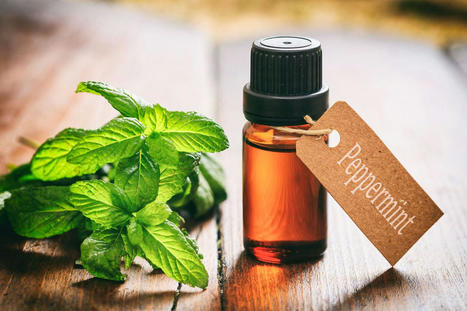



















Explore the world of whipped cream alternatives. Discover delicious dairy-free options that are perfect for any recipe. For answers to any questions you may have, call Dr. Alex Jimenez at 915-850-0900 or 915-412-6677