Solid tumors: latest on treaments and research pathways

glioblastoma, craniopharyngioma...

Your new post is loading...

Vaccine targets malignant brain cancer antigens, significantly lengthens survival

An experimental immune-based therapy more than doubled median survival of patients diagnosed with the most aggressive malignant brain tumor, researchers report.
No comment yet.

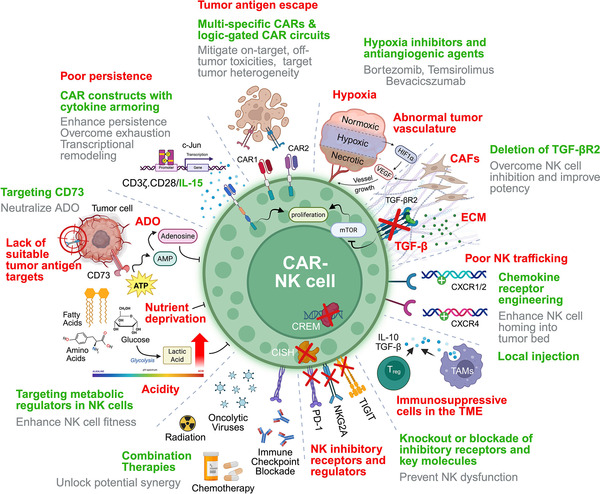
Advancing CAR-NK cell therapy in solid tumors: Current landscape and future directions - ScienceDirect

Chimeric antigen receptor (CAR)-engineered natural killer (NK) cells have emerged as a promising modern immunotherapeutic strategy, offering advantages over CAR-T cell therapy due to their innate cytotoxicity, safety profile, and potential for scalable, off-the-shelf allogeneic manufacturing. CAR-NK cells can be generated from multiple sources, with recent clinical studies demonstrating notable efficacy and lack of severe toxicity in hematologic malignancies. Nevertheless, the translation of this success to solid tumors is hampered by limited NK cell persistence, trafficking and infiltration challenges, and the hostile, immunosuppressive tumor microenvironment. This review provides a comprehensive synthesis of recent advances and innovations in CAR-NK cell engineering, addresses challenges posed by the solid tumor microenvironment, and highlights both rational preclinical strategies and early-phase clinical trials in solid tumors, underscoring the evolving and transformative promise of CAR-NK therapy for a broader range of human cancers in the near future.

No comment yet.

Engineering hope: biomaterial strategies against glioblastoma

Although FDA-approved drugs are effective, they cause systemic toxicity for their non-specific distribution in healthy organs and tissues, and for this reason, there is urgent need to use biomaterials to develop drug delivery systems to mitigate these side effects. In this context, biomaterials-based delivery systems offer clear advantages by enhancing drug bioavailability, solubility, stability, safety, and controlled release, thereby potentially enhancing therapeutic efficacy while minimizing off-target effects. Despite these advances, the field remains largely preclinical, and a gap persists between promising experimental outcomes and successful clinical implementation. Natural biomaterials, such as hyaluronic acid, alginate, gelatin, and collagen provide intrinsic biocompatibility and bioactivity, yet often suffer from batch variability and limited mechanical tunability. In contrast, synthetic polymers offer greater control over physicochemical properties and scalability but may raise concerns regarding long-term biocompatibility and degradation profiles. Moreover, a limited number of biomaterial-based systems successfully progress to clinical trials, often due to challenges related to their ability to overcome biological barriers such as BBB, stability, large-scale production, administration routes, and in vivo circulation.

No comment yet.

McMaster CAR T therapy eliminates glioblastoma in preclinical study

A next-generation CAR T cell immunotherapy targeting the urokinase receptor has eliminated treatment-resistant glioblastoma tumours in preclinical models.
No comment yet.

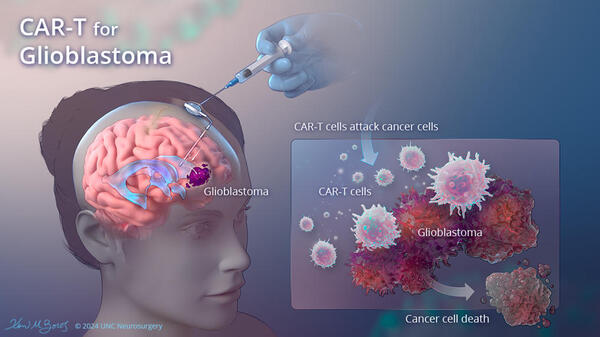
Phase I Clinical Trial Using CAR-T for Glioblastoma to Begin at UNC Medical Center

UNC Health is leading the way in glioblastoma treatment with a new clinical trial. The study will evaluate the safety and tolerability of CAR-T immunotherapy in patients with recurrent or progressive glioblastoma.

No comment yet.

Engineering Tumor Organoid Platforms for Precision Oncology

Organoids and Organ-on-a-Chip technology have been considered a paradigm shift in cell culture for over a decade. However, fundamental usability and logistics aspects have hampered widespread adoption, as both require deep biological expertise and cumbersome logistics of cell materials. MIMETAS has invested in productization of organoids in its perfused high throughput OrganoPlate platform. Its OrganoReady® product line comprises of 64 adult stem cell derived colon organoids grown as perfused tubules that are delivered ready-to-use to the bench of the scientist. Turnkey assays allow monitoring of barrier function under toxic and inflammatory challenges. New products for the kidney are available in early access, and next generation models comprising fully vascularized, stroma and immune competent liver, lung and tumor tissues are available in a services setting.

No comment yet.

Codelivery Material System of Polymer Microfiber Structures for Synergistic Localized Therapy of Glioblastoma 

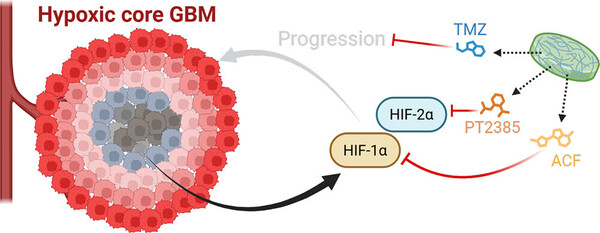
Glioblastoma is a highly aggressive brain tumor whose treatment has improved little over the past decade. We report on the synergistic effect of the FDA-approved anti-GBM drug (temozolomide) and inhibitors (acriflavine, PT2385) of hypoxia-inducible factors (HIFs) embedded into coaxial fiber membranes (NanoMesh). In vitro cytotoxicity has been evaluated for various glioma cell lines, and synergistic drug combinations have been identified. Preliminary animal studies with the three-drug-loaded NanoMesh indicate a significant improvement of median survival of >50 days and long-term (>120 days) survival rate of 40%, indicating the potential of this material platform as a translatable local GBM therapy.

No comment yet.

Personalized DNA Vaccine Doubles Glioblastoma Survival Rates

Researchers developed a personalized DNA cancer vaccine that has shown promising results in an early-stage clinical trial for glioblastoma. The study demonstrates that the vaccine, GNOS-PV01, is safe and elicits a broad immune response that appears to increase survival rates in patients with particularly aggressive, “unmethylated” forms of this incurable brain cancer.

No comment yet.

Glioblastoma vaccine shows early promise in boosting survival

A personalized glioblastoma vaccine appears safe and may help extend survival in early trial results. The treatment trains the immune system to attack multiple tumor targets, making it harder for the cancer to evade. Some patients lived longer than expected, including one who remains cancer-free nearly five years later.

No comment yet.

Innovative Glioblastoma Immunotherapy Treatment

Glioblastoma (GBM) is known for its aggressive biology. It can also demonstrate significant resistance to standard therapies. Therefore, before discussing "why" patients should consider immunotherapy (IT) for GBM, we would like to explain the unique challenges that glioblastoma cells can pose; the reasons why current GBM treatments often fail; and how utilizing the body's immune defenses can potentially increase survival of patients with brain tumors.
No comment yet.

La science du cancer cérébral du glioblastome

Le cancer du cerveau appelé glioblastome, un type de tumeur cérébrale vraiment difficile, pose de sérieux défis aux médecins et aux patients. Il est connu pour être agressif et difficile à traiter, revenant souvent même après un traitement. Cet article examine pourquoi le glioblastome est si difficile à traiter, ce qui le fait fonctionner au niveau cellulaire, et les nouvelles idées que les chercheurs explorent pour le combattre.

No comment yet.

Glioblastoma studies show promise

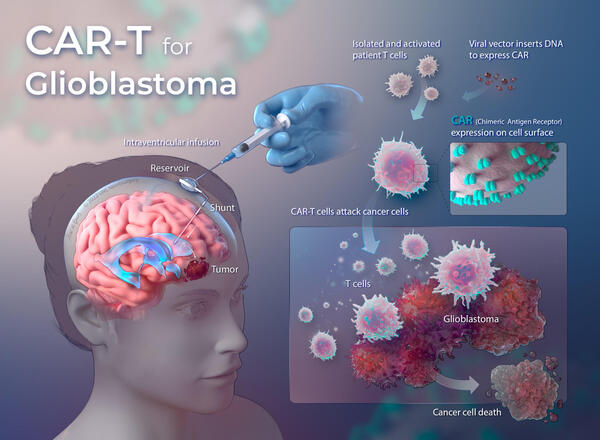
One UNC Healthclinical trialbegun in 2022 intends to evaluate the safety and patients’ toleration of chimeric antigen receptor T-cell therapy. The trial is treating patients whose cancer has not successfully responded to one or more treatments. 
The CAR-T process involves extracting specific immune cells from patients, engineering the cells in a lab to identify tumor cells displaying a specific molecular target, then re-infusing the cells to fight the patient’s brain tumor. Now programmed to have “chimeric antigen receptors” or CARs, the T-cells latch onto tumor cells and destroy them.  

No comment yet.

How the Challenges of Glioblastoma Treatment Highlight New Opportunities for Next-Generation Antibody Therapeutics 

Blood–brain barrier tight junctions, efflux transporters, and poor tissue diffusion necessitate systemic agents with improved CNS exposure, without relying on infeasible surgical completeness or inconsistent local delivery platforms. Intratumoral heterogeneity and antigen loss drive resistance to single-antigen biologics, supporting multispecific constructs that engage multiple targets and/or recruit effector cells to counter clonal evolution. Immunosuppressive GBM microenvironment limits checkpoint and CAR T efficacy via inhibitory cytokines, Treg activity, and PD-L1 upregulation, motivating therapeutics that locally modulate immune function.

No comment yet.

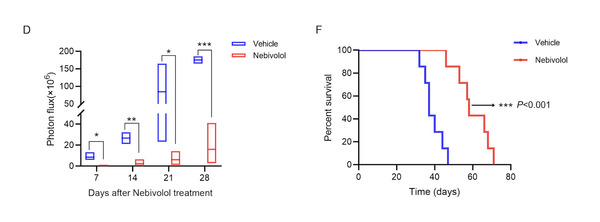
Nebivolol suppresses glioblastoma progression via dual modulation of mitochondrial metabolism and AKT/mTOR/4EBP1 signaling axis

Emerging evidence reveals the pivotal involvement of mitochondrial metabolic dysregulation in glioblastoma (GBM) pathogenesis, considering mitochondrial metabolism as a potential therapeutic target. Nebivolol, a third-generation β-adrenergic receptor antagonist clinically employed in cardiovascular diseases, has recently exhibited notable anti-neoplastic properties. Nevertheless, its therapeutic efficacy and mechanistic underpinnings in GBM remain largely unexplored. In this investigation, we comprehensively assessed the impact of nebivolol on GBM cellular proliferation and elucidated its molecular mechanisms. Our findings revealed that nebivolol markedly suppressed the proliferation and clonogenic abilities of multiple GBM cell lines, concomitant with cell cycle arrest and apoptotic induction.

No comment yet.

New outlook on the diagnosis, treatment and follow-up of childhood-onset craniopharyngioma 

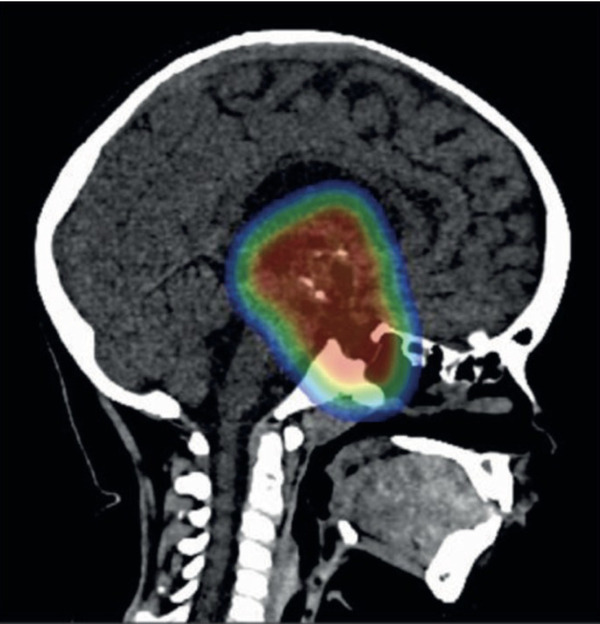
The clinical, neuroradiological and surgical definition of hypothalamic involvement is a fundamental factor related to poor postoperative outcome, progressive obesity and neuropsychological impairment in children after surgical removal of craniopharyngioma
The previously assumed 'gold-standard' objective of a primary radical removal of the lesion in all cases needs to be replaced with the new paradigm of a limited resection plus focused radiotherapy in patients with craniopharyngioma and hypothalamic lesions

No comment yet.

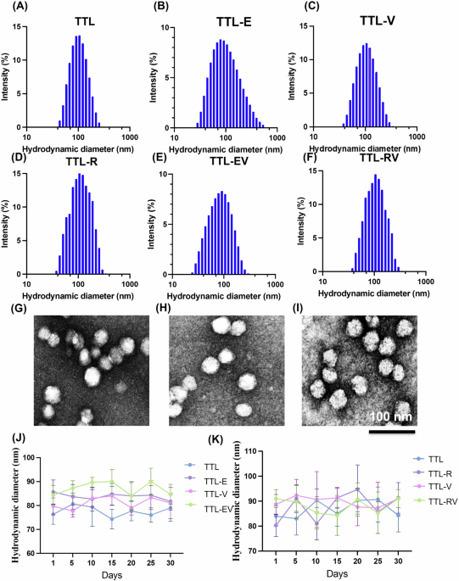
Surface-engineered dual drug-loaded tumor-targeted liposomal nanoparticles to overcome the therapeutic resistance in glioblastoma multiforme 

Glioblastoma (GBM) is the most common high-grade primary malignant brain tumor, characterized by a notably poor prognosis. Current treatments for GBM have shown limited effectiveness in improving patient survival, highlighting the urgent need for effective therapeutic strategies. Combination therapy offers significant potential in overcoming resistance by targeting multiple signaling pathways; however, it often comes with increased toxicity compared to monotherapy. Co-encapsulating multiple therapeutic agents into a tumor-targeted drug delivery platform holds promise for overcoming these limitations and improving treatment outcomes.

No comment yet.

L-RNA Aptamer Enhances Glioblastoma Therapy in GLORIA Trial

In an unprecedented advancement in glioblastoma treatment, a groundbreaking phase I/II clinical trial known as GLORIA has unveiled promising results combining L-RNA aptamer-based CXCL12 inhibition with radiotherapy and bevacizumab in newly diagnosed patients. This innovative therapeutic approach targets the molecular microenvironment of glioblastoma, offering renewed hope in a field long hindered by the aggressive nature and poor prognosis of this brain malignancy. The recently expanded trial, detailed in a 2026 publication in Nature Communications by Giordano et al., marks a significant milestone in neuro-oncology, especially by leveraging molecular precision to overcome resistance mechanisms intrinsic to glioblastoma.

No comment yet.

GAD1 Halts Glioblastoma via GSK3β/β-Catenin Pathway

In a groundbreaking study set to reshape our understanding of glioblastoma progression, researchers have identified glutamate decarboxylase 1 (GAD1) as a critical suppressor of this aggressive brain tumor through modulation of the GSK3β/β-catenin signaling pathway. Glioblastoma, notorious for its rapid growth and poor prognosis, remains one of the most challenging malignancies to treat effectively. This discovery opens new avenues for therapeutic intervention targeting the molecular underpinnings driving tumor proliferation and invasiveness.

No comment yet.

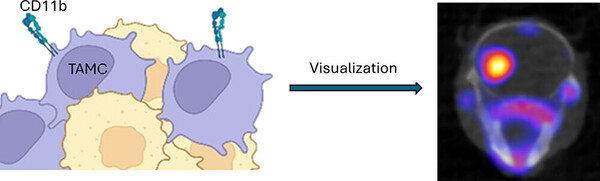
[64Cu]Cu-Labeled αCD11b Diabody as a Novel PET Tracer for the Detection of Immunosuppression in Glioblastoma 

[64Cu]Cu-αCD11b Db is a high-affinity and stable diabody, which can quantify CD11b-positive TAMCs in the tumor microenvironment, particularly when the molar activity of the administered [64Cu]Cu-αCD11b Db is optimized for managing the CD11b antigen sink in the spleen, liver, and bone marrow.

No comment yet.

Dual phagocytosis-checkpoint blockade revitalizes immune surveillance in mouse models of glioblastoma

Macrophage-mediated phagocytosis of tumor cells elicits potent antitumor immunity. Nonetheless, sole-blockade of the anti-phagocytosis molecule CD47 has yielded insufficient therapeutic outcomes. Here, we report that glioblastoma (GBM) cells expressed abundant levels of phagocytosis checkpoint CD24. We further show that dual blockade of CD24 and CD47 synergistically enhances the pro-phagocytic activity of macrophages, thereby improving tumor antigen cross-presentation and activating the cyclic GMP-AMP synthase–stimulator of interferon genes (cGAS-STING) pathway. This innate immune activation facilitates T cell infiltration into tumors and sensitizes tumors to anti-PD1 therapy, improving survival outcomes in murine GBM models, including immunosuppressive tumors reflecting human GBM-like features. Thus, our results indicate that dual-phagocytosis checkpoint blockade offers a promising therapeutic avenue to potentiate cancer immunotherapy.

No comment yet.

A phase I-II study of niacin in patients with newly diagnosed glioblastoma: safety and interim phase II analysis 

Survival of patients with glioblastoma (GB) treated with standard of care (SOC) surgery, radiotherapy, and temozolomide is 15 months with progression free survival at 6 months (PFS-6 M) of 53.9%. In vivo studies showed increased survival in mice with GB treated with niacin. This is a first in human Phase I-II study aiming to evaluate safety and efficacy of controlled-release niacin (NiacinCRT ™) added to SOC.

No comment yet.

Woman shares unlikely survival journey after migraines led to glioblastoma diagnosis: "I am truly an outlier"

Valle said she had no side effects from participating in the trial. Four years after her diagnosis with glioblastoma, she has no evidence of disease. It's a rare positive outcome for a disease that kills most patients within 18 months.  "I am truly an outlier," Valle, now 41, said. 

No comment yet.

A Mussel-Inspired Bioadhesive Patch to Selectively Kill Glioblastoma Cells

Our work introduces for the first time the use of novel bioinspired membranes designed as a potential patch platform for localized intervention in glioblastoma after surgery, representing a promising advancement in this field. Despite the rapid growth in mussel-inspired research, this work is distinctly innovative. Unlike the common hydrogel and coatings focus, our solid, free-standing bioadhesive membranes could offer a unique solution for glioblastoma treatment. Moreover, their selective toxicity against cancer cells, while sparing healthy astrocytes in vitro, highlights their potential for a novel and targeted application. Our bioinspired membrane addresses critical challenges such as adhesion in humid environments, infection prevention, and biocompatibility. The adhesive properties of the membrane ensure it stays in place, allowing for the sustained delivery of the localized cytotoxic effect to the affected area. This novel approach offers a localized and sustained therapeutic concept based on ROS modulation, that could complement the current glioblastoma treatment paradigm.

No comment yet.

Taming Tumor Chaos: Researchers Uncover Key to Improving Glioblastoma Treatment

When glioblastoma tumors are treated with chemotherapy, levels of miR-181d drop. This drop amplifies the differences among individual cells within the tumor, thereby allowing more cells to make more MGMT and survive treatment. The research team found that administering miR-181d into the tumor can reduce this effect, making the cancer cells behave more uniformly, and importantly, more likely to respond to chemotherapy.

No comment yet.

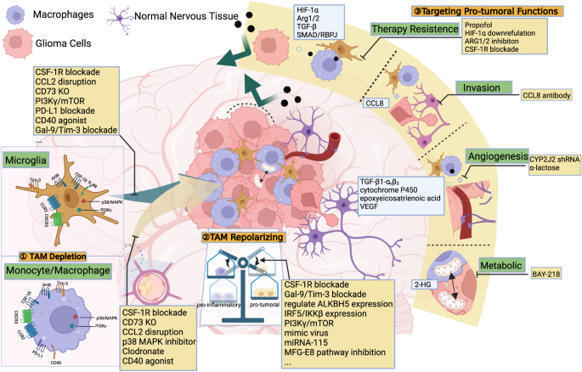
Tumor-associated macrophage-related strategies for glioma immunotherapy | npj Precision Oncology

High-grade glioma is one of the deadliest primary tumors of the central nervous system. Despite the many novel immunotherapies currently in development, it has been difficult to achieve breakthrough results in clinical studies. The reason may be due to the suppressive tumor microenvironment of gliomas that limits the function of specific immune cells (e.g., T cells) which are currently the primary targets of immunotherapy. However, tumor-associated macrophage, which are enriched in tumors, plays an important role in the development of GBM and is becoming a research hotspot for immunotherapy. This review focuses on current research advances in the use of macrophages as therapeutic targets or therapeutic tools for gliomas, and provides some potential research directions.

No comment yet.

Glioblastoma Is the Most Aggressive Brain Cancer and May One Day Be Treated With a Common HIV Drug

Ongoing research is trying to change that. A team of scientists from McMaster University and the Hospital for Sick Children (SickKids) in Canada has now identified an inconspicuous type of brain cell that reprograms its communication to support glioblastoma growth. When knocked out in experiments, cancer growth slowed down.
Not only did they discover a critical role for a brain cell type previously thought to be harmless in cancer development, but they also matched it with a drug already on the market. According to the study published in Neuron, the approved HIV medicine Maraviroc extended the lifespan of mice with glioblastoma, demonstrating that the researchers uncovered a potential target to treat a devastating disease.

No comment yet.