Your new post is loading...

|
Scooped by
Servicio de Geriatría
April 16, 2025 5:28 AM
|
Abstract. Background: Comprehensive “senior-friendly hospital” (SFH)-programs have been developed to counteract negative health outcomes in hospitalized older adults. The aim of this narrative review was to provide an overview of published SFH-programs and their elements and to summarize evidence of their effect on quality of care and patient satisfaction. Summary: A search of the databases Pubmed/Medline from inception to July 2023 and of governmental, regional, and hospital websites was performed. Programs were earmarked as SFH-programs if they primarily focused on the hospital setting, and comprised a hospital wide, multilevel approach and consisted of multiple elements. Articles and reports were included if participants were hospitalized and aged 60 years and older, and described the effect on quality of care or patient satisfaction. Articles focusing on specific patient groups or wards or on a health system or network were excluded. Ten SFH-programs were identified, with mutual elements like “organizational support,” “social climate and services,” “processes of care,” and “physical environment.” Only for the “Acute Care for Elders” program (USA), evidence was found showing positive effects on functional abilities, falls, delirium, length of stay, and patient satisfaction; effectiveness of other SFH-programs could not be found. Key Message: Elements of SFH-programs may improve care for hospitalized older adults, but the evidence of their effectiveness is scarce.
|
|
Scooped by
Servicio de Geriatría
April 16, 2025 4:38 AM
|
Early research reported that older adults who stopped walking when they began a conversation were more likely to fall in the future. As a systematic measure of dual-task performance, Verghese and colleagues developed the Walking While Talking (WWT) test, in which a person walks at a normal pace while reciting alternate letters of the alphabet. The present paper highlights key findings from the 2 decades of research using the WWT test.
|
|
Scooped by
Servicio de Geriatría
April 16, 2025 4:27 AM
|
Kandel B, Field C, Kaur J, Slawson D, Ouslander JG. JAMDA 2025;26:105288. Introducción: Hasta un 20% de pacientes ingresados en centros de media estancia son rehospitalizados en los primeros 30 días. Este estudio propone un modelo predictivo para anticipar hospitalización o muerte en los siguientes 7 días, facilitando intervenciones tempranas. Métodos: Estudio retrospectivo con datos de más de 5,6 millones de pacientes en 8440 centros sociosanitarios en EE. UU., a través del sistema PointClickCare. Se empleó aprendizaje automático (LightGBM) alimentado con datos clínicos reales (constantes, diagnósticos, analíticas, ingesta y notas de evolución). Se comparó con la predicción de enfermeras y gestores de casos. Resultados: El modelo obtuvo AUC = 0.75, sensibilidad 35%, especificidad 92% y valor predictivo positivo (PPV) del 18%. Las predicciones clínicas (enfermeras y gestores) fueron menos precisas (PPV ≈10%). La inclusión de notas clínicas y registros de alimentación mejoró significativamente el rendimiento del modelo. • Discusión: El modelo supera a la predicción humana sin requerir más tiempo del personal. Ofrece una herramienta objetiva para focalizar recursos clínicos en pacientes con mayor riesgo de eventos adversos inminentes. Puede integrarse en programas de reducción de reingresos.
|
|
Scooped by
Servicio de Geriatría
April 11, 2025 3:09 AM
|
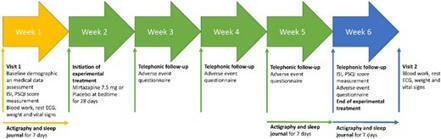
AbstractBackground. Mirtazapine promotes sleep by blocking serotonin and histaminergic receptors and is often used off-label to treat chronic insomnia. How
|
|
Scooped by
Servicio de Geriatría
April 11, 2025 2:56 AM
|
Introducción:
El colapso de los servicios de urgencias impulsa nuevas estrategias de atención aguda a personas institucionalizadas. El Hospital Móvil en Finlandia ofrece atención aguda a residentes en residencias, evitando derivaciones innecesarias al hospital. Métodos:
Estudio observacional pre–post de 6 meses (2018 vs 2019) con benchmarking nacional. Se analizaron visitas a urgencias, hospitalizaciones, reingresos, mortalidad y costes. Resultados:
Las visitas a urgencias se redujeron un 22%, las hospitalizaciones en hospitales primarios un 38%, y las actuaciones del SEM un 16%. El coste anual estimado por residente bajó 686 €, y el ahorro total anual fue de 934.908 €. En benchmarking nacional, mientras las visitas urgentes aumentaban en otras ciudades, en Espoo descendían. Discusión:
El modelo es eficaz y coste-efectivo como parte de una intervención multicomponente que incluye planificación anticipada, disponibilidad telefónica y capacidad de atención aguda in situ. Los beneficios clínicos no implicaron un aumento de mortalidad ni reingresos.
|
|
Scooped by
Servicio de Geriatría
January 12, 2025 12:09 PM
|
Osteoarthritis is a heterogeneous disorder that is increasingly prevalent largely due to aging and obesity, resulting in a major disease burden worldwide. Knowledge about the underlying aetiology has improved, with increased understanding of the role
of genetic factors, the microbiome, and existence of different pain mechanisms. However, this knowledge has not yet been translated into new treatment options. New evidence questioned the efficacy of recommended treatments, such as therapeutic exercise
programmes and the focus on weight loss, but managing obesity and maintaining activity emain important for the prevention and management of osteoarthritis.
|
|
Scooped by
Servicio de Geriatría
January 12, 2025 11:58 AM
|
This JAMA Clinical Guidelines Synopsis summarizes the 2023 ACC/AHA/ACCP/HRS guideline for the diagnosis and management of atrial fibrillation.
|
|
Scooped by
Servicio de Geriatría
January 12, 2025 11:48 AM
|
Chronic venous insufficiency is mainly due to venous hypertension, the cause of which can be structural or functional. Treatment is aimed at decreasing venous hypertension through conservative
|
|
Scooped by
Servicio de Geriatría
December 4, 2024 11:00 AM
|
Due to the high prevalence of older individuals with multiple morbidities, polypharmacy, and exposed to unnecessary or inappropriate treatments that can cause potentially serious adverse effects, better medication management should be an objective of all health professionals. This is particularly important in older patients with hypertension.
Antihypertensive deprescribing and non-pharmacological
strategies have been disseminated as viable and safe alternatives for improving the quality of care for hypertension in the older population.
|
|
Scooped by
Servicio de Geriatría
December 4, 2024 9:43 AM
|
Skilled therapies (STs), including audiology, speech-language therapy, occupational therapy, and physical therapy, can address functional deficits in dementia. This study aims to quantify the association between ST and successful discharge after heart failure (HF) hospitalization in persons living with dementia.
|
|
Scooped by
Servicio de Geriatría
December 3, 2024 6:58 AM
|
The study did demonstrate differences, in favour of ERS+SMS, buton SPPB these were small, and not sustained over time. The additional effect of SMS was inconsistent and uncertain.
|
|
Scooped by
Servicio de Geriatría
December 3, 2024 6:54 AM
|
This paper aims to present a review of current performance measures for pain to inform physicians, payers, and policymakers in their selection and use of performance measures. The PMC reviewed 6 performance measures for pain relevant to internal medicine physicians, of which 3 were considered valid at their intended levels of attribution (“Use of Imaging for Low Back Pain,” “Use of Opioids at High Dosage in Persons Without Cancer,” and “Use of Opioids From Multiple Providers in Persons Without Cancer”). This paper also proposes a performance measure concept to address a quality-of-care gap based on the current clinical guideline from ACP and the American Academy of Family Physicians, “Nonpharmacologic and Pharmacologic Management of Acute Pain From Non–low Back, Musculoskeletal Injuries in Adults.”
|
|
Scooped by
Servicio de Geriatría
December 3, 2024 6:38 AM
|
Critical Reading of the Paper on Alzheimer's Disease Treatments The paper provides a comprehensive overview of current and upcoming treatments for Alzheimer’s disease, discussing their mechanisms, clinical trial stages, and potential for rollout. It examines the rejection of lecanemab and donanemab by NICE, highlighting cost-effectiveness and safety concerns, while underscoring optimism for their role in paving the way for better drugs. Emerging therapies like trontinemab and remternetug show promise in targeting amyloid proteins, with potential delivery improvements like injection pens to enhance accessibility and reduce costs. Other novel approaches, such as ALZ-801 for ApoE4 carriers, BIIB080 targeting tau proteins, and semaglutide repurposed from diabetes treatment, reveal diverse strategies aimed at addressing different aspects of Alzheimer's pathology. However, the paper critically notes gaps in healthcare readiness for these treatments, emphasizing the need for systemic changes, early diagnosis, and affordable drug administration strategies. It also highlights the importance of strong political leadership and collaboration between healthcare systems and industry. While optimistic about advancements, the paper maintains a realistic perspective, acknowledging the hurdles in scaling treatments for broader populations. This analysis adeptly balances the promise of innovation with a grounded view of challenges, making it an insightful resource for understanding Alzheimer's treatment development. Yet, a deeper exploration of non-pharmacological interventions and patient-centered care strategies would add value to the discourse, providing a holistic view of tackling Alzheimer's disease.
|
|
|
Scooped by
Servicio de Geriatría
April 16, 2025 4:40 AM
|
Little information exists on whether nationwide efforts to reduce antipsychotic use among nursing home (NH) residents with Alzheimer's disease and related dementias improved mortality and hospitalization outcomes for residents. Our objective was to examine the effect of NH decreases in antipsychotic use on outcomes for residents with Alzheimer's disease and related dementias.
|
|
Scooped by
Servicio de Geriatría
April 16, 2025 4:30 AM
|
Hip osteoarthritis and knee osteoarthritis cause significant disability and pain inolder adults, often leading to hip or knee replacement surgery. Prehabilitation programs have been established for these surgeries, but there are few programs for orthogeriatrics.
We evaluated the feasibility of a new multimodal prehabilitation program (MPP) for older adults before hip or knee replacement due to arthrosis: the Prehabilitation for Os (PRE4OS) study.
|
|
Scooped by
Servicio de Geriatría
April 11, 2025 6:38 AM
|
AbstractBackground. The electronic frailty index (eFI) is nationally implemented into UK primary care electronic health record systems to support routine i
|
|
Scooped by
Servicio de Geriatría
April 11, 2025 3:06 AM
|
The identified factors influencing gait recovery include both non-modifiable factors [such as younger age, pre-fracture independence in activities of daily living, absence of cognitive impairment, fewer comorbidities and lower anaesthetic risk] and modifiable factors, including rehabilitation treatments, organisational factors, absence of delirium, orthogeriatric co-management, surgical factors such as implant type and unrestricted weight-bearing, better nutritional status and strength, and reduced polypharmacy. We believe the latter should be prioritised in managing patients with hip fractures to achieve optimal recovery.
|
|
Scooped by
Servicio de Geriatría
April 11, 2025 2:50 AM
|
One of the defining features of the common presentations in geriatric medicine (or geriatric giants, as they are frequently termed) is how they tend to cluster together in the same individuals. The development of one tends to rapidly lead to another and then another. In this issue, a systematic review and meta-analysis of the relationship between falls and delirium finds evidence that the relationship is bi-directional and potentially complex [1]. The authors found plenty of room for improvement in the evidence base. For now, the message to clinicians is to ensure to look carefully for the presence of falls and delirium in those presenting with either one.
|
|
Scooped by
Servicio de Geriatría
January 12, 2025 12:00 PM
|
This narrative review explores treatment with surgical aortic valve replacement vs transcatheter aortic valve implantation in older adults with severe symptomatic calcific aortic stenosis, including the type and timing of valve replacement.
|
|
Scooped by
Servicio de Geriatría
January 12, 2025 11:51 AM
|
Heart failure with preserved ejection fraction is noted for symptoms of heart failure, LVEF of at least 50%, and cardiac or structural abnormalities. Treatment includes diuretics and SGLT2 inhibitors.
|
|
Scooped by
Servicio de Geriatría
January 12, 2025 11:46 AM
|
Sepsis is a life-threatening, heterogeneous disorder involving a dysregulated immune response to infection. Research to identify subtypes and targeted therapies for host dysregulation is ongoing.
|
|
Scooped by
Servicio de Geriatría
December 4, 2024 10:13 AM
|
Hospital-at-home (HaH) has emerged as an alternative to conventional in-hospital care in older adults, possibly reducing hospital admissions and related complications.
This study aimed to describe the characteristics and outcomes of patients referred to “Gruppo di Intervento Rapido Ospedale-Territorio” (GIROT), a HaH service based on comprehensive geriatric assessment, developed in Florence, Italy, during the postpandemic period.
|
|
Scooped by
Servicio de Geriatría
December 3, 2024 7:00 AM
|
Principales hallazgos y aspectos destacados: -
Definición y alcance: - El DAH se refiere a la pérdida de masa muscular, fuerza y función cognitiva durante la hospitalización.
- Aunque es potencialmente reversible, las consecuencias a largo plazo pueden ser devastadoras, incluyendo aumento del riesgo de mortalidad, deterioro funcional y necesidad de cuidados continuos.
-
Aspectos físicos: - La sarcopenia aguda (pérdida muscular rápida) es común y a menudo causada por reposo prolongado, inflamación, resistencia anabólica y desnutrición.
- Esto puede llevar a complicaciones como disfunción de órganos, dificultad para deglutir (disfagia sarcopénica) y mayor riesgo de caídas.
-
Impactos cognitivos: - Delirium y deterioro cognitivo subyacente son frecuentes, exacerbados por la inflamación, medicamentos psicotrópicos y estrés hospitalario.
- El delirium puede tener efectos duraderos, como aumento del riesgo de demencia y deterioro funcional.
-
Enfoque integral: - El DAH es un síndrome multisistémico que también afecta la piel, sistema gastrointestinal y cardiovascular.
- Factores como el reposo prolongado contribuyen a estreñimiento, úlceras por presión y dificultades de movilización.
-
Estrategias de intervención: - Se destaca el uso de herramientas como el "Frailty Care Bundle", que integra movilización temprana, nutrición adecuada y estimulación cognitiva.
- Modelos innovadores incluyen programas de ejercicio personalizados, estimulación cognitiva basada en tecnología y suplementos nutricionales específicos.
- La colaboración interdisciplinaria y el uso de datos en tiempo real para predecir riesgos son clave para la implementación.
-
Importancia de la prevención: - La intervención temprana y estrategias multidimensionales son esenciales para minimizar los efectos del DAH y mejorar los resultados a largo plazo.
- Cambios en el diseño hospitalario, mayor formación del personal y enfoques centrados en el paciente también son cruciales.
|
|
Scooped by
Servicio de Geriatría
December 3, 2024 6:56 AM
|
The global ageing population presents a multifaceted reality marked by an increasing incidence of cancer among older individuals [1]. In this age group, pa
|
|
Scooped by
Servicio de Geriatría
December 3, 2024 6:53 AM
|
Dementia, or major neurocognitive disorder, is defined as a decline in 1 or more cognitive domains that causes impairment in everyday function. Alzheimer disease is the most common type of dementia in the United States, with an estimated 6.9 million adults who have Alzheimer disease and are 65 years or older. This article discusses the latest findings in preventing cognitive decline. It also discusses dementia screening, diagnosis, treatment, and the quality of life for persons with dementia and their caregivers.
|