 Your new post is loading...
Many people ask this because they feel tired, foggy, bloated, or “run down.” The short answer is yes—sometimes, but not because your body needs a trendy cleanse or a harsh juice fast. A better way to think about it is this: your body already has a built-in detox system (mainly the liver, kidneys, gut, lungs, and skin). What helps energy is supporting those systems and reducing the load from processed foods, alcohol, poor sleep, dehydration, and ongoing inflammation (Alexander, 2020; Healthline, 2024). So, detoxing can improve energy levels when it means: -
eating more whole foods -
drinking more water -
reducing alcohol and added sugar -
improving sleep and digestion -
lowering inflammatory food triggers -
getting personalized guidance when needed That is very different from extreme detox products that promise miracles. The Most Important Fact: Your Body Already Detoxes Itself This is where much of the confusion starts. Major medical and nutrition sources agree that the body is designed to detox on its own. MD Anderson explains that the liver is the body’s detoxification “machine,” and that the body does not need a detox program to perform basic detoxification (Alexander, 2020). Healthline also notes that the body can cleanse itself without detox diets (Bjarnadottir, 2024). That means “detoxing” should not mean trying to replace your body’s detox systems. It should mean supporting them. A better goal is: -
reduce what overwhelms the body -
increase what supports normal metabolism -
improve recovery, sleep, digestion, and hydration -
use evidence-based care—not hype So, Why Do Some People Feel More Energy After a “Detox”? Even though detox diets are often overhyped, many people do report more energy. That usually happens for practical reasons, not magic reasons. MD Anderson notes that when people switch to a healthier, plant-forward eating pattern, they often experience benefits such as increased energy, improved digestion, and reduced inflammation (Alexander, 2020). Mass General also explains that there is little evidence for strict “cleansing” products, but there are ways to help the body detox more efficiently through food choices (Gelsomin, 2020). Here’s why energy may improve: You reduce fatigue-triggering foods When people cut back on alcohol, refined sugar, ultra-processed foods, and late-night heavy eating, they often experience fewer blood sugar swings and less digestive stress. That can help with daytime energy and brain fog (BDA, 2025; University of Wisconsin Integrative Medicine, n.d.). You improve hydration Even mild dehydration can worsen fatigue, headaches, and concentration. Detox plans that emphasize fluids may improve energy partly because people are finally hydrating well (University of Wisconsin Integrative Medicine, n.d.; Cenikor, 2024). You eat more fiber and plant foods Mass General explains that fiber helps bind compounds and move them out through stool, while also supporting healthy gut bacteria (Gelsomin, 2020). Better bowel regularity and gut function can improve comfort, reduce bloating, and support energy (Gelsomin, 2020). You lower inflammation and support nutrient intake A more whole-food pattern usually means more vitamins, minerals, and phytonutrients. IFM and MD Anderson both describe how nutrition can support detoxification pathways and reduce the inflammatory burden, which may help people feel better overall (IFM, 2025; Alexander, 2020). You sleep better When people reduce caffeine, alcohol, and processed foods and build a calmer routine, sleep often improves. Better sleep alone can dramatically improve energy and mental clarity (University of Wisconsin Integrative Medicine, n.d.; Cenikor, 2024). What Science Supports (and What It Does Not) This is the part that matters most. What is supported Research and clinical nutrition guidance support the idea that food choices can influence detoxification pathways and overall metabolic function. A scientific review in Evidence-Based Complementary and Alternative Medicine found that foods and food-derived compounds may help modulate detoxification pathways, including liver enzyme systems and antioxidant pathways, while also noting the need for careful, personalized use and more human research (Hodges & Minich, 2015). IFM also notes that foods and nutrients may support liver biotransformation and elimination, and that a personalized, practitioner-guided plan is important—especially because some dietary components can affect medications (IFM, 2025). What is not supported There is no strong evidence that expensive detox teas, extreme juice cleanses, colon cleanses, or supplement stacks are necessary or effective for “removing toxins” in healthy people. Healthline, MD Anderson, and the British Dietetic Association all warn that many detox claims are exaggerated and lack strong evidence (Bjarnadottir, 2024; Alexander, 2020; BDA, 2025). The BDA even calls detox diets a “marketing myth” and says benefits are often short-lived (BDA, 2025). How Detoxing Can Improve Energy in a Realistic, Safe Way If your goal is more energy, think in terms of a reset instead of a harsh detox. A practical “energy detox” approach Here is a safer, more evidence-aligned approach: Mass General specifically highlights fiber- and sulfur-rich foods (such as garlic, onions, and cruciferous vegetables) as ways to support the body’s natural detoxification (Gelsomin, 2020). IFM also discusses cruciferous vegetables, berries, and other phytonutrient-rich foods in relation to detox pathways (IFM, 2025). Why Brain Fog Often Improves Too People often say, “I have more energy,” but what they really mean is: -
less brain fog -
better focus -
fewer afternoon crashes -
better mood -
less bloating/heaviness This can happen because a cleaner diet pattern may improve: MD Anderson notes that switching to a healthier plant-based eating pattern can deliver many of the benefits that detox products claim, including more energy and reduced inflammation (Alexander, 2020). A Quick Reality Check: “Detox Symptoms” Can Happen Some people feel worse before they feel better—especially if they suddenly stop caffeine, sugar, alcohol, or heavily processed foods. The University of Wisconsin Integrative Medicine handout and other detox resources note that temporary fatigue, headaches, or mood changes can occur, often related to dehydration, low blood sugar, or withdrawal from common substances such as caffeine and sugar (University of Wisconsin Integrative Medicine, n.d.). Cenikor also describes early fatigue and discomfort during detox transitions, though its detox content is focused on substance recovery settings (Cenikor, 2024). That is one reason extreme detoxes are not ideal. Signs your “detox” is too aggressive Stop and get medical guidance if you have: MD Anderson also warns that strict detox regimens can cause electrolyte imbalance, deficiencies, GI problems, and fatigue (Alexander, 2020). The Best Energy Detox Is Personalized This is where functional medicine and integrative care can help. Instead of using a one-size-fits-all detox plan, a clinician can look for the real reasons your energy is low, such as: -
poor sleep -
iron deficiency -
thyroid issues -
high stress/cortisol dysregulation -
insulin resistance -
poor gut health -
dehydration -
medication side effects -
nutrient deficiencies -
chronic pain or inflammation -
overtraining or under-recovery -
environmental exposures IFM emphasizes evaluating toxic exposures and building a personalized strategy with a patient-practitioner partnership, not just a generic plan (IFM, 2025). BioFunctional Health also describes a root-cause approach using diagnostics and personalized interventions for low energy (BioFunctional Health Solutions, n.d.). Clinical Observations from Dr. Alexander Jimenez’s Integrative Approach Dr. Alexander Jimenez’s published clinical profile and practice descriptions align well with this personalized, whole-body approach. On his clinical website, he identifies as a DC, APRN, FNP-BC, CFMP, and IFMCP, and describes an integrative model that combines chiropractic care, functional medicine, and personalized assessments of lifestyle, nutrition, environmental exposures, and other root-cause factors (Jimenez, n.d.). His site also explains that his clinic uses: -
detailed health assessments -
evaluation of environmental exposures -
functional medicine programs -
personalized care plans -
multidisciplinary support (including rehab and integrative therapies) That is important because low energy is rarely caused by a single factor. In real practice, fatigue often shows up with: -
pain -
poor sleep -
stress -
gut issues -
inflammation -
reduced movement -
poor recovery habits A dual-licensed clinician (chiropractic + nurse practitioner) can look at both structure (pain, mobility, biomechanics) and metabolic/medical factors (labs, nutrition, medication issues, chronic disease risk). This kind of combined view is often more useful than a short-term detox challenge. What a Smarter “Detox for Energy” Plan Looks Like (7–14 Days) Here is a practical example you can use as a starting point. Focus on what to remove Temporarily reduce or avoid: -
alcohol -
sugary drinks -
candy/desserts -
fast food -
fried foods -
processed snacks -
excess caffeine -
late-night heavy meals Focus on what to add Eat more of: Daily habits that support energy -
10–20 minute walk after meals -
regular sleep/wake times -
sunlight in the morning -
lighter dinners -
simple breathing or stress-reduction routine -
symptom tracking (energy, focus, sleep, digestion) This style of plan is much more likely to improve energy safely than a harsh cleanse. When You Should Get Medical Help Instead of Doing a Detox If fatigue is significant, lasting, or getting worse, don’t assume it is “toxins.” See a clinician if you have: -
fatigue lasting more than 2–4 weeks -
unexplained weight loss -
chest pain -
shortness of breath -
black stools or blood in stool -
major swelling -
fainting -
severe headaches -
depression symptoms -
new numbness/weakness -
known diabetes or kidney disease -
pregnancy -
a history of eating disorders Also, if you take prescriptions, be careful with detox supplements or fasting plans. IFM notes that dietary components that affect liver enzymes may alter how some medications work (IFM, 2025). Bottom Line Yes, detoxing can improve energy levels—but mostly when “detoxing” means an evidence-based reset that supports your body’s natural detox systems. The biggest energy gains usually come from: -
cutting processed foods and sugar -
reducing alcohol -
improving hydration -
eating more fiber and plant foods -
improving sleep -
lowering inflammation -
using a personalized plan What usually does not help: expensive cleanses, extreme fasting, and miracle detox products. The most effective approach is a root-cause, personalized plan, especially if fatigue is chronic or linked to pain, digestion, inflammation, or metabolic issues. That is where integrative clinicians—such as those trained in chiropractic, nursing, and functional medicine—can make a real difference through assessment, monitoring, and tailored treatment. References -
Alexander, H. (2020, October 26). 4 detox myths: Get the facts. MD Anderson Cancer Center. -
BioFunctional Health Solutions. (n.d.). Energy Improvement Therapies. BioFunctional Health Solutions. -
British Dietetic Association. (2025). Detox Diets. BDA Food Factsheet. -
Bjarnadottir, A. (2024, April 24). Do Detox Diets and Cleanses Really Work?. Healthline. -
Cenikor Foundation. (2024, November 14). What to Expect During Detox. Cenikor. -
Gelsomin, E. (2020, August 26). How to Detox Through Diet. Mass General Giving. -
Hodges, R. E., & Minich, D. M. (2015). Modulation of Metabolic Detoxification Pathways Using Foods and Food-Derived Components: A Scientific Review with Clinical Application. Evidence-Based Complementary and Alternative Medicine. -
Institute for Functional Medicine. (2025, October 7). Supporting Liver Function With Nutrition. IFM. -
Institute for Functional Medicine. (n.d.). Toxins & Detoxification. IFM. -
Jimenez, A. (n.d.). Dr. Alex Jimenez DC | APRN, FNP-BC | El Paso Integrative & Injury Care. DrAlexJimenez.com. -
University of Wisconsin Integrative Medicine. (n.d.). Detoxification to Promote Health (Patient Handout). Department of Family Medicine and Community Health, University of Wisconsin. -
Women’s Health Network. (2025, November 3). 4 Gentle Energy-Boosting Detox Tips. Women’s Health Network. The information herein is not intended to replace a one-on-one relationship with a qualified healthcare professional or licensed physician and is not medical advice. We encourage you to make healthcare decisions based on your research and partnership with a qualified healthcare professional. Our information scope is limited to chiropractic, musculoskeletal, and physical medicine, as well as wellness, sensitive health issues, and functional medicine articles, topics, and discussions. We provide and facilitate clinical collaboration with specialists across disciplines. Each specialist is governed by their professional scope of practice and the jurisdiction in which they are licensed to practice. We utilize functional health and wellness protocols to treat and support care for musculoskeletal injuries or disorders. Our videos, posts, topics, subjects, and insights cover clinical matters and issues that directly or indirectly support our clinical scope of practice. Our office has made a reasonable effort to provide supportive citations and identify relevant research studies for our posts. We provide copies of supporting research studies upon request to regulatory boards and the public. We are here to help you and your family. Blessings Dr. Alex Jimenez, DC, MSACP, APRN, FNP-BC*, CCST, IFMCP, CFMP, ATN email: coach@elpasofunctionalmedicine.com
Multidisciplinary Licensing & Board Certifications:
Licensed as a Doctor of Chiropractic (DC) in Texas & New Mexico*
Texas DC License #: TX5807, Verified: TX5807
New Mexico DC License #: NM-DC2182, Verified: NM-DC2182 Multi-State Advanced Practice Registered Nurse (APRN*) in Texas & Multi-States
Multi-State Compact APRN License by Endorsement (42 States)
Texas APRN License #: 1191402, Verified: 1191402 *
Florida APRN License #: 11043890, Verified: APRN11043890 *
New York APRN License #: N25929, Verified: APRN-N25929*
License Verification Link: Nursys License Verifier
* Prescriptive Authority Authorized ANCC FNP-BC: Board Certified Nurse Practitioner*
Compact Status: Multi-State License: Authorized to Practice in 40 States* Graduate with Honors: ICHS: MSN-FNP (Family Nurse Practitioner Program)
Degree Granted. Master’s in Family Practice MSN Diploma (Cum Laude)
Dr. Alex Jimenez, DC, APRN, FNP-BC*, CFMP, IFMCP, ATN, CCST
My Digital Business Card
The word “detox” gets used in two very different ways: -
Every day “detox” (what most people mean): supporting your body’s normal waste-removal systems—mainly the liver, kidneys, gut, lungs, and skin—through steady, healthy habits. Major cancer centers point out that, for most people, the body is already built to detoxify itself. You don’t need extreme cleanses to “flush toxins.” (MD Anderson Cancer Center, 2020). -
Medical detox (withdrawal management): safely helping someone withdraw from alcohol or drugs with monitoring, medications when needed, and a plan to enter longer-term treatment. This is a medical process and can be dangerous if done alone. (Substance Abuse and Mental Health Services Administration [SAMHSA], 2023; Center for Substance Abuse Treatment, n.d.). This article focuses on both—because nurse practitioners (NPs) often help people with lifestyle-based “detox support,” and some NPs also participate in medical detox/withdrawal care when substance use is involved. The Big Idea: Your Body Detoxes 24/7—Your Job Is to Stop Getting in Its Way Your body’s “cleanup crew” works all day and night: -
Liver: processes chemicals and metabolic byproducts so they can be removed (MD Anderson Cancer Center, 2020). -
Kidneys: filter blood and remove waste in urine (Care&, 2025). -
Gut: packages waste for elimination and supports the microbiome -
Lungs: remove carbon dioxide -
Skin: helps regulate temperature and excretes small amounts through sweat A key message from major health organizations is that “detox products” are usually unnecessary, and some “cleanses” can create risks (MD Anderson Cancer Center, 2020). So, instead of chasing quick fixes, think in terms of supporting organs and daily habits. Detox Myths That Trip People Up Myth #1: “I need a cleanse because toxins are stuck in me.” Reality: For most people, the liver and kidneys already handle this job—no juice cleanse required (MD Anderson Cancer Center, 2020). Myth #2: “Colon cleanses are a safe shortcut.” Reality: Many medical sources warn that colon cleansing for “detox” is not proven for general wellness and can carry risks like dehydration and complications—especially if done repeatedly or with certain health conditions (Mayo Clinic, 2024; Lehigh Valley Health Network, 2024). Myth #3: “Detox has to feel intense to work.” Reality: Sustainable habits often work better than extremes. Some integrative medicine resources describe detox support as reducing exposures and supporting normal pathways—not “punishing” the body (University of Wisconsin Integrative Medicine, n.d.). How Nurse Practitioners Support Natural Detoxification (Lifestyle-Based) Nurse practitioners are trained to assess health risks, order and interpret tests, prescribe medications (depending on state rules), and coordinate care across teams (Collaborating Docs, n.d.). When it comes to “detox,” many NPs take a practical approach: support the organs, reduce overload, and build habits people can actually maintain. 1) Nutrition Support for Liver and Kidneys NPs often help patients build eating patterns that support metabolic health and reduce overall strain on detox organs. Many patient-facing detox guides emphasize whole foods, fiber, and balanced meals rather than fasting extremes (Whole Family Healthcare, 2025; University of Wisconsin Integrative Medicine, n.d.). Helpful food strategies often include: -
Eating enough protein for repair and enzyme function (Care&, 2025). -
Increasing fiber (vegetables, beans, berries) to support healthy elimination -
Choosing less ultra-processed food and fewer added sugars -
Limiting alcohol when appropriate What NPs do well: they tailor this to your history—weight goals, diabetes risk, fatty liver risk, kidney issues, medications, and lifestyle. 2) Hydration That Matches Your Real Life Dehydration makes it harder for the kidneys to do their job. Many “detox” articles get this part right: consistent hydration supports normal filtration and elimination (Care&, 2025; CCCN, 2022). A practical hydration plan might include: -
Water as the default drink -
Extra fluids with heat, workouts, or high-caffeine days -
Caution with “detox teas,” especially if they act like laxatives or diuretics 3) Sleep: The Underestimated Detox Helper Sleep supports recovery, hormone balance, and next-day decision-making. Some wellness sources emphasize that sleep plus hydration is a safer “detox combo” than trendy cleanses (CCCN, 2022). NPs often address sleep with: -
Sleep schedule consistency -
Screening for apnea, insomnia, anxiety, and restless legs -
Medication review (since some meds disrupt sleep) 4) Stress Reduction (Because Chronic Stress Can Block Healthy Habits) Chronic stress tends to push people into: Some functional medicine resources describe a reinforcing cycle where better sleep reduces stress, which improves food choices and supports healthier physiology overall (Richmond Functional Medicine, 2025). NPs commonly use: -
Short, realistic stress tools (breathing, walks, boundaries) -
Counseling referrals when appropriate -
Treatment of anxiety/depression when clinically indicated 5) Herbal Support—Used Carefully, Not Casually Some patients want herbs like milk thistle, turmeric, or “liver blends.” NPs can help by: -
Checking drug–supplement interactions -
Reviewing liver/kidney history -
Setting expectations (supportive—not magical) Important: “Natural” does not always mean safe—especially with blood thinners, seizure meds, pregnancy, kidney disease, or complex medication lists. 6) Education and Behavior Change (The Real Secret Sauce) Many “detox” plans fail because they’re too strict. NPs often succeed by building a plan you can follow: This aligns with integrative handouts that frame detoxification as supporting normal identification and elimination processes—while focusing on safe steps (University of Wisconsin Integrative Medicine, n.d.). When “Detox” Really Means Withdrawal: How NPs Support Medical Detox If someone is stopping alcohol, benzodiazepines, opioids, or other substances, the “detox” conversation changes. This is about safety. Clinical guidance on detoxification outlines key steps such as evaluation, stabilization, and helping the patient transition to longer-term treatment (Center for Substance Abuse Treatment, n.d.). What NPs (and detox nurses) do in withdrawal care Depending on the setting and scope, the team may: -
Monitor vital signs, hydration, symptoms, and mental status -
Use validated symptom scales (common in practice for alcohol withdrawal care) -
Provide medications to reduce withdrawal complications -
Coordinate the next step: outpatient program, therapy, and recovery supports For alcohol withdrawal, benzodiazepines are commonly used in many protocols to reduce symptoms and prevent severe complications, with medication choice influenced by patient factors (including liver considerations) (Sachdeva et al., 2015; Blackburn, 2024). Specialty-trained addiction nurses (like CARN-certified nurses) are described as having advanced skills in managing substance use disorders and supporting patients through detox and recovery planning (Pine Rest, 2024; Addictions Nursing Certification Board, n.d.). And if someone needs help finding treatment, SAMHSA offers a free, confidential national helpline (SAMHSA, 2023). Bottom line: lifestyle detox is not the same as withdrawal detox. If withdrawal is possible, get medical guidance. How Integrative Chiropractors Support Natural Detoxification (Without the “Sudden Flush” Myth) A responsible way to describe chiropractic “detox support” is this: Chiropractic care may help optimize movement, reduce pain-related stress, and support nervous system regulation, making it easier to do the real detox basics—sleep, hydration, movement, nutrition, and consistent elimination. Many chiropractic wellness articles describe detox support through: -
improving nervous system function -
supporting lymphatic/circulatory flow -
pairing care with lifestyle guidance (Dee Cee Laboratories, 2025). 1) Nervous System Support: “Less Noise, Better Function” Chiropractic care often aims to improve joint motion and reduce musculoskeletal strain. Some chiropractic education materials describe care as supporting nervous system function and overall wellness (Dee Cee Laboratories, 2025). From a practical viewpoint, when pain and tension go down, many people: -
sleep better -
move more -
breathe deeper -
feel less “wired” Those changes can indirectly support healthier digestion and recovery habits. 2) Lymphatic and Circulation Support: Movement Matters The lymphatic system relies heavily on movement (muscle contraction) to circulate fluid. Chiropractic-centered articles often connect spinal mobility and soft-tissue work with improved movement patterns and circulation (Dee Cee Laboratories, 2025). Integrative chiropractors commonly pair adjustments with: This matters because the simplest lymph-support tool is regular movement. 3) Helping the Body “Drain” Through Better Daily Mechanics A lot of “detox talk” should really be “drainage talk”: -
regular bowel movements -
adequate hydration -
steady movement -
less inflammation load Some wellness clinics explicitly state that detox success depends on basics like hydration and a balanced diet aftercare (Cascades Chiropractors, 2024). 4) What About the Popular Question: “Are toxins released after an adjustment?” You’ll see mixed claims online. Some sources say “toxins aren’t released” as a direct effect of manipulation (Dr. Chris Harlan, 2023; Matthews Family Chiropractic, 2024; Happy Family Chiropractic, 2022). A balanced, patient-friendly way to explain post-adjustment symptoms is: -
Some people feel sore, tired, or “off” briefly after care. -
This can relate to changes in tissue tension, nervous system responses, hydration status, or activity changes. -
Hydration, light movement, and sleep often help. If symptoms are severe, persistent, or scary, that’s a reason to contact a clinician. Integrating NP + Chiropractic Care: A Realistic “Detox Support” Plan Here’s what an evidence-aligned, practical plan often looks like—no extreme cleanse required. Step 1: Reduce the load (simple exposure + habit changes) -
Cut back on alcohol (if relevant) -
Reduce ultra-processed foods -
Stop “detox products” that cause diarrhea or dehydration -
Improve indoor air (ventilation, smoke avoidance) Step 2: Support the organs (daily basics) -
Hydration that matches your day (CCCN, 2022). -
Balanced meals, enough protein, fiber (Care&, 2025). -
Sleep routine (CCCN, 2022). Step 3: Improve “flow” through movement + mobility -
10–20 minute walk most days -
Mobility work for the hips, thoracic spine, and ankles -
Chiropractic care, when appropriate, supports movement goals (Dee Cee Laboratories, 2025). Step 4: Address the stress response -
2 minutes of slow breathing, 1–2 times/day -
A nightly “shutdown routine” (screens down, lights down) -
Support for anxiety/depression if needed (through NP evaluation and referrals) Step 5: Personalize with labs or referrals when indicated NPs may consider evaluation when symptoms suggest: Clinical Observations from Dr. Alexander Jimenez, DC, APRN, FNP-BC: “Detox Support = Lifestyle + Function” Across his clinical education posts, Dr. Jimenez frames detox in a way that matches the safer, long-term approach: support the body’s systems (lymph, liver, kidneys, digestion) and focus on hydration, nutrition, movement, sleep, and stress—rather than a harsh “flush” (Jimenez, n.d.-a; Jimenez, n.d.-b). He also highlights an integrative strategy that blends chiropractic care with whole-person coaching—especially around circulation, stress, hydration, and recovery habits (Jimenez, 2025). In other words: -
Chiropractic care can support function and movement -
NP care can support medical oversight, nutrition strategy, sleep, and behavior change -
Together, they can help patients build a plan that actually sticks When to Be Cautious (Red Flags) Seek medical care promptly if you have: -
Yellowing of skin/eyes, dark urine, severe itching -
Swelling in legs/abdomen -
Confusion, fainting, chest pain, trouble breathing -
Severe vomiting/diarrhea or dehydration -
Possible withdrawal symptoms after stopping alcohol/drugs And if detox means quitting alcohol/drugs, do not go it alone—medical detox exists for a reason (Center for Substance Abuse Treatment, n.d.; SAMHSA, 2023). Key Takeaways -
Your body already detoxes itself; most people don’t need extreme cleanses (MD Anderson Cancer Center, 2020). -
NPs support detox best through nutrition, hydration, sleep, stress care, education, and medical evaluation, and they may also support medical detox when withdrawal is involved. -
Integrative chiropractors can indirectly support detox by improving movement, comfort, and nervous system regulation, and by reinforcing lifestyle habits that support the body’s normal elimination processes. -
The most effective “detox” is usually boring (in a good way): sleep, water, whole foods, movement, and stress management. References Addictions Nursing Certification Board. (n.d.). ANCB – Certification. https://ancbonline.org/Certification_main-page_new Blackburn, S. C. (2024). Alcohol withdrawal in hospitalized patients. NCBI Bookshelf. https://www.ncbi.nlm.nih.gov/books/NBK604324/ Care&. (2025). The truth about detox: Science-based ways to support liver & kidney health. https://careand.ca/post/natural-detoxification-science-liver-kidney-health/ Cascades Chiropractors. (2024). How to detoxify: Toxins released after chiropractic adjustment. https://www.cascadeschiropractors.co.za/how-to-detoxify-toxins-released-after-chiropractic-adjustment/ Center for Substance Abuse Treatment. (n.d.). Overview, essential concepts, and definitions in detoxification. NCBI Bookshelf. https://www.ncbi.nlm.nih.gov/books/NBK64119/ CCCN. (2022). Good sleep and drinking water may provide best detox combination. https://cccnevada.com/sleep-and-detox-combination/ Collaborating Docs. (n.d.). Holistic nurse practitioner: What they do and why it matters. https://collaboratingdocs.com/holistic-nurse-practitioner-what-they-do-and-why-it-matters/ Collaborating Docs. (n.d.). What is a nurse practitioner and what do they do? https://collaboratingdocs.com/what-is-a-nurse-practitioner-and-what-do-they-do/ Dee Cee Laboratories. (2025). The role of chiropractic care in detoxification pathways. https://dclabs.com/blog/the-role-of-chiropractic-care-in-detoxification-pathways/ Dr. Chris Harlan. (2023). What toxins are released after a chiropractic adjustment? https://www.drchrisharlan.com/what-toxins-are-released-after-a-chiropractic-adjustment/ Happy Family Chiropractic. (2022). What toxins are released after a chiropractic adjustment? https://happyfamilychiropractic.com/what-toxins-are-released-after-a-chiropractic-adjustment/ Jimenez, A. (n.d.-a). Detox your body. https://dralexjimenez.com/detox-your-body/ Jimenez, A. (n.d.-b). Support full body detox with chiropractic. https://dralexjimenez.com/support-body-detox/ Jimenez, A. (2025). Improve circulation with chiropractic integrative detox support. https://dralexjimenez.com/improve-circulation-with-chiropractic-integrative-detox-support/ Lehigh Valley Health Network. (2024). TikTok trends to try and most to avoid. https://www.lvhn.org/news/tiktok-trends-try-and-most-avoid Mayo Clinic. (2024). Colon cleansing: Is it helpful or harmful? https://www.mayoclinic.org/healthy-lifestyle/consumer-health/expert-answers/colon-cleansing/faq-20058435 Matthews Family Chiropractic. (2024). Are toxins released after chiropractic adjustment? https://matthewsfamilychiropractic.com/toxins-released-chiropractic-adjustment/ MD Anderson Cancer Center. (2020). The facts behind 4 detox myths: Should you detox your body? https://www.mdanderson.org/cancerwise/the-facts-behind-4-detox-myths-should-you-detox-your-body.h00-159385890.html Pine Rest. (2024). Ask the addiction expert: The role of a certified addictions registered nurse. https://www.pinerest.org/newsroom/articles/ask-the-addiction-expert-the-role-of-a-certified-addictions-registered-nurse/ Richmond Functional Medicine. (2025). Warning: Stress is sabotaging your body’s detox system. https://richmondfunctionalmedicine.com/stress-sabotages-detox/ Sachdeva, A., Choudhary, M., & Chandra, M. (2015). Alcohol withdrawal syndrome: Benzodiazepines and beyond. Journal of Clinical and Diagnostic Research, 9(9). https://pmc.ncbi.nlm.nih.gov/articles/PMC4606320/ Substance Abuse and Mental Health Services Administration. (2023). SAMHSA’s National Helpline. https://www.samhsa.gov/find-help/helplines/national-helpline University of Wisconsin Integrative Medicine. (n.d.). Detoxification to promote health: A 7-day program (Patient handout). https://www.fammed.wisc.edu/files/webfm-uploads/documents/outreach/im/handout_detoxplan.pdf Whole Family Healthcare. (2025). Detoxification: Why it matters for your health and how to do it right. https://www.wholefamilyhealthcare.com/detoxification-why-it-matters-for-your-health-and-how-to-do-it-right The information herein is not intended to replace a one-on-one relationship with a qualified healthcare professional or licensed physician and is not medical advice. We encourage you to make healthcare decisions based on your research and partnership with a qualified healthcare professional. Our information scope is limited to chiropractic, musculoskeletal, and physical medicine, as well as wellness, sensitive health issues, and functional medicine articles, topics, and discussions. We provide and present clinical collaboration with specialists from various disciplines. Each specialist is governed by their professional scope of practice and the jurisdiction in which they are licensed to practice. We utilize functional health and wellness protocols to treat and support care for musculoskeletal injuries or disorders. Our videos, posts, topics, subjects, and insights cover clinical matters and issues that directly or indirectly support our clinical scope of practice. Our office has made a reasonable effort to provide supportive citations and to identify relevant research studies that support our posts. We provide copies of supporting research studies upon request to regulatory boards and the public. We understand that we cover matters that require an additional explanation of how they may assist in a particular care plan or treatment protocol. To discuss the subject matter above further, please contact Dr. Alex Jimenez or us at 915-50-0900. Dr. Alex Jimenez, DC, MSACP, CCST, IFMCP*, CIFM*, ATN* Email: coach@elpasofunctionalmedicine.com Licensed in: Texas & New Mexico*
Telemedicine is changing how injury care works. When an integrative nurse practitioner (NP) and chiropractor team up online, they can guide patients through recovery after motor vehicle accidents, work injuries, and sports trauma—without always needing an in-office visit. This is especially helpful for people in pain, with limited mobility, or living far from clinics. In this article, we’ll explore how an NP–chiropractor team can use telemedicine to: -
Perform virtual evaluations -
Build and adjust treatment plans -
Support lifestyle, nutrition, and exercise changes -
Provide strong medical documentation for personal injury and work claims We’ll also use the clinical approach of Dr. Alexander Jimenez, DC, APRN, FNP-BC, as a real-world example of dual-licensed care that blends telehealth, chiropractic, and medical management for injury patients. El Paso, TX Doctor Of Chiropractic+1 What is telemedicine in personal injury and rehab care? Telemedicine is the use of video visits, secure messaging, and digital tools to deliver clinical care at a distance. For injury patients, it allows them to talk with a provider, be evaluated, and receive a treatment plan from home.Law Offices Cytryn & Velazquez, P.A.+1 Law firms and insurers increasingly accept telehealth visit notes as part of the medical record in personal injury cases. These records help show: Telemedicine is now widely used in: -
Motor vehicle accident (MVA) claims – documenting pain, limitations, and referrals -
Work injuries – fast triage and guidance so employees don’t sit for hours in urgent care waiting roomsPrescient National -
Sports injuries – ongoing guidance on exercise, mechanics, and return-to-play decisionsComfort Rehab & Chiropractic Clinics like Complete Care in Florida already use telemedicine as part of a larger accident and work-injury model, offering head-to-toe virtual exams after crashes or on-the-job injuries, along with same-day and walk-in options.Complete Care Why an integrative NP–chiropractor team is so powerful An integrative model uses multiple types of providers working together on one patient. When that team includes a nurse practitioner and a chiropractor, each brings different strengths. Chiropractor (DC): -
Focuses on spine, joints, muscles, and nerves -
Performs structural assessments and movement testing (even virtually) -
Designs manual therapy plans, spinal adjustments, and rehabilitative exercises -
Looks for biomechanical causes of pain, such as misalignments and poor postureChiroMed+1 Nurse Practitioner (NP): -
Takes a full medical history and systems review -
Orders and interprets imaging and lab tests within scope -
Manages medications and pain control -
Screens for systemic issues (blood pressure, metabolic disease, mental health) -
Coordinates referrals to specialists when neededEl Paso, TX Doctor Of Chiropractic+1 Clinicians like Dr. Jimenez blend both roles in one provider—he uses advanced imaging, functional testing, and telehealth follow-ups to connect structural findings (chiropractic) with systemic evaluation and medical management (NP).El Paso, TX Doctor Of Chiropractic+1 This integrative model is especially useful in injury care because: How virtual evaluations work for injury patients A telemedicine evaluation with an NP–chiropractor team can be very structured, even without hands-on contact. Step 1: Pre-visit intake and questionnaires Before the video visit, patients usually complete secure online forms: -
Accident details (date, type of crash, workplace event, or sports injury) -
Prior medical history, surgeries, and medications -
Pain diagrams and symptom checklists -
Screeners for red-flag symptoms (severe headache, loss of consciousness, bowel/bladder problems, chest pain, etc.) Many integrative clinics use detailed injury and biomechanics questionnaires to capture how the accident happened and how the forces traveled through the body. This supports both clinical reasoning and medico-legal documentation.LinkedIn+1 Step 2: Telehealth connection and interview During the video visit, the NP and/or chiropractor: -
Confirms the story of the accident or injury -
Asks about pain intensity, location, and pattern -
Reviews prior imaging and reports (X-ray, MRI, CT, EMG) -
Screens for concussion, dizziness, sleep changes, or mood changes In personal injury and work claims, early telemedicine visits document that the patient sought care promptly, which insurers and courts often view as a sign that the injury is real and serious.Law Offices Cytryn & Velazquez, P.A.+2Culpepper Kurland+2 Step 3: Guided virtual physical exam Even without touching the patient, a lot can be examined virtually. For example, the chiropractor and NP may ask the patient to: -
Stand, walk, and turn while the camera captures posture and gait -
Bend forward, backward, and to each side to check range of motion -
Perform simple strength tests (like heel and toe walking or sit-to-stand) -
Point to areas of pain or numbness The chiropractor focuses on movement quality, alignment, and pain with motion, while the NP watches for neurological or systemic red flags that might require urgent in-person care or advanced imaging.ChiroMed+1 Step 4: Initial impression and plan By the end of the first telemedicine visit, the NP–chiropractor team can usually: -
Form a working diagnosis (for example, whiplash-associated disorder, lumbar strain, suspected disc herniation, or repetitive strain injury) -
Decide whether in-person examination or imaging is needed right away -
Start a phased care plan that combines chiropractic rehab, home exercise, lifestyle strategies, and, if needed, medications or bracing This integrated approach mirrors what Dr. Jimenez does in his dual-scope clinic, where structural findings and medical data are combined to form a complete picture of the injury.El Paso, TX Doctor Of Chiropractic+1 Telemedicine for motor vehicle accident (MVA) injuries After a car crash, people often deal with neck pain, back pain, headaches, nerve symptoms, and emotional stress. Integrative chiropractic and NP-led care can address all of these layers.ChiroMed+1 How telemedicine helps MVA patients Through virtual visits, the NP–chiropractor team can: -
Quickly document pain, stiffness, and functional losses -
Provide early education on movement, sleep positions, and work/activity limits -
Decide when imaging is needed (e.g., MRI for suspected disc herniation or nerve compression) -
Coordinate in-person chiropractic adjustments and physical therapy when safe -
Track progress week by week for legal and insurance purposes. Law Offices Cytryn & Velazquez, P.A.+2ChiroMed+2 Examples of telemedicine-friendly MVA concerns: -
Worsening neck stiffness several days after a rear-end collision -
Sciatic-type leg pain after a side-impact crash -
Difficulty sitting or standing for long periods due to low-back pain -
Questions about returning to work or driving Chiropractic-focused MVA resources highlight that care is strongest when it is integrated with other therapies and coordinated under a clear plan—exactly what a telemedicine framework can support.ChiroMed+1 Telemedicine for workplace injuries Workers’ compensation and employer-focused programs are increasingly using telemedicine as a first step after an injury. A national workers’ compensation insurer notes that telemedicine helps employees avoid long waits in urgent care and supports faster, more productive returns to work. Prescient National Complete Care’s model shows how this looks in practice: they offer telemedicine visits for auto and workplace injuries, with licensed medical providers reviewing the accident, medical history, and symptoms to create a custom treatment plan—often within the legal timelines required for coverage (such as 14-day evaluation rules for certain auto policies).Complete Care For workplace injuries, the NP-chiropractor team can use telemedicine to: -
Triage whether the injury is urgent or can be seen in the clinic later -
Provide initial work restrictions and light-duty recommendations -
Start conservative care (heat/ice, gentle motion, basic stretches) -
Arrange in-person chiropractic care or physical therapy at an appropriate time -
Communicate with employers and adjusters using clear, timely documentationPrescient National+1 This model reduces downtime, speeds up decision-making, and preserves a strong record of care—important in contested workers’ compensation cases. Telemedicine for sports and athletic injuries Athletes often push through pain, which can turn minor injuries into chronic problems. Integrating chiropractic expertise with holistic sports medicine gives athletes non-drug, non-surgical strategies to recover and perform better. Comfort Rehab & Chiropractic+1 Telemedicine fits naturally here: -
Early evaluation: Virtual visits help determine if an injury is a mild strain or something more serious that needs imaging or in-person care. -
Rehab progression: The chiropractor can watch form on stretches and exercises live on camera and adjust the program. -
Performance support: The NP can address sleep, nutrition, hydration, and stress—all of which influence healing and performance.Comfort Rehab & Chiropractic+1 Example telehealth topics for athletes: -
Adapting a training plan after a knee or ankle sprain -
Learning safe return-to-play criteria after a minor head or neck injury -
Getting guidance on tapering pain medications while using manual care and active rehab Integrated sports-medicine content shows that pairing chiropractic alignment with holistic methods—nutrition, movement retraining, and mindset—helps reduce reinjury risk and boost performance.Comfort Rehab & Chiropractic+1 Building a coordinated treatment plan through telemedicine A key value of an NP–chiropractor telemedicine team is how well they can coordinate and document care. What the plan can include Dr. Jimenez’s clinical model emphasizes this full-spectrum approach: he blends manual therapy, rehab, functional medicine, and lifestyle coaching to restore mobility and “deep health” in injury patients.El Paso, TX Doctor Of Chiropractic+1 Telemedicine and medico-legal documentation In personal injury and work claims, good documentation is almost as important as good treatment. Telemedicine makes it easier to create detailed, time-stamped records. Law and personal injury blogs explain that: Dual-licensed providers like Dr. Jimenez are often valued in legal contexts because they: -
Document both structural (chiropractic) and medical (NP) findings -
Capture accident mechanics, physical limitations, and imaging results in one record -
Provide expert opinion on causation and the need for continued careLinkedIn+1 This kind of integrated documentation is easier to maintain when telehealth follow-ups are frequent and consistent. Lifestyle, nutrition, and exercise coaching via telemedicine Many injuries don’t heal well if the rest of a person’s lifestyle is fighting the process. That is where telehealth shines: coaching can be done from anywhere. The NP can: -
Recommend anti-inflammatory eating patterns, such as Mediterranean-style diets rich in vegetables, fruits, omega-3 fats, and lean proteins -
Address gut health, blood sugar control, and weight management in chronic pain -
Help taper medications when appropriate and suggest safer alternativesEl Paso, TX Doctor Of Chiropractic+1 The chiropractor can: -
Teach posture and ergonomic changes for driving, desk work, or sports -
Guide self-care techniques like basic stretches, foam rolling, and safe body mechanics -
Monitor exercise form live on video and adjust based on pain and performance Together, they offer whole-person care that goes far beyond a quick prescription or one-time adjustment. When telemedicine is not enough Telemedicine is powerful, but it does not replace all in-person care. The NP–chiropractor team should send a patient to an emergency room or urgent in-person evaluation if there are red-flag signs, such as: -
Sudden weakness, loss of coordination, or trouble walking -
Loss of bowel or bladder control -
Severe, rapidly worsening headache or confusion -
Chest pain or shortness of breath -
Suspected fracture or dislocation They also need in-person visits for: -
Hands-on spinal and joint adjustments -
Detailed neurologic exams that require reflex testing or certain manual maneuvers -
Imaging procedures such as X-ray, MRI, or CT scans The best integrative clinics use telemedicine and in-person care together, not as either/or. How patients can get the most out of NP–chiropractor telemedicine Here are simple tips patients can follow: -
Prepare your space -
Wear the right clothing -
Gather your records -
Have imaging reports, medication lists, and any prior medical records ready. -
Keep a symptom diary with pain levels, triggers, and activity limits. -
Be honest and detailed -
Describe exactly how the accident or injury happened. -
Share all symptoms, even if they seem minor or embarrassing. -
Follow through -
Do your home exercises as prescribed. -
Show up for follow-up telehealth and in-person visits. -
Ask questions when you are unsure about any part of the plan. When patients, NPs, and chiropractors all engage actively in telemedicine visits, recovery tends to be smoother and documentation stronger. Putting it all together Telemedicine is now a core part of modern injury care, not just an emergency backup. For patients dealing with motor vehicle, workplace, or sports injuries, an integrative nurse practitioner–chiropractor team can: -
Provide early evaluations and triage without travel -
Create coordinated treatment plans that blend chiropractic, medical, and lifestyle strategies -
Offer ongoing support for rehab, nutrition, and exercise -
Produce detailed documentation that supports personal injury and workers’ compensation claims Clinicians like Dr. Alexander Jimenez in El Paso show how powerful this dual-licensed, integrative model can be when combined with advanced diagnostics, functional rehab, and a strong telehealth platform. El Paso, TX Doctor Of Chiropractic+1 For many injury patients—especially those with limited mobility, transportation barriers, or tight schedules—telemedicine is not just convenient. It is a lifeline that helps them heal, stay engaged, and protect their legal rights while receiving whole-person care. Chiropractic: The Secret to Unlocking Mobility | El Paso, Tx References -
Culpepper Kurland. (2024, November 6). What role does telemedicine play in personal injury claims? Retrieved from https://www.ckfirm.com Culpepper Kurland -
Dallas Accident and Injury Rehab. (2023). Integrating chiropractic expertise and holistic sports medicine for enhanced athletic well-being. Retrieved from https://dallasaccidentandinjuryrehab.com Comfort Rehab & Chiropractic -
Dallas Accident and Injury Rehab. (2023). Integrating chiropractic care with sports medicine. Retrieved from https://dallasaccidentandinjuryrehab.com Comfort Rehab & Chiropractic -
Dr. Alex Jimenez. (2025). El Paso injury chiropractor: Your recovery partner. Retrieved from https://dralexjimenez.com El Paso, TX Doctor Of Chiropractic -
Dr. Alex Jimenez. (2025). Chiropractic performance-based therapy for injury rehab. Retrieved from https://dralexjimenez.com El Paso, TX Doctor Of Chiropractic -
Dr. Alex Jimenez. (2025). Nurses: Their critical role in ethics & jurisprudence. Retrieved from https://dralexjimenez.com El Paso, TX Doctor Of Chiropractic -
Jimenez, A. (2025). The vital role of chiropractors and nurse practitioners in personal injury care. Retrieved from https://www.linkedin.com/in/dralexjimenez/ LinkedIn+1 -
Jimenez, A. (2025). Dr. Alex Jimenez on DME and car crash injury rehabilitation. Retrieved from https://www.linkedin.com LinkedIn -
Law Offices Cytryn & Velazquez, P.A. (2025, May 12). The role of telemedicine in personal injury claims. Retrieved from https://www.personalinjuryfirm.com Law Offices Cytryn & Velazquez, P.A. -
Personal Injury Doctor Group. (2025, June 23). Chiropractic nurse integration in post-accident care. Retrieved from https://personalinjurydoctorgroup.com personalinjurydoctorgroup.com -
Prescient National. (2022, August 18). The benefits of using telemedicine for workplace injuries. Retrieved from https://www.prescientnational.com Prescient National -
Complete Care Centers, LLC. (2025). Walk-in & same-day appointments & telemedicine services in Central Florida. Retrieved from https://www.complete-care.com Complete Care -
ChiroMed. (2025, June 23). Recovering from motor vehicle accidents: A holistic approach to healing musculoskeletal injuries, back pain, neck pain, nerve injuries, and sciatica. Retrieved from https://chiromed.com ChiroMed -
ChiroMed. (2025, June 27). Chiropractic treatment for optimal health after an MVA. Retrieved from https://chiromed.com ChiroMed -
El Paso Back Clinic. (2025). Musculoskeletal injury treatment after car accidents. Retrieved from https://elpasobackclinic.com El Paso Back Clinic® • 915-850-0900 -
Sciatica.clinic. (2025). Ethics & jurisprudence for nurses: Their role and responsibilities. Retrieved from https://sciatica.clinic sciatica.clinic The information herein is not intended to replace a one-on-one relationship with a qualified healthcare professional or licensed physician and is not medical advice. We encourage you to make healthcare decisions based on your research and partnership with a qualified healthcare professional. Our information scope is limited to chiropractic, musculoskeletal, and physical medicine, as well as wellness, sensitive health issues, and functional medicine articles, topics, and discussions. We provide and present clinical collaboration with specialists from various disciplines. Each specialist is governed by their professional scope of practice and the jurisdiction in which they are licensed to practice. We utilize functional health and wellness protocols to treat and support care for musculoskeletal injuries or disorders. Our videos, posts, topics, subjects, and insights cover clinical matters and issues that directly or indirectly support our clinical scope of practice. Our office has made a reasonable effort to provide supportive citations and to identify relevant research studies that support our posts. We provide copies of supporting research studies upon request to regulatory boards and the public. We understand that we cover matters that require an additional explanation of how they may assist in a particular care plan or treatment protocol. To discuss the subject matter above further, please contact Dr. Alex Jimenez or us at 915-50-0900. Dr. Alex Jimenez, DC, MSACP, CCST, IFMCP*, CIFM*, ATN* Email: coach@elpasofunctionalmedicine.com Licensed in: Texas & New Mexico*
Your gut is home to trillions of microbes that help digest food, protect your gut lining, train your immune system, and even influence mood and metabolism. When the balance shifts—too few “helpful” species and too many “unhelpful” ones—you get dysbiosis. Dysbiosis can show up as gas, bloating, irregular stools, food intolerances, fatigue, or brain fog. The good news: day-to-day choices strongly shape your microbiome, and small, steady steps often make the biggest difference (Penn State Health, 2018). Penn State Health News This guide explains—in plain language—how unhealthy bacteria gain ground, what everyday habits restore balance, and how an integrative clinic led by a dual-licensed nurse practitioner and chiropractor can coordinate diagnosis, treatment, and (for injury cases) the legal documentation you may need. What Is Dysbiosis? Dysbiosis means your gut community is out of balance—too many harmful microbes, not enough beneficial ones, or lower overall diversity (Cleveland Clinic, 2024; USDA ARS, 2025). Cleveland Clinic+1 Common triggers include: -
A diet high in sugar and ultra-processed foods that lack fiber and contain many additives. These patterns “feed” invasive or less helpful microbes while starving beneficial, fiber-loving species (Cleveland Clinic, 2023). Cleveland Clinic -
Antibiotics and some other medications. Lifesaving when needed, but they can also reduce good bacteria, opening space for troublesome species to overgrow (Cleveland Clinic, 2024). Cleveland Clinic -
Stress and poor sleep. The brain–gut axis means chronic stress and short sleep can shift gut function and microbial balance (Cleveland Clinic, 2022; Northwestern Medicine, 2019). Cleveland Clinic+1 -
Alcohol and environmental toxins. These can irritate the gut lining or alter the microbiome, pushing it toward dysbiosis (Cleveland Clinic, 2024; USDA ARS, 2025). Cleveland Clinic+1 -
Infections and hygiene lapses. Harmful bacteria can enter through contaminated food or by touching a dirty surface and then your mouth (GoodRx, 2022). GoodRx When dysbiosis persists, the risk of digestive symptoms increases and may extend to immune, metabolic, and even mental-health concerns (Northwestern Medicine, n.d.; DeGruttola et al., 2016). Northwestern Medicine+1 How “Bad” Bacteria Gain the Upper Hand Unhealthy bacteria proliferate when the gut environment favors them. Three everyday patterns drive that shift: -
Fiber-poor, ultra-processed diets. Beneficial microbes thrive on plant fibers and resistant starches from beans, lentils, whole grains, fruits, and vegetables. Ultra-processed foods lack this fuel and may contain emulsifiers and additives that disturb the gut layer and its residents (Cleveland Clinic, 2023; Ferranti, 2014; Wilson, 2020). Cleveland Clinic+2PMC+2 -
Medication and antimicrobial exposure. Antibiotics reduce pathogens but can also wipe out helpful species. Without healthy competition, opportunistic or invasive strains can take over (Cleveland Clinic, 2024). Cleveland Clinic -
Stress-sleep cycle and lifestyle. Stress hormones and short sleep affect gut motility, permeability, and immune signaling, tilting the ecosystem toward dysbiosis (Cleveland Clinic, 2022; Better Health Channel, 2023). Cleveland Clinic+1 Bottom line: dysbiosis is less about a single “bad bug” and more about the conditions that allow less helpful bacteria to dominate. SIBO: When Bacteria Overgrow in the Small Intestine Small Intestinal Bacterial Overgrowth (SIBO) is a specific form of dysbiosis characterized by too many bacteria in the small intestine, where levels are normally low. SIBO can cause gas, bloating, diarrhea, malabsorption, and nutrient deficiencies. It can also recur without addressing underlying causes such as motility issues or prior surgeries (Mayo Clinic, 2024; Mayo Clinic, 2024b). Mayo Clinic+1 Typical treatment involves antibiotics and nutrition strategies, but long-term success often requires fixing the root problem—like slow motility or structural issues—alongside diet and lifestyle changes (Krajicek et al., 2016). Mayo Clinic Proceedings Everyday Habits That Re-Balance the Microbiome You can reshape your gut environment in practical, sustainable ways. Evidence-informed actions include: 1) Eat More Plants and Fiber (Daily) -
Aim for variety. Diverse plants feed diverse microbes and boost short-chain fatty acids (SCFAs) that support the gut lining. Think “30 plants a week” as a friendly stretch goal (Cleveland Clinic, 2023; Washington Post, 2025). Cleveland Clinic+1 -
Choose resistant starches. Beans, lentils, oats, barley, and cooled potatoes help produce butyrate, an SCFA linked to reduced inflammation (Washington Post, 2025). The Washington Post -
Swap refined grains for whole grains. Whole grains can shift microbiota composition and improve satiety (Cooper et al., 2015). PMC 2) Add Fermented Foods (Most Days) Yogurt with live cultures, kefir, kimchi, sauerkraut, and kombucha introduce beneficial microbes and can improve microbial diversity. Look for “live and active cultures” on labels (Healthline, 2025; Cleveland Clinic Magazine, 2023; Leeuwendaal et al., 2022). Healthline+2Cleveland Clinic Magazine+2 Tip: Not all fermented foods contain live probiotics after processing. Check labels for live cultures (Healthline, 2017/updated). Healthline 3) Cut Back on Ultra-Processed Foods and Added Sugars Ultra-processed foods often lack fiber, include additive “helpers,” and may promote a microbiome shift away from beneficial species (Cleveland Clinic, 2023; Ferranti, 2014; GoodRx, 2021). Cleveland Clinic+2PMC+2 4) Manage Stress, Move, and Protect Sleep Stress-lowering routines (breath work, walks, short meditations), regular physical activity, and 7–9 hours of sleep support gut balance and motility (Cleveland Clinic, 2022; Better Health Channel, 2023; Healthdirect, n.d.). Cleveland Clinic+2Better Health Channel+2 5) Use Medications Carefully (With Your Clinician) Antibiotics and certain drugs can disturb the microbiome. Never stop a prescribed medication on your own, but do ask your clinician about gut-friendly strategies if you need repeated courses (Cleveland Clinic, 2024; USDA ARS, 2025). Cleveland Clinic+1 6) Hygiene and Food Safety Wash hands, rinse produce, and avoid cross-contamination in the kitchen. Simple hygiene helps reduce exposure to harmful bacteria (GoodRx, 2022). GoodRx Simple, Real-World Meal Upgrades (No Overhaul Needed) -
Breakfast: Oats + kefir or yogurt + berries + nuts (fiber + live cultures). -
Lunch: Grain bowl with quinoa or barley, beans/lentils, colorful veggies, and a fermented topper (kimchi or sauerkraut). -
Dinner: Slow-cooker chili or curry (beans + spices) with a big salad and olive oil dressing. -
Snack ideas: Fruit with nut butter, hummus with carrots, plain popcorn, or a small kefir smoothie. Even modest changes can help—crock-pot meals and basic swaps make a big impact over time (Penn State Health, 2018). Penn State Health News Special Note on SIBO Nutrition If you have been diagnosed with SIBO, talk to your clinician about temporary diets (e.g., low-FODMAP or targeted fermentable-carb reduction) while treating underlying causes. Some people reintroduce fibers and fermented foods gradually after treatment to avoid relapse, under medical guidance (Mayo Clinic, 2024b; Krajicek et al., 2016). Mayo Clinic+1 Where Probiotics Fit Food sources are a good first step. Some people also use probiotic supplements during or after antibiotic treatment or to help with specific symptoms. The best choice varies by person and strain; talk with your clinician about products with evidence for your goals (Cleveland Clinic, 2023b). Cleveland Clinic The Brain–Gut Link (Why Stress Matters) Your gut and brain “talk” constantly. Stress can shift motility, change mucus production, and alter microbial communities—while certain microbes and their metabolites can influence mood and stress responses. This two-way connection explains why stress care, movement, and sleep hygiene are core gut-health tools (Cleveland Clinic, 2022; Northwestern Medicine, 2019; Madison et al., 2019). Cleveland Clinic+2Northwestern Medicine+2 Clinical Corner (El Paso, TX): Dual-Scope Injury Care, Diagnostics, and Integrative Treatment Alexander Jimenez, DC, APRN, FNP-BC, leads an El Paso practice that blends chiropractic care and family-practice nurse-practitioner medicine. This dual-scope model supports patients from first assessment through imaging, coordinated therapies, and—in injury cases—legal/insurance documentation. How the Clinic Connects Gut and Musculoskeletal Health From a clinical standpoint, gut symptoms often track with pain, stress, and recovery demands after work injuries, sports trauma, or MVAs. In Dr. Jimenez’s practice, a typical plan may include: -
Dual-scope diagnosis and imaging. Use of X-rays or MRI when indicated to evaluate the spine and joints; correlation with history, physical exam, and functional testing to separate pain drivers (joint, nerve, soft tissue) and guide conservative care (Jimenez, 2025). El Paso, TX Doctor Of Chiropractic -
Coordinated conservative care. Chiropractic adjustments, targeted exercise therapy, massage therapy, and (as appropriate) acupuncture to improve mobility, reduce pain, and calm nervous-system “overdrive” that worsens gut symptoms in some patients (Jimenez site, 2025; Sciatica. clinic, 2025). El Paso, TX Doctor Of Chiropractic+1 -
Nutrition and lifestyle coaching. Practical guidance on plant-forward eating, stress skills, and sleep routines to support the microbiome and overall healing (Penn State Health, 2018; Cleveland Clinic, 2022; Dr. Jimenez site). Penn State Health News+2Cleveland Clinic+2 -
Medical-legal documentation for injury cases. Structured notes, imaging reports, and functional assessments that help patients navigate insurance and legal processes when injuries arise from MVAs, workplace incidents, or personal injuries (Dr. Jimenez site; Scheduler page). El Paso, TX Doctor Of Chiropractic+1 Clinical correlation: Patients with spinal pain and high stress often report IBS-like symptoms. Down-shifting the nervous system through graded activity, manual therapy, and breath work can ease pain and improve gut comfort. Adding fiber-rich meals and a daily fermented food often accelerates recovery, especially when sleep is protected (Dr. Jimenez, clinical notes). El Paso, TX Doctor Of Chiropractic A 10-Step, Easy Gut-Reset Plan (4–6 Weeks) -
Pick 5 plants you like and eat them every day (mix fruits, veggies, beans, whole grains). -
Add 1 fermented food daily (live-culture yogurt/kefir, kimchi, sauerkraut, kombucha). Check labels for “live cultures.” (Cleveland Clinic Magazine, 2023; Healthline, 2025). Cleveland Clinic Magazine+1 -
Swap one ultra-processed item each day for a whole-food option (Cleveland Clinic, 2023). Cleveland Clinic -
Hydrate (aim for pale-yellow urine). -
Walk 20–30 minutes most days; add light strength training 2–3 times weekly. -
Set a sleep window (7–9 hours). -
Practice 5 minutes of breathing or quiet time after lunch or before bed (Cleveland Clinic, 2022). Cleveland Clinic -
Plan fiber upgrades (beans/lentils 4+ days/week; oats or barley at breakfast). -
If you need antibiotics, pair with food-based probiotics and clinician guidance (Cleveland Clinic, 2024; 2023b). Cleveland Clinic+1 -
Follow-up if symptoms persist; discuss SIBO testing/treatment and motility-support strategies when appropriate (Mayo Clinic, 2024b). Mayo Clinic When to Seek Care -
Persistent bloating, abdominal pain, unintentional weight loss, blood in stool, nocturnal symptoms, fever, or new severe pain need prompt evaluation. -
If you have a significant history (e.g., abdominal surgery, inflammatory bowel disease), talk with your clinician early about dysbiosis/SIBO risk and tailored care (Mayo Clinic, 2024). Mayo Clinic Key Takeaways -
Dysbiosis is an imbalance shaped by diet, medications, stress, sleep, and toxins. -
Small daily upgrades—more plants, fermented foods, stress/sleep care—nudge your microbiome toward balance and better gut comfort. -
For injury-related pain or complex cases, a dual-scope clinic like Dr. Jimenez’s in El Paso can coordinate diagnostics, hands-on therapies, lifestyle strategies, and documentation to support both health and recovery needs (Dr. Jimenez site). El Paso, TX Doctor Of Chiropractic Reference List -
Small intestinal bacterial overgrowth (SIBO) – Symptoms & causes. (2024, November 11). Mayo Clinic. https://www.mayoclinic.org/diseases-conditions/small-intestinal-bacterial-overgrowth/symptoms-causes/syc-20370168 Mayo Clinic -
Small intestinal bacterial overgrowth (SIBO) – Diagnosis & treatment. (2024, November 11). Mayo Clinic. https://www.mayoclinic.org/diseases-conditions/small-intestinal-bacterial-overgrowth/diagnosis-treatment/drc-20370172 Mayo Clinic -
Dysbiosis: What it is, symptoms, causes, treatment & diet. (2024, April 16). Cleveland Clinic. https://my.clevelandclinic.org/health/diseases/dysbiosis Cleveland Clinic -
What is your gut microbiome? (2023, August 18). Cleveland Clinic. https://my.clevelandclinic.org/health/body/25201-gut-microbiome Cleveland Clinic -
How your gut microbiome impacts your health. (2022, June 9). Cleveland Clinic Health Essentials. https://health.clevelandclinic.org/gut-microbiome Cleveland Clinic -
Probiotics: What they are, benefits & side effects. (2023). Cleveland Clinic. https://my.clevelandclinic.org/health/treatments/14598-probiotics Cleveland Clinic -
Ferranti, E. (2014). 20 things you didn’t know about the human gut microbiome. EMBO Reports. https://pmc.ncbi.nlm.nih.gov/articles/PMC4191858/ PMC -
Wilson, A. S., et al. (2020). Diet and the human gut microbiome: An international review. Nutrition Reviews. https://pmc.ncbi.nlm.nih.gov/articles/PMC7117800/ PMC -
Leeuwendaal, N. K., et al. (2022). Fermented foods, health and the gut microbiome. Nutrients. https://pmc.ncbi.nlm.nih.gov/articles/PMC9003261/ PMC -
Cooper, D. N., et al. (2015). Does whole grain consumption alter gut microbiota and satiety? Advances in Nutrition. https://pmc.ncbi.nlm.nih.gov/articles/PMC4939539/ PMC -
Gut health. (2023, March 23). Better Health Channel. https://www.betterhealth.vic.gov.au/health/healthyliving/gut-health Better Health Channel -
Gut check. (2023, Spring). Cleveland Clinic Magazine. https://magazine.clevelandclinic.org/2023-spring/gut-check Cleveland Clinic Magazine -
Gut microbiome and health. (n.d.). Healthline. https://www.healthline.com/nutrition/gut-microbiome-and-health Healthline -
8 fermented foods: Kefir, kimchi, miso, and more. (2025, March 13). Healthline. https://www.healthline.com/nutrition/8-fermented-foods Healthline -
Good vs. bad bacteria—Gut health. (2022). GoodRx. https://www.goodrx.com/well-being/gut-health/good-bad-bacteria-gut-health GoodRx -
What are the best ways to improve gut health? (2021). GoodRx. https://www.goodrx.com/well-being/diet-nutrition/improve-gut-health GoodRx -
Keeping a healthy gut. (2025, January 10). U.S. Department of Agriculture, Agricultural Research Service. https://www.ars.usda.gov/oc/utm/keeping-a-healthy-gut/ ARS -
Mind–gut connection. (2019). Northwestern Medicine. https://www.nm.org/healthbeat/medical-advances/science-and-research/mind-gut-connection Northwestern Medicine -
What does your gut microbiome have to do with your health? (n.d.). Northwestern Medicine. https://www.nm.org/healthbeat/healthy-tips/what-does-gut-microbiome-have-to-do-with-your-health Northwestern Medicine -
Penn State Health. (2018, March 7). The Medical Minute: Small changes make big differences in digestion. https://pennstatehealthnews.org/2018/03/the-medical-minute-small-changes-make-big-differences-in-digestion/ Penn State Health News -
Krajicek, E. J., et al. (2016). Small intestinal bacterial overgrowth: A primary care review. Mayo Clinic Proceedings. https://www.mayoclinicproceedings.org/article/S0025-6196%2816%2930589-4/fulltext Mayo Clinic Proceedings -
El Paso, TX Doctor of Chiropractic (Dr. Alex Jimenez). (2025). https://dralexjimenez.com/ El Paso, TX Doctor Of Chiropractic -
Appointment scheduler – Dr. Alex Jimenez. (2025). https://dralexjimenez.com/scheduler/ El Paso, TX Doctor Of Chiropractic -
Chiropractic care and immune system (clinic overview page). (2025). Dr. Alex Jimenez. https://dralexjimenez.com/chiropractic-care-what-you-should-know-about-your-immune-system/ El Paso, TX Doctor Of Chiropractic -
Chiropractic care guide for reducing chronic inflammation. (2025). Sciatica.clinic. https://sciatica.clinic/chiropractic-care-guide-for-reducing-chronic-inflammation/ El Paso Sciatica Clinic General Disclaimer * The information herein is not intended to replace a one-on-one relationship with a qualified healthcare professional or licensed physician and is not medical advice. We encourage you to make healthcare decisions based on your research and partnership with a qualified healthcare professional. Our information scope is limited to chiropractic, musculoskeletal, and physical medicine, as well as wellness, sensitive health issues, and functional medicine articles, topics, and discussions. We provide and present clinical collaboration with specialists from various disciplines. Each specialist is governed by their professional scope of practice and the jurisdiction in which they are licensed to practice. We utilize functional health and wellness protocols to treat and support care for injuries or disorders affecting the musculoskeletal system. Our videos, posts, topics, subjects, and insights cover clinical matters and issues that relate to and directly or indirectly support our clinical scope of practice. Our office has made a reasonable attempt to provide supportive citations and identified relevant research studies that support our posts. We provide copies of supporting research studies upon request to regulatory boards and the public. We understand that we cover matters that require an additional explanation of how they may assist in a particular care plan or treatment protocol. To discuss the subject matter above further, please contact Dr. Alex Jimenez or us at 915-50-0900. Dr. Alex Jimenez, DC, MSACP, CCST, IFMCP*, CIFM*, ATN* Email: coach@elpasofunctionalmedicine.com Licensed in: Texas & New Mexico*
The human body is equipped with natural detoxification systems. The liver, kidneys, lungs, skin, and lymphatic system work together to filter, process, and eliminate harmful substances. While many products claim to "cleanse" the body, real detoxification depends on supporting these organs through healthy lifestyle choices. Exercise, targeted sports activities, chiropractic care, and integrative therapies all play key roles in maintaining balance and boosting natural elimination. This article explains how circulation, lymphatic flow, and sweating help the body remove waste products, and how specific exercises, when combined with chiropractic and integrative care, create a powerful, natural way to enhance detoxification and overall wellness. It will also highlight the clinical observations of Dr. Alexander Jimenez, DC, APRN, FNP-BC, a chiropractor and nurse practitioner in El Paso, Texas, who specializes in dual-scope diagnosis, integrative care, and advanced injury rehabilitation. The Body’s Natural Detox Systems Detoxification is not a single process. It involves several organ systems working in harmony: -
Liver: Filters toxins and processes waste. -
Kidneys: Remove waste through urine. -
Lungs: Expel carbon dioxide and other gases. -
Skin: Sweats out certain toxins. -
Lymphatic system: Transports waste and supports immune health (Fontana Candle Company, n.d.). These systems work best when blood circulates efficiently, the lymphatic system is stimulated, and the skin releases toxins through sweat. That is where physical activity and therapeutic care make a difference. Circulation: The Foundation of Detox and Healing Healthy circulation delivers oxygen and nutrients to cells while removing waste products, such as carbon dioxide and lactic acid. Cardio exercises—such as brisk walking, swimming, cycling, and running—improve blood flow and stimulate detoxification (Avicenna Cardiology, n.d.). From a clinical perspective, Dr. Jimenez notes that patients with restricted circulation due to injuries, misalignments, or sedentary lifestyles often report fatigue, stiffness, and slower recovery after accidents. Through chiropractic adjustments, he restores spinal alignment, which reduces nerve interference and allows better blood and lymphatic flow (Recovery ChiroMed, n.d.). When paired with cardiovascular activities, this creates an environment where the body can naturally cleanse itself more effectively. The Lymphatic System: The Forgotten Detox Pathway Unlike blood circulation, which is powered by the heart, the lymphatic system depends on movement. It has no pump of its own. Exercise, stretching, and deep breathing stimulate lymph flow, which removes waste products and strengthens immune defense (Cancer Schmancer, n.d.). Activities that specifically enhance lymphatic drainage include: Dr. Jimenez often prescribes these activities in rehabilitation programs. He emphasizes that after motor vehicle accidents (MVAs) or sports injuries, stagnant lymph flow contributes to swelling, inflammation, and delayed recovery. By combining chiropractic adjustments with movement therapies, lymphatic function improves, helping patients heal faster. Sweating: Why It Matters for Detox Sweating is not just a way to cool the body. Research shows that sweat contains small amounts of heavy metals, bisphenol A (BPA), and other environmental toxins (Samahita Retreat, n.d.). Exercise-induced sweating, as well as sauna therapy, supports the body’s natural detox process (Pause Studio, n.d.). Best activities to stimulate sweating include: However, it is important to rehydrate after sweating, as dehydration reduces detox efficiency. Dr. Jimenez stresses hydration and mineral replacement in his clinical protocols, especially for El Paso patients who live in a hot desert climate where fluid loss is common. Sports and Physical Activities That Support Detox Different sports and exercises activate circulation, lymphatic drainage, and sweating in unique ways. Below are recommended activities: 1. Walking and Hiking Gentle yet powerful, walking stimulates circulation and lymph flow. Hiking outdoors adds the benefit of fresh air and natural movement patterns (One Leisure, n.d.). 2. Swimming Swimming engages the whole body, enhances lung capacity, and supports joint health. The pressure of water also encourages lymphatic movement. 3. Yoga and Pilates Yoga improves flexibility, supports spinal alignment, and encourages detox through twisting postures that gently massage internal organs. Pilates builds core strength, improves posture, and stimulates circulation (Phoenix Rising Wellness Center, n.d.). 4. Cycling Indoor and outdoor cycling enhances cardiovascular endurance and induces sweating, which helps eliminate toxins. 5. Rebounding (Mini-Trampoline Workouts) Rebounding is highly effective for stimulating lymphatic drainage. Even short sessions support detoxification. 6. Team Sports (Basketball, Soccer, Tennis) Fast-paced sports increase circulation, promote sweating, and add the benefits of social interaction, which supports emotional wellness. Chiropractic Care and Detoxification Chiropractic adjustments help detoxification by restoring spinal alignment. Misalignments, also called subluxations, interfere with nerve signals that regulate circulation, organ function, and lymphatic flow. Correcting them improves the body’s natural elimination pathways (Bend Total Body Chiropractic, n.d.). For athletes, chiropractic care reduces injury risk, enhances performance, and improves recovery after strenuous activities (Spine Centre, n.d.). Dr. Jimenez combines chiropractic adjustments with exercise prescriptions, massage therapy, and acupuncture to provide comprehensive support for natural detoxification and injury rehabilitation. Integrative Care for Detox and Recovery Detoxification works best when combined with multiple therapies. At Dr. Jimenez’s El Paso clinic, integrative approaches include: -
Massage therapy: Stimulates lymphatic flow and releases tension. -
Acupuncture: Supports energy balance and circulation. -
Advanced imaging: Detects injuries that may block natural detox pathways, such as spinal misalignments or joint restrictions. -
Nutritional support: Encourages hydration, anti-inflammatory diets, and mineral balance. For patients recovering from MVAs, sports injuries, or workplace accidents, these combined therapies ensure both clinical recovery and long-term wellness. Clinical Insights from Dr. Alexander Jimenez Dr. Jimenez’s dual role as chiropractor and nurse practitioner allows him to address both musculoskeletal and systemic issues. His clinical correlations highlight: -
Patients with spine or joint injuries often show slower circulation and reduced lymphatic drainage. -
Adjustments restore movement, enabling exercise to be more effective in detoxification. -
Advanced neuromusculoskeletal imaging helps identify hidden injuries that may compromise natural elimination. -
Legal documentation of injuries ensures patients receive proper treatment and support after MVAs. Dr. Jimenez explains that chiropractic and integrative medicine do not replace the body’s natural detoxification systems, but rather work synergistically to support them. By restoring alignment, encouraging movement, and using targeted therapies, patients not only recover from injuries but also maintain long-term wellness. Conclusion The body is designed to detox naturally, but modern lifestyles, injuries, and environmental toxins can slow this process. By engaging in sports and exercises that enhance circulation, lymphatic drainage, and sweating—while combining these with chiropractic and integrative care—the body can detoxify more efficiently, heal from injuries, and maintain balance. As Dr. Jimenez emphasizes, true detoxification is not about shortcuts or products—it’s about supporting the systems already in place. Through movement, chiropractic adjustments, and integrative therapies, individuals can unlock their body’s natural ability to cleanse and thrive. Balancing Body and Metabolism | El Paso, TX References General Disclaimer * The information herein is not intended to replace a one-on-one relationship with a qualified healthcare professional or licensed physician and is not medical advice. We encourage you to make healthcare decisions based on your research and partnership with a qualified healthcare professional. Our information scope is limited to chiropractic, musculoskeletal, and physical medicine, as well as wellness, sensitive health issues, and functional medicine articles, topics, and discussions. We provide and present clinical collaboration with specialists from various disciplines. Each specialist is governed by their professional scope of practice and the jurisdiction in which they are licensed to practice. We utilize functional health and wellness protocols to treat and support care for injuries or disorders affecting the musculoskeletal system. Our videos, posts, topics, subjects, and insights cover clinical matters and issues that relate to and directly or indirectly support our clinical scope of practice. Our office has made a reasonable attempt to provide supportive citations and identified relevant research studies that support our posts. We provide copies of supporting research studies upon request to regulatory boards and the public. We understand that we cover matters that require an additional explanation of how they may assist in a particular care plan or treatment protocol. To discuss the subject matter above further, please contact Dr. Alex Jimenez or us at 915-50-0900. Dr. Alex Jimenez, DC, MSACP, CCST, IFMCP*, CIFM*, ATN* Email: coach@elpasofunctionalmedicine.com Licensed in: Texas & New Mexico*
Unhealthy foods—especially those high in sugar, fat, and salt—are notoriously difficult to resist. They light up reward centers in the brain and create cravings that often lead to overeating. Many people want to make healthier choices but struggle to break free from the cycle of food addiction. This article explains why junk food is so appealing, the health risks tied to it, and how to overcome cravings using practical strategies. It also highlights how chiropractic and integrative care, including the expertise of Dr. Alexander Jimenez, DC, APRN, FNP-BC, can support healthier eating habits, digestion, and overall well-being. Why Junk Food is So Addictive Junk food combines sugar, fat, and salt in ways that the human brain finds extremely rewarding. This combination releases dopamine, the “feel-good” chemical, making us crave more even when we’re not hungry. Over time, these patterns create a reinforcement loop similar to addictive behaviors【Second Nature, n.d.】. Research shows that food manufacturers engineer products to maximize “bliss points,” the perfect balance of flavors that make foods irresistible【Piedmont, n.d.】. This is why a bag of chips or a candy bar can feel nearly impossible to put down. Harvard studies confirm that cravings are driven by brain responses to these foods, creating strong urges to eat more, even if we know they are harmful【Harvard Gazette, 2024】. Key point: Junk food is addictive because it hijacks the brain’s reward system. References: Second Nature, Piedmont, Harvard Gazette. The Health Risks of Unhealthy Foods Eating too much junk food contributes to weight gain, obesity, heart disease, diabetes, and digestive problems. Foods rich in refined sugars and fats increase inflammation and stress the body’s systems【Healthline, n.d.】. Cravings also make it difficult to stick to balanced diets, which leads to nutrient deficiencies over time【Suvera, n.d.】. Excess salt raises blood pressure, and high sugar levels increase the risk of insulin resistance and metabolic disease【THOCC, n.d.】. Key point: Overeating unhealthy foods is not just about calories—it disrupts metabolism and long-term health. References: Healthline, Suvera, THOCC. How to Overcome Cravings Breaking free from junk food is possible with the right strategies. Experts recommend: -
Mindful eating: Becoming aware of triggers and practicing slow, intentional eating【Virtua, n.d.】. -
Replacing habits: Stocking healthy snacks like fruit or nuts instead of chips【Tidings, n.d.】. -
Stress management: Stress often triggers cravings, so exercise, breathing, and relaxation techniques are key【Stelo, n.d.】. -
Changing environments: Avoid keeping junk food at home or in easy reach【Intermountain Healthcare, n.d.】. Simple steps, like planning meals and drinking more water, also reduce cravings【Healthline, 2019】. References: Virtua, Tidings, Stelo, Intermountain Healthcare, Healthline. Chiropractic and Integrative Care in Nutrition and Cravings Chiropractic care supports healthier eating by influencing nervous system function, digestion, and nutrient absorption. Proper spinal alignment reduces stress on the body, which can indirectly reduce cravings and improve gut health【Rangeline Chiropractic, n.d.】. Integrative care expands this by including diet counseling, exercise, stress management, and emotional health strategies【Artisan Chiro Clinic, n.d.】. When combined, chiropractic and integrative medicine create a powerful approach that helps patients break cycles of unhealthy eating while addressing the root causes of imbalance. References: Rangeline Chiropractic, Artisan Chiro Clinic. Dr. Alexander Jimenez’s Clinical Approach Dr. Alexander Jimenez, DC, APRN, FNP-BC, is a dual-scope practitioner in El Paso specializing in chiropractic and nurse practitioner care. His patients include individuals recovering from sports injuries, workplace accidents, and motor vehicle collisions. Dr. Jimenez emphasizes dual diagnosis—using both medical and chiropractic assessments alongside advanced imaging to fully understand injuries. He also helps patients navigate legal paperwork in personal injury cases, ensuring comprehensive care【Jimenez, n.d.】. His clinical observations highlight that patients struggling with unhealthy diets often also suffer from musculoskeletal or stress-related conditions. By addressing spine alignment, nutrition, and stress simultaneously, Dr. Jimenez helps patients improve both physical and dietary health. References: Dr. Alex Jimenez, LinkedIn. The Strength of an Integrative Approach Integrative medicine combines chiropractic adjustments, massage therapy, acupuncture, diet, and stress reduction. This synergy helps restore balance, improve gut health, and reduce inflammation【Essential Chiropractic, n.d.】. By targeting the nervous system, musculoskeletal system, and nutrition at once, this approach makes it easier for patients to maintain healthy eating habits. Addressing the root causes of cravings and stress reduces reliance on unhealthy comfort foods【Joint Spine Rehab, n.d.】. References: Essential Chiropractic, Joint Spine Rehab. Conclusion Unhealthy foods are addictive because they target the brain’s reward system with the perfect mix of sugar, fat, and salt. While these cravings are powerful, strategies like mindful eating, reducing triggers, and stocking nutritious alternatives can help. Chiropractic and integrative care further support this process by improving digestion, balancing the nervous system, and addressing stress. With practitioners like Dr. Alexander Jimenez offering dual-scope care, patients benefit from comprehensive treatment that connects diet, injury recovery, and lifestyle health. The path to healthier eating is not just about willpower—it’s about aligning body, mind, and nutrition through an integrative approach. Feeling Better Than Ever After a Semi-Truck Accident | El Paso, Tx References Advanced Spine and Posture. (n.d.). Preventive health strategies: The role of chiropractic care. Artisan Chiro Clinic. (n.d.). The connection between chiropractic care and improved digestive health. A Space for Health. (n.d.). New page: Tips for limiting unhealthy snacks. Chiro Concepts. (n.d.). How a chiropractor can help you meet your wellness goals. Dr. Alex Jimenez. (n.d.). Clinical insights on chiropractic and integrative medicine. Essential Chiropractic. (n.d.). The link between gut health and spinal alignment: A holistic approach. Harvard Gazette. (2024). Why do we crave junk food? Diet and psychology. Healthline. (2019). 11 ways to stop food cravings. Healthline. (n.d.). How to avoid eating junk food. Intermountain Healthcare. (n.d.). How your environment affects what you eat. Joint Spine Rehab. (n.d.). Holistic healing: Integrating chiropractic care with other wellness practices. NIH News in Health. (2016). Curb your eating. Piedmont. (n.d.). Why is junk food so addictive?. Rangeline Chiropractic. (n.d.). Integrating chiropractic care with nutrition for optimal wellness. Second Nature. (n.d.). Why can’t I stop eating junk food?. Stelo. (n.d.). What causes food cravings and how to stop them. Suvera. (n.d.). Why is junk food so hard to resist?. The Hospital of Central Connecticut. (n.d.). Why junk foods are so addictive. Tidings. (n.d.). Creating a healthy lifestyle. Total Wellness & Bariatrics. (n.d.). How to resist and overcome the temptation to eat junk food. Virtua Health. (n.d.). What causes food addiction and what are the signs?. General Disclaimer * The information herein is not intended to replace a one-on-one relationship with a qualified healthcare professional or licensed physician and is not medical advice. We encourage you to make healthcare decisions based on your research and partnership with a qualified healthcare professional. Our information scope is limited to chiropractic, musculoskeletal, and physical medicine, as well as wellness, sensitive health issues, and functional medicine articles, topics, and discussions. We provide and present clinical collaboration with specialists from various disciplines. Each specialist is governed by their professional scope of practice and the jurisdiction in which they are licensed to practice. We utilize functional health and wellness protocols to treat and support care for injuries or disorders affecting the musculoskeletal system. Our videos, posts, topics, subjects, and insights cover clinical matters and issues that relate to and directly or indirectly support our clinical scope of practice. Our office has made a reasonable attempt to provide supportive citations and identified relevant research studies that support our posts. We provide copies of supporting research studies upon request to regulatory boards and the public. We understand that we cover matters that require an additional explanation of how they may assist in a particular care plan or treatment protocol. To discuss the subject matter above further, please contact Dr. Alex Jimenez or us at 915-50-0900. Dr. Alex Jimenez, DC, MSACP, CCST, IFMCP*, CIFM*, ATN* Email: coach@elpasofunctionalmedicine.com Licensed in: Texas & New Mexico*
Introduction: The Role of Functional and Integrative Nurse Practitioners in Detoxification In today’s world, people are exposed to a wide range of environmental toxins—from the air we breathe to the food we eat. Many of these chemicals build up in the body and can cause chronic health problems. A nurse practitioner (NP) trained in functional or integrative medicine plays a unique and important role in helping individuals detoxify safely and effectively. These NPs go beyond treating symptoms—they look at the whole person, including their lifestyle, diet, stress levels, and environment. Detoxification in this context doesn't mean a fad juice cleanse or quick fix. Instead, it’s about supporting the body’s natural processes for removing harmful substances. Functional and integrative NPs guide patients through evidence-based strategies that promote long-term health. 🔗 Functional Medicine Nurse Practitioner | NursePractitionerOnline Understanding Environmental Toxins and Their Effects Environmental toxins include heavy metals (like lead or mercury), pesticides, industrial chemicals, mold, and air pollutants. These substances can enter the body through breathing, eating, drinking, or even skin contact. Over time, they may affect the immune system, liver, brain, and other organs. When toxins build up, they can contribute to fatigue, inflammation, brain fog, hormone imbalances, and chronic diseases. That’s why detoxification isn’t just a wellness trend—it’s a critical process for many people’s health. 🔗 Understanding Environmental Toxins and Their Impact on Health | Rupa Health How the Body Naturally Detoxifies The human body has built-in systems that detoxify chemicals and waste. The liver filters toxins from the blood. The kidneys remove waste through urine. The digestive tract eliminates waste through stool. The skin releases toxins through sweat, and the lungs help remove carbon dioxide and airborne toxins. However, when someone is exposed to more toxins than their body can handle, or if these detox systems are not functioning well, health problems may arise. That’s where functional and integrative nurse practitioners come in—they support these natural systems through personalized care. 🔗 Detoxification and Environmental Medicine | Tradition Health Functional Medicine: A Personalized Approach A nurse practitioner trained in functional medicine takes time to understand a patient’s full health story. They look at genetics, lifestyle, nutrition, stress, and environment. Functional medicine focuses on identifying and addressing the root causes of disease, not just managing symptoms. When it comes to detoxification, a functional NP will ask key questions: -
What toxins has the patient been exposed to? -
Are their detox organs (liver, kidneys, gut) working well? -
Is there inflammation, nutrient deficiency, or hormone imbalance affecting detox? The NP then creates a personalized detox plan to gently support and enhance the body’s ability to clear out toxins. 🔗 Detoxify the Body With Expert Tips from Functional Medicine | YouHolistic Integrative Medicine: Whole-Person Healing Integrative medicine combines conventional Western medical treatments with complementary therapies like acupuncture, massage, and herbal medicine. A nurse practitioner with integrative training sees detoxification as more than just liver support—it includes emotional health, stress management, movement, sleep, and mindset. Integrative NPs may use therapies such as: -
Infrared sauna to enhance sweating and toxin release -
Guided meditation to lower cortisol and support adrenal health -
Natural supplements like milk thistle, NAC, or glutathione -
Nutritional counseling to promote gut health and nutrient intake This broad approach ensures that the patient’s detox process is safe, effective, and sustainable. 🔗 Environmental Medicine, Detoxification, and Its Healing Benefits | Cutler Integrative Medicine Dr. Alexander Jimenez: A Dual-Scope Expert in Detoxification and Injury Recovery Dr. Alexander Jimenez, DC, APRN, FNP-BC, is a unique medical provider in El Paso, Texas. As both a chiropractor and nurse practitioner, he treats individuals who have been injured in personal, work, or motor vehicle accidents. His dual-scope expertise allows him to diagnose injuries using advanced imaging like MRIs and X-rays while also addressing deeper root causes through integrative care. Dr. Jimenez recognizes that many patients struggling with pain, fatigue, or slow healing may also have hidden environmental toxicities. Through detailed assessments and diagnostic testing, he can determine whether toxins, inflammation, or poor detox function are contributing to a patient’s condition. In personal injury cases, Dr. Jimenez goes beyond treatment—he manages documentation, medical records, and legal paperwork required in litigation. This integrated role ensures patients receive not only the physical care they need but also the legal support their cases demand. 🔗 Dr. Alexander Jimenez | Official Website 🔗 Dr. Jimenez’s LinkedIn Detox Assessments: Personalizing the Process One size does not fit all when it comes to detox. Functional and integrative NPs use a wide variety of tools to determine the best detox plan for each person. These include: -
Toxin exposure history (e.g., occupation, home environment) -
Symptoms and physical exams -
Blood, urine, or stool tests for liver function, heavy metals, gut health -
Advanced labs to look at oxidative stress or nutrient levels By reviewing this data, the NP can design a safe detox plan that avoids triggering further stress or symptoms. This prevents common pitfalls like “detox crashes” or nutrient depletion. 🔗 How Do Medical Professionals Determine the Appropriate Detox Protocol? | Mississippi DATC Supporting Natural Detox Pathways Effective detoxification supports and enhances the body’s natural systems. Functional and integrative NPs focus on practices like: -
Hydration: Water helps kidneys flush out toxins -
Fiber-rich diet: Supports elimination through the colon -
Liver-supportive nutrients: Including B vitamins, selenium, and antioxidants -
Sweating: Through exercise or sauna to release toxins through the skin -
Stress reduction: Cortisol imbalances can block detox pathways -
Sleep: Detox and repair occur during deep sleep cycles These methods are often layered over weeks or months to allow for gentle, sustainable detox. 🔗 8 Best Practices for Healthy Detoxification | Lifestyle Matrix Chiropractic Care and Detox: How They Connect While chiropractors don’t directly remove toxins, their work can help the body detox more effectively. Spinal adjustments can: -
Improve nervous system function -
Support lymphatic drainage -
Reduce inflammation and pain -
Enhance circulation and immune function Dr. Jimenez often combines chiropractic care with detox protocols. For example, after a car accident, patients may have tissue damage and inflammation that blocks detox pathways. Chiropractic adjustments help improve alignment and nerve flow, which can support healing and toxin release. The Power of Massage and Acupuncture in Detox Protocols Massage therapy can stimulate the lymphatic system, improve circulation, and release trapped toxins in soft tissue. Acupuncture helps balance energy systems, lower stress, and promote the function of detox organs like the liver and kidneys. Dr. Jimenez uses both modalities in his clinic to help patients detox from medications, stress, environmental exposures, and injury-related inflammation. Together, chiropractic care, massage, and acupuncture provide a whole-body detoxification support system. 🔗 The Deal with Detoxing | MPCP Legal and Medical Integration: Dr. Jimenez’s Advantage For individuals in personal injury cases, dealing with both legal and medical systems can be overwhelming. Dr. Jimenez’s ability to diagnose injuries, support detox, and document findings gives patients an advantage. He works directly with attorneys, uses medical imaging for clear diagnostics, and keeps thorough documentation. By combining detox protocols with injury treatment, Dr. Jimenez helps patients recover faster and present stronger cases in court. This dual-scope care bridges the gap between legal needs and clinical recovery. Long-Term Detox: A Lifestyle, Not a Quick Fix Environmental detox is not a one-time event. NPs trained in functional or integrative medicine help patients adopt long-term habits that reduce toxic exposure and improve resilience. These may include: -
Choosing organic foods -
Using air and water filters -
Switching to non-toxic household products -
Avoiding plastics and processed foods -
Managing stress and supporting gut health This kind of lifestyle change can lead to better energy, mental clarity, hormone balance, and disease prevention. 🔗 Detoxification Specialist Responsibilities | Natural Healers Final Thoughts: Why a Nurse Practitioner in Integrative or Functional Medicine Matters In today’s toxic world, having the guidance of a skilled NP is essential for safe and effective detoxification. These practitioners offer more than medical care—they bring insight, compassion, and a personalized plan that fits each patient’s needs. With experts like Dr. Alexander Jimenez leading the way in dual-scope care, patients can detox from environmental toxins while also healing from injuries, reducing stress, and preventing chronic illness. Whether recovering from an accident or simply seeking better health, the support of a functional or integrative NP can make all the difference. Aligned & Empowered: Chiropractic Conversations on Women’s Health | El Paso References Cutler Integrative Medicine. (n.d.). Environmental medicine, detoxification, and its healing benefits. Institute for Functional Medicine. (n.d.). Environmental health. Lifestyle Matrix Resource Center. (n.d.). 8 best practices for healthy detoxification. Mississippi Drug and Alcohol Treatment Center. (n.d.). How do medical professionals determine the appropriate detox protocol for each individual?. Multi-Specialty Physicians. (n.d.). The deal with detoxing. Natural Healers. (n.d.). Detoxification specialist. NursePractitionerOnline.com. (n.d.). Functional medicine nurse practitioner. Rupa Health. (2023, April 13). Understanding environmental toxins and their impact on health. Tradition Health. (2024, September 15). Detoxification and environmental medicine. YouHolistic. (n.d.). Detoxify the body with expert tips from functional medicine. ZipRecruiter. (n.d.). Integrative medicine nurse practitioner jobs in Texas. General Disclaimer * The information herein is not intended to replace a one-on-one relationship with a qualified healthcare professional or licensed physician and is not medical advice. We encourage you to make healthcare decisions based on your research and partnership with a qualified healthcare professional. Our information scope is limited to chiropractic, musculoskeletal, and physical medicine, as well as wellness, sensitive health issues, and functional medicine articles, topics, and discussions. We provide and present clinical collaboration with specialists from various disciplines. Each specialist is governed by their professional scope of practice and the jurisdiction in which they are licensed to practice. We utilize functional health and wellness protocols to treat and support care for injuries or disorders affecting the musculoskeletal system. Our videos, posts, topics, subjects, and insights cover clinical matters and issues that relate to and directly or indirectly support our clinical scope of practice. Our office has made a reasonable attempt to provide supportive citations and identified relevant research studies that support our posts. We provide copies of supporting research studies upon request to regulatory boards and the public. We understand that we cover matters that require an additional explanation of how they may assist in a particular care plan or treatment protocol. To discuss the subject matter above further, please contact Dr. Alex Jimenez or us at 915-50-0900. Dr. Alex Jimenez, DC, MSACP, CCST, IFMCP*, CIFM*, ATN* Email: coach@elpasofunctionalmedicine.com Licensed in: Texas & New Mexico*
The Hidden Impact of Car Accidents on the Body Car accidents happen fast. One second, you’re driving, and the next, your body is thrown forward or backward without warning. Even if you don’t feel immediate pain, the damage can run deep. Behind the bruises and cuts, your muscles, ligaments, joints, and nerves may suffer serious trauma—especially in the neck and back. In many cases, people walk away from an accident, not realizing they’ve experienced a whiplash injury, which occurs when the neck is forcefully whipped back and forth. This sudden motion can stretch or tear soft tissues, strain muscles, and misalign spinal vertebrae. If left untreated, these injuries can lead to chronic pain, stiffness, and reduced mobility (Wirth Chiropractic, n.d.). Research indicates that even low-speed crashes can result in long-lasting damage. According to the Insurance Research Council, nearly two-thirds of all people involved in motor vehicle accidents report experiencing neck pain, with many seeking chiropractic care due to its non-invasive and effective methods (Thistle Chiropractic, 2025). Chiropractors and nurse practitioners are now integral to the recovery process following an accident. They don’t just treat pain—they help restore health, rebuild strength, and protect patients from long-term complications. (Dallas Accident & Injury Rehab, 2025) What Kinds of Injuries Are Most Common After a Car Accident? Car accidents can cause a wide range of injuries. Some are obvious, like broken bones or visible wounds. But others, like soft tissue damage and nerve compression, often go unnoticed—until the pain sets in days or even weeks later. These hidden injuries are the ones chiropractors and nurse practitioners are specially trained to detect and treat. 1. Whiplash and Neck Strain Whiplash is one of the most common car accident injuries. It occurs when your head suddenly moves forward and backward, damaging muscles, ligaments, and spinal discs. People with whiplash may feel neck stiffness, headaches, dizziness, or even pain radiating into their shoulders and arms. Studies confirm chiropractic care offers effective, long-term relief by restoring spinal alignment and improving mobility (LeBaron Chiropractic, 2025). 2. Back Pain and Spinal Misalignment Rear-end and side-impact crashes can cause the spine to shift out of its normal position. This leads to lower back pain, muscle spasms, and nerve irritation. Spinal misalignments, or “subluxations,” interfere with the nervous system’s function and increase inflammation. Chiropractors use spinal adjustments to restore balance and relieve pressure on the nerves (Tradition Health, 2025). 3. Ligament and Soft Tissue Injuries Ligaments are the strong bands of tissue that hold joints together. In car accidents, they can stretch or tear, causing instability, swelling, and sharp pain—especially in the knees, neck, or lower back. Without proper treatment, these injuries can lead to chronic joint problems and scar tissue buildup. Chiropractic therapy helps prevent these long-term complications by supporting natural healing through manual therapy and corrective exercises (Meridian Healthcare, 2025). 4. Nerve Injuries and Radiating Pain Injuries to the spine can compress nearby nerves, causing pain that travels down the arms or legs. This is often seen with sciatica or cervical radiculopathy. Chiropractic adjustments relieve this pressure and reduce nerve inflammation, helping patients regain sensation and strength. Nurse practitioners may also order imaging like MRI scans to confirm the diagnosis and rule out more serious spinal cord injuries (Punta Gorda Chiropractic, 2025). 5. Shoulder and Joint Trauma When drivers or passengers brace for impact, the shoulders often absorb a lot of force. This can lead to rotator cuff injuries, dislocations, or frozen shoulder. Chiropractic care helps restore joint motion, while nurse practitioners can prescribe physical therapy and recommend anti-inflammatory treatments if needed (MetroWest Spine Clinic, 2025). By addressing these injuries early, patients can avoid long-term disability. Chiropractors and nurse practitioners collaborate to assess symptoms, prescribe appropriate treatments, and develop personalized recovery plans. (Chiropractor in Oviedo, 2025) Why Chiropractic Care Works So Well for Auto Injuries Chiropractic care has gained recognition as one of the most effective methods for treating musculoskeletal injuries following a car accident. Its core goal is to restore alignment in the spine and joints, enabling the body to heal naturally without the need for surgery or medication. This makes it especially valuable for individuals experiencing chronic pain, stiffness, or a reduced range of motion. Non-Invasive, Drug-Free Treatment One of the biggest advantages of chiropractic care is that it’s completely non-invasive. Rather than masking symptoms with painkillers, chiropractors focus on resolving the root cause of discomfort—often related to misalignments, compressed nerves, or inflammation. For patients seeking alternatives to opioid prescriptions, this offers a safe, drug-free path to relief (Accident Doctor GA, 2025). Restores Proper Alignment and Mobility When the spine is misaligned from the force of an accident, the entire musculoskeletal system becomes unbalanced. Muscles tighten to protect injured areas, nerves become irritated, and simple movements can trigger pain. Chiropractic adjustments gently guide the spine back into alignment, easing muscle tension and improving flexibility. Patients often report feeling lighter and more mobile within just a few sessions (Dallas Accident & Injury Rehab, 2025). Personalized Treatment for Whiplash Not all whiplash cases are the same. Chiropractors evaluate the severity of the injury using orthopedic exams and range-of-motion tests. From there, they design a treatment plan using techniques like spinal manipulation, trigger point therapy, and myofascial release. These methods have been shown to reduce inflammation, break up scar tissue, and restore normal neck function (Eugene Chiropractor, 2025). Improved Nervous System Function The spinal cord and nerves serve as communication highways between the brain and the rest of the body. When vertebrae are misaligned or discs are damaged, this communication breaks down, leading to delayed healing, numbness, or weakness. Chiropractic adjustments remove this interference, allowing the nervous system to function more efficiently and accelerate recovery (Thistle Chiropractic, 2025). High Patient Satisfaction Studies and clinical reviews consistently demonstrate high satisfaction rates among patients who receive chiropractic care following auto accidents. Many report experiencing less pain, improved function, and a faster return to normal activities. Some chiropractic offices report up to 100% satisfaction in follow-up visits, especially when care is started early in the recovery process (Complete Spine Solutions, 2025). These benefits demonstrate why chiropractic is more than just “back cracking”—it’s a full-body healing system built on science, motion, and long-term wellness. The Role of Nurse Practitioners and Integrative Medicine in Auto Injury Care While chiropractors are skilled at treating the spine and musculoskeletal system, nurse practitioners (NPs) play an equally important role in post-accident care. Together, they form a powerful, integrative team that addresses both the structural and systemic effects of car crash injuries. Nurse Practitioners as Primary Care Providers Nurse practitioners are advanced practice providers trained to diagnose, manage, and treat a wide range of health conditions and injuries. After a car accident, NPs often conduct the initial evaluation, order imaging studies (like X-rays or MRIs), and identify internal injuries that may not be obvious. Their ability to assess vital signs, neurological changes, and systemic trauma ensures that nothing is overlooked. For example, if a patient presents with neck pain and weakness in the arm, an NP may suspect nerve compression or disc herniation. They can refer the patient for imaging and collaborate with the chiropractor to design a coordinated treatment plan (Punta Gorda Chiropractic, 2025). Integrative Care Bridges the Gap Integrative medicine combines multiple healing approaches, including chiropractic care, physical therapy, nutrition, pain management, and emotional support. This holistic model considers the entire person, not just their symptoms. For instance, a patient with lower back pain may also be struggling with sleep problems, stress, and dietary inflammation. Nurse practitioners help coordinate care across specialties, ensuring that all these issues are addressed. Together with chiropractors, they create a well-rounded recovery plan. While the chiropractor realigns the spine and improves physical function, the NP may prescribe anti-inflammatory supplements, recommend ergonomic changes, or monitor blood pressure and heart rate if the patient has underlying conditions. Advanced Imaging and Diagnostics Many post-accident injuries are hidden deep within the body and require diagnostic tools for proper identification. Nurse practitioners have the authority to order and interpret imaging such as: -
MRI (Magnetic Resonance Imaging) – to detect soft tissue damage, disc herniation, or nerve compression -
CT Scans – to assess bone fractures or internal bleeding -
X-rays – to reveal spinal misalignments, breaks, or joint issues Once imaging results are reviewed, the NP and chiropractor consult together to determine the best course of action—whether that’s conservative care, spinal decompression therapy, or referral to a specialist (Waldron Chiropractic, 2025). Injury Documentation and Legal Collaboration In personal injury cases, documentation is critical. Nurse practitioners help document the nature and extent of injuries, timelines of care, and medical necessity for treatment. Their charts and clinical notes often serve as legal evidence to support insurance claims or court proceedings. This documentation, when paired with a chiropractor’s detailed assessments and range-of-motion findings, provides a solid foundation for personal injury cases. According to Texas law, patients can use Personal Injury Protection (PIP) to cover the cost of chiropractic and NP services without having to wait for a lawsuit to settle. This enables individuals with injuries to receive immediate care without financial stress (Lorfing Law, 2025). Clinical Insights from Dr. Alexander Jimenez: A Dual-Scope Perspective One of the most unique and effective approaches to treating motor vehicle accident (MVA) injuries comes from clinicians who operate in both medical and chiropractic disciplines. Dr. Alexander Jimenez, DC, APRN, FNP-BC, based in El Paso, is one of the few providers in the country who holds both licenses—chiropractor and nurse practitioner—giving him a dual-scope advantage in diagnosing, treating, and documenting auto accident injuries. Combining Medical and Chiropractic Expertise Dr. Jimenez’s dual licensure allows him to approach auto accident injuries from both a medical and biomechanical perspective. As a chiropractor, he uses manual spinal adjustments, rehabilitative techniques, and myofascial therapies to correct misalignments and relieve pressure on nerves. As a nurse practitioner, he’s able to perform comprehensive physical exams, prescribe medications or supplements, order imaging tests, and coordinate care with orthopedic surgeons, neurologists, or physical therapists when needed. This dual approach streamlines care, reduces delays, and gives patients a faster path to healing. More importantly, it reduces the fragmentation that can happen when different specialists fail to communicate about a patient’s overall condition. According to Dr. Jimenez’s clinical notes (Dr. Alex Jimenez, 2025), MVA patients often arrive with symptoms such as: -
Sudden neck and back pain -
Tingling or numbness in the arms or legs -
Shoulder stiffness or inability to lift objects -
Chronic fatigue and post-traumatic headaches These symptoms are sometimes overlooked in emergency rooms, where the focus is primarily on life-threatening injuries. Dr. Jimenez emphasizes that soft tissue and spinal injuries, while not immediately visible, can lead to long-term disability if not addressed early. Diagnostic Accuracy and Imaging Support Dr. Jimenez often begins care with an in-depth biomechanical exam. He evaluates spinal curvature, postural imbalances, muscle strength, reflexes, and joint range of motion. When deeper issues are suspected, he orders MRIs or CT scans to confirm: As both an NP and DC, Dr. Jimenez can interpret the imaging directly and apply clinical reasoning to determine the best care strategy. This includes chiropractic rehabilitation for biomechanical correction and medical interventions such as muscle relaxants, corticosteroid tapers, or referrals to pain management when appropriate. His diagnostic documentation not only supports patient care but also provides robust legal evidence for personal injury claims, including detailed narratives, SOAP notes, and impairment ratings when needed. Legal and Court Documentation for Personal Injury Cases In personal injury legal cases, medical documentation can significantly impact the outcome of a compensation claim. Dr. Jimenez’s training as a nurse practitioner allows him to meet the high standards required by insurance companies and legal teams. His comprehensive injury reports often include: -
Timelines of injury onset and progression -
Functional assessments and diagnostic findings -
Treatment protocols and response to care -
Permanent injury or impairment ratings -
Medical necessity justifications for continued therapy By providing clear, consistent documentation, Dr. Jimenez helps patients receive fair compensation for their injuries. His ability to bridge the medical and legal world makes him a valuable expert witness and collaborator for attorneys managing MVA cases. You can view more of Dr. Jimenez’s clinical and legal insights through his professional profile:
LinkedIn – Dr. Alexander Jimenez Chiropractic Rehabilitation Techniques for Whiplash and Soft Tissue Injuries When it comes to treating whiplash and other soft tissue injuries after a car accident, chiropractic care offers a wide variety of targeted rehabilitation techniques. These techniques focus on relieving pain, restoring function, and preventing long-term damage to muscles, ligaments, and joints. Unlike medications that only manage symptoms, chiropractic rehabilitation aims to address the underlying cause of discomfort—typically found in misaligned joints, restricted tissues, and inflammation. Spinal Manipulation Spinal manipulation, also known as a chiropractic adjustment, is one of the most common and effective techniques used to treat whiplash injuries. During an adjustment, the chiropractor gently applies pressure to specific vertebrae in the spine to correct misalignments. This restores mobility to joints, improves posture, and reduces pressure on nerves. Studies show that patients with whiplash experience significant improvement in neck range of motion and reduced pain after a series of chiropractic adjustments (Injury 2 Wellness, 2025). Myofascial Release Therapy Myofascial release focuses on loosening tight, inflamed soft tissues that develop after trauma. In a car accident, the force of the collision can cause muscles and fascia (connective tissue) to lock up as a protective mechanism. This often results in painful trigger points and stiffness. Chiropractors use hands-on pressure techniques to release these restrictions, which improves blood flow, enhances mobility, and speeds healing. This therapy is especially helpful for patients with soft tissue injuries who are not yet ready for spinal adjustments. Manual Traction and Decompression Some patients suffer from herniated discs or nerve compression following a crash. For these individuals, spinal decompression therapy can be highly beneficial. Chiropractors use specialized tables to gently stretch the spine, creating space between vertebrae. This reduces pressure on pinched nerves and helps rehydrate spinal discs. Spinal traction also promotes better alignment and is commonly used in the early stages of recovery, particularly when patients are experiencing acute pain (Aim High Health, 2025). Therapeutic Exercise and Postural Training Once pain has decreased, chiropractors guide patients through corrective exercises to rebuild strength and flexibility. These may include: -
Neck retraction exercises to correct forward head posture. -
Isometric neck stretches to strengthen cervical muscles. -
Scapular stabilizer work to improve upper back and shoulder control. -
Core strengthening to support spinal alignment. Corrective exercises reduce the chance of re-injury and restore confidence in movement. Chiropractors also teach patients to develop postural awareness, helping them avoid habits that could strain healing tissues. Ultrasound and Electrical Stimulation Some clinics utilize adjunct therapies, such as therapeutic ultrasound and electrical muscle stimulation (EMS), to expedite recovery. These tools increase blood flow, reduce inflammation, and break up internal scar tissue that can cause long-term dysfunction. Ultrasound uses sound waves to reach deep tissues, while EMS sends small electrical pulses to fatigued muscles, helping them relax and recover. These therapies are especially effective in the early stages of care when active movement may still be too painful. Chiropractic rehabilitation is not just about getting back to “normal”—it’s about rebuilding strength, preventing chronic issues, and promoting long-term health. By addressing both structure and function, these techniques enable patients to regain their full range of motion and return to daily life with confidence. (LeBaron Chiropractic, 2025) Integrative Follow-Up Care and Long-Term Wellness After a Car Accident Recovery from a motor vehicle accident doesn't end when the pain goes away. Without the right follow-up care, many people experience persistent issues such as stiffness, recurring headaches, poor sleep, or nerve irritation. That’s why an integrative, long-term approach to recovery is so important. Chiropractors and nurse practitioners can collaborate to develop a comprehensive wellness plan that fosters complete recovery—not just temporary relief. Preventing Chronic Pain It’s not uncommon for untreated or poorly managed injuries to become chronic. When inflammation isn’t resolved and soft tissues don’t heal correctly, scar tissue can form. This can limit motion and cause long-term discomfort. For example, a minor neck sprain that isn’t treated early can turn into chronic whiplash syndrome, affecting sleep, concentration, and quality of life. Ongoing chiropractic care helps prevent these complications by maintaining spinal alignment and promoting healthy tissue remodeling. Regular check-ins allow providers to catch setbacks early and make adjustments to the care plan. In fact, studies show that individuals who undergo continuous chiropractic therapy following an accident experience fewer flare-ups, improved flexibility, and greater long-term satisfaction with their recovery (Dallas Accident & Injury Rehab, 2025). Restoring Full Function and Quality of Life Many patients report that even simple tasks—like lifting groceries, driving, or working at a computer—become difficult after a car accident. This is especially true for those who suffer from joint instability or postural changes. Chiropractors help restore these basic functions by focusing on biomechanics, which involves how the body moves and holds itself. They may use corrective stretches, joint mobilization, and ergonomic education to help patients regain strength and avoid future injury. Nurse practitioners may simultaneously support healing with anti-inflammatory nutrition guidance, supplements, sleep optimization, and referrals to behavioral health if the patient is also dealing with trauma or stress from the accident. Together, this team-based approach promotes total-body wellness—not just pain relief. Emotional and Psychological Recovery It’s important to recognize that accidents don’t only affect the body—they also affect the mind. Many people experience anxiety, flashbacks, sleep disruption, or even post-traumatic stress disorder (PTSD) after a serious crash. Integrative care addresses this by looking at the patient as a whole person. Chiropractic care has been linked to improved mood and reduced stress through its influence on the nervous system. Nurse practitioners can screen for anxiety and depression, provide stress management tools, and recommend mental health support as part of the overall recovery plan. This holistic care model helps people return to their daily lives feeling stronger physically, mentally, and emotionally. Long-Term Wellness Plans Once patients have completed their initial recovery, many choose to continue chiropractic care and wellness visits as part of their long-term health strategy. These visits may include: -
Monthly spinal adjustments to keep the spine in alignment -
Ongoing mobility and strength training to prevent stiffness -
Lifestyle coaching for nutrition, posture, and stress -
Periodic evaluations to track progress and catch issues early Chiropractors and nurse practitioners often become trusted partners in a patient’s ongoing health journey, especially for those managing prior injuries or chronic conditions from the accident. (Chiropractor in Oviedo, 2025) Conclusion: Why Chiropractic and Integrative Care Should Be Your First Step After an Accident Car accidents are traumatic, even when they seem minor. The body absorbs the force of the collision in ways we can’t always see—leading to neck strain, back pain, joint damage, nerve injuries, and emotional distress. Too often, these problems are overlooked in the rush to return to normal. But without proper care, they can lead to lifelong complications. Chiropractic care offers a powerful, natural solution for recovering from motor vehicle accidents. By addressing spinal misalignments, soft tissue damage, and nerve dysfunction, chiropractors help restore the body’s natural balance. Their hands-on techniques relieve pain, reduce inflammation, and prevent chronic disability. At the same time, nurse practitioners bring essential medical insight to the table. Their ability to order diagnostic imaging, prescribe therapeutic treatments, and assess overall health makes them vital members of the post-accident recovery team. When combined with chiropractic care, this dual approach ensures that both the symptoms and root causes are addressed. Dr. Alexander Jimenez exemplifies the power of this collaboration. With expertise in both chiropractic and medical care, he offers a full-spectrum view of accident recovery—bridging the gap between hands-on therapy and medical diagnostics, and helping patients and attorneys navigate the complex world of personal injury claims. His work demonstrates how dual-scope providers deliver not only excellent clinical outcomes but also strong legal documentation for insurance or courtroom use. Ultimately, choosing chiropractic and integrative care after a car accident is not just about pain relief. It’s about: -
Healing the body without drugs or surgery -
Identifying hidden injuries before they become permanent -
Restoring function and quality of life -
Providing thorough legal documentation to support your personal injury claim -
Building a wellness plan that keeps you healthy in the long run If you’ve recently been in a car accident—even a minor one—don’t wait for symptoms to get worse. Seek a provider who offers chiropractic care, nurse practitioner services, and integrative recovery strategies. Your future health, mobility, and peace of mind depend on it. References The information herein is not intended to replace a one-on-one relationship with a qualified healthcare professional or licensed physician and is not medical advice. We encourage you to make healthcare decisions based on your research and partnership with a qualified healthcare professional. Our information scope is limited to chiropractic, musculoskeletal, and physical medicine, as well as wellness, sensitive health issues, and functional medicine articles, topics, and discussions. We provide and present clinical collaboration with specialists from various disciplines. Each specialist is governed by their professional scope of practice and the jurisdiction in which they are licensed to practice. We utilize functional health and wellness protocols to treat and support care for injuries or disorders affecting the musculoskeletal system. Our videos, posts, topics, subjects, and insights cover clinical matters, issues, and topics that relate to and directly or indirectly support our clinical scope of practice. Our office has made a reasonable attempt to provide supportive citations and identified relevant research studies that support our posts. We provide copies of supporting research studies upon request to regulatory boards and the public. We understand that we cover matters that require an additional explanation of how they may assist in a particular care plan or treatment protocol. To discuss the subject matter above further, please contact Dr. Alex Jimenez or us at 915-50-0900. Dr. Alex Jimenez, DC, MSACP, CCST, IFMCP*, CIFM*, ATN* Email: coach@elpasofunctionalmedicine.com Licensed in: Texas & New Mexico*
Can incorporating sauerkraut into one's diet help promote healthy gut bacteria? Sauerkraut Sauerkraut, a fermented cabbage food, is a great source of probiotics and fiber, both of which can contribute to gut health. It's a living food containing various microbial strains and can help improve digestion, reduce inflammation, and improve overall gut health. (Shahbazi R. et al., 2021) Fermented foods like sauerkraut have live cultures that promote the growth of beneficial probiotics, bacteria that provide powerful health benefits. Probiotics also help make foods more digestible, increasing the gut’s ability to absorb the vitamins and minerals they contain. A study found that fermented cabbage may help protect intestinal cells from inflammatory damage more than raw cabbage. (Wei L., & Marco M. L., 2025) Homemade sauerkraut likely contains more live cultures than store-bought since processing may destroy some of the healthy bacteria. (National Institutes of Health Office of Dietary Supplements, 2023) Depending on which supplement is chosen, sauerkraut may have a greater diversity of probiotic strains. This is because an oral supplement has a known quantity and strain of probiotics. Individuals who want to add probiotics to their diet for potential gut health benefits should take a food-first approach, which is generally recommended over oral supplements. (National Institutes of Health, 2025) Look at the Benefits Probiotics - Sauerkraut contains lactic acid bacteria, which are beneficial bacteria that can help support the immune system and reduce inflammation. (Healthline, 2023)
Fiber - Sauerkraut is a robust source of fiber, which aids in digestion and can help you feel full longer.
Digestion Anti-inflammatory Gut Microbiome - Sauerkraut can help diversify and improve the composition of the gut microbiome, leading to various health benefits. (Healthline, 2023)
IBS symptoms How to incorporate sauerkraut into one's diet Check the Ingredients Option for unpasteurized - Look for sauerkraut that is labeled raw or naturally fermented to ensure it contains live probiotics.
Try to Eat Regularly - Aim to include sauerkraut in your diet a few times a week to reap the benefits. (Healthline, 2023)
Pair with Other Gut-Healthy Foods - Sauerkraut can be eaten alone or paired with other fermented foods, such as yogurt, kimchi, or chard, to promote gut health.
What to consider Cabbage Allergy - Individuals who have a cabbage allergy or histamine intolerance should avoid sauerkraut.
Sodium MAOI Medications - Consult with a doctor before adding sauerkraut to your diet if you are taking monoamine oxidase inhibitors (MAOIs).
Start small and learn how you like to eat sauerkraut, which can be as a condiment, side dish, or sandwich ingredient. Injury Medical Chiropractic and Functional Medicine Clinic As a Family Practice Nurse Practitioner, Dr. Jimenez combines advanced medical expertise with chiropractic care to address various conditions. Injury Medical Chiropractic and Functional Medicine Clinic works with primary healthcare providers and specialists to develop highly effective treatment plans through an integrated approach for each patient and restore health and function to the body through nutrition and wellness, functional medicine, acupuncture, electroacupuncture, and integrated medicine protocols. We focus on what works for you to relieve pain, restore function, prevent injury, and mitigate issues through adjustments that help the body realign itself. The clinic can also work with other medical professionals to integrate a treatment plan to resolve musculoskeletal problems. General Disclaimer * The information herein is not intended to replace a one-on-one relationship with a qualified healthcare professional or licensed physician and is not medical advice. We encourage you to make healthcare decisions based on your research and partnership with a qualified healthcare professional. Our information scope is limited to chiropractic, musculoskeletal, and physical medicines, wellness, sensitive health issues, functional medicine articles, topics, and discussions. We provide and present clinical collaboration with specialists from various disciplines. Each specialist is governed by their professional scope of practice and their jurisdiction of licensure. We use functional health & wellness protocols to treat and support care for the injuries or disorders of the musculoskeletal system. Our videos, posts, topics, subjects, and insights cover clinical matters, issues, and topics that relate to and directly or indirectly support our clinical scope of practice. Our office has reasonably attempted to provide supportive citations and identified the relevant research studies or studies supporting our posts. We provide copies of supporting research studies available to regulatory boards and the public upon request. We understand that we cover matters that require an additional explanation of how they may assist in a particular care plan or treatment protocol. To discuss the subject matter above further, please contact Dr. Alex Jimenez or us at 915-50-0900. Dr. Alex Jimenez, DC, MSACP, CCST, IFMCP*, CIFM*, ATN* Email: coach@elpasofunctionalmedicine.com Licensed in: Texas & New Mexico* References Shahbazi, R., Sharifzad, F., Bagheri, R., Alsadi, N., Yasavoli-Sharahi, H., & Matar, C. (2021). Anti-Inflammatory and Immunomodulatory Properties of Fermented Plant Foods. Nutrients, 13(5), 1516. https://doi.org/10.3390/nu13051516 Healthline. (2023). 8 Surprising Benefits of Sauerkraut (Plus How to Make It). https://www.healthline.com/nutrition/benefits-of-sauerkraut#nutrients Medical News Today. (2023). What are the benefits of eating sauerkraut? https://www.medicalnewstoday.com/articles/health-benefits-of-sauerkraut Wei, L., & Marco, M. L. (2025). The fermented cabbage metabolome and its protection against cytokine-induced intestinal barrier disruption of Caco-2 monolayers. Applied and environmental microbiology, e0223424. Advance online publication. https://doi.org/10.1128/aem.02234-24 National Institutes of Health Office of Dietary Supplements. (2023). Probiotics. Retrieved from https://ods.od.nih.gov/factsheets/Probiotics-Consumer/ National Institutes of Health. (2025). Probiotics. Retrieved from https://ods.od.nih.gov/factsheets/Probiotics-HealthProfessional/ U.S. Department of Agriculture. (2018). Sauerkraut, canned, solids and liquids. Retrieved from https://fdc.nal.usda.gov/food-details/169279/nutrients
Can understanding antinutrients and the importance of a balanced diet help individuals get the most out of their foods? Antinutrients Antinutrients are compounds in some plant foods that can reduce the body’s ability to absorb and use certain nutrients. (Petroski W., & Minich D. M. 2020) The purpose of these compounds is to protect the plants from infections and insects, which benefits the plant. It can also lower the human body's ability to absorb nutrients properly. They are found in many grains, legumes, seeds, nuts, fruits, and vegetables. Plant-based foods high in antinutrients have beneficial nutrients, such as antioxidants, fiber, and other vitamins and minerals, and have been associated with a lower risk of chronic disease. The antinutrients may prevent the digestion and absorption of some minerals and have other negative effects that include: - Altered gut function
- Increased inflammation
- Endocrine disruption
- Increased risk of calcium kidney stones
Common Types Some of the main antinutrients of concern include phytates, lectins, oxalates, tannins, and phytoestrogens. Phytates (phytic acid) Lectins - They are found in nearly all foods, notably legumes and grains.
- Lectins are proteins that bind to carbohydrates.
- They can be harmful in high amounts or when high-lectin foods, such as beans, lentils, and wheat, are consumed raw. (Adamcová A., Laursen K. H., & Ballin N. Z. 2021)
Oxalates - They are found in various plant foods, including fruits, vegetables, nuts, and grains. (Mitchell T. et al., 2019)
- Oxalates bind to certain minerals, such as calcium-forming calcium oxalate.
Tannins - They are found in many plant foods, such as legumes, cereal grains, nuts, cacao, leafy and green vegetables, coffee, and tea. (Ojo M. A. 2022)
- Tannins are antioxidant-phenolic compounds that can reduce the absorption of some minerals and proteins in the body.
Phytoestrogens - They are found in various plant foods, such as fruits, vegetables, legumes, nuts, and seeds.
- These estrogen-like compounds have many health benefits but may also act as endocrine disruptors (interfering with hormones). (Petroski W., & Minich D. M. 2020)
Effects on the Body Antinutrient compounds typically bind to minerals or other nutrients, which inhibits digestion and absorption. For example, - Phytates affect calcium, iron, and zinc minerals. (Gupta R. K., Gangoliya S. S., & Singh N. K. 2015)
- Some antinutrients, such as lectins, may alter gut function. (Adamcová A., Laursen K. H., & Ballin N. Z. 2021)
- Others, like phytoestrogens, may disrupt the body's endocrine/hormonal system.
- High calcium oxalates may increase the risk of calcium kidney stone formation. (Petroski W., & Minich D. M. 2020)
- How these foods containing antinutrient compounds are prepared and consumed can influence their impact on the body and the quantity consumed.
Advantages and Disadvantages Plant foods have long been associated with improved health and a decreased risk of some chronic diseases, such as heart disease, diabetes, cancer, stroke, and others. (Craig W. J. et al., 2021) For most, the effects of antinutrients are not of major concern after processing and cooking. The benefits and drawbacks of consuming foods high in antinutrients include: (Petroski W., & Minich D. M. 2020) Benefits - Some antinutrients act as antioxidants.
- Some have cancer-fighting abilities.
- Some may increase immune system function.
- They are often sources of dietary fiber and other beneficial nutrients.
Drawbacks - It may be difficult for some individuals to digest.
- Phytoestrogens may behave like endocrine disruptors.
- High amounts of oxalates can contribute to kidney stones.
- It may decrease the absorption of some minerals.
Foods Plant foods are the highest in antinutrient compounds, including (Petroski W. & Minich D. M. 2020) - Coffee
- Some teas
- Cacao
- Grains
- Nuts, such as cashews, hazelnuts, and almonds
- Legumes, such as beans, peas, peanuts, lentils and soybeans
- Seeds like flaxseeds, sunflower seeds, and sesame seeds
- Fruits and vegetables include apples, stone fruits, some berries, dark leafy greens, and potatoes.
Reducing Intake Processing and cooking foods high in antinutrients can help reduce the amount of antinutrient compounds (Petroski W. & Minich D. M., 2020) (Harvard T.H. Chan School of Public Health, 2022) - Soaking and sprouting
- Fermentation
- Cooking methods to minimize antinutrient content, like boiling, steaming
- Autoclaving - a cooking process that uses high pressure and heat to cook and sterilize food.
- Peeling the skins of fruits and nuts is effective for reducing tannins.
- Combining foods to enhance nutrient absorption.
- For example, pairing high-oxalate foods with high-calcium foods.
Combining different cooking and processing methods can completely degrade and reduce many antinutrient compounds. The exception is phytoestrogens, where boiling, steaming, and fermentation can increase antinutrients. (Petroski W. & Minich D. M., 2020) Balancing Nutrition The Dietary Guidelines for Americans recommend consuming nutrient-dense foods across all food groups. (U.S. Department of Agriculture, 2020) - Including various foods in one's diet will help ensure one gets a diverse range of nutrients to fuel the body properly.
- When consuming high-antinutrient foods, use processing and cooking methods known to reduce antinutrient compounds.
- Think about making balanced food pairings to optimize nutrient absorption and minimize antinutrient intake.
For example, combining foods high in vitamin C with foods containing iron in the same meal or snack can enhance iron absorption, opposing the antinutrient activity of phytates. (National Institutes of Health Office of Dietary Supplements, 2024) Injury Medical Chiropractic & Functional Medicine Clinic Individuals concerned about antinutrients in their diet and who want individualized advice on how to get the most out of the food they eat should consider consulting with a registered dietitian nutritionist or another healthcare professional. Injury Medical Chiropractic and Functional Medicine Clinic works with primary healthcare providers and specialists to develop an optimal health and wellness solution General Disclaimer * The information herein is not intended to replace a one-on-one relationship with a qualified healthcare professional or licensed physician and is not medical advice. We encourage you to make healthcare decisions based on your research and partnership with a qualified healthcare professional. Our information scope is limited to chiropractic, musculoskeletal, and physical medicines, wellness, sensitive health issues, functional medicine articles, topics, and discussions. We provide and present clinical collaboration with specialists from various disciplines. Each specialist is governed by their professional scope of practice and their jurisdiction of licensure. We use functional health & wellness protocols to treat and support care for the injuries or disorders of the musculoskeletal system. Our videos, posts, topics, subjects, and insights cover clinical matters, issues, and topics that relate to and directly or indirectly support our clinical scope of practice. Our office has reasonably attempted to provide supportive citations and identified the relevant research studies or studies supporting our posts. We provide copies of supporting research studies available to regulatory boards and the public upon request. We understand that we cover matters that require an additional explanation of how they may assist in a particular care plan or treatment protocol. To discuss the subject matter above further, please contact Dr. Alex Jimenez or us at 915-50-0900. Dr. Alex Jimenez DC, MSACP, CCST, IFMCP*, CIFM*, ATN* email: coach@elpasofunctionalmedicine.com Licensed in: Texas & New Mexico* References Petroski, W., & Minich, D. M. (2020). Is There Such a Thing as "Anti-Nutrients"? A Narrative Review of Perceived Problematic Plant Compounds. Nutrients, 12(10), 2929. https://doi.org/10.3390/nu12102929 Gupta, R. K., Gangoliya, S. S., & Singh, N. K. (2015). Reduction of phytic acid and enhancement of bioavailable micronutrients in food grains. Journal of food science and technology, 52(2), 676–684. https://doi.org/10.1007/s13197-013-0978-y Adamcová, A., Laursen, K. H., & Ballin, N. Z. (2021). Lectin Activity in Commonly Consumed Plant-Based Foods: Calling for Method Harmonization and Risk Assessment. Foods (Basel, Switzerland), 10(11), 2796. https://doi.org/10.3390/foods10112796 Mitchell, T., Kumar, P., Reddy, T., Wood, K. D., Knight, J., Assimos, D. G., & Holmes, R. P. (2019). Dietary oxalate and kidney stone formation. American journal of physiology. Renal physiology, 316(3), F409–F413. https://doi.org/10.1152/ajprenal.00373.2018 Ojo, M. A. (2022). Tannins in Foods: Nutritional Implications and Processing Effects of Hydrothermal Techniques on Underutilized Hard-to-Cook Legume Seeds-A Review. Preventive nutrition and food science, 27(1), 14–19. https://doi.org/10.3746/pnf.2022.27.1.14 Craig, W. J., Mangels, A. R., Fresán, U., Marsh, K., Miles, F. L., Saunders, A. V., Haddad, E. H., Heskey, C. E., Johnston, P., Larson-Meyer, E., & Orlich, M. (2021). The Safe and Effective Use of Plant-Based Diets with Guidelines for Health Professionals. Nutrients, 13(11), 4144. https://doi.org/10.3390/nu13114144 Harvard T.H. Chan School of Public Health. (2022). Are anti-nutrients harmful? https://nutritionsource.hsph.harvard.edu/anti-nutrients/ U.S. Department of Agriculture. (2020). Dietary Guidelines for Americans, 2020-2025. Retrieved from https://www.dietaryguidelines.gov/sites/default/files/2021-03/Dietary_Guidelines_for_Americans-2020-2025.pdf National Institutes of Health Office of Dietary Supplements. (2024). Iron. Retrieved from https://ods.od.nih.gov/factsheets/Iron-HealthProfessional/
For individuals struggling with constipation, a common digestive issue, could performing abdominal self-massage help bring relief? Abdominal Self Massage Constipation refers to having a bowel movement fewer than three times per week. In addition to stress, certain lifestyle issues can lead to constipation, including not getting enough fiber, exercise, and proper hydration. Many also experience constipation while traveling. Abdominal self-massage involves gently massaging the stomach with your hands, either in a circular motion or with strokes, to improve digestion, relieve constipation, and reduce bloating. Performing self-massage on and around the abdomen can help ease constipation in several ways, such as stimulating the muscles, producing bowel movements, and soothing chronic stress. (Sinclair M. 2011) Massage and Constipation Abdominal massage can provide several benefits, including: Stimulates and Improves Digestion - Massage stimulates the muscles and nerves that control digestion, promoting bowel movements and reducing constipation.
Reduces Bloating - Massaging the abdomen helps reduce bloating and gas by gently moving fluids and gases through the digestive system.
- In addition, it can help soften stool, speed up the movement of stool through the gut, and reduce the need to use laxatives. (University of Michigan Medicine, 2021)
Relieves Constipation - Abdominal massage can help with constipation by encouraging bowel movements.
Reduces Pain and Discomfort - Some find that abdominal massage helps to reduce pain and discomfort related to digestive issues.
- Massage can help relax tense abdominal muscles and reduce pain associated with conditions like irritable bowel syndrome (IBS).
Improved lymphatic drainage - Massage helps move lymphatic fluid, which carries waste products and toxins away from the abdominal area.
Research Although massage isn’t a standard treatment for constipation, some research shows it may help restore regularity. A report reviewed several clinical trials focusing on abdominal massage and its use as a treatment for chronic constipation. The results showed that abdominal massage may provide relief by promoting peristalsis, a series of muscle contractions that help move food through the digestive tract. The report also found that massage may help lessen colonic transit time, which is when digested food passes through the colon or last segment of the digestive tract. The report determined that abdominal massage can help alleviate constipation-related pain and discomfort. (Sinclair M. 2011) In clinical trials, individuals with constipation reported improved quality of life after abdominal self-massage. However, some research suggests that using abdominal massage for constipation relief does not decrease the use of laxatives, the most commonly used treatment. (Lämås K. et al., 2009) How to Massage Various massage techniques may help relieve constipation and promote bowel movements. These are typically performed while lying down. - One technique involves placing the palm on the abdomen and making small, circular, clockwise motions around your belly button.
- Individuals can also widen these circles so that the massage covers their entire abdomen.
- Another technique begins by placing your hand below your breastbone, then gliding that hand down the length of your abdomen in one smooth stroke.
- Repeat the movement with the other hand and continue this cycle for a few minutes.
- When practicing self-massage, use light and gentle pressure, then gradually increase the pressure.
- If you experience pain or tenderness, lighten up and return to a comfortable pressure level.
Try performing massage twice daily, aiming for a 20-minute session. Incorporating deep breathing into each session may also help. Before trying a massage or any home remedy, it is recommended to discuss it with a healthcare provider to see if it's appropriate and safe. Pregnant women, for example, should avoid any massage on their abdomen. Constipation can sometimes signal an underlying condition that requires medical treatment, such as an underactive thyroid. Other symptoms like abdominal pain may be present, but sometimes constipation may be the only symptom. Other Remedies Self-massage alone is unlikely to treat chronic constipation; the goal should be to improve overall digestion to keep the organs functioning properly. To maintain regularity, it’s essential to drink plenty of water daily, eat enough fiber-rich foods, and engage in physical activity. Other alternative treatments include therapies like: - Acupressure
- Biofeedback
- Probiotics
Before trying self-massage, consult a medical caregiver to ensure it is safe and correct for the individual. Abdominal massage may not help with painful bloating caused by disease, infection, or other reasons. Injury Medical Chiropractic & Functional Medicine Clinic Injury Medical Chiropractic and Functional Medicine Clinic works with primary healthcare providers and specialists to develop an optimal health and wellness solution. We focus on what works for you to relieve pain, restore function, and prevent injury. Regarding musculoskeletal pain, specialists like chiropractors, acupuncturists, and massage therapists can help mitigate the pain through spinal adjustments that help the body realign itself. They can also work with other medical professionals to integrate a treatment plan to resolve musculoskeletal issues. General Disclaimer * The information herein is not intended to replace a one-on-one relationship with a qualified healthcare professional or licensed physician and is not medical advice. We encourage you to make healthcare decisions based on your research and partnership with a qualified healthcare professional. Our information scope is limited to chiropractic, musculoskeletal, physical medicines, wellness, sensitive health issues, functional medicine articles, topics, and discussions. We provide and present clinical collaboration with specialists from various disciplines. Each specialist is governed by their professional scope of practice and their jurisdiction of licensure. We use functional health & wellness protocols to treat and support care for the injuries or disorders of the musculoskeletal system. Our videos, posts, topics, subjects, and insights cover clinical matters, issues, and topics that relate to and directly or indirectly support our clinical scope of practice.* Our office has reasonably attempted to provide supportive citations and identified the relevant research studies or studies supporting our posts. We provide copies of supporting research studies that are available to regulatory boards and the public upon request. We understand that we cover matters that require an additional explanation of how it may assist in a particular care plan or treatment protocol; therefore, to further discuss the subject matter above, don't hesitate to contact Dr. Alex Jimenez or contact us at 915-850-0900. Dr. Alex Jimenez DC, MSACP, CCST, IFMCP*, CIFM*, ATN* email: coach@elpasofunctionalmedicine.com Licensed in: Texas & New Mexico* References Sinclair M. (2011). The use of abdominal massage to treat chronic constipation. Journal of bodywork and movement therapies, 15(4), 436–445. https://doi.org/10.1016/j.jbmt.2010.07.007 University of Michigan Medicine. (2021). Self-abdominal massage. https://www.med.umich.edu/1libr/MBCP/AbdominalSelfmassage.pdf Lämås, K., Lindholm, L., Stenlund, H., Engström, B., & Jacobsson, C. (2009). Effects of abdominal massage in management of constipation--a randomized controlled trial. International journal of nursing studies, 46(6), 759–767. https://doi.org/10.1016/j.ijnurstu.2009.01.007
Can individuals add sparkling water to their diet to help lower blood sugar and aid with weight loss? Sparkling Water Sparkling water is generally considered a healthy drink with health benefits. It is refreshing, increases hydration, improves digestion, and may even help with weight loss (Takahashi A. 2025) (University of Chicago Medicine, 2023). This is nothing new. A previous study suggested that carbonated water makes the body feel full. The carbonation in sparkling water can trick the stomach into feeling fuller, reducing overall calorie intake by curbing snacking between meals, which could prevent overeating and weight gain. (Wakisaka S. et al., 2012) However, a new report suggests carbonated water may help with weight loss by enhancing glucose/sugar uptake and metabolism. (Takahashi A. 2025) But further research is needed. Lower Blood Sugar Levels The report compared the effects of carbonated water to hemodialysis, a treatment that filters blood for individuals with kidney failure. (Takahashi A. 2025) Hemodialysis turns the blood alkaline, enhancing glucose absorption and metabolism. (EurekAlert, 2025) Researchers assume that the carbon dioxide (CO2) absorbed after drinking sparkling water and the CO2 supplied during hemodialysis behave similarly. Carbonated water may consume glucose in the blood near the stomach, temporarily lowering blood sugar levels. However, the researchers suggested that follow-up continuous glucose monitoring (CGM) studies to measure blood sugar levels before and after drinking carbonated water would be necessary to validate the effect. This does not mean that after drinking sparkling water, there will be major changes to an individual's weight. Something metabolically is probably happening, but it’s still barely being discovered. The impact of CO2 in carbonated water is not a standalone solution for weight loss. (Takahashi A. 2025) Adding To A Diet If sparkling water can help manage blood glucose, it could also affect how the body stores fat. Over time, high blood sugar levels can overwhelm the body, and excess sugar becomes stored as body fat instead of being stored properly for energy use, causing weight gain. (Centers for Disease Control and Prevention, 2024) But for the most part, according to the research, the carbon dioxide in sparkling water may help to prevent this by stimulating glycolysis, or the process the body uses to break down glucose for energy and keep blood sugar levels low. (National Cancer Institute, N.D) (Takahashi A. 2025) Further research is needed to confirm and understand how sparkling water can proficiently and effectively work for weight loss. Carbonated water alone is unlikely to contribute to significant weight loss. However, sparkling water can be a useful tool for weight loss as part of a healthy lifestyle (Takahashi A. 2025). A balanced diet and regular exercise are still essential for effective weight management. Weight Gain Some researchers have questioned whether sparkling water can lead to weight gain. A study on rats and humans found a link between drinking carbonated water and increased levels of the hunger-stimulating hormone ghrelin. (Eweis D. S., Abed F., & Stiban J. 2017) This could lead to increased appetite and higher calorie consumption, but more research is needed, as sleep, physical activity levels and hydration also impact hormones. Individuals interested in including carbonated water in a balanced diet should check the labels for the caloric content, added sugars, and sugar alcohols, like xylitol or erythritol, which can cause gas or bloating. It is ideal if the label says water and carbonation; the fewer ingredients, the better. Injury Medical Chiropractic and Functional Medicine Clinic Injury Medical Chiropractic and Functional Medicine Clinic works with primary healthcare providers and specialists to build optimal health and wellness solutions. We focus on what works for you to relieve pain, restore function, prevent injury, and help mitigate issues through adjustments that help the body realign itself. They can also work with other medical professionals to integrate a treatment plan to resolve musculoskeletal problems. General Disclaimer * The information herein is not intended to replace a one-on-one relationship with a qualified healthcare professional or licensed physician and is not medical advice. We encourage you to make healthcare decisions based on your research and partnership with a qualified healthcare professional. Our information scope is limited to chiropractic, musculoskeletal, physical medicines, wellness, sensitive health issues, functional medicine articles, topics, and discussions. We provide and present clinical collaboration with specialists from various disciplines. Each specialist is governed by their professional scope of practice and their jurisdiction of licensure. We use functional health & wellness protocols to treat and support care for the injuries or disorders of the musculoskeletal system. Our videos, posts, topics, subjects, and insights cover clinical matters, issues, and topics that relate to and directly or indirectly support our clinical scope of practice.* Our office has reasonably attempted to provide supportive citations and identified the relevant research studies or studies supporting our posts. We provide copies of supporting research studies that are available to regulatory boards and the public upon request. We understand that we cover matters that require an additional explanation of how it may assist in a particular care plan or treatment protocol; therefore, to further discuss the subject matter above, please contact Dr. Alex Jimenez or contact us at 915-850-0900. Dr. Alex Jimenez DC, MSACP, CCST, IFMCP*, CIFM*, ATN* email: coach@elpasofunctionalmedicine.com Licensed in: Texas & New Mexico* References Takahashi A. (2025). Can carbonated water support weight loss? BMJ Nutr Prev Health. https://doi.org/10.1136/bmjnph-2024-001108 University of Chicago Medicine. (2023). Is sparkling water good for you? What about hard seltzer? https://www.uchicagomedicine.org/forefront/health-and-wellness-articles/is-carbonated-water-good-for-you Wakisaka, S., Nagai, H., Mura, E., Matsumoto, T., Moritani, T., & Nagai, N. (2012). The effects of carbonated water upon gastric and cardiac activities and fullness in healthy young women. Journal of nutritional science and vitaminology, 58(5), 333–338. https://doi.org/10.3177/jnsv.58.333 EurekAlert. (2025). Fizzy water might aid weight loss by boosting glucose uptake and metabolism. BMJ Nutrition Prevention & Health. https://doi.org/10.1136/bmjnph-2024-001108 Centers for Disease Control and Prevention. (2024). About insulin resistance and type 2 diabetes. Retrieved from https://www.cdc.gov/diabetes/about/insulin-resistance-type-2-diabetes.html National Cancer Institute. (N.D.). Glycolysis. Retrieved from https://www.cancer.gov/publications/dictionaries/cancer-terms/def/glycolysis Eweis, D. S., Abed, F., & Stiban, J. (2017). Carbon dioxide in carbonated beverages induces ghrelin release and increased food consumption in male rats: Implications on the onset of obesity. Obesity research & clinical practice, 11(5), 534–543. https://doi.org/10.1016/j.orcp.2017.02.001
Can listening to sleep sounds help achieve and maintain healthy sleep patterns for individuals having trouble sleeping? Sleep Sounds Sleep sounds include white, pink, green, or brown noise, binaural beats, ASMR, nature, and ambient sounds. Each has different benefits and can potentially improve sleep. (Ebben M. R., Yan P., & Krieger A. C. 2021) Sound has no color, but it follows a spectrum. The color of a sound refers to the power spectrum of a particular noise signal. Each color has different qualities. - White noise, such as an untuned radio or television, is the most well-known background noise and is often used as a sleep aid.
- Green noise features more powerful mid-range frequencies.
- Brown noise is a more low-frequency rumble deeper than green and white noise.
- Pink noise combines white noise softened by brown and could be the most effective option for improving sleep.
White noise is a sound that includes all the audible frequencies at equal volume, like a continuous hiss. One study found that adults fell asleep faster while listening to white noise. (Messineo L. et al., 2017) Green noise, which features more powerful mid-range frequencies, is similar to natural sounds like ocean waves, rainfall, and rustling leaves. It’s more soothing than white noise and can help individuals with anxiety sleep better. Brown noise, also known as red noise, has a deeper tone than white noise and is similar to the hum of an airplane. It can help mask lower-pitched sounds and may be especially helpful for individuals with ADHD, as it aids in productivity and concentration. Brown noise mimics sounds found in nature but with a low-frequency rumble. Examples include heavy rainfall, thunder, or loud waves. Pink Noise While further scientific research on sleep noise is needed, evidence has begun to suggest that pink noise may be the most effective option for improving sleep. (Ong J. L. et al., 2016) Pink noise is softer and more soothing than the other colored sleep sounds. It combines white noise softened by brown noise and is considered more relaxing because of its lower pitch. It has a pleasant-sounding, balanced volume across frequencies, making it calming to the human ear. Pink noise includes digital recreations of natural sounds such as a gently flowing stream, soft rain falling, wind rustling through trees, or calm waves lapping at the shore. In a study, adults over 60 were given intermittent bursts of pink noise while sleeping, similar to rushing water. (Papalambros N. A. et al., 2017) The following morning, participants were given memory tests, which indicated that retention levels were approximately three times greater than those of the control group not exposed to the pink noise. Another study found that steady pink noise significantly reduced brain wave complexity during sleep while improving stable sleep time with less fragmentation and fewer wake periods. (Zhou, J. et al., 2012) Injury Medical Chiropractic and Functional Medicine Clinic Choosing the right sound for you ultimately comes down to personal preference. Individuals can try each color and see which one they like best. Individuals who struggle with sleep or other sleep disorders that impact their ability to get restful sleep should consult with their healthcare provider about getting an assessment and treatment to restore health. Individuals can recover and regain the benefits of quality rest through healthy sleep practices and lifestyle accommodations. Injury Medical Chiropractic and Functional Medicine Clinic works with primary healthcare providers and specialists to build optimal health and wellness solutions. We focus on what works for you to relieve pain, restore function, prevent injury, and help mitigate issues through adjustments that help the body realign itself. They can also work with other medical professionals to integrate a treatment plan to resolve musculoskeletal problems. General Disclaimer * The information herein is not intended to replace a one-on-one relationship with a qualified healthcare professional or licensed physician and is not medical advice. We encourage you to make healthcare decisions based on your research and partnership with a qualified healthcare professional. Our information scope is limited to chiropractic, musculoskeletal, physical medicines, wellness, sensitive health issues, functional medicine articles, topics, and discussions. We provide and present clinical collaboration with specialists from various disciplines. Each specialist is governed by their professional scope of practice and their jurisdiction of licensure. We use functional health & wellness protocols to treat and support care for the injuries or disorders of the musculoskeletal system. Our videos, posts, topics, subjects, and insights cover clinical matters, issues, and topics that relate to and directly or indirectly support our clinical scope of practice.* Our office has reasonably attempted to provide supportive citations and identified the relevant research studies or studies supporting our posts. We provide copies of supporting research studies available to regulatory boards and the public upon request. We understand that we cover matters that require an additional explanation of how it may assist in a particular care plan or treatment protocol; therefore, to further discuss the subject matter above, please contact Dr. Alex Jimenez or contact us at 915-850-0900. Dr. Alex Jimenez DC, MSACP, CCST, IFMCP*, CIFM*, ATN* email: coach@elpasofunctionalmedicine.com Licensed in: Texas & New Mexico* References Ebben, M. R., Yan, P., & Krieger, A. C. (2021). The effects of white noise on sleep and duration in individuals living in a high noise environment in New York City. Sleep medicine, 83, 256–259. https://doi.org/10.1016/j.sleep.2021.03.031 Messineo, L., Taranto-Montemurro, L., Sands, S. A., Oliveira Marques, M. D., Azabarzin, A., & Wellman, D. A. (2017). Broadband Sound Administration Improves Sleep Onset Latency in Healthy Subjects in a Model of Transient Insomnia. Frontiers in neurology, 8, 718. https://doi.org/10.3389/fneur.2017.00718 Ong, J. L., Lo, J. C., Chee, N. I., Santostasi, G., Paller, K. A., Zee, P. C., & Chee, M. W. (2016). Effects of phase-locked acoustic stimulation during a nap on EEG spectra and declarative memory consolidation. Sleep medicine, 20, 88–97. https://doi.org/10.1016/j.sleep.2015.10.016 Papalambros, N. A., Santostasi, G., Malkani, R. G., Braun, R., Weintraub, S., Paller, K. A., & Zee, P. C. (2017). Acoustic Enhancement of Sleep Slow Oscillations and Concomitant Memory Improvement in Older Adults. Frontiers in human neuroscience, 11, 109. https://doi.org/10.3389/fnhum.2017.00109 Zhou, J., Liu, D., Li, X., Ma, J., Zhang, J., & Fang, J. (2012). Pink noise: effect on complexity synchronization of brain activity and sleep consolidation. Journal of theoretical biology, 306, 68–72. https://doi.org/10.1016/j.jtbi.2012.04.006
|
People use the word “detox” in many ways. When it comes to stress, a “detox” isn’t about a special drink that “flushes toxins.” It’s really about doing specific things that downshift your nervous system, improve sleep, and support healthier cortisol rhythms—so your body can get out of fight-or-flight and spend more time in rest-and-digest mode. In other words, yes—there is a practical way to “detox” from stress. Think of it as a stress reset: daily habits that lower stress load, calm muscle tension, and help your brain and body feel safe again. What You’re Really “Detoxing” From Stress becomes a problem when your body stays on high alert too long. One key hormone involved is cortisol—a normal stress hormone made by your adrenal glands. Cortisol helps you wake up, focus, and respond to challenges. But when stress is constant, cortisol patterns can become dysregulated, and you may notice symptoms like: -
Trouble falling asleep or waking up wired -
Afternoon crashes and cravings -
Headaches or jaw/neck tightness -
Irritability, anxious thoughts, or feeling “on edge” -
Digestive upset (bloating, reflux, irregular stools) -
Low motivation or burnout feelings These symptoms don’t automatically mean “high cortisol all day,” but they often signal stress-system overload and poor recovery. The Goal: Shift From Fight-or-Flight to Rest-and-Digest Your autonomic nervous system has two main modes: -
Sympathetic (“fight-or-flight”): faster heart rate, shallow breathing, tight muscles, alert brain -
Parasympathetic (“rest-and-digest”): calmer breathing, better digestion, recovery, sleep readiness A stress “detox” is basically a consistent plan to activate parasympathetic recovery every day. What does this look like in real life? It looks like repeating small actions that teach your body, over and over, “We’re safe. We can recover now.” The Core Pillars of a Real Stress Detox Sleep: the #1 cortisol reset tool If you want a true stress reset, protect sleep like it’s a treatment—because it is. Helpful sleep supports include: -
Consistent wake time (even on weekends) -
Morning light exposure (outside, if possible) -
No heavy meals right before bed -
A wind-down routine (10–30 minutes) Even large health systems emphasize sleep as a key stress-management strategy. Quick bedtime routine (simple and effective): -
5 minutes: slow breathing -
5 minutes: light stretching -
5 minutes: screen-free quiet (reading, journaling, shower) This aligns with “mental cleanse” approaches that recommend stepping away from devices and using gentle, calming practices. Movement: lower stress chemistry by using your body You don’t need extreme workouts to lower stress—consistent movement is the key. Most people do well with: -
30–50 minutes of moderate exercise most days (walk, bike, weights, swim) -
Or shorter sessions broken into chunks: 10–15 minutes, 2–3 times/day Major medical guidance commonly lists movement as a foundational coping tool for stress. If you’re exhausted: start smaller -
10-minute walk after meals -
Light mobility + gentle strength -
Easy cycling or water exercise The goal is not punishment. The goal is recovery signals. Breathing: the fastest nervous system “switch” Breathing is one of the quickest ways to change your stress response in real time. Slow, controlled breathing helps your body step out of alarm mode and can support calmer thinking. Try this (2–5 minutes): This breathing style is simple, portable, and effective before bed, before meetings, and during pain flares. Nutrition + hydration: keep your stress response from spiking Stress often pushes people into: Some clinical guidance on cortisol management includes: -
Whole-food patterns (more plants, fiber, protein) -
Reducing caffeine (especially if anxious or sleep disrupted) -
Considering nutrient gaps with professional guidance (example: magnesium) Practical “stress-detox plate”: -
Protein: eggs, chicken, fish, tofu, beans, Greek yogurt -
Fiber: berries, leafy greens, beans, oats -
Healthy fats: olive oil, avocado, nuts -
Hydration: water + electrolytes if needed If stress messes with your appetite, aim for regularity before perfection. Digital and work boundaries: reduce the inputs that keep you “activated” Many people can’t fully recover because their brain never gets a break. A “mental cleanse” often includes: Boundaries that actually work: -
No work email after a set time -
Phone stays out of the bedroom -
Notifications off for non-urgent apps -
One “quiet block” daily (even 20 minutes) This is not about being perfect. It’s about creating recovery space. Connection + support: stress is lighter when it’s shared Healthy relationships and support systems matter. Even large health organizations emphasize coping through healthier habits and reaching for support when needed. If you’ve been through a difficult event, guidance from academic wellness resources often includes: -
staying connected to supportive people -
keeping routines as much as possible -
eating regular, balanced meals -
pacing yourself and resting Where Integrative Chiropractic Care Fits In Stress isn’t only “in your head.” It shows up in the body as: -
Neck and shoulder tension -
Jaw clenching -
Shallow breathing and rib stiffness -
Headaches -
Low back tightness -
Poor posture from long work hours Some integrative care models suggest that chiropractic care may help by addressing physical tension patterns that can reinforce the stress response, such as muscle guarding, restricted spinal movement, and posture strain. Potential stress-supportive chiropractic strategies may include: -
Spinal adjustments to improve motion and reduce mechanical strain -
Soft tissue techniques for tight muscles -
Breathing mechanics and rib mobility work -
Movement + ergonomic coaching for work-related stress posture -
Coordinated care (especially when stress overlaps with pain, sleep issues, or anxiety symptoms) Important note: Chiropractic care is not a stand-alone treatment for anxiety disorders or trauma-related conditions. But for many people, reducing pain and muscle tension can make it easier to sleep, move, and recover. How Nurse Practitioners Support a Stress Detox A nurse practitioner can help “detox from stress” in a very practical, medical way by: -
Screening for sleep problems, anxiety, depression, and burnout -
Reviewing medications and stimulant use (including caffeine and supplements) -
Checking for contributing issues (thyroid symptoms, anemia signs, metabolic problems) -
Creating a plan for nutrition, hydration, exercise, and sleep -
Coordinating referrals if therapy, psychiatry, or specialized care is needed When stress is chronic, it often overlaps with inflammation, pain, and metabolic changes—so it helps to have a clinician who looks at the whole picture. A Simple One-Day “Stress Detox” Reset If you feel overloaded and need a quick reset, try a one-day plan focused on reducing sensory input and boosting recovery. Morning (rebuild the base) -
Wake up at a normal time (don’t sleep until noon) -
Go outside for 5–15 minutes of light -
Drink water -
Eat a protein-forward breakfast (eggs, yogurt, tofu scramble) Midday (move stress through the body) -
30–60 minutes of movement (walk, hike, gym, bike) -
Eat a balanced meal (protein + fiber + healthy fat) -
5 minutes of slow breathing Afternoon (reduce stimulation) -
Tech boundaries: social media off for a block of time -
Short nature exposure (even a park walk) -
Hydration + simple snack if needed Evening (parasympathetic on purpose) -
No doom-scrolling -
Light stretching or a warm shower -
10 minutes of calm breathing or a short meditation -
Earlier bedtime than usual Digital breaks and structured calming routines are commonly recommended for mental cleansing and coping with stress. A 7-Day “Cortisol Detox” Style Plan That’s Actually Realistic Some popular programs call this a “7-day stress detox.” The best versions focus on daily repeatable actions. Daily non-negotiables (pick 3–5) -
Walk 20–40 minutes -
Strength train 2–3 days/week (short sessions count) -
7–9 hours in bed with a consistent wake time -
5 minutes of slow breathing 1–2x/day -
1 tech-free block per day -
Protein + fiber at every meal -
10 minutes outdoors Add-ons (if they help you) -
Sauna, cold shower, or contrast shower (if safe for you) -
Massage or manual therapy -
Gentle yoga or slower forms of movement Clinical Observations from Dr. Alexander Jimenez In integrative clinics, a common pattern is that stressed patients often show up with a “cluster” of issues: -
Neck/back pain + headaches -
Poor sleep + fatigue -
Digestive symptoms -
Increased tension and reduced recovery after workouts -
Weight gain or cravings during chronic stress On Dr. Jimenez’s clinical education pages, stress is often discussed as a factor that can influence cortisol patterns, metabolic function, inflammatory load, and recovery—especially when people remain stuck in sympathetic overdrive. A practical integrative approach commonly emphasized includes: -
Calming the nervous system (parasympathetic support) -
Improving movement and mechanics -
Using nutrition and lifestyle structure to stabilize energy and sleep -
Coordinated care when symptoms overlap across systems When “Stress Detox” Needs Medical Help If stress symptoms are severe, it’s smart to get evaluated. Reach out for care if you notice: -
Panic attacks, persistent dread, or intrusive thoughts -
Severe insomnia for weeks -
Depression symptoms, hopelessness, or loss of function -
Substance use is increasing to cope -
Chest pain, fainting, or shortness of breath -
Thoughts of self-harm (seek immediate help) Public health guidance emphasizes avoiding harmful coping strategies and getting support when needed. Key Takeaways You can “detox from stress,” but the real detox is nervous system recovery, not a cleanse. A solid stress detox plan focuses on: When practiced consistently, these habits help your body spend more time in the rest-and-digest state, where healing and restoration actually happen. Depression and Chronic Pain | El Paso, Tx References -
AdventHealth Shawnee Mission. (2022, April 8). How to Do a Mental Cleanse to Feel Whole. -
Centers for Disease Control and Prevention. (2025, June 9). Managing Stress. -
Centers for Disease Control and Prevention. (n.d.). Stress. -
Duke University Personal Assistance Service. (n.d.). Self-Care After Experiencing a Stressful Event. -
Henry Ford Health. (2025, May 9). 10 Ways To Lower Your Cortisol Levels When You’re Stressed Out. -
Henry Ford Health. (2025, September 15). How Chiropractic Care Can Relieve Stress. -
Healthline. (n.d.). 11 Natural Ways to Lower Your Cortisol Levels. -
Mayo Clinic. (n.d.). Stress relievers: Tips to tame stress. -
National Institute of Mental Health. (n.d.). Caring for Your Mental Health. -
Psychology Today. (2025, June 28). Integrated Care: Finding Your Balance. -
Recover Well Studio. (2024, August 31). Do You Need a Cortisol Detox?. -
Goop. (2022, December 29). The 7-Day Stress Detox. -
Jimenez, A. (n.d.). How Is Stress Impacting You?. -
Jimenez, A. (n.d.). Parasympathetic Nervous System: Restoring Balance to the Body. -
Jimenez, A. (n.d.). Stress: How Stress Leads to Burnout & Inflammation. -
Jimenez, A. (n.d.). Metabolic Dysfunctions in the Body Caused by Stress. -
Jimenez, A. (n.d.). De-Stress: Injury Medical Chiropractic Functional Medicine Clinic. The information herein is not intended to replace a one-on-one relationship with a qualified healthcare professional or licensed physician and is not medical advice. We encourage you to make healthcare decisions based on your research and partnership with a qualified healthcare professional. Our information scope is limited to chiropractic, musculoskeletal, and physical medicine, as well as wellness, sensitive health issues, and functional medicine articles, topics, and discussions. We provide and present clinical collaboration with specialists from various disciplines. Each specialist is governed by their professional scope of practice and the jurisdiction in which they are licensed to practice. We utilize functional health and wellness protocols to treat and support care for musculoskeletal injuries or disorders. Our videos, posts, topics, subjects, and insights cover clinical matters and issues that directly or indirectly support our clinical scope of practice. Our office has made a reasonable effort to provide supportive citations and identify relevant research studies for our posts. We provide copies of supporting research studies upon request to regulatory boards and the public. We are here to help you and your family. Blessings Dr. Alex Jimenez DC, MSACP, APRN, FNP-BC*, CCST, IFMCP, CFMP, ATN email: coach@elpasofunctionalmedicine.com
Multidisciplinary Licensing & Board Certifications:
Licensed as a Doctor of Chiropractic (DC) in Texas & New Mexico*
Texas DC License #: TX5807, Verified: TX5807
New Mexico DC License #: NM-DC2182, Verified: NM-DC2182 Multi-State Advanced Practice Registered Nurse (APRN*) in Texas & Multi-States
Multi-State Compact APRN License by Endorsement (42 States)
Texas APRN License #: 1191402, Verified: 1191402 *
Florida APRN License #: 11043890, Verified: APRN11043890 *
New York APRN License #: N25929, Verified: APRN-N25929*
License Verification Link: Nursys License Verifier
* Prescriptive Authority Authorized ANCC FNP-BC: Board Certified Nurse Practitioner*
Compact Status: Multi-State License: Authorized to Practice in 40 States* Graduate with Honors: ICHS: MSN-FNP (Family Nurse Practitioner Program)
Degree Granted. Master’s in Family Practice MSN Diploma (Cum Laude)
Dr. Alex Jimenez, DC, APRN, FNP-BC*, CFMP, IFMCP, ATN, CCST
My Digital Business Card
After the holidays, many people say, “I need a detox.” What they usually mean is: I feel puffy, tired, foggy, or off-track. That feeling is real—but the solution is not an extreme cleanse, a juice-only fast, or a “detox tea.” Here’s the truth: your body already detoxes every day. Your liver, kidneys, digestive system, lungs, and skin are built to filter, break down, and remove waste. Most of the time, the best “detox” is simply getting back to the basics: hydration, whole foods, better sleep, and light movement. Vogue+1 This article explains how to detox during (and after) the holidays in a safe, realistic way—plus how integrative chiropractors and nurse practitioners (NPs) can support you. What “Detox” Really Means (And What It Doesn’t) A healthy “detox” is not about punishing your body. It’s about reducing what overloads you (alcohol, added sugar, ultra-processed foods, late nights) and adding what helps your body recover (water, fiber, nutrients, sleep, movement). Baptist Health+1 A “holiday overload” can look like: -
Feeling bloated or constipated -
Low energy and brain fog -
Poor sleep or waking up tired -
Cravings for sugar/salty snacks -
More aches and tightness from sitting, travel, and stress Midwest Express Clinic+1 Your body is not “dirty.” It’s just asking for support. Your Body’s Built-In Detox Systems (The Real Clean-Up Crew) The liver: your chemical processing center Your liver helps break down alcohol and drug byproducts, and it converts some toxins into forms your body can remove. NCBI The kidneys: your filtration system Your kidneys filter your blood and remove waste products as urine. Cleveland Clinic explains that the kidneys constantly filter blood, eliminating waste while retaining nutrients. Cleveland Clinic The digestive tract: your “exit route” Fiber helps keep bowel movements regular, which is one reason many reputable sources emphasize whole foods and fiber for a reset. Baptist Health Lungs + skin: daily removal through breathing and sweating Sweating isn’t magic, but regular movement and exercise can support circulation and overall health. Baptist Health+1 The lymphatic system: your “waste transport” network The lymphatic system helps move fluid, supports immune defenses, and helps remove cellular debris. Unlike your heart, it doesn’t have a strong pump; it relies heavily on movement. Relive Health The 5 Pillars of a Safe, Natural Holiday Detox These are the same foundations you’ll see repeated across responsible post-holiday guidance: hydrate, eat whole foods, cut back on sugar/alcohol, sleep, and move gently. UPMC HealthBeat+2Midwest Express Clinic+2 Pillar 1: Hydration (water, lemon water, and green tea) Hydration supports energy, digestion, and normal kidney function. Many post-holiday reset guides suggest starting the day with water (some people add lemon for taste) and using unsweetened tea as a helpful option. UPMC HealthBeat+2Naples Center for Functional Medicine+2 Simple hydration tips -
Keep a water bottle where you can see it -
Drink a glass of water when you wake up -
Choose unsweetened green tea if you want something warm -
If you drink alcohol, add extra water the next day UPMC HealthBeat+1 Practical note: Lemon water doesn’t “flush toxins” like a drug—but it can make water easier to drink, which is often the real win. Pillar 2: Whole foods that “lower the load” Baptist Health recommends cleaning up the diet by reducing refined sugars and processed foods and emphasizing fruits, vegetables, and fiber. Baptist Health+1 Build meals around: -
Fruits and vegetables (colorful variety) -
Lean protein (fish, poultry, eggs, beans, tofu) -
Whole-food carbs (oats, brown rice, potatoes, quinoa) -
Healthy fats (olive oil, nuts, seeds, avocado) Baptist Health+1 Easy “reset plate” idea Pillar 3: Limit alcohol and processed sugar (especially for 7–14 days) This one matters because alcohol and added sugar can leave you dehydrated, tired, and craving more quick energy. Several medical and health organizations encourage reducing added sugar and alcohol as a first reset step. Whole Family MD+2UPMC HealthBeat+2 Try this “not all-or-nothing” approach -
Pick 1–2 weeks to keep alcohol minimal (or none) -
Swap desserts for fruit most days -
Replace soda/sweet drinks with sparkling water or tea -
Keep ultra-processed snacks out of the house when possible Baptist Health+1 Pillar 4: Sleep (your body’s overnight repair mode) Post-holiday sleep is often the missing piece. Many reset guides emphasize getting back to a steady routine and aiming for 7–9 hours of sleep. Midwest Express Clinic+1 A simple sleep reset plan -
Same wake-up time most days -
Dim screens 60 minutes before bed -
Keep the room cool and dark -
Avoid heavy meals 2–3 hours before bed Prospect Medical Group+1 Pillar 5: Gentle movement (walking, yoga, light stretching) You don’t need a hard workout to “detox.” Movement supports mood, circulation, and (importantly) lymph flow because lymph moves with muscle contractions and breathing. Relive Health+1 Easy movement ideas Why Extreme Cleanses Often Backfire A “cleanse” can sound appealing because it feels like a quick fix. But reputable sources warn that your liver and kidneys already handle detox, and that liquid-only plans can cause side effects and don’t teach sustainable habits. Baptist Health+1 Watch out for detox red flags: -
Promises of “flushing toxins” with a drink or pill -
Juice-only diets for multiple days -
Severe calorie restriction, dizziness, or nausea -
Claims that you must “clean your colon” to be healthy Baptist Health+1 A recent news report about a small study noted that juice-only diets may reduce fiber intake and shift the gut microbiome toward a more inflammatory state, which is one reason many experts prefer whole foods over juice cleanses. Prevention A Simple 7-Day Post-Holiday Detox Plan (Real Life Friendly) You can start any day. Don’t wait for Monday. Day 1–2: Rehydrate + stabilize -
Water with breakfast, water mid-morning, water mid-afternoon -
One balanced meal: protein + vegetables + fiber-rich carbs -
10–20 minute walk Day 3–4: Add fiber + remove one trigger -
Add beans, berries, or vegetables daily -
Choose one to reduce: alcohol, sweets, or ultra-processed snacks -
Add a short yoga or stretching routine Baptist Health+1 Day 5–7: Sleep and rhythm -
Consistent bedtime/wake time -
Keep meals simple and repeatable -
Movement most days (walk + light mobility) If you “mess up,” you didn’t fail. Just return to the next basic. How Integrative Chiropractors and Nurse Practitioners Can Help A good post-holiday reset is simple—but it isn’t always easy. This is where a supportive care team can help you stay safe, consistent, and realistic. Nurse Practitioner (NP) support can include: -
Reviewing symptoms (fatigue, reflux, constipation, headaches) -
Screening for red flags (thyroid issues, anemia, diabetes, sleep apnea) -
Lab work when appropriate and medication/supplement guidance -
Coaching on hydration, nutrition basics, and sleep habits ThriveAP Integrative chiropractic support can include: -
Helping address stiffness from travel/sitting and poor posture -
Guided mobility, walking plans, and gradual return to exercise -
Support for stress tension that affects sleep and recovery Brain Health D.C.+1 Some chiropractic and integrative wellness sources also describe detox “support” through improved movement, circulation, and lymphatic flow. Evidence varies by claim, so it’s best to treat chiropractic care as a support for function and recovery, not as a replacement for your organs’ detox roles. DCLabs+1 Clinical Observations From Dr. Alexander Jimenez, DC, APRN, FNP-BC In Dr. Alexander Jimenez’s integrative clinical content, he emphasizes that detox efforts should focus on nutrition, hydration, fiber, and movement—and that detox programs should be individualized and not used by everyone. El Paso, TX Doctor Of Chiropractic+1 He also highlights an integrative model that combines chiropractic care with nurse practitioner-level evaluation, functional medicine strategies, nutrition counseling, and diagnostics to support recovery and overall health habits. El Paso, TX Doctor Of Chiropractic+1 Just as importantly, he notes precautions: certain people (including those who are pregnant/lactating or managing significant medical conditions) should not start detox programs without clinician guidance. El Paso, TX Doctor Of Chiropractic Safety Notes: When to Get Medical Advice First Talk with a licensed clinician before making big diet changes if you have: -
Diabetes or frequent low blood sugar -
Kidney disease, liver disease, heart disease -
Pregnancy or breastfeeding -
History of eating disorders -
Cancer treatment or recent major surgery El Paso, TX Doctor Of Chiropractic+1 And seek urgent care if you have severe abdominal pain, vomiting that won’t stop, confusion, chest pain, fainting, or signs of dehydration. The Bottom Line Your body is already designed to detox. After holiday indulgences, the best approach is usually not an extreme cleanse. It’s a calm return to basics: If you want extra structure, an integrative chiropractor and a nurse practitioner can guide you with a plan tailored to your body, health history, and goals. El Paso, TX Doctor Of Chiropractic+1 Transform your Body! | El Paso, References The information herein is not intended to replace a one-on-one relationship with a qualified healthcare professional or licensed physician and is not medical advice. We encourage you to make healthcare decisions based on your research and partnership with a qualified healthcare professional. Our information scope is limited to chiropractic, musculoskeletal, and physical medicine, as well as wellness, sensitive health issues, and functional medicine articles, topics, and discussions. We provide and present clinical collaboration with specialists from various disciplines. Each specialist is governed by their professional scope of practice and the jurisdiction in which they are licensed to practice. We utilize functional health and wellness protocols to treat and support care for musculoskeletal injuries or disorders. Our videos, posts, topics, subjects, and insights cover clinical matters and issues that directly or indirectly support our clinical scope of practice. Our office has made a reasonable effort to provide supportive citations and to identify relevant research studies that support our posts. We provide copies of supporting research studies upon request to regulatory boards and the public. We understand that we cover matters that require an additional explanation of how they may assist in a particular care plan or treatment protocol. To discuss the subject matter above further, please contact Dr. Alex Jimenez or us at 915-50-0900. Dr. Alex Jimenez, DC, MSACP, CCST, IFMCP*, CIFM*, ATN* Email: coach@elpasofunctionalmedicine.com Licensed in: Texas & New Mexico*
Start Here: What You Need to Know Right Now Plain-English summary -
A head injury causes an immediate impact (primary injury) and then a second wave of changes (secondary injury) that can last days to weeks. -
The second wave encompasses excitotoxicity (excessive glutamate), oxidative stress, neuroinflammation, blood–brain barrier (BBB) permeability, and gut–brain axis dysfunction. -
Good recovery plans focus on calming this toxic cascade while rebuilding balance, vision, neck function, sleep, nutrition, and stress resilience. For families/caregivers: -
Help with hydration, consistent sleep/wake times, gentle household routines, and symptom tracking. -
Watch for red flags (see Section 9). For care teams (CNP-led integrative model): -
Early screening for red flags, smart imaging when indicated, a graded return-to-activity plan, cervical/vestibular rehab, and gut-supportive nutrition—coordinated with neurology, PT/OT/SLP, and behavioral health as needed. The “Toxic Cascade” in Simple Terms (Why Symptoms Linger) -
Excitotoxicity: Following injury, excess glutamate overstimulates brain cells, drawing in calcium and damaging cellular components. -
Oxidative stress: Damaging molecules (ROS/RNS) rise and strain mitochondria (the cell’s energy makers). -
Neuroinflammation: Brain immune cells (microglia) and circulating immune cells ramp up inflammation. -
BBB changes & edema: A leaky BBB allows fluids and proteins to enter brain tissue, increasing pressure and symptoms. -
Gut–brain axis disruption: The injury can shift gut microbes, slow motility, and increase gut permeability—fueling whole-body inflammation that loops back to the brain. What this feels like day to day -
Headaches, dizziness, light/noise sensitivity, brain fog, neck pain, sleep trouble, anxiety/low mood, and gut issues (bloating, constipation, nausea). A Step-by-Step Roadmap for the First 4–6 Weeks Week 0–1: Stabilize and Set the Foundation Patient & family -
Prioritize sleep (consistent bedtime/wake time, dark, cool room). -
Hydrate; choose simple, anti-inflammatory meals (lean protein, leafy greens, berries, whole grains, olive oil, nuts/seeds). -
Short, quiet walks as tolerated; avoid symptom spikes; no risky activities. -
Track symptoms (headache, dizziness, sleep, mood, vision/reading time). Care team (CNP-led) -
Rule out emergencies; order imaging when indicated. -
Baseline exams: cervical spine, vestibular/oculomotor screens, balance, autonomic signs. -
Education on activity pacing, screen hygiene, and headache triggers. Week 2–3: Calm the Cascade and Reintroduce Movement Patient & family -
Add sub-symptom aerobic activity (e.g., 10–20 min walking or biking). -
Begin simple vestibular/oculomotor drills if prescribed. -
Gentle cervical mobility and posture breaks. Care team -
Low-force cervical mobilization/adjusting as appropriate, along with soft-tissue work. -
Progress vestibular/visual rehab; introduce graded cognitive loads. -
Nutrition check-in (fiber, magnesium-rich foods, omega-3s, polyphenols). Week 4–6: Build Resilience and Function Patient & family -
Gradually increase the intensity and complexity of exercise. -
Add coordination/strength work; integrate return-to-work or sport tasks. -
Continue gut-supportive meals and consistent sleep. Care team -
Reassess cervical/vestibular status; advance drills and strength. -
Address mood, anxiety, and brain-fog concerns with behavioral health when needed. -
Coordinate referrals (neurology, neuropsychology, GI) if symptoms persist. The CNP-Led Integrative Care Plan (What Each Part Does) Cervical spine care (chiropractic skill set) -
Goal: reduce nociceptive input from neck joints/soft tissues that drive headaches and dizziness; improve range of motion and proprioception. -
Approach: careful assessment; low-force mobilization/adjustments where appropriate; soft-tissue therapy; home mobility drills. Vestibular & oculomotor rehab -
Goal: retrain balance and eye–head coordination to reduce dizziness, nausea, and visual strain. -
Approach: graded gaze-stabilization, convergence, smooth pursuit, and habituation drills, titrated under guidance. Graded aerobic + strength -
Goal: improve cerebral blood flow, autonomic balance, and fatigue tolerance without symptom flares. -
Approach: sub-symptom cardio → interval progression → strength/posture work. Sleep, stress & autonomic balance -
Goal: lower inflammatory tone and improve brain repair. -
Approach: regular sleep schedule, light hygiene, breath work, brief daytime sunlight, and paced daily structure. Nutrition & gut–brain support -
Goal: support antioxidant systems (Nrf2 pathways), mitochondria, and the microbiome. -
Approach: fiber-rich plants, omega-3 sources (such as fish and flax/chia), colorful polyphenols (found in berries, greens, and herbs/spices), adequate protein, and hydration. Consider probiotics if appropriate and cleared by your medical team. Medical coordination -
Imaging (CT/MRI/DTI) and labs when indicated; edema/BBB management under medical protocols; referrals to neurology, neuropsychology, PT/OT/SLP, and GI as needed. What Families Can Do (Daily Checklist) -
Maintain a calm, predictable routine to help the patient avoid “boom–bust” days. -
Prep simple anti-inflammatory meals and water bottles. -
Encourage short movement breaks and screen breaks. -
Track symptoms and triggers; share notes at appointments. -
Support sleep rituals: dim the lights after sunset and turn devices off 60–90 minutes before bed. -
Watch for red flags (Section 9) and advocate for timely care. Return-to-Work and Return-to-Life Planning -
Start with reduced cognitive load (short blocks with breaks). -
Use 20–30 minute work cycles with 5–10 minute reset periods. -
Manage light and noise (use blue-light filters, quiet spaces, and sunglasses/hat outdoors). -
Progress responsibilities weekly if symptom-stable; pause and reassess if headaches, dizziness, or brain fog spike. Headache, Dizziness, and Neck Pain—How They Connect -
The upper cervical spine shares sensory pathways with the head and vestibular systems. -
Irritated joints/soft tissues can amplify headaches and imbalance. -
Combining cervical care with vestibular/visual rehabilitation, as well as posture training, often reduces symptom load more quickly than addressing any one system alone. Gut–Brain Repair Made Simple -
Breakfast anchor: protein + fruit/veg + whole grain (e.g., eggs + spinach + oats/berries). -
Lunch & dinner: lean protein + colorful vegetables + healthy fats (olive oil, nuts/seeds) + fiber (beans/lentils or whole grains). -
Hydration: carry water; consider herbal teas. -
Rhythm: regular mealtimes to stabilize autonomic tone. -
Extras (if approved): probiotic foods (yogurt/kefir, fermented vegetables) or clinician-guided probiotics. Red Flags (Seek Urgent Care Now) -
Worsening severe headache, repeated vomiting, increasing confusion, seizures, new weakness/numbness, slurred speech, abnormal posturing, or any sudden, dramatic change in neurologic status. Frequently Asked Questions Is chiropractic safe after a TBI?
Yes—when individualized and medically coordinated. Providers avoid high-velocity techniques where contraindicated. Many patients benefit from low-force mobilization, soft tissue care, and exercise-based rehabilitation under a CNP-led plan. How long will recovery take?
Timelines vary. Many improve steadily over weeks, while others with more complex injuries need months of integrated care. Consistency with sleep, nutrition, and graded exercise is just as important as clinic sessions. Can diet and supplements fix oxidative stress?
Food patterns rich in polyphenols, omega-3s, and minerals support the body’s natural defenses. Some antioxidant therapies are under study. Discuss any supplements with your clinician—especially if you take other medications. Why do my stomach and bowels feel off?
TBI can disrupt the gut–brain axis. A regular schedule, a balanced diet, adequate hydration, and sufficient sleep can help; persistent gut issues may require a targeted medical review. How This Looks in a Real Clinic (CNP-Led Flow) -
Comprehensive intake: history, red-flag screen, neurologic and cervical assessment, vestibular/oculomotor testing, sleep/nutrition review. -
Plan setup: safety education, sleep and hydration targets, anti-inflammatory meal basics, home mobility, sub-symptom cardio, and short vestibular/visual drills. -
Hands-on care: low-force cervical mobilization/adjusting as indicated; soft-tissue therapy; graded vestibular/posture work. -
Progress checks: weekly symptom and function review; advanced activity and cognitive loads; coordinate imaging or specialist referrals as needed. -
Transition: return-to-work/sport steps; self-care skills for long-term brain and gut health; relapse-prevention plan. Final Encouragement Recovery after a head injury is rarely a straight line—but you are not alone. With a clear plan, steady routines, and CNP-led integrative care, you can calm the toxic cascade, rebuild balance and energy, and return to the life you love. Families and care teams play a crucial role—structure, patience, and teamwork all contribute to speeding up the healing process. Recovering from Car Accidents in El Paso, TX: What You Need to Know References -
Akamatsu, Y., et al. (2020). Cell Death and Recovery in Traumatic Brain Injury. PMC -
Brett, B. L., et al. (2021). Traumatic Brain Injury and Risk of Neurodegenerative Disorder. PMC -
Celorrio, M., et al. (2021). Gut-brain axis in traumatic brain injury: impact on pathophysiology and treatment. PMC -
Chodobski, A., et al. (2011). Blood–brain barrier pathophysiology in traumatic brain injury. PMC -
Davis, C. K., et al. (2022). An Antioxidant and Anti-ER Stress Combo Therapy… PMC -
Dodd, W. S., et al. (2022). Traumatic Brain Injury and Secondary Neurodegenerative Disease. MDPI -
Faden, A. I., et al. (2021). Bi-directional Brain–Systemic Interactions and Outcomes after TBI. PMC -
Fesharaki-Zadeh, A. (2022). Oxidative Stress in Traumatic Brain Injury. PMC -
Geng, H., et al. (2022). CCL2/CCR2 Axis in Cerebral Ischemia (relevance to brain inflammation). MDPI -
George, A. K., et al. (2021). Rebuilding Microbiome for Mitigating Traumatic Brain Injury. PMC -
Graham, N. S. N., & Sharp, D. (2019). Understanding neurodegeneration after traumatic brain injury. PubMed -
Hanscom, M., et al. (2021). Brain–gut axis dysfunction in the pathogenesis of TBI. Europe PMC -
Hay, J. R., et al. (2015). BBB disruption may persist for years after TBI. PubMed -
Hoffe, B., & Holahan, M. R. (2022). Hyperacute excitotoxic mechanisms after TBI. Frontiers -
Kong, X. D., et al. (2014). Alterations of natural killer cells in TBI. neurosci.cn -
McKee, C. A., & Lukens, J. R. (2016). Emerging roles for the immune system in TBI. PMC -
Missouri S&T News (2025). Traumatic brain injuries have toxic effects that last weeks… News and Events -
Ng, S. Y., & Lee, A. Y. W. (2019). Pathophysiology & potential therapeutics in TBI. Frontiers -
NCBI Bookshelf (2016). Blood–Brain Barrier Pathophysiology following TBI. NCBI -
Radiopaedia (2025/2022). Vasogenic / Cytotoxic cerebral edema overviews. Radiopaedia+1 -
Ryan, A. K., et al. (2023). Oxidative stress in brain and retina after traumatic injury. Frontiers -
Salehi, A., et al. (2017). Response of the cerebral vasculature following TBI. PMC -
Schimmel, S. J., et al. (2017). Neuroinflammation in TBI: chronic trajectory & secondary death. PMC -
Song, M. Y., et al. (2021). NRF2/KEAP1 pathway in oxidative stress and defense. MDPI -
Taraskina, A., et al. (2022). Effects of TBI on the gut microbiota. PMC Additional accessible summaries and clinical perspectives Dr. Alexander Jimenez (dual-scope clinical insights) General Disclaimer * The information herein is not intended to replace a one-on-one relationship with a qualified healthcare professional or licensed physician and is not medical advice. We encourage you to make healthcare decisions based on your research and partnership with a qualified healthcare professional. Our information scope is limited to chiropractic, musculoskeletal, and physical medicine, as well as wellness, sensitive health issues, and functional medicine articles, topics, and discussions. We provide and present clinical collaboration with specialists from various disciplines. Each specialist is governed by their professional scope of practice and the jurisdiction in which they are licensed to practice. We utilize functional health and wellness protocols to treat and support care for musculoskeletal injuries or disorders. Our videos, posts, topics, subjects, and insights cover clinical matters and issues that directly or indirectly support our clinical scope of practice. Our office has made a reasonable effort to provide supportive citations and to identify relevant research studies that support our posts. We provide copies of supporting research studies upon request to regulatory boards and the public. We understand that we cover matters that require an additional explanation of how they may assist in a particular care plan or treatment protocol. To discuss the subject matter above further, please contact Dr. Alex Jimenez or us at 915-50-0900. Dr. Alex Jimenez, DC, MSACP, CCST, IFMCP*, CIFM*, ATN* Email: coach@elpasofunctionalmedicine.com Licensed in: Texas & New Mexico*
Uncover the impact of chiropractic care on your health and how it can lead to lasting relief from chronic inflammation. Introduction Inflammation is a natural process that helps the body heal and protect itself from harm. However, when inflammation becomes chronic, it can lead to serious health problems like arthritis, heart disease, and fibromyalgia. Unlike acute inflammation, which is a quick response to injury or infection, chronic inflammation persists and silently damages tissues over time. By understanding the differences between these two types of inflammation, their roles in the body, and the environmental factors that fuel chronic inflammation, we can explore non-surgical treatments to manage it. Dr. Alexander Jimenez, DC, APRN, FNP-BC, a chiropractor and nurse practitioner in El Paso, Texas, combines chiropractic care, integrative medicine, and lifestyle changes to help patients reduce chronic inflammation, promote natural healing, and maintain long-term health. This article discusses these concepts and highlights how Dr. Jimenez’s holistic approach supports the body’s natural processes to alleviate pain and improve well-being. Acute vs. Chronic Inflammation: What’s the Difference? Inflammation is the body’s natural response to injury, infection, or the presence of harmful substances. It involves immune cells, blood vessels, and chemical signals working together to fight threats and repair damage. However, acute and chronic inflammation serve different purposes and have distinct effects on the body. Acute Inflammation: A Short-Term Defense Acute inflammation is the body’s immediate reaction to a specific event, such as a cut, sprain, or infection. For example, when you scrape your knee, the area becomes red, swollen, and painful. This is acute inflammation in action, sending immune cells like neutrophils to the site to prevent infection and start healing (Germolec et al., 2018). Key features of acute inflammation include: - Short Duration: It typically lasts a few hours to a few days, resolving once the issue is addressed.
- Visible Symptoms: Redness, swelling, heat, and pain occur as blood flow increases to the affected area.
- Protective Role: Acute inflammation eliminates harmful bacteria, repairs tissue, and restores normal function (Arulselvan et al., 2016).
This type of inflammation is essential for survival, helping the body recover from injuries like a twisted ankle or a minor infection. Chronic Inflammation: A Silent Problem Chronic inflammation, in contrast, is a prolonged, low-grade inflammatory state that can last months or years. It often lacks obvious symptoms initially but can damage tissues over time, contributing to diseases like diabetes, heart disease, and fibromyalgia (Suzuki, 2019). Unlike acute inflammation, it may not be tied to a clear injury or infection. Key characteristics include: - Long-Lasting: It persists due to ongoing stressors or an overactive immune response.
- Silent Damage: It can affect organs and tissues without noticeable symptoms until the disease develops.
- Disease Association: Chronic inflammation is linked to conditions like osteoarthritis, cancer, and depression (El Paso Back Clinic, n.d.).
For example, chronic inflammation in the joints can lead to arthritis, causing pain and reduced mobility over time. The Role of Inflammation in the Body Inflammation plays a critical role in maintaining health, but it can become harmful when it persists. Acute inflammation is a vital defense mechanism, while chronic inflammation can disrupt normal bodily functions. Acute Inflammation’s Protective Functions Acute inflammation helps the body respond to immediate threats by: - Fighting Infections: Immune cells like neutrophils and macrophages attack bacteria or viruses to prevent illness (Arulselvan et al., 2016).
- Repairing Tissue: Inflammation delivers nutrients and oxygen to injured areas, promoting healing.
- Clearing Debris: It removes dead cells and pathogens, cleaning up the site of injury.
For instance, when you catch a cold, acute inflammation causes a sore throat and fever to fight the virus, helping you recover quickly. Chronic Inflammation’s Harmful Effects Chronic inflammation, however, can harm the body by: - Damaging Tissues: Prolonged inflammation can break down healthy tissues, leading to conditions like fatty liver or atherosclerosis (Suzuki, 2019).
- Altering Functions: This can disrupt organ function, contributing to diseases such as diabetes or Alzheimer’s (El Paso Back Clinic, n.d.).
- Increasing Pain Sensitivity: Chronic inflammation can sensitize pain pathways, worsening conditions like fibromyalgia (García-Domínguez, 2025).
This persistent inflammation often stems from an overactive immune system or ongoing exposure to harmful factors, which we’ll explore next. General Disclaimer * The information herein is not intended to replace a one-on-one relationship with a qualified health care professional, licensed physician, and is not medical advice. We encourage you to make your own health care decisions based on your research and partnership with a qualified health care professional. Our information scope is limited to chiropractic, musculoskeletal, physical medicines, wellness, sensitive health issues, functional medicine articles, topics, and discussions. We provide and present clinical collaboration with specialists from a wide array of disciplines. Each specialist is governed by their professional scope of practice and their jurisdiction of licensure. We use functional health & wellness protocols to treat and support care for the injuries or disorders of the musculoskeletal system. Our videos, posts, topics, subjects, and insights cover clinical matters, issues, and topics that relate to and support, directly or indirectly, our clinical scope of practice.* Our office has made a reasonable attempt to provide supportive citations and has identified the relevant research study or studies supporting our posts. We provide copies of supporting research studies available to regulatory boards and the public upon request. We understand that we cover matters that require an additional explanation of how it may assist in a particular care plan or treatment protocol; therefore, to further discuss the subject matter above, please feel free to ask Dr. Alex Jimenez or contact us at 915-850-0900. Dr. Alex Jimenez DC, MSACP, CCST, IFMCP*, CIFM*, ATN* email: coach@elpasofunctionalmedicine.com Licensed in: Texas & New Mexico*
Vacations are meant to restore energy, but many people return home feeling drained, stiff, and mentally foggy. Long drives, cramped plane rides, or packed schedules can strain the body and nervous system. This condition is often called travel fatigue. It results from multiple factors, including disrupted sleep, poor posture during travel, dehydration, and nervous system stress. Travel fatigue may present with: -
Muscle stiffness and soreness -
Headaches or body aches -
Digestive irregularities -
Sleep disturbances -
Irritability, anxiety, or mental fatigue Fortunately, chiropractic and integrative care—including massage therapy, acupuncture, IV therapy, and targeted exercise—can help restore balance, reduce pain, and enhance recovery. These therapies not only correct musculoskeletal strain but also address nervous system imbalances that occur after long trips. (Kuoda Travel, n.d.) What is Travel Fatigue? The Physical Toll of Travel Posture, Muscle Tension, and Spinal Stress Extended periods of sitting during flights, car rides, or train rides can cause postural strain. The spine compresses, hip flexors tighten, and shoulders roll forward. This leads to stiffness, discomfort, and even nerve irritation. Poor posture can persist and lead to chronic issues if left untreated. Chiropractic care restores spinal alignment, helping relieve compressed nerves and strained muscles. By correcting misalignments, chiropractic adjustments improve mobility and circulation, both of which are key for fatigue recovery. (Desert Shadows Chiropractic, n.d.) Chiropractic Care for Post-Travel Recovery Circulation Problems and Stiffness Lack of movement reduces blood circulation, which increases inflammation and stiffness. This explains why legs swell on long flights. Massage therapy after travel enhances circulation, flushes toxins, and speeds muscle recovery. (Mt. Shasta Bodywork, n.d.) Massage Therapy After a Long Trip Neurological Effects of Travel Fatigue Nervous System Disruption Travel throws off circadian rhythms, creating sleep disturbances and brain fog. Jet lag or disrupted sleep cycles stress the nervous system, making it harder for the body to regulate hormones, digestion, and mood. Chiropractic adjustments rebalance the nervous system by relieving spinal pressure and improving communication between the brain and body. This improves sleep, focus, and energy levels. (Collective Chiropractic, n.d.) Holiday Chiropractic Care Stress, Anxiety, and Fatigue Integrative therapies such as massage and acupuncture reduce stress hormones like cortisol, which often spike during travel. Lower stress levels enhance immune function, improve digestion, and restore calm. (Spa Theory, n.d.) Massage for Jet Lag Chiropractic Solutions for Travel Recovery Restoring Alignment and Posture Chiropractic adjustments target spinal misalignments caused by long hours of sitting or carrying heavy luggage. Restoring alignment reduces inflammation, alleviates nerve irritation, and restores natural posture. (Get Radiant Life, n.d.) Chiropractic Care After Traveling Managing Fatigue Through Nervous System Balance Chiropractic helps restore nervous system efficiency, which regulates energy, mood, and digestion. By improving spinal alignment, chiropractic care can significantly reduce lingering fatigue. (Advantage Chiropractic, n.d.) Fatigue Management with Chiropractic Massage Therapy for Muscle Stiffness and Relaxation Massage therapy addresses common travel complaints like stiff muscles, headaches, and anxiety. Swedish and therapeutic massage promote relaxation while stimulating circulation and lymphatic drainage. (Redmint, n.d.) Swedish Massage for Travelers
(Kaizen Health Group, n.d.) Massage Therapy for Frequent Travelers Acupuncture and Energy Restoration Acupuncture regulates the body’s energy (Qi), restores circadian rhythms, and improves sleep quality. It stimulates blood circulation, relieves pain, and reduces fatigue. (Trinity Acupuncture, n.d.) Acupuncture and Fatigue
(Moss Center for Integrative Medicine, n.d.) Acupuncture for Fatigue Acupuncture also plays a role in reducing stress, alleviating brain fog, and improving mood after long trips. (Herb and Ohm, n.d.) Recharge Naturally with Acupuncture IV Therapy and Nutritional Support Travel often depletes hydration and essential nutrients. IV therapy rapidly replenishes fluids, electrolytes, and vitamins necessary for muscle and nerve function. (Austin MD Clinic, n.d.) IV Therapy for Post-Travel Recovery
(AZ IV Medics, n.d.) Fight Jet Lag with IV Therapy Supplements such as magnesium, B-complex, and adaptogens also help restore energy balance. (Everyday Health, n.d.) Best Supplements for Travel Integrative and Functional Medicine Approaches Beyond immediate recovery, integrative medicine looks at the root causes of fatigue. Toxin buildup, nutritional deficiencies, or chronic inflammation may worsen post-travel fatigue. Functional medicine practitioners address these imbalances with lifestyle, diet, and targeted therapies. (Rupa Health, n.d.) Environmental Toxins and Fatigue
(Empowering Wellness, n.d.) Naturopathy for Chronic Fatigue Dr. Alexander Jimenez’s Dual-Scope Approach In El Paso, Dr. Alexander Jimenez, DC, APRN, FNP-BC, integrates chiropractic care with functional medicine and nurse practitioner training. His dual scope allows him to: -
Perform diagnostic assessments and advanced imaging for injury detection -
Create treatment plans combining chiropractic adjustments, acupuncture, massage therapy, and exercise -
Address sports, work, personal, and motor vehicle injuries holistically -
Provide legal documentation for personal injury lawsuits, ensuring accurate medical evidence for cases By combining musculoskeletal realignment with integrative therapies, Dr. Jimenez enhances natural healing and prevents long-term complications. His clinic provides patient-centered care that connects clinical expertise with legal-medical support. (Jimenez, n.d.) Dr. Alexander Jimenez Website
(Jimenez, n.d.) Dr. Jimenez on LinkedIn Conclusion: Restoring Balance After Travel Travel fatigue is more than being tired—it’s a disruption of body and mind. Chiropractic adjustments, massage therapy, acupuncture, and functional medicine together provide a comprehensive recovery plan. With dual-scope clinicians like Dr. Jimenez leading the way, patients can experience faster recovery, reduced pain, better sleep, and improved overall health after travel. Whether you’re recovering from a vacation weekend, sports trip, or business travel, integrative care ensures your body and nervous system return to balance—so you can return to life refreshed. Recovering After a Car Accident | El Paso, TX References General Disclaimer * The information herein is not intended to replace a one-on-one relationship with a qualified healthcare professional or licensed physician and is not medical advice. We encourage you to make healthcare decisions based on your research and partnership with a qualified healthcare professional. Our information scope is limited to chiropractic, musculoskeletal, and physical medicine, as well as wellness, sensitive health issues, and functional medicine articles, topics, and discussions. We provide and present clinical collaboration with specialists from various disciplines. Each specialist is governed by their professional scope of practice and the jurisdiction in which they are licensed to practice. We utilize functional health and wellness protocols to treat and support care for injuries or disorders affecting the musculoskeletal system. Our videos, posts, topics, subjects, and insights cover clinical matters and issues that relate to and directly or indirectly support our clinical scope of practice. Our office has made a reasonable attempt to provide supportive citations and identified relevant research studies that support our posts. We provide copies of supporting research studies upon request to regulatory boards and the public. We understand that we cover matters that require an additional explanation of how they may assist in a particular care plan or treatment protocol. To discuss the subject matter above further, please contact Dr. Alex Jimenez or us at 915-50-0900. Dr. Alex Jimenez, DC, MSACP, CCST, IFMCP*, CIFM*, ATN* Email: coach@elpasofunctionalmedicine.com Licensed in: Texas & New Mexico*
The gut microbiome — the trillions of microorganisms living in the digestive tract — plays a surprisingly important role in musculoskeletal health and injury recovery. Once thought to mainly aid digestion, gut microbes are now recognized for their influence on nutrient absorption, inflammation control, hormone production, and even tissue regeneration. These factors directly affect muscle growth, bone strength, and the body’s ability to heal from injury. When the microbiome becomes imbalanced, a state known as dysbiosis, recovery can be slowed, and chronic musculoskeletal problems may develop. Dr. Alexander Jimenez, DC, APRN, FNP-BC, a nurse practitioner and chiropractor in El Paso specializing in work, sports, personal, and motor vehicle injuries, has observed that patients with poor gut health often show delayed recovery, higher inflammation, and greater musculoskeletal discomfort. His dual-scope approach — blending chiropractic care with advanced medical diagnostics — enables a comprehensive view of how gut function can influence injury rehabilitation outcomes. (How gut microbes help mend damaged muscles, 2024) How the Gut Microbiome Regulates Nutrient Absorption One of the most direct ways the gut microbiome supports musculoskeletal health is by regulating nutrient absorption. Key minerals like calcium, magnesium, and phosphorus, along with vitamins such as vitamin D and K, are essential for muscle contraction, nerve signaling, and bone mineralization. Specific bacteria produce short-chain fatty acids (SCFAs) like butyrate, which enhance intestinal lining integrity and improve nutrient uptake (Calcium: a pivotal mineral, 2024). When the gut microbiome is healthy, it efficiently extracts these nutrients from food and supplements, providing the raw materials muscles and bones need for repair. Conversely, dysbiosis can cause malabsorption, leading to deficiencies that weaken musculoskeletal structures. For example, impaired calcium absorption due to microbiome imbalance can result in reduced bone density, slower fracture healing, and a higher risk of injury (Microbiome in motion, 2025). (Insulin-Like Growth Factor 1 and muscle growth, 2021; Calcium: a pivotal mineral, 2024) Modulating Inflammation for Faster Recovery Inflammation is a natural part of the healing process, but when it becomes chronic, it can delay recovery and damage tissues. The gut microbiome influences inflammation through immune modulation. SCFAs and other microbial metabolites help regulate immune cell activity, preventing excessive inflammatory responses that can harm muscles and joints (Owlstone Medical, 2024). Dr. Jimenez emphasizes that inflammation management is one of the keys to successful rehabilitation. In his clinical experience, patients who adopt gut-friendly diets — rich in fiber, fermented foods, and polyphenols — often report reduced swelling, less joint stiffness, and improved mobility after injury. He incorporates anti-inflammatory nutritional strategies alongside chiropractic adjustments, massage therapy, and acupuncture to accelerate recovery. (Digbi Health, 2024; Aspire PT and Wellness, 2024) The Microbiome’s Influence on Hormone Production Hormones such as insulin-like growth factor 1 (IGF-1), testosterone, estrogen, and cortisol all affect muscle repair, bone health, and connective tissue strength. The gut microbiome can regulate these hormones through its interaction with the endocrine system. Certain gut bacteria produce metabolites that signal the body to increase anabolic hormone production, which aids muscle protein synthesis and bone regeneration (IGI-Global, 2024). A balanced microbiome also helps maintain cortisol at healthy levels, preventing stress-related muscle breakdown. Dysbiosis, on the other hand, can lead to hormonal imbalances that slow healing and increase susceptibility to injury. (PMC9132697, 2022; MyProtein, 2024) Impact on Muscle Growth and Strength Emerging research shows that the microbiome may directly influence muscle growth and performance. Gut bacteria produce SCFAs that serve as an energy source for muscle cells, boost mitochondrial function, and enhance protein metabolism. Studies have found that microbiome diversity is associated with greater muscle mass, strength, and endurance (Harvard Medical School, 2024). Dr. Jimenez integrates strength-building protocols into his rehabilitation plans, ensuring that patients engage in safe, progressive resistance training while supporting their microbiome through targeted nutrition. He notes that patients who focus on gut health during rehab often experience faster strength gains and fewer setbacks. (PMC11988348, 2024; Harvard Medical School, 2024) Role in Bone Health and Density The gut microbiome affects bone through nutrient absorption, immune regulation, and hormone production. Healthy gut bacteria can increase calcium absorption, stimulate bone-forming cells, and reduce bone resorption — the breakdown of bone tissue (Calcium: a pivotal mineral, 2024). Short-chain fatty acids from gut microbes have been shown to improve bone mineral density, making bones more resilient to fractures. Dr. Jimenez uses advanced imaging to track bone health in his patients, especially those recovering from fractures. He has observed that bone density improves more consistently when gut health is addressed alongside physical rehabilitation. (PMC11062616, 2024; Tandfonline, 2024) Dysbiosis and Its Effects on Recovery Dysbiosis — an imbalance of gut microbes — can impair musculoskeletal recovery in several ways. It may lead to chronic inflammation, nutrient deficiencies, hormonal imbalances, and weakened immune function. Patients with dysbiosis often experience persistent pain, slower tissue repair, and a higher risk of reinjury (PMC12137108, 2024). Dr. Jimenez routinely screens for signs of gut imbalance in patients with delayed recovery, integrating functional medicine approaches such as dietary changes, probiotics, and prebiotics to restore microbial balance. (PMC10965282, 2024; Aston RX, 2024) Clinical Integration: Dr. Alexander Jimenez’s Approach As a dual-licensed chiropractor and nurse practitioner, Dr. Jimenez brings a unique skill set to musculoskeletal injury care. His approach combines: -
Dual-scope diagnosis — blending chiropractic assessment with medical evaluation -
Advanced imaging — MRI, CT, and ultrasound to pinpoint injuries -
Comprehensive rehabilitation — chiropractic adjustments, massage therapy, acupuncture, and exercise therapy -
Legal-medical expertise — documentation and coordination for personal injury cases By addressing the root causes of pain — including gut health — Dr. Jimenez helps patients achieve optimal recovery. His integrative protocols not only repair injuries but also enhance whole-body resilience. (DrAlexJimenez.com, 2025) Chiropractic and Integrative Medicine for Recovery A comprehensive rehabilitation plan may include: -
Chiropractic care — restoring spinal and joint alignment for optimal nervous system function -
Massage therapy — improving circulation, reducing muscle tension, and aiding lymphatic drainage -
Acupuncture — modulating pain signals and supporting inflammation control -
Nutritional guidance — promoting a gut-friendly diet to enhance recovery This holistic approach not only repairs damaged tissues but also helps prevent future injuries by improving biomechanical function, reducing inflammation, and supporting overall health. (West Limerick Physio, 2024; IAOM-US, 2024) Conclusion The gut microbiome is a key but often overlooked factor in musculoskeletal health and injury recovery. By supporting nutrient absorption, regulating inflammation, influencing hormone production, and promoting muscle and bone strength, the microbiome plays a vital role in rehabilitation outcomes. Dysbiosis can hinder healing, but targeted nutrition and lifestyle strategies can restore microbial balance. Dr. Alexander Jimenez’s integrative approach — blending chiropractic care, functional medicine, and advanced diagnostics — demonstrates how addressing gut health alongside physical therapy can accelerate recovery and improve long-term musculoskeletal resilience. Maintaining a healthy gut microbiome through a balanced diet, regular exercise, stress management, and adequate sleep is essential for anyone seeking to optimize musculoskeletal function, speed injury recovery, and prevent chronic issues. Root Causes of *GUT DYSFUNCTION* | El Paso, Tx References General Disclaimer * The information herein is not intended to replace a one-on-one relationship with a qualified healthcare professional or licensed physician and is not medical advice. We encourage you to make healthcare decisions based on your research and partnership with a qualified healthcare professional. Our information scope is limited to chiropractic, musculoskeletal, and physical medicine, as well as wellness, sensitive health issues, and functional medicine articles, topics, and discussions. We provide and present clinical collaboration with specialists from various disciplines. Each specialist is governed by their professional scope of practice and the jurisdiction in which they are licensed to practice. We utilize functional health and wellness protocols to treat and support care for injuries or disorders affecting the musculoskeletal system. Our videos, posts, topics, subjects, and insights cover clinical matters and issues that relate to and directly or indirectly support our clinical scope of practice. Our office has made a reasonable attempt to provide supportive citations and identified relevant research studies that support our posts. We provide copies of supporting research studies upon request to regulatory boards and the public. We understand that we cover matters that require an additional explanation of how they may assist in a particular care plan or treatment protocol. To discuss the subject matter above further, please contact Dr. Alex Jimenez or us at 915-50-0900. Dr. Alex Jimenez, DC, MSACP, CCST, IFMCP*, CIFM*, ATN* Email: coach@elpasofunctionalmedicine.com Licensed in: Texas & New Mexico*
Motor Vehicle Accidents and Toxic Exposure Car accidents are well known for causing cuts, bruises, broken bones, and whiplash. However, there’s a lesser-known side to these accidents: toxicity. When a crash occurs, individuals may come into direct contact with harmful chemicals. This can happen through exposure to leaking gasoline, engine coolant, power steering fluid, or battery acid. These substances are not meant to be touched or inhaled. In many cases, they can cause chemical burns or poisoning. For example, battery acid contains sulfuric acid, which is highly corrosive and can damage skin and lung tissue if it leaks after a crash. Likewise, exposure to gasoline vapors or coolant can irritate the lungs and eyes, or lead to long-term respiratory issues if inhaled repeatedly or in large quantities (East Coast Trial Lawyers, 2021). Victims with crush injuries are also at risk for "crush syndrome," where the breakdown of muscle tissue releases toxins into the bloodstream, which can lead to kidney failure and other organ issues [SGK Lawyers, 2020]. In cases of internal injuries, bleeding can cause toxic substances to build up in the body, overwhelming the immune system [Verywell Health, n.d.]. 🔗 East Coast Trial Lawyers, 2021
🔗 SGK Lawyers, 2020
🔗 Verywell Health, n.d. Indirect Toxicity from Inflammation and Trauma Aside from chemical exposure, motor vehicle accidents can cause indirect toxicity. When the body suffers trauma, it responds with inflammation. Inflammation is the body’s natural response to injury, but when it becomes chronic or widespread, it can actually cause tissue and organ damage. Trauma toxicology is a growing field of science that examines how injuries impact the entire body, including the immune and nervous systems. After an accident, the body may release stress hormones and inflammatory proteins, which can delay healing and weaken the immune system [Kozlowski et al., 2023]. Chronic inflammation has also been linked to the development of autoimmune issues and longer healing times. Additionally, toxicants released from damaged cells can cause oxidative stress, which harms healthy cells and DNA, further hindering recovery (Number Analytics, 2023). 🔗 Kozlowski et al., 2023
🔗 Number Analytics, 2023 The Psychological and Immune Response Motor vehicle accidents also trigger emotional trauma, which has a ripple effect on the body. Emotional stress activates the sympathetic nervous system—commonly known as the "fight-or-flight" response. This raises blood pressure and heart rate while suppressing digestion and immunity. Over time, this can lead to immune suppression, fatigue, and poor healing【(Impact Medical Group, 2023)】. Studies show that trauma—even in non-life-threatening situations—can have lasting effects on how the body manages stress and health. People with PTSD, anxiety, or depression after a car accident often experience more physical pain and slower recovery.【(CHCS, 2022)】【(Call Corzo Law Firm, 2023)】. 🔗 Impact Medical Group, 2023
🔗 CHCS, 2022
🔗 Call Corzo Law Firm, 2023 Dr. Alexander Jimenez’s Dual Approach to Injury Recovery Dr. Alexander Jimenez, DC, APRN, FNP-BC, is a chiropractor and nurse practitioner in El Paso, Texas, specializing in treating individuals following car accidents. With advanced training in both medical and chiropractic disciplines, Dr. Jimenez offers a unique dual-scope approach that addresses the physical and biochemical consequences of trauma. He uses diagnostic imaging like MRIs and CT scans to identify structural injuries such as fractures, disc herniations, and joint misalignments. At the same time, he evaluates internal damage and systemic inflammation. His clinic frequently conducts blood work to check for markers of oxidative stress, chronic inflammation, and immune suppression. Because he operates at the intersection of chiropractic and primary care, Dr. Jimenez is also skilled in creating medical-legal documentation. His treatment plans are tailored to meet recovery goals while also supporting any legal claims the patient may pursue. This makes him a vital resource in both healing and legal advocacy. 🔗 Dr. Alex Jimenez Website
🔗 LinkedIn – Dr. Alex Jimenez
🔗 Instagram
🔗 Facebook Reel
🔗 Pinterest
🔗 Threads The Role of Chiropractic Care in Reducing Toxic Effects Chiropractic care can play an important role in managing both direct and indirect toxicity after a motor vehicle accident. When the spine or joints are misaligned due to trauma, nerve pathways can become irritated, leading to pain, muscle tension, and impaired healing. Chiropractic adjustments help restore alignment, allowing the nervous system to function optimally. This improves blood flow, reduces inflammation, and supports the body’s natural detoxification processes. Dr. Jimenez uses gentle spinal adjustments to reduce nerve compression, which can relieve pain and decrease stress on the immune system. By restoring proper posture and movement, chiropractic care helps reduce the systemic effects of trauma, such as prolonged inflammation or oxidative stress【(Clarity Chiropractic, n.d.)】【(Dominguez Injury Centers, n.d.)】. Many patients report less muscle spasm, improved sleep, and faster healing when chiropractic therapy is part of their recovery plan. Chiropractic adjustments also help improve lymphatic drainage, which is crucial for removing toxins and cellular debris from injured tissues. This natural detox process can significantly aid the body’s healing response after toxic exposures like chemical burns or internal bleeding【(Dr. Kal Chiropractic, n.d.)】. 🔗 Clarity Chiropractic
🔗 Dominguez Injury Centers
🔗 DrKal Chiropractic Acupuncture as a Complementary Therapy Acupuncture is a holistic therapy that can help reduce pain, inflammation, and stress after a car accident. This practice involves inserting fine needles at specific points in the body to improve energy flow, known as "qi." Research shows that acupuncture triggers the release of endorphins and improves blood circulation, which accelerates healing and reduces toxic buildup in injured tissues. For car accident victims dealing with chemical burns, whiplash, or muscle injuries, acupuncture can help regulate the immune system and reduce systemic inflammation. This is particularly helpful when the body is overwhelmed by the indirect toxic effects of trauma, such as oxidative stress or prolonged immune activation【(Wellbridge Clinic, n.d.)】【(Aim High Health, n.d.)】. Dr. Jimenez often collaborates with licensed acupuncturists as part of an integrative treatment plan. Acupuncture sessions may help patients recover from chronic pain, headaches, or stress-related symptoms that persist after an accident. Combined with chiropractic adjustments, acupuncture creates a balanced approach that supports both the nervous and immune systems, reducing the toxic load on the body【(MGF Chiropractic, n.d.)】【(Health On Earth, n.d.)】. 🔗 Wellbridge Clinic
🔗 Aim High Health
🔗 MGF Chiropractic
🔗 Health On Earth Nurse Practitioner Care and Holistic Healing Nurse practitioners (NPs) play a vital role in post-accident recovery by providing medical evaluations, prescribing medications if needed, and coordinating care among specialists. They often monitor signs of systemic toxicity, such as abnormal lab values, kidney or liver dysfunction, and immune suppression. With their expertise, NPs can integrate both conventional medical treatments and complementary therapies to improve recovery outcomes. At Dr. Jimenez’s clinic, nurse practitioners work closely with chiropractors and acupuncturists to create personalized recovery plans. This often includes pain management strategies that avoid the overuse of opioids or other medications that can cause further toxic burden. NPs also help monitor patients for hidden complications, such as internal bleeding or infections, which may increase the risk of toxic responses【(DDR Lawyers, n.d.)】. By combining diagnostic imaging, lab testing, and holistic treatments, nurse practitioners ensure that both direct and indirect forms of toxicity are addressed early, preventing long-term complications. They also focus on patient education, teaching individuals how to support their body’s detoxification and immune health with nutrition, hydration, and rest. 🔗 DDR Lawyers Integrative Medicine for Comprehensive Recovery Integrative medicine is the practice of combining conventional medical treatments with complementary therapies like chiropractic care, acupuncture, massage, and nutrition counseling. This approach is highly effective in addressing the multiple layers of injury and toxicity caused by motor vehicle accidents. For instance, while conventional medicine might focus on treating burns or fractures, integrative care also considers the systemic effects of trauma, such as chronic inflammation or oxidative stress. Techniques like acupuncture reduce stress hormones, while chiropractic adjustments improve circulation and lymphatic flow, helping the body flush out toxins. Dr. Jimenez is a strong advocate for integrative medicine because it not only relieves symptoms but also addresses the root causes of pain and dysfunction. His dual-scope approach allows patients to receive both medical and holistic therapies in one location, making recovery more seamless and comprehensive (Tradition Health, 2024). 🔗 Tradition Health Supporting the Body’s Natural Detoxification The body has its own built-in detoxification systems, including the liver, kidneys, lymphatic system, and skin. After a car accident, these systems can become overloaded due to inflammation, tissue breakdown, or exposure to toxic substances. Integrative therapies help support these systems by reducing stress on the body and encouraging natural healing. Massage therapy, for example, improves blood and lymph flow, which aids in removing cellular waste products. Chiropractic care restores proper nerve signaling, allowing organs like the liver and kidneys to function more efficiently. Acupuncture helps balance the body’s energy and reduces the toxic effects of stress hormones. Dr. Jimenez frequently recommends combining these therapies with proper hydration, antioxidant-rich foods, and gentle exercise to enhance detoxification. He also emphasizes the importance of monitoring laboratory markers for toxicity to guide treatment decisions. Legal-Medical Documentation in Toxicity Cases In personal injury cases, documentation is key—not only for treatment but also for legal support. When toxicity is involved, whether from chemical exposure or internal physiological responses, it is essential to document symptoms, test results, diagnoses, and treatment outcomes accurately. This is where Dr. Alexander Jimenez’s expertise becomes crucial. As both a nurse practitioner and chiropractor, Dr. Jimenez is uniquely qualified to create detailed medical records that support legal claims. He performs thorough assessments, orders blood work to detect toxins or inflammatory markers, and conducts advanced imaging such as MRIs or CT scans to uncover hidden injuries. He correlates these findings with the patient's symptoms and accident history to build a comprehensive medical-legal report. His reports often serve as critical evidence in legal proceedings, especially when patients experience long-term effects such as immune dysfunction, chemical burns, or systemic inflammation. Attorneys value Dr. Jimenez’s dual-scope background because he can clearly articulate the relationship between toxic exposure, injury mechanisms, and prognosis—all backed by medical evidence and holistic treatment plans. This blend of clinical and legal skill helps ensure patients not only recover physically but also receive appropriate compensation for their suffering and long-term care. Long-Term Effects of Toxicity After an Accident Toxicity from a motor vehicle accident isn’t always immediate. Some effects appear weeks or months later. For example, chemical exposure from battery acid or coolant can lead to chronic respiratory issues or skin conditions. Indirect toxicity, such as inflammation or genotoxic stress (DNA damage caused by toxins), may take longer to manifest, potentially contributing to autoimmune problems or chronic fatigue (Number Analytics, 2023). Other long-term risks include: -
Chronic pain from nerve damage caused by internal bleeding or spinal misalignment. -
Kidney or liver stress from the breakdown of injured muscle tissue (rhabdomyolysis). -
Neurological issues from systemic inflammation that affects the brain. -
Mental health conditions, such as PTSD or depression, that further impact the body’s stress response and immunity【(Call Corzo Law Firm, 2023)】. Dr. Jimenez works closely with his patients to identify these delayed symptoms. He often recommends repeat imaging or lab work during follow-up visits to catch issues early. Patients are also guided in making lifestyle changes—like adopting anti-inflammatory diets or engaging in stress-reducing activities—that support long-term recovery and prevent toxic overload. Strategies for Managing Toxicity Holistically Healing from toxicity after a motor vehicle accident requires a layered, personalized approach. The goal is not only to treat injuries but to restore the body’s natural balance and function. This is the foundation of integrative care at Dr. Jimenez’s clinic. Here are several key strategies used: 1. Detoxification Support Hydration, herbal supplements, antioxidants, and lymphatic drainage techniques help the body eliminate toxins. Chiropractic adjustments and acupuncture improve circulation, enhancing detox efficiency. 2. Anti-inflammatory Nutrition Diet is crucial in managing systemic inflammation. Dr. Jimenez encourages patients to eat whole foods rich in omega-3 fatty acids, leafy greens, berries, turmeric, and lean protein to promote healing. 3. Mind-Body Connection Since emotional trauma contributes to indirect toxicity, techniques like guided breathing, mindfulness, and cognitive behavioral therapy (CBT) are often integrated with physical therapies to reduce stress and cortisol levels. 4. Functional Rehabilitation Stretching, corrective exercises, and movement therapy help realign the musculoskeletal system. This prevents long-term nerve irritation and reduces muscle strain that can increase inflammation. 5. Ongoing Monitoring Patients undergo regular evaluations that may include urine and blood tests, neurological exams, or imaging. This ensures no toxic buildup or secondary conditions develop unnoticed. These strategies, tailored to each individual’s symptoms and biology, help reduce both the short- and long-term risks of toxicity. Dr. Jimenez emphasizes that recovery should be proactive, not just reactive. Combining Therapies for Faster Recovery A single treatment is rarely enough after a serious car accident, especially when both direct and indirect toxicity are involved. Dr. Jimenez employs a team-based approach that combines various therapies for optimal outcomes. -
Chiropractic care addresses joint and nerve misalignment, improves posture, and relieves pressure on the spinal cord and brainstem. -
Acupuncture regulates the body’s energy, improves immune function, and lowers stress-related toxins. -
Nurse practitioner care provides diagnostic oversight, medication management when necessary, and coordination of all therapeutic services. -
Massage therapy (when appropriate) is used to promote lymph flow and reduce scar tissue or muscle adhesions. Together, these services help clear out toxic byproducts from trauma, balance the nervous system, and promote deep healing at the cellular level. Most importantly, they provide a personalized path that respects each patient's physical, emotional, and legal needs. Conclusion: The Importance of a Holistic, Informed Recovery Plan Motor vehicle accidents are traumatic events that can cause far more than broken bones or bruises. Direct exposure to harmful chemicals and indirect effects, such as inflammation, stress, and immune system disruption, create a toxic environment within the body. Without proper care, these effects can develop into long-term health issues. Dr. Alexander Jimenez’s integrative, dual-scope approach ensures that both medical and legal aspects of post-accident care are addressed. His experience in chiropractic and primary care enables him to guide patients through physical healing, emotional recovery, detoxification, and the documentation necessary for legal claims. Whether you're dealing with a chemical burn, chronic pain, or PTSD, his clinic in El Paso provides a personalized, whole-body approach that truly supports healing. If you've been in an accident and are struggling with unexplained symptoms, don’t ignore them. Toxicity after a crash may not always be immediately apparent, but with the right team and a comprehensive plan, a full recovery is possible. References General Disclaimer * The information herein is not intended to replace a one-on-one relationship with a qualified healthcare professional or licensed physician and is not medical advice. We encourage you to make healthcare decisions based on your research and partnership with a qualified healthcare professional. Our information scope is limited to chiropractic, musculoskeletal, and physical medicine, as well as wellness, sensitive health issues, and functional medicine articles, topics, and discussions. We provide and present clinical collaboration with specialists from various disciplines. Each specialist is governed by their professional scope of practice and the jurisdiction in which they are licensed to practice. We utilize functional health and wellness protocols to treat and support care for injuries or disorders affecting the musculoskeletal system. Our videos, posts, topics, subjects, and insights cover clinical matters, issues, and topics that relate to and directly or indirectly support our clinical scope of practice. Our office has made a reasonable attempt to provide supportive citations and identified relevant research studies that support our posts. We provide copies of supporting research studies upon request to regulatory boards and the public. We understand that we cover matters that require an additional explanation of how they may assist in a particular care plan or treatment protocol. To discuss the subject matter above further, please contact Dr. Alex Jimenez or us at 915-50-0900. Dr. Alex Jimenez, DC, MSACP, CCST, IFMCP*, CIFM*, ATN* Email: coach@elpasofunctionalmedicine.com Licensed in: Texas & New Mexico*
Chronic inflammation can develop after an auto accident. Discover causes, effects, and recovery tips in our latest blog post. Oh, dear readers, buckle up for a wild ride through the twists and turns of cervical spinal pain—a topic as intricate as a tango with Gomez Addams himself! Motor vehicle accidents (MVAs) can leave your neck feeling like it’s been through a whirlwind, and we’re here to unravel the mystery with a touch of flair. This guide will explore why these injuries occur, how they lead to neck pain, and what treatments can help you return to wellness. We’ll also spotlight Dr. Alexander Jimenez, El Paso’s maestro of personal injury care, who orchestrates recovery with chiropractic finesse and legal savvy. Let’s dive in, shall we? Introduction: The Neck’s Tale of Woe Picture this: you’re cruising along, minding your own business, when—BAM!—a car crash sends your neck into a chaotic dance. Cervical spinal pain is a common aftermath of MVAs, affecting millions worldwide. The neck is a marvel of engineering, but its flexibility makes it vulnerable to injury. Whether it’s a minor fender bender or a high-speed collision, the forces involved can leave you with pain, stiffness, and a longing for simpler times. This blog post aims to demystify cervical spinal pain from MVAs. We’ll explore the science behind these injuries, their role in causing neck pain, and a range of treatments, from chiropractic care to anti-inflammatory foods. We’ll also introduce Dr. Alexander Jimenez, a chiropractor and nurse practitioner in El Paso, Texas, whose expertise in personal injury cases helps victims recover and seek justice. With a dash of humor to enlighten the mood, we’ll guide you through this serious topic, because while your health is no joke, a smile can make the journey easier. Clinical Rationale: Why Your Neck Hurts After a Crash Let’s get to the heart of the matter: why does your neck scream in protest after an MVA? It’s all about physics, my friends—like a dramatic scene where Newton’s laws take center stage. When a car is struck, your body experiences rapid acceleration and deceleration, causing your head and neck to whip into a frenzied motion. This can result in a wide range of injuries, from mild strains to severe fractures. General Disclaimer * The information herein is not intended to replace a one-on-one relationship with a qualified health care professional, licensed physician, and is not medical advice. We encourage you to make your own health care decisions based on your research and partnership with a qualified health care professional. Our information scope is limited to chiropractic, musculoskeletal, physical medicines, wellness, sensitive health issues, functional medicine articles, topics, and discussions. We provide and present clinical collaboration with specialists from a wide array of disciplines. Each specialist is governed by their professional scope of practice and their jurisdiction of licensure. We use functional health & wellness protocols to treat and support care for the injuries or disorders of the musculoskeletal system. Our videos, posts, topics, subjects, and insights cover clinical matters, issues, and topics that relate to and support, directly or indirectly, our clinical scope of practice.* Our office has made a reasonable attempt to provide supportive citations and has identified the relevant research study or studies supporting our posts. We provide copies of supporting research studies available to regulatory boards and the public upon request. We understand that we cover matters that require an additional explanation of how it may assist in a particular care plan or treatment protocol; therefore, to further discuss the subject matter above, please feel free to ask Dr. Alex Jimenez or contact us at 915-850-0900. Dr. Alex Jimenez DC, MSACP, CCST, IFMCP*, CIFM*, ATN* email: coach@elpasofunctionalmedicine.com Licensed in: Texas & New Mexico*
Many ask, what and when should you eat before, during, and after engaging in Pilates exercises? Pilates Nutrition Plan Pilates involves a lot of core work on the mat. However, it does not require a special diet. To fully utilize Pilates nutrition, individuals should consider what foods keep their bodies feeling the most balanced. A balanced nutrition plan can enhance Pilates practice by: - Providing sustained energy
- Supporting muscle recovery
- Promoting overall well-being
Pre-Pilates Timing - Eat a light meal or snack 2-3 hours before a class or a smaller snack 30 minutes before.
Food Options - Eat complex carbohydrates like whole grains, fruits, and vegetables for sustained energy.
Avoid - Heavy, greasy, or spicy foods may cause discomfort during exercise.
- Foods that will make you gassy or cause queasiness.
During the Workout Complex carbohydrates and lean proteins, with a little healthy fat, are good pre-Pilates meals, as they sustain energy better than simple carbs or sugary snacks. (American Heart Association, 2024) Suggestions for a pre-Pilates meal. - Individuals can adjust the portion size.
- A protein shake that uses fruit can be convenient.
- Peanut butter on whole-grain bread offers a quick source of complex carbohydrates and protein.
- Yogurt with fruit.
- Small portion of oatmeal.
Because Pilates emphasizes using the abdominal muscles, individuals will want to ensure that any food they've eaten before their session is fully digested. Try to eat light before, like snacking on a banana or sipping on a smoothie for some carbohydrates for energy. Regardless of what is eaten, nutrition experts recommend waiting two to three hours after eating before exercising. Maintain Hydration - Drink water and/or eat hydrating fruits throughout the day, especially before and during the workout or class.
After Working Out Individuals want to ensure their bodies have enough nutrients to strengthen their muscles and replenish their energy. Try a protein green smoothie afterward or a light snack with lean protein like fish or chicken and carbohydrates like whole grains. The diet between workouts will depend on weight loss goals. Timing - Consume a protein-rich snack or meal within 30-60 minutes after your class to aid muscle recovery.
Food Choices - Focus on protein for muscle repair and carbohydrates to replenish energy stores.
Hydration - Continue to hydrate to replenish fluids lost through perspiration.
While Pilates can complement cardiovascular exercise as part of a fat-burning workout program, health experts advise that losing weight will not come from exercise alone. Individuals will need to work on reducing their calorie intake overall. (Centers for Disease Control and Prevention, 2023) Injury Medical Chiropractic and Functional Medicine Clinic As a Family Practice Nurse Practitioner, Dr. Jimenez combines advanced medical expertise with chiropractic care to address various conditions. -
Wellness & Nutrition: Personalized plans to optimize health and prevent disease. -
Sports Injuries & Orthopedic Care: Treatment for sprains, strains, and complex injuries. -
Chronic Pain Management: Non-invasive solutions for fibromyalgia, sciatica, and low back pain. -
Personal Injury & Auto Accident Care: Tailored rehabilitation for whiplash, soft tissue injuries, and more. -
Functional Medicine: Root-cause analysis for chronic disorders, incorporating nutrition, lifestyle, and environmental factors. -
Neuromusculoskeletal Health: Care for neck pain, migraines, herniated discs, and scoliosis. Our clinic integrates Functional Medicine, Acupuncture, Electro-Acupuncture, and Sports Medicine to create customized care plans that promote natural healing, mobility, and long-term wellness. By focusing on flexibility, agility, and strength, we empower patients to thrive, regardless of age or health challenges. At El Paso’s Chiropractic Rehabilitation Clinic & Integrated Medicine Center, we passionately focus on treating patients after injuries and chronic pain syndromes. We focus on improving your ability through flexibility, mobility, and agility programs tailored for all age groups and disabilities. We use in-person and virtual health coaching and comprehensive care plans to ensure every patient’s personalized care and wellness outcomes. General Disclaimer * The information herein is not intended to replace a one-on-one relationship with a qualified healthcare professional or licensed physician and is not medical advice. We encourage you to make healthcare decisions based on your research and partnership with a qualified healthcare professional. Our information scope is limited to chiropractic, musculoskeletal, and physical medicines, wellness, sensitive health issues, functional medicine articles, topics, and discussions. We provide and present clinical collaboration with specialists from various disciplines. Each specialist is governed by their professional scope of practice and their jurisdiction of licensure. We use functional health & wellness protocols to treat and support care for the injuries or disorders of the musculoskeletal system. Our videos, posts, topics, subjects, and insights cover clinical matters, issues, and topics that relate to and directly or indirectly support our clinical scope of practice. Our office has reasonably attempted to provide supportive citations and identified the relevant research studies or studies supporting our posts. We provide copies of supporting research studies that are available to regulatory boards and the public upon request. We understand that we cover matters that require an additional explanation of how they may assist in a particular care plan or treatment protocol. To discuss the subject matter above further, please contact Dr. Alex Jimenez or us at 915-50-0900. Dr. Alex Jimenez DC, MSACP, CCST, IFMCP*, CIFM*, ATN* email: coach@elpasofunctionalmedicine.com Licensed in: Texas & New Mexico* References American Heart Association. (2024). Food as fuel before, during, and after workouts. https://www.heart.org/en/healthy-living/healthy-eating/eat-smart/nutrition-basics/food-as-fuel-before-during-and-after-workouts Centers for Disease Control and Prevention. (2023). Tips for Maintaining Healthy Weight. Retrieved from https://www.cdc.gov/healthy-weight-growth/about/tips-for-balancing-food-activity.html?CDC_AAref_Val=https://www.cdc.gov/healthyweight/calories/index.html
Learn all about moringa and its exceptional nutritional benefits. A must-read for health enthusiasts and curious minds. Introduction How often do your joints ache after doing everyday tasks? Do you feel that your extremities from your upper and lower body are tender and hot to the touch? Or do you feel general muscle pains in your joints in the morning that get better throughout the day? When inflammation affects the joints within the body, it can cause overlapping pain symptoms, thus leading to inflammatory effects. When this happens, many people start looking for ways to reduce inflammation from affecting their joints. Many people opt for holistic treatments incorporating nutraceuticals, vitamins, and herbal supplements to reduce joint inflammation. One of the supplements we are going to look at is moringa. Moringa: The Nutritional Powerhouse A plant native to various parts of Africa and Asia called moringa, known as the “Miracle Tree,” has potent medicinal and nutritional properties. This nutrient-dense superfood is a multi-purpose plant with various comprehensive dietary and therapeutic properties. (Arora & Arora, 2021) The moringa plant has a variety of essential vitamins, antioxidants, bioactive compounds, and minerals that contribute to overall health. For individuals looking at how nutritious moringa oleifera is, 1,00 grams of dried moringa leaves contain: - Protein – 9 grams
- Vitamin C – 51.7 mg
- Vitamin A – 378 mcg
- Calcium – 185 mg
- Potassium – 337 mg
- Iron – 4 mg
- Magnesium – 147 mg
- Fiber – 2 grams
Additionally, one of the most beneficial properties of moringa for many individuals is its natural ability to combat inflammation and alleviate joint pain associated with arthritis and other joint conditions. General Disclaimer * The information herein is not intended to replace a one-on-one relationship with a qualified health care professional, licensed physician, and is not medical advice. We encourage you to make your own health care decisions based on your research and partnership with a qualified health care professional. Our information scope is limited to chiropractic, musculoskeletal, physical medicines, wellness, sensitive health issues, functional medicine articles, topics, and discussions. We provide and present clinical collaboration with specialists from a wide array of disciplines. Each specialist is governed by their professional scope of practice and their jurisdiction of licensure. We use functional health & wellness protocols to treat and support care for the injuries or disorders of the musculoskeletal system. Our videos, posts, topics, subjects, and insights cover clinical matters, issues, and topics that relate to and support, directly or indirectly, our clinical scope of practice.* Our office has made a reasonable attempt to provide supportive citations and has identified the relevant research study or studies supporting our posts. We provide copies of supporting research studies available to regulatory boards and the public upon request. We understand that we cover matters that require an additional explanation of how it may assist in a particular care plan or treatment protocol; therefore, to further discuss the subject matter above, please feel free to ask Dr. Alex Jimenez or contact us at 915-850-0900. Dr. Alex Jimenez DC, MSACP, CCST, IFMCP*, CIFM*, ATN* email: coach@elpasofunctionalmedicine.com Licensed in: Texas & New Mexico*
For individuals looking to improve sleep, could weight training be the answer to increase healthy sleep? Weight Resistance Training Researchers found that resistance weight training improves sleep quality, among other methods like diet and sleep hygiene practices. Resistance training may improve sleep by reducing anxiety and stress, benefiting heart health, and promoting muscle recovery. Researchers examined non-medication methods of improving sleep in younger and middle-aged adults, comparing exercise, diet, and sleep hygiene practices. The findings showed that for adults under 65, resistance training is the best non-pharmacological way to improve sleep quality. (Hirohama, K. et al., 2024) These findings reinforce that sleep and exercise lead to improved restful sleep. Resistance training is highly effective compared to aerobic exercise (running or cycling) in improving sleep quality. The research shows that resistance exercise has more profound benefits than aerobic training alone. Resistance Training and Improved Sleep Resistance training, also called strength training or weight training, is intended to build muscle and strength using resistance. This can include: - Your body weight
- Resistance bands
- Free weights
- Weight-lifting machines
The mechanisms by which exercise alters sleep are unknown. However, the researchers point out that weight training may improve sleep by improving mental health issues such as anxiety and depression. (Cunningham J. E. A., & Shapiro C. M. 2018) (Carbone E. A. et al., 2023) Other research on resistance training and sleep found that resistance training helped decrease anxiety and stress. (Alley J. R. et al., 2015) Resistance training can benefit heart health as it increases blood circulation. This means the heart's vessels don’t have to work as hard during sleep when blood pressure should naturally drop, which is known as nocturnal dipping, which is great for individuals with high blood pressure. Another reason this training may help with sleep is its impact on the body. Previous research on resistance training and sleep suggests that since weight training stresses muscle tissue, it could signal the brain that sleep is needed to repair the damage (Iowa State University, 2022). The hormone adenosine, which helps promote sleep, is a key factor in why exercise increases adenosine levels and helps the body doze off. (Roig M. et al., 2022) How Much Resistance Training Is Needed? Sleep doctors advise patients to perform some form of daily movement or exercise to improve sleep. The amount of resistance training an individual needs depends on their circumstances, such as underlying conditions, injuries, fitness level, physical ability, and time. - General guidelines from the American Heart Association recommend strength training at least twice a week.
- The guidelines for physical activity from the Department of Health and Human Services recommend adults do a muscle-strengthening activity at least two days each week in addition to at least 150 to 300 minutes of moderate-intensity aerobic activity.
- The meta-analysis research found that a 55-minute resistance training session consisting of three sets of 10 to 12 exercises done three times a week positively affected sleep quality.
- They added that higher intensity and frequency of training could have a greater effect on sleep.
In other research on exercise and sleep, study participants were grouped into resistance training, aerobic, and combination workouts - both resistance and aerobic exercise. Each group engaged in 60-minute training sessions three times a week, with the combination group doing 30 minutes of resistance training and 30 minutes of aerobic exercise each session. (Iowa State University, 2022) Resistance training increased sleep by an average of 40 minutes compared to about 23 minutes for those who did an hour of aerobic exercise. A combination of aerobic and resistance increased sleep by about 17 minutes. (American Heart Association, 2022) Previous research on resistance training and sleep found that exercise at any time can improve sleep quality compared with no strength training. However, evening sessions tend to help individuals sleep a little better. (Alley J. R. et al., 2015) Resistance exercise may offer benefits regarding the ability to fall asleep and stay asleep for those with osteoporosis, sarcopenia, anxiety, or depression. Strength Workouts Resistance training that targets all the major muscle groups is the goal. The Iowa State University research had participants use 12 resistance machines to perform exercises, including: - Leg presses
- Chest presses
- Lat pulldowns
- Bicep curls
- Abdominal crunches
- Participants performed three sets of eight to 12 reps at 50% to 80% of their one-rep max. (Iowa State University, 2022)
- One of the studies had participants work out for 30 minutes using nine different resistance machines, completing three sets of 10 reps. (Alley J. R. et al., 2015)
However, individuals can also use dumbbells such as bicep curls or chest presses, barbells for deadlifts or back squats, resistance bands for lateral shoulder raises or leg extensions, or their body weight for movements such as chin-ups or push-ups. Other Ways to Improve Sleep Without Meds Other non-drug methods to improve sleep include a healthy diet, proper hydration, dietary changes, and stress management like meditation. Aerobic exercise is known to improve both sleep quantity and quality. (Kovacevic A. et al., 2018) Lifestyle behaviors outside exercise are also important for sleep. Sleep hygiene refers to having healthy sleep habits and behaviors at night. This includes optimizing pre-bedtime routines to prepare the mind and body for sleep and improving bedroom environments to ensure sleep support, meaning it is cool, dark, quiet, and free from distractions like phones. Another important method of improving sleep is listening to your body and not forcing yourself to stay up late when exhausted. Pushing the brain and body to stay up later leads to chronic sleep debt. Eating sugary and high-fat foods before bed can hinder sleep patterns. Drinking caffeine after dinner or close to bedtime can disrupt the sleep cycle, as well as alcohol consumption before bed can hurt sleep quality. Injury Medical Chiropractic and Functional Medicine Clinic Individuals need rest time to adjust to working out, so consult a doctor on the balance of rest and training. Injury Medical Chiropractic and Functional Medicine Clinic works with primary healthcare providers and specialists to develop an optimal health and wellness solution. We focus on what works for you to relieve pain, restore function, and prevent injury. Regarding musculoskeletal pain, specialists like chiropractors, acupuncturists, and massage therapists can help mitigate the pain through spinal adjustments that help the body realign itself. They can also work with other medical professionals to integrate a treatment plan to resolve musculoskeletal issues. Weight Loss Techniques General Disclaimer * The information herein is not intended to replace a one-on-one relationship with a qualified healthcare professional or licensed physician and is not medical advice. We encourage you to make healthcare decisions based on your research and partnership with a qualified healthcare professional. Our information scope is limited to chiropractic, musculoskeletal, physical medicines, wellness, sensitive health issues, functional medicine articles, topics, and discussions. We provide and present clinical collaboration with specialists from various disciplines. Each specialist is governed by their professional scope of practice and their jurisdiction of licensure. We use functional health & wellness protocols to treat and support care for the injuries or disorders of the musculoskeletal system. Our videos, posts, topics, subjects, and insights cover clinical matters, issues, and topics that relate to and directly or indirectly support our clinical scope of practice.* Our office has reasonably attempted to provide supportive citations and identified the relevant research studies or studies supporting our posts. We provide copies of supporting research studies available to regulatory boards and the public upon request. We understand that we cover matters that require an additional explanation of how it may assist in a particular care plan or treatment protocol; therefore, to further discuss the subject matter above, don't hesitate to contact Dr. Alex Jimenez or contact us at 915-850-0900. Dr. Alex Jimenez DC, MSACP, CCST, IFMCP*, CIFM*, ATN* email: coach@elpasofunctionalmedicine.com Licensed in: Texas & New Mexico* References Hirohama, K., Imura, T., Hori, T., Deguchi, N., Mitsutake, T., & Tanaka, R. (2024). The effects of nonpharmacological sleep hygiene on sleep quality in nonelderly individuals: A systematic review and network meta-analysis of randomized controlled trials. PloS one, 19(6), e0301616. https://doi.org/10.1371/journal.pone.0301616 Cunningham, J. E. A., & Shapiro, C. M. (2018). Cognitive Behavioural Therapy for Insomnia (CBT-I) to treat depression: A systematic review. Journal of psychosomatic research, 106, 1–12. https://doi.org/10.1016/j.jpsychores.2017.12.012 Carbone, E. A., Menculini, G., de Filippis, R., D'Angelo, M., De Fazio, P., Tortorella, A., & Steardo, L., Jr (2023). Sleep Disturbances in Generalized Anxiety Disorder: The Role of Calcium Homeostasis Imbalance. International journal of environmental research and public health, 20(5), 4431. https://doi.org/10.3390/ijerph20054431 Alley, J. R., Mazzochi, J. W., Smith, C. J., Morris, D. M., & Collier, S. R. (2015). Effects of resistance exercise timing on sleep architecture and nocturnal blood pressure. Journal of strength and conditioning research, 29(5), 1378–1385. https://doi.org/10.1519/JSC.0000000000000750 Iowa State University. (2022). Pumping iron may improve sleep more than cardio workouts. https://www.news.iastate.edu/news/2022/03/03/resistance-exercise-sleep Roig, M., Cristini, J., Parwanta, Z., Ayotte, B., Rodrigues, L., de Las Heras, B., Nepveu, J. F., Huber, R., Carrier, J., Steib, S., Youngstedt, S. D., & Wright, D. L. (2022). Exercising the Sleepy-ing Brain: Exercise, Sleep, and Sleep Loss on Memory. Exercise and Sport Sciences Reviews, 50(1), 38–48. https://doi.org/10.1249/JES.0000000000000273 American Heart Association. (2022). Resistance exercise may improve sleep more than aerobic exercise. https://www.heart.org/en/news/2022/03/03/resistance-exercise-may-improve-sleep-more-than-aerobic-exercise#:~:text=The%20results%20are%20considered%20preliminary,at%20night%2C%22%20Brellenthin%20said. Kovacevic, A., Mavros, Y., Heisz, J. J., & Fiatarone Singh, M. A. (2018). The effect of resistance exercise on sleep: A systematic review of randomized controlled trials. Sleep medicine reviews, 39, 52–68. https://doi.org/10.1016/j.smrv.2017.07.002
Can individuals reduce being sick by incorporating chiropractic care and health coaching as a treatment plan to relieve pain? What Happens To The Body When It’s Sick? How often do you feel constant aches and pains in various locations of your body? Do you feel that your head feels like there is cotton inside or that you have a pounding sensation that makes you stay in bed? Or how often have allergies made you constantly sneeze, making your back and chest hurt continuously? When it comes to the human body, these scenarios can cause a person to develop various ailments that can cause the body to become tired and sick. Environmental factors like stress, an excessive workload, improper dieting, and physical inactivity all play a role in causing overlapping risk profiles to the body while causing the immune system to work overtime. When it comes to the immune system and environmental factors, there is a bidirectional relationship as the immune system releases inflammatory cytokines to foreign pathogens and eliminates the issue. However, environmental factors affecting the immune system can even impact its functioning at the physical level. (Venter et al., 2020) When the body starts to feel sick, many people experience aches and pain in their muscles in the upper and lower quadrants. This can, over time, develop into overlapping pain-like symptoms that can cause doctors to prescribe medication to control these symptoms. Many symptoms that can be combined with being sick include: - Headaches/migraines
- Nausea/vomiting
- Fatigue
- Muscle aches & pains
- Allergies
When this happens, a person could be dealing with a tired, nervous system and experiencing body pains that can lead to various issues, thus needing treatment. We associate with certified medical providers who inform our patients of the benefits of incorporating chiropractic care and health coaching to improve their health and reduce sickness. While asking important questions to our associated medical providers, we advise patients to integrate ways to reduce the chances of being sick through a customized treatment plan. Dr. Alex Jimenez, D.C., envisions this information as an academic service. Disclaimer. General Disclaimer * The information herein is not intended to replace a one-on-one relationship with a qualified health care professional, licensed physician, and is not medical advice. We encourage you to make your own health care decisions based on your research and partnership with a qualified health care professional. Our information scope is limited to chiropractic, musculoskeletal, physical medicines, wellness, sensitive health issues, functional medicine articles, topics, and discussions. We provide and present clinical collaboration with specialists from a wide array of disciplines. Each specialist is governed by their professional scope of practice and their jurisdiction of licensure. We use functional health & wellness protocols to treat and support care for the injuries or disorders of the musculoskeletal system. Our videos, posts, topics, subjects, and insights cover clinical matters, issues, and topics that relate to and support, directly or indirectly, our clinical scope of practice.* Our office has made a reasonable attempt to provide supportive citations and has identified the relevant research study or studies supporting our posts. We provide copies of supporting research studies available to regulatory boards and the public upon request. We understand that we cover matters that require an additional explanation of how it may assist in a particular care plan or treatment protocol; therefore, to further discuss the subject matter above, please feel free to ask Dr. Alex Jimenez or contact us at 915-850-0900. Dr. Alex Jimenez DC, MSACP, CCST, IFMCP*, CIFM*, ATN* email: coach@elpasofunctionalmedicine.com Licensed in: Texas & New Mexico*
|


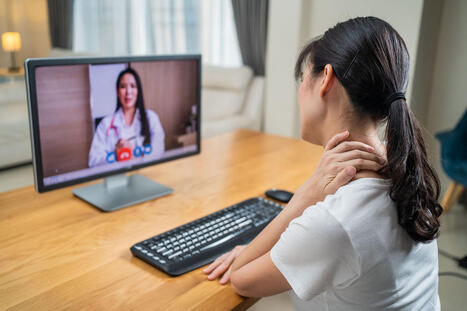
















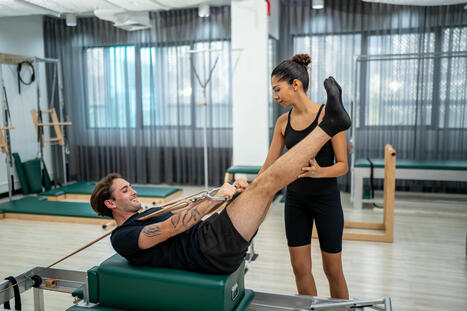








Enhance your sleep with calming sleep sounds. Find out how white noise, pink noise, and binaural beats can promote deep and restful sleep. For answers to any questions you may have, call Dr. Jimenez at 915-850-0900 or 915-412-6677