The Science of Learning
458 views | +0 today
Follow
The Science of Learning
Sciences of educational psychology, neuroscience, speech pathology etc. as applied to teaching and learning. Also on this topic board will be research and articles related to student wellbeing, mindfulness etc.
Your new post is loading...
Scooped by Pearson Australia
July 9, 2016 8:31 PM
Scoop.it!

Kids who text and watch TV simultaneously likely to underperform at school: Juggling different types of media at one time is associated with impulsiveness in teens

Kids who text and watch TV simultaneously likely to underperform at school: Juggling different types of media at one time is associated with impulsiveness in teens | The Science of Learning | Scoop.it
The more time teenagers spend splitting their attention between various devices such as their phones, video games or TV, the lower their test scores in math and English tend to be. More time spent multitasking between different types of media is also associated with greater impulsivity and a poorer working memory in adolescents.
No comment yet.
Scooped by Pearson Australia
June 16, 2016 11:32 PM
Scoop.it!

How Much Does Good Teaching Have to Do With Personality?

How Much Does Good Teaching Have to Do With Personality? | The Science of Learning | Scoop.it
An English professor argues that good teachers tend to share a few common dispositional traits.
No comment yet.
Scooped by Pearson Australia
April 21, 2016 9:05 PM
Scoop.it!

How your body changes your brain

How your body changes your brain | The Science of Learning | Scoop.it
The way you move can change your brain, according to the latest in neuroplasticity. Here's how.
No comment yet.
Scooped by Pearson Australia
March 28, 2016 8:11 PM
Scoop.it!

Brain training: should you believe the hype?

Brain training: should you believe the hype? | The Science of Learning | Scoop.it
Do the puzzles, say the purveyors of pricey brain training apps, and you’ll boost memory and concentration. Researchers have put their claims to the test
No comment yet.
Scooped by Pearson Australia
March 18, 2016 1:58 AM
Scoop.it!

Quit Your Job

Quit Your Job | The Science of Learning | Scoop.it
A midlife career shift can be good for cognition, well-being, and even longevity.
No comment yet.
Scooped by Pearson Australia
March 9, 2016 10:54 PM
Scoop.it!

Brains in Pain Cannot Learn!

Brains in Pain Cannot Learn! | The Science of Learning | Scoop.it
Young people experiencing anxiety or depression are unable to learn. We can overcome this through physical movement, focused attention practices, and teaching them about how brains work.
No comment yet.
Scooped by Pearson Australia
March 9, 2016 10:21 PM
Scoop.it!

The Neuroscience Behind Stress and Learning

The Neuroscience Behind Stress and Learning | The Science of Learning | Scoop.it
Neuroimaging and EEG studies provide a scientific basis for the sometimes controversial belief that children become better learners when they actually enjoy learning.
No comment yet.
Scooped by Pearson Australia
March 9, 2016 5:53 PM
Scoop.it!

Resources on Learning and the Brain

Resources on Learning and the Brain | The Science of Learning | Scoop.it
Browse a list of articles, videos, and other links for exploring the connection between education and neuroscience.
No comment yet.
Scooped by Pearson Australia
February 23, 2016 5:27 PM
Scoop.it!

5 Ways Kids Use Working Memory to Learn

5 Ways Kids Use Working Memory to Learn | The Science of Learning | Scoop.it
Working memory is key to helping children learn skills like reading and math. Here are five ways kids use this executive functioning skill to learn.
No comment yet.
Scooped by Pearson Australia
February 21, 2016 7:41 PM
Scoop.it!

Exercise Is ADHD Medication

Exercise Is ADHD Medication | The Science of Learning | Scoop.it
Physical movement improves mental focus, memory, and cognitive flexibility; new research shows just how critical it is to academic performance.
No comment yet.
Scooped by Pearson Australia
February 18, 2016 12:35 AM
Scoop.it!

New app helps people with neurological conditions practise speech

New app helps people with neurological conditions practise speech | The Science of Learning | Scoop.it
Researchers at CSIRO and University of Queensland have developed an app called Harlie that is designed to chat with humans.
No comment yet.
Scooped by Pearson Australia
February 16, 2016 6:30 PM
Scoop.it!

Messy Situations Make Us Uneasy, But Can Improve Our Thinking

Messy Situations Make Us Uneasy, But Can Improve Our Thinking | The Science of Learning | Scoop.it

Messy situations make us uncomfortable, but often produce the most creative and interesting ideas.

No comment yet.
Scooped by Pearson Australia
February 3, 2016 6:02 PM
Scoop.it!

ADHD Is Fuel for Adventure

ADHD Is Fuel for Adventure | The Science of Learning | Scoop.it
Some of the best medicine for kids with attention-deficit disorders may be extreme sports and outdoor learning. That's good news, because not only do they need exploration, but exploration desperately needs them.
No comment yet.
Scooped by Amanda Ryan
June 19, 2016 7:35 PM
Scoop.it!

How physical exercise makes your brain work better

How physical exercise makes your brain work better | The Science of Learning | Scoop.it
Research shows different activities have quite specific mental effects – here’s how moving your body could sharpen your ideas
No comment yet.
Scooped by Pearson Australia
May 3, 2016 2:46 AM
Scoop.it!

The Sooner You Expose A Baby To A Second Language, The Smarter They’ll Be

The Sooner You Expose A Baby To A Second Language, The Smarter They’ll Be | The Science of Learning | Scoop.it
Just hearing two languages helps babies develop cognitive skills before they even speak. Here's how - and how you can help them develop those skills.
No comment yet.
Scooped by Pearson Australia
April 11, 2016 8:35 PM
Scoop.it!

In Defense of Working Memory Training

In Defense of Working Memory Training | The Science of Learning | Scoop.it
No comment yet.
Scooped by Pearson Australia
March 20, 2016 6:14 PM
Scoop.it!

Scientists discover neural mechanisms that indicate that we actively forget as we learn

Scientists discover neural mechanisms that indicate that we actively forget as we learn | The Science of Learning | Scoop.it
They say that once you've learned to ride a bicycle, you never forget how to do it. But new research suggests that while learning, the brain is actively t
No comment yet.
Scooped by Pearson Australia
March 18, 2016 1:51 AM
Scoop.it!

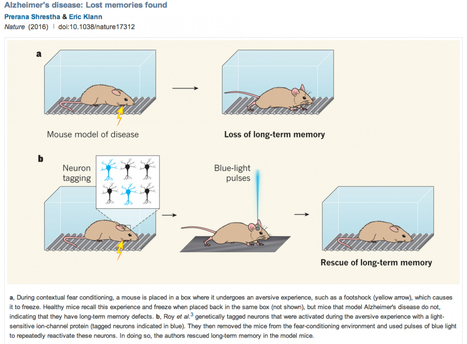
Alzheimer's 'lost memories' may one day be recoverable, scientists say

Alzheimer's 'lost memories' may one day be recoverable, scientists say | The Science of Learning | Scoop.it
Memory loss is one of the hallmarks of Alzheimer's, but what if they weren't actually gone — just inaccessible?
No comment yet.
Scooped by Pearson Australia
March 9, 2016 10:53 PM
Scoop.it!

Positive Brains Are Smarter Brains

Positive Brains Are Smarter Brains | The Science of Learning | Scoop.it
Optimism and pessimism are somewhat predetermined by genetics, but we can influence positive outcomes by helping students take charge of their thoughts, feelings, and brain chemistry.
No comment yet.
Scooped by Pearson Australia
March 9, 2016 8:43 PM
Scoop.it!

Energy and Calm: Brain Breaks and Focused-Attention Practices

Energy and Calm: Brain Breaks and Focused-Attention Practices | The Science of Learning | Scoop.it
Here are some activities to stimulate your students' minds when they need a change, and to focus and calm them when they're just too stimulated.
No comment yet.
Scooped by Pearson Australia
March 1, 2016 5:42 PM
Scoop.it!

Arts Integration Allows Students to Engage Abstract Concepts in New Ways

Arts Integration Allows Students to Engage Abstract Concepts in New Ways | The Science of Learning | Scoop.it
Schools across the country are finding that integrating arts into academic subjects can be a powerful way to help students deepen their understanding.
No comment yet.
Scooped by Pearson Australia
February 22, 2016 10:14 PM
Scoop.it!

How can we enhance working memory? | BrainFacts.org Blog

How can we enhance working memory? | BrainFacts.org Blog | The Science of Learning | Scoop.it

Even a seemingly simple behavior–like trying to remember if the name of the person you just met is “Elizabeth” or “Patricia”–can tax our memories. These short-term memory drains are part of what we neuroscientists call “working memory”.
When you think about it, it’s quite a remarkable neural feat that we can do this at all! Somehow our brains are able to take in information (like the sound waves that hit our ears in just the right way to make us perceive the sound that is the name “Patricia”), hold that information in some neural pattern/buffer/code, and then retrieve that information at will (if we’re lucky).

No comment yet.
Scooped by Pearson Australia
February 21, 2016 7:40 PM
Scoop.it!

Neuroplasticity: think on purpose and change your brain

Neuroplasticity: think on purpose and change your brain | The Science of Learning | Scoop.it
“The brain is neuroplastic,” says world renowned cognitive neuroscientist, Dr. Caroline Leaf.
No comment yet.
Scooped by Pearson Australia
February 16, 2016 6:34 PM
Scoop.it!

Spark: 17 Steps That Will Boost Your Motivation For Anything (ebook) - PsyBlog

Spark: 17 Steps That Will Boost Your Motivation For Anything (ebook) - PsyBlog | The Science of Learning | Scoop.it

PsyBlog’s new ebook, “Spark” is a step-by-step guide to using psychological techniques to achieve the goals you want.

No comment yet.
Scooped by Pearson Australia
February 15, 2016 10:57 PM
Scoop.it!

What Kids Need From Grown-Ups (But Aren't Getting)

What Kids Need From Grown-Ups (But Aren't Getting) | The Science of Learning | Scoop.it
Author Erika Christakis mounts a spirited defense of a four-letter word that, she says, isn't used nearly enough in early classrooms: play.
No comment yet.