On the one hand, there's the physician who's looking for 'evidence' that diabetes is being managed. On the other hand is the patient argument that 'emotional support' is also a key benefit. One could argue that BOTH sides have merit.
Iodine has used online surveys to compile data on Americans’ experiences while taking prescription medications, intending to help other prospective users educate themselves.
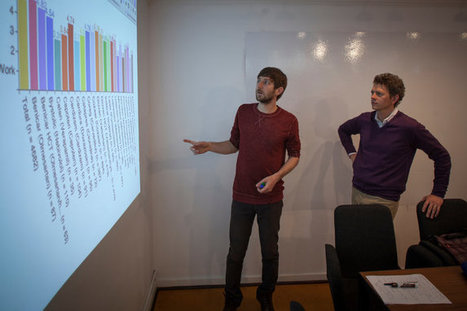
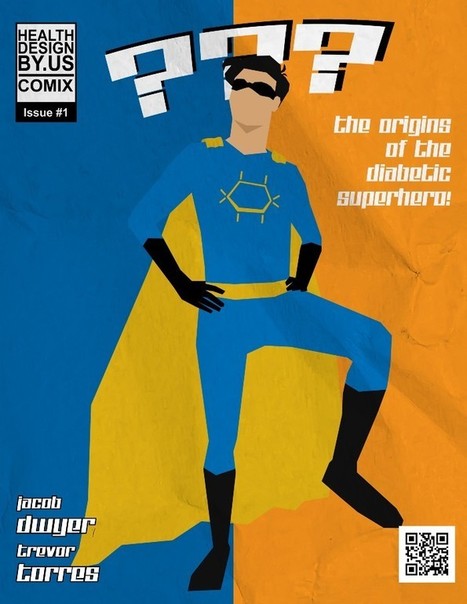
A pediatric endocrinologist has jumped into design thinking by developing data visualizations, comic strips and even an event to improve how healthcare works.
MobiHealthNews has been tracking FDA clearances for smartphone-connected medical devices and standalone apps for many years. So far 2014 has had its fair share — about two dozen digital health-related FDA clearances have been secured this year. Here’s a roundup.
The health care industry has long been a laggard in adopting technology, but that will soon change as the challenge of aligning doctors, insurance companies and patients is figured out.
This presentation covers the challenges and opportunities of building a digital health platform across Philips connected products in Healthcare, consumer lifestyle and lighting, exploring how a generic PaaS layer such as Cloud Foundry can be a good candidate as a foundation for this platform and provide an effective way to create new health, wellness and lifestyle propositions.
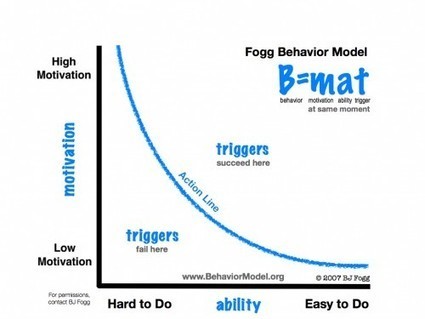
Artefact's set of 23 cards helps designers, researchers, and anyone facing a behavior change challenge nudge people toward positive behavioral outcomes.
Tech is not a silver bullet and most times does not improve outcomes. Many technologies not only fall short, but have no plan for an ultimate patient connection.
When Ometria, the UK e-commerce intelligence startup, raised a $1.5 million seed round back in March from 16 individual investors, I joked that one might call..
This unique event will focus on the increasing role of the consumer in digital health. News ways for the citizen to access digitally-enable products and services are opening up and we hear from organisations that represent "new routes to market" in the opening session. Learning will be shared about the business models that typically operate in these diverse market segments and the nature of the opportunity for consumer digital health products & services.
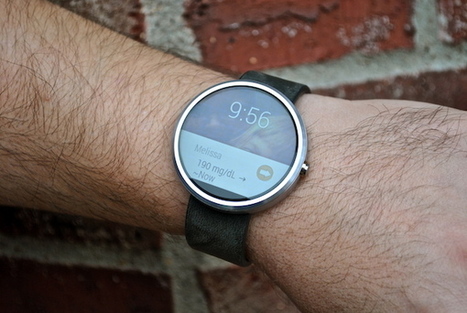
CGM in the Cloud is a concept first put forward by engineer (and father of a young son with type 1 diabetes) John Costik early last year that, in a nutshell, entails taking a patient’s CGMs device real-time data, sending it to the cloud, and then allowing access to that data – again, in real-time – in remote locations, such as a webpage, a cell phone, or a wearable, like the popular Pebble smartwatch.
Many people are taking charge of their health and many are using different technologies to up their game. Healthcare providers work hard to engage their pati...
Netherlands-based Royal Philips announced plans to combine its health-care and consumer lifestyle divisions under a new company, HealthTech, while its lighting solutions business will gain independence under another new company.
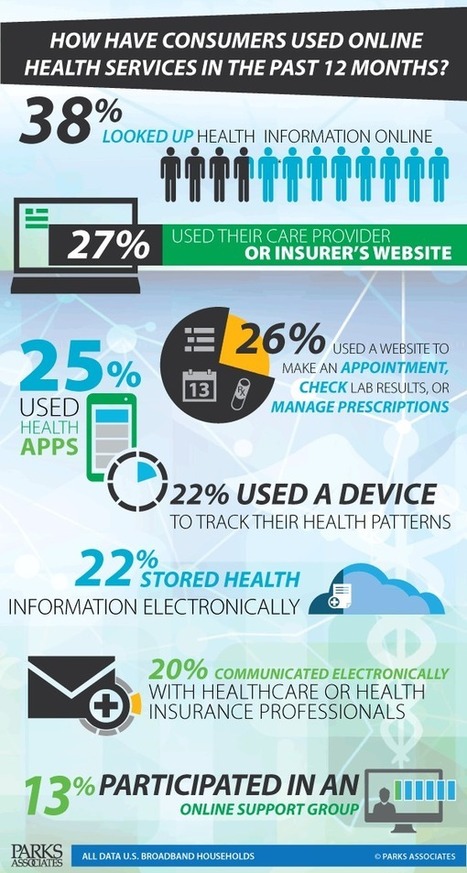
Patients and consumers in healthcare are more inclined to incorporate new technologies into the delivery system than the physicians who administer most of the care, but the gap between the two is shrinking as more physicians embrace the consumer-driven model.
Driven by evolving consumer expectations, start-up funding for digital healthcare, such as telehealth or wearable technology, is expected to double in the United States over the next three years, growing from $3.5 billion in 2014 to $6.5 billion by the end of 2017, according to new research by Accenture.
Even though Brinker's passion is marketing tools he says at the end of the day they are but a means to an end. The real focus is how marketing is changing to deliver a better customer experience with digital technologies, which comes down to the people and process. According to Brinker, "You can have a mediocre set of technologies but if you have really good people and a really good process you can get tremendous results.
Behavioral design is a rapidly growing subdiscipline of interaction design with a great deal of untapped potential. Where to begin? Aspiring UX designer Dexter Zhuang summarizes contemporary research to help us get started.
Physicians now use digital technology as a key touch-point to receive and share information with peers, patients and KOL’s about Healthcare & Pharma brands, mostly via their smartphones. It is increasingly important to take digital channels into account as enablers of conversations and brand messages amongst healthcare professionals.
We need to think of packaging not merely as a functional distribution tool, but as media—with all the engagement and disruptive potential of other dynamic brand touchpoints. Already, GPS-enabled devices allow retailers to locate shoppers in their vicinity and offer rewards, digital extras, and product samples in real time—a technology that is only in its infancy.
To get content containing either thought or leadership enter:
To get content containing both thought and leadership enter:
To get content containing the expression thought leadership enter:
You can enter several keywords and you can refine them whenever you want. Our suggestion engine uses more signals but entering a few keywords here will rapidly give you great content to curate.


 Your new post is loading...
 Scoop.it!