

The black plague is one of the deadliest diseases humans have ever faced; it killed as many as 50 million people – including about a third of the population of Europe – in the 14th century alone, in an outbreak known as the Black Death. In modern days, though, you hardly ever hear about people getting the plague, which might make you think we've wiped it out. But the black plague is still around and still infecting people – and we aren't even trying to eradicate it.

Biology resources for teachers
18.1K views |
+0 today

Rhinos, DNA, biomimicry and more-bringing the richness of the Net to your class, brought to you courtesy of the Rondebosch Boys' High School Library (If you would like to receive a weekly newsletter of the latest items in this Scoop just mail me at library@rondebosch.com)
Curated by
Andrew van Zyl
 Your new post is loading...
 Scoop.it! Imagine never having to sleep again. To make it work, we’d need to reset and change a few things and in the end, you might not be human anymore. 
Scoop.it!
Authorities have rescued five baby orangutans found abandoned in India’s Odisha forest. Officials believe they were smuggled, since the critically endangered species only live on the islands of Borneo and Sumatra.
Scoop.it!
Most of us can remember exactly where we were when we heard about the September 11 terror attacks. This type of vivid recollection has been documented for other major world events too. They’re known as flashbulb memories and feel remarkably accurate, yet research suggests they can be just as unreliable as any other memory.
Scoop.it!
The Caribbean is facing a growing sargassum seaweed crisis, with huge quantities washing onto beaches across the region and threatening tourism, ecosystems and public health.
Scoop.it!

As graduates of an online training course gather from across the continent, the consensus is overwhelming: computers and saving animals go together
Scoop.it!
From
www

From teeth and claws to venom, camouflage, armor, and speed, animals have evolved extraordinary weapons to hunt, defend, and survive. Animal Armory - The Ultimate Animal Survival Guide explores nature’s most powerful survival tools, revealing how predators and prey use their bodies, instincts, and environments in the endless battle for life.
Scoop.it!
We explore the groundbreaking technology that uses artificial intelligence to interpret animal sounds and behavior, opening a new window into the natural world and bringing humans closer than ever to understanding wildlife communication.
Scoop.it!
In nature, some of the most dangerous weapons are almost invisible.
Scoop.it!
Journey through Ethiopia’s ancient and extreme landscapes, from the frozen peaks of the Simien Mountains to the scorching Danakil Depression. Discover rare Ethiopian wolves, vast troops of geladas, bone-eating vultures, elusive leopards and remarkable desert survivors in one of Africa’s most extraordinary wildlife
Scoop.it!
In the wild, survival is not always a solo mission.
Scoop.it!
More than 11,000 people have fallen ill in the largest Cyclospora outbreak ever recorded in the US. A string of food safety scares are raising questions whether Trump’s cuts to the FDA, CDC and state health systems impacted how the US monitors food safety.
|
Scoop.it!
Dust is everywhere, but it's not what most people think. Some of it can make you sick, some of it helps rain forests survive, and a tiny fraction is older than Earth itself.
Scoop.it!
Down where the light starts to fade — between around 30 and 150 meters below the ocean surface — there are mysterious "mesophotic coral ecosystems," also known as "deep reefs."
Scoop.it!
Dig into the phenomenon known as the doorway effect, where walking into a new space can make you forget what you were doing.
Scoop.it!
Hospitals in Bangladesh are struggling to cope with a surge in measles cases, with patients travelling from across the country to Dhaka for treatment. Health officials say the outbreak stems from gaps in the national immunisation programme since 2022, worsened by the Covid-19 pandemic and political instability. A vaccination drive ran from April to May, with another planned this month, though experts remain divided over whether a medical emergency should be declared. Doctors also report a rise in post-measles complications, including pneumonia and flu, among recovering children.
Scoop.it!
What started with rangers around a campfire became Rwanda’s Kwita Izina, an annual baby gorilla naming ceremony. The event draws people from around the world, with researchers, scientists and even celebrities naming the gorillas. Al Jazeera’s Marah Rayan attended the ceremony and explored why they name them.
Scoop.it!
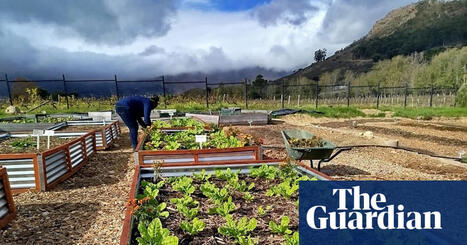
Scientists say system to treat contaminated wastewater offers a model for ensuring food security in a fast-warming climate
Scoop.it!
From
www
Journey into the heart of the Masai Mara, where lions, hyenas, elephants, cheetahs and millions of migrating animals follow the ancient rhythm of the African savannah. From dramatic river crossings to the relentless struggle between predator and prey, this documentary reveals a world shaped by rain, instinct and the eternal cycle of life.
Scoop.it!
CRISPR gene editing has turned science fiction into reality. To show you how, we take you into four different labs that are using CRISPR in completely unexpected ways to tackle some of our world’s toughest challenges.
Scoop.it!
Journey into the wild heart of Rwanda, where volcanic forests, sweeping savannahs and vast wetlands create one of Africa’s most diverse natural worlds. From endangered mountain gorillas and playful chimpanzees to hunting hyenas, powerful hippos and ancient crocodiles, discover the remarkable wildlife of this hidden African wonder.
Scoop.it!
The Sahara, one of the harshest environments on Earth, where every drop of water can mean the difference between life and death. From migrating desert elephants and fearless fennec foxes to venomous snakes, resilient camels and unexpected flocks of flamingos, discover the extraordinary animals that have mastered life in Africa’s greatest desert.
Scoop.it!
Planting more trees is often seen as a simple solution to problems like climate change and species loss. But how effective is this practice really?
|




