 Your new post is loading...
The burn starts the moment the seatbelt clicks. Not during the stand, not during the reach—only after you sit. Deep in the buttock, like a stone under the hip, then a line down the back of the thigh. Many El Paso fulfillment, data center, and IT workers call this sciatica. Sometimes it is. Sometimes the nerve is irritated elsewhere. Sciatica describes a route of pain or tingling, not the problem's location. A New England Journal of Medicine review noted that nearly 85 percent of true sciatica cases involve a lumbar disc disorder, usually at L5 or S1. Coughing, bending forward, or a positive straight-leg raise often lights up that pattern. The signal commonly travels past the knee into the calf or foot. The piriformis is a small deep hip rotator. In most people, the sciatic nerve passes under it. When the muscle is tight or overloaded from long stands, pivots, or a low pick, it can bother the nerve outside the spine. That version more often feels like sitting on a golf ball. Hard seats, a wallet, and the car seat flare it within minutes. Crossing the leg bothers it. Forward bending usually does not. Foot weakness is uncommon. If strength or reflexes change, the spine still needs to be ruled out. A two-day notehelps with: where the pain starts, whether it passes the knee, and what sitting, bending, coughing, and stairs do. Night-shift workers should also mark whether it steals the first sleep block. At Injury Medical Clinic PA, the exam sorts the route before any procedure is discussed. Dr. Alex Jimenez, DC, APRN, FNP-BC, and Dr. Maria Guadalupe Cardenas, MD, use neurologic screening, straight-leg raise, and the FAIR test (hip flexion, adduction, internal rotation) to separate a disc-root pattern from a deep-gluteal one. Imaging confirms or excludes when the picture stays mixed or weakness appears. Care follows the pattern. A disc-related root usually starts with mechanical care and movement that unloads flexion. A clean piriformis pattern responds better to shorter hip work, glute strength, and simply removing the wallet. Aggressive stretching on an angry nerve can backfire. Acupuncture can reduce leg pain when sleep or the next shift is blocked; a 2024 randomized trial showed benefit over sham for disc-related sciatica. An image-guided epidural is a window for severe root pain that stops walking, not the first step and not a cure. Simple habits while you sort it: raise the hips slightly for the drive, walk two minutes before sitting, hinge instead of repeated toe touches, and skip a new heavy lift the week the nerve is hot. Many local group health plans cover the visit and imaging—bring the card. If the seatbelt click is changing your shift or stairs, a pattern-based exam gives you a written map instead of a guess. Call 915-850-0900. Watch a short clinic explanation of piriformis-pattern sciatica from Dr. Alexander Jimenez. ___________________________________________________________________ References Hicks, B. L., Lam, J. C., & Varacallo, M. (2023). Piriformis syndrome. In StatPearls. StatPearls Publishing. Hopayian, K., Song, F., Riera, R., & Sambandan, S. (2010). The clinical features of the piriformis syndrome: A systematic review. European Spine Journal, 19(12), 2095–2109. Ropper, A. H., & Zafonte, R. D. (2015). Sciatica. The New England Journal of Medicine, 372(13), 1240–1248. Tu, J.-F., Shi, G.-X., Yan, S.-Y., Ni, G.-X., Yu, F.-T., Cai, G.-W., Liu, Z.-S., & Liu, C.-Z. (2024). Acupuncture vs sham acupuncture for chronic sciatica from herniated disk: A randomized clinical trial. JAMA Internal Medicine, 184(12), 1417–1424. ___________________________________________________________________ General Disclaimer * The information herein is not intended to replace a one-on-one relationship with a qualified healthcare professional or licensed physician and is not medical advice. We encourage you to make healthcare decisions based on your research and partnership with a qualified healthcare professional. Our information scope is limited to chiropractic, musculoskeletal, and physical medicine, as well as wellness, sensitive health issues, and functional medicine articles, topics, and discussions. We provide and facilitate clinical collaboration with specialists across disciplines. Each specialist follows their professional scope of practice and the jurisdiction in which they are licensed. We utilize functional health and wellness protocols to treat and support care for musculoskeletal injuries or disorders. Our videos, posts, topics, subjects, and insights cover clinical matters and issues that directly or indirectly support our clinical scope of practice. Our office has made a reasonable effort to provide supportive citations and identify relevant research studies for our posts. We provide copies of supporting research studies to regulatory boards and the public upon request. We are here to help you and your family. Blessings Dr. Alex Jimenez, DC, MSACP, APRN, FNP-BC*, CCST, IFMCP, CFMP, ATN Email: coach@elpasofunctionalmedicine.com
Multidisciplinary Licensing & Board Certifications:
Licensed as a Doctor of Chiropractic (DC) in Texas & New Mexico*
Texas DC License #: TX5807, Verified: TX5807
New Mexico DC License #: NM-DC2182, Verified: NM-DC2182 Multi-State Advanced Practice Registered Nurse (APRN*) in Texas & Multi-States
Multi-State Compact APRN License by Endorsement (42 States)
Texas APRN License #: 1191402, Verified: 1191402 *
Florida APRN License #: 11043890, Verified: APRN11043890 *
New York APRN License #: N25929, Verified: APRN-N25929*
License Verification Link: Nursys License Verifier
* Prescriptive Authority Authorized ANCC FNP-BC: Board Certified Nurse Practitioner*
Compact Status: Multi-State License: Authorized to Practice in 40 States* Graduate with Honors: ICHS: MSN-FNP (Family Nurse Practitioner Program)
Degree Granted. Master's in Family Practice, MSN Diploma (Cum Laude)
Dr. Alex Jimenez, DC, APRN, FNP-BC*, CFMP, IFMCP, ATN, CCST
My Digital Business Card
Dr. Maria Cardenas, MD
(Board Certified in Internal Medicine)
Medical Director & Collaborative Physician
NPI # 1164426748
MD License #: J2933
Abstract Peptide therapy has become an important topic in metabolic health, hormone care, weight management, recovery, and integrative medicine. However, the word "peptide" does not automatically mean that a product is legal, FDA-approved, safe, or appropriate for human treatment. Legal peptide use depends on the specific product, its FDA status, how it is prescribed or compounded, the patient's medical needs, and the laws of the state where care is provided. In an integrative clinic, peptide-related medical care may be coordinated with chiropractic care, rehabilitation, nutrition, exercise, and functional medicine. The medical provider evaluates the patient, determines whether prescription treatment is appropriate, and manages medications. The chiropractor focuses on biomechanics, movement, musculoskeletal function, and rehabilitation. When these roles are clearly separated but coordinated, patients can receive a more complete approach to health and recovery. What Does "Legal Peptide Use" Mean? Peptides are short chains of amino acids. Some naturally occur in the human body and act as signals that help regulate metabolism, hormones, appetite, tissue activity, and other biological functions. Insulin is one familiar example of a peptide-based medicine. However, legal peptide therapy is more complex than simply asking whether peptides are legal. In the United States, a peptide used to diagnose, prevent, manage, or treat a medical condition generally falls within federal drug regulation. Some peptide-based drugs have received FDA approval. Other products may be FDA-approved drugs prescribed for off-label use. Still others may be prepared as compounded medications when federal and state requirements are met (FDA, 2026a; Holt, 2026). This creates several important categories: -
FDA-approved peptide medications: These have undergone FDA review for specific uses. -
Off-label use of an FDA-approved medication: A licensed clinician may sometimes prescribe an approved drug for another medically appropriate use. FDA has not approved that particular use, so clinical judgment and scientific support are important. -
Compounded medications: These are prepared for specific medical needs under federal and state compounding laws. A compounded drug itself is not FDA-approved. -
Investigational or research peptides: Products labeled "research use only" or "not for human consumption" are not automatically legal for clinical treatment simply because they can be purchased online. The FDA states that compounded drugs do not undergo the same premarket review for safety, effectiveness, and quality as FDA-approved products (FDA, 2026a). Compounding Does Not Automatically Make a Peptide Legal One of the most common misunderstandings is that a peptide becomes legal for patient treatment if a compounding pharmacy is willing to sell it. That is not necessarily true. Federal Sections 503A and 503B limit which bulk drug substances can be used in compounding. The FDA continues to evaluate these substances, and regulatory status can change (FDA, 2026b; LumaLex Law, 2026). BPC-157 is a useful example of why clinicians should avoid relying on old internet lists. In July 2026, the FDA's Pharmacy Compounding Advisory Committee considered BPC-157-related substances for possible inclusion on the Section 503A bulk substances list. Advisory committee recommendations are not final FDA action. The FDA has also published safety concerns related to BPC-157, including limited human safety information and possible peptide-related impurities and immune reactions. Therefore, a clinician should verify the current status of an individual peptide before prescribing, ordering, advertising, or administering it. What the New Mexico Board of Nursing Says About Peptide Therapy The September 2026 New Mexico Board of Nursing FAQ provides a useful example of how a state nursing board approaches this changing field. Importantly, the Board clearly states that its FAQ is informational, is not a legal opinion, and cannot be cited as legal authority. The document explains that APRNs must practice according to their education, experience, population focus, prescriptive authority, and professional competency. A valid provider-patient relationship should include an appropriate history and physical examination, treatment plan, informed consent, clinical justification, and appropriate follow-up. For compounded medications, the New Mexico guidance emphasizes: -
Confirming that compounding is legally permitted -
Working with appropriately licensed pharmacies -
Telling patients when a medication is compounded rather than an FDA-approved manufactured product -
Documenting why the compounded medication is needed -
Avoiding unverified or noncompliant sources The Board also recommends appropriate history, medication review, evaluation of contraindications, physical examination, laboratory testing when indicated, informed consent, documentation, and ongoing monitoring. These are useful safety principles, but New Mexico Board rules do not determine how a Texas clinic operates. Texas Scope of Practice Matters in an El Paso Clinic For a clinic in El Paso, Texas law is especially important. Texas law specifically states that chiropractic practice does not include prescribing controlled substances, dangerous drugs, or other prescription drugs. Therefore, you cannot prescribe peptides under a Texas chiropractic license (Tex. Occ. Code § 201.002). That distinction matters when a professional holds more than one license. Dr. Alexander Jimenez, DC, APRN, FNP-BC, CCST, CFMP, IFMCP, ATN, practices with both chiropractic and advanced nursing credentials. When providing chiropractic services, he focuses on the musculoskeletal system, biomechanics, nonsurgical care, rehabilitation, and related chiropractic functions. Prescription decisions must instead be performed under the appropriate medical or APRN authority. Texas law permits physicians to delegate prescriptive authority to qualified APRNs through a prescriptive authority agreement, provided they meet statutory requirements. The Texas Board of Nursing also explains that APRN prescriptive authority depends on the APRN's role, population focus, education, competency, physician delegation, and written agreement (Texas Board of Nursing [TBON], 2026). In other words, the license being used matters. A Multidisciplinary Model at Injury Medical Clinic PA At Injury Medical Clinic PA in El Paso, the multidisciplinary structure brings together chiropractic, advanced practice nursing, internal medicine oversight, functional medicine, personal injury care, and rehabilitation. Public provider records identify Maria Guadalupe Cardenas, MD, NPI 1164426749, Texas medical license J2933, as an internal medicine physician in El Paso. Clinic materials describe Dr. Cardenas as board-certified in internal medicine, with more than four decades of experience, and as the practice's medical director and collaborative physician. Within this model, medical oversight and chiropractic rehabilitation can have different but complementary responsibilities. Dr. Cardenas provides internal medicine expertise and medical direction. Dr. Jimenez brings his combined experience in chiropractic, family nurse practitioner practice, functional medicine, musculoskeletal care, and injury rehabilitation. This coordinated model can keep medical prescribing decisions separate from chiropractic procedures while allowing the professionals to communicate about the same patient's overall plan. How Chiropractic Care Fits With Medically Managed Peptide Therapy Chiropractic care should not be described as making peptide medication "work better." There is not enough evidence to make that claim. Instead, the two approaches may address different parts of a patient's recovery plan. Integrative chiropractic care can focus on: -
Joint and spinal biomechanics -
Mobility and range of motion -
Progressive rehabilitation -
Muscle balance and functional strength -
Exercise tolerance -
Movement patterns after injury -
Returning to work, activity, or sports Medical management may address metabolic disease, obesity, hormonal concerns, or another diagnosis for which an appropriate peptide-based medication is being considered. This distinction is especially important during GLP-1 treatment. The New Mexico Board guidance emphasizes adequate protein, resistance exercise, preservation of lean body mass, vitamins and nutrients, and long-term lifestyle changes. Failure to protect muscle mass can contribute to sarcopenia and poor long-term outcomes. Chiropractic rehabilitation can therefore complement medical weight-management treatment by helping patients remain active, improve movement, progressively strengthen muscles, and manage musculoskeletal barriers to exercise. Clinical Observations From Dr. Alexander Jimenez In his published clinical observations, Dr. Alexander Jimenez describes peptide therapy as one possible component of a larger integrative plan rather than a stand-alone answer. His clinical model combines medical evaluation with rehabilitation, chiropractic biomechanics, nutrition, laboratory assessment, movement, and lifestyle support (Jimenez, 2026a, 2026b). This approach is also reflected in other integrative medicine and chiropractic discussions. Peptides are often presented alongside resistance training, manual care, nutrition, sleep, and rehabilitation rather than as a replacement for these basic recovery tools (Evolution Integrative Medicine, 2026; ProCredits, 2025). The most important clinical principle is coordination. A medication cannot correct poor biomechanics by itself. Likewise, a spinal adjustment cannot replace appropriate medical management of diabetes, obesity, endocrine disease, or another medical condition. A Safer Peptide Therapy Process A responsible integrative clinic should begin with the patient rather than with a particular peptide. The process may include a complete medical and medication history, examination, appropriate laboratory testing, identification of contraindications, discussion of FDA approval status, review of alternatives, informed consent, pharmacy verification, and a documented monitoring plan. Patients should also understand whether the medication is: -
FDA-approved for the condition being treated, -
FDA-approved but being used off-label, -
lawfully compounded for an individual medical need, or -
investigational and outside routine clinical treatment. Products purchased from online "research peptide" sellers should not be confused with prescription medications prepared through legitimate medical and pharmacy channels. Federal regulators and healthcare attorneys continue to warn that "research use only" labeling does not permit marketing an unapproved product for human treatment (ByrdAdatto, 2026; Holt, 2026). The Goal: Legal, Coordinated, Patient-Centered Care Peptide science continues to develop rapidly. That makes careful medical judgment more important, not less important. At an integrative practice such as Injury Medical Clinic PA, the goal is not simply to offer the newest therapy. A better approach is to determine whether a treatment is medically appropriate, legally available, supported by reasonable evidence, obtained through a legitimate source, and properly monitored. Dr. Jimenez's chiropractic and rehabilitation approach can address movement, strength, spinal and joint mechanics, injury recovery, and functional health. Dr. Cardenas' internal medicine leadership provides another level of medical oversight. When appropriate APRN authority is used for medical evaluation and prescribing, these services can be coordinated with functional medicine, personal injury treatment, rehabilitation, nutrition, and other medically appropriate care. The result is a multidisciplinary model in which medical treatment addresses medical needs while chiropractic care addresses biomechanics and musculoskeletal function. That clear division of responsibility is one of the most important parts of responsible integrative healthcare. References ByrdAdatto. (2026). How state laws impact peptide use in wellness practices. Evolution Integrative Medicine. (2026). Why integrative medicine practitioners are turning to peptide therapy. Food and Drug Administration. (2026a). Compounding and the FDA: Questions and answers. Food and Drug Administration. (2026b). Bulk drug substances used in compounding under Section 503A of the FD&C Act. Food and Drug Administration. (2026c). Certain bulk drug substances for use in compounding that may present significant safety risks. Food and Drug Administration. (2026d). July 23-24, 2026 meeting of the Pharmacy Compounding Advisory Committee. Holt, D. (2026). What peptides are legal in the U.S.? Understanding FDA approval, compounding, and the legal gray areas. Jimenez, A. (2026a). Peptide therapy, nutrition, and chiropractic care explained. Jimenez, A. (2026b). Integrative peptide therapy and chiropractic care: A regenerative approach to healing, metabolism, and performance. LumaLex Law. (2026). Medical peptides attorney: Telehealth and compounding compliance. New Mexico Board of Nursing. (2026). Peptide therapies: Clinical practice frequently asked questions. PeptideJournal. (2026). Are peptides legal? State-by-state guide. ProCredits. (2025). Peptide therapy for chiropractors: Tissue repair and metabolic health. Texas Board of Nursing. (2026). APRN practice frequently asked questions. Texas Legislature. (2026). Texas Occupations Code Chapter 201: Chiropractors. General Disclaimer * The information herein is not intended to replace a one-on-one relationship with a qualified healthcare professional or licensed physician and is not medical advice. We encourage you to make healthcare decisions based on your research and partnership with a qualified healthcare professional. Our information scope is limited to chiropractic, musculoskeletal, and physical medicine, as well as wellness, sensitive health issues, and functional medicine articles, topics, and discussions. We provide and facilitate clinical collaboration with specialists across disciplines. Each specialist follows their professional scope of practice and the jurisdiction in which they are licensed. We utilize functional health and wellness protocols to treat and support care for musculoskeletal injuries or disorders. Our videos, posts, topics, subjects, and insights cover clinical matters and issues that directly or indirectly support our clinical scope of practice. Our office has made a reasonable effort to provide supportive citations and identify relevant research studies for our posts. We provide copies of supporting research studies upon request to regulatory boards and the public. We are here to help you and your family. Blessings Dr. Alex Jimenez, DC, MSACP, APRN, FNP-BC*, CCST, IFMCP, CFMP, ATN Email: coach@elpasofunctionalmedicine.com
Multidisciplinary Licensing & Board Certifications:
Licensed as a Doctor of Chiropractic (DC) in Texas & New Mexico*
Texas DC License #: TX5807, Verified: TX5807
New Mexico DC License #: NM-DC2182, Verified: NM-DC2182 Multi-State Advanced Practice Registered Nurse (APRN*) in Texas & Multi-States
Multi-State Compact APRN License by Endorsement (42 States)
Texas APRN License #: 1191402, Verified: 1191402 *
Florida APRN License #: 11043890, Verified: APRN11043890 *
New York APRN License #: N25929, Verified: APRN-N25929*
License Verification Link: Nursys License Verifier
* Prescriptive Authority Authorized ANCC FNP-BC: Board Certified Nurse Practitioner*
Compact Status: Multi-State License: Authorized to Practice in 40 States* Graduate with Honors: ICHS: MSN-FNP (Family Nurse Practitioner Program)
Degree Granted. Master's in Family Practice MSN Diploma (Cum Laude)
Dr. Alex Jimenez, DC, APRN, FNP-BC*, CFMP, IFMCP, ATN, CCST
My Digital Business Card
Dr. Maria Cardenas, MD
(Board Certified in Internal Medicine)
Medical Director & Collaborative Physician
NPI # 1164426749
MD License #: J2933
Sciatica can cause burning, tingling, numbness, weakness, or sharp pain that travels from the lower back into the buttock and leg. The pain often develops when a lumbar nerve root becomes irritated or compressed by a herniated disc, spinal narrowing, inflammation, or another structural problem. Most sciatica treatment plans begin with conservative care. This may include activity changes, therapeutic exercise, rehabilitation, manual therapy, and medical evaluation. Researchers are also studying whether certain peptides can support nerve repair, control inflammation, or change neuropathic pain signals. The peptides discussed most often for nerve healing include: - BPC-157
- ARA-290, also called cibinetide
- IKVAV
- YIGSR
These substances are not all used in the same way. BPC-157 and ARA-290 have been studied as biological therapies. IKVAV and YIGSR are mainly being studied as parts of nerve scaffolds and hydrogels. None of them is an established, FDA-approved treatment for ordinary lumbar sciatica. Why Sciatica Requires More Than Pain Relief Sciatica is a symptom, not a single disease. One person may have a disc pressing against a nerve root. Another may have spinal stenosis, joint irritation, muscle tension, or an injury that affects several structures. This is why a complete examination matters. A provider may evaluate: - Muscle strength
- Reflexes
- Skin sensation
- Hip and spinal movement
- Walking pattern
- Signs of nerve tension
- Previous injuries
- Medication and health history
Imaging may be appropriate when symptoms are severe, continue to worsen, or suggest a more serious condition. The goal is to find the source of the nerve irritation instead of treating every case in the same way. Peptides cannot remove a large disc fragment, widen a severely narrowed spinal canal, or correct unstable spinal movement. However, researchers are asking whether some peptides may one day support the biological side of nerve and soft-tissue recovery. BPC-157 and Sciatic Nerve Repair BPC-157 is a synthetic peptide based on a sequence found in a protective protein associated with the stomach. It is often promoted for muscle, tendon, ligament, and nerve healing. One important study examined BPC-157 in rats with surgically injured sciatic nerves. The treated animals showed faster axon regeneration, better electrical nerve activity, improved walking measurements, and better nerve structure under a microscope (Gjurasin et al., 2010). These results explain why BPC-157 receives attention in discussions about nerve recovery. However, the study involved rats with traumatic nerve damage, not people with lumbar disc-related sciatica. Research reviews also discuss possible effects on blood-vessel formation, nitric oxide pathways, inflammation, collagen activity, and cell movement. These actions could be useful in injured soft tissues surrounding the spine. Still, researchers state that peptide treatment for musculoskeletal repair remains in an early stage and needs stronger human studies (Cushman et al., 2024). BPC-157 has not been proven to rebuild a herniated spinal disc in humans. It is also not FDA-approved for back pain, sciatica, or nerve-root compression. The FDA has reported limited human safety information and possible concerns involving immune reactions, peptide impurities, and product quality. Therefore, BPC-157 should not be purchased online or self-injected based on social media instructions. ARA-290 for Neuropathic Pain ARA-290, also known as cibinetide, is an experimental peptide developed from part of the erythropoietin molecule. Unlike full erythropoietin, it was designed to activate tissue-protective pathways without strongly increasing red blood cell production. ARA-290 has been studied in people with small-fiber neuropathy related to sarcoidosis. Early clinical trials reported improvements in neuropathic symptoms, pain measurements, physical function, and corneal nerve-fiber density (van Velzen et al., 2014). Animal studies have also suggested that ARA-290 may influence inflammation, microglial activity, nerve repair pathways, and pain receptors. These findings are encouraging, but small-fiber neuropathy is not the same condition as sciatica caused by a lumbar disc or narrowed nerve opening. There are not yet strong clinical trials showing that ARA-290 treats common lumbar radiculopathy. ARA-290 remains investigational. An FDA substance listing does not mean that the peptide has received FDA approval. Its possible use requires careful medical review, especially because the correct dose, treatment length, long-term risks, and proper patient group have not been established for sciatica. IKVAV and YIGSR Nerve Scaffolds IKVAV and YIGSR are short peptide sequences taken from laminin, an important protein in the extracellular matrix. The extracellular matrix is the support system around cells. It helps guide cell attachment, movement, growth, and communication. Researchers are studying IKVAV and YIGSR because they may help create a supportive surface for nerve cells and growing axons. In laboratory and animal studies, these sequences have been placed into: - Nerve conduits
- Self-assembling peptide hydrogels
- Nanofiber scaffolds
- Tissue-engineered implants
- Extracellular matrix-like materials
IKVAV appears to support nerve-cell attachment, differentiation, and neurite growth. YIGSR may also assist cell attachment and axon guidance. When used together in experimental nerve conduits, these sequences have shown possible value for peripheral nerve regeneration (Zhang et al., 2021; Stocco et al., 2025). This research differs from routine peptide injections at a wellness clinic. IKVAV and YIGSR are mainly structural research tools designed to create a better environment for a damaged nerve. They are not standard treatments for a pinched lumbar nerve or ordinary sciatica. How Integrative Chiropractic Care May Help Peptide research focuses on the cellular environment. Chiropractic and rehabilitation care focus more directly on movement, joint function, muscle control, and mechanical stress. A chiropractor may use a combination of: - Carefully selected spinal manipulation or mobilization
- Flexion-distraction or other low-force methods
- Soft-tissue treatment
- Nerve-mobility exercises
- Corrective exercise
- Core and hip strengthening
- Posture and lifting instruction
- Progressive rehabilitation
Manual therapy may help selected patients improve movement and manage pain. However, it should not be presented as physically pushing a disc back into place or permanently realigning every spinal structure. The National Institute for Health and Care Excellence recommends considering manual therapy for lower-back pain with or without sciatica only as part of a treatment package that includes exercise. A controlled trial also found that active manipulation offered better results than simulated manipulation in selected patients with acute back pain and sciatica caused by disc protrusion. These findings do not mean that manipulation is right for every patient (National Institute for Health and Care Excellence, 2016; Santilli et al., 2006). Combining Mechanical and Biological Strategies An integrative plan may address several parts of the problem at the same time. Chiropractic and rehabilitation care may help: - Restore comfortable joint motion
- Reduce protective muscle tension
- Improve movement habits
- Build spinal and hip strength
- Reduce repeated stress on sensitive tissues
- Help the patient return to daily activity
A medically supervised biological therapy may be intended to address: - Excess inflammation
- Soft-tissue recovery
- Pain signaling
- Local circulation
- Cellular repair pathways
This combination is sometimes described as pairing mechanical relief with cellular support. However, it is important not to claim that experimental peptides regenerate a compressed lumbar nerve in humans. Any peptide proposal should be reviewed separately from the established value of exercise, rehabilitation, and appropriate manual care. A Multidisciplinary Model in El Paso At Injury Medical Clinic PA in El Paso, Texas, Dr. Alexander Jimenez, DC, APRN, FNP-BC, CCST, CFMP, IFMCP, ATN, describes an integrated approach that brings together chiropractic care, advanced practice nursing, functional medicine, personal injury care, and rehabilitation. His published clinical observations stress that recovery involves more than reducing pain for a few hours. The team evaluates movement, neurological function, injury history, lifestyle factors, nutrition, physical conditioning, and possible medical concerns. The goal is to create a plan that supports function while remaining within each provider’s professional scope. Clinical observations can help guide individualized care, but they do not replace controlled research studies. Dr. Maria Guadalupe Cardenas, MD, is identified by the practice as a board-certified internal medicine physician, medical director, and collaborative physician. Public provider information lists her NPI as 1164426748, while clinic materials list Texas medical license J2933. With more than 40 years of internal medicine experience, she provides medical direction alongside Dr. Jimenez’s chiropractic and rehabilitation work. This multidisciplinary structure allows the team to combine: - Medical screening and oversight
- Chiropractic evaluation and care
- Functional medicine assessment
- Personal injury documentation
- Therapeutic exercise
- Neuromuscular rehabilitation
- Nutrition and lifestyle support
- Referral for imaging or specialist care when needed
Medical oversight is especially important when a patient is considering an investigational substance. The medical team can review current medications, chronic diseases, laboratory findings, product quality, possible interactions, and whether the proposed treatment has enough evidence to justify its risks. Online Experiences Are Not Clinical Proof Online discussions include people who report reduced sciatica pain after using BPC-157 or combinations such as BPC-157 and TB-500. These experiences may sound convincing, but they cannot prove that a peptide caused the improvement. Sciatica symptoms often change over time. Rest, natural healing, exercise, injections, medications, and changes in activity may all affect pain. Online reports also rarely confirm the identity, purity, dose, or sterility of the product being used. Personal stories should be treated as questions for future research, not as dosing instructions or proof of safety. When Sciatica Needs Immediate Medical Attention Seek urgent medical care when sciatica is accompanied by: - New loss of bowel or bladder control
- Numbness around the groin or inner thighs
- Rapidly worsening leg weakness
- Severe symptoms in both legs
- Fever or signs of infection
- Major trauma
- Unexplained weight loss
- A history of cancer
- Inability to walk safely
These symptoms can point to cauda equina syndrome, infection, fracture, tumor, or serious nerve damage. Peptides, adjustments, and home exercises should never delay emergency evaluation. The Bottom Line BPC-157, ARA-290, IKVAV, and YIGSR are important research peptides, but they are at different stages of development. BPC-157 has promising animal evidence for traumatic sciatic nerve repair, but strong human sciatica trials are missing. ARA-290 has limited human evidence for certain forms of neuropathic pain, but it has not been established for lumbar radiculopathy. IKVAV and YIGSR are mainly being studied as components of experimental nerve scaffolds rather than routine injected treatments. Integrative chiropractic care may help by improving movement, reducing mechanical stress, and guiding rehabilitation. Medical oversight helps identify risks, review experimental options, and determine when imaging, medication, injections, or specialist referral may be needed. The safest plan is not to choose between cellular and mechanical care. It is to begin with an accurate diagnosis and then use the most appropriate evidence-based tools for that individual patient. Sciatica Secrets Revealed! | El Paso, Tx References Core Medical & Wellness. (2026). Peptide therapy for pain management: A regenerative medicine guide. Cushman, C. J., Ibrahim, A. F., Smith, A. D., Hernandez, E. J., MacKay, B., & Zumwalt, M. (2024). Local and systemic peptide therapies for soft tissue regeneration: A narrative review. Yale Journal of Biology and Medicine, 97(3), 399–413. Frisco Rehab & Wellness. (n.d.). Can BPC-157 heal a herniated disc? What patients with back pain should know. Gjurasin, M., Miklic, P., Zupancic, B., Perovic, D., Zarkovic, K., Brcic, L., Kolenc, D., Radic, B., Seiwerth, S., & Sikiric, P. (2010). Peptide therapy with pentadecapeptide BPC 157 in traumatic nerve injury. Regulatory Peptides, 160(1–3), 33–41. Jimenez, A. (n.d.). Integrative peptide therapy with chiropractic care explained. National Institute for Health and Care Excellence. (2016). Low back pain and sciatica in over 16s: Assessment and management. Santilli, V., Beghi, E., & Finucci, S. (2006). Chiropractic manipulation in the treatment of acute back pain and sciatica with disc protrusion. The Spine Journal, 6(2), 131–137. Stocco, E., Barbon, S., Zamuner, A., Confalonieri, M., Tiengo, C., De Caro, R., Macchi, V., Dettin, M., & Porzionato, A. (2025). Self-assembling peptides for sciatic nerve regeneration: A review of conduit microenvironment modeling strategies in preclinical studies. Frontiers in Cell and Developmental Biology, 13. U.S. Food and Drug Administration. (2026). Certain bulk drug substances for use in compounding that may present significant safety risks. van Velzen, M., Heij, L., Niesters, M., Cerami, A., Dunne, A., Dahan, A., & Brines, M. (2014). ARA 290 for treatment of small fiber neuropathy in sarcoidosis. Expert Opinion on Investigational Drugs, 23(4), 541–550. Zhang, M., et al. (2021). Repair of peripheral nerve injury using hydrogels based on self-assembled peptides. Gels, 7(4), 152. General Disclaimer * The information herein is not intended to replace a one-on-one relationship with a qualified healthcare professional or licensed physician and is not medical advice. We encourage you to make healthcare decisions based on your research and partnership with a qualified healthcare professional. Our information scope is limited to chiropractic, musculoskeletal, and physical medicine, as well as wellness, sensitive health issues, and functional medicine articles, topics, and discussions. We provide and facilitate clinical collaboration with specialists across disciplines. Each specialist is governed by their professional scope of practice and the jurisdiction in which they are licensed. We utilize functional health and wellness protocols to treat and support care for musculoskeletal injuries or disorders. Our videos, posts, topics, subjects, and insights cover clinical matters and issues that directly or indirectly support our clinical scope of practice. Our office has made a reasonable effort to provide supportive citations and identify relevant research studies for our posts. We provide copies of supporting research studies upon request to regulatory boards and the public. We are here to help you and your family. Blessings Dr. Alex Jimenez, DC, MSACP, APRN, FNP-BC*, CCST, IFMCP, CFMP, ATN email: coach@elpasofunctionalmedicine.com
Multidisciplinary Licensing & Board Certifications:
Licensed as a Doctor of Chiropractic (DC) in Texas & New Mexico*
Texas DC License #: TX5807, Verified: TX5807
New Mexico DC License #: NM-DC2182, Verified: NM-DC2182 Multi-State Advanced Practice Registered Nurse (APRN*) in Texas & Multi-States
Multi-State Compact APRN License by Endorsement (42 States)
Texas APRN License #: 1191402, Verified: 1191402 *
Florida APRN License #: 11043890, Verified: APRN11043890 *
New York APRN License #: N25929, Verified: APRN-N25929*
License Verification Link: Nursys License Verifier
* Prescriptive Authority Authorized ANCC FNP-BC: Board Certified Nurse Practitioner*
Compact Status: Multi-State License: Authorized to Practice in 40 States* Graduate with Honors: ICHS: MSN-FNP (Family Nurse Practitioner Program)
Degree Granted. Master's in Family Practice MSN Diploma (Cum Laude)
Dr. Alex Jimenez, DC, APRN, FNP-BC*, CFMP, IFMCP, ATN, CCST
My Digital Business Card
Dr. Maria Cardenas, MD
(Board Certified in Internal Medicine)
Medical Director & Collaborative Physician
NPI # 1164426749
MD License #: J2933
Abstract As a Doctor of Chiropractic (DC), Advanced Practice Registered Nurse (APRN), and a Board-Certified Family Nurse Practitioner (FNP-BC) with advanced certifications in functional and integrative medicine (CFMP, IFMCP), I am committed to a patient-centered approach grounded in the latest scientific evidence. In this educational post, I will guide you through my clinical decision-making process for using orthobiologics, such as platelet-rich plasma (PRP) and microfragmented adipose tissue (MFAT), to treat common orthopedic conditions. Drawing from leading research and my own clinical observations, we will explore the specific indications for these therapies, from partial-thickness tendon tears to mild and moderate osteoarthritis. I will detail the physiological rationale for each treatment, explain the importance of an integrative approach that addresses systemic factors such as inflammation and metabolic health, and demonstrate how integrative chiropractic care plays a crucial role in optimizing patient outcomes. This journey will provide a comprehensive understanding of how we can harness the body's innate healing potential through modern, evidence-based regenerative medicine. Unpacking the Evidence: Appropriate Conditions for Orthobiologic Therapies When I established my practice in the El Paso, TX area, I was immediately struck by the intellectual curiosity and scientific rigor of my patient population. This environment reinforced my core belief: every treatment protocol must be supported by solid evidence. When I created my chiropractic practice in El Paso, a key part of my role was to establish clear, evidence-based guidelines for the use of orthobiologics. We meticulously reviewed the scientific literature to identify conditions where studies demonstrated reasonable efficacy. This collaborative effort resulted in a defined list of indications where regenerative therapies could be appropriately offered. Here are some of the key conditions we identified where orthobiologics have shown promise: Clinical Application: Visualizing and Treating Tendon Injuries To truly understand how these treatments work, it helps to visualize the pathology. Let's take the example of tennis elbow, which is fundamentally a tendinopathy of the common extensor tendon. Using musculoskeletal ultrasound, we can precisely identify the damaged tissue. What I have found to be critically important for achieving better results is ensuring the entire tear is treated. It's not enough to simply place the needle in one spot. I meticulously perform a tenotomy, using the needle to gently break up the fibrotic, scarred tissue within the tear. I then use the injectate fluid (like PRP) to hydrodissect, or separate, the tissue planes. This ensures the biologic agent is delivered throughout the full length and width of the injury, creating a comprehensive healing environment. This technique is supported by studies like the one on tennis elbow that many of us in the field reference to validate our protocols (Dragoo et al., 2014). The Challenge of Coexisting Pathologies: A Case Study Let's consider a complex case: a 31-year-old male weightlifter with significant knee pain. His imaging revealed a multifaceted problem. He had: -
Knee Osteoarthritis: Evident by a joint effusion (excess fluid). -
Patellar Tendinopathy: A large, partial-thickness tear of the patellar tendon. -
Calcific Changes: A large calcium deposit, likely an enthesophyte (bony spur at the tendon insertion). -
Tendinosis: A heterogeneous change in the tendon's echogenicity, indicating chronic degeneration. This presents a clinical dilemma: what is the primary pain generator? Is it the arthritic joint, the tendon tear, or the calcification? After a thorough discussion of the risks and benefits and correlating his imaging with his physical exam findings, I chose to treat the patellar tendon with PRP. A study by Jason Dragoo on PRP for patellar tendinopathy provided a strong rationale, showing its effectiveness, particularly for well-defined tears (Dragoo et al., 2014). When I see a significant tear, PRP is my primary consideration to provide the necessary growth factors to stimulate a robust healing cascade. Targeting Rotator Cuff Tears: Precision is Key Rotator cuff tears present a similar challenge. A patient may have both an interstitial tear (a tear within the substance of the tendon) and significant edema or bursitis. Do you treat the tear, the inflammation, or both? I often find it most effective to target both. I might perform an injection into the subacromial bursa to calm inflammation and a separate, precise injection directly into the interstitial tear itself. Using ultrasound guidance is non-negotiable for this. As the needle advances, I can see it pass through the skin, the deltoid muscle, and into the subacromial bursa, finally reaching the supraspinatus tendon. The tear appears as a dark, hypoechoic defect. I use the injectate fluid to confirm I am in the correct location and to fill the entire length of the tear. It's crucial to understand the terminology here. A partial-thickness tear means the tear does not go all the way through the tendon (typically less than 50% of the tendon's thickness). A full-thickness tear penetrates from the bursal side to the articular side. However, a full-thickness tear can still be of "partial width," meaning it doesn't involve the entire width of the tendon. In my experience, orthobiologics are most effective for partial-thickness and full-thickness, partial-width tears. They are generally not indicated for complete, full-width, retracted tears, which are surgical candidates. Advanced Biologics: When to Consider Microfragmented Adipose Tissue (MFAT) While PRP is a workhorse in my practice, some conditions require a more robust structural support system. This is where I consider using microfragmented adipose tissue (MFAT), often marketed under brand names such as Lipogems. I typically consider MFAT in these situations: -
High-Grade Tears: For partial-thickness, partial-width tears that are greater than 50% of the tendon's thickness. -
Moderate-to-Severe Arthritis: Especially when a patient wants to delay or avoid joint replacement surgery. -
Post-Tenotomy Augmentation: After performing a percutaneous tenotomy for calcific tendinitis, if there is a significant void or residual pain, adipose tissue can act as a structural filler. The primary reason I choose adipose tissue in these cases is for its scaffold properties. While PRP provides a powerful cocktail of growth factors, adipose tissue contains not only growth factors but also mesenchymal stem cells (MSCs) and a structural matrix that can physically fill the defect and provide a supportive environment for tissue regeneration. A study by Harvard researchers has provided compelling evidence of the efficacy of MFAT in these challenging knee conditions (Anz et al., 2021). To illustrate, remember the patellar tendon case where I considered PRP for a significant but lower-grade tear? If that tear had been higher-grade, affecting more than 50% of the tendon's thickness, my recommendation would have shifted toward MFAT to provide that essential structural scaffolding. A Systemic and Algorithmic Approach to Knee Osteoarthritis Treating a condition like knee osteoarthritis (OA) requires more than just an injection. It demands a holistic, algorithmic approach that considers the entire person. Over the years, I have developed a systematic process to guide my treatment decisions. Dr. Jimenez's Knee OA Treatment Algorithm: -
Assess Systemic Health: The first and most crucial step is to identify any underlying systemic diseases or factors that could impair healing. This includes autoimmune conditions, uncontrolled diabetes, or hormonal imbalances. If these are present, they must be addressed first. -
Integrative Functional Medicine Workup: I will often evaluate a patient's hormone levels and their microbiome. An imbalanced gut or low testosterone can create a pro-inflammatory state that will sabotage any regenerative therapy. -
Grade the Arthritis: Using the Kellgren-Lawrence scale (Grades 1-4), I determine the severity of the arthritis. -
Grade 3-4 (Moderate to Severe): In these cases, especially if there is significant subchondral bone edema (swelling in the bone beneath the cartilage) on MRI, I am more likely to consider a more potent biologic, such as MFAT or bone marrow aspirate concentrate (BMAC). The hydrodissection from the injection can also help with nerve-related pain (neuropraxia) by relieving pressure and flushing out inflammatory cytokines. -
Grade 1-2 (Mild to Moderate): For patients with mild to moderate OA and no significant confounding factors, PRP is my first-line orthobiologic treatment. -
Manage Expectations and Monitor Progress: It's vital to educate patients on the timeline. There's often a temporary increase in pain for about three days post-injection. The real benefits typically begin to emerge between three to six weeks, with a clearer picture of success or failure by twelve weeks. At that point, I reassess. If the patient has achieved 60% or more improvement, we continue with conservative management. If not, we re-evaluate and consider other options. The Future is Now: Machine Learning and Personalized Medicine This field is evolving at a breathtaking pace. Just this past month, in April 2026, a groundbreaking study was published that used machine learning to predict clinical response to PRP for knee osteoarthritis (Wang et al., 2026). Researchers in China analyzed a massive dataset, inputting all the factors we have long believed to be important—BMI, age, gender, inflammatory markers, etc.—to see what truly predicted a positive outcome. The results were both surprising and enlightening. While many factors played a role, the machine learning algorithm identified three key variables that were most predictive of a high response rate (increasing success from 65% to 85%): -
Osmotic Pressure (Joint Effusion): Significant swelling in the joint was a negative predictor. This confirms my own clinical observation: patients with recurrent, large effusions simply do not do as well. The inflammatory environment dilutes the PRP and inhibits its function. -
Lipoprotein(a): This specific type of cholesterol particle, a known cardiovascular risk factor, was a significant predictor. -
Uric Acid: Elevated uric acid levels, the culprit in gout, were also highly predictive of a poorer response. This study is a paradigm shift. It is compelling me to routinely check my patients' uric acid and Lipoprotein(a) levels before proceeding with PRP. It reinforces the functional medicine principle that we must look beyond the joint. We have to consider the patient's overall metabolic health—their body habitus, diet, and systemic inflammatory status. By identifying and addressing these factors, we can better select candidates for therapy and dramatically improve their chances of a successful outcome. The Role of Integrative Chiropractic Care Orthobiologic injections are a powerful tool, but they are not a magic bullet. For the healing process to be successful and sustainable, the biomechanical environment of the affected joint must be optimized. This is where integrative chiropractic care becomes an indispensable component of the treatment plan. As a chiropractor, I analyze and correct biomechanical dysfunctions that contribute to joint stress and degeneration. For a patient with knee OA, this involves: -
Spinal and Pelvic Alignment: An unlevel pelvis or lumbar spine subluxations can alter gait mechanics, placing abnormal stress on the knees. Chiropractic adjustments can restore proper alignment, ensuring that forces are distributed evenly through the lower extremities. -
Soft Tissue Mobilization: Techniques such as Active Release Technique (ART) or Graston Technique can address myofascial restrictions in the muscles surrounding the knee, hip, and ankle, thereby improving flexibility and function. -
Targeted Rehabilitation: Following an orthobiologic procedure, the goal is to guide the newly forming tissue. We prescribe specific exercises to promote proper collagen alignment and build neuromuscular control around the joint. This ensures the new tissue is strong, resilient, and functional. By integrating chiropractic adjustments, soft tissue therapy, and guided rehabilitation, we address the root biomechanical cause of the problem. The injection provides the biological "seeds" for repair, and the chiropractic care prepares the "soil" and nurtures the "plant" as it grows, leading to a more complete and lasting recovery. Herniated Disc Pain Treatment El Paso, TX References Anz, A. W., Bapat, A., & Murrell, W. D. (2021). Concepts in regenerative medicine: The emergence of micro-fragmented adipose tissue (MFAT) for osteoarthritis. Journal of Clinical Orthopaedics and Trauma, 17, 1-3. https://doi.org/10.1016/j.jcot.2021.02.013 Dragoo, J. L., Wasterlain, A. S., Braun, H. J., & Nead, K. T. (2014). Platelet-rich plasma versus corticosteroid injection for the treatment of lateral epicondylitis: A prospective randomized controlled trial. The American Journal of Sports Medicine, 42(2), 300–308. https://doi.org/10.1177/0363546513510952 Wang, J., Li, Y., Chen, H., Zhang, L., & Zhao, G. (2026). Machine learning prediction of clinical response to platelet-rich plasma injection for knee osteoarthritis: A multicenter retrospective study. Arthritis Research & Therapy, 28(1), 112. General Disclaimer * The information herein is not intended to replace a one-on-one relationship with a qualified healthcare professional or licensed physician and is not medical advice. We encourage you to make healthcare decisions based on your research and partnership with a qualified healthcare professional. Our information scope is limited to chiropractic, musculoskeletal, and physical medicine, as well as wellness, sensitive health issues, and functional medicine articles, topics, and discussions. We provide and facilitate clinical collaboration with specialists across disciplines. Each specialist is governed by their professional scope of practice and the jurisdiction in which they are licensed. We utilize functional health and wellness protocols to treat and support care for musculoskeletal injuries or disorders. Our videos, posts, topics, subjects, and insights cover clinical matters and issues that directly or indirectly support our clinical scope of practice. Our office has made a reasonable effort to provide supportive citations and identify relevant research studies for our posts. We provide copies of supporting research studies upon request to regulatory boards and the public. We are here to help you and your family. Blessings Dr. Alex Jimenez, DC, MSACP, APRN, FNP-BC*, CCST, IFMCP, CFMP, ATN email: coach@elpasofunctionalmedicine.com
Multidisciplinary Licensing & Board Certifications:
Licensed as a Doctor of Chiropractic (DC) in Texas & New Mexico*
Texas DC License #: TX5807, Verified: TX5807
New Mexico DC License #: NM-DC2182, Verified: NM-DC2182 Multi-State Advanced Practice Registered Nurse (APRN*) in Texas & Multi-States
Multi-State Compact APRN License by Endorsement (42 States)
Texas APRN License #: 1191402, Verified: 1191402 *
Florida APRN License #: 11043890, Verified: APRN11043890 *
New York APRN License #: N25929, Verified: APRN-N25929*
License Verification Link: Nursys License Verifier
* Prescriptive Authority Authorized ANCC FNP-BC: Board Certified Nurse Practitioner*
Compact Status: Multi-State License: Authorized to Practice in 40 States* Graduate with Honors: ICHS: MSN-FNP (Family Nurse Practitioner Program)
Degree Granted. Master's in Family Practice MSN Diploma (Cum Laude)
Dr. Alex Jimenez, DC, APRN, FNP-BC*, CFMP, IFMCP, ATN, CCST
My Digital Business Card
Dr. Maria Cardenas, MD
(Board Certified in Internal Medicine)
Medical Director & Collaborative Physician
NPI # 1164426749
MD License #: J2933
Abstract This article explores the intricate world of hormone optimization and metabolic health from an integrative perspective. I will guide you through the clinical decision-making process for evaluating and treating hormone imbalances, with a particular focus on testosterone and thyroid function in both men and women, often using Bioidentical Hormone Replacement Therapy (BHRT) with pellets. We will conduct comprehensive lab analysis, interpreting key biomarkers beyond standard reference ranges to achieve optimal wellness. The discussion will cover the importance of patient symptom checklists, the physiological impact of hormones on metabolic function, and specific treatment protocols, including advanced, minimally invasive pellet insertion techniques that maximize efficacy. I will also detail how we manage our clinical workflow, from patient intake and education, using modern tools such as QR codes and video campaigns, to the meticulous inventory control required for controlled substances. Finally, we will explore how integrative chiropractic care complements these protocols by addressing the foundational musculoskeletal and neurological systems, enhancing overall patient outcomes. As a practitioner with a diverse background spanning chiropractic (DC), advanced practice nursing (APRN, FNP-BC), and functional medicine (CFMP, IFMCP), I have dedicated my career to a holistic and evidence-based approach to patient wellness. My journey has shown me that true health is not merely the absence of disease but a state of optimal function across all body systems. In my practice, we merge leading-edge research with personalized care, focusing on the root causes of dysfunction. Today, I want to take you on a journey through our approach to hormone optimization, showcasing how we use detailed lab work, patient-centered assessments, and integrative therapies to restore vitality. Streamlining the Patient Journey: From Consultation to Compliance One of the first challenges we tackled in our practice was making comprehensive care accessible and understandable. We realized that the traditional model often created barriers. To address this, we structured our initial consultations to be both thorough and patient-friendly. Our telemedicine and in-office consultations are designed to be efficient yet comprehensive. For instance, a 30-minute consultation is followed by a 15-minute personalized visit, allowing us to dedicate focused time to each individual's needs. We found that framing the value of the visit is crucial. Instead of just a "no charge" first visit, which can devalue the time and expertise involved, we emphasize the comprehensive nature of the initial assessment, including follow-up. This approach respects both the patient's and the practitioner's investment. To enhance patient education and compliance, we've moved beyond simple paper handouts that are easily misplaced. We provide patients with durable 4x6 cards containing a QR code. When scanned, this code directs them to a dedicated video campaign. This campaign includes: -
Post-Procedure Instructions: A video of me explaining the care plan, what to expect, and any necessary steps to take at home. This reinforces the in-person discussion and provides a resource they can revisit at any time. -
Appointment Reminders: Automated video messages are sent a few days before each scheduled visit, prompting patients to call our office to confirm. -
Educational Content: Short videos explaining their procedure goals and why they are important for their long-term health. This digital approach significantly reduces anxious phone calls to the office, decreases missed appointments, and empowers patients by providing constant access to critical information. It transforms the patient experience into a smooth, supportive journey. The Power of Symptom Checklists and Pre-scheduling Objective lab data is essential, but a patient's subjective experience is equally vital. We utilize detailed symptom checklists for both men and women. These checklists are more than just lists of complaints; they are powerful clinical tools. -
Quantifying Symptoms: Patients mark boxes corresponding to symptom severity, which can then be scored. We use this initial score as a baseline. After initiating therapy, a follow-up checklist is completed. A lower score provides tangible, measurable proof of improvement. -
Validating Care: This "before and after" comparison, in the patient's own words, is incredibly validating. It provides objective evidence of the efficacy of our treatment plan. In situations requiring medical records for legal purposes, these side-by-side checklists offer compelling proof of improved quality of life. -
Guiding Further Investigation: The questions on the checklist also act as clinical signposts. For a postmenopausal woman reporting weight gain, fatigue, and bloating, the checklist prompts me to ask deeper questions: -
"How is your thyroid function?" -
"How is your gut health? Are you having daily bowel movements?" -
"Are you experiencing gas, bloating, or constipation?" These questions open the door to a more comprehensive investigation, often revealing underlying issues like gastrointestinal dysfunction or subclinical hypothyroidism that are contributing to her symptoms. Following the initial phase of treatment, we don't leave the next steps to chance. We pre-schedule the next program visit. Patients often forget what "feeling good" feels like as they adapt to their new, improved baseline. Pre-scheduling ensures they return for reassessment at the optimal time to maintain their progress. These timeframes are based on the average time on the bell curve when most patients require adjustments. Of course, this is personalized. A patient might return at 3.5 months reporting that their peak feeling was at the two-month mark. This tells us we need to adjust their treatment interval. Conversely, some older patients in their 70s or 80s may find their treatment lasts six, seven, or even nine months. A Deep Dive into Lab Analysis: A Case Study Approach Let's walk through a real-world example to illustrate how we interpret comprehensive lab panels. Meet "Jane," a 59-year-old, postmenopausal woman. She's what we might call "vanilla"—she follows a healthy lifestyle, takes a multivitamin, omega-3s, and calcium. However, her symptom checklist reveals moderate to severe fatigue, mental exhaustion, low libido, and bladder issues. Her initial lab work uncovers the "why." Inflammatory and Metabolic Markers -
C-Reactive Protein (CRP): Her CRP is excellent at 0.3, indicating low systemic inflammation. -
Ferritin: At 103, her ferritin is in a good range. We look for ferritin to be above 70, as lower levels can impair thyroid hormone production and the crucial conversion of inactive T4 to active T3. -
Vitamin B12: Her level is below 800 pg/mL, which is suboptimal. While the standard reference range might go as low as 200, for optimal neurological and cellular function, we aim for a level over 800. This is a key area to address. -
Vitamin D: Surprisingly, her level is adequate, even though she's only on a pediatric dose of 2,000 IU. However, she's taking D3 alone. I would add Vitamin K2 to ensure the calcium she's supplementing with is directed to her bones and not deposited in her arteries. This is a critical synergy for cardiovascular and bone health. Thyroid Panel: The Unseen Dysfunction This is where the story gets interesting. -
Thyroid-Stimulating Hormone (TSH): Her TSH is 2.8 mIU/L. While many labs consider up to 4.5 or 5.0 to be "normal," a large body of evidence and many endocrinologists now advocate a narrower optimal range, with an upper limit closer to 2.0 or 2.5. A TSH of 2.8 signals that the brain is working too hard to stimulate the thyroid. -
Free T3: Her free T3, the active hormone, is at the very bottom of the reference range. This confirms that despite the TSH signal, her body isn't effectively producing or converting to the active hormone that fuels metabolism. -
Thyroid Peroxidase (TPO) Antibodies: Her TPO antibodies are elevated. This is a game-changer. It tells me her thyroid issue is not just a simple deficiency; it's an autoimmune condition (Hashimoto's thyroiditis). The immune system is attacking the thyroid gland. -
Gastrointestinal Connection: The presence of Hashimoto's, combined with her GI symptoms (constipation, bloating), immediately makes me suspect impaired gut health and poor nutrient absorption. We must address the gut to calm the autoimmune response and improve her ability to absorb nutrients and thyroid medication. Hormone Panel -
Follicle-Stimulating Hormone (FSH): Her FSH is very high, which is expected in a postmenopausal woman. The brain detects low estrogen and pumps out FSH in a futile attempt to stimulate the non-responsive ovaries. -
DHEA-S: Her level is in the double digits, which is low. I typically wouldn't supplement with DHEA right away. Instead, I prefer to support the adrenal glands first. As the adrenals recover and the body's overall stress load decreases, they will often begin to produce more DHEA naturally. The Male Patient: A Different Hormonal Picture Now, let's consider Jane's husband, also 59. His symptom checklist reveals classic signs of low testosterone: physical exhaustion, low motivation, decreased interest in hobbies, and a generally depressed mood. He works out but admits he doesn't push himself. Lab Analysis: Unmasking the Problem -
Total Testosterone: His total testosterone is 300 ng/dL. According to some guidelines, this is technically "normal." However, this is a perfect example of why we cannot rely on total testosterone alone. -
Free Testosterone: His free testosterone, the biologically active portion that can actually enter cells and exert its effects, is a mere 7.0 pg/mL. This is extremely low and directly explains his symptoms of fatigue and low motivation. -
Sex Hormone-Binding Globulin (SHBG): His SHBG is low. Low SHBG in men is a significant marker for metabolic dysfunction and insulin resistance. It tells us he is on a trajectory toward worsening metabolic diseases if we don't intervene. -
Metabolic Markers: His A1C is elevated, and his lipid panel, while not disastrous, indicates inflammation and dyslipidemia. Often, in men like him, optimizing hormone levels leads to significant improvements in these metabolic markers. As inflammation and visceral fat decrease, their entire metabolic picture shifts for the better. Surface Area Matters: Revolutionizing Pellet Placement for Doubled Efficacy This brings me to one of the most impactful advancements in our technique, a concept pioneered by the brilliant researchers we collaborate with. The principle is simple yet profound: surface area matters. For years, the standard practice was to stack or "lump" the pellets together in a single channel created by the trocar. This method inherently limits the amount of tissue surface area that comes into contact with the pellets. Observing a cohort of male patients in one of our clinics who were not achieving their target hormone levels despite adequate dosing, I instructed my practitioners to adopt a new technique. Instead of creating a single track, they began to "fan" the pellets out, creating multiple, separate tracks emanating from a single incision point. This technique dramatically increases the surface area available for hormone absorption. The Physiological Impact: -
Hormone pellets release testosterone or estradiol through a process of dissolution into the surrounding interstitial fluid, from which it is absorbed into the rich capillary network within the adipose tissue. -
By fanning the pellets out, we are essentially creating a wider net. Each pellet is surrounded by its own pocket of vascularized fatty tissue, rather than competing for absorption with pellets stacked right next to it. -
Think of it like laying down seeds in a garden. If you clump them all in one hole, they will compete for nutrients and sunlight. If you space them out, each seed has the resources to flourish. The results were nothing short of remarkable. In every single patient where this fanning technique was employed, we saw their testosterone levels double, even with a lower or equivalent dosage. Their cytoplasmic burst was controlled, and the hormone's steady-state level was significantly higher and more stable. This is a direct testament to the power of maximizing surface area. This method not only improves efficacy but also enhances the duration of the therapy and reduces side effects associated with inconsistent hormone levels. For my male patients, in particular, this has been a game-changer, doubling their compliance and wellness outcomes. A Step-by-Step Guide to the Modern Pellet Insertion Procedure Having discussed the "why," let's walk through the "how." The modern hormone pellet insertion is a clean, efficient, and minimally traumatic procedure designed for precision and safety. Preparing the Sterile Field and Anesthesia Patient safety is paramount. We begin by establishing a sterile field and thoroughly cleaning the insertion site, typically the upper gluteal area. A local anesthetic is then used to numb the area completely. I use a two-needle technique: a very small needle creates an initial superficial anesthetic wheal right at the puncture site. Then, a longer needle is used to anesthetize the entire length of the tracks where the pellets will be placed, ensuring the patient remains comfortable throughout. The key is to inject the anesthetic as you advance and withdraw the needle, bathing the entire subcutaneous tract. The No-Scalpel Incision and Trocar Placement Our current method involves making a tiny puncture, just large enough for the trocar to pass through. This avoids cutting, minimizes bleeding, and preserves the natural tissue architecture. I use a modern trocar with a conical tip, which is designed to gently separate tissue fibers rather than cutting them. I hold the trocar with a specific control grip—between my thumb and first finger, anchored against my second finger—for exceptional stability. I then insert the tip into the incision and gently advance it, parallel to the skin surface, into the deep subcutaneous fat layer. I can feel the instrument gliding through the path of least resistance. It's a tactile process that requires a gentle, steady hand. Fanning Technique and Precise Pellet Deposition Once the trocar is advanced to the desired depth, it's time to deposit the pellets using the fanning technique I described earlier. -
First Track: The first pellet is deposited at the furthest point of the initial tunnel. I apply light, steady pressure to the inner plunger (obturator) while slowly and simultaneously retracting the trocar's outer sheath. This action lays the pellet in a neat line. -
Creating Subsequent Tracks: The trocar is then slightly withdrawn (but not removed from the incision) and redirected at a slightly different angle to create a new, adjacent track. The next pellet is deposited in this new pocket. This "fanning" motion is repeated until all pellets are placed in their own separate subcutaneous pockets, maximizing surface area for absorption. -
Closure and Dressing: After the trocar is removed, the small incision is closed with a sterile adhesive strip (Steri-Strip) and covered with a pressure dressing. No sutures are needed. This entire procedure is quick, clean, and designed for maximum efficacy and minimal patient discomfort. The "Prescription" Approach to Nutritional Supplementation Once the hormone therapy plan is set, we turn to another pillar of our integrative approach: targeted nutritional supplementation. This is not an afterthought; we treat it with the same seriousness as a medical prescription. The supplements we recommend are based on extensive research and are designed to support hormone metabolism, minimize potential side effects, and optimize overall health. For example, a patient undergoing estrogen therapy will almost always be prescribed Diindolylmethane (DIM). DIM is a phytonutrient found in cruciferous vegetables that helps promote healthy estrogen metabolism. It encourages the body to produce more of the "good" estrogen metabolites and less of the "bad" ones, enhancing therapy and providing a significant layer of safety. We also focus on key nutrients critical for hormonal function: -
Vitamin D3: It is technically a pro-hormone, and its deficiency is linked to a host of issues. For maintenance, a typical dose is 5,000 IU daily. -
Vitamin K2: This works in synergy with Vitamin D3 to ensure that calcium is deposited in the bones and not in the arteries. -
Omega-3 Fatty Acids: Crucial for reducing inflammation and supporting cardiovascular and cognitive health. We prepare the supplements for patients and explain why each one is a non-negotiable part of their therapy. This approach is not about making money; it is about ensuring efficacy and patient safety. I know from years of clinical practice and research that this protocol works. The Role of Integrative Chiropractic Care in Hormonal Health As a practitioner with credentials in both chiropractic and functional medicine, I view the body through a holistic and integrated lens. It is impossible to separate the endocrine system from the nervous or musculoskeletal systems. This is where integrative chiropractic care plays a fundamental and synergistic role. -
Neuro-Endocrine Axis: The nervous system, particularly the autonomic nervous system (ANS) governed by the spine, directly regulates the function of the endocrine glands. Chiropractic adjustments are designed to correct vertebral subluxations—misalignments that can interfere with nerve signaling. Chronic stress leads to sympathetic dominance ("fight or flight"), which prioritizes cortisol production over sex hormones (the "cortisol steal"). By optimizing nerve flow through adjustments, we can help normalize the body's stress response, promote parasympathetic tone ("rest and digest"), and create a more stable internal environment for hormone therapy to work upon. -
Structural Support and Biomechanics: Hormonal changes profoundly affect musculoskeletal tissues, influencing bone density (osteoporosis), muscle mass (sarcopenia), and inflammation (osteoarthritis). As we restore hormonal balance, it is crucial to ensure the body's structure is aligned. My clinical observations at my practice confirm that patients receiving concurrent chiropractic care often report reduced joint pain, improved posture, and greater physical resilience. -
Pain and Inflammation Reduction: Chiropractic care is highly effective in reducing musculoskeletal pain and inflammation. Chronic pain is a major stressor that elevates cortisol, disrupting the hormonal cascade. By addressing the structural sources of pain through adjustments and soft-tissue work, we help reduce the body's allostatic load, creating a more favorable physiological state for the implanted hormones to exert their therapeutic effects. Conclusion: A Journey to Optimal Health The path to revitalized health is a deeply personal one, built on a foundation of detailed scientific inquiry and compassionate, patient-centered care. It involves looking beyond "normal" lab ranges to what is "optimal" for that individual. It requires understanding that symptoms like fatigue, weight gain, and low libido are not simply inevitable consequences of aging but signals of underlying dysfunction that can be corrected. By integrating comprehensive lab analysis, targeted nutritional and hormonal therapies, and foundational chiropractic care, we can help our patients not just alleviate their symptoms but truly transform their health. We empower them with knowledge, support them with modern tools, and guide them on their journey back to a life of energy, clarity, and vitality. "Testosterone Deficiency" in men | El Paso, TX References -
Chaker, L., Bianco, A. C., Jonklaas, J., & Peeters, R. P. (2017). Hypothyroidism. The Lancet, 390(10101), 1550–1562. -
Glaser, R., & York, A. E. (2019). Subcutaneous testosterone-anastrozole therapy, serum estradiol concentrations and clinical outcomes in female cancer survivors. Maturitas, 122, 29–35. -
Glaser, R. L., & Dimitrakakis, C. (2013). Testosterone therapy in women: myths and misconceptions. Maturitas, 74(3), 230–234. -
Kaufman, J. M., & Vermeulen, A. (2005). The decline of androgen levels in elderly men and its clinical and therapeutic implications. Endocrine Reviews, 26(6), 833–876. -
Kelly, D. M., & Jones, T. H. (2013). Testosterone: a metabolic hormone in health and disease. Journal of Endocrinology, 217(3), R25–R45. -
Mullur, R., Liu, Y. Y., & Brent, G. A. (2014). Thyroid hormone regulation of metabolism. Physiological Reviews, 94(2), 355–382. -
Traish, A. M. (2014). The health benefits of testosterone therapy in men with testosterone deficiency: a review of the literature. The World Journal of Men's Health, 32(2), 61. -
Vitti, P., Rago, T., & Tonacchera, M. (2021). Hashimoto's thyroiditis. In Endotext. MDText.com, Inc. -
Zhang, J., Dean, D., Nosco, D., Strathopulos, D., & Floros, M. (2006). Effect of chiropractic care on heart rate variability and pain in a multisite clinical study. Journal of Manipulative and Physiological Therapeutics, 29(4), 267–274. The information herein is not intended to replace a one-on-one relationship with a qualified healthcare professional or licensed physician and is not medical advice. We encourage you to make healthcare decisions based on your research and partnership with a qualified healthcare professional. Our information scope is limited to chiropractic, musculoskeletal, and physical medicine, as well as wellness, sensitive health issues, and functional medicine articles, topics, and discussions. We provide and facilitate clinical collaboration with specialists across disciplines. Each specialist is governed by their professional scope of practice and the jurisdiction in which they are licensed. We utilize functional health and wellness protocols to treat and support care for musculoskeletal injuries or disorders. Our videos, posts, topics, subjects, and insights cover clinical matters and issues that directly or indirectly support our clinical scope of practice. Our office has made a reasonable effort to provide supportive citations and identify relevant research studies for our posts. We provide copies of supporting research studies upon request to regulatory boards and the public. We are here to help you and your family. Blessings Dr. Alex Jimenez, DC, MSACP, APRN, FNP-BC*, CCST, IFMCP, CFMP, ATN email: coach@elpasofunctionalmedicine.com
Multidisciplinary Licensing & Board Certifications:
Licensed as a Doctor of Chiropractic (DC) in Texas & New Mexico*
Texas DC License #: TX5807, Verified: TX5807
New Mexico DC License #: NM-DC2182, Verified: NM-DC2182 Multi-State Advanced Practice Registered Nurse (APRN*) in Texas & Multi-States
Multi-State Compact APRN License by Endorsement (42 States)
Texas APRN License #: 1191402, Verified: 1191402 *
Florida APRN License #: 11043890, Verified: APRN11043890 *
New York APRN License #: N25929, Verified: APRN-N25929*
License Verification Link: Nursys License Verifier
* Prescriptive Authority Authorized ANCC FNP-BC: Board Certified Nurse Practitioner*
Compact Status: Multi-State License: Authorized to Practice in 40 States* Graduate with Honors: ICHS: MSN-FNP (Family Nurse Practitioner Program)
Degree Granted. Master's in Family Practice MSN Diploma (Cum Laude)
Dr. Alex Jimenez, DC, APRN, FNP-BC*, CFMP, IFMCP, ATN, CCST
My Digital Business Card
The sciatic nerve works best when it is a clear, pain-free pathway for signals traveling between the lower spine and the lower body. When that pathway is open and calm, the nerve helps the legs move with strength, balance, and coordination, while also carrying sensory information from the lower body back to the spine and brain. In simple terms, healthy sciatic nerve function supports comfortable walking, bending, standing, and daily movement without burning, tingling, numbness, or weakness. The sciatic nerve is the largest and longest nerve in the body, and it serves both motor and sensory functions, making it central to lower-body movement and stability (Cleveland Clinic, 2026; Health.com, 2024; Mayo Clinic, 2025). Anatomically, the sciatic nerve arises from the lumbosacral plexus, mainly from nerve roots L4 through S3. It exits the pelvis, passes below the piriformis muscle, travels through the buttock and back of the thigh, and usually divides near the knee into the tibial and common fibular nerves. This long pathway explains why irritation in the low back, pelvis, buttocks, or even deep hip muscles can produce pain that travels down the leg. Because the nerve extends from the lower spine all the way toward the foot, dysfunction in one area can be felt much farther down the chain (TeachMeAnatomy, 2025/2026; Mayo Clinic, 2025). The sciatic nerve has an important motor role. It directly supplies the muscles of the posterior thigh, including the hamstrings, and it indirectly controls many muscles of the leg and foot through its branches. That means healthy sciatic nerve function helps with bending the knee, moving the ankle, controlling the foot, and maintaining smooth lower-extremity movement. It also supports balance and gait, as the muscles it influences are needed for walking, climbing stairs, standing up, and safely changing direction (TeachMeAnatomy, 2025/2026; NCBI Bookshelf, 2023). Its sensory role is just as important. Through the tibial and common fibular branches, the sciatic nerve helps carry sensation from much of the lower leg and foot, including the lateral leg, dorsum of the foot, and sole of the foot. When the nerve is working well, this sensory feedback helps the body recognize pressure, touch, movement, and position. That is one reason people with sciatic irritation may describe numbness, pins-and-needles, burning, or an altered sense of contact with the ground when walking (TeachMeAnatomy, 2025/2026; MedlinePlus, 2024). For optimal health, the sciatic nerve should glide and transmit signals without compression, inflammation, or mechanical irritation. When that happens, the lower back, hips, buttocks, legs, and feet work together more normally. A well-functioning sciatic nerve supports a full, painless range of motion through the lower body, better muscle timing, and more confident movement. In contrast, when the nerve or its roots are compressed or inflamed, the result can be sciatica, which is pain caused by irritation or compression of the sciatic nerve or the nerve roots that form it (Cleveland Clinic, 2026; Mayo Clinic, 2025). What Disrupts Sciatic Nerve Function? Sciatic nerve health is often disturbed by mechanical pressure, inflammation, or reduced mobility in the lumbar spine and surrounding tissues. Common causes include herniated discs, spinal stenosis, spondylolisthesis, piriformis syndrome, and other situations in which nearby structures irritate the nerve or its roots. A herniated disc is one of the most common reasons because displaced disc material can place pressure on the nerve roots in the lumbar spine. Bone spurs, narrowing of the spinal canal, and deep gluteal compression can also create symptoms that travel down the nerve's pathway (Health.com, 2024; MedlinePlus, 2024; Mayo Clinic, 2025). Sciatica often affects one side of the body and may cause sharp pain, aching, burning, tingling, numbness, or weakness. Some people feel pain in one part of the leg and numbness in another. Others notice weakness when bending the knee, trouble moving the foot, or a sense that the leg is unreliable during walking. Symptoms may worsen after long periods of sitting, after standing in one position, with coughing or sneezing, or with certain movements that increase pressure on irritated nerve tissue (MedlinePlus, 2024; Cleveland Clinic, 2026). A flare-up does not always mean major damage, but it often signals that the nerve and the surrounding structures are being overloaded. Prolonged sitting, sudden spikes in activity, poor posture, weak support muscles, and repeated strain can all worsen symptoms. Prevention usually centers on posture, regular movement, core and back strengthening, safe lifting mechanics, healthy weight management, and reducing prolonged inactivity. These habits matter because they reduce stress on the spine and lower the risk of nerve irritation (Ohio State Wexner Medical Center, n.d.; Hinge Health, 2025; Mayo Clinic, 2025). What Healthy Sciatic Nerve Function Looks Like A healthy sciatic nerve supports several basic but essential functions: -
Smooth motor control in the hamstrings, lower leg, and foot -
Comfortable standing, walking, and climbing -
Sensory awareness in the lower leg and foot -
Stable balance and coordinated movement -
A full range of motion without pain radiating down the leg When these functions are present, most people do not think about the sciatic nerve at all. That is often the best sign of good nerve health. The nerve is doing its job quietly and efficiently, allowing the lower body to move and respond without limitation (TeachMeAnatomy, 2025/2026; Cleveland Clinic, 2026). How an Integrative Chiropractic Clinic Can Help An integrative chiropractic clinic usually approaches sciatica by identifying the underlying cause of nerve irritation, rather than just trying to block pain. That may include evaluating spinal joint mechanics, disc stress, muscle imbalance, postural strain, movement patterns, and soft tissue tension. The goal is not simply to chase symptoms down the leg, but to identify the mechanical and functional issues that are feeding nerve irritation in the first place. This kind of conservative care aligns with broader guidance supporting noninvasive treatment for many people with low back pain and sciatica, especially when it includes movement-based care and exercise (NICE, 2016; Cleveland Clinic, 2026). In practice, an integrative chiropractic plan may include several coordinated strategies: -
Spinal manipulation or mobilization to improve joint motion -
Soft tissue treatment to reduce muscle tension -
Guided exercises to improve core, hip, and leg support -
Stretching and nerve-friendly movement to improve mobility -
Postural coaching and ergonomic advice -
Activity modification to reduce repeated aggravation -
Referral for imaging or medical evaluation when symptoms are severe or not improving NICE specifically states that manual therapy, including spinal manipulation, mobilization, or soft tissue techniques such as massage, may be considered for low back pain with or without sciatica, but only as part of a treatment package that includes exercise, with or without psychological therapy. That is important because it supports a whole-plan approach rather than a single-technique approach (NICE, 2016). This combined model matters because sciatica is rarely just a "pain problem." It is often a movement problem, a loading problem, a posture problem, or a nerve-irritation problem. When spinal mechanics improve, tight tissues calm down, and the body becomes stronger and more mobile, pressure on irritated structures may decrease. Cleveland Clinic also notes that gentle movement, stretching, and guided exercise can help relieve pressure on the nerve and improve strength (Cleveland Clinic, 2026). Clinical Observations from Dr. Alexander Jimenez On his website and LinkedIn, Dr. Alexander Jimenez, DC, APRN, FNP-BC, describes sciatica care as a root-cause approach that combines chiropractic care, integrative therapies, and medical evaluation to help patients recover without unnecessary long-term medication dependence or premature surgery. He emphasizes that the sciatic nerve is the largest and longest nerve in the body and that recovery often improves when care addresses both the source of compression and the functional problems that develop around it, such as weakness, stiffness, guarded movement, and reduced mobility (Jimenez, 2025; Jimenez, 2026a; Jimenez, 2026b). Dr. Jimenez also highlights the value of dual-scope care. Because he works as both a chiropractor and a nurse practitioner, his published clinical perspective stresses broader diagnostic thinking, including advanced imaging, medical assessment, and functional strategies alongside hands-on conservative care. In his recent sciatica-related content, he describes integrative care as more personalized, more connected, and more focused on improving mobility, function, and long-term resilience rather than only short-term pain suppression (Jimenez, 2025; Jimenez, 2026a; Jimenez, 2026b). From a clinical standpoint, those observations make sense. People with sciatica often need more than one intervention. They may need the spine assessed, movement retrained, muscle imbalance addressed, activity modified, and red flags ruled out. A patient-centered integrative clinic can help organize those pieces into a single plan rather than leaving the patient to guess which step matters most (Cleveland Clinic, 2026; NICE, 2016; Jimenez, 2025). Restoring Mobility, Flexibility, and Confidence One major goal of conservative sciatic care is restoring motion without increasing irritation. Too much rest can slow recovery, while carefully dosed movement often helps people stay flexible and strong. Cleveland Clinic notes that short periods of rest may help early on, but too much rest can worsen pain and slow recovery. Light movement, stretching, and guided exercise can support healing and function (Cleveland Clinic, 2026). That is why many integrative programs focus on a progression, not a single visit. Early care may emphasize calming pain, reducing guarding, and improving tolerance to basic activity. As symptoms settle, treatment often shifts toward flexibility, hip and core strength, walking tolerance, posture, lifting mechanics, and long-term prevention. This staged approach helps reduce fear, builds confidence, and lowers reliance on pain medication alone (Ohio State Wexner Medical Center, n.d.; Hinge Health, 2025; Cleveland Clinic, 2026). When Sciatica Needs Faster Medical Attention Although many cases improve with conservative care, some symptoms deserve prompt medical evaluation. Severe or worsening weakness, sudden numbness, pain after major trauma, or trouble controlling bowel or bladder function can point to a more urgent problem. Mayo Clinic advises immediate medical care for sudden leg weakness or numbness, pain after violent injury, and bowel or bladder control problems. These are not symptoms to ignore (Mayo Clinic, 2025). A strong integrative clinic should clearly recognize the boundary. Conservative care can be very helpful, but it should never replace urgent evaluation when red flags are present. Good care includes knowing when to treat, when to co-manage, and when to refer (Mayo Clinic, 2025; Cleveland Clinic, 2026). Conclusion For optimal health, the sciatic nerve should function as a free, pain-free communication pathway between the lower spine and lower body. It should carry motor signals that help the legs move well and sensory signals that help the body feel and respond to the ground, position, and touch. Because the sciatic nerve is the body's largest and longest nerve, even small disruptions can affect daily life in a big way. Compression, inflammation, disc problems, spinal narrowing, and muscle imbalance can all interfere with its function and create sciatica symptoms (Cleveland Clinic, 2026; TeachMeAnatomy, 2025/2026; MedlinePlus, 2024). An integrative chiropractic clinic can help by looking for the underlying source of nerve irritation and using a conservative, non-surgical plan that may include manual therapy, exercise, mobility work, posture correction, and functional support. In Dr. Alexander Jimenez's published clinical perspective, the best results come from addressing both the cause and the movement consequences of sciatica while using a broader diagnostic lens when needed. When the focus stays on restoring mobility, flexibility, nerve comfort, and long-term resilience, many people can move toward better function with less dependence on pain medication alone (NICE, 2016; Jimenez, 2025; Jimenez, 2026a; Jimenez, 2026b). Sciatica Nerve Pain Treatment El Paso, TX Chiropractor References Cleveland Clinic. (2026, February 10). Sciatica: What It Is, Causes, Symptoms, Treatment & Pain Relief. Health.com. (2024). Sciatic Nerve: Location, Function, and Conditions. Hinge Health. (2025, October 23). How to Prevent Sciatica Flare-Ups, According to Physical Therapists. Hinge Health. (2025, March 11). How to Exercise with Sciatica: Tips From Physical Therapists. Jimenez, A. (2025). Personalized Integrative Sciatica Treatment Plan for Pain. Jimenez, A. (2026a). Sciatica Treatment in 2026: Smarter, Less Invasive, and Root-Cause Focused. Jimenez, A. (2026b). Telemedicine for Sciatica Relief: How Dr. Alex Jimenez Supports Patients From Home. Mayo Clinic. (2025, December 23). Sciatica - Symptoms and Causes. MedlinePlus. (2024, September 16). Sciatica. MedlinePlus. (2024, August 27). Sciatica: Medical Encyclopedia. National Institute for Health and Care Excellence. (2016, November 30). Low Back Pain and Sciatica in Over 16s: Assessment and Management. National Library of Medicine. (2023). Anatomy, Sciatic Nerve. Ohio State Wexner Medical Center. (n.d.). Sciatica (Lumbar Radiculopathy). TeachMeAnatomy. (2025, November 6). The Sciatic Nerve - Course - Motor - Sensory. The information herein is not intended to replace a one-on-one relationship with a qualified healthcare professional or licensed physician and is not medical advice. We encourage you to make healthcare decisions based on your research and partnership with a qualified healthcare professional. Our information scope is limited to chiropractic, musculoskeletal, and physical medicine, as well as wellness, sensitive health issues, and functional medicine articles, topics, and discussions. We provide and facilitate clinical collaboration with specialists across disciplines. Each specialist is governed by their professional scope of practice and the jurisdiction in which they are licensed. We utilize functional health and wellness protocols to treat and support care for musculoskeletal injuries or disorders. Our videos, posts, topics, subjects, and insights cover clinical matters and issues that directly or indirectly support our clinical scope of practice. Our office has made a reasonable effort to provide supportive citations and identify relevant research studies for our posts. We provide copies of supporting research studies upon request to regulatory boards and the public. We are here to help you and your family. Blessings Dr. Alex Jimenez, DC, MSACP, APRN, FNP-BC*, CCST, IFMCP, CFMP, ATN email: coach@elpasofunctionalmedicine.com
Multidisciplinary Licensing & Board Certifications:
Licensed as a Doctor of Chiropractic (DC) in Texas & New Mexico*
Texas DC License #: TX5807, Verified: TX5807
New Mexico DC License #: NM-DC2182, Verified: NM-DC2182 Multi-State Advanced Practice Registered Nurse (APRN*) in Texas & Multi-States
Multi-State Compact APRN License by Endorsement (42 States)
Texas APRN License #: 1191402, Verified: 1191402 *
Florida APRN License #: 11043890, Verified: APRN11043890 *
New York APRN License #: N25929, Verified: APRN-N25929*
License Verification Link: Nursys License Verifier
* Prescriptive Authority Authorized ANCC FNP-BC: Board Certified Nurse Practitioner*
Compact Status: Multi-State License: Authorized to Practice in 40 States* Graduate with Honors: ICHS: MSN-FNP (Family Nurse Practitioner Program)
Degree Granted. Master's in Family Practice MSN Diploma (Cum Laude)
Dr. Alex Jimenez, DC, APRN, FNP-BC*, CFMP, IFMCP, ATN, CCST
My Digital Business Card
Many people think sciatica must include low back pain. But sciatica can show up in a different way—like numbness in the hamstring, calf, or foot—even when the low back feels “fine.” This can be confusing and, honestly, a little scary. Here’s the simple idea: -
Sciatica is not one disease. -
Sciatica is a pattern of symptoms caused by irritation or compression of nerve tissue that eventually feeds into the sciatic nerve. -
That irritation can happen in the low back, pelvis, hip/buttock region, or even farther down the leg, so symptoms may not always start with back pain. (Penn Medicine, n.d.; Yale Medicine, n.d.; HSS, 2024) This article explains why numbness can show up in the hamstring and foot, how to tell it apart from a hamstring strain, what “red flags” matter, and how integrative chiropractic care (with medical evaluation when needed) can help you recover safely. What Sciatica Can Feel Like When the Back Doesn’t Hurt Sciatica is often described as pain that travels from the buttocks down the leg, but it can also feel like: -
Numbness in the hamstring, calf, heel, or toes -
Tingling (“pins and needles”) -
Burning or electric sensations -
A foot that feels “asleep,” heavy, or clumsy -
Weakness (in more serious cases) (HSS, 2024; Mayo Clinic, 2025; Yale Medicine, n.d.) Some people feel mostly numbness and tingling, with very little pain. That can still be a nerve problem and deserves attention—especially if it lasts or worsens. (Mayo Clinic, 2025; Penn Medicine, n.d.) Why You Can Have Hamstring and Foot Numbness Without Low Back Pain The nerve can be irritated “upstream,” but you feel it “downstream” Nerves are like electrical cables. If the cable is irritated near the spine, you might feel symptoms farther down the line, such as the hamstring or the foot. This is why sciatica can feel like a leg problem even when the back does not hurt. (Mayo Clinic, 2025; Penn Medicine, n.d.) The irritation may be in the buttock/hip area, not the spine A well-known example is piriformis syndrome, where a deep buttock muscle can irritate or compress the sciatic nerve. This may cause leg numbness, tingling, or pain—sometimes with little or no back pain. (Total Ortho Sports Med, 2025; Jimenez, n.d.-a) Dr. Alexander Jimenez, DC, APRN, FNP-BC, often emphasizes that the biomechanics of the pelvis, sacroiliac region, and hip rotators can contribute to sciatic-type symptoms, especially when movement patterns and soft-tissue tension repeatedly stress the nerve. (Jimenez, n.d.-a) The nerve can be irritated near the hamstring itself Sometimes symptoms that feel like sciatica may relate to hamstring syndrome, where the sciatic nerve is irritated near its origin at the sit bone area. This can create buttock/back-of-thigh pain and may include tingling or numbness down the leg. (Jimenez, 2025) Spinal causes can still exist even if the back doesn’t hurt Even without back pain, symptoms can still come from spinal issues such as: -
Disc bulge or herniation -
Spinal stenosis (narrowing around nerves) -
Other causes that irritate nerve roots (HSS, 2024; Penn Medicine, n.d.) And yes, one part of the leg can hurt while another part feels numb, depending on which nerve fibers are irritated. (Mayo Clinic, 2025) Common Questions People Ask When Sciatica Feels Like Hamstring + Foot Numbness “Is this sciatica or a hamstring strain?” This is one of the most important questions because treatment choices can differ. Hamstring strain is usually a muscle/tendon injury. It often comes with a clear moment of injury (sprint, slip, deadlift, kick), plus local tenderness and pain with hamstring stretching or contraction. Sciatica-type nerve symptoms are more likely when you notice: -
Tingling, burning, or numbness -
Symptoms traveling below the knee into the foot -
Symptoms worsen with long sitting, coughing/sneezing, or certain spine/hip positions (Ducker Physio, 2025; HSS, 2024) A simple comparison: -
More like hamstring strain: localized back-of-thigh pain, pulling sensation, pain with hamstring stretch, bruising/tenderness after activity (Ducker Physio, 2025) -
More like nerve irritation: numbness/tingling, “electric” sensations, symptoms in the calf/foot, symptoms that change with posture or prolonged sitting (HSS, 2024; Mayo Clinic, 2025) “Why would my foot be numb if my hamstring is the problem?” Because numbness is usually a nerve signal issue, not a muscle issue. A strained muscle can hurt a lot, but it typically does not cause true pins-and-needles or foot numbness unless something else is affecting nerve tissue. (Ducker Physio, 2025; HSS, 2024) “Can sciatica happen with no back pain at all?” Yes. It can happen when the nerve is irritated in the buttock/hip region (piriformis-related irritation) or when nerve root symptoms are mostly in the leg. (Total Ortho Sports Med, 2025; Mayo Clinic, 2025) Why “Numbness” Matters More Than People Think Pain gets attention fast. Numbness can be quieter, but it can be a bigger warning sign—especially if it’s worsening or paired with weakness. The American Medical Association notes that numbness or weakness in the legs (and bowel/bladder changes) should be evaluated, as these may be signs of something more serious. Red Flags: When You Should Seek Care Quickly If you have hamstring/foot numbness, don’t panic—but do take these seriously. Seek urgent evaluation if you have: -
New or worsening leg weakness -
Trouble lifting the foot (foot drop) or frequent tripping -
Loss of bowel or bladder control -
Numbness in the “saddle area” (inner thighs/groin region) -
Severe symptoms that rapidly escalate Even without emergency signs, it’s smart to get checked if: -
Numbness lasts more than 1–2 weeks -
Symptoms keep returning -
Symptoms spread farther down the leg -
You can’t train, work, or sleep normally (Penn Medicine, n.d.; HSS, 2024) How Clinicians Typically Figure Out What’s Going On A good evaluation usually includes: -
A symptom history: where it starts, where it travels, what triggers it -
Neuro checks: sensation, strength, reflexes -
Motion testing: spine + hip movement -
Special tests (like nerve tension tests) -
Imaging if needed (especially if symptoms persist, worsen, or show red flags) (HSS, 2024; Penn Medicine, n.d.) A key point from the clinical literature: musculoskeletal problems can mimic radiculopathy, so careful testing is essential. Integrative Chiropractic Care for Hamstring/Foot Numbness: What It Tries To Fix When integrative chiropractic care is appropriate, the goal is not to “chase symptoms.” The goal is to address likely drivers: -
Nerve irritation (spinal or peripheral) -
Joint mechanics (lumbar spine, pelvis, SI region, hip) -
Soft tissue tension (piriformis, glutes, hamstrings) -
Movement patterns that keep re-irritating the nerve Dr. Alexander Jimenez often emphasizes that sciatic-type symptoms can be influenced by biomechanical dysfunction in the low back and pelvis, and that combining joint care with soft-tissue work and functional correction can help restore normal movement and reduce nerve stress. (Jimenez, n.d.-a) Common integrative components may include: Spinal and pelvic adjustments (when appropriate) -
Aimed at improving joint motion and reducing mechanical stress that may contribute to nerve irritation -
Often paired with exercise and education (Auburn Hills Chiropractic, n.d.; Jimenez, n.d.-b) Soft-tissue therapies These may target areas that commonly irritate the sciatic nerve pathway: -
Piriformis and deep hip rotators -
Glutes and lateral hip -
Hamstrings (especially near the upper attachment) -
Thoracolumbar fascia and related tissues (Total Ortho Sports Med, 2025; Jimenez, 2025) Corrective exercises and movement retraining This is the “keep it from coming back” part. Often includes: -
Hip mobility drills -
Glute activation and endurance work -
Core stability and trunk control -
Gradual nerve “glide” or mobility strategies (as directed) -
Return-to-sport progressions (HSS, 2024; Jimenez, n.d.-a) Co-management with medical care when needed Sciatica is commonly treated first with conservative care, and many cases improve over time. (AMA, 2024; IASP, n.d.)
But persistent numbness, weakness, or severe symptoms may need medical diagnostics and a broader plan. (Penn Medicine, n.d.; Mayo Clinic, 2025) Clinical practice guidelines often support combinations like: Practical Self-Check Tips (Not a Diagnosis) These are not perfect, but they can guide your next step. Signs it may be nerve-related: -
Numbness/tingling that travels below the knee -
Symptoms change with posture (long sitting, bending, coughing/sneezing) -
Symptoms feel electric, burning, or “deep” rather than sore/tight (HSS, 2024; Mayo Clinic, 2025) Signs it may be more muscle/tendon-related: -
Pain stays mostly in the back of the thigh -
Clear injury moment -
Pain increases with hamstring stretch or contraction -
Tenderness along the hamstring muscle belly or tendon (Ducker Physio, 2025) When in doubt, get evaluated—because the best plan depends on the true source. What Recovery Often Looks Like (A Realistic Timeline) Many sciatica cases improve over weeks to a few months, especially with a conservative plan and good movement habits. A practical, safe progression often looks like: -
Phase 1 (calm it down): reduce triggers, restore gentle motion, improve sleep positioning, light walking -
Phase 2 (restore movement): mobility + stability, targeted soft tissue work, controlled strengthening -
Phase 3 (build resilience): strength endurance, sport/work conditioning, long-term prevention habits If numbness worsens or strength declines, that’s a sign to re-evaluate the plan and consider more advanced diagnostics. (AMA, 2024; Penn Medicine, n.d.) Key Takeaways -
Sciatica can present as hamstring and foot numbness, even without back pain. (Mayo Clinic, 2025; Total Ortho Sports Med, 2025) -
Causes can include piriformis/hip-region compression, spinal nerve root irritation, or hamstring-area nerve irritation. (HSS, 2024; Jimenez, 2025; Penn Medicine, n.d.) -
Numbness and weakness matter—especially if worsening or paired with red flags. -
Integrative chiropractic care often combines manual care, soft tissue work, and corrective exercise, and may coordinate with medical evaluation when needed. (Zaina et al., 2023; Jimenez, n.d.-a) References American Medical Association. (2024, November 15). What doctors wish patients knew about sciatica. https://www.ama-assn.org/public-health/prevention-wellness/what-doctors-wish-patients-knew-about-sciatica Auburn Hills Chiropractic and Rehabilitation. (n.d.). How chiropractic adjustments can treat sciatica. https://auburnhillschiro.com/how-chiropractic-adjustments-can-treat-sciatica/ Bateman, E. A., et al. (2024). Musculoskeletal mimics of lumbosacral radiculopathy. PM&R. https://pmc.ncbi.nlm.nih.gov/articles/PMC11998970/ Ducker Physio. (2025, April 8). Tell the difference between sciatica & hamstring pain. https://www.duckerphysio.com.au/blog/difference-sciatica-and-hamstring-pain Hospital for Special Surgery. (2024, May 24). Sciatica: Simple symptoms, complex causes. https://www.hss.edu/health-library/conditions-and-treatments/list/sciatica International Association for the Study of Pain. (n.d.). Surgical or non-surgical management for sciatica. https://www.iasp-pain.org/publications/relief-news/article/management-for-sciatica/ Jimenez, A. (n.d.-a). Sciatica vs piriformis syndrome explained. https://dralexjimenez.com/sciatica-el-paso-chiropractor/sciatica-vs-piriformis-syndrome-explained/ Jimenez, A. (n.d.-b). Sciatica nerve pain treatment (El Paso, TX). https://dralexjimenez.com/sciatica-el-paso-chiropractor/ Jimenez, A. (2025). Hamstring syndrome relief and muscle recovery. https://dralexjimenez.com/hamstring-syndrome-relief-and-muscle-recovery/ Mayo Clinic. (2025, December 23). Sciatica: Symptoms and causes. https://www.mayoclinic.org/diseases-conditions/sciatica/symptoms-causes/syc-20377435 Penn Medicine. (n.d.). Sciatica. https://www.pennmedicine.org/conditions/sciatica Total Ortho Sports Med. (2025, December 5). Sciatica with no back pain: Why does my sciatica appear even when I have no back pain? https://www.totalorthosportsmed.com/sciatica-with-no-back-pain/ Yale Medicine. (n.d.). Sciatica. https://www.yalemedicine.org/conditions/sciatica Zaina, F., et al. (2023). A systematic review of clinical practice guidelines for low back pain with and without radiculopathy. Archives of Physical Medicine and Rehabilitation. https://pubmed.ncbi.nlm.nih.gov/36963709/ The information herein is not intended to replace a one-on-one relationship with a qualified healthcare professional or licensed physician and is not medical advice. We encourage you to make healthcare decisions based on your research and partnership with a qualified healthcare professional. Our information scope is limited to chiropractic, musculoskeletal, and physical medicine, as well as wellness, sensitive health issues, and functional medicine articles, topics, and discussions. We provide and present clinical collaboration with specialists from various disciplines. Each specialist is governed by their professional scope of practice and the jurisdiction in which they are licensed to practice. We utilize functional health and wellness protocols to treat and support care for musculoskeletal injuries or disorders. Our videos, posts, topics, subjects, and insights cover clinical matters and issues that directly or indirectly support our clinical scope of practice. Our office has made a reasonable effort to provide supportive citations and to identify relevant research studies that support our posts. We provide copies of supporting research studies upon request to regulatory boards and the public. We understand that we cover matters that require an additional explanation of how they may assist in a particular care plan or treatment protocol. To discuss the subject matter above further, please contact Dr. Alex Jimenez or us at 915-50-0900. Dr. Alex Jimenez, DC, MSACP, CCST, IFMCP*, CIFM*, ATN* Email: coach@elpasofunctionalmedicine.com Licensed in: Texas & New Mexico*
Sciatica pain can make even simple tasks—like getting out of bed, sitting at your desk, or driving to a clinic—feel overwhelming. When your leg burns, tingles, or feels weak, the idea of sitting in a car and waiting in a lobby may sound impossible. Telemedicine offers a different way. With a phone, tablet, or computer, you can talk with a spine specialist, nurse practitioner, or chiropractor from home. Together, you can build a plan to calm the sciatic nerve, improve your movement, and prevent the pain from worsening (UT Southwestern Medical Center, 2025; Spine Institute of Southeast Texas, n.d.). UT Southwestern Medical Center+1 This article explains, in clear language: -
What sciatica is -
How telemedicine works for back and leg pain -
How virtual visits help diagnose and manage sciatica -
The role of integrative chiropractic telemedicine -
How to prepare for a telemedicine visit -
When in-person care is still needed We’ll also include clinical observations from Dr. Alexander Jimenez, DC, APRN, FNP-BC, who uses an integrated chiropractic and nurse practitioner approach for sciatica and spine-related conditions in his practice. El Paso, TX Doctor Of Chiropractic What Is Sciatica? Sciatica is not a disease by itself. It is a group of symptoms caused by irritation or compression of the sciatic nerve. This large nerve runs from your lower back, through your hips and buttocks, and down the back of each leg. Common causes include: -
Herniated or bulging discs -
Spinal stenosis (narrowing of the spinal canal) -
Degenerative disc disease -
Muscle tightness in the lower back or gluteal region -
Joint dysfunction in the lumbar spine or sacroiliac joints (HealthCentral, n.d.; Evolve Chiropractic, n.d.) HealthCentral+1 Common symptoms: -
Sharp, burning, or electric pain running from the lower back into the buttocks and down the leg -
Tingling, numbness, or “pins and needles” in the leg or foot -
Muscle weakness, especially when lifting the foot or standing from a chair -
Pain that worsens with sitting, bending, twisting, or coughing For many people, sciatica improves over time with conservative care—such as guided exercises, posture changes, chiropractic care, and physical therapy. Telemedicine can make these treatments easier to access and follow. What Is Telemedicine for Back and Nerve Pain? Telemedicine (also called telehealth) uses secure video or phone visits instead of in-person appointments. For spine and nerve problems, this often includes: -
Video visits with orthopedic surgeons, physiatrists, nurse practitioners, chiropractors, or pain specialists -
Secure messaging for questions and updates -
Online portals for test results, medication refills, and home exercise instructions Spine centers and pain clinics across the U.S. now use telemedicine as a core part of care for back pain, sciatica, spinal stenosis, degenerative disc disease, and more (UT Southwestern Medical Center, 2025; NJ Spine & Orthopedic, n.d.; Spine Institute of Southeast Texas, n.d.). UT Southwestern Medical Center+2NJ Spine & Orthopedic+2 Why telemedicine fits sciatica so well Sciatica patients often struggle to travel. Sitting in a car, climbing stairs, or walking across a parking lot can sharply increase leg pain. Telemedicine reduces this barrier by bringing the provider to you. Helpful advantages for people with sciatica: -
Less sitting and driving when pain is severe -
Faster access to evaluation and treatment plans -
Ability to show your home workspace, chair, and bed during the visit -
Easier inclusion of family members or caregivers in the visit How a Telemedicine Visit for Sciatica Works Most telemedicine visits follow a simple, structured process. Clinics like The Spine Institute of Southeast Texas and other spine centers lay out clear steps so patients know what to expect (Spine Institute of Southeast Texas, n.d.). southeasttexasspine.com+1 Typical flow of a visit -
Scheduling the visit -
You can call the clinic or schedule online. -
You choose video or, if needed, audio-only. -
Preparing your space and technology -
Test your camera, microphone, and internet connection. -
Set up in a quiet room where you can stand, sit, and move. -
Wear comfortable clothes so you can perform basic movement tests. -
Medical history and symptom review
Your provider will ask about: -
When the pain began -
Where the pain travels—back, buttock, thigh, calf, foot -
What makes it better or worse (sitting, walking, bending) -
Any numbness, weakness, or changes in bowel or bladder control -
Guided physical exam on camera
Telemedicine providers use simple at-home tests to gather information similar to an in-person exam (UT Southwestern Medical Center, 2025). UT Southwestern Medical Center You may be asked to: -
Walk in place or on your heels and toes -
Bend forward, backward, and to the sides -
Sit and straighten your leg to see if pain shoots down the leg -
Press on certain areas to see where it is tender -
Rate your pain during each motion -
Review of imaging and tests -
If you already had an X-ray, MRI, or CT scan, the provider can review the images and reports on screen. -
If you have not had imaging, your nurse practitioner or physician can order it at a local facility when needed (Everlywell, n.d.; NJ Spine & Orthopedic, n.d.). Everlywell+1 -
Diagnosis and treatment plan
After combining your history, exam, and any imaging, the provider can typically: -
Confirm whether your pain likely comes from the sciatic nerve -
Rule out red-flag conditions that require urgent in-person evaluation -
Build a step-by-step plan for pain relief and recovery -
Follow-up and monitoring -
Telemedicine makes it easy to schedule shorter, more frequent follow-ups. -
Your provider can adjust medications, exercises, and lifestyle strategies based on your progress (Spine Institute of Southeast Texas, n.d.; Apollo Spine & Pain, 2025). southeasttexasspine.com+1 Benefits of Telemedicine for Sciatica Management Research and clinical experience show that telemedicine is not just “second best.” For many spine patients, virtual care provides equal or even better access and continuity of care (UT Southwestern Medical Center, 2025; Spine Institute of Southeast Texas, n.d.). UT Southwestern Medical Center+1 Convenience and access -
No driving or parking when sitting is painful -
Less time away from work and family -
Access to specialists, even if you live far from a spine clinic -
Easier to schedule follow-ups before pain flares out of control Support for people with limited mobility Telemedicine is especially helpful if you: -
Use a cane, walker, or wheelchair -
Have trouble sitting or standing for long periods -
Are recovering from surgery, injury, or a recent flare -
Are older or have other health conditions that make travel difficult (Spine Institute of Southeast Texas, n.d.). southeasttexasspine.com+1 Better continuity of care Continuity means you stay connected with the same care team over time. Telemedicine helps by: -
Making it easier to attend follow-up appointments -
Allowing your providers to track symptoms between visits -
Supporting recovery with regular check-ins and education (Spine Institute of Southeast Texas, n.d.). southeasttexasspine.com+1 Medication and pain-management support During virtual visits, your nurse practitioner or physician can: -
Review and adjust prescription medications -
Discuss over-the-counter pain relievers -
Consider muscle relaxers, nerve pain medications, or short courses of steroids when appropriate -
Watch for side effects and drug interactions Telemedicine pain-management models emphasize blending medication with movement, stress reduction, and treatment of the underlying cause—not just masking symptoms (Everlywell, n.d.; Apollo Spine & Pain, 2025). Everlywell+1 How Integrative Chiropractic Telemedicine Helps Sciatica Chiropractic care focuses on the alignment and mobility of the spine, pelvis, and related joints. For many people with sciatica, conditions such as joint restriction, muscle tightness, or altered posture can contribute to nerve irritation (Tigard Chiropractic Auto Injury, n.d.; Evolve Chiropractic, n.d.; HealthCentral, n.d.). tigardchiropracticautoinjury.com+2Evolve Chiropractic+2 In an integrative telemedicine model, a chiropractor works closely with a nurse practitioner or other medical provider. That collaboration is central to Dr. Alexander Jimenez’s approach, in which his dual licensure as a chiropractor and family nurse practitioner enables him to consider both musculoskeletal causes and whole-person health factors in patients with sciatica. El Paso, TX Doctor Of Chiropractic What a chiropractor can do via telemedicine Even without hands-on spinal adjustments, chiropractors can still play a major role remotely: -
Remote assessment of movement and posture -
Observing how you sit, stand, walk, and bend -
Identifying patterns that increase nerve compression -
Looking for muscle imbalances and poor ergonomics -
Guided at-home exercises -
Gentle stretches for the hamstrings, glutes, and hip flexors -
Nerve glide exercises for the sciatic nerve -
Core-strengthening movements to support the spine -
Self-management strategies -
Training you to use pillows, supports, or rolled towels to keep a neutral spine -
Teaching safe ways to get in and out of bed or a car -
Coaching you on micro-breaks, standing desks, and movement habits for office work (Tigard Chiropractic Auto Injury, n.d.). tigardchiropracticautoinjury.com -
Lifestyle and activity modifications -
Adjusting exercise routines so you stay active without overloading the nerves -
Suggesting anti-inflammatory nutrition strategies in coordination with your medical provider -
Discussing stress management, as tension often increases pain perception How the nurse practitioner and chiropractor work together In an integrative telemedicine setup—like the model used by Dr. Jimenez—the nurse practitioner can: -
Order and interpret imaging when needed -
Rule out non-musculoskeletal causes of pain -
Manage medications, including pain relievers and nerve medications -
Coordinate referrals to pain specialists or surgeons when necessary The chiropractor then: -
Focuses on mechanical and movement-based causes -
Designs a progressive program of stretches, exercises, and posture changes -
Monitors how your spine and nervous system respond over time This team approach helps address both the root mechanical cause and the overall health picture, providing patients with a more comprehensive plan for sciatica recovery. Telemedicine, Physical Therapy Principles, and At-Home Rehab Many of the same principles used in physical therapy can be delivered through telemedicine. Clinics that focus on individualized rehab plans and goal-based treatment often use virtual visits to keep patients moving forward between in-person sessions (Integrative Medical of DFW, n.d.). Integrative Medical of DFW Examples of PT-style support delivered virtually Your integrated care team may use video visits to: -
Demonstrate and observe exercises such as: -
Progress or scale exercises based on pain and strength -
Check your form to protect the spine and avoid nerve flare-ups -
Create written or video home-exercise plans you can access anytime Dr. Jimenez’s clinical observations highlight that patients recovering from sciatica often do best when they: -
Perform small amounts of movement throughout the day rather than one large workout -
Avoid long periods of sitting, especially on soft couches or low chairs -
Combine targeted exercises with ergonomic fixes and better sleep positions El Paso, TX Doctor of Chiropractic Telemedicine makes it easier to reinforce these habits week after week. Telemedicine for Office and Remote Workers with Sciatica Office professionals and remote workers often develop or worsen sciatica from: -
Long hours of sitting -
Poor desk and chair setups -
Laptop use on couches or beds -
Repetitive bending or twisting to reach equipment Chiropractic and telemedicine-based ergonomic coaching can help by: -
Reviewing the home or office workstation on camera -
Suggesting changes in chair height, monitor level, and keyboard placement -
Recommending standing-break schedules and simple stretch routines (Tigard Chiropractic Auto Injury, n.d.). tigardchiropracticautoinjury.com Telemedicine lets the provider see your actual environment and make practical, personalized suggestions—not just imagine your setup. When Telemedicine Alone Is Not Enough While telemedicine is powerful, it does not replace all in-person care. Your provider will look for “red flags” that suggest you need urgent in-person evaluation or imaging (UT Southwestern Medical Center, 2025; NJ Spine & Orthopedic, n.d.). UT Southwestern Medical Center+1 Seek immediate in-person care or emergency evaluation if you have: -
Loss of bowel or bladder control -
Severe or quickly worsening leg weakness -
Numbness in the groin or inner thighs (“saddle anesthesia”) -
Recent major trauma, such as a fall or car accident -
Fever, chills, or unexplained weight loss along with back pain Telemedicine providers can help screen for these signs and quickly direct you to the right level of in-person care. How Dr. Alexander Jimenez Uses Telemedicine for Sciatica Dr. Alexander Jimenez, DC, APRN, FNP-BC, integrates telemedicine into his spine and injury practice to help patients with sciatica and other neuromusculoskeletal problems receive care even when they cannot easily come into the clinic. El Paso, TX Doctor Of Chiropractic Based on his dual-scope practice: -
As a nurse practitioner, he can: -
Take a full medical history -
Order and interpret imaging, such as MRI or CT, when appropriate -
Manage medications and coordinate with other specialists -
As a chiropractor, he can: -
Perform detailed movement and posture assessments over video -
Guide patients through home exercises and self-care strategies -
Educate patients on how spine mechanics and lifestyle factors affect the sciatic nerve Dr. Jimenez reports that telemedicine works especially well when: -
Patients live far from specialized spine clinics -
Pain makes it hard to travel during an acute flare -
Ongoing follow-up is needed to fine-tune exercises, medications, and lifestyle changes This integrated telemedicine model demonstrates how sciatica care can be both highly specialized and accessible, even at a distance. How to Prepare for Your Telemedicine Appointment for Sciatica Being prepared helps you get more from your virtual visit. The Spine Institute of Southeast Texas and other telemedicine programs recommend a few simple steps (Spine Institute of Southeast Texas, n.d.). southeasttexasspine.com+1 Before your visit -
Check your technology -
Test your device’s camera, microphone, and speakers or headphones. -
Make sure your battery is charged, or your device is plugged in. -
Confirm that you have a stable internet connection. -
Set up your space -
Choose a room with enough space to stand and move. -
Make sure the lighting lets your provider see your back, hips, and legs. -
Place your device so you can step back and show your whole body when needed. -
Gather key information -
A list of your current medications and supplements -
Past imaging reports (X-ray, MRI, CT), if you have them -
Notes on when your pain is worst, what triggers it, and what helps -
Dress comfortably -
Wear loose clothing so you can bend and move easily. -
Avoid long, tight skirts or very restrictive clothing. Questions to ask during the visit -
What do you think is causing my sciatica? -
Do I need imaging now, or can we start with conservative care? -
Which exercises should I do daily, and which should I avoid for now? -
How should I set up my workspace or home to reduce nerve irritation? -
When should I schedule my next telemedicine or in-person check-up? Putting It All Together: Telemedicine as a Powerful Tool for Sciatica Recovery Telemedicine has changed how spine and pain specialists, chiropractors, and nurse practitioners care for people with sciatica. It allows: -
Remote diagnosis using detailed history and guided movement tests -
Convenient follow-ups that keep your plan on track -
Medication management paired with lifestyle and exercise coaching -
Integrative chiropractic telemedicine support with posture, ergonomics, and home exercises -
Coordinated care that connects virtual visits with in-person imaging, injections, or surgery when needed (UT Southwestern Medical Center, 2025; Everlywell, n.d.; Spine Institute of Southeast Texas, n.d.). UT Southwestern Medical Center+2Everlywell+2 For many patients, especially those with limited mobility or busy schedules, telemedicine makes sciatica care more accessible, continuous, and personalized. If you are living with sciatic nerve pain, consider working with an integrated team—such as a nurse practitioner and chiropractor—who use telemedicine and in-person care together. With the right plan, you can move from flare-ups and frustration toward steadier relief, better function, and a more active life. Reclaim Your Mobility: Chiropractic Care for Sciatica Recovery References UT Southwestern Medical Center. (2025, November 19). Virtual visits, real pain relief: Telemedicine brings convenient care for back issues. Back and Spine MedBlog. https://utswmed.org/medblog/telemedicine-for-back-and-spine-issues/ UT Southwestern Medical Center Spine Institute of Southeast Texas. (n.d.). How does telemedicine work? The Spine Institute of Southeast Texas. https://www.southeasttexasspine.com/blog/how-does-telemedicine-work southeasttexasspine.com Spine Institute of Southeast Texas. (n.d.). How can telemedicine work to help treat my sciatica? The Spine Institute of Southeast Texas. https://www.southeasttexasspine.com/blog/how-can-telemedicine-work-to-help-treat-my-sciatica southeasttexasspine.com Spine Institute of Southeast Texas. (n.d.). How to prepare for your telemedicine appointment. The Spine Institute of Southeast Texas. https://www.southeasttexasspine.com/blog/how-to-prepare-for-your-telemedicine-appointment southeasttexasspine.com Spine Institute of Southeast Texas. (n.d.). 6 benefits of telemedicine. The Spine Institute of Southeast Texas. https://www.southeasttexasspine.com/blog/6-benefits-of-telemedicine southeasttexasspine.com Everlywell. (n.d.). How telemedicine pain management works. Everlywell. https://www.everlywell.com/blog/virtual-care/telemedicine-pain-management/ Everlywell NJ Spine & Orthopedic. (n.d.). What is telemedicine and can it work for back pain? NJ Spine & Orthopedic. https://www.njspineandortho.com/what-is-telemedicine-and-can-it-work-for-back-pain/ NJ Spine & Orthopedic Spine Institute of Southeast Texas. (n.d.). The many benefits of telemedicine. The Spine Institute of Southeast Texas. https://www.southeasttexasspine.com/blog/the-many-benefits-of-telemedicine southeasttexasspine.com Apollo Spine & Pain Management. (2025, May 11). How telemedicine can enhance your pain management plan. Apollo Spine & Pain Center. https://www.apollospineandpain.com/enhance-pain-management-with-telemedicine Apollo Spine and Pain Tigard Chiropractic Auto Injury. (n.d.). Sciatica solutions: How chiropractic care can help office professionals find relief. Tigard Chiropractic & Auto Injury. https://www.tigardchiropracticautoinjury.com/blog/sciatica-solutions-how-chiropractic-care-can-help-office-professionals-find-relief tigardchiropracticautoinjury.com Tigard Chiropractic Auto Injury. (n.d.). Dealing with pain from working remotely. Tigard Chiropractic & Auto Injury. https://www.tigardchiropracticautoinjury.com/blog/dealing-with-pain-from-working-remotely tigardchiropracticautoinjury.com Evolve Chiropractic. (n.d.). When sciatica strikes: How chiropractic care can provide relief. Evolve Chiropractic. https://myevolvechiropractor.com/when-sciatica-strikes-how-chiropractic-care-can-provide-relief/ Evolve Chiropractic HealthCentral. (n.d.). Chiropractor for sciatica: Causes, symptoms, & diagnosis. HealthCentral. https://www.healthcentral.com/condition/sciatica/chiropractic-treatment-sciatica HealthCentral Integrative Medical of DFW. (n.d.). Physical therapy. Integrative Medical of DFW. https://www.integrativemedical.com/physical-therapy Integrative Medical of DFW Jimenez, A. (n.d.). El Paso, TX chiropractor Dr. Alex Jimenez DC | Personal injury specialist. DrAlexJimenez.com. https://dralexjimenez.com/ El Paso, TX Doctor of Chiropractic The information herein is not intended to replace a one-on-one relationship with a qualified healthcare professional or licensed physician and is not medical advice. We encourage you to make healthcare decisions based on your research and partnership with a qualified healthcare professional. Our information scope is limited to chiropractic, musculoskeletal, and physical medicine, as well as wellness, sensitive health issues, and functional medicine articles, topics, and discussions. We provide and present clinical collaboration with specialists from various disciplines. Each specialist is governed by their professional scope of practice and the jurisdiction in which they are licensed to practice. We utilize functional health and wellness protocols to treat and support care for musculoskeletal injuries or disorders. Our videos, posts, topics, subjects, and insights cover clinical matters and issues that directly or indirectly support our clinical scope of practice. Our office has made a reasonable effort to provide supportive citations and to identify relevant research studies that support our posts. We provide copies of supporting research studies upon request to regulatory boards and the public. We understand that we cover matters that require an additional explanation of how they may assist in a particular care plan or treatment protocol. To discuss the subject matter above further, please contact Dr. Alex Jimenez or us at 915-50-0900. Dr. Alex Jimenez, DC, MSACP, CCST, IFMCP*, CIFM*, ATN* Email: coach@elpasofunctionalmedicine.com Licensed in: Texas & New Mexico*
Sciatica can feel like a shocking zap in your back or leg, a deep ache, or a mix of numbness and weakness that makes every step harder. At its core, sciatica is a nerve problem: the sciatic nerve (or the nerve roots that form it) is being irritated, squeezed, or injured. When pressure is applied—by a herniated disc, narrowed canals, tight muscles, bone spurs, swelling, or even an external crush—the nerve’s structure and blood flow change. That physical change interferes with the nerve’s job of sending and receiving signals, which is why you feel pain, pins-and-needles, and weakness. The longer the pressure lasts, the more serious the damage can become. (Penn Medicine, 2024; Mayo Clinic, 2023). Penn Medicine+1 Quick anatomy: the sciatic nerve and its roots The sciatic nerve is the body’s largest nerve. It forms from several lower-spine nerve roots, travels through the pelvis and buttocks, then runs down the back of each thigh and splits near the knee to supply the lower leg and foot. Because it is long and passes through several tight spaces and mobile joints, it’s exposed to many “pinch points” where compression can happen—at the spine (disc herniation or stenosis), through the deep gluteal region (piriformis spasm or scar), or lower down along its branches. (Penn Medicine, 2024; iCliniq, 2024). Penn Medicine+1 What pressure does to a nerve: step-by-step When a nerve is compressed, three things show up early and drive symptoms: mechanical deformation, loss of blood flow (ischemia), and local inflammation. Together, they disturb myelin (the insulation), axons (the wires), and the tiny vessels that feed the nerve. 1) Mechanical deformation Direct pressure flattens and deforms the nerve. That physical squeeze can impair the way ions move across the nerve membrane, slowing or blocking electrical signals. In the mildest form of injury, you get a reversible conduction block (often called a neurapraxia-type picture) without overt axon loss, so symptoms can improve once pressure is removed. (NCBI Bookshelf, 2024). NCBI 2) Ischemia (reduced blood flow) Nerves have a delicate blood supply. Pressure collapses small vessels, cutting off oxygen and nutrients. With less energy, the nerve can’t maintain normal signaling, and a conduction block develops. If ischemia persists, structural injury follows. (NCBI Bookshelf, 2024; Verywell Health, 2023). NCBI+1 3) Myelin injury and demyelination Sustained compression strips or injure segments of myelin, slowing conduction. This is why you may feel intermittent tingling or shooting pain at first, then more constant numbness or weakness. If pressure keeps going, the axon itself can be damaged. (NCBI Bookshelf, 2024). NCBI 4) Axonal injury and Wallerian degeneration (with severe or prolonged pressure) With more force or more time, the axon breaks down. The distal portion degenerates (Wallerian degeneration), and weakness becomes more obvious because the muscle is no longer getting strong signals. Sensory loss also becomes clearer. Recovery takes longer because axons must regrow. (NCBI Bookshelf, 2024; ADR Spine, 2025). NCBI+1 5) Edema, inflammation, and fibrosis feed the cycle Compression increases intraneural fluid and inflammatory mediators. Swelling inside tight spaces (like fibrous tunnels) increases pressure even more, further cutting off blood flow. Over time, scar-like changes can appear around the nerve, making symptoms stubborn. (NCBI Bookshelf, 2024; PhysioWorks, n.d.). NCBI+1 Why symptoms vary (and what they mean) -
Pain often starts sharp or electric and may shoot from the lower back or buttocks down the leg, following the nerve’s path. It can worsen with coughing, sneezing, or prolonged sitting because these increase pressure or stretch on the irritated tissue. (Penn Medicine, 2024; Align Wellness Center, 2025). Penn Medicine+1 -
Numbness and tingling come from conduction block or demyelination in sensory fibers. (NCBI Bookshelf, 2024). NCBI -
Weakness signals motor fiber involvement. The pattern of weakness (e.g., trouble bending the knee or pointing the foot) hints at which root or segment is affected. (iCliniq, 2024). iCliniq -
Reflex changes and straight-leg-raise pain help clinicians confirm nerve-root irritation. (Penn Medicine, 2024). Penn Medicine When pressure is brief, symptoms may fade as swelling goes down and blood flow returns. But ongoing compression can cause chronic pain and even permanent damage, which is why early evaluation and load management matter. (Mayo Clinic, 2023; Dr. Matt Byington, n.d.). Mayo Clinic+1 The spectrum of nerve injury severity (simple view) -
Mild injury (conduction block): no lasting axon damage; symptoms can reverse after decompression and time. -
Moderate injury (axonal loss): weakness and numbness can persist; axons need to regrow; recovery may take months. -
Severe injury (complete disruption): little to no signal gets through; recovery requires significant time and sometimes surgery. These stages reflect the same underlying forces—mechanical stress, microvascular compromise, and inflammation—just at increasing intensity and duration. (NCBI Bookshelf, 2024; Mayo Clinic, 2023). NCBI+1 Special cases and compounding problems “Double-crush” patterns It’s common for a nerve to be irritated at more than one site (for example, at the spine and again in the deep gluteal region). Treating all contributing sites improves results; otherwise, symptoms can linger. (AMTA, n.d.; Southwest Wound Care, n.d.). American Massage Therapy Association+1 Compartment-like pressure In rare situations, swelling in a muscle compartment raises pressure enough to threaten nerve and muscle survival—an emergency. (PhysioWorks, n.d.). PhysioWorks! How clinicians confirm the diagnosis A careful history and exam are first. Providers look for pain patterns, neurologic changes (sensation, strength, reflexes), and provocative tests like the straight-leg raise. If needed, imaging (MRI) can show a disc herniation or stenosis, while nerve conduction studies and electromyography assess how well the nerve is working. (Penn Medicine, 2024; Dr. Matt Byington, n.d.). Penn Medicine+1 What makes pressure harmful over time? -
Duration: The longer the squeeze, the more likely demyelination and axon loss occur. (Mayo Clinic, 2023). Mayo Clinic -
Force: A strong crush can cause immediate axonal damage and lasting deficits. (Horton & Mendez, n.d.). -
Blood flow: Ischemia drives conduction block and structural injury. (Verywell Health, 2023; NCBI Bookshelf, 2024). Verywell Health+1 -
Inflammation and edema: Swelling raises pressure, making a tight tunnel even tighter. (NCBI Bookshelf, 2024). NCBI When sciatica becomes advanced Late-stage sciatica may bring severe constant pain, marked weakness, or even bladder/bowel changes, which require urgent care. Some severe cases risk permanent deficits if not addressed. (ADR Spine, 2025). adrspine.com How Integrative Chiropractic Care Helps Chiropractic integrative care brings three pillars together: spinal manipulation, soft-tissue therapy, and rehabilitation exercise, supported by education, ergonomic coaching, and coordinated referrals when necessary. The goal is to relieve pressure, calm inflammation, restore healthy motion, and rebuild strength and control, allowing the nerve to recover and making future flare-ups less likely. 1) Spinal manipulation and mobilization Gentle, targeted adjustments can improve joint mechanics in the lumbar spine and sacroiliac regions. Better alignment and motion can reduce mechanical pressure on irritated nerve roots and unload protective muscle spasm. In patients with acute radicular pain, clinicians often pair manipulation with traction, flexion-distraction, or directional preference (for example, extension-biased exercise with some disc herniations). (Physio Pretoria, n.d.; Penn Medicine, 2024). Physio Pretoria+1 Safety first: If you have progressive weakness, loss of reflexes, saddle numbness, or bladder/bowel symptoms, you need prompt medical evaluation. Chiropractors trained in integrative settings co-manage and refer in these situations. (AMTA, n.d.; OSMC, 2025). American Massage Therapy Association+1 2) Soft-tissue care around the gluteal tunnel and hip Piriformis spasm, deep gluteal adhesions, or hamstring-proximal tightness can locally irritate the sciatic nerve. Soft-tissue techniques (myofascial release, instrument-assisted work, gentle nerve-mobilization) reduce tone, improve gliding, and support circulation. If a double-crush pattern is present (spine + hip), both regions must be addressed for consistent results. (AMTA, n.d.; Southwest Wound Care, n.d.). American Massage Therapy Association+1 3) Progressive rehab to restore nerve “room,” strength, and control -
Nerve glides: careful sliders and tensioners restore mobility of the nerve relative to nearby tissues. -
Core and hip work, including gluteal and deep-core endurance, reduces the load on the lumbar segments and improves pelvic control. -
Hamstring and hip-flexor flexibility improves mechanics to reduce repeated irritation. -
Graded activity: careful step-ups in sitting time, walking, and lifting to build resilience.
Together, these reduce re-compression risk and improve daily function. (Physio Pretoria, n.d.; Align Wellness Center, 2025). Physio Pretoria+1 4) Education and load management Simple habits—avoiding long static sitting, changing positions often, hinging at the hips when lifting, and using a short, frequent walking pattern—protect the nerve while it heals. As inflammation settles and strength returns, you can resume more demanding tasks with less risk. (OSMC, 2025; AdvancedOSM, n.d.). OSMC+1 5) Imaging, testing, and referrals when needed If pain is severe, not improving, or accompanied by neurological loss, integrative teams may order MRI or electrodiagnostic testing (EMG/NCS) and coordinate with pain medicine, neurology, or surgery. (Penn Medicine, 2024; Dr. Matt Byington, n.d.). Penn Medicine+1 Dr. Alexander Jimenez, DC, APRN, FNP-BC: dual-scope, diagnostics, and complete care in El Paso At El Paso Integrative Chiropractic & Functional Medicine clinics led by Dr. Alexander Jimenez, care blends chiropractic and nurse-practitioner expertise. That dual scope supports full-spectrum evaluation of spine, hip, and lower-limb contributors to sciatica. The team emphasizes advanced imaging and diagnostics when indicated and provides comprehensive, step-by-step management plans. The clinics regularly treat injuries from work, sports, personal, and motor vehicle accidents (MVAs), and they are experienced with the medical documentation that injury cases often require. (Jimenez, n.d.). drmattbyington.com How that plays out for a sciatic nerve compression case: -
Dual-scope intake & exam -
Medical-chiropractic history and focused neuro exam (strength, reflexes, sensation). -
Straight-leg-raise and movement tests to map pain drivers. -
Triage for red flags (e.g., cauda equina features or rapidly progressive deficits). -
Targeted imaging & tests (as needed) -
Phase-based care plan -
Acute phase: unload the irritated segment (positional relief, McKenzie-style direction if appropriate, gentle mobilization), soft-tissue work to calm deep gluteal spasm, and simple nerve sliders. -
Subacute phase: add spinal manipulation as tolerated, progress hip and core endurance, restore hip hinge and gait. -
Return-to-life phase: task-specific progressions (sitting tolerance, driving, lift/transfer mechanics), sport- or job-specific drills. -
Co-management & reporting for injury cases -
For work injuries, sports trauma, personal injuries, and MVAs, the clinic coordinates with primary care, orthopedics, neurology, and legal teams. Clear visit notes, impairment summaries, and progress measures support both health outcomes and the documentation often needed in claims. (Jimenez, n.d.). drmattbyington.com Home strategies that support recovery (and what to watch for) -
Move often, in small doses. Short, frequent walks help circulation and calm nerve sensitivity. -
Position breaks. Switch between sitting, standing, and lying to avoid long static loads. -
Hip hinge and neutral spine. Use your hips for bending and lifting; keep loads close. -
Sleep setup. Try lying on your side with a pillow between your knees, or lie on your back with your knees partly elevated. -
Urgent signs: New or worsening leg weakness, foot drop, saddle numbness, or bladder/bowel changes—seek urgent care. (ADR Spine, 2025). adrspine.com Putting it together Pressure on the sciatic nerve sets off a predictable chain: mechanical squeeze → reduced blood flow → myelin injury → sometimes axonal loss. That’s why pain, tingling, and weakness can appear together—and why time under pressure matters so much. The right care plan lowers mechanical stress, restores healthy motion and muscle control, and protects the nerve while it heals. Integrative chiropractic care—combining manipulation, soft-tissue therapy, and progressive rehab—fits that mission well, especially when paired with careful screening, appropriate imaging, and referral when needed. (Penn Medicine, 2024; AMTA, n.d.; Mayo Clinic, 2023). Penn Medicine+2American Massage Therapy Association+2 From Diagnosis to Recovery: Navigating Sciatica with Chiropractic Care References Bauer, P. R., Lipson, J. C., & Pleacher, D. E. (2024). Nerve compression syndrome. In StatPearls. National Library of Medicine. https://www.ncbi.nlm.nih.gov/books/NBK230871/ NCBI Penn Medicine. (2024, December 6). Sciatica. https://www.pennmedicine.org/conditions/sciatica Penn Medicine Mayo Clinic. (2023, March 16). Pinched nerve: Symptoms & causes. https://www.mayoclinic.org/diseases-conditions/pinched-nerve/symptoms-causes/syc-20354746 Mayo Clinic American Massage Therapy Association (AMTA). (n.d.). Massage & nerve compression injuries. https://www.amtamassage.org/publications/massage-today/massage-nerve-compression-injuries/ American Massage Therapy Association Southwest Wound Care. (n.d.). Double crush syndrome: Understanding this complex nerve condition. https://southwestwoundcare.com/double-crush-syndrome-understanding-this-complex-nerve-condition/ Southwest Regional Wound Care Center Advanced Orthopaedics & Sports Medicine (AdvancedOSM). (n.d.). Peripheral nerve compression. https://www.advancedosm.com/peripheral-nerve-compression-orthopaedic-sports-medicine-specialist-cypress-houston-tx/ Advanced OSM OSMC. (2025, October 1). Is it nerve compression or something else? Common signs. https://www.osmc.com/2025/10/01/is-it-nerve-compression-or-something-else-common-signs/ OSMC Byington, M. (n.d.). Nerve compression. https://www.drmattbyington.com/nerve-compression.html drmattbyington.com iCliniq. (2024, October 18 review). Sciatic nerve injury – Causes, complications, diagnosis, and management. https://www.icliniq.com/articles/neurological-health/sciatic-nerve-injury iCliniq ADR Spine. (2025, March 3). Last stages of sciatica: Causes, symptoms, & treatment. https://www.adrspine.com/insights/last-stages-of-sciatica adrspine.com PhysioWorks. (n.d.). Compartment syndrome. https://physioworks.com.au/conditions/shin/compartment-syndrome/ PhysioWorks! Verywell Health. (2023, June 21). What is ischemia? https://www.verywellhealth.com/what-is-ischemia-p2-1745825 Verywell Health Physio Pretoria. (n.d.). Sciatic nerve pain: Sciatic nerve injury, compression, irritation. https://physiopretoria.co.za/pain/back/sciatic-nerve-pain Physio Pretoria Align Wellness Center. (2025, March 18). Sciatica nerve pain mystery: Possible suspects for your sciatica woes. https://alignwc.com/sciatica-nerve-pain-mystery-possible-suspects-for-your-sciatica-woes/ alignwc.com Horton & Mendez. (n.d.). Nerve pain after crush injury. https://hortonmendez.com/nerve-pain-after-crush-injury/ Jimenez, A. (n.d.). El Paso chiropractor & medically integrative wellness specialists. https://dralexjimenez.com/ drmattbyington.com General Disclaimer * The information herein is not intended to replace a one-on-one relationship with a qualified healthcare professional or licensed physician and is not medical advice. We encourage you to make healthcare decisions based on your research and partnership with a qualified healthcare professional. Our information scope is limited to chiropractic, musculoskeletal, and physical medicine, as well as wellness, sensitive health issues, and functional medicine articles, topics, and discussions. We provide and present clinical collaboration with specialists from various disciplines. Each specialist is governed by their professional scope of practice and the jurisdiction in which they are licensed to practice. We utilize functional health and wellness protocols to treat and support care for injuries or disorders affecting the musculoskeletal system. Our videos, posts, topics, subjects, and insights cover clinical matters and issues that directly or indirectly support our clinical scope of practice. Our office has made a reasonable attempt to provide supportive citations and identified relevant research studies that support our posts. We provide copies of supporting research studies upon request to regulatory boards and the public. We understand that we cover matters that require an additional explanation of how they may assist in a particular care plan or treatment protocol. To discuss the subject matter above further, please contact Dr. Alex Jimenez or us at 915-50-0900. Dr. Alex Jimenez, DC, MSACP, CCST, IFMCP*, CIFM*, ATN* Email: coach@elpasofunctionalmedicine.com Licensed in: Texas & New Mexico*
The sciatic nerve is the largest and longest nerve in the human body. It runs from the lower back through the hips, buttocks, and down each leg, carrying both motor and sensory signals. Because of its size and role, problems with the sciatic nerve can cause severe pain, weakness, and mobility challenges. Understanding how the sciatic nerve is built—and how chiropractic and integrative care can support its health—helps people make better choices for managing pain and preventing long-term problems. This article explains the structure of the sciatic nerve, its connective tissue layers, and how chiropractic adjustments, massage, physical therapy, nutrition, and integrative medicine work together to relieve pressure and restore balance. It also incorporates the clinical insights of Dr. Alexander Jimenez, DC, APRN, FNP-BC, a chiropractor and nurse practitioner in El Paso who provides dual-scope diagnosis, advanced imaging, and legal-medical care for patients recovering from injuries at work, in sports, and after motor vehicle accidents. Anatomy of the Sciatic Nerve Nerve Structure Basics Nerves are made up of bundles of fibers called axons, which are long projections of nerve cells (neurons). Axons carry signals from the brain and spinal cord to muscles and skin, allowing movement and sensation. These bundles are supported and protected by layers of connective tissue: -
Endoneurium: wraps individual axons -
Perineurium: bundles axons into groups called fascicles -
Epineurium: the outer layer that surrounds the whole nerve【training.seer.cancer.gov†source】 These layers protect the nerve from injury, reduce friction, and allow signals to move efficiently. The Cleveland Clinic explains that nerves are complex structures made of axons, connective tissue, and blood vessels that keep them alive and functioning【my.clevelandclinic.org†source】. The Sciatic Nerve’s Composition The sciatic nerve is formed by nerve roots from the lower spine (L4 to S3). These roots join together in the pelvis and travel as one thick nerve down the back of the leg【spine-health.com†source】. It is about as wide as a finger and branches out to smaller nerves in the leg and foot. Because it carries both motor and sensory fibers, damage or compression can cause pain, numbness, or weakness. ScienceDirect notes that the sciatic nerve is unique because it does not exchange fascicles with other nerves, which means its structure is consistent as it travels down the leg【sciencedirect.com/topics/immunology-and-microbiology/sciatic-nerve†source】. This makes compression or irritation especially disruptive. Common Problems With the Sciatic Nerve Sciatica Sciatica is the most well-known condition involving the sciatic nerve. It happens when the nerve is irritated or compressed, usually by a herniated disc, spinal misalignment, bone spur, or muscle tightness. Symptoms may include: -
Sharp, shooting pain in the lower back, buttock, or leg -
Numbness or tingling in the leg or foot -
Weakness in leg muscles -
Pain that worsens with sitting, coughing, or bending According to Alliance Orthopedics, sciatica can interfere with daily activities, but both chiropractic care and physical therapy are effective ways to treat it【allianceortho.com†source】. Neuropathy In some cases, nerve damage (neuropathy) affects the sciatic nerve. Neuropathy can come from diabetes, trauma, or poor circulation. It disrupts signal transmission and causes burning, tingling, or stabbing pain【emedicine.medscape.com†source】. Over time, damaged nerves can worsen without proper support. Chiropractic Care and Sciatic Nerve Relief Restoring Alignment Chiropractic adjustments focus on realigning the spine to reduce pressure on nerves. When vertebrae are misaligned, they may pinch or irritate nerve roots that form the sciatic nerve. Realignment restores space and relieves irritation. Enhanced Living Chiropractic explains that adjustments reduce nerve pressure and improve motion【enhancedlivingchiro.com†source】. Addressing the Root Cause Unlike pain medications that mask symptoms, chiropractic care works on the root cause of sciatica. Alliance Orthopedics reports that chiropractic treatments aim to restore function to the musculoskeletal system rather than simply treating pain【allianceortho.com†source】. Evidence-Based Benefits The American Association of Integrative Doctors highlights chiropractic as one of the most effective approaches for sciatica, often reducing pain and improving function without surgery【aaidoctors.com†source】. Studies also show that chiropractic care helps patients with chronic neuropathic pain by reducing inflammation and improving nervous system communication【sciencedirect.com/science/article†source】. Integrative Care for Sciatic Nerve Health Massage Therapy Massage therapy helps by relaxing tight muscles, improving circulation, and reducing inflammation around the sciatic nerve. By loosening the piriformis muscle—a small muscle near the sciatic nerve—massage may prevent irritation and relieve pain【atlaspainspecialists.com†source】. Physical Therapy Physical therapy strengthens the muscles that support the spine, improves posture, and prevents recurrence. Exercises target core muscles and hip flexibility, which reduces pressure on the nerve【allianceortho.com†source】. Acupuncture Acupuncture stimulates nerve pathways and reduces pain signals. It also encourages the body to release endorphins, natural chemicals that help with pain relief. Integrative practices show that acupuncture can complement chiropractic and physical therapy【nccih.nih.gov†source】. Nutrition and Nerve Support Nerves need nutrients to repair and function well. Vitamin B12, B-complex vitamins, and alpha-lipoic acid are especially important for nerve sheath maintenance and overall nerve health【rxwellness.net†source; asutahealth.org†source; verywellhealth.com†source】. A diet rich in leafy greens, lean proteins, and healthy fats supports healing and reduces inflammation. Dr. Alexander Jimenez’s Clinical Insights Dr. Alexander Jimenez, DC, APRN, FNP-BC, has over 30 years of experience in El Paso treating musculoskeletal and nerve conditions. His clinic focuses on dual-scope care—chiropractic adjustments combined with advanced nurse practitioner skills. This allows for comprehensive evaluation, including advanced imaging such as MRI and CT scans to assess neuromusculoskeletal injuries【dralexjimenez.com†source】. Treatment of Injuries Dr. Jimenez’s clinic treats patients with work injuries, sports trauma, and motor vehicle accidents. Sciatica is common after accidents, when sudden forces strain the lower back and hips. His approach combines: -
Chiropractic adjustments for spinal alignment -
Massage and physical therapy for soft tissue recovery -
Nutritional support for nerve healing -
Acupuncture for pain reduction -
Legal documentation for personal injury cases to ensure patients receive full care and support【linkedin.com/in/dralexjimenez†source】 Preventing Long-Term Problems Dr. Jimenez emphasizes that untreated sciatica or nerve pain can lead to chronic weakness, mobility loss, and permanent nerve damage. By addressing the root causes and supporting healing with integrative methods, patients recover faster and reduce the risk of future disability. The Role of Integrative Medicine in Pain Care The International Association for the Study of Pain defines integrative pain care as individualized, mechanism-guided, and coordinated across providers【iasp-pain.org†source】. Combining chiropractic, massage, physical therapy, nutrition, and medical care creates a more complete healing environment. Patients often report faster recovery, improved function, and better quality of life【getweave.com†source】. Conclusion The sciatic nerve is a complex bundle of axons supported by connective tissue that allows signals to move efficiently from the spine to the legs. When this nerve is irritated, conditions like sciatica cause pain and disability. Chiropractic care helps by restoring spinal alignment and relieving nerve pressure, while integrative therapies such as massage, physical therapy, acupuncture, and nutritional support create a well-rounded path to healing. With clinical expertise from providers like Dr. Alexander Jimenez in El Paso, patients benefit from advanced imaging, dual-scope diagnosis, and integrative treatment that addresses both the medical and legal sides of recovery. This whole-body approach ensures that people not only recover from nerve pain but also strengthen their health to prevent future problems. From Diagnosis to Recovery: Navigating Sciatica with Chiropractic Care | El Paso, TX References -
Alliance Orthopedics. (n.d.). Do I need a chiropractor or physical therapy for sciatica relief? Link -
Alliance Orthopedics. (n.d.). Can chiropractic care help with sciatica? Link -
American Association of Integrative Doctors. (n.d.). Chiropractic treatment for sciatica. Link -
Asuta Health. (n.d.). Natural approaches to neuropathic pain relief. Link -
Atlas Pain Specialists. (n.d.). Can a chiropractor help with nerve pain? Link -
Byju’s. (n.d.). Structure of a nerve. Link -
Cleveland Clinic. (n.d.). Nerves. Link -
Dr. Alexander Jimenez. (n.d.). Clinical insights on chiropractic and integrative care. Link -
Enhanced Living Chiropractic. (n.d.). How chiropractic care can help with sciatica. Link -
Emedicine Medscape. (n.d.). Nerve cells overview. Link -
GetWeave. (n.d.). Integrative health practices. Link -
International Association for the Study of Pain. (2023). Integrative pain care. Link -
NCCIH. (n.d.). Complementary, alternative, or integrative health. Link -
RxWellness. (n.d.). Natural therapies for nerve damage. Link -
ScienceDirect. (n.d.). Sciatic nerve anatomy. Link) -
ScienceDirect. (2021). Chronic neuropathic pain and integrative modalities. Link -
Spine-Health. (n.d.). Sciatic nerve anatomy. Link -
Verywell Health. (2024). Supplements for neuropathy. Link General Disclaimer * The information herein is not intended to replace a one-on-one relationship with a qualified healthcare professional or licensed physician and is not medical advice. We encourage you to make healthcare decisions based on your research and partnership with a qualified healthcare professional. Our information scope is limited to chiropractic, musculoskeletal, and physical medicine, as well as wellness, sensitive health issues, and functional medicine articles, topics, and discussions. We provide and present clinical collaboration with specialists from various disciplines. Each specialist is governed by their professional scope of practice and the jurisdiction in which they are licensed to practice. We utilize functional health and wellness protocols to treat and support care for injuries or disorders affecting the musculoskeletal system. Our videos, posts, topics, subjects, and insights cover clinical matters and issues that relate to and directly or indirectly support our clinical scope of practice. Our office has made a reasonable attempt to provide supportive citations and identified relevant research studies that support our posts. We provide copies of supporting research studies upon request to regulatory boards and the public. We understand that we cover matters that require an additional explanation of how they may assist in a particular care plan or treatment protocol. To discuss the subject matter above further, please contact Dr. Alex Jimenez or us at 915-50-0900. Dr. Alex Jimenez, DC, MSACP, CCST, IFMCP*, CIFM*, ATN* Email: coach@elpasofunctionalmedicine.com Licensed in: Texas & New Mexico*
Find relief from sciatica, causing low back & hip pain through targeted treatments and lifestyle adjustments. Introduction Sciatica isn’t just a fancy word for leg pain—it’s a relentless, nerve-rattling condition that can make you feel like your lower body is staging a coup against your sanity. Imagine a sharp, electric jolt shooting from your lower back, through your hips, and down your leg, like a sadistic lightning bolt with a personal vendetta. For some, it’s a dull ache that lingers like an uninvited guest; for others, it’s a burning sensation that makes sitting, standing, or even existing feel like a punishment. But fear not—this blog post is your guide to understanding sciatica, its connection to low back and hip pain, and why chiropractic care, particularly from experts like Dr. Alexander Jimenez, DC, APRN, FNP-BC, in El Paso, Texas, can be your knight in shining armor. With a touch of dark humor to keep things bearable (think Wednesday Addams smirking at your suffering), we’ll dive into the sciatic nerve’s role, how it disrupts your daily life, and why chiropractic care is a game-changer. We’ll also explore Dr. Jimenez’s expertise in personal injury cases, bridging the gap between medical treatment and legal documentation. Buckle up—it’s going to be a long, informative ride. What Is Sciatica? A Nerve-Wracking Introduction Sciatica is the kind of pain that makes you wonder if you’ve been cursed by a vengeful witch. It’s not a single condition but a collection of symptoms caused by irritation or compression of the sciatic nerve, the longest and thickest nerve in your body, stretching from your lower back through your hips, buttocks, and down each leg (Jimenez, 2017). Picture it as a highway of misery, with pain, tingling, numbness, or weakness radiating along its path, usually affecting just one side of your body. It’s like your leg decided to throw a tantrum while your back eggs it on. The sciatic nerve originates from the L4 to S3 nerve roots in the lower spine, forming a thick bundle that exits the pelvis and travels down the leg (Davis et al., 2024). When something—be it a herniated disc, spinal stenosis, or a rogue muscle like the piriformis—pinches or irritates this nerve, you’re in for a world of hurt. Up to 40% of people with low back pain experience sciatica, and it’s not just a minor inconvenience; it can disable you, costing you mobility, sleep, and the ability to enjoy life without wincing (Jimenez, 2017). Let’s be real: sciatica doesn’t care if you have a big presentation or a hot date. It’ll make you hobble like a pirate with a peg leg, grimacing with every step. And if you’re thinking, “Oh, it’s just back pain,” think again. Sciatica is the VIP of pain, demanding attention and refusing to be ignored. References The Sciatic Nerve: The Culprit Behind the Chaos The sciatic nerve is like the body’s overzealous electrical wiring, connecting your lower spine to your legs and feet. It’s a massive bundle of nerve roots—L4, L5, S1, S2, and S3—that merge to form a nerve as wide as a penny (Cleveland Clinic, 2023). It runs from the lumbar spine, through the pelvis, under the piriformis muscle in your buttocks, and down the back of each thigh, branching out to your feet. It’s responsible for motor functions (like moving your legs) and sensory functions (like feeling that delightful pins-and-needles sensation when it’s angry). When this nerve gets irritated, it’s like a grumpy electrician short-circuiting your entire lower body. Compression or inflammation can come from several sources: - Herniated Discs: The gel-like center of a spinal disc bulges or ruptures, pressing on the nerve roots (Konstantinou & Dunn, 2008).
- Spinal Stenosis: The spinal canal narrows, squeezing the nerve like a cruel hug (Valat et al., 2010).
- Piriformis Syndrome: That sneaky piriformis muscle in your butt spasms or tightens, pinching the sciatic nerve (Hicks et al., 2021).
- Sacroiliitis or Pelvic Issues: Inflammation or injury in the sacroiliac joint or pelvis can mimic or cause sciatica-like pain (Jimenez, 2017).
Think of your sciatic nerve as a diva who throws a fit when her stage (your spine or hips) isn’t perfectly aligned. And when she’s upset, she’ll make sure you feel it from your lower back to your toes. References - Cleveland Clinic. (2023). Sciatica: What it is, causes, symptoms, treatment & pain relief. https://my.clevelandclinic.org/health/diseases/12792-sciatica
- Hicks, B. L., Lam, J. C., & Varacallo, M. (2021). Piriformis syndrome: A cause of nondiscogenic sciatica. Current Sports Medicine Reports, 20(2), 97–103. https://pubmed.ncbi.nlm.nih.gov/33595999/
- Jimenez, A. (2017). Sciatica from low back & hip pain. DrAlexJimenez.com. https://dralexjimenez.com/sciatica-caused-by-low-back-and-hip-pain/
- Konstantinou, K., & Dunn, K. M. (2008). Sciatica: Review of epidemiological studies and prevalence estimates. Spine, 33(22), 2464–2472. https://pubmed.ncbi.nlm.nih.gov/18923325/
- Valat, J. P., Genevay, S., Marty, M., Rozenberg, S., & Koes, B. (2010). Sciatica. Best Practice & Research Clinical Rheumatology, 24(2), 241–252. https://pubmed.ncbi.nlm.nih.gov/20227645/
How Sciatica Disrupts Your Daily Routine Sciatica doesn’t just hurt—it’s a lifestyle saboteur. Imagine trying to sit through a movie when every shift in your seat feels like a cattle prod to your backside. Or picture yourself limping through the grocery store, clutching the cart like it’s your lifeline, while your leg screams in protest. Sciatica can turn mundane tasks into Herculean challenges, affecting: - Mobility: Walking, standing, or climbing stairs becomes a painful ordeal, especially if the pain radiates below the knee (Davis et al., 2024).
- Sitting: Prolonged sitting, like at a desk or in a car, is torture because it puts extra pressure on the sciatic nerve (Jimenez, 2017).
- Sleep: Finding a comfortable position is like solving a Rubik’s Cube blindfolded, leading to restless nights and grumpy mornings.
- Work: If your job involves sitting, lifting, or twisting, sciatica can make you dread clocking in, potentially leading to missed days or disability (Jimenez, 2017).
- Mental Health: Chronic pain breeds frustration, anxiety, and even depression, as you mourn your ability to live pain-free (Ferreira et al., 2023).
Wednesday Addams would probably say, “Sciatica is the perfect reminder that life is just a series of unfortunate events, and your body is the stage.” It’s not just physical—it’s a psychological battle, too, as you wrestle with the constant discomfort and the fear that it might never end. General Disclaimer * The information herein is not intended to replace a one-on-one relationship with a qualified health care professional, licensed physician, and is not medical advice. We encourage you to make your own health care decisions based on your research and partnership with a qualified health care professional. Our information scope is limited to chiropractic, musculoskeletal, physical medicines, wellness, sensitive health issues, functional medicine articles, topics, and discussions. We provide and present clinical collaboration with specialists from a wide array of disciplines. Each specialist is governed by their professional scope of practice and their jurisdiction of licensure. We use functional health & wellness protocols to treat and support care for the injuries or disorders of the musculoskeletal system. Our videos, posts, topics, subjects, and insights cover clinical matters, issues, and topics that relate to and support, directly or indirectly, our clinical scope of practice.* Our office has made a reasonable attempt to provide supportive citations and has identified the relevant research study or studies supporting our posts. We provide copies of supporting research studies available to regulatory boards and the public upon request. We understand that we cover matters that require an additional explanation of how it may assist in a particular care plan or treatment protocol; therefore, to further discuss the subject matter above, please feel free to ask Dr. Alex Jimenez or contact us at 915-850-0900. Dr. Alex Jimenez DC, MSACP, CCST, IFMCP*, CIFM*, ATN* email: coach@elpasofunctionalmedicine.com Licensed in: Texas & New Mexico*
The Impact of 18-Wheeler Accidents on the Human Body When an 18-wheeler collides with a car or another vehicle, the results are often catastrophic due to the truck's massive size and weight. Victims of such accidents commonly suffer from spinal trauma and musculoskeletal injuries that can severely impact daily life. The forceful impact can result in spinal fractures, disc herniations, spinal cord contusions, and nerve impingements, all of which require immediate medical attention (Wyatt Law Firm). Common Spinal Injuries After Truck Accidents 1. Herniated Discs: A herniated disc happens when the inner gel of the spinal disc leaks out and irritates nearby nerves. This is a common injury in rear-end and high-speed collisions (Complete Injury Management). 2. Spinal Fractures: The high-impact forces from an 18-wheeler crash can cause compression fractures or even burst fractures in the spine. These injuries can be life-threatening if not treated properly (CK Legal). 3. Spinal Cord Contusions and Lacerations: Contusions are bruises on the spinal cord, while lacerations refer to cuts. Both injuries can cause permanent damage and require surgical intervention (Ohio Truck Accident Help). Spinal Cord Damage: Complete vs Incomplete Injuries Spinal cord injuries (SCIs) are classified into two types: complete and incomplete. A complete injury leads to total loss of motor and sensory function below the injury site, while an incomplete injury results in partial loss of function. These outcomes vary depending on the injury’s location and severity (Mayo Clinic). In truck accidents, both types are common. Complete injuries can lead to permanent quadriplegia, while incomplete injuries might allow some mobility or sensation (TruckAccidents.com). The Development of Sciatica After a Spinal Injury Sciatica refers to pain that radiates down one or both legs due to irritation of the sciatic nerve. This often results from spinal injuries such as herniated discs or spinal stenosis—narrowing of the spinal canal that compresses nerves (Chiropractic Tucker). Additional symptoms of sciatica include numbness, tingling, and muscle weakness in the legs, making everyday activities painful or impossible (Inspired Spine). Spinal Stenosis and Nerve Compression Spinal stenosis often develops after trauma and can lead to significant nerve compression. This condition causes not only back pain but also radiating symptoms such as numbness and weakness in the lower limbs (Spine Health). After an 18-wheeler accident, untreated spinal stenosis can significantly limit a person's mobility and quality of life (UMMS). Whiplash and Soft Tissue Damage Whiplash is one of the most common musculoskeletal injuries after a truck crash. It results from the head rapidly snapping backward and then forward, damaging ligaments, tendons, and sometimes discs (Smith Law Center). Symptoms of whiplash include neck stiffness, headaches, shoulder pain, and even dizziness. Long-term complications may involve nerve damage (Ripple Chiropractic). Diagnosing and Imaging Spinal Injuries To determine the extent of spinal and musculoskeletal damage after an 18-wheeler crash, healthcare providers utilize tools such as MRI, CT scans, and X-rays. These imaging techniques help identify fractures, soft tissue damage, disc bulges, and nerve compression. Dr. Alexander Jimenez, a chiropractor and nurse practitioner in El Paso, TX, specializes in dual-scope diagnostic and treatment approaches for accident victims. His clinical practice emphasizes not only spinal alignment and soft tissue repair but also advanced imaging and legal documentation for personal injury claims (Dr. Alex Jimenez). Dr. Jimenez's Dual-Scope Injury Treatment Approach Dr. Jimenez combines chiropractic adjustments, soft tissue therapy, and functional rehabilitation with nurse practitioner responsibilities. This dual role allows him to: -
Provide full medical documentation for legal cases -
Coordinate with attorneys for personal injury claims -
Order advanced diagnostics and interpret imaging -
Administer pain management and rehabilitative plans His clinic focuses on restoring spinal function while ensuring patients are protected legally and physically (Personal Injury Doctor Group). Integrative Medicine and Chiropractic Recovery After a spinal injury from a truck accident, chiropractic care focuses on restoring spinal alignment and reducing nerve pressure. Complementary therapies may include: -
Acupuncture: Reduces inflammation and promotes circulation -
Massage therapy: Eases muscle spasms and tension -
Physical therapy: Strengthens the surrounding musculature -
Nutritional support: Promotes tissue healing Dr. Jimenez integrates these treatments to create personalized recovery plans that address pain, function, and long-term mobility (WellnessDoctorRX). Legal Support in Personal Injury Cases Victims of 18-wheeler accidents often face legal hurdles in addition to medical recovery. Dr. Jimenez’s dual credentials enable him to: -
Generate admissible legal-medical reports -
Attend depositions or provide expert testimony -
Offer consistent documentation from diagnosis to recovery This dual role significantly improves patients’ chances of receiving just compensation for spinal injuries. Conclusion: Recovery Through Holistic, Legal-Medical Care 18-wheeler accidents frequently cause complex spinal and musculoskeletal injuries, including herniated discs, spinal stenosis, whiplash, and sciatica. Accurate diagnosis and integrative care are crucial for recovery. Dr. Alexander Jimenez’s approach combines advanced imaging, chiropractic therapy, nurse practitioner interventions, and legal-medical support. This comprehensive method ensures that patients not only heal physically but also receive the legal documentation necessary to protect their rights and financial future. References Chiropractic Tucker. (n.d.). Can a car accident cause sciatica? https://www.chiropractictucker.com/can-a-car-accident-cause-sciatica/ CK Legal. (n.d.). Spinal cord injuries from trucking accidents. https://cklegal.com/spinal-cord-injuries-from-trucking-accidents/ Complete Injury Management. (n.d.). The 6 common types of spine injury from a car accident. https://www.completeinjurymanagement.com/the-6-common-types-of-spine-injury-from-a-car-accident/ DLG Trial Law. (n.d.). Spinal cord injury from truck accidents. https://dlgtriallaw.com/practice-areas/personal-injury/truck-accident/spinal-cord-injury-from-truck-accidents/ Horst Shewmaker. (n.d.). Settlement for car accident back and neck injury. https://horstshewmaker.com/settlement-car-accident-back-and-neck-injury/ Huber Thomas Law. (n.d.). Spinal cord injuries in truck accidents. https://huberthomaslaw.com/spinal-cord-injuries-truck-accidents/ Inspired Spine. (n.d.). Radiculopathy. https://inspiredspine.com/conditions-treatments/conditions/radiculopathy/ Loncar Lyon Jenkins. (n.d.). Whiplash injuries and the aftermath explained. https://loncarlyonjenkins.com/blog/whiplash-injuries-and-the-aftermath-explained/ Mayo Clinic. (n.d.). Spinal cord injury - symptoms and causes. https://www.mayoclinic.org/diseases-conditions/spinal-cord-injury/symptoms-causes/syc-20377890 MedMal Law. (2023, September). Common spine injuries from car accidents. https://www.medmal-law.com/blog/2023/september/common-spine-injuries-from-car-accidents/ Michigan Auto Law. (2023, March 8). Spine injury from car accident. https://www.michiganautolaw.com/blog/2023/03/08/spine-injury-from-car-accident/ Ohio Truck Accident Help. (n.d.). Spinal injuries. https://ohiotruckaccidenthelp.com/injuries/spinal-injuries/ Personal Injury Doctor Group. (n.d.). Auto injuries and whiplash healing process through physical therapy. https://personalinjurydoctorgroup.com/ Ripple Chiropractic. (n.d.). Car accident injury conditions. https://ripplechiropractic.com.au/conditions/car-accident-injury/ Roden Law. (n.d.). Truck accident injuries. https://rodenlaw.com/blog/truck-accident-injuries/ Seachange Chiropractic. (n.d.). Car crash injury rehab: The roles of chiropractic, rest and exercise. https://seachangechiropractic.com/car-crash-injury-rehab-the-roles-of-chiropractic-rest-and-exercise/ Smith Law Center. (n.d.). Common back injury after car accident. https://www.smithlawcenter.com/blog/common-back-injury-after-car-accident/ Spine-Health. (n.d.). What is spinal stenosis? https://www.spine-health.com/conditions/spinal-stenosis/what-spinal-stenosis TruckAccidents.com. (n.d.). Paralysis from truck accidents. https://truckaccidents.com/tennessee/practice-areas/paralysis/ UMMS. (n.d.). Overview of low back pain. https://www.umms.org/ummc/health-services/orthopedics/services/spine/patient-guides/overview-low-back-pain Victims Lawyer. (n.d.). Spinal injuries caused by car accidents. https://www.victimslawyer.com/practice-areas/car-accidents/car-accidents-injuries/spinal-injuries-caused-by-car-accidents/ Wyatt Law Firm. (n.d.). Spinal cord and paralysis injuries. https://www.wyattlawfirm.com/truck-accident/spinal-cord-paralysis-injuries/ Your PGH Lawyer. (n.d.). What is the number one injury for truck drivers? https://yourpghlawyer.com/what-is-the-number-one-injury-for-truck-drivers/ WellnessDoctorRX. (n.d.). Dr. Alexander Jimenez. https://www.linkedin.com/in/dralexjimenez/ General Disclaimer * The information herein is not intended to replace a one-on-one relationship with a qualified healthcare professional or licensed physician and is not medical advice. We encourage you to make healthcare decisions based on your research and partnership with a qualified healthcare professional. Our information scope is limited to chiropractic, musculoskeletal, and physical medicine, as well as wellness, sensitive health issues, and functional medicine articles, topics, and discussions. We provide and present clinical collaboration with specialists from various disciplines. Each specialist is governed by their professional scope of practice and the jurisdiction in which they are licensed to practice. We utilize functional health and wellness protocols to treat and support care for injuries or disorders affecting the musculoskeletal system. Our videos, posts, topics, subjects, and insights cover clinical matters, issues, and topics that relate to and directly or indirectly support our clinical scope of practice. Our office has made a reasonable attempt to provide supportive citations and identified relevant research studies that support our posts. We provide copies of supporting research studies upon request to regulatory boards and the public. We understand that we cover matters that require an additional explanation of how they may assist in a particular care plan or treatment protocol. To discuss the subject matter above further, please contact Dr. Alex Jimenez or us at 915-50-0900. Dr. Alex Jimenez, DC, MSACP, CCST, IFMCP*, CIFM*, ATN* Email: coach@elpasofunctionalmedicine.com Licensed in: Texas & New Mexico*
Motor vehicle accidents (MVAs) are a leading cause of spinal injuries, including damage to ligaments in the lower back, which can sometimes lead to sciatica. This painful condition radiates from the lower back down the leg. In El Paso, Texas, Dr. Alexander Jimenez, a highly qualified chiropractor and board-certified family nurse practitioner, stands out as a trusted provider for victims of personal injury. With over 25 years of experience, Dr. Jimenez uses advanced imaging, diagnostic assessments, and a unique dual-scope approach to treat these injuries and support legal documentation for personal injury cases. This blog examines the clinical rationale behind ligamentous injuries resulting from motor vehicle accidents (MVAs), their connection to sciatica, and how Dr. Jimenez’s expertise benefits patients in El Paso. What Are Ligamentous Injuries in MVAs? Ligaments are tough, fibrous tissues that connect bones and provide stability to the spine. In MVAs, the sudden forces from collisions—whether rear-end, side-impact, or rollover—can stretch or tear these ligaments, particularly in the lumbar spine (lower back). A study found that flexion-distraction injuries, which often involve ligament damage, account for about 8.8% of major thoracic and lumbar spine injuries in MVAs (Occupant and Crash Characteristics). These injuries are more common in children and young adults under 30 and are often associated with two-point seatbelts or improperly used three-point seatbelts. For example, during a rear-end collision, the body is thrust forward while the head and torso lag, causing a rapid extension and flexion of the spine. This can strain ligaments, such as the anterior longitudinal ligament or posterior longitudinal ligament, leading to instability. Such injuries are particularly concerning in the lumbar spine, where they can affect nearby nerves, potentially causing symptoms like sciatica. Common Ligamentous Injuries in MVAs Injury Type Description Prevalence in MVAs Associated Factors Flexion-Distraction Ligament tears due to forward bending, often with Chance fractures 8.8% of major T&L injuries Common in young occupants, two-point seat belts Sprains Stretching of ligaments without a complete tear Common in low-severity crashes Seat belt use, minor collisions Posterior Ligamentous Disruption Damage to ligaments like the interspinous or supraspinous ligaments Often with facet dislocation High-severity crashes, neurological deficits Source: Occupant and Crash Characteristics How Ligamentous Injuries Lead to Sciatica Sciatica, also known as lumbar radiculopathy, is characterized by pain, numbness, or tingling that radiates from the lower back through the buttocks and down one or both legs. It occurs when the sciatic nerve, the largest nerve in the body, is compressed or irritated. The sciatic nerve originates from nerve roots (L4-S3) in the lumbar spine and sacrum, making it vulnerable to spinal injuries. Ligamentous injuries from MVAs can contribute to sciatica by causing spinal instability. When ligaments are damaged, the spine may move excessively, leading to misalignment or pressure on nearby structures like intervertebral discs or nerve roots. For instance, a torn ligament in the sacroiliac joint or lumbar spine can mimic sciatica symptoms by referring pain down the leg (Lumbar Instability Review). Additionally, instability may cause disc herniation, where the gel-like center of a disc bulges out and presses on the sciatic nerve roots, a common cause of sciatica (Sciatica Causes). In MVAs, the lower back often absorbs a significant amount of impact, especially in seated occupants. This can lead to combined injuries, such as ligament sprains and disc herniations, which together increase the likelihood of sciatica. For example, a study notes that herniated discs from MVAs are a primary cause of sciatica, but ligament damage can exacerbate this by destabilizing the spine (Sciatica and Car Accidents). Mechanisms Linking Ligamentous Injuries to Sciatica - Spinal Instability: Damaged ligaments, such as the posterior longitudinal ligament, allow excessive vertebral movement, which can potentially compress nerve roots.
- Disc Herniation: Instability resulting from ligament damage can lead to disc bulging, which presses on the sciatic nerve.
- Inflammation: Ligament injuries cause swelling, which may irritate nearby nerves, mimicking sciatica symptoms.
- Sacroiliac Joint Dysfunction: Injury to the sacroiliac ligaments can cause pain to radiate down the leg, resembling sciatica.
Learn more about sciatica symptoms at Sciatica Overview. Dr. Alexander Jimenez: A Trusted Provider in El Paso Dr. Alexander Jimenez, DC, APRN, FNP-BC, is a leading healthcare provider in El Paso, Texas, with a unique combination of chiropractic and medical expertise. At Injury Medical & Chiropractic Clinic, he has treated numerous MVA victims over his 25-year career, specializing in conditions such as sciatica, whiplash, and back pain. His dual licensure as a Doctor of Chiropractic and a board-certified Family Nurse Practitioner allows him to offer integrative care that addresses both the biomechanical and medical aspects of injuries. Dr. Jimenez’s practice is particularly relevant in El Paso, where MVAs are a significant cause of personal injury. His clinic focuses on restoring mobility and health through advanced therapies, including chiropractic adjustments, functional medicine, and patient-focused diet plans (Dr. Jimenez’s Staff). His reputation as a car accident specialist makes him a go-to provider for those seeking recovery and legal support after an MVA. Visit Dr. Jimenez’s Clinic for more information. Advanced Imaging and Diagnostic Assessments Accurate diagnosis is critical for treating ligamentous injuries and sciatica. Dr. Jimenez likely utilizes state-of-the-art imaging to assess MVA-related injuries, with MRI being the gold standard for detecting soft tissue damage, such as ligament tears. MRI has a sensitivity of 93% for detecting disc injuries and up to 100% for interspinous soft tissue damage, making it ideal for identifying ligamentous injuries (Trauma Imaging Strategies). Other imaging modalities include: - Plain X-rays are initially used to detect fractures or spinal deformities; however, they can miss up to 40% of cervical fractures.
- Multidetector CT (MDCT): Highly sensitive (97-100%) for bony injuries but less effective for soft tissues.
- MRI: Essential for ligamentous injuries, spinal cord lesions, and occult injuries, helping predict neurological recovery.
Dr. Jimenez’s diagnostic approach also includes physical examinations and, if necessary, electromyography (EMG) to assess nerve function. His website highlights his use of evidence-based protocols to create personalized treatment plans (Spinal Trauma Imaging). Dual-Scope Interventions: A Unique Approach Dr. Jimenez’s dual qualifications enable “dual-scope interventions,” which combine chiropractic and medical treatments. As a chiropractor, he uses spinal adjustments, mobility training, and rehabilitation to restore spinal alignment and reduce nerve pressure. As a nurse practitioner, he can order diagnostic tests, prescribe treatments, and manage overall health, addressing inflammation or other complications from MVA injuries. This integrated approach is particularly effective for sciatica caused by ligamentous injuries. For example, chiropractic adjustments can stabilize the spine, while medical interventions like anti-inflammatory medications or physical therapy protocols enhance recovery. His clinic’s use of specialized techniques, such as the “PUSHasRx System,” focuses on functional fitness and structural conditioning to support long-term healing (Dr. Jimenez’s Biography). Explore treatment options at Injury Medical Clinic. Bridging Medical Care and Legal Documentation In personal injury cases, proving that injuries resulted from a motor vehicle accident (MVA) is crucial for successful legal claims. Dr. Jimenez’s expertise makes him a vital conduit between medical care and legal documentation. His detailed assessments, supported by advanced imaging and clinical findings, provide robust evidence linking injuries like ligament damage or sciatica to the accident. This is especially important in El Paso, where personal injury cases often involve complex insurance claims or litigation. For instance, his ability to document spinal instability or nerve compression through MRI reports strengthens legal cases by clearly demonstrating causation (Back Injuries from Auto Accidents). His dual perspective ensures that patients receive medically necessary care while also meeting the documentation needs for legal proceedings. The Importance of Timely Treatment Untreated ligamentous injuries or sciatica can worsen, leading to chronic pain or disability. Dr. Jimenez emphasizes the importance of early intervention to prevent long-term complications. His clinic offers non-invasive treatments, including chiropractic care, physical therapy, and functional medicine, which are effective in managing sciatica and stabilizing the spine. For personal injury victims, timely treatment not only aids recovery but also strengthens their legal case by documenting injuries promptly. Learn about the risks of untreated injuries at Sciatica and Car Accidents. What makes Dr. Jimenez a top choice in El Paso? Dr. Jimenez’s unique qualifications and integrative approach make him an ideal choice for MVA victims in El Paso. His clinic’s focus on evidence-based care, combined with advanced diagnostics and personalized treatment plans, ensures optimal outcomes. Whether you’re dealing with sciatica, ligament damage, or other MVA-related injuries, Dr. Jimenez provides compassionate, comprehensive care tailored to your needs. If you’ve been in a car accident and are experiencing back pain or sciatica, don’t wait to seek help. Contact Injury Medical & Chiropractic Clinic Show in sidebar
|
ABSTRACT: Clock-out can feel fine. The parking lot may not. After a 10-hour stand on a floor or rack line, leg pain that eases in a chair and flares on the walk is usually an extension-load pattern. The shift can end quietly. You leaned on a rail. You sat at the last break. The leg stayed down. Then the parking lot asked for a real walk, and the calf lit up before the second row. Sitting was fine. The walk to the car was not. That split matters. Sciatica is a pattern of nerve irritation, not a single diagnosis. One pattern hates the chair. This one hates the upright walk after a long stand. The drill that helps the first can poke the second (Katz et al., 2022). The Chair Is a Clue, Not a Cure Neurogenic claudication is buttock or leg pain, heaviness, numbness, or weakness that builds with standing and walking and eases when you sit or stoop (Ammendolia et al., 2022). The canal and the nerve openings are roomier when the low back rounds and tighter when it arches (Inufusa et al., 1996). A 10-hour stand is a slow squeeze. Walking then asks those crowded roots for more signal. The break room can feel tolerable. Asphalt does not. The cart lean is the same idea as the shopping cart sign. A forearm on a rack, a little bend on the parking-lot steps, and a tote cart used as a rail: these are mechanical workarounds, not laziness (Katz et al., 2022). Two Biases on the Same Floor Directional preference is a repeated or sustained direction that calms the leg and often improves how you move (Hennemann et al., 2025). Floor and rack work produce both. Flexion bias, or extension intolerance, is the parking-lot pattern: - A breakroom chair eases the leg.
- A cart lean or rail rest eases the leg.
- Rack reaches, long standing, and the walk to the car provoke it.
- Downhill can feel worse than uphill because the back arches more.
This fits lumbar stenosis and some foraminal narrowing. It also fits hips stiffened into a standing arch, so the low back extends when the hips do not. Imaging can look mild, and the walk can still fail (Katz et al., 2022). Extension bias, or flexion intolerance, is the tote-bend pattern: - Deep picks, pallet bends, and slumped driving provoke the leg.
- A short, tall walk can feel better than the chair.
- Stiffness may ease once you are upright, then return on a poor hinge.
A picker can flex for two hours and reach overhead for two more. The job title does not name the bias. The direction that changes the leg does (Hennemann et al., 2025). Why Rack Hour and Floor Hour Are Not the Same Load Floor work lives in flexion: tote lips, pallet bends, the crouch for a low label. That volume can sensitize a flexion-intolerant root, and it can fatigue the hips so the next upright hour dumps extension into the low back. Rack work adds looking up, overhead reach, and a low stool. Tight hip flexors tip the pelvis, the arch grows, and the openings narrow further (Inufusa et al., 1996). Prolonged standing is its own load, separate from any single lift (Waters & Dick, 2015). The parking lot is often the first walk without a cart to lean on. The Hip Can Counterfeit the Nerve Hip-spine syndrome is a stiff hip and a lumbar problem sharing one leg (Prather & van Dillen, 2019). If the hip cannot extend, each stride becomes a small lumbar extension. Decompression disappoints if the hip keeps recreating the posture. A hip stretch will not open a root that is truly congested in standing. Beneficence is treating the driver, not the loudest symptom. Decompression and Hip Mobility Come First When the Pattern Still Moves For the parking-lot pattern, mechanical care is usually the first lever. Manual therapy plus exercise improved symptoms, function, and walking distance more than usual care or unsupervised home exercise (Ammendolia et al., 2022). Flexion-based work and cycling, which keeps the spine slightly flexed, showed up often in programs that helped (Comer et al., 2024). Long upright treadmill walks are a poor start. Lead with decompression and hip extension when a chair or small forward lean eases the leg, standing or walking provokes it, and strength is stable. Foot drop, a weaker knee, saddle numbness, or bowel and bladder changes need urgent care. At Injury Medical Clinic PA in El Paso, Dr. Alex Jimenez, DC, APRN, FNP-BC, CFMP, IFMCP, builds that plan with oversight from Dr. Maria Guadalupe Cardenas, MD. Non-maleficence is the sequence: a drug-free match to the bias before surgery or daily opioids for a pattern that still changes with posture. Many fulfillment group plans cover conservative spine care. Coverage still has to be verified. Benefits are a door, not a diagnosis. The Epidural Is a Window, Not the First Move An epidural is a short anti-inflammatory window for selected nerve-root pain. It does not rebuild the canal. Trials show a modest drop in radicular leg pain and disability for about two weeks to three months, then little added benefit over placebo (Oliveira et al., 2020). A 2025 review found a similar short-term effect for radiculopathy and less effect on stenosis pain (Armon et al., 2025). Epidural steroids were not effective for neurogenic claudication itself (Ammendolia et al., 2022). Use the window when inflammatory leg pain has collapsed walking tolerance, night pain leaves the next shift sensitized, and red-flag weakness is absent. The quieter stretch is for flexion-biased decompression, hip extension, and a graded walk. Skip it as the first step when sitting already helps, and a cart lean still changes the symptom (Ammendolia et al., 2022; Comer et al., 2024). Autonomy is hearing that split before anyone schedules a procedure. Your own physician stays in the loop. What to Bring to the Visit - Where the leg eases: chair, cart lean, or a tall, short walk.
- Where it provokes: the tote bend, rack reach, or the parking lot.
- How far you walk before it changes, and whether a brief forward lean resets it.
- Any new foot slap, saddle numbness, or bowel or bladder change.
That note decides the order. A matched plan should buy a longer walk to the car and a shift you can finish. Call Injury Medical Clinic PA at 915-850-0900 or 915-412-6677 to ask for a bias-specific sciatica exam. You remain the decision-maker. Clinic conversation on nerve pain and movement: Sciatica, Causes, Symptoms, and Tips | El Paso, Tx (2023). ___________________________________________________________________ References Ammendolia, C., Hofkirchner, C., Plener, J., Bussières, A., Schneider, M. J., Young, J. J., Furlan, A. D., Stuber, K., Ahmed, A., Cancelliere, C., Adeboyejo, A., & Ornelas, J. (2022). Non-operative treatment for lumbar spinal stenosis with neurogenic claudication: An updated systematic review. BMJ Open, 12(1), e057724. Armon, C., Narayanaswami, P., Potrebic, S., Gronseth, G., Bačkonja, M.-M., Cai, V. L., Dorman, J., Gilligan, C., Heller, S. A., Silsbee, H. M., & Smith, D. B. (2025). Epidural steroids for cervical and lumbar radicular pain and spinal stenosis systematic review summary: Report of the AAN Guidelines Subcommittee. Neurology, 104(5), e213361. Comer, C., Williamson, E., McIlroy, S., Srikesavan, C., Dalton, S., Melendez-Torres, G. J., & Lamb, S. E. (2024). Exercise treatments for lumbar spinal stenosis: A systematic review and intervention component analysis of randomised controlled trials. Clinical Rehabilitation, 38(3), 361–374. Hennemann, V., Ziegelmann, P. K., Marcolino, M. A. Z., & Duncan, B. B. (2025). The McKenzie Method delivered by credentialed therapists for chronic low back pain with directional preference: Systematic review with meta-analysis. Journal of Manual & Manipulative Therapy, 33(2), 96–111. Inufusa, A., An, H. S., Lim, T. H., Hasegawa, T., Haughton, V. M., & Nowicki, B. H. (1996). Anatomic changes of the spinal canal and intervertebral foramen associated with flexion-extension movement. Spine, 21(21), 2412–2420. Katz, J. N., Zimmerman, Z. E., Mass, H., & Makhni, M. C. (2022). Diagnosis and management of lumbar spinal stenosis: A review. JAMA, 327(17), 1688–1699. Oliveira, C. B., Maher, C. G., Ferreira, M. L., Hancock, M. J., Oliveira, V. C., McLachlan, A. J., Koes, B. W., Ferreira, P. H., Cohen, S. P., & Pinto, R. Z. (2020). Epidural corticosteroid injections for lumbosacral radicular pain. Cochrane Database of Systematic Reviews, 2020(4), CD013577. Prather, H., & van Dillen, L. (2019). Links between the hip and the lumbar spine (hip spine syndrome) as they relate to clinical decision making for patients with lumbopelvic pain. PM&R, 11(S1), S64–S72. Waters, T. R., & Dick, R. B. (2015). Evidence of health risks associated with prolonged standing at work and intervention effectiveness. Rehabilitation Nursing, 40(3), 148–165. ___________________________________________________________________ General Disclaimer * The information herein is not intended to replace a one-on-one relationship with a qualified healthcare professional or licensed physician and is not medical advice. We encourage you to make healthcare decisions based on your research and partnership with a qualified healthcare professional. Our information scope is limited to chiropractic, musculoskeletal, and physical medicine, as well as wellness, sensitive health issues, and functional medicine articles, topics, and discussions. We provide and facilitate clinical collaboration with specialists across disciplines. Each specialist follows their professional scope of practice and the jurisdiction in which they are licensed. We utilize functional health and wellness protocols to treat and support care for musculoskeletal injuries or disorders. Our videos, posts, topics, subjects, and insights cover clinical matters and issues that directly or indirectly support our clinical scope of practice. Our office has made a reasonable effort to provide supportive citations and identify relevant research studies for our posts. We provide copies of supporting research studies upon request to regulatory boards and the public. We are here to help you and your family. Blessings Dr. Alex Jimenez, DC, MSACP, APRN, FNP-BC*, CCST, IFMCP, CFMP, ATN Email: coach@elpasofunctionalmedicine.com
Multidisciplinary Licensing & Board Certifications:
Licensed as a Doctor of Chiropractic (DC) in Texas & New Mexico*
Texas DC License #: TX5807, Verified: TX5807
New Mexico DC License #: NM-DC2182, Verified: NM-DC2182 Multi-State Advanced Practice Registered Nurse (APRN*) in Texas & Multi-States
Multi-State Compact APRN License by Endorsement (42 States)
Texas APRN License #: 1191402, Verified: 1191402 *
Florida APRN License #: 11043890, Verified: APRN11043890 *
New York APRN License #: N25929, Verified: APRN-N25929*
License Verification Link: Nursys License Verifier
* Prescriptive Authority Authorized ANCC FNP-BC: Board Certified Nurse Practitioner*
Compact Status: Multi-State License: Authorized to Practice in 40 States* Graduate with Honors: ICHS: MSN-FNP (Family Nurse Practitioner Program)
Degree Granted. Master's in Family Practice MSN Diploma (Cum Laude)
Dr. Alex Jimenez, DC, APRN, FNP-BC*, CFMP, IFMCP, ATN, CCST
My Digital Business Card
Dr. Maria Cardenas, MD
(Board Certified in Internal Medicine)
Medical Director & Collaborative Physician
NPI # 1164426748
MD License #: J2933
Abstract Regenerative medicine is changing how clinicians think about musculoskeletal injuries, chronic joint pain, tissue damage, and recovery. Instead of focusing only on masking pain, treatments such as platelet-rich plasma (PRP), platelet fibrin plasma (PFP), microfragmented adipose tissue (MFAT), and selected medically indicated IV infusions may support the biological processes involved in healing. These treatments can deliver growth factors, signaling molecules, cells, nutrients, or other biological components that influence the tissue environment. Research suggests that some regenerative therapies can affect inflammatory signaling, blood vessel formation, cell communication, and tissue repair. However, most injectable regenerative therapies act primarily at the local treatment site, and claims that they broadly eliminate systemic inflammation should be viewed with caution. At Injury Medical Clinic PA in El Paso, Texas, this biological approach can be combined with integrative chiropractic care, functional medicine, rehabilitation, personal injury care, and medical oversight. The goal is to support both the injured tissue and the mechanical conditions surrounding it. What Is Regenerative Medicine? Regenerative medicine uses biological processes to support the body's natural ability to repair injured or unhealthy tissue. In musculoskeletal medicine, these treatments are sometimes referred to as orthobiologics. Hospital for Special Surgery explains that common orthobiologic approaches include PRP and cell-based therapies. They are being studied and used for problems involving tendons, ligaments, muscles, cartilage, joints, bone, and other musculoskeletal tissues. Instead of simply blocking a pain signal, regenerative treatment tries to influence what is happening inside an injured area. This may involve: - Delivering growth factors to injured tissue.
- Influencing inflammatory signaling.
- Supporting communication between cells.
- Encouraging blood-vessel development.
- Supporting collagen and extracellular matrix activity.
- Improving the local environment in which healing takes place.
- Combining biological treatment with rehabilitation so tissue can gradually tolerate movement and load again.
Stem and stromal cells are especially interesting because their potential benefits may come not only from differentiating into other cell types but also from releasing signaling molecules that communicate with nearby cells. Research has examined these paracrine and immune-modulating effects in tissue repair and inflammation (Ennis et al., 2013; Jin et al., 2023). PRP: Concentrated Healing Signals From the Blood Platelet-rich plasma, or PRP, is prepared from a patient's own blood. The blood is processed to concentrate platelets, and the resulting plasma is then placed into a targeted area. Platelets contain growth factors and other proteins involved in normal wound healing. Research shows that platelet preparations can influence fibroblasts, collagen activity, blood vessel development, inflammatory responses, and other aspects of tissue repair (Anitua et al., 2009). PRP does not simply "turn inflammation off." In fact, treatment may produce a short inflammatory response as part of the early healing process. Over time, some PRP preparations may help shift an unhealthy inflammatory environment toward one that is more favorable for recovery. Clinical results depend on the injury, PRP preparation, platelet concentration, leukocyte content, treatment location, and individual patient. For that reason, PRP is better described as a biological signaling treatment than as a universal anti-inflammatory injection. PFP: Platelets, Fibrin, and a Healing Matrix Platelet fibrin plasma, or PFP, is another blood-derived approach. A 2024 study by Fan and colleagues examined PFP in difficult postoperative wounds. The investigators found that PFP released growth factors and affected fibroblast and endothelial cell behaviors involved in healing. Fibrin also provides a matrix that can help hold biological signals within the treatment area (Fan et al., 2024). PFP research is still developing, especially for orthopedic applications. Much of the stronger published evidence currently concerns wound healing rather than joint, tendon, or spinal injuries. Therefore, it should not automatically be assumed that PFP will produce the same results in every musculoskeletal condition. Still, the biological concept is important: healing depends not only on cells but also on the environment surrounding those cells. MFAT: Using the Biology of Adipose Tissue Microfragmented adipose tissue, or MFAT, uses a patient's own fat tissue that has been mechanically processed into smaller tissue fragments. Fat contains many important biological components, including stromal cells, vascular structures, extracellular matrix, signaling molecules, and other cells involved in tissue regulation. MFAT should therefore not simply be described as a "stem cell injection." It is a more complex autologous tissue product. Research has focused heavily on knee osteoarthritis. Systematic reviews suggest MFAT may improve pain and function in some patients, although studies vary in design and quality, and research has not established that MFAT completely regenerates damaged joints (Li et al., 2023). Some studies also find that PRP and MFAT can provide similar patient-reported improvements in knee osteoarthritis, reminding us that a more complex treatment is not automatically better for every patient. Can Regenerative Medicine Reduce Systemic Inflammation? This question needs an important distinction. PRP, PFP, and MFAT may influence local inflammatory activity within an injured joint or tissue, but that is different from proving that an injection lowers inflammation throughout the entire body. Systemic inflammation can be affected by many factors, including: - Obesity and metabolic disease.
- Poor blood-sugar regulation.
- Smoking.
- Inadequate sleep.
- Chronic disease.
- Nutritional status.
- Physical inactivity.
- Ongoing tissue injury.
- Psychological and physical stress.
For this reason, regenerative medicine works best as one part of a larger plan rather than as a promise to "reset" inflammation throughout the body. Studies of mesenchymal stromal cells show important immune-modulating properties and effects on inflammatory signaling, but translating these biological mechanisms into predictable clinical outcomes remains an active area of research (Ennis et al., 2013; Jin et al., 2023). Where IV Infusion Therapy Fits IV therapy works differently from PRP, PFP, and MFAT. An IV places fluids or specific nutrients directly into the bloodstream. This can be medically useful when a patient has dehydration, an electrolyte problem, a documented nutritional deficiency, malabsorption, or another clinical indication. Some IV formulas contain nutrients involved in antioxidant pathways, such as vitamin C or glutathione. In theory, correcting a deficiency may improve cellular function and reduce oxidative stress related to that deficiency. However, evidence does not support the broad claim that elective wellness IV drips automatically reduce systemic inflammation or "detoxify" healthy people. Cleveland Clinic notes that strong evidence for general wellness benefits from IV vitamin therapy remains limited. Medical screening, therefore, matters. IV treatment should be selected based on health history, medications, kidney and heart function, laboratory findings, nutritional status, and the specific formulation under consideration. Integrative Chiropractic Care Adds a Mechanical Side to Recovery Biological healing is only one part of musculoskeletal recovery. An injured knee may receive PRP, for example, but the patient may still have weakness, poor balance, reduced hip motion, or an abnormal walking pattern. A spinal injury may involve irritated tissues and cause guarding, stiffness, weakness, and loss of normal movement. This is where integrative chiropractic care and rehabilitation may complement regenerative treatment. Chiropractic and rehabilitation may focus on: - Improving joint mobility.
- Restoring comfortable movement.
- Reducing unnecessary mechanical stress.
- Improving muscle balance.
- Rebuilding strength and stability.
- Improving posture and movement patterns.
- Gradually increasing tissue loading.
- Helping patients return to work, exercise, and normal activity.
Studies have examined whether spinal manipulation also changes inflammatory biomarkers. Some results are interesting, but the evidence remains preliminary and does not prove that chiropractic adjustments create a reliable whole-body anti-inflammatory effect. Therefore, it is more scientifically accurate to say that chiropractic care addresses mechanical function and musculoskeletal pain, whereas regenerative medicine targets the biological aspects of injured tissue. Dr. Jimenez's Integrative Clinical Perspective In his educational and clinical writings, Dr. Alexander Jimenez, DC, APRN, FNP-BC, CCST, CFMP, IFMCP, ATN, describes regenerative and chiropractic treatments as performing different but potentially complementary jobs. His clinical model views PRP and PFP as means of delivering platelet-based biological signals, whereas MFAT provides a more complex tissue environment. Chiropractic care and rehabilitation then address movement, biomechanics, strength, mobility, and mechanical stress. This is important because regenerative treatment should not be viewed as an isolated injection. A patient may also need attention to: - Nutrition.
- Metabolic health.
- Sleep and recovery.
- Exercise.
- Muscle strength.
- Joint mobility.
- Neurological symptoms.
- Weight management.
- Personal injury rehabilitation.
- Return-to-work or return-to-sport planning.
This wider approach is one reason functional medicine, chiropractic care, medical evaluation, and rehabilitation may be coordinated within the same treatment plan. Medical Oversight With Dr. Maria Guadalupe Cardenas, MD At Injury Medical Clinic PA in El Paso, Texas, clinic materials identify Dr. Maria Guadalupe Cardenas, MD, as board-certified in internal medicine and as medical director and collaborative physician. The clinic lists NPI #1164426749 and Texas Medical License #J2933. Her Texas physician license, J2933, is documented in the Texas Medical Board materials and is listed as active through May 31, 2027. Dr. Cardenas brings more than four decades of experience in internal medicine, while Dr. Jimenez combines his chiropractic and advanced-practice nursing background with injury rehabilitation and integrative care. Clinic materials describe this as a multidisciplinary model that combines medical oversight with chiropractic, functional medicine, rehabilitation, diagnostic evaluation, personal injury care, and related services. This structure can be especially useful when patients have other health concerns that may affect recovery, including diabetes, cardiovascular disease, medications, nutritional deficiencies, or metabolic problems. Regenerative Medicine Is Not a Guaranteed Cure Regenerative therapies are promising, but patients should receive realistic information. Current evidence does not support the claim that PRP, PFP, MFAT, or cell-based products will regrow all damaged tissue, reverse all chronic conditions, or eliminate systemic inflammation. The FDA also warns that many products marketed as "stem cell," exosome, umbilical cord, or other regenerative therapies have not been FDA-approved for the conditions for which they are advertised. Patients should understand exactly which product is being proposed, where it comes from, how it is processed, what evidence supports it, and whether it is used in accordance with applicable regulatory requirements. This is why medical evaluation, informed consent, proper diagnosis, realistic expectations, and coordinated rehabilitation remain essential. Building a Better Environment for Healing The most useful way to understand regenerative medicine is to think about the healing environment. PRP and PFP may provide platelet-derived biological signals. MFAT supplies a complex autologous tissue environment. Properly selected IV therapy can correct specific hydration or nutritional problems. Chiropractic care and rehabilitation can improve motion and decrease harmful mechanical stress. Together, these treatments may address different parts of recovery. For patients in El Paso, Texas, the multidisciplinary approach used by Dr. Alexander Jimenez and the medical team at Injury Medical Clinic PA is designed around that broader concept: evaluate the person, identify the damaged tissues, improve movement, address health factors that may slow recovery, and use regenerative treatments when clinically appropriate. The objective is not simply to silence pain. It is to help create conditions in which the body's own repair systems, movement patterns, and rehabilitation efforts can work together. Unlocking the Secrets of Inflammation: Integrative Medicine Approach | El Paso, TX References Anitua, E., et al. (2009). Fibroblastic response to treatment with different preparations rich in growth factors. Cell Proliferation. D'Souza, R. S., Her, Y. F., Hussain, N., et al. (2024). Evidence-based clinical practice guidelines on regenerative medicine treatment for chronic pain: A consensus report from a multispecialty working group. Journal of Pain Research, 17, 2951–3001. Ennis, W. J., et al. (2013). Stem cells and healing: Impact on inflammation. Advances in Wound Care. Fan, L., Zhang, Y., Yin, X., et al. (2024). The effect of platelet fibrin plasma (PFP) on postoperative refractory wounds: Physiologically concentrated platelet plasma in wound repair. Tissue Engineering and Regenerative Medicine, 21, 1255–1267. Hospital for Special Surgery. (2024). 5 things to know about regenerative medicine treatments. Jin, Y., et al. (2023). Application of stem cells in regeneration medicine. Jimenez, A. (2026). Regenerative medicine and integrative chiropractic approaches. Jimenez, A. (2026). Physician-led integrative chiropractic care in El Paso. Li, W., et al. (2023). Autologous micro-fragmented adipose tissue in the treatment of knee osteoarthritis: A systematic review. New Jersey Regenerative Institute. (2026). How stem cells power regenerative medicine to repair tissues and support faster healing. Premier Orthopaedics & Sports Medicine. (2026). How regenerative medicine enhances pain management and speeds up recovery. Teodorczyk-Injeyan, J. A., et al. (2021). Effects of spinal manipulative therapy on inflammatory profiles in patients with low back pain. U.S. Food and Drug Administration. (2021). Important patient and consumer information about regenerative medicine therapies. General Disclaimer * The information herein is not intended to replace a one-on-one relationship with a qualified healthcare professional or licensed physician and is not medical advice. We encourage you to make healthcare decisions based on your research and partnership with a qualified healthcare professional. Our information scope is limited to chiropractic, musculoskeletal, and physical medicine, as well as wellness, sensitive health issues, and functional medicine articles, topics, and discussions. We provide and facilitate clinical collaboration with specialists across disciplines. Each specialist is governed by their professional scope of practice and the jurisdiction in which they are licensed. We utilize functional health and wellness protocols to treat and support care for musculoskeletal injuries or disorders. Our videos, posts, topics, subjects, and insights cover clinical matters and issues that directly or indirectly support our clinical scope of practice. Our office has made a reasonable effort to provide supportive citations and identify relevant research studies for our posts. We provide copies of supporting research studies upon request to regulatory boards and the public. We are here to help you and your family. Blessings Dr. Alex Jimenez, DC, MSACP, APRN, FNP-BC*, CCST, IFMCP, CFMP, ATN email: coach@elpasofunctionalmedicine.com
Multidisciplinary Licensing & Board Certifications:
Licensed as a Doctor of Chiropractic (DC) in Texas & New Mexico*
Texas DC License #: TX5807, Verified: TX5807
New Mexico DC License #: NM-DC2182, Verified: NM-DC2182 Multi-State Advanced Practice Registered Nurse (APRN*) in Texas & Multi-States
Multi-State Compact APRN License by Endorsement (42 States)
Texas APRN License #: 1191402, Verified: 1191402 *
Florida APRN License #: 11043890, Verified: APRN11043890 *
New York APRN License #: N25929, Verified: APRN-N25929*
License Verification Link: Nursys License Verifier
* Prescriptive Authority Authorized ANCC FNP-BC: Board Certified Nurse Practitioner*
Compact Status: Multi-State License: Authorized to Practice in 40 States* Graduate with Honors: ICHS: MSN-FNP (Family Nurse Practitioner Program)
Degree Granted. Master's in Family Practice MSN Diploma (Cum Laude)
Dr. Alex Jimenez, DC, APRN, FNP-BC*, CFMP, IFMCP, ATN, CCST
My Digital Business Card
Dr. Maria Cardenas, MD
(Board Certified in Internal Medicine)
Medical Director & Collaborative Physician
NPI # 1164426749
MD License #: J2933
Sciatica can make simple daily life feel difficult. Pain may start in the lower back and travel into the buttocks, hip, thigh, calf, or foot. Some people experience burning, tingling, numbness, weakness, or sharp, electric-like pain. This happens when the sciatic nerve or one of its nerve roots becomes irritated, compressed, or inflamed. Common causes include: - Herniated discs
- Degenerative disc changes
- Spinal stenosis
- Ligament injury
- Joint inflammation
- Muscle guarding
- Poor spinal motion after injury
At Injury Medical Clinic PA in El Paso, Texas, Dr. Alexander Jimenez, DC, APRN, FNP-BC, CCST, CFMP, IFMCP, ATN, applies clinical observations from chiropractic, functional medicine, rehabilitation, and personal injury care to help identify why sciatic pain is happening. In this multidisciplinary setting, Dr. Maria Guadalupe Cardenas, MD, board-certified in internal medicine, serves as medical director and collaborative physician, providing medical oversight alongside Dr. Jimenez’s chiropractic and rehabilitative care. This team-based approach matters because sciatica is rarely just one problem. It may involve nerve inflammation, limited joint movement, disc irritation, soft-tissue injury, weakness, and poor healing in tissues that naturally have limited blood flow. Why Sciatica Can Be Hard to Heal The spine is strong, but some parts do not heal quickly. Spinal discs and deep ligaments have a limited blood supply. This means the body may struggle to deliver enough oxygen, nutrients, and repair signals to the injured area. When a disc bulges or tears, it may irritate nearby nerve roots. When ligaments are strained, they may allow poor spinal motion. When joints are inflamed, nearby muscles can tighten and protect the area. Over time, this can create a pain cycle. The goal of integrative care is to break that cycle by addressing: - Nerve inflammation
- Mechanical pressure
- Poor joint motion
- Weakness and instability
- Tissue damage
- Slow healing
This is where regenerative and biologic therapies may support a broader care plan. PRP: Platelet-Rich Plasma for Sciatica Platelet-rich plasma, or PRP, is made from a patient’s own blood. A small blood sample is processed to concentrate platelets. These platelets contain growth factors and signaling proteins that may help reduce inflammation and support tissue repair. In sciatica care, PRP may be used around irritated spinal structures or, in some cases, as part of an epidural approach. Research on epidural PRP for lumbar disc disease with radiculopathy suggests that PRP may offer pain and function benefits similar to epidural steroid injections, with some studies showing longer-lasting improvement in selected patients (Muthu et al., 2025). PRP may help by: - Calming inflammatory chemicals near irritated nerves
- Supporting healing in injured ligaments or discs
- Helping soft tissues recover
- Reducing pain signals over time
- Supporting nerve recovery
PRP is not an instant fix. It is designed to support healing, so results may develop gradually. PFP: Platelet-Fibrin Products as a Natural Scaffold Platelet-fibrin products, often called PFP or PRF-type products, are also made from a patient’s own blood. The difference is the fibrin matrix. Fibrin forms a natural scaffold, almost like a soft net, that can hold growth factors in place longer. This scaffold may help the body maintain repair signals near the injured tissue rather than releasing them all at once. For spinal ligament or disc-related problems, this may be useful when the goal is longer support for healing. PFP may help by: - Creating a natural support structure
- Slowly releasing growth factors
- Helping cells communicate during repair
- Supporting ligament and soft tissue healing
- Extending the healing signal after injection
While research continues to grow, PFP is part of the larger field of orthobiologics, which uses the body’s own healing tools to support damaged muscles, tendons, ligaments, joints, and spine-related tissues (Narayanaswamy et al., 2023). mFAT: Microfragmented Adipose Tissue Microfragmented adipose tissue, or mFAT, uses a patient’s own fat tissue. Fat contains helpful cells, signaling proteins, and structural tissue that may support repair. The tissue is processed into small fragments and injected into the targeted area. mFAT is often discussed in joint, tendon, and orthopedic care. In spine and sciatica care, it may be considered when chronic degeneration, soft tissue damage, or poor cushioning contributes to pain. It is not the same as a simple fat injection. It is prepared to preserve helpful tissue qualities that may support healing. mFAT may help by: - Providing cushioning support
- Delivering regenerative signaling cells
- Helping calm chronic inflammation
- Supporting damaged connective tissue
- Helping tissues that have poor blood flow
The University of Iowa Health Care describes mFAT as a nonsurgical regenerative treatment that uses a patient’s own fat cells to help repair injured tissue (University of Iowa Health Care, n.d.). Ohio State also lists mFAT as an orthobiologic option that uses cells from abdominal fat to help cushion and support tissue (Ohio State Wexner Medical Center, n.d.). Traditional Epidural Spinal Injections Epidural spinal injections are commonly used for sciatica and lumbar radiculopathy. In many cases, a corticosteroid and numbing medicine are injected into the epidural space around irritated spinal nerves. These injections can be helpful when pain is severe and inflammation is high. The goal is to reduce swelling around the nerve root so the patient can move better, sleep better, and begin rehabilitation. Traditional epidurals may help with: - Fast pain relief
- Reduced nerve inflammation
- Improved walking tolerance
- Better participation in therapy
- Lower need for stronger pain medicine
However, steroid epidurals usually do not repair a torn disc, weak ligament, or poor spinal mechanics. They are often best viewed as a pain-control tool, not a full healing plan. Regenerative Epidurals and Platelet Lysate Regenerative epidurals use biologic materials instead of steroids. One example is platelet lysate, a specialized platelet-derived product designed to release growth factors in a form suitable for use around nerves. A large case series on lumbar epidural platelet lysate reported improvements in pain and function in patients with lumbar radicular pain, with 2-year follow-up (Centeno et al., 2017). This does not mean platelet lysate is right for everyone, but it supports why some clinicians consider it a non-steroidal option. Regenerative epidurals may be considered when the clinical goal is to: - Calm nerve inflammation
- Reduce reliance on steroid exposure
- Support tissue repair signals
- Help irritated nerve roots recover
- Combine pain relief with regenerative intent
More research is still needed, and treatment decisions should be made after a full medical evaluation. Why Injections and Chiropractic Care Work Better Together Sciatica often has both chemical and mechanical causes. Chemical pain comes from inflammation around the nerve. Mechanical pain comes from pressure, poor movement, disc changes, or joint dysfunction. Injections may calm inflammation and deliver repair signals. Chiropractic care may improve spinal motion, reduce mechanical stress, and help the body move better. Together, they may support a layered plan: - Injections calm irritated nerves and injured tissues.
- Chiropractic adjustments improve joint mechanics.
- Rehabilitation rebuilds strength and stability.
- Functional medicine supports inflammation control, nutrition, and recovery.
- Personal injury care documents injuries after accidents.
- Medical oversight helps guide decisions regarding safety, referrals, and advanced care.
At Injury Medical Clinic PA, Dr. Jimenez’s chiropractic and nurse practitioner background supports a broad view of injury recovery. Dr. Cardenas’s internal medicine oversight adds another layer of medical direction for complex cases. This type of multidisciplinary model is common in integrative and injury care clinics because patients often need more than one type of care. The Role of Shockwave and Supportive Therapies Shockwave therapy may also be used as part of a larger care plan. It is often used to stimulate local blood flow, reduce soft tissue restriction, and support healing in stubborn injuries. Since discs and ligaments have poor natural blood flow, improving the local healing environment may help other treatments work better. Supportive therapies may include: - Spinal decompression
- Corrective exercise
- Mobility training
- Soft tissue therapy
- Shockwave therapy
- Functional medicine testing
- Nutrition support
- Posture correction
- Personal injury rehabilitation
The goal is not just to reduce pain for a few days. The goal is to help the patient regain motion, strength, balance, and confidence. Who May Be a Candidate? A patient with sciatica should first receive a careful exam. Depending on symptoms, the provider may consider orthopedic testing, neurological testing, imaging, lab work, or referral. A patient may be evaluated for regenerative or epidural care when they have: - Sciatica that does not improve with basic care
- Disc-related nerve irritation
- Recurrent low back and leg pain
- Ligament or soft tissue injury
- Pain after a motor vehicle accident
- Chronic inflammation
- Trouble walking, sitting, or working
- Failed improvement with rest and medication alone
These treatments are not for every patient. A person with infection, certain blood disorders, uncontrolled medical issues, pregnancy, severe neurological loss, or other risk factors may need a different plan. Red Flags That Need Urgent Care Some symptoms should not wait. A patient should seek urgent medical care if they develop: - Loss of bladder or bowel control
- Numbness in the groin or saddle area
- Sudden leg weakness
- Fever with severe back pain
- Pain after major trauma
- Unexplained weight loss with back pain
- Worsening neurological symptoms
These may point to a more serious condition. A Whole-Person Path for Sciatica Recovery Sciatica care should not be limited to covering up pain. Pain relief matters, but long-term recovery often requires a deeper plan. Regenerative therapies such as PRP, PFP, mFAT, and regenerative epidurals may help support the body’s repair response. Traditional epidural steroid injections may help calm severe nerve pain quickly. Chiropractic care and rehabilitation help correct the mechanical problems that continue to stress the sciatic nerve. For patients in El Paso, the integrative model led by Dr. Alex Jimenez, DC, APRN, FNP-BC, and medically directed by Dr. Maria Guadalupe Cardenas, MD, brings together chiropractic care, medical oversight, functional medicine, personal injury care, and rehabilitation services. This layered approach gives patients a clearer path: calm the nerve, support the damaged tissue, restore movement, and rebuild function. Sciatic Nerve Pain Treatment: El Paso, TX Chiropractor References Centeno, C., Markle, J., Dodson, E., Stemper, I., Hyzy, M., Williams, C., & Freeman, M. (2017). The use of lumbar epidural injection of platelet lysate for treatment of radicular pain. Journal of Experimental Orthopaedics, 4, Article 38. Muthu, S. M. S., Viswanathan, V. K., & Gangadaran, P. G. P. (2025). Is platelet-rich plasma better than steroids as epidural drug of choice in lumbar disc disease with radiculopathy? Meta-analysis of randomized controlled trials. Experimental Biology and Medicine, 250, 10390. Narayanaswamy, R., et al. (2023). Evolution and clinical advances of platelet-rich fibrin in musculoskeletal regeneration. Bioengineering, 10(1), 58. Ohio State Wexner Medical Center. (n.d.). Sports orthobiologics. Orthopedic & Spine Institute. (n.d.). Understanding the role of epidural injections in spine pain management. University of Iowa Health Care. (n.d.). Microfragmented adipose tissue (MFAT). Dr. Alex Jimenez. (n.d.). El Paso, TX chiropractor Dr. Alex Jimenez DC. General Disclaimer * The information herein is not intended to replace a one-on-one relationship with a qualified healthcare professional or licensed physician and is not medical advice. We encourage you to make healthcare decisions based on your research and partnership with a qualified healthcare professional. Our information scope is limited to chiropractic, musculoskeletal, and physical medicine, as well as wellness, sensitive health issues, and functional medicine articles, topics, and discussions. We provide and facilitate clinical collaboration with specialists across disciplines. Each specialist is governed by their professional scope of practice and the jurisdiction in which they are licensed. We utilize functional health and wellness protocols to treat and support care for musculoskeletal injuries or disorders. Our videos, posts, topics, subjects, and insights cover clinical matters and issues that directly or indirectly support our clinical scope of practice. Our office has made a reasonable effort to provide supportive citations and identify relevant research studies for our posts. We provide copies of supporting research studies upon request to regulatory boards and the public. We are here to help you and your family. Blessings Dr. Alex Jimenez, DC, MSACP, APRN, FNP-BC*, CCST, IFMCP, CFMP, ATN email: coach@elpasofunctionalmedicine.com
Multidisciplinary Licensing & Board Certifications:
Licensed as a Doctor of Chiropractic (DC) in Texas & New Mexico*
Texas DC License #: TX5807, Verified: TX5807
New Mexico DC License #: NM-DC2182, Verified: NM-DC2182 Multi-State Advanced Practice Registered Nurse (APRN*) in Texas & Multi-States
Multi-State Compact APRN License by Endorsement (42 States)
Texas APRN License #: 1191402, Verified: 1191402 *
Florida APRN License #: 11043890, Verified: APRN11043890 *
New York APRN License #: N25929, Verified: APRN-N25929*
License Verification Link: Nursys License Verifier
* Prescriptive Authority Authorized ANCC FNP-BC: Board Certified Nurse Practitioner*
Compact Status: Multi-State License: Authorized to Practice in 40 States* Graduate with Honors: ICHS: MSN-FNP (Family Nurse Practitioner Program)
Degree Granted. Master's in Family Practice MSN Diploma (Cum Laude)
Dr. Alex Jimenez, DC, APRN, FNP-BC*, CFMP, IFMCP, ATN, CCST
My Digital Business Card
Dr. Maria Cardenas, MD
(Board Certified in Internal Medicine)
Medical Director & Collaborative Physician
NPI # 1164426749
MD License #: J2933
Abstract In this educational post, I will guide you through the latest advancements in photobiomodulation, with a focus on Multiwave Locked System (MLS) Laser Therapy. We will explore how this cutting-edge technology works at a cellular level to alleviate pain, reduce inflammation, and accelerate healing. Drawing upon the latest evidence-based research from leading experts, I will break down complex concepts such as optimal energy density, the Arndt-Schultz law, and the unique dual-wavelength approach of MLS lasers. We will discuss practical applications for both acute and chronic conditions, including low back pain and osteoarthritis, and the powerful synergy of these conditions with orthobiologics such as Platelet-Rich Plasma (PRP). Furthermore, I will explain how we seamlessly integrate this technology into integrative chiropractic care to create a holistic, patient-centered treatment plan that addresses the root cause of dysfunction and optimizes your body's innate healing potential. This post aims to provide a comprehensive, easy-to-understand overview of the physiological underpinnings and clinical strategies revolutionizing non-invasive pain management and tissue regeneration. Setting the Stage for Advanced Healing: Patient Comfort and Precision When preparing for an advanced therapy session like Multiwave Locked System (MLS) Laser Therapy, my primary focus is always on patient comfort. This is not just a matter of courtesy; it is a clinical necessity. Especially when utilizing a robotic laser applicator, the patient must be comfortable and relaxed to remain still. Any movement could shift the targeted area, compromising the precision of the treatment. The goal is to deliver light energy directly to the skin over the affected area. Let's take the common case of low back pain and stiffness. In my clinic, I've observed countless patients like John, who presented with joint pain and stiffness localized around the L4-L5 facet joints, with some discomfort radiating down the right side. For this, a face-down position is ideal. We ensure the patient is comfortably positioned before exposing the skin over the treatment area. The Clinical Multimodal Approach: Treating the Source, Not Just the Symptom Once the patient is ready, we roll the robotic laser into position. The interface is remarkably intuitive. For John’s low back stiffness, I select the "Joint Pain and Stiffness" protocol. My first step is to zero out the X and Y axes on the control panel. This temporarily fixes the laser's position, allowing me to precisely center the aiming beam over the primary site of his discomfort. From there, I expand the treatment perimeter. This is a key part of our clinical multimodal approach. We don't just target the single spot of pain. Pain is often a symptom of a broader issue involving surrounding tissues. Therefore, I expand the robotic laser's treatment grid to cover not only the specific vertebral level but also the adjacent connective tissues, ligaments, and muscles. This global approach ensures we are treating the source of the dysfunction and its interconnected network, rather than just chasing the pain. Why Distance Matters: The Focal Point and Collimated Beam A crucial element of this therapy is the distance of the laser from the skin. The MLS laser's robotic head is designed with a specific focal point. We use the simple ruler that comes with the device to set the distance to exactly 6 inches. -
Focal Point: The laser energy is most effective at a distance of 5 to 7 inches, with the optimal center at 6 inches. -
Collimated Beam: The laser beam is collimated, meaning the light waves are parallel and do not spread out significantly over distance. This provides a small margin of error, but precision remains key for optimal energy delivery to the target tissues. Once the height is set and the area is defined, the treatment begins. For John’s low back, it was an eight-minute session. During this time, the robot automatically moves, treating the entire programmed area without any further intervention. The Dual-Wavelength Advantage of MLS Laser Therapy What is happening during those eight minutes is a sophisticated delivery of light energy. The MLS system is unique because it uses two different wavelengths of light synchronized to work together: 808 nanometers (nm) and 905 nanometers (nm). -
The 808 nm continuous wave is excellent for reducing inflammation and edema. It works more superficially and steadily. -
The 905 nm pulsed wave has a powerful analgesic (pain-relieving) effect and can penetrate deeper into tissues. You can actually visualize a portion of this technology. If you view the treatment area through a smartphone camera, you can see a distinct triangle of light—this is the 808 nm wavelength at work. The 905 nm wavelength pulses so rapidly, in nanoseconds, that the camera can't capture them, but they are delivered simultaneously. This synchronized, patented pulse delivers very high peak power (up to 50 watts) in extremely short durations. This is like a powerful, yet gentle, "punch" of energy that penetrates deep into the tissue. Following each pulse, there is a period of thermal relaxation, allowing the tissue to absorb the energy without overheating. This is why patients, including John, typically feel nothing more than a gentle warmth or a slight tingling. If a patient is sensitive and feels a bit more, I often lightheartedly call them an "overachiever," reassuring them it's a perfectly normal response to the stimulation of their cells. Energy Density vs. Total Joules: The Science of Dosing A common question I get is about the "dose" of laser therapy. In the world of photobiomodulation, there is a lot of discussion about total joules versus energy density (joules/cm²). While related, they are not the same. The scientific literature, including guidelines from the World Association for Laser Therapy (WALT), overwhelmingly indicates that energy density is the more critical metric for achieving predictable clinical outcomes. Our goal is to deliver a specific dose of energy to a specific volume of tissue. The therapeutic window for most conditions falls between 4 and 10 joules/cm². -
Too little energy, and you won't stimulate a therapeutic response. -
Too much energy, and you risk the bioinhibition paradox, where the therapeutic effect diminishes or becomes inhibitory. This concept is rooted in the Arndt-Schultz Law, which states that weak stimuli excite physiological activity, moderate stimuli favor it, and strong stimuli inhibit it. For John's low back pain, the protocol was set to deliver 6 joules/cm². The software is incredibly advanced; if I were to change the size of the treatment area (the X and Y axes), the machine would automatically recalculate the treatment time to ensure it still delivers a precise 6 joules/cm² to that new area. This automation ensures dosing accuracy and consistency, which is a significant leap forward in laser technology. Integrating Hands-On Care with Robotic Precision While the robotic laser treats the broader area, I often use a handheld MLS laser applicator simultaneously. This handheld piece has one laser diode and is used in direct contact with the skin. It's perfect for targeting very specific points, such as: This allows me to perform a more dynamic treatment. For example, I can have the patient move while I apply the laser to a specific joint, combining photobiomodulation with active motion. Clinically, I often search for what a DPT once described to me as the difference between "raw meat" (soft, healthy muscle) and "cooked meat" (the dense, knotted feel of a trigger point). The goal is to use the laser to help release that knot and restore the muscle to a healthier state. The robot and the handpiece operate on two separate channels, so I can run a general program on the back while simultaneously addressing specific trigger points in the glutes or the piriformis muscle, providing a truly comprehensive and layered treatment in a single session. The Synergy with Integrative Chiropractic Care This is where the principles of integrative chiropractic care come into full play. Laser therapy is not a standalone solution but a powerful tool within a broader therapeutic strategy. -
Chiropractic Adjustments: Before or after the laser session, I perform specific chiropractic adjustments. If a vertebra is misaligned (subluxated), it can cause nerve irritation and muscle guarding. By restoring proper joint mechanics through an adjustment, we alleviate the root mechanical stress. The laser then works at the cellular level to reduce inflammation and pain in the surrounding soft tissues, accelerating the healing initiated by the adjustment. -
Soft Tissue Mobilization: Techniques like Graston or Active Release Technique (ART) can be used alongside the handheld laser. I can use instruments to break down fascial adhesions and scar tissue, then immediately apply laser therapy to reduce post-procedural inflammation and accelerate healthy tissue regeneration. -
Corrective Exercises: The reduction in pain and inflammation from laser therapy creates a crucial window of opportunity. Patients who were previously too sore to perform their rehabilitative exercises can now do so more comfortably. This allows us to strengthen weak muscles, stretch tight ones, and correct the postural and movement patterns that contributed to the injury in the first place. This integrative model ensures we are addressing the issue from all angles: structural (chiropractic adjustments), cellular (laser therapy), and functional (rehabilitative exercise). Applications Beyond Back Pain: Knees, Orthobiologics, and Chronic Conditions The principles are the same for other conditions, like knee osteoarthritis. For a knee, we must be strategic. Applying the laser directly to the front of the knee means much of the energy will be reflected by the patella (kneecap). Therefore, a more effective approach is to treat the knee in a flexed position, targeting the joint from the medial and lateral sides, and often from the posterior (back) as well. This allows the light energy to penetrate the joint space more effectively. A Powerful Alliance: MLS Laser and Orthobiologics (PRP) One of the most exciting frontiers is combining MLS laser therapy with orthobiologics, such as Platelet-Rich Plasma (PRP) injections. PRP involves using a patient's own concentrated platelets to stimulate healing in injured tissues. The challenge with PRP is that its success depends on the health of the surrounding tissue environment. Here is where the laser becomes a game-changer. We've developed protocols based on emerging research that show incredible promise: -
Pre-Injection Priming: We recommend two to three laser sessions before the PRP injection. The goal is to "prepare the soil." The laser increases local blood circulation, reduces inflammation, and starts to optimize the cellular environment, making it more receptive to the growth factors in the PRP. -
Day of Injection: A laser session on the day of the injection can further enhance the process. -
Post-Injection Support: Six or more laser sessions after the PRP injection help modulate the initial pro-inflammatory phase of PRP, manage discomfort, and support the regenerative cascade initiated by the platelets. Based on my clinical observations and data shared by leading researchers, adding MLS laser therapy to a PRP protocol can enhance efficacy by an estimated 15-20% compared with PRP alone. It augments the healing process, rather than interfering with the beneficial inflammation that PRP initiates. Understanding the Cascade: From Acute Relief to Chronic Healing How does this therapy work for both acute injuries and chronic conditions? The effects are layered and build over time. -
Acute Phase (First 1-3 Treatments): The immediate effect is primarily analgesic and anti-inflammatory. The laser energy helps modulate nerve signals (affecting the small, C-fibers that transmit pain) and reduces the inflammatory mediators in the area. Patients often feel noticeable pain relief within 4-6 hours of their first treatment. As one colleague noted, you'll feel the effects long before the bourbon kicks in! -
Sub-Acute Phase (Treatments 4-6): As inflammation and pain are controlled, the bio-stimulative effects take center stage. The light energy is absorbed by cytochrome c oxidase within the mitochondria of our cells. This supercharges the mitochondria, leading to a massive increase in ATP (adenosine triphosphate) production, the cell's primary energy currency. This extra energy fuels cellular repair and regeneration. -
Chronic/Regenerative Phase (Treatments 7-12+): With continued treatment, we see significant, more lasting changes. The sustained increase in ATP production supports mitochondrial biogenesis (the creation of new mitochondria), enhances protein synthesis, and boosts collagen production. This leads to the actual repair and remodeling of damaged tissue, providing long-term resolution. This is why we structure our treatment plans in packages. For an acute condition, 6 sessions might be sufficient. For a chronic issue that has persisted for years, 12 sessions are typically needed to push through the layers of dysfunction and achieve lasting healing. The effects are cumulative, so consistency is key. We typically recommend a schedule of three treatments per week to build momentum as quickly as possible. In conclusion, advanced laser therapy is not magic but profound science. By delivering specific wavelengths of light in precise doses, we can stimulate the body's incredible capacity for healing at the most fundamental cellular level. When combined within a comprehensive, integrative chiropractic framework that addresses the body’s structure and function, it becomes one of the most powerful non-invasive tools we have to help patients move beyond pain and reclaim an optimized, active life. LLT Laser Therapy for Peripheral Neuropathy | El Paso, TX References -
Cotler, H. B., Chow, R. T., Hamblin, M. R., & Carroll, J. (2015). The use of low level laser therapy (LLLT) for musculoskeletal pain. MOJ Orthopedics & Rheumatology, 2(5), 00068. https://doi.org/10.15406/mojor.2015.02.00068 -
Chung, H., Dai, T., Sharma, S. K., Huang, Y. Y., Carroll, J. D., & Hamblin, M. R. (2012). The nuts and bolts of low-level laser (light) therapy. Annals of Biomedical Engineering, 40(2), 516–533. https://doi.org/10.1007/s10439-011-0454-7 -
World Association for Laser Therapy. (n.d.). WALT recommended treatment doses for LLLT. Retrieved May 2, 2026, from https://waltza.co.za/documentation-links/dosage-recommendations/ -
Ferraresi, C., Hamblin, M. R., & Parizotto, N. A. (2012). Low-level laser (light) therapy (LLLT) on muscle tissue: performance, fatigue and repair benefited by the power of light. Photonics & Lasers in Medicine, 1(4), 267–286. https://doi.org/10.1515/plm-2012-0032 -
Huang, Y. Y., Chen, A. C. H., Carroll, J. D., & Hamblin, M. R. (2009). Biphasic dose response in low level light therapy. Dose-Response, 7(4), 358–383. https://doi.org/10.2203/dose-response.09-027.Hamblin The information herein is not intended to replace a one-on-one relationship with a qualified healthcare professional or licensed physician and is not medical advice. We encourage you to make healthcare decisions based on your research and partnership with a qualified healthcare professional. Our information scope is limited to chiropractic, musculoskeletal, and physical medicine, as well as wellness, sensitive health issues, and functional medicine articles, topics, and discussions. We provide and facilitate clinical collaboration with specialists across disciplines. Each specialist is governed by their professional scope of practice and the jurisdiction in which they are licensed. We utilize functional health and wellness protocols to treat and support care for musculoskeletal injuries or disorders. Our videos, posts, topics, subjects, and insights cover clinical matters and issues that directly or indirectly support our clinical scope of practice. Our office has made a reasonable effort to provide supportive citations and identify relevant research studies for our posts. We provide copies of supporting research studies upon request to regulatory boards and the public. We are here to help you and your family. Blessings Dr. Alex Jimenez, DC, MSACP, APRN, FNP-BC*, CCST, IFMCP, CFMP, ATN email: coach@elpasofunctionalmedicine.com
Multidisciplinary Licensing & Board Certifications:
Licensed as a Doctor of Chiropractic (DC) in Texas & New Mexico*
Texas DC License #: TX5807, Verified: TX5807
New Mexico DC License #: NM-DC2182, Verified: NM-DC2182 Multi-State Advanced Practice Registered Nurse (APRN*) in Texas & Multi-States
Multi-State Compact APRN License by Endorsement (42 States)
Texas APRN License #: 1191402, Verified: 1191402 *
Florida APRN License #: 11043890, Verified: APRN11043890 *
New York APRN License #: N25929, Verified: APRN-N25929*
License Verification Link: Nursys License Verifier
* Prescriptive Authority Authorized ANCC FNP-BC: Board Certified Nurse Practitioner*
Compact Status: Multi-State License: Authorized to Practice in 40 States* Graduate with Honors: ICHS: MSN-FNP (Family Nurse Practitioner Program)
Degree Granted. Master's in Family Practice MSN Diploma (Cum Laude)
Dr. Alex Jimenez, DC, APRN, FNP-BC*, CFMP, IFMCP, ATN, CCST
My Digital Business Card
Sciatica is not a diagnosis by itself. It is a symptom pattern that typically involves pain radiating from the lower back to the buttocks, thigh, calf, or foot, often accompanied by numbness, tingling, or weakness. In many cases, the problem begins when a lumbar disc herniation or another spinal structure irritates or compresses a nerve root, especially at L4-L5 or L5-S1. That is why proper care begins with a careful exam, a history of symptoms, and imaging only when it is truly needed or when invasive treatment is being considered. (Zhang et al., 2024; Khorami et al., 2021). What PRP therapy is Platelet-Rich Plasma, or PRP, is made from a sample of the patient's own blood. The blood is spun in a centrifuge to concentrate the platelets. Those platelets carry signaling proteins and growth factors that help regulate healing. Reviews of PRP biology describe effects such as support for cell proliferation, collagen deposition, angiogenesis, tissue remodeling, and inflammatory control. In disc and nerve research, PRP has shown the ability to influence the local healing environment rather than only dull symptoms for a short time. Still, that does not mean PRP is a guaranteed cure. It means PRP is a regenerative strategy with promising but still evolving evidence. (Shang et al., 2025; Chang et al., 2020). How PRP may help sciatica When sciatica is driven by disc injury, annular tearing, irritated ligaments, inflamed facet joints, or nerve root irritation, PRP is used to calm the irritated area and support tissue repair. Patient-facing spine clinics and published reviews commonly describe two major routes. One is epidural delivery, where PRP is placed around the irritated nerve root area. The other is intradiscal delivery, in which PRP is injected into a damaged disc when the disc itself appears to be a major source of pain. This approach is attractive because discs have a poor blood supply and limited self-healing capacity. That said, the idea that PRP can fully regenerate discs or nerves in every patient goes beyond what current clinical evidence can demonstrate. A more accurate statement is that PRP may support repair and reduce inflammation in selected patients. (Naples Regenerative Institute, n.d.; Machado et al., 2023; Chang et al., 2020). Preclinical nerve research also helps explain why PRP has drawn attention in sciatica care. Reviews of peripheral nerve injury report that PRP may reduce pro-inflammatory signaling, support Schwann cell activity, promote axonal repair, and improve the microenvironment needed for nerve healing. That is biologically important because sciatic pain often involves both mechanical compression and chemical irritation around a nerve root. However, most of the strongest nerve-regeneration data still come from animal or peripheral-nerve models, so these findings should be viewed as supportive evidence rather than definitive proof that PRP restores every compressed lumbar nerve root in humans. (Wang et al., 2024; Shang et al., 2025). What the research says about PRP compared with steroid injections Steroid injections remain common in sciatica care because they can reduce inflammation and provide short-term pain relief. A 2024 systematic review and meta-analysis found that epidural steroid injection can improve pain in the short term, up to 3 months, and medium term, up to 6 months, for sciatica related to lumbar disc herniation. The same review also found limited long-term pain benefit and no significant improvement in sciatic nerve function. In other words, steroids can help, but they do not appear to reliably solve the more profound tissue problem or restore nerve function over time. (Zhang et al., 2024). PRP looks promising in this same space. In a randomized controlled trial of 124 patients with lumbar disc herniation and radicular pain, ultrasound-guided transforaminal PRP and steroid injections both improved pain, function, and quality of life over 1 year, with no significant between-group differences and no reported complications. The authors concluded that PRP may be a safer alternative worth considering. Another randomized study reported that steroids worked better at 1 month, but PRP produced clinically meaningful improvement that lasted through 6 months, while the steroid group's benefit declined. This pattern fits the general theory behind PRP: a slower onset but a more durable biological effect in some patients. (Xu et al., 2021; Saraf et al., 2023). Intradiscal PRP also has supportive evidence. In the Tuakli-Wosornu randomized controlled trial, patients receiving intradiscal PRP showed significant improvements in pain, function, and satisfaction over 8 weeks compared with controls, and functional gains were maintained for at least one year. Systematic reviews of PRP for low back pain have generally described the treatment as effective and safe overall, though they also stress that studies use different preparation methods, different injection targets, and different patient selection rules. That means PRP should be described as promising rather than settled science. (Tuakli-Wosornu et al., 2016; Machado et al., 2023; Singjie et al., 2023; Apostolakis & Kapsalaki, 2024). Why an integrative chiropractic and APRN clinic can matter A strong sciatica plan is usually not one injection and done. That is where an integrative clinic model can make sense. On Dr. Alexander Jimenez's public clinical site, he describes a model that combines chiropractic care, nurse practitioner leadership, functional medicine, rehabilitation, sports medicine principles, acupuncture, and telemedicine follow-up. He is listed there as a DC, APRN, and FNP-BC with functional medicine credentials, and the site repeatedly emphasizes personalized care plans, rehabilitation, and root-cause assessment rather than one-size-fits-all pain care. Those clinical observations fit a practical reality: patients often recover better when tissue treatment, biomechanics, exercise progression, and metabolic health are addressed together. (Jimenez, n.d.). In that type of setting, the roles can work together like this: - PRP targets irritated or degenerated tissue with a regenerative injection approach.
- Chiropractic and movement-based rehab address joint restriction, posture, loading patterns, and mobility.
- APRN evaluation helps rule out red flags, guide medication decisions, order or interpret imaging when needed, and coordinate the broader treatment plan.
- Functional medicine principles can support sleep, inflammation control, body composition, recovery nutrition, and other factors that influence healing.
- Telemedicine can help track progress, flare-ups, exercise tolerance, and post-procedure response.
This is important because clinical practice guidelines for lumbosacral radicular pain consistently support education, physical activity, and exercise-based care. By contrast, manipulation and other manual techniques have mixed recommendations across guidelines, so they should be individualized, not automatically applied to every case. (Khorami et al., 2021; Jimenez, n.d.). Who may be a reasonable candidate for PRP PRP may be worth discussing when a patient has: - Disc-related or degenerative sciatica that has not improved enough with conservative care
- Recurrent radicular symptoms without a desire to move quickly toward surgery
- Imaging and physical findings that fit a biologic injection target
- A need for a less invasive option than surgery
- A willingness to follow through with rehab, mobility work, and activity modification
At the same time, PRP is not a substitute for urgent medical evaluation when a patient has progressive weakness, severe neurologic decline, or steppage gait. Guidelines recommend specialist referral when conservative care fails or when more serious neurologic findings appear. Imaging is also recommended under specific circumstances, such as progressive neurologic symptoms or when surgery or epidural procedures are being considered. (Khorami et al., 2021). What patients usually expect from the procedure The patient education resources you provided describe a process that is fairly consistent across clinics: a blood draw, centrifugation, image-guided injection, then short-term soreness followed by a gradual recovery period. Recovery timelines depend on the injection target. Epidural treatment for nerve root irritation may feel different from intradiscal treatment, which often improves more slowly because discs heal poorly. Many clinics advise a short period of reduced activity, then a gradual return to walking, mobility work, and structured rehab. That is another reason a coordinated clinic model can be helpful after the injection itself. (Naples Regenerative Institute, n.d.; Interventional Pain Doctors, n.d.; RxWellness, n.d.). The bottom line PRP therapy offers an appealing idea for sciatica care because it is designed to support healing, not just mute pain for a few weeks. Early studies suggest that PRP can improve pain and function in disc-related low back and radicular pain, and some studies suggest that its benefits may last longer than steroid injections in selected patients. At the same time, the evidence is still developing, treatment protocols are not fully standardized, and not every patient with sciatica is a candidate for treatment. The best use of PRP is likely within a larger, integrative plan that includes an accurate diagnosis, carefully selected injection targets, physical activity, rehabilitation, and whole-person follow-up. That is where an APRN-guided team of chiropractic and functional medicine professionals may offer real value for lasting recovery. (Xu et al., 2021; Saraf et al., 2023; Machado et al., 2023; Khorami et al., 2021; Jimenez, n.d.). Sciatic Nerve Pain Treatment: El Paso, TX Chiropractor References - Zhang, J., Zhang, R., Wang, Y., & Dang, X. (2024). Efficacy of epidural steroid injection in the treatment of sciatica secondary to lumbar disc herniation: A systematic review and meta-analysis.
- Xu, Z., Liu, J., Wang, D., et al. (2021). Ultrasound-Guided Transforaminal Injections of Platelet-Rich Plasma Compared with Steroid in Lumbar Disc Herniation: A Prospective, Randomized, Controlled Study.
- Saraf, A., Hussain, A., Sandhu, A. S., Bishnoi, S., & Arora, V. (2023). Transforaminal Injections of Platelet-Rich Plasma Compared with Steroid in Lumbar radiculopathy: A Prospective, Double-Blind Randomized Study.
- Tuakli-Wosornu, Y. A., Terry, A., Boachie-Adjei, K., et al. (2016). Lumbar Intradiskal Platelet-Rich Plasma (PRP) Injections: A Prospective, Double-Blind, Randomized Controlled Study.
- Machado, E. S., de Souza, T. A. C., Meves, R., et al. (2023). Systematic Review of Platelet-Rich Plasma for Low Back Pain.
- Singjie, L. C., Kusuma, S. A., Saleh, I., & Kholinne, E. (2023). The Potency of Platelet-Rich Plasma for Chronic Low Back Pain: A Systematic Review and Meta-analysis of Randomized Controlled Trial.
- Chang, Y., Yang, M., Ke, S., Zhang, Y., Xu, G., & Li, Z. (2020). Effect of Platelet-Rich Plasma on Intervertebral Disc Degeneration In Vivo and In Vitro: A Critical Review.
- Wang, J., Cheng, L., Hu, J., & Tang, J. (2024). Platelet-rich plasma (PRP) in nerve repair.
- Khorami, A. K., Oliveira, C. B., Maher, C. G., et al. (2021). Recommendations for Diagnosis and Treatment of Lumbosacral Radicular Pain: A Systematic Review of Clinical Practice Guidelines.
- Jimenez, A. (n.d.). El Paso, TX Family Practice Nurse Practitioner and Chiropractor: Dr. Alex Jimenez, DC, APRN, FNP-BC, CCST, CFMP, IFMCP, ATN.
- Naples Regenerative Institute. (n.d.). How PRP Can Treat Your Sciatica.
- Interventional Pain Doctors. (n.d.). PRP Therapy Vs. Traditional Treatments For Sciatica.
- RxWellness. (n.d.). What Is Regenerative Medicine?
The information herein is not intended to replace a one-on-one relationship with a qualified healthcare professional or licensed physician and is not medical advice. We encourage you to make healthcare decisions based on your research and partnership with a qualified healthcare professional. Our information scope is limited to chiropractic, musculoskeletal, and physical medicine, as well as wellness, sensitive health issues, and functional medicine articles, topics, and discussions. We provide and facilitate clinical collaboration with specialists across disciplines. Each specialist is governed by their professional scope of practice and the jurisdiction in which they are licensed. We utilize functional health and wellness protocols to treat and support care for musculoskeletal injuries or disorders. Our videos, posts, topics, subjects, and insights cover clinical matters and issues that directly or indirectly support our clinical scope of practice. Our office has made a reasonable effort to provide supportive citations and identify relevant research studies for our posts. We provide copies of supporting research studies upon request to regulatory boards and the public. We are here to help you and your family. Blessings Dr. Alex Jimenez, DC, MSACP, APRN, FNP-BC*, CCST, IFMCP, CFMP, ATN email: coach@elpasofunctionalmedicine.com
Multidisciplinary Licensing & Board Certifications:
Licensed as a Doctor of Chiropractic (DC) in Texas & New Mexico*
Texas DC License #: TX5807, Verified: TX5807
New Mexico DC License #: NM-DC2182, Verified: NM-DC2182 Multi-State Advanced Practice Registered Nurse (APRN*) in Texas & Multi-States
Multi-State Compact APRN License by Endorsement (42 States)
Texas APRN License #: 1191402, Verified: 1191402 *
Florida APRN License #: 11043890, Verified: APRN11043890 *
New York APRN License #: N25929, Verified: APRN-N25929*
License Verification Link: Nursys License Verifier
* Prescriptive Authority Authorized ANCC FNP-BC: Board Certified Nurse Practitioner*
Compact Status: Multi-State License: Authorized to Practice in 40 States* Graduate with Honors: ICHS: MSN-FNP (Family Nurse Practitioner Program)
Degree Granted. Master's in Family Practice MSN Diploma (Cum Laude)
Dr. Alex Jimenez, DC, APRN, FNP-BC*, CFMP, IFMCP, ATN, CCST
My Digital Business Card
Sciatica is not a “muscle” problem by itself. It is a nerve irritation pattern—often characterized by burning, aching, tingling, or sharp pain — that can radiate from the lower back into the buttocks, thigh, calf, and sometimes the foot. In many people, the sciatic nerve is irritated because nearby tissues are tight or inflamed, or because the piriformis and other deep hip muscles compress the nerve pathway. (Healthline, 2021; Dr. Alex Jimenez, n.d.). Self-massage can help by relaxing the “pressure zones” around the nerve—especially the glutes, piriformis, hamstrings, and low back tissues—so the irritated system calms down. When performed correctly, it can reduce pain and improve motion without “digging into” the nerve itself. (Harley Street Specialist Hospital, 2023; Chicago Pain Control, n.d.). The key rule: massage the muscles around the nerve, not the nerve A common mistake is pushing hard directly on the spot that hurts the most. With sciatica, that can backfire. Instead: -
Work the glute muscles and piriformis (deep buttock muscle) to reduce local compression and trigger points. (Healthline, 2021). -
Use myofascial release concepts—slow pressure and slow rolling—so tissues “let go” over time rather than resisting. (Harley Street Specialist Hospital, 2023). -
If symptoms get sharp, electric, or quickly worse, stop immediately. (Spine-health, n.d.). Pain scale guidance: “hurts good” only Keep discomfort in a safe range: This aligns with recommendations from many clinical massage educators for nerve-related pain: controlled pressure rather than aggressive force. (Chicago Pain Control, n.d.; Spine-health, n.d.). Tools that work well at home You do not need expensive equipment. The most helpful tools are simple: -
Tennis ball (or lacrosse ball if you want slightly firmer pressure later) -
Foam roller -
Two tennis balls taped together (or placed in a sock) for a safer “double-ball” low back technique -
Heat pack (before or after) The double-ball method is popular because it can engage muscles adjacent to the spine while avoiding direct pressure on the spine itself. (Massage Chair Store, n.d.; Spine-health, n.d.). Step-by-step self-massage routine for sciatica relief Heat first (optional but helpful) Use a heating pad on the glutes or lower back for 10–15 minutes to help tissues relax before you start. Heat is commonly recommended as a first-line intervention in sciatica care plans. (ChiroBoston, n.d.). Glute + piriformis trigger point release (tennis ball) Goal: Calm tight glute/piriformis trigger points that may irritate the sciatic pathway. How: -
Sit on the floor and place the ball under one buttock. -
Lean slightly toward the tight side. -
Find a tender spot and hold pressure for 20–45 seconds. -
Breathe slowly until it softens, then move 1–2 inches and repeat. Tips: -
Keep the pressure at 3/10 or less. -
If you experience numbness, burning, or shocking pain, stop and reposition. (Healthline, 2021). Healthline notes that piriformis self-massage can reduce pressure on the sciatic nerve and should be performed gently, with treatment discontinued if symptoms worsen. (Healthline, 2021). Low back muscle release (two tennis balls) Goal: Release tight low back muscles without rolling on the spine. How: -
Tape two tennis balls together or put them in a sock. -
Lie on your back with knees bent. -
Place the balls on either side of the spine (not on the spine). -
Slowly shift your body weight and pause on tight areas. Safety reminders: -
Avoid rolling directly on the spine. -
Stop immediately if pain becomes sharp or sudden. (Spine-health, n.d.; Massage Chair Store, n.d.). Myofascial release down the back of the leg (foam roller) Goal: Reduce “referred tension” through the glutes/hamstrings that can keep sciatica symptoms active. How: -
Place a foam roller under your hamstrings. -
Roll slowly from mid-thigh toward the glute area. -
Pause on tender spots for 20–30 seconds. This slow, warming style aligns with common myofascial release approaches used for sciatica-related muscle guarding. (Harley Street Specialist Hospital, 2023). Calf massage for referred pain Some people with sciatica experience significant calf tightness or deep pain. Gentle calf work can help reduce guarding and improve comfort. How: -
Use your hands or a massage tool. -
Work from the ankle toward the knee with slow strokes. -
Add small pauses on tender areas, but do not crush the tissue. Targeted lower-leg massage is commonly included in lists of sciatica massage techniques to reduce referred pain patterns. (Active Posture, 2025). What to avoid To keep self-massage helpful (not irritating), avoid these mistakes: -
Heavy pressure directly where nerve pain shoots -
Fast rolling over painful areas -
Forcing numbness or tingling to “break through” -
Long sessions that leave you sore for 24–48 hours A safe guideline: you should feel looser after the session, not flared up. If symptoms worsen, reduce pressure, shorten the session, or stop. (Spine-health, n.d.). Why integrative chiropractic care can improve long-term results Self-massage can alleviate symptoms, but it may not fully address the mechanical driver—such as joint restriction, disc irritation, or nerve root compression. That is where integrative chiropractic care often fits. Common in-clinic approaches include: -
Targeted spinal adjustments to restore joint motion and reduce irritation patterns. (Fremont Spine + Wellness, 2025). -
Myofascial release/soft tissue therapy for glutes, low back, and hip stabilizers. (Bend Total Body Chiropractic, 2025). -
Spinal decompression therapy (when appropriate) to reduce pressure on irritated nerve roots and support disc space mechanics. (Dr. Alex Jimenez, n.d.). Clinical observations from Dr. Alexander Jimenez, DC, APRN, FNP-BC Dr. Jimenez commonly highlights a practical pattern observed in clinical practice: sciatica symptoms can arise from both local muscular entrapment (e.g., piriformis syndrome) and deeper spinal drivers (e.g., disc or joint irritation). In these cases, combining soft-tissue work with an appropriate plan—often including decompression strategies and targeted care—may help reduce nerve irritation, improve function, and reduce the risk of recurrence. (Dr. Alex Jimenez, n.d.). When to stop self-massage and get checked right away Seek urgent medical evaluation if you have: -
New or worsening leg weakness -
Loss of bowel or bladder control -
Numbness in the saddle area (groin/inner thighs) -
Fever, unexplained weight loss, or severe unrelenting pain These may indicate a more serious condition requiring immediate care. Sciatica Pain Treatment in El Paso, TX: Chiropractic Care References -
A Guide to Massage for Sciatica (Massage Chair Store, n.d.). -
How to Massage Sciatica to Reduce Leg Pain Fast (Chicago Pain Control, n.d.). -
10 Massage Techniques For Sciatica Pain Relief (Harley Street Specialist Hospital, 2023). -
Self-Massage and Stretches for Piriformis Syndrome (Healthline, 2021). -
How to Use Tennis Balls for DIY Lower Back Pain Massage (Spine-health, n.d.). -
How Massage Can Ease Sciatic Pain (ChiroBoston, n.d.). -
Relief From Sciatica Pain (Fremont Spine + Wellness, 2025). -
Massage Therapy Complements Chiropractic Care for Sciatica Relief (Bend Total Body Chiropractic, 2025). -
Unlock Sciatic Relief with Targeted Massage Techniques (Active Posture, 2025). -
Piriformis Syndrome & Spinal Decompression Therapy (Jimenez, A., n.d.). -
Sciatica Pain and Symptoms Improvement (Jimenez, A., n.d.). The information herein is not intended to replace a one-on-one relationship with a qualified healthcare professional or licensed physician and is not medical advice. We encourage you to make healthcare decisions based on your research and partnership with a qualified healthcare professional. Our information scope is limited to chiropractic, musculoskeletal, and physical medicine, as well as wellness, sensitive health issues, and functional medicine articles, topics, and discussions. We provide and present clinical collaboration with specialists from various disciplines. Each specialist is governed by their professional scope of practice and the jurisdiction in which they are licensed to practice. We utilize functional health and wellness protocols to treat and support care for musculoskeletal injuries or disorders. Our videos, posts, topics, subjects, and insights cover clinical matters and issues that directly or indirectly support our clinical scope of practice. Our office has made a reasonable effort to provide supportive citations and identify relevant research studies for our posts. We provide copies of supporting research studies upon request to regulatory boards and the public. We are here to help you and your family. Blessings Dr. Alex Jimenez, DC, MSACP, APRN, FNP-BC*, CCST, IFMCP, CFMP, ATN email: coach@elpasofunctionalmedicine.com
Multidisciplinary Licensing & Board Certifications:
Licensed as a Doctor of Chiropractic (DC) in Texas & New Mexico*
Texas DC License #: TX5807, Verified: TX5807
New Mexico DC License #: NM-DC2182, Verified: NM-DC2182 Multi-State Advanced Practice Registered Nurse (APRN*) in Texas & Multi-States
Multi-State Compact APRN License by Endorsement (42 States)
Texas APRN License #: 1191402, Verified: 1191402 *
Florida APRN License #: 11043890, Verified: APRN11043890 *
New York APRN License #: N25929, Verified: APRN-N25929*
License Verification Link: Nursys License Verifier
* Prescriptive Authority Authorized ANCC FNP-BC: Board Certified Nurse Practitioner*
Compact Status: Multi-State License: Authorized to Practice in 40 States* Graduate with Honors: ICHS: MSN-FNP (Family Nurse Practitioner Program)
Degree Granted. Master’s in Family Practice MSN Diploma (Cum Laude)
Dr. Alex Jimenez, DC, APRN, FNP-BC*, CFMP, IFMCP, ATN, CCST
My Digital Business Card
Sciatica is a painful condition that affects the sciatic nerve, the largest nerve in the body. It often causes pain that travels from the lower back down the leg, along with numbness, tingling, or weakness. For years, treatment focused on pain medications, steroid injections, or surgery when symptoms became severe. In 2026, sciatica care has changed in important ways. New treatments now focus on targeted nerve relief, tissue healing, and personalized care plans instead of simply masking pain. Many of these advances aim to reduce the need for surgery, shorten recovery time, and lower the need for long-term medication use (BioSpace, 2025). This shift reflects a deeper understanding of how nerve pain works and how the spine, muscles, and nervous system interact. Why Sciatica Treatment Needed to Evolve Traditional sciatica care often relied on: -
Long-term pain medications -
Repeated steroid injections -
Surgical procedures like discectomy or spinal fusion While these treatments help some people, they can also lead to: -
Medication side effects -
Risk of dependency on opioids -
Long recovery times after surgery -
Ongoing nerve irritation rather than true healing Research now shows that addressing inflammation, nerve compression, movement dysfunction, and biomechanical stress together leads to better outcomes (Stanford Health Care, 2025). Advanced Diagnostic Tools in 2026 One of the biggest improvements in sciatica care is better diagnosis. In 2026, clinicians rely on more detailed imaging and functional assessments to find the exact cause of nerve pain. Key Diagnostic Advances -
High-resolution MRI scans that better show disc bulges, nerve root compression, and soft tissue inflammation -
Functional imaging to evaluate how the spine moves under load -
Improved nerve testing to distinguish sciatic pain from hip or muscle-related conditions According to clinical observations from Dr. Alexander Jimenez, many patients previously labeled with “chronic sciatica” actually have combined disc, joint, and muscle dysfunction that requires integrated care rather than surgery alone (Jimenez, 2026). Targeted Nerve Blocks and Advanced Injections By 2026, nerve blocks have become more precise and effective. How Modern Nerve Blocks Work -
Use imaging guidance to target the exact pain source -
Reduce inflammation around the nerve -
Calm overactive pain signals Unlike older steroid injections, newer nerve blocks: -
Use lower medication doses -
Focus on short-term pain interruption -
Support rehabilitation rather than replacing it These techniques are often used as a bridge to active care, such as chiropractic treatment and exercise (Apollo Spine & Pain, 2026). Spinal Cord Stimulation: Smarter and Less Invasive Spinal cord stimulation (SCS) has also improved significantly. 2026 Improvements in SCS -
Smaller implanted devices -
Better targeting of nerve pathways -
Adjustable stimulation based on daily activity These systems work by modifying pain signals before they reach the brain, helping patients with chronic nerve pain who have not responded to conservative care (Pain & Spine Specialists, 2026). Importantly, newer SCS systems are often considered before surgery, not after. Radiofrequency Ablation for Sciatic Pain Radiofrequency ablation (RFA) is gaining attention in 2026 as a minimally invasive option for persistent sciatica. Benefits of RFA RFA does not damage the entire nerve. Instead, it targets specific pain fibers, allowing normal movement while decreasing pain signals (Apollo Spine & Pain, 2026). Regenerative Therapies: Healing Instead of Masking Pain One of the most exciting advancements in sciatica treatment is the rise of regenerative medicine. Platelet-Rich Plasma (PRP) PRP uses the patient’s own blood components to: -
Reduce inflammation -
Support tissue repair -
Promote nerve healing Studies show PRP may help with disc-related sciatica by improving the health of surrounding tissues (PMC, 2025). Why Regenerative Care Matters -
Focuses on long-term healing -
Reduces reliance on repeated injections -
Supports the body’s natural repair process Market research shows regenerative sciatica treatments are expanding rapidly due to patient demand for non-surgical options (Grand View Research, 2025). Personalized Exercise Programs and Nerve Flossing Exercise is no longer “one size fits all.” In 2026, programs are custom-built based on imaging, nerve sensitivity, and movement patterns. Nerve Flossing Nerve flossing involves gentle movements that: -
Improve nerve mobility -
Reduce adhesions -
Decrease nerve tension This approach is especially helpful when guided by clinicians trained in neuromusculoskeletal care (Goodman Campbell, 2026). Other Exercise Advances When combined with chiropractic care, these programs often lead to faster recovery and fewer flare-ups. Shockwave, Laser, and Neuromodulation Therapies Several non-surgical technologies are now commonly used in the treatment of sciatica. Common Technologies in 2026 -
Shockwave therapy to stimulate healing -
Low-level laser therapy for nerve repair -
Neuromodulation devices to calm pain pathways These therapies are often used alongside manual care and rehabilitation rather than alone (Easy Reach Chiropractic, 2025). The Shift Toward Integrated, Multidisciplinary Care One of the most important changes in sciatica treatment is how care teams work together. Integrated Care Model -
Chiropractors address spinal alignment and nerve compression -
Nurse practitioners manage diagnostics, medications, and inflammation -
Exercise specialists restore movement and strength This approach treats both symptoms and underlying causes, rather than focusing only on pain relief. Clinical experience shared by Dr. Jimenez highlights that patients in integrated care models often: Chiropractic Care’s Role in 2026 Sciatica Treatment Chiropractic care remains a key non-invasive option. Chiropractic Advances Include Research continues to show chiropractic care is associated with lower opioid use in sciatica patients (UH Hospitals, 2025; ReachMD, 2025). Nurse Practitioners as Key Coordinators of Care Nurse practitioners (NPs) are playing a growing role in the treatment of sciatica. NP Contributions -
Ordering advanced imaging -
Monitoring neurological symptoms -
Managing inflammation safely -
Coordinating multidisciplinary care Studies confirm that NP-led collaborative models improve outcomes while keeping care cost-effective (JAANP, 2022; ScienceDirect, 2012). Reducing Opioid Dependence Through Modern Care A major goal of 2026 sciatica treatment is reducing opioid exposure. How New Approaches Help Integrated chiropractic and NP care has been linked to lower opioid use and fewer long-term complications (UH Hospitals, 2025). Faster Recovery and Long-Term Relief Modern sciatica treatment focuses on: Patients are no longer told to “just live with it.” Instead, care plans are designed to restore movement, reduce nerve irritation, and support overall spinal health. Looking Ahead: The Future of Sciatica Care In 2026, sciatica treatment has clearly shifted: -
From surgery to precision care -
From symptom management to nerve healing -
From isolated treatment to team-based care According to Dr. Jimenez’s clinical insights, the future lies in early diagnosis, personalized treatment, and integrated care models that respect the complexity of nerve pain rather than oversimplifying it (Jimenez, 2026). Conclusion Advancements in sciatica treatment in 2026 reflect a smarter, safer, and more patient-centered approach. With better diagnostics, minimally invasive procedures, regenerative therapies, and collaborative care models, people with sciatica now have more effective options than ever before. By addressing the true causes of nerve pain, these innovations offer hope for long-term relief without unnecessary surgery or prolonged medication use. Sciatica Explained | El Paso, Tx References BioSpace. (2025). Sciatica market outlook 2025–2035. https://www.biospace.com/press-releases/sciatica-market-size-to-reach-usd-3-4-billion-by-2035-impelled-by-advancements-in-regenerative-therapies PMC. (2025). Emerging regenerative therapies for nerve pain. https://pmc.ncbi.nlm.nih.gov/articles/PMC12138371/ Apollo Spine & Pain. (2026). Pain management breakthroughs to watch. https://www.apollospineandpain.com/pain-management-breakthroughs-watch-2026 Goodman Campbell. (2026). Most successful treatments for sciatica. https://www.goodmancampbell.com/2026/01/what-is-the-most-successful-treatment-for-sciatica/ Stanford Health Care. (2025). Advanced sciatica treatment options. https://stanfordhealthcare.org/medical-conditions/back-neck-and-spine/sciatica.html Grand View Research. (2025). Sciatica treatment market report. https://www.grandviewresearch.com/industry-analysis/sciatica-treatment-market-report UH Hospitals. (2025). Chiropractic care associated with reduced opioid use. https://news.uhhospitals.org/news-releases/articles/2025/10/new-study-shows-chiropractic-care-associated-with-reduction-in-opioid-use-disorder JAANP. (2022). Nurse practitioners in coordinated care models. https://journals.lww.com/jaanp/fulltext/2022/02000/introducing_the_american_society_for_bone_and.4.aspx Jimenez, A. (2026). Clinical insights on sciatica care. https://dralexjimenez.com/
Jimenez, A. (2026). Professional insights. https://www.linkedin.com/in/dralexjimenez/ The information herein is not intended to replace a one-on-one relationship with a qualified healthcare professional or licensed physician and is not medical advice. We encourage you to make healthcare decisions based on your research and partnership with a qualified healthcare professional. Our information scope is limited to chiropractic, musculoskeletal, and physical medicine, as well as wellness, sensitive health issues, and functional medicine articles, topics, and discussions. We provide and present clinical collaboration with specialists from various disciplines. Each specialist is governed by their professional scope of practice and the jurisdiction in which they are licensed to practice. We utilize functional health and wellness protocols to treat and support care for musculoskeletal injuries or disorders. Our videos, posts, topics, subjects, and insights cover clinical matters and issues that directly or indirectly support our clinical scope of practice. Our office has made a reasonable effort to provide supportive citations and to identify relevant research studies that support our posts. We provide copies of supporting research studies upon request to regulatory boards and the public. We understand that we cover matters that require an additional explanation of how they may assist in a particular care plan or treatment protocol. To discuss the subject matter above further, please contact Dr. Alex Jimenez or us at 915-50-0900. Dr. Alex Jimenez, DC, MSACP, CCST, IFMCP*, CIFM*, ATN* Email: coach@elpasofunctionalmedicine.com Licensed in: Texas & New Mexico*
Key Takeaways -
A head injury can set off a chain reaction—from neck muscle guarding to spinal misalignment—that irritates the sciatic nerve and causes leg pain. It can also occur alongside a spine injury after trauma. (Paiva et al., 2011; Hlwatika et al., 2022). PMC+1 -
Traumatic brain injury (TBI) ramps up inflammation and pain signaling pathways in the spinal cord, increasing the chance of ongoing low-back and sciatic pain even when imaging looks “normal.” (Liang et al., 2017; Sahbaie et al., 2019; Widerström-Noga et al., 2016). PMC+2Nature+2 -
TBI can also lead to heterotopic ossification (new bone growth) around soft tissues. Rarely, this new bone can compress the sciatic nerve, causing sciatica. (Issack et al., 2008; Panagiotopoulos et al., 2008; Cleveland Clinic, n.d.). PMC+2PMC+2 -
Integrative chiropractic care aims to realign the spine, calm the nervous system, and support recovery routines (sleep, nutrition, pacing). Some clinics suggest that improved spinal motion may help restore cerebrospinal fluid (CSF) circulation; this idea is emerging and requires further research. (Clinic sources listed; evidence caveats noted). PMC What Is Sciatica? Sciatica is a type of nerve pain that travels from the lower back through the buttocks and down the leg. It happens when the sciatic nerve or its roots in the lumbosacral spine are irritated or compressed. Symptoms include sharp or burning leg pain, tingling, numbness, or weakness (Davis, 2024). NCBI How Can a Head Injury Lead to Sciatica? 1) Brain–to–Spine Control Problems After TBI Your brain sets the tone for spinal muscles through descending motor pathways. After a head injury, those upper-motor-neuron controls can be disrupted, leading to abnormal muscle tone, spasms, and poor coordination of the deep stabilizers that protect your neck and back. That imbalance makes it easier for vertebrae to shift into stress patterns that irritate nerve roots feeding the sciatic nerve (Kandel et al., 2013). NCBI What that feels like: tight hip flexors, a tilted pelvis, and a painful pull on the lumbar segments—especially with sitting, coughing, or bending. 2) The “Neck-First” Chain Reaction Head and neck trauma often produces upper-cervical muscle guarding and joint dysfunction. The body compensates down the chain, resulting in thoracic stiffness, limited rib motion, and a pelvis that rotates or tilts on one side. Over time, this chain reaction increases pressure on the lower lumbar nerve roots, leading to sciatica symptoms. Clinical concussion resources describe how neck inflammation and proprioceptive changes can alter movement patterns and pain perception well beyond the head (Physio Pretoria; Broadview Health Centre). PMC 3) Co-Occurring Spine Injuries After Head Trauma Trauma that is strong enough to cause TBI can also injure the spine. Studies show a meaningful rate of concomitant cervical or overall spinal injuries in TBI patients; certain intracranial injury patterns (e.g., diffuse axonal injury) raise that risk (Paiva et al., 2011; Hlwatika et al., 2022; Pandrich et al., 2018). If your neck or lower back was also injured, you may develop sciatica from a disk herniation, facet injury, or foraminal narrowing after the crash or fall. PMC+2PubMed+2 4) Inflammation and Pain Signaling After TBI Even without obvious lumbar damage, TBI can sensitize pain pathways in the spinal cord. Experimental and translational studies have demonstrated that TBI can upregulate chemokine signaling (e.g., CXCR2), activate glial cells, and increase spinal inflammatory mediators, thereby amplifying pain signals from the back and legs (Liang et al., 2017; Sahbaie et al., 2019). Large clinical cohorts also link TBI with high rates of persistent pain (Widerström-Noga et al., 2016; NIDILRR/VA TBI Model Systems, 2025). This sensitization can make a minor lumbar strain feel like severe sciatica. PMC+3PMC+3Nature+3 5) Heterotopic Ossification (HO) After TBI TBI increases the chance of heterotopic ossification—abnormal bone formation in soft tissue. When HO occurs near the hip or pelvis, it can encase or compress the sciatic nerve, creating progressive sciatica months after the original injury (Issack et al., 2008; Panagiotopoulos et al., 2008; Cleveland Clinic, n.d.). Clues include a gradually stiff hip, a hard mass, or worsening nerve pain despite typical care. PMC+2PMC+2 Signs Your Sciatica May Be Linked to a Head or Neck Injury -
Sciatica began weeks to months after a concussion or head/neck trauma -
Neck stiffness, headaches, dizziness, or visual strain came first, then low-back and leg pain -
Pain flares with long sitting, screen time, or head movement -
Leg symptoms shift sides depending on posture or neck position -
Slow, progressive leg pain after hip/pelvic trauma (possible HO) Community and clinic resources also note back or leg pain flares after concussion—often tied to posture and neck mechanics (Ok Precision Chiro; Allied Performance Wellness). These are clinical perspectives rather than randomized trials, but they align with the neck-first chain-reaction idea. PubMed+1 Getting the Right Evaluation A thorough exam should screen both the head/neck and the lumbar–pelvic region: -
Neurological screen: reflexes, dermatomes, myotomes, straight-leg-raise, slump test, and upper-motor-neuron signs. -
Cervical assessment: joint motion, muscle tone, proprioception, vestibular-ocular reflexes. -
Lumbar–pelvic mechanics: sacroiliac symmetry, hip mobility, core stability, and gait. -
Imaging when indicated: red flags (severe weakness, bowel/bladder changes, progressive deficits), suspected HO, or suspected fracture/dislocation (Issack et al., 2008). PMC When to rule out HO: history of TBI with hip/pelvic trauma plus hard end-feel, palpable mass, and steadily worsening nerve pain—ask about X-ray or CT to look for extra bone (Cleveland Clinic, n.d.). Cleveland Clinic How Integrative Chiropractic Care Can Help Integrative chiropractic means blending evidence-informed spinal adjustments with soft-tissue therapy, vestibular/cervical rehab, graded activity, sleep/nutrition coaching, and care coordination with medical providers when needed. 1) Reduce Mechanical Pressure and Restore Alignment -
Gentle spinal and pelvic adjustments to improve motion and reduce joint irritation around lumbar nerve roots. -
Upper-cervical work to normalize neck mechanics that set the tone for the entire spine and pelvis. -
Hip mobility and rib-cage mechanics to unload the sciatic pathway during walking and sitting. Educational resources emphasize that sciatica relief occurs when underlying mechanical causes are addressed, not just the symptoms (Arrowhead Clinic). This reflects standard musculoskeletal reasoning, though randomized trials specific to post-TBI sciatica are limited. PMC 2) Calm the Sensitized Nervous System Post-TBI, the spinal cord may be “turned up.” Clinicians combine adjustments with graded sensory input, diaphragmatic breathing, and pacing strategies to reduce central sensitization. Experimental work supports the concept that TBI increases spinal inflammatory signaling (CXCR2) and that modulating nociceptive traffic could reduce pain (Liang et al., 2017; Sahbaie et al., 2019). PMC+1 3) Vestibular and Cervical Rehabilitation When concussion symptoms persist, incorporating vestibular, oculomotor, and proprioceptive drills can enhance balance and neck control, ultimately improving lumbar mechanics during daily tasks. Clinical resources highlight this link (Physio Pretoria; Broadview Health Centre; Allied Performance). PMC 4) Functional Strength and Mobility A plan that combines glute/hip strength, core endurance, and hamstring flexibility with walking intervals can help alleviate nerve root stress and build resilience. Start low, progress slowly, and avoid pain spikes greater than 2/10 during and after sessions. 5) Sleep, Nutrition, and Inflammation TBI recovery benefits from regular sleep, anti-inflammatory foods (such as omega-3s and colorful produce), and adequate hydration. These choices can reduce systemic inflammation that worsens nerve pain. (General TBI pain evidence: Widerström-Noga et al., 2016; NIDILRR/VA 2025). PMC+1 6) CSF Circulation: An Emerging Idea Some chiropractic clinics propose that restoring motion in the upper neck may improve cerebrospinal fluid (CSF) circulation following head/neck injury. This is a theoretical and evolving area with limited high-quality trials; if you explore this option, do so within an integrative plan that tracks objective outcomes (clinic sources provided by the user discuss this concept). PMC Step-by-Step Recovery Plan (Sample) -
Week 1–2: Settle the system -
Short walks daily, diaphragmatic breathing 5×/day -
Gentle cervical and lumbar mobility, no sustained flexed sitting -
Chiropractic assessment: begin light adjustments as indicated -
Sleep routine: same bed/wake times; limit screens before bed -
Week 3–4: Re-build motion and control -
Add vestibular/ocular drills if dizzy; cervical proprioception work -
Hip openers, glute bridges, side planks, bird-dogs (pain-guided dosing) -
Nerve mobility (sciatic sliders) if not irritable -
Week 5–8: Strength and endurance -
Progress to split squats, dead-bug variations, step-downs -
Interval walking → brisk walking; monitor symptoms 24-hour response -
Return-to-work or sport plan with pacing rules -
Re-check milestones -
Sitting tolerance 30→60 min, walking 10→30 min, sleep quality, leg strength symmetry -
If regression or red flags occur, re-image or co-manage with neurology/PM&R When Surgery or Injections Are Considered -
HO compressing the sciatic nerve that fails conservative care (Panagiotopoulos et al., 2008; Issack et al., 2008). -
Large disk herniation with progressive weakness, or cauda equina red flags (StatPearls sciatica review). -
Persistent radicular pain despite comprehensive non-operative care. PMC+2PMC+2 Clinical Perspective from Dr. Alexander Jimenez, DC, APRN, FNP-BC In clinical practice, Dr. Jimenez emphasizes a whole-person approach for patients who develop sciatica after concussion or head/neck trauma. Care plans typically incorporate cervical and lumbopelvic adjustments, soft-tissue treatment, vestibular/ocular rehabilitation, and graded strength exercises, along with coaching on sleep and anti-inflammatory nutrition—often in coordination with imaging and medical partners when necessary (Jimenez, clinical web/LinkedIn profiles). These observations reflect practice patterns rather than randomized trials and should be integrated with your medical team’s recommendations. PMC Practical Tips You Can Start Today -
Neutral posture rule: If sitting for more than 20–30 minutes increases symptoms, stand and walk for 2–3 minutes. -
Head first: Treat the neck and visual/vestibular issues early to reduce downstream lumbar strain. -
Gentle nerve sliders: Only when the leg isn’t highly irritable; stop if tingling grows. -
Anti-inflammatory basics: Fish, greens, berries, olive oil; hydrate; regular sleep. -
Track trends: A simple pain/sleep/activity log helps your team tailor care. Red Flags—Get Immediate Care -
New or worsening leg weakness, foot drop, or loss of knee/ankle reflexes -
Bowel/bladder changes or saddle numbness -
Fever, unexplained weight loss, cancer history -
Hard mass and progressive hip stiffness after trauma (possible HO) (Cleveland Clinic, n.d.). Cleveland Clinic References Davis, D. (2024). Sciatica. StatPearls. National Center for Biotechnology Information. https://www.ncbi.nlm.nih.gov/books/NBK507908/ NCBI Fidancı, H., et al. (2021). The relationship between nerve conduction studies and neuropathic pain scale in sciatic neuropathy. Journal of Clinical Medicine Research. https://pmc.ncbi.nlm.nih.gov/articles/PMC7783856/ PMC Hlwatika, P., et al. (2022). Concurrent cranial and cervical spine injuries. SA Journal of Radiology. https://pmc.ncbi.nlm.nih.gov/articles/PMC8991192/ PMC Issack, P. S., et al. (2008). Sciatic nerve injury associated with acetabular fractures. HSS Journal. https://pmc.ncbi.nlm.nih.gov/articles/PMC2642541/ PMC Kandel, E. R., et al. (2013). The upper motor neuron syndrome. In Neuroscience (NCBI Bookshelf). https://www.ncbi.nlm.nih.gov/books/NBK10898/ NCBI Liang, D.-Y., et al. (2017). The chemokine receptor CXCR2 supports nociceptive sensitization after TBI. Journal of Neurotrauma. https://pmc.ncbi.nlm.nih.gov/articles/PMC5593214/ PMC Paiva, W. S., et al. (2011). Spinal cord injury and its association with blunt head trauma. Spinal Cord. https://pmc.ncbi.nlm.nih.gov/articles/PMC3177586/ PMC Panagiotopoulos, E. C., et al. (2008). Sciatica due to extrapelvic heterotopic ossification: A case report. International Journal of General Medicine. https://pmc.ncbi.nlm.nih.gov/articles/PMC2556682/ PMC Pandrich, M. J., et al. (2018). Prevalence of concomitant traumatic cranio-spinal injury. Journal of Clinical Neuroscience. https://pmc.ncbi.nlm.nih.gov/articles/PMC7010651/ PMC Sahbaie, P., et al. (2019). Mild Traumatic Brain Injury causes nociceptive sensitization via spinal chemokines and 5-HT3. Scientific Reports. https://www.nature.com/articles/s41598-019-55739-x Nature Widerström-Noga, E., et al. (2016). Subacute pain after TBI is associated with pain catastrophizing and fear of movement. Archives of Physical Medicine and Rehabilitation. https://pmc.ncbi.nlm.nih.gov/articles/PMC4931745/ PMC Clinical & educational resources provided by the user (contextual perspectives): Dr. Alexander Jimenez (clinical perspective links):
https://dralexjimenez.com/ | https://www.linkedin.com/in/dralexjimenez/ Video (education):
Sciatica explained (YouTube). https://www.youtube.com/watch?v=iBzwl9h5BUw General Disclaimer * The information herein is not intended to replace a one-on-one relationship with a qualified healthcare professional or licensed physician and is not medical advice. We encourage you to make healthcare decisions based on your research and partnership with a qualified healthcare professional. Our information scope is limited to chiropractic, musculoskeletal, and physical medicine, as well as wellness, sensitive health issues, and functional medicine articles, topics, and discussions. We provide and present clinical collaboration with specialists from various disciplines. Each specialist is governed by their professional scope of practice and the jurisdiction in which they are licensed to practice. We utilize functional health and wellness protocols to treat and support care for musculoskeletal injuries or disorders. Our videos, posts, topics, subjects, and insights cover clinical matters and issues that directly or indirectly support our clinical scope of practice. Our office has made a reasonable effort to provide supportive citations and to identify relevant research studies that support our posts. We provide copies of supporting research studies upon request to regulatory boards and the public. We understand that we cover matters that require an additional explanation of how they may assist in a particular care plan or treatment protocol. To discuss the subject matter above further, please contact Dr. Alex Jimenez or us at 915-50-0900. Dr. Alex Jimenez, DC, MSACP, CCST, IFMCP*, CIFM*, ATN* Email: coach@elpasofunctionalmedicine.com Licensed in: Texas & New Mexico*
Teaching is a calling—and it’s also a physically demanding job. Long hours on your feet, standing at the board, crouching to help students, carrying books and laptops, rushing between classes, and then sitting for grading and lesson planning can all strain your lower back and hips. Over time, these stresses can irritate the sciatic nerve, leading to sciatica—a pain that can radiate from the lower back into the buttock, thigh, and even the calf or foot. The good news is that targeted chiropractic care, improved ergonomics, regular movement breaks, and simple exercises can help lower your risk and aid in recovery. Integrative care—combining chiropractic with physical therapy strategies, stress management, and healthy daily habits—often gives teachers the best results (Anchor to Health Chiropractic, 2021; Boyne Ergonomics, n.d.; East Bay Chiropractic, n.d.). In El Paso, Dr. Alexander Jimenez, DC, APRN, FNP-BC, and his team use a dual-scope approach (chiropractic + nurse practitioner) to connect symptoms with root causes, guide imaging when needed, and coordinate treatment and legal documentation for work injuries, personal injuries, sports injuries, and motor vehicle accidents (MVAs) (Jimenez, n.d.). This guide explains why teachers are at risk, how to recognize sciatica, what chiropractic and integrative care can do to help, and how to set up your classroom and routine to protect your spine. What Is Sciatica? Sciatica describes irritation or compression of the sciatic nerve or its roots (usually L4–S3). You may feel: -
Sharp, burning, or shooting pain down one leg -
Numbness or tingling (paresthesia) -
Weakness with lifting the foot or standing from a chair -
Pain that worsens with prolonged sitting or standing, bending, or twisting Common drivers include disc bulging or herniation, facet irritation, tight hip musculature, or poor lumbopelvic mechanics. Postural strain and repetitive loading—both common in teaching—can make symptoms flare (Scoliosis Center of Utah, n.d.; Active Health & Wellness Center, n.d.). Why Teachers Are at Higher Risk Teaching looks simple from the outside; in reality, it’s a full-body job. Several daily demands raise sciatica risk: -
Prolonged Standing and Walking
Hall duty, labs, assemblies, and lecturing keep you upright for hours. Static standing loads the lower back and hips. Without micro-breaks, tissues fatigue and joints stiffen (East Bay Chiropractic, n.d.). -
Prolonged Sitting
Lesson planning and grading often happen at the computer. Sitting in a flexed posture for an extended period can increase disc pressure and sensitize the nerve roots (Bomberg Chiropractic, n.d.). -
Awkward Postures
Bending to help students, leaning over desks, twisting to write on boards, or crouching by low tables all add repetitive strain (Boyne Ergonomics, n.d.). -
Carrying Loads
Laptops, stacks of papers, and classroom supplies create asymmetrical loading that can irritate the low back and gluteal muscles. -
Stress and Time Pressure
Stress increases muscle tension and pain sensitivity, which can amplify sciatica symptoms (Paragon Chiropractic, n.d.). -
Mixed Movement Demands
Teachers often cycle between long-standing and long sitting—the worst of both worlds for the spine if not balanced with targeted movement and support (Anchor to Health Chiropractic, 2021). Chiropractic Care: How It Helps Teachers With Sciatica Chiropractic care focuses on joint mechanics, spinal alignment, and the nervous system. For teachers, a plan may include: -
Spinal and Pelvic Adjustments
Gentle, precise adjustments aim to restore motion in restricted segments, optimize load sharing, and reduce local inflammation, which can lower nerve irritation and referred pain (Innervate Chiropractic, n.d.; AFCadence, n.d.). -
Peripheral Joint Care
The hips, sacroiliac joints, and ankles all contribute to the stability of the lumbar spine. Correcting mechanics below (feet/ankles) and above (hips/thoracic spine) can decrease strain on the low back. -
Soft-Tissue Techniques
Myofascial therapy, trigger point work, and guided stretching can help reduce tension in the gluteal and piriformis muscles, which can mimic or exacerbate sciatica (Artisan Chiro Clinic, n.d.). -
Home Exercise and Mobility Plans
Your chiropractor can prescribe daily mobility drills, hip and core activation exercises, and nerve-friendly stretching techniques that improve stability and reduce flare-ups (Active Health & Wellness Center, n.d.; Alliance Orthopedics, n.d.). -
Ergonomic Coaching
Personalized adjustments to your desk, chair, board height, and classroom layout help maintain healthy posture during teaching and prep (Scoliosis Center of Utah, n.d.; AFCadence, n.d.). -
Prevention Strategy
Periodic “tune-ups,” posture refreshers, and load-management teaching help keep symptoms from returning (Anchor to Health Chiropractic, 2021; East Bay Chiropractic, n.d.). Teacher-specific benefit: Clinics that understand school schedules can plan short, focused visits that fit between classes and after school, while building realistic at-home routines for busy weeks (Total Health Chiropractic, n.d.; East Bay Chiropractic, n.d.). Integrative Care: Better Together While adjustments are powerful, teachers often do best with a multimodal plan: -
Physical Therapy Style Exercises
Hip hinge practice, glute activation exercises (bridges, clams), core endurance training (bird-dogs, plank variations), and graded walking can help reduce strain and support nerve mobility (Alliance Orthopedics, n.d.). A short, teacher-friendly circuit done 4–6 days a week usually works best. -
Mobility + Stretching
Carefully dosed hamstring, hip flexor, and piriformis stretching can improve comfort and reduce recurrence (Active Health & Wellness Center, n.d.). (Avoid aggressive end-range stretches during acute flares.) -
Movement Snacks
1–2 minutes every 30–45 minutes: sit-to-stand, wall angels, hip shifts, ankle rocks. These “micro-breaks” lower tissue stress from static postures (Boyne Ergonomics, n.d.). -
Stress Management
Breathing drills, brief mindfulness exercises, or short walks between classes can help reduce tension and pain sensitivity (Paragon Chiropractic, n.d.). -
Massage Therapy & Acupuncture
These modalities can decrease muscle guarding and help calm nerve-related pain—especially when combined with alignment care and exercise (Jimenez, n.d.). -
Education & Load Management
Learning safe bending, lifting, and carrying strategies for classroom tasks can prevent repetitive strain (Artisan Chiro Clinic, n.d.). The Classroom & Desk Setup: Fast Wins Board/Teaching Station Teacher Desk -
Chair: adjustable height to keep hips slightly above knees; backrest supports the natural lumbar curve. -
Desk height: forearms parallel to the floor when typing. -
Monitor: top third of screen at or slightly below eye level; screen at arm’s length. -
Keyboard/Mouse: keep elbows near sides; avoid reaching and shrugging. -
Foot support: If your feet dangle, use a footrest to maintain pelvic neutrality. Classroom Flow -
Place frequently used items within arm’s reach to reduce the need for twisting. -
Use wheeled carts for heavy loads. -
Alternate tasks: rotate standing, walking, and sitting across the period (Boyne Ergonomics, n.d.). Break Rules -
30–45 minute rule: change position—even briefly—at least every 30–45 minutes (Bomberg Chiropractic, n.d.). -
Micro-drills: 10 wall slides, 10 hip hinges, 5 controlled squats, 30-second brisk walk down the hall. -
Standing cues: Distribute weight evenly, soften your knees, and stack your ribcage over your pelvis. A 10-Minute Teacher Routine (Daily) Always adapt to your comfort and provider guidance. Stop if pain worsens. -
Cat-Camel (1 minute) – gentle spinal mobility. -
Hip Hinge Practice (1 minute) – hands on hips; hinge at hips, neutral spine. -
Glute Bridges (2 minutes) – 2 sets of 10–12. -
Bird-Dog (2 minutes) – 2 sets of 6–8 per side, slow. -
Standing Figure-4 Stretch (2 minutes) – light stretch for glutes/piriformis. -
Nerve-Friendly Hamstring Floss (1–2 minutes) – small, comfortable range (Active Health & Wellness Center, n.d.; Top 5 Core Exercises, 2020). On heavier teaching days, add 5 minutes of brisk walking at lunch or after school. How Dr. Alex Jimenez’s Dual-Scope Approach Supports Teachers (El Paso) Clinical correlation & root-cause mapping
Dr. Jimenez’s team connects your pain pattern with specific tasks (such as board writing, grading posture, and floor work) and movement findings (including hip control and trunk endurance). This helps match care to your teaching reality (Jimenez, n.d.). Dual-scope diagnosis
As a chiropractor and nurse practitioner (DC, APRN, FNP-BC), Dr. Jimenez can evaluate neuromusculoskeletal causes, screen red flags, integrate medical considerations (e.g., medication effects, comorbidities), and coordinate care plans that include conservative care and medical referrals as needed (Jimenez, n.d.). Advanced imaging when appropriate
If symptoms suggest a disc herniation, stenosis, or atypical pattern, the clinic coordinates advanced imaging (e.g., MRI) and reviews results in plain language. Imaging is used to guide, not replace, a functional exam (Jimenez, n.d.). Integrated treatment
Care plans may combine spinal adjustments, soft-tissue therapy, exercise therapy, massage, acupuncture, and ergonomic coaching. For teachers injured in MVAs or workplace incidents, the clinic also assists with legal documentation, timelines, and interprofessional communication (Jimenez, n.d.). Return-to-teach strategy
Plans are in place for school calendars, featuring short visits, home routines, and classroom-friendly movement snacks. Prevention steps are built in—so gains last. Sample 6-Week Roadmap (Teacher Edition) Weeks 0–2: Calm & Align -
Reduce painful loading (limit long static sitting/standing). -
Chiropractic adjustments to restore spinal/pelvic motion. -
Gentle mobility and core activation; posture cues in class. -
Pain-tolerant walking and short heat/ice as advised (Anchor to Health Chiropractic, 2021; Active Health & Wellness Center, n.d.). Weeks 3–4: Rebuild & Balance -
Progress core endurance (bird-dog, side bridge regressions). -
Hip strength (glute bridges, clamshells, step-ups). -
Ergonomic fine-tuning of desk/board; scheduled movement breaks. -
Soft-tissue work for gluteal and piriformis tension. Weeks 5–6: Resilience & Prevention -
Lift mechanics (hip hinge, box lift practice). -
Graded standing tolerance (alternate stances, footrests). -
“Teacher circuit” 10–15 minutes daily; weekly check-ins or tune-ups. -
Stress-reduction micro-routines between periods (Paragon Chiropractic, n.d.). Red Flags: When to Seek Immediate Care -
Progressive leg weakness or foot drop -
New bowel or bladder changes -
Fever, unexplained weight loss, or a history of cancer -
Severe night pain unrelieved by rest If these occur, seek urgent medical evaluation. Frequently Asked Questions 1) Do I have to stop teaching to get better?
Usually not. With load management, movement snacks, and an individualized plan, most teachers can keep working while they heal (East Bay Chiropractic, n.d.; Total Health Chiropractic, n.d.). 2) Will adjustments hurt?
Most adjustments are gentle and feel relieving. Your chiropractor will match techniques to your comfort and presentation (Innervate Chiropractic, n.d.). 3) Are stretches enough?
Stretches help, but the best results come from combining mobility, strength, posture coaching, and ergonomics (Active Health & Wellness Center, n.d.; Alliance Orthopedics, n.d.). 4) What if my pain keeps returning?
Recurring sciatica often reflects unaddressed daily factors—such as desk height, board placement, load carriage, or stress. A targeted prevention plan, combined with periodic tune-ups, is key (Scoliosis Center of Utah, n.d.; AFCadence, n.d.). Quick Teacher Checklist -
□ Board at shoulder-to-eye level -
□ Adjustable chair; hips slightly above knees -
□ Screen at arm’s length; top third near eye level -
□ Keyboard/mouse close; elbows by sides -
□ Movement snack every 30–45 minutes -
□ Short daily core/hip routine (10 minutes) -
□ Balanced bag or wheeled cart for supplies -
□ Stress-calming breath break 2–3×/day Putting It All Together Teachers face a perfect storm of risk factors for sciatica, including prolonged sitting, awkward postures, and time pressure. Chiropractic care can reduce nerve irritation and improve alignment. When you pair adjustments with smart ergonomics, targeted exercise, stress management, and regular movement breaks, you build a classroom routine that protects your back and your career. In El Paso, Dr. Alex Jimenez’s dual-scope clinic integrates chiropractic, nurse practitioner assessment, advanced imaging when indicated, and complementary therapies—plus the documentation support teachers may need after workplace incidents or MVAs—so you can teach with confidence and less pain (Jimenez, n.d.). Understanding Academic Low Back Pain: Impact and Chiropractic Solutions References Anchor Health Chiropractic. (2021, August 20). How chiropractic care can help teachers. Anchor Health Chiropractic. (anchortohealth.com) Bomberg Chiropractic. (n.d.). Sedentary job? Here’s how to keep your body healthy while you sit. Bomberg Chiropractic. (bombergchiropractic.com) Boyne Ergonomics. (2025, September 14). Reducing classroom risk among teachers. Boyne Ergonomics. (Boyne Ergonomics) East Bay Chiropractic (M. Marmorale, DC). (2023, December 28). Benefits of chiropractic care for teachers. East Bay Chiropractic. (East Bay Chiropractic Wellness P.C.) Scoliosis Center of Utah (K. Dean, DC). (2025, May 13). How posture and sciatica are connected: A comprehensive guide to relief. Scoliosis Center of Utah. (scoliosiscenterofutah.com) Tone and Tighten. (n.d.). Top 5 core exercises for sciatica pain relief [Video]. YouTube. (YouTube) Active Health Center. (2024, September 9). Sciatica and chiropractic care: Natural solutions for nerve pain. Active Health Center. Paragon Chiropractic and Wellness Center. (n.d.). What lifestyle changes are most effective in preventing sciatica?. Paragon Chiropractic. (Paragon Chiropractic & Wellness Center) Innervate Chiropractic. (2024, July 31). The top 10 benefits of chiropractic care for teachers: A detailed guide. Innervate Chiropractic. (Innervate Chiropractic) Abundant Life Chiropractic Health Center. (2025, August 11). Back-to-school spine health: Understanding sciatica and how to prevent it. Abundant Life Chiropractic. (Abundant Life Chiropractic Health Center) Alliance Orthopedics. (n.d.). Do I need a chiropractor or physical therapy for sciatica relief?. Alliance Orthopedics. (Alliance Orthopedics) Total Health Chiropractic. (2021, July 10). Can chiropractic care help teachers?. Total Health Chiropractic. (Total Health Chiropractic) Cadence Chiropractic. (2025). Chiropractor-recommended exercises for sciatica relief. Cadence Chiropractic. (afcadence.com) Artisan Chiropractic Clinic. (n.d.). Managing sciatica pain: Chiropractic approaches to consider. Artisan Chiropractic Clinic. (artisanchiroclinic.com) Jimenez, A. (2025, April 17). El Paso, TX doctor of chiropractic. Injury Medical & Chiropractic Center. (El Paso, TX Doctor Of Chiropractic) Jimenez, A. (2025, September 17). Chiropractic care for healing from chronic inflammation. Injury Medical & Chiropractic Center. (El Paso, TX Doctor Of Chiropractic) Jimenez, A. (2025, September 24). Chiropractic and integrative care for drivers in El Paso. Injury Medical & Chiropractic Center. (El Paso, TX Doctor Of Chiropractic) Jimenez, A. (2025, September). Safe chiropractic care in El Paso: What to expect. Injury Medical & Chiropractic Center. (El Paso, TX Doctor Of Chiropractic) General Disclaimer * The information herein is not intended to replace a one-on-one relationship with a qualified healthcare professional or licensed physician and is not medical advice. We encourage you to make healthcare decisions based on your research and partnership with a qualified healthcare professional. Our information scope is limited to chiropractic, musculoskeletal, and physical medicine, as well as wellness, sensitive health issues, and functional medicine articles, topics, and discussions. We provide and present clinical collaboration with specialists from various disciplines. Each specialist is governed by their professional scope of practice and the jurisdiction in which they are licensed to practice. We utilize functional health and wellness protocols to treat and support care for injuries or disorders affecting the musculoskeletal system. Our videos, posts, topics, subjects, and insights cover clinical matters and issues that relate to and directly or indirectly support our clinical scope of practice. Our office has made a reasonable attempt to provide supportive citations and identified relevant research studies that support our posts. We provide copies of supporting research studies upon request to regulatory boards and the public. We understand that we cover matters that require an additional explanation of how they may assist in a particular care plan or treatment protocol. To discuss the subject matter above further, please contact Dr. Alex Jimenez or us at 915-50-0900. Dr. Alex Jimenez, DC, MSACP, CCST, IFMCP*, CIFM*, ATN* Email: coach@elpasofunctionalmedicine.com Licensed in: Texas & New Mexico*
Sports injuries and sciatica can disrupt your life. Uncover how chiropractic care can aid in your recovery and well-being. Introduction Sciatica pain can feel like an uninvited guest who overstays their welcome, zapping your energy and making every step a challenge. Imagine trying to enjoy a sunny day in El Paso, Texas, but instead, you’re wincing with every move because of a sharp, shooting pain down your leg. Whether you’re an athlete sidelined by a sports injury, a desk warrior battling the effects of a sedentary lifestyle, or someone recovering from a personal injury like a car accident, sciatica can turn your daily routine into a painful ordeal. But here’s the good news: chiropractic care, combined with non-surgical treatments, offers a beacon of hope to kick that pain to the curb. Led by experts like Dr. Alexander Jimenez, DC, APRN, FNP-BC, in El Paso, chiropractic care provides a holistic, evidence-based approach to relieve sciatica and restore your quality of life. In this comprehensive guide (we’re talking over 5,000 words of pure knowledge!), we’ll dive into the nitty-gritty of sciatica—what it is, why it happens, and how it ties into your musculoskeletal system, especially when sports injuries or personal injuries come into play. We’ll explore how chiropractic care, backed by advanced diagnostics and non-surgical treatments, can reduce sciatica pain and its overlapping symptoms. Plus, we’ll share practical tips from Dr. Jimenez’s clinical insights to help you make small changes to your routine for lasting relief. And because we know pain is no laughing matter, we’ll sprinkle in a bit of humor to keep things light—like imagining your sciatic nerve as a grumpy electrician sending out distress signals. Let’s get started and help you say goodbye to sciatica pain! What Is Sciatica and Why Does It Hurt So Much? Sciatica isn’t just a fancy term for back pain; it’s a specific condition caused by irritation or compression of the sciatic nerve, the longest nerve in your body. This nerve runs from your lower back, through your hips and buttocks, and down each leg. When it’s pinched or inflamed, it sends out signals that can feel like a bolt of lightning zapping through your leg. Symptoms vary but often include: - Sharp, shooting pain that radiates from the lower back to the foot.
- Numbness or tingling in the leg or foot, like pins and needles on steroids.
- Weakness in the leg, making it hard to move or stand.
- Burning sensation that feels like your leg is auditioning for a spicy food commercial.
Sciatica is more common than you might think, affecting over 3 million people annually in the United States (El Paso Back Clinic, 2018). It typically strikes folks between 30 and 50 years old, but anyone can fall victim if the conditions are right. The pain can range from a mild annoyance to a debilitating force that makes you want to trade your active lifestyle for a permanent spot on the couch. Causes of Sciatica: The Usual Suspects Sciatica isn’t a condition that shows up out of nowhere—it’s usually triggered by something pressing on or irritating the sciatic nerve. Here are the main culprits: - Herniated or Bulging Discs: The spinal discs act like cushions between your vertebrae, but when they bulge or herniate, they can press on the sciatic nerve roots in the lumbar spine, causing pain. Think of it like a jelly donut squishing out its filling and pinching a nerve in the process.
- Piriformis Syndrome: The piriformis muscle, a small muscle in your buttocks, can sometimes cramp or spasm, squeezing the sciatic nerve that runs beneath it. This is a common cause of “nondiscogenic” sciatica (Boyajian-O’Neill et al., 2008).
- Spinal Stenosis: This is when the spinal canal narrows, putting pressure on the nerves, including the sciatic nerve. It’s like trying to squeeze through a crowded hallway with no room to move.
- Spondylolisthesis: When a vertebra slips out of alignment, it can compress the sciatic nerve, leading to pain and discomfort.
- Sports Injuries: Athletes, especially those in high-impact sports like football, basketball, or running, can injure their lower back or pelvis, leading to sciatica. A broken pelvis, for example, can misalign the spine or pelvis, irritating the sciatic nerve (El Paso Back Clinic, n.d.-a).
- Non-Spinal Causes: Things like pregnancy, obesity, or even sitting on a thick wallet (yep, “wallet sciatica” is a real thing!) can irritate the sciatic nerve (Hicks et al., 2021).
Sports Injuries and Sciatica: A Painful Connection Sports injuries are a significant contributor to sciatica, especially for active folks in El Paso who love their outdoor adventures or competitive sports. High-impact activities can strain the musculoskeletal system, leading to issues like: - Pelvic Fractures: A broken pelvis, as noted in cases treated at El Paso Back Clinic, can disrupt the alignment of the spine and pelvis, putting pressure on the sciatic nerve (El Paso Back Clinic, n.d.-a). Imagine your pelvis as the foundation of a house—if it’s cracked, the whole structure feels off.
- Muscle Strains: Overuse or sudden movements in sports like soccer or tennis can strain the piriformis or other gluteal muscles, leading to nerve compression.
- Disc Injuries: Repetitive stress from activities like weightlifting or gymnastics can cause disc herniations, a leading cause of sciatica.
These injuries disrupt the musculoskeletal system’s balance, which includes bones, muscles, ligaments, and tendons working together to keep you moving. When one part is injured, it can throw everything out of whack, leading to nerve irritation and sciatica pain. References: - El Paso Back Clinic. (n.d.-a). Low back pain & sciatica caused by a broken pelvis. https://elpasobackclinic.com/low-back-pain-sciatica-caused-broken-pelvis/
- Boyajian-O’Neill, L. A., et al. (2008). Piriformis syndrome: A cause of nondiscogenic sciatica. Current Sports Medicine Reports, 7(5), 278–283. https://pubmed.ncbi.nlm.nih.gov/18772682/
- Hicks, B. L., et al. (2021). Extra-spinal sciatica and sciatica mimics: A scoping review. The Korean Journal of Pain, 34(3), 305–317. https://pubmed.ncbi.nlm.nih.gov/34289262/
- El Paso Back Clinic. (2018). Sciatica pain treatment in El Paso, TX, chiropractic care | Video. https://elpasobackclinic.com/sciatica-pain-treatment-el-paso-tx-chiropractor-dr-alex-jimenez/
The Musculoskeletal System: The Body’s Framework Your musculoskeletal system is like the scaffolding of a building—it provides structure, support, and the ability to move. It includes: - Bones: The framework that holds you upright.
- Muscles: The engines that power movement.
- Ligaments and Tendons: The connectors that keep everything in place.
- Joints: The hinges that allow flexibility.
When sciatica strikes, it’s often because something in this system is out of alignment or injured. For example, a herniated disc can press on nerve roots, or a tight piriformis muscle can pinch the sciatic nerve. Sports injuries, like a broken pelvis or a strained muscle, can disrupt this delicate balance, leading to pain that radiates down the leg. General Disclaimer * The information herein is not intended to replace a one-on-one relationship with a qualified health care professional, licensed physician, and is not medical advice. We encourage you to make your own health care decisions based on your research and partnership with a qualified health care professional. Our information scope is limited to chiropractic, musculoskeletal, physical medicines, wellness, sensitive health issues, functional medicine articles, topics, and discussions. We provide and present clinical collaboration with specialists from a wide array of disciplines. Each specialist is governed by their professional scope of practice and their jurisdiction of licensure. We use functional health & wellness protocols to treat and support care for the injuries or disorders of the musculoskeletal system. Our videos, posts, topics, subjects, and insights cover clinical matters, issues, and topics that relate to and support, directly or indirectly, our clinical scope of practice.* Our office has made a reasonable attempt to provide supportive citations and has identified the relevant research study or studies supporting our posts. We provide copies of supporting research studies available to regulatory boards and the public upon request. We understand that we cover matters that require an additional explanation of how it may assist in a particular care plan or treatment protocol; therefore, to further discuss the subject matter above, please feel free to ask Dr. Alex Jimenez or contact us at 915-850-0900. Dr. Alex Jimenez DC, MSACP, CCST, IFMCP*, CIFM*, ATN* email: coach@elpasofunctionalmedicine.com Licensed in: Texas & New Mexico*
Uncover the benefits of chiropractic care for better spinal health and sciatica pain management strategies with various poses. Introduction Sciatica pain can feel like an uninvited guest who overstays their welcome, radiating discomfort from your lower back down to your legs, making even simple tasks like sitting or walking feel like a Herculean effort. If you have ever experienced a sharp, shooting pain or that annoying tingling sensation, you know it is no laughing matter—though we will sprinkle in a small quantity of humor to keep things light. This blog post explores the clinical rationale behind why chiropractic care can be a game-changer for reducing sciatica pain associated with low back pain. We will explore the musculoskeletal system’s role, how sciatica impacts daily life, and why Dr. Alexander Jimenez, a distinguished chiropractor in El Paso, TX, is a go-to expert for personal injury cases. We will also weave in evidence-based insights, some yoga-inspired poses, and a touch of wit to make this journey through sciatica both informative and engaging. What Is Sciatica, and Why Does It Hurt So Much? Sciatica is not a condition but a symptom of an underlying issue affecting the sciatic nerve, the longest nerve in the human body, stretching from the lower back through the hips, past the buttocks, and down each leg. When this nerve gets irritated or compressed, it can cause pain, numbness, tingling, or weakness, typically radiating from the lower back to the leg or foot. Imagine your sciatic nerve as a superhighway for signals between your brain and legs—when there is a traffic jam (compression), chaos ensues, and your body lets you know with a vengeance. The pain can range from a mild, irritating ache to a sharp, electric-shock-like sensation. For some, it is like a cranky pirate jabbing you with a dull sword; for others, it is a constant burning that makes you want to negotiate a truce with your own body. Sciatica often stems from conditions like a herniated disc, spinal stenosis, piriformis syndrome, or even pregnancy, which can press on the nerve roots or the sciatic nerve itself (Fernandez et al., 2016). The Musculoskeletal System and the Sciatic Nerve The musculoskeletal system—your body’s framework of bones, muscles, ligaments, and tendons—plays a starring role in sciatica. The sciatic nerve exits through the spine through the lumbar and sacral regions, passing through or near muscles like the piriformis in the buttocks. When the spine is misaligned (a subluxation), a disc bulges, or a muscle tightens excessively, it can pinch and entrap the sciatic nerve, leading to pain and dysfunction. For example, a herniated disc might act like a bully, shoving the nerve against nearby structures, while a tight piriformis muscle can squeeze the nerve like an overzealous hug. This disruption affects not just the nerve but also the surrounding muscles and joints, leading to compensatory movements that can worsen pain or cause additional strain. For instance, if your lower back is out of alignment, you might limp or shift your weight, which throws off your posture and stresses other parts of your body, like a domino effect in a poorly planned game of Jenga. How Sciatica Impacts Daily Life Sciatica can turn routine activities into Olympic-level challenges. Sitting for long periods, like during a Netflix binge or a work-from-home marathon, can intensify the pain. Standing up might feel like you are auditioning for a role as a wobbly giraffe. Walking, bending, or even sneezing can trigger a flare-up, leaving you feeling like you have angered an invisible sciatic gremlin. According to a systematic review, sciatica affects 2-5% of the general population, with up to 43% prevalence in certain working groups, significantly impacting productivity and quality of life (Ropper & Zafonte, 2015). The emotional toll is no joke either. Chronic pain can lead to various emotions of frustration, anxiety, or even depression, especially when it lingers beyond the typical two-week recovery period, as seen in about 30% of cases (Ropper & Zafonte, 2015). Missing out on family outings, struggling at work, or avoiding hobbies can make you feel like sciatica is stealing your joy faster than a seagull snatching your beachside fries. References - Fernandez, M., Hartvigsen, J., Ferreira, M. L., Refshauge, K. M., Machado, A. F., Lemes, Í. R., Maher, C. G., & Ferreira, P. H. (2016). Advice to stay active or structured exercise in the management of sciatica: A systematic review and meta-analysis. Spine, 41(18), 1457-1466. https://pubmed.ncbi.nlm.nih.gov/26926164/
- Ropper, A. H., & Zafonte, R. D. (2015). Sciatica. New England Journal of Medicine, 372(13), 1240-1248. https://pubmed.ncbi.nlm.nih.gov/25806916/
Why Chiropractic Care? The Clinical Rationale Chiropractic care, particularly as practiced by experts like Dr. Alexander Jimenez, DC, APRN, FNP-BC, offers a non-invasive, evidence-based approach to managing sciatica pain. Unlike popping painkillers like candy (which only mask the problem and come with side effects), chiropractic care targets the root cause—whether it is a misaligned spine, a herniated disc, or muscle tension. Here is why it works, backed by clinical insights and a sprinkle of humor to keep you from dozing off. Restoring Spinal Alignment Chiropractic adjustments focus on correcting spinal misalignments (subluxations) that may compress the sciatic nerve or its roots. By using precise, controlled force, chiropractors like Dr. Jimenez realign the spine, reducing pressure on the nerve and restoring proper function. Think of it like untangling a knot in your earbuds—once the kink is gone, the music (or in this case, nerve signals) flows smoothly again. A 2020 study found that spinal manipulative therapy can significantly reduce chronic pain and disability in patients with chronic low back pain, which often accompanies sciatica (Rubinstein et al., 2020). Reducing Inflammation and Muscle Tension Sciatica often comes with inflammation and muscle spasms, like your body’s attempt to throw a tantrum. Chiropractic care incorporates techniques like deep-tissue massage and trigger point therapy to relax tight muscles, such as the piriformis, which can compress the sciatic nerve. Dr. Jimenez’s integrative approach also includes lifestyle and nutritional counseling to reduce systemic inflammation, helping your body calm down without resorting to a pharmacy’s worth of drugs (Jimenez, 2024). General Disclaimer * The information herein is not intended to replace a one-on-one relationship with a qualified health care professional, licensed physician, and is not medical advice. We encourage you to make your own health care decisions based on your research and partnership with a qualified health care professional. Our information scope is limited to chiropractic, musculoskeletal, physical medicines, wellness, sensitive health issues, functional medicine articles, topics, and discussions. We provide and present clinical collaboration with specialists from a wide array of disciplines. Each specialist is governed by their professional scope of practice and their jurisdiction of licensure. We use functional health & wellness protocols to treat and support care for the injuries or disorders of the musculoskeletal system. Our videos, posts, topics, subjects, and insights cover clinical matters, issues, and topics that relate to and support, directly or indirectly, our clinical scope of practice.* Our office has made a reasonable attempt to provide supportive citations and has identified the relevant research study or studies supporting our posts. We provide copies of supporting research studies available to regulatory boards and the public upon request. We understand that we cover matters that require an additional explanation of how it may assist in a particular care plan or treatment protocol; therefore, to further discuss the subject matter above, please feel free to ask Dr. Alex Jimenez or contact us at 915-850-0900. Dr. Alex Jimenez DC, MSACP, CCST, IFMCP*, CIFM*, ATN* email: coach@elpasofunctionalmedicine.com Licensed in: Texas & New Mexico*
Introduction: Understanding the Link Between Car Accidents and Sciatica Car accidents can cause more than just bruises or broken bones. Even a minor collision can lead to serious damage inside the body, especially in the back and spine. One of the most painful and long-lasting conditions people may experience after an accident is sciatica. Sciatica is a condition in which the sciatic nerve—the largest nerve in the body—becomes pinched or inflamed. This nerve originates from the lower back and extends down through the hips, buttocks, and legs. After a crash, the force can cause a herniated disc, spinal misalignment, or inflammation, which puts pressure on this nerve, causing sharp pain, numbness, or tingling that radiates down the leg. Research confirms that motor vehicle accidents (MVAs) are a common cause of sciatica due to the high impact they create on the spine and surrounding structures. If left untreated, sciatica can lead to long-term disability and chronic pain (Portland Urgent Care, n.d.). A team-based approach to care—combining chiropractic therapy and nurse practitioner management—can be a game changer. Chiropractors focus on restoring spinal alignment and reducing pressure on nerves, while nurse practitioners manage pain, order diagnostic tests, and coordinate care. Working together, they provide a complete and personalized recovery plan for people dealing with sciatica after a car crash. In this article, we’ll explore: -
How MVAs cause sciatica -
What symptoms to watch for -
How chiropractic and integrative medicine can help -
The role of nurse practitioners -
Why Dr. Alexander Jimenez’s dual-scope care in El Paso is uniquely effective Let’s dive into the details of this powerful healthcare partnership. Versus Texas, n.d. How Motor Vehicle Accidents Cause Sciatica A car crash may only last a few seconds, but the damage it causes can last for months—or even years. When the body is jolted during a collision, especially from behind (as in a rear-end accident), it can cause sudden movement of the spine. This often results in spinal misalignments, herniated discs, or joint inflammation, all of which can press on the sciatic nerve and trigger intense pain. Common Spinal Injuries Leading to Sciatica After a Crash: -
Herniated or Bulging Discs: The jelly-like cushions between the bones of the spine can rupture or slip out of place. This can pinch or compress the sciatic nerve. -
Spinal Misalignment: Even a slight shift in the vertebrae can cause nerve irritation or swelling around the sciatic nerve. -
Pelvic or Lower Back Trauma: Any impact to the pelvis or sacroiliac joint can put extra stress on the sciatic nerve’s pathway. After a motor vehicle accident, some injuries exhibit symptoms immediately. Others develop more slowly, especially those involving nerve compression. People may not notice sciatica until days or even weeks later, when they begin to feel tingling, burning, or shooting pain down one leg. This is why early assessment by a chiropractor or nurse practitioner is so important (Team Allied, n.d.). Symptoms of Post-Accident Sciatica -
Sharp, burning, or stabbing pain in the lower back or buttocks -
Pain radiating down the back of one leg. -
Numbness, tingling, or weakness in the leg or foot -
Increased pain with sitting, standing, or certain movements -
Limited mobility or inability to walk comfortably If any of these symptoms appear after a car accident, it’s critical to seek medical attention right away to avoid long-term damage. Chiropractic care and integrative health management can help reduce inflammation, restore mobility, and support the body's natural healing process. HM Attorneys, n.d. The Role of Chiropractic Care in Treating Sciatica Chiropractic care focuses on the musculoskeletal system, especially the spine and nervous system. When someone experiences sciatica after a car accident, chiropractors aim to relieve pressure on the sciatic nerve by correcting spinal misalignments, improving posture, and restoring natural movement. How Chiropractors Help with Sciatica: -
Spinal Adjustments
These hands-on manipulations help realign the vertebrae. When the spine is properly aligned, the pressure on the sciatic nerve can be reduced, easing pain and inflammation. -
Spinal Decompression Therapy
This non-surgical treatment gently stretches the spine to create space between vertebrae. It’s often used to relieve pressure caused by herniated or bulging discs, a common cause of sciatica after accidents (OC Spinal Care, n.d.). -
Therapeutic Exercises and Posture Correction
Chiropractors often teach stretching and strengthening exercises to reduce pressure on the lower back and improve muscle support. Correcting posture also helps prevent future flare-ups. -
Soft Tissue Therapy
Massage techniques and myofascial release help relieve muscle tension around the sciatic nerve and reduce inflammation caused by trauma. According to The Neck and Back Clinics, integrating chiropractic care after an auto accident can improve patient outcomes by accelerating recovery and helping prevent further injury. Chiropractors assess the entire body to identify imbalances, rather than just treating pain symptoms. (The Neck and Back Clinics, n.d.). Why It Matters After a Car Accident: -
Reduces pain without medication -
Restores function naturally -
Prevents long-term damage -
Improves nerve communication and body healing Chiropractic care is most effective when started early after an accident. It's also especially powerful when combined with support from a nurse practitioner and an integrative care team. Charleston Chiro Studio, n.d. The Nurse Practitioner’s Role in Sciatica Care After a Car Accident While chiropractors focus on spinal alignment and nerve function, nurse practitioners (NPs) play a crucial role in addressing the overall medical needs of patients with post-accident sciatica. Their advanced training enables them to evaluate injuries, prescribe treatments, and coordinate care with other specialists to ensure patients receive well-rounded, timely support. What Nurse Practitioners Do for MVA-Related Sciatica: -
Comprehensive Medical Evaluation
NPs take a detailed history, perform physical examinations, and assess neurological symptoms, such as weakness or numbness. They evaluate not only the back injury but also check for other trauma sustained in the crash. -
Ordering Diagnostic Imaging
To properly assess damage to the spine or discs, NPs can order X-rays, MRIs, or CT scans. These images help pinpoint nerve compression or disc herniation contributing to sciatica. -
Pain Management
Nurse practitioners can prescribe anti-inflammatories, muscle relaxants, or pain relievers. They also use non-drug techniques, such as heat, cold, or physical therapy referrals. Their approach balances relief with safety, especially for patients who want to avoid long-term medication use. -
Coordinating Specialist Referrals
If a case is complex, NPs help connect patients to orthopedic surgeons, neurologists, or physical therapists. They often act as the care manager, making sure everyone is working together on the patient’s recovery plan. -
Supporting Lifestyle and Nutrition
Nurse practitioners often recommend changes in diet, supplements, hydration, and sleep to promote nerve healing. These supportive strategies are vital for long-term improvement. As described by the Physicians Group, nurse practitioners are essential in helping auto-injury patients avoid complications by managing symptoms early, reducing the risk of chronic pain, and improving overall outcomes. (Physicians Group LLC, n.d.). Why Integrating Nurse Practitioners Improves Outcomes: -
Medical oversight of complex symptoms -
Timely diagnosis through imaging -
Safer and more personalized treatment -
Seamless coordination with chiropractic care Together, chiropractors and NPs form a comprehensive team that covers every aspect of healing, from spinal adjustments to medical diagnostics and pain control. LinkedIn: Dr. Alexander Jimenez, n.d. Dual-Scope Healing: Dr. Alexander Jimenez’s Approach to Sciatica and Injury Recovery In El Paso, Dr. Alexander Jimenez stands out as a healthcare provider who bridges the gap between chiropractic care and medical management. As a Doctor of Chiropractic (DC) and Advanced Practice Registered Nurse (APRN, FNP-BC), he provides a unique “dual-scope” approach that benefits patients recovering from motor vehicle accidents, especially those with sciatica. Dr. Jimenez’s approach doesn’t just treat the pain—it addresses the cause, manages the full picture of injury, and prepares documentation for legal claims when needed. Why Dr. Jimenez’s Dual Role Matters: -
Chiropractic Precision + Medical Oversight
He combines spinal adjustments with evidence-based medical care to treat the mechanical and neurological aspects of sciatica. His care helps relieve nerve compression while addressing inflammation and tissue damage. -
Enhanced Imaging and Diagnostics
Using advanced diagnostic tools, such as MRI and digital motion X-rays, Dr. Jimenez can pinpoint spinal injuries with precision. This is especially helpful for uncovering subtle causes of nerve pain that might otherwise be missed. -
Integrated Legal-Medical Documentation
For personal injury cases, accurate records are essential. Dr. Jimenez creates detailed evaluations, injury causation reports, and functional assessments that support patients in both their recovery and legal process. -
Nutritional and Functional Medicine Support
Recovery isn’t just about the spine. Dr. Jimenez includes personalized nutrition plans, gut health protocols, and fitness recommendations to reduce inflammation, boost energy, and strengthen recovery from the inside out. -
Collaboration with Legal Teams
He understands how to interface with attorneys handling personal injury cases. His reports meet legal standards and support the documentation needed for compensation claims related to pain and suffering, lost work time, or long-term injury. According to his clinical observations, many post-accident patients suffer from undiagnosed spinal trauma that leads to nerve entrapment and chronic conditions like sciatica. His dual-scope practice fills this gap, offering both chiropractic relief and medical guidance under one roof (Dr. Alexander Jimenez, n.d.). What Patients Can Expect: -
A full diagnostic workup -
Hands-on chiropractic adjustments -
Nurse practitioner-led care plans. -
Health coaching for long-term healing -
Coordination with legal and insurance needs Dr. Jimenez’s clinic in El Paso represents the future of integrative post-accident care—efficient, accurate, and deeply supportive for patients in pain who need answers. LinkedIn: Dr. Jimenez, n.d. The Benefits of Integrative Medicine for Sciatica After Car Accidents When it comes to recovering from sciatica caused by a motor vehicle accident, using a combination of therapies—known as integrative medicine—can provide faster, more complete healing. This approach doesn’t rely on just one type of care. Instead, it combines the best of chiropractic treatment, medical support, nutrition, physical therapy, and lifestyle coaching to treat the whole person. What Is Integrative Medicine? Integrative medicine focuses on healing the root cause of pain while also improving overall health and function. It often includes: -
Chiropractic adjustments -
Nurse practitioner medical evaluations -
Nutritional therapy -
Physical therapy and movement-based rehab -
Stress management and sleep hygiene -
Functional medicine approaches to inflammation and gut health This team-based strategy is especially helpful for sciatica, which can involve both mechanical pressure on the nerve and systemic issues, such as inflammation or muscle imbalance. Benefits of a Whole-Person Approach: -
Addresses Multiple Causes of Pain
Nerve pain can be caused by a herniated disc, inflammation, poor posture, or muscle weakness. Integrative care addresses all of these simultaneously. -
Reduces Reliance on Pain Medications
Through adjustments, nutrition, decompression, and guided movement, patients can find relief naturally, often avoiding long-term use of prescription drugs. -
Improves Recovery Speed and Function
Research indicates that combining chiropractic care with physical therapy and lifestyle coaching facilitates faster recovery, with fewer complications. (Thrive VB, n.d.). -
Promotes Long-Term Wellness
Integrative care doesn’t just treat the accident injury—it sets patients up with tools for lifelong health, such as healthy eating, proper posture, and stress reduction. -
Improves Communication Among Providers
When chiropractors, nurse practitioners, and health coaches collaborate, patients receive personalized, efficient, and well-coordinated care. Mission Village Chiropractic emphasizes that this type of care facilitates improved patient education and more effective recovery plans. Chiropractors not only treat pain but also provide coaching on lifestyle changes, posture, and exercise that can prevent future flare-ups. (Mission Village Chiropractic, n.d.). A Unified Path to Healing In El Paso and similar communities, dual-scope providers like Dr. Alexander Jimenez are leading the way in this kind of comprehensive, patient-centered care. His clinic combines chiropractic work with nurse practitioner expertise, nutritional coaching, and legal-medical documentation—all under one roof. When care is coordinated, personalized, and integrative, patients recovering from sciatica after a car accident are more likely to return to their normal lives with less pain and more confidence. Step-by-Step: What to Do If You Think You Have Sciatica After a Car Accident If you’ve been in a car accident and start feeling pain in your lower back, buttocks, or leg, it could be a sign of sciatica. Acting quickly can make a big difference in your recovery. Here’s a simple step-by-step guide to help you take the right actions. 1. Pay Attention to Your Symptoms Look for signs like: -
Sharp or burning pain in the leg -
Numbness or tingling in the foot -
Pain that worsens when sitting or bending -
Weakness in the leg or difficulty walking If these symptoms show up within days or weeks of your accident, don’t ignore them. 2. See a Dual-Scope Provider Choose a clinic that offers both chiropractic and nurse practitioner care, like Dr. Alexander Jimenez’s team in El Paso. This allows you to receive spinal assessments, imaging, and medical care all in one place. The team will: -
Perform a physical exam -
Order imaging (like MRI or X-ray) -
Begin pain management and spinal treatments -
Coordinate any additional care you might need Portland Urgent Care, n.d. 3. Start Chiropractic and Medical Treatment Early intervention is key. Chiropractors can relieve pressure on the sciatic nerve through gentle adjustments and decompression techniques. Nurse practitioners may prescribe medication or refer you for additional testing or therapies if needed. OC Spinal Care, n.d. 4. Follow Up with Lifestyle Support This may include: -
Physical therapy -
Nutritional changes -
Supplements to reduce inflammation -
Posture improvement exercises -
Stress management and sleep tips A well-rounded care plan enhances healing and helps prevent chronic sciatica from developing. (Thrive VB, n.d.) 5. Document Everything for Legal Purposes In personal injury cases, proper documentation is essential. Dr. Jimenez and providers like him supply: This can help protect your rights and ensure that you receive compensation for your injuries and care. Dr. Alexander Jimenez, n.d. Conclusion: Finding the Right Care for Sciatica After an Accident Recovering from a car accident is hard enough—dealing with sciatica makes it even harder. The pain, weakness, and limited movement caused by pressure on the sciatic nerve can interfere with your daily life, job, and overall well-being. But with the right team by your side, healing is not only possible—it’s personalized and powerful. Why Choose a Dual Chiropractic and Nurse Practitioner Approach? Sciatica is not just a bone or nerve problem—it’s a complex condition involving spinal misalignment, inflammation, muscle strain, and sometimes systemic imbalances. That’s why combining chiropractic care with nurse practitioner management creates the best outcomes. Chiropractors address the structure of the spine and relieve pressure on the nerve. Nurse practitioners address the function of the body, order tests, and manage medications or other therapies. Together, they treat the whole person—not just the symptoms. This approach works best when it’s backed by: -
Advanced diagnostics and imaging -
Hands-on spinal therapy -
Pain management and inflammation control -
Nutritional support and lifestyle coaching -
Detailed documentation for legal and insurance needs Dr. Alexander Jimenez and his team in El Paso are leaders in this kind of integrated care. With his dual-scope background as both a Doctor of Chiropractic and a Family Nurse Practitioner, Dr. Jimenez brings unmatched depth and expertise to every case, particularly in complex sciatica cases resulting from car accidents. His clinic provides: -
A one-stop shop for medical and chiropractic care -
Imaging, therapy, and nutritional services -
Legal-medical documentation support -
Personalized recovery plans that treat the root cause Whether you're experiencing pain now or suspect a hidden injury from a past accident, don’t wait. Early care leads to better outcomes, reduced pain, and a return to the things you love. References General Disclaimer * The information herein is not intended to replace a one-on-one relationship with a qualified healthcare professional or licensed physician and is not medical advice. We encourage you to make healthcare decisions based on your research and partnership with a qualified healthcare professional. Our information scope is limited to chiropractic, musculoskeletal, and physical medicine, as well as wellness, sensitive health issues, and functional medicine articles, topics, and discussions. We provide and present clinical collaboration with specialists from various disciplines. Each specialist is governed by their professional scope of practice and the jurisdiction in which they are licensed to practice. We utilize functional health and wellness protocols to treat and support care for injuries or disorders affecting the musculoskeletal system. Our videos, posts, topics, subjects, and insights cover clinical matters, issues, and topics that relate to and directly or indirectly support our clinical scope of practice. Our office has made a reasonable attempt to provide supportive citations and identified relevant research studies that support our posts. We provide copies of supporting research studies upon request to regulatory boards and the public. We understand that we cover matters that require an additional explanation of how they may assist in a particular care plan or treatment protocol. To discuss the subject matter above further, please contact Dr. Alex Jimenez or us at 915-50-0900. Dr. Alex Jimenez, DC, MSACP, CCST, IFMCP*, CIFM*, ATN* Email: coach@elpasofunctionalmedicine.com Licensed in: Texas & New Mexico*
|















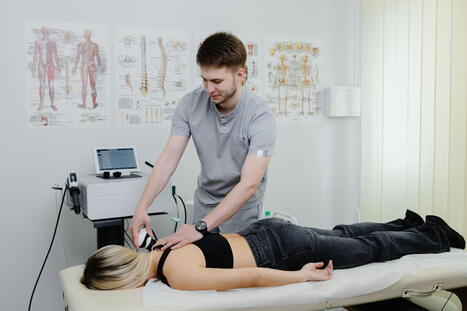





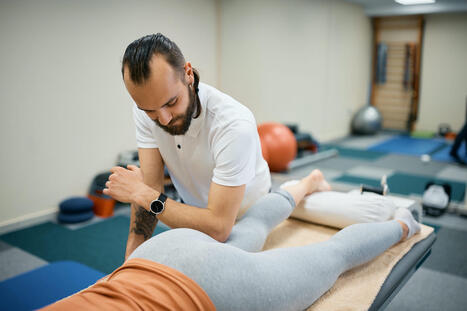
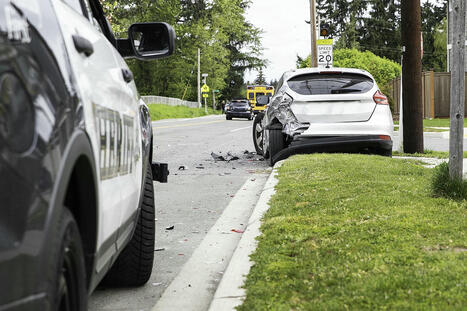





Sciatica is characterized as a collection of symptoms rather than a single condition. Pain and discomfort, along with tingling sensations, numbness and burning sensations are the most common symptoms indicating the presence of sciatica. Understanding the variety of symptoms as well as the causes for sciatica can be important in order to properly diagnose it and follow up with treatment. For more information, please feel free to ask Dr. Jimenez or contact us at (915) 850-0900.