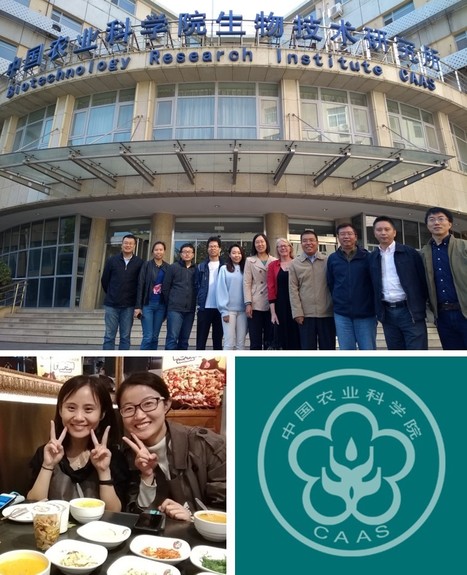
The best part of plant science is the plant scientists. I had an amazing visit today to CAAS, full of young and energetic PIs and students. Special thanks to Fan and Xiangxiang my tour guides! @ASPB @ThePlantCell

 Your new post is loading...
 Your new post is loading...
Your new post is loading...
 Scoop.it!
|

|
Scooped by
Mary Williams
June 2, 2017 2:29 AM
|
Scoop.it!
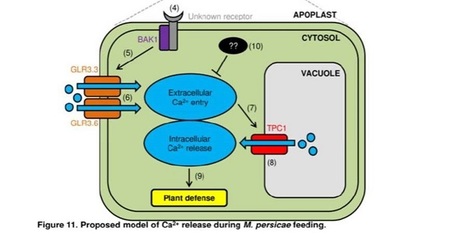

What We're Reading: Aphids, ABP1, FRO2, PO4, yuvalamide A, pinenes, ancestral alliances and other delights

|
|
Scooped by
Mary Williams
March 31, 2017 6:14 AM
|
Scoop.it!

What We're Reading: Today we cover spandrels & speciation, thermophilous species & tradeoffs, the Kok effect & more
|
|
Scooped by
Mary Williams
March 24, 2017 7:13 AM
|
Scoop.it!
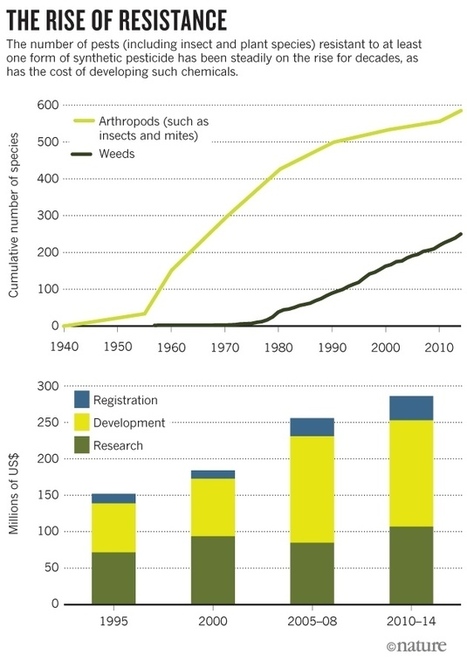
Agricultural scientists look beyond synthetic chemistry to battle pesticide resistance.
|
|
Scooped by
Mary Williams
March 10, 2017 6:02 AM
|
Scoop.it!
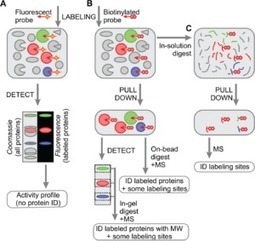
Stomatal immunity, banana breeding, synthetic botany, RACiR, AGO10 and SPY (oh my) and more!
|
|
Scooped by
Mary Williams
March 2, 2017 10:04 AM
|
Scoop.it!
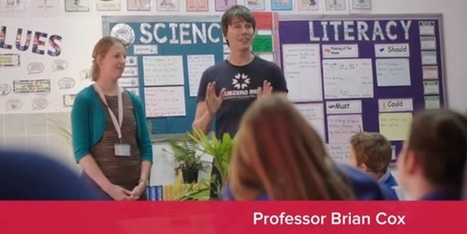
This resource provides a set of videos and a practical investigation aimed at supporting working scientifically in the classroom and relating science to real world experiences.
In the first video Professor Brian Cox joins a teacher to find out how to set up and run an investigation to find out if plants need soil to grow. Children try to germinate and grow plants from a seed using a variety of different materials instead of soil.
Further videos show Brian Cox visiting an Industrial farm to find out about how they grow vegetables in a building and meeting a researcher looking at soil health.
A written resource, provided by Science and Plants at Schools, (SAPS), guides teachers in running the investigation in class. This resource has been provided by the Royal Society.
|
|
Scooped by
Mary Williams
February 25, 2017 1:58 AM
|
Scoop.it!
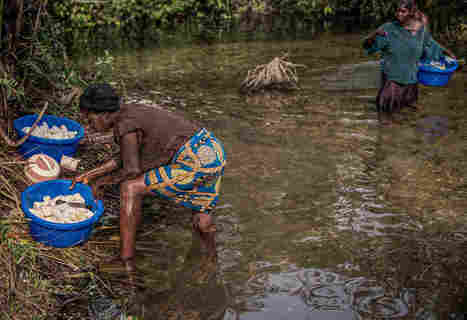
Some African countries have long witnessed mysterious outbreaks of paralysis. Affected regions are poor and conflict-ridden, where people's main food is a bitter, poisonous variety of cassava.
|
|
Scooped by
Mary Williams
February 20, 2017 6:34 AM
|
Scoop.it!
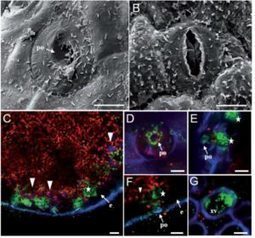
Morphometrics and mycorrhizas,
hydathodes and isoprenes,
Tansley Medal finalists and more!
|
|
Scooped by
Mary Williams
February 3, 2017 2:38 AM
|
Scoop.it!
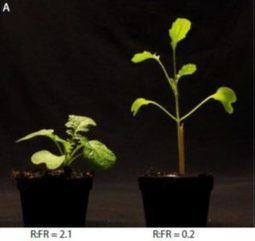
Reviews on P, Se, and FR/R. Haploid induction, chlorophagy, ethnobotany and more!
|
|
Scooped by
Mary Williams
January 31, 2017 8:52 AM
|
Scoop.it!
Excellent opportunity for someone excited by plant science research! Located near Washington DC at Society headquarters (Rockville, Maryland).
The Education Coordinator is responsible for implementing the Society’s education and outreach activities, as well as for administrative support and coordination of correspondence, communication activities, and development of education-related projects.
|
|
Scooped by
Mary Williams
January 25, 2017 11:01 AM
|
Scoop.it!
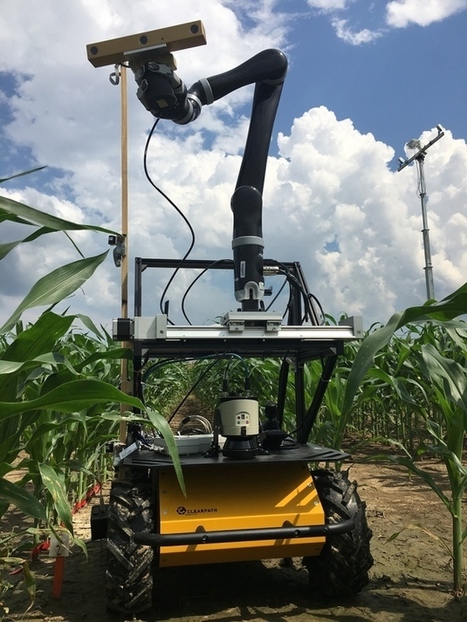
Old-school areas of plant biology are getting tech upgrades that herald more detailed, faster data collection.
|
|
Scooped by
Mary Williams
January 23, 2017 11:33 AM
|
Scoop.it!
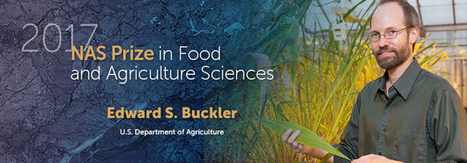
Edward S. Buckler, Research Geneticist, USDA-ARS and Adjunct Professor, Plant Breeding and Genetics at the Institute for Genomic Diversity, Cornell University, will receive the 2017 NAS Prize in Food and Agriculture Sciences, the first time this prize is being awarded.
|
|
Scooped by
Mary Williams
October 9, 2018 8:35 AM
|
Scoop.it!
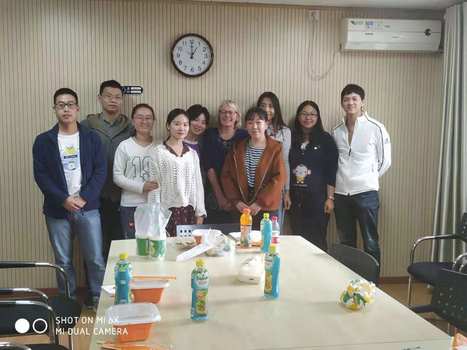
I spent a wonderful day visiting with the plant scientists at Tsinghua University, Beijing. Lunch with some graduate students was a highlight! Thanks for hosting me!
|
|
Scooped by
Mary Williams
April 28, 2017 2:43 AM
|
Scoop.it!
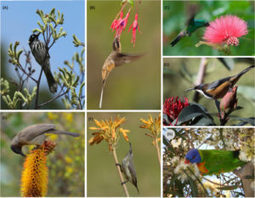
We're reading about photosynthesis (several), perennialization, Polycomb Repressive complexes, plastid origins, pollination by birds, hypoxia, hybrid vigor, heat stress (and more!). Enjoy and have a nice weekend!
|
|
Scooped by
Mary Williams
March 31, 2017 6:16 AM
|
Scoop.it!
A well-presented look at the controversies around GMOs, from the popular video seriesKurzgesagt – In a Nutshell.

|
|
Scooped by
Mary Williams
March 24, 2017 7:15 AM
|
Scoop.it!
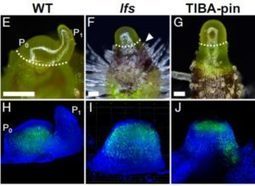
A plethora of papers featuring auxin (5), guard cells (2), evolution (3), & flower/ing (3) +more
|
|
Scooped by
Mary Williams
March 17, 2017 3:40 AM
|
Scoop.it!
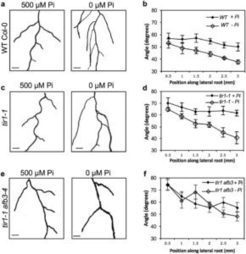
Some big ideas this week, from sex determination to the fate of the world's plants (&much more)
|
|
Scooped by
Mary Williams
March 3, 2017 2:51 AM
|
Scoop.it!
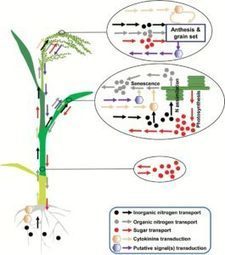
Cool chemistry: Structural metabolomics for community ecology, MS imaging of Kranz anatomy, Real-time phloem unloading, Metabolic gene clustering, Pollen chemistry as a driver of host shifts in bees .... and more!
|
|
Scooped by
Mary Williams
February 25, 2017 2:30 AM
|
Scoop.it!
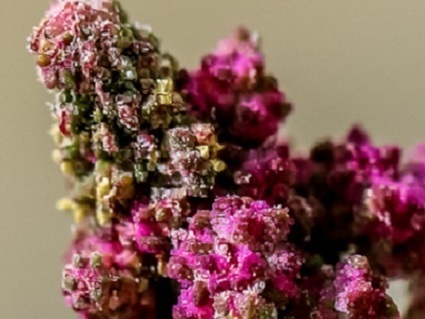
The sequencing of a high-quality quinoa genome by a KAUST-led team supports global food security and the production of crops to feed millions of people
|
|
Scooped by
Mary Williams
February 21, 2017 5:28 AM
|
Scoop.it!
Editor-in-chief of Plant Physiology interview
|
|
Scooped by
Mary Williams
February 10, 2017 2:32 AM
|
Scoop.it!
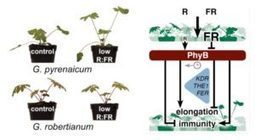
What We’re Reading: February 10
Weekly roundup of new and interesting plant science. Shade avoidance syndrome, hypoxia in development, C-stores in coastal wetlands and more!
|
|
Scooped by
Mary Williams
February 2, 2017 6:04 AM
|
Scoop.it!

The November-December 2016 special issue of Current Plant Biology is out now and available free of charge. With this issue, focused on “Genomic resources and databases”, Current Plant Biology celebrates the successful completion of its third year.
Call for papers: Upcoming special issue on plant development
This special issue will focus on the mechanisms that govern plant development including the differentiation of the plant cells, tissues and organ. The articles may include reviews, research articles, resources/databases and perspectives.
Deadline for submission: March 30th, 2017
Please contact Sushma Naithani for more information.
|
|
Scooped by
Mary Williams
January 27, 2017 2:43 AM
|
Scoop.it!

Flower origins and pollinator interactions, dark responses, peptide hormones and pathogen responses, we've got it all!
A great place to find your weekend plant science reading.
|
|
Scooped by
Mary Williams
January 23, 2017 11:36 AM
|
Scoop.it!
What We’re Reading: January 20th: drought, pathogens, membranes and databases, oh my! Fe, Cl and mitochondria too!