What's the difference between accommodations and modifications? Here's how to tell them apart! Accommodations vs. Modifications
Get Started for FREE
Sign up with Facebook Sign up with X
I don't have a Facebook or a X account


|
Scooped by
Dr. Tom D'Amico (@TDOttawa)
onto iGeneration - Humane Use of Technology in an AI world (Pedagogy & Digital Innovation) November 1, 2014 6:35 PM
|
 Scoop.it!
What's the difference between accommodations and modifications? Here's how to tell them apart! Accommodations vs. Modifications
 Your new post is loading...
 Your new post is loading...
Your new post is loading...
Scoop.it!

What new research tells us about the pedagogical perils of "dehumanised" feedback 
Ade's curator insight,
February 19, 7:36 PM
Archbishop Charles Heerey College of Nursing Sciences, Aba, Abia State 2026/2027 Admission Form/Application Form Is Out Call the Registrar (07073028206) 07073028206 (07073028206) For More Details On How To Apply And Register Online. The Management Of The School Hereby Inform The general Public On The Sales Of The General Nursing Admission Form Into The School Of Nursing, And Also The Sales Of Two (2) Years Post Basic Nursing Program. Contact The Educational Board Admin On (07073028206) For More Details On How To Purchase The Form And Register Online. REQUIREMENT FOR THE THREE YEARS GENERAL NURSING PROGRAMMES1. GENERAL NURSING PROGRAMME Admission Requirements Candidates For Admission Into The General Nursing Program Of The Nursing And Midwifery Council Of Nigeria Must Posses The Senior Secondary School Certificate Or It's Equivalent With Five Credits To Include English Language And Either Physics, Chemistry, Biology/Health Science At Not More Than Two sittings. Duration Of Training: Three Calendar Years. Registered Nurse (RN) Also POST BASIC NURSING MIDWIFERY PROGRAMME Admission Requirements: The Candidate Must Be a Registered Nurse, Five (O,Level) Credits Not More Two Sittings And Must Also Meet All institutional Requirements. Duration of Training: Two Calendar *Year*.{07073028206}
Scoop.it!
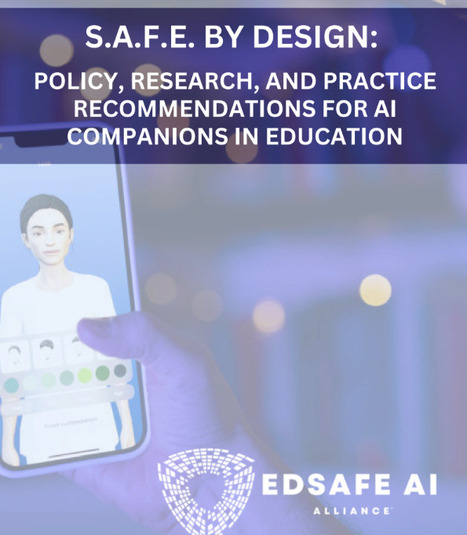
S.A.F.E. by Design: Policy, Research, and Practice Recommendations for AI Companions in Education 
Richard Platt's curator insight,
February 7, 5:15 PM
S.A.F.E. by Design: Policy, Research, and Practice Recommendations for AI Companions in Education
Scoop.it!
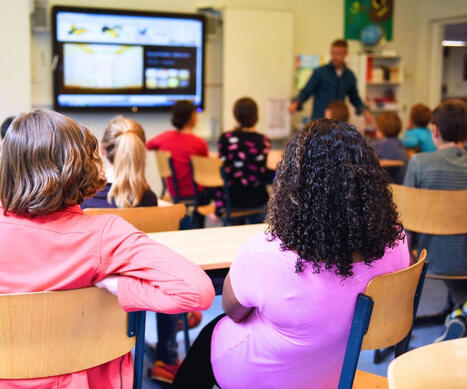
We're recommending that schools transition away from posting identifiable photos of students on public-facing websites and social media.
Scoop.it!

Mar V's curator insight,
January 20, 8:41 AM
La IA ofrece grandes oportunidades, pero también presenta riesgos y dificultades a nivel educativo. Uno de estos riesgos es que los alumnos no se esfuercen por pensar, recurriendo a ella para resolver las tareas. Además, puede provocar que no se desarrolle el pensamiento crítico y reflexivo. Por ello, es fundamental establecer su incorporación a las aulas, definiendo la intención pedagógica, el marco ético o los objetivos de enseñanza y aprendizaje que con su uso se pretenden alcanzar.

cynthiia.sr9@gmail.com's curator insight,
January 20, 11:27 AM
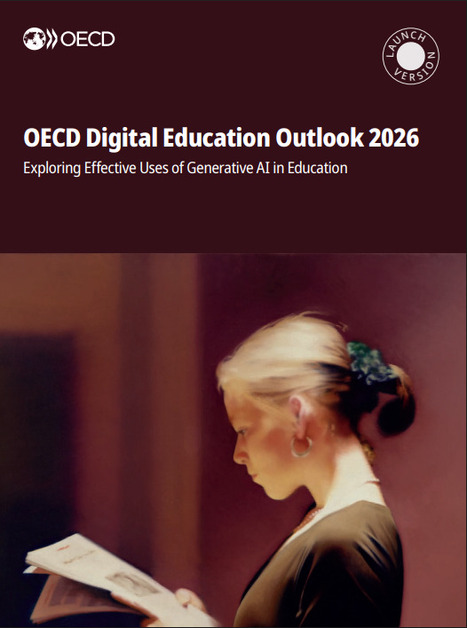
La OCDE deja claro que la tecnología y la inteligencia artificial ya forman parte de la educación, pero que no son una solución mágica. Bien usadas, pueden ayudar a personalizar el aprendizaje y facilitar el trabajo en el aula; mal usadas, pueden aumentar desigualdades o hacer que se aprenda menos. Por eso, el verdadero reto no es tener más tecnología, sino saber usarla con sentido, formar bien al profesorado y poner siempre el aprendizaje y las personas en el centro.

Laura Moreno Fernández's curator insight,
January 22, 10:53 AM
El OECD Digital Education Outlook 2026 es un informe internacional que analiza cómo la inteligencia artificial generativa (GenAI) está transformando el campo educativo y qué criterios hacen que su uso sea efectivo y pedagógicamente significativo. El documento destaca que, aunque herramientas como ChatGPT y otras aplicaciones de IA pueden mejorar la calidad del trabajo escolar, no siempre generan aprendizaje real si se usan sin bases pedagógicas sólidas; es decir, producir buenas respuestas no garantiza que se hayan desarrollado habilidades profundas. Un hallazgo clave del informe es que la IA puede contribuir positivamente al aprendizaje cuando se integra con una intención pedagógica clara, por ejemplo, actuando como tutor o compañero de diálogo que fomenta el pensamiento crítico, la creatividad y la colaboración entre estudiantes. Además, subraya la importancia de rediseñar estrategias de enseñanza para que la IA complemente el proceso educativo sin sustituir el esfuerzo cognitivo necesario para la internalización de conceptos. El informe también reconoce el papel central de los docentes en esta transformación: la IA debe aumentar la capacidad del profesorado para enseñar, no reemplazarla. Herramientas co‑diseñadas con docentes y centradas en objetivos de aprendizaje pueden amplificar la calidad de la enseñanza, manteniendo la agencia profesional del docente como eje del proceso educativo. Este estudio es especialmente relevante para entender la educación digital del siglo XXI porque plantea la necesidad de una integración ética, reflexiva y pedagógica de las tecnologías, impulsando no solo habilidades técnicas sino también competencias cognitivas y metacognitivas que preparan a los estudiantes para enfrentar desafíos complejos en un mundo cada vez más digitalizado.
Scoop.it!

Common Sense Education provides educators and students with the resources they need to harness the power of technology for learning and life. Find a free K-12 Digital Citizenship curriculum, reviews of popular EdTech apps, and resources for protecting student privacy. 
mariajosefa.berbel@murciaeduca.es's curator insight,
January 13, 2:11 PM
La publicación “Dos verdades e IA: un juego interactivo gratuito de Common Sense Media” representa una herramienta innovadora para fomentar la alfabetización mediática en niños de primaria y secundaria. Este recurso permite a los estudiantes identificar información veraz frente a desinformación generada por la inteligencia artificial, promoviendo un pensamiento crítico temprano. La dinámica del juego, basada en la comparación de afirmaciones verdaderas y falsas, involucra de manera lúdica a los participantes, reforzando la comprensión de conceptos complejos de manera accesible y atractiva. Además, la propuesta contribuye a desarrollar competencias digitales esenciales en un contexto donde la exposición a contenidos digitales y algoritmos es constante. La integración de este tipo de estrategias educativas demuestra la importancia de enseñar no solo habilidades técnicas, sino también éticas y reflexivas, preparando a los estudiantes para interactuar con la información de manera responsable. En suma, se trata de un recurso pedagógico relevante, dinámico y alineado con los desafíos de la educación actual.

anita92delarosa@gmail.com's curator insight,
January 16, 8:33 AM
“Two Truths & AI” de Common Sense Media es una actividad educativa diseñada para fomentar la alfabetización digital y el pensamiento crítico en estudiantes frente a contenidos generados por inteligencia artificial. La dinámica consiste en mostrar tres imágenes de carteles de películas —dos reales y una generada o alterada por IA— y desafiar a los estudiantes a identificar cuál es falsa, analizando detalles como errores de texto, proporciones incorrectas o elementos visuales inusuales (commonsense.org). Esta estrategia convierte en tangible la problemática de la desinformación digital y ayuda a los estudiantes a desarrollar habilidades para evaluar la veracidad de la información, competencias esenciales en un contexto donde la IA produce contenido cada vez más convincente.
Desde un punto de vista pedagógico, el recurso se alinea con teorías de alfabetización mediática y pensamiento crítico, que subrayan la importancia de enseñar a discernir la información confiable de la manipulación visual o textual, así como de comprender la relación entre contexto, fuente y veracidad. Sin embargo, aunque el juego es atractivo y motivador, su eficacia depende en gran medida de la mediación docente, ya que no aborda en profundidad la complejidad de la verificación en la vida real, donde la detección de contenido sintético requiere análisis de contexto y fuentes múltiples. En conclusión, “Two Truths & AI” constituye una herramienta útil para introducir a los estudiantes en la alfabetización digital y la evaluación crítica, pero debe integrarse en un marco educativo más amplio que aborde estrategias de verificación y ética digital. Referencia Bibliográfica: Dos verdades y un juego de IA. (s.f.). Recuperado 10 enero 2026 de https://www.commonsense.org/two-truths-and-ai
Laura Moreno Fernández's curator insight,
January 22, 10:49 AM
La publicación Two Truths & AI presenta un interactivo diseñado para enseñar a estudiantes a distinguir entre contenidos reales y generados por inteligencia artificial, a través de un recurso que muestra tres carteles de películas, de los cuales uno es falso y dos son reales. Este ejercicio fomenta la alfabetización mediática y digital, ya que anima a los participantes a observar detalles —como errores de texto o proporciones visuales extrañas— para identificar qué contenido podría ser producto de IA. Desde la perspectiva de la educación digital, esta herramienta es valiosa porque promueve el pensamiento crítico en un entorno lúdico y accesible, lo cual es esencial en un contexto en el que los jóvenes están expuestos constantemente a contenidos digitales generados por algoritmos. Aprender a reconocer señales de manipulación o de creación artificial es clave para desarrollar competencias que le permitan navegar de manera responsable y reflexiva en entornos informativos complejos. Este destaca también la importancia de integrar actividades que no solo enseñen habilidades técnicas, sino que fortalezcan la evaluación crítica de la información, preparándonos para identificar el recurso desinformación y entender mejor cómo funcionan las tecnologías que consumimos a diario. En este sentido, Two Truths & AI no solo entretiene, sino que también educa sobre una realidad cada vez más presente: la necesidad de distinguir lo verdadero de lo artificial en el entorno digital.
Scoop.it!

Considerations for the School Districts in Considering Large Scale AI Model DealsAs Artificial Intelligence (AI) and frontier AI models rapidly reshape the educational landscape, school systems face a dual challenge: harnessing these tools' transformative potential while rigorously safeguarding student data, privacy, and well-being. Procurement is no longer just about purchasing; along with AI literacy, it is the first line of defense in responsible AI governance.For years, Project Unicorn has c 
Manuel Jesus's curator insight,
January 14, 3:35 PM
El AI in Education: Negotiating for Our Future – A Checklist for K12 Districts aborda un aspecto fundamental y aún poco explorado de la integración de la inteligencia artificial en entornos educativos: la negociación y gobernanza responsable en la adopción de sistemas de IA a nivel de distrito escolar. El documento, impulsado por AI Policy Lab y Project Unicorn, parte de la premisa de que la adquisición de herramientas de IA no puede limitarse a la simple compra o implementación técnica, sino que debe considerarse dentro de un marco de seguridad, equidad, transparencia y protección de datos (AI Policy Lab, 2025). Esto es especialmente relevante en los sistemas K–12, donde la protección de la información personal y el bienestar de los estudiantes son prioritarios. Además, esta lista de verificación ofrece una propuesta práctica para que los líderes educativos y los responsables de políticas públicas puedan evaluar y negociar acuerdos con proveedores de IA de manera que no solo se maximicen los beneficios pedagógicos, sino que también se minimicen riesgos como la invasión de la privacidad o la creación de espacios de aprendizaje desigualitarios (AI Policy Lab, 2025). En este sentido, la alfabetización en IA y la gobernanza ética emergen como elementos clave para asegurar que la tecnología educativa sea una herramienta que empodere a comunidades educativas, en lugar de convertirse en un riesgo latente. Este enfoque se sitúa en consonancia con los principios de responsabilidad educativa y derechos digitales, invitando a un debate profundo sobre cómo construir ecosistemas de IA que respeten los valores y necesidades de estudiantes, docentes y familias.
Scoop.it!

Raquel GR's curator insight,
January 9, 3:36 AM
Este informe del Foro Económico Mundial destaca que en la nueva economía las habilidades humanas o centradas en las personas —como creatividad, pensamiento crítico, adaptabilidad y liderazgo— serán cada vez más esenciales para afrontar los cambios tecnológicos y de mercado, especialmente en un contexto donde la inteligencia artificial automatiza tareas rutinarias y redefine las necesidades laborales (Foro Económico Mundial, 2025). Esta perspectiva no solo subraya la importancia de integrar el desarrollo de competencias humanas en los procesos educativos, sino que también refuerza la necesidad de curar y seleccionar recursos educativos que fomenten estas habilidades en estudiantes y docentes, tal como plantean diversas investigaciones sobre la alfabetización y gestión de información en entornos digitales.
Scoop.it!

Learn how the AILit Framework and PISA 2029 MAIL assessment help students build critical AI literacy, media skills, and future-ready mindsets.
Manuel Jesus's curator insight,
January 14, 3:42 PM
Este artículo aborda un tema crítico para la educación actual: cómo preparar a los estudiantes para un mundo donde la IA supera en muchas áreas nuestras capacidades, pero donde los humanos aún conservamos ventajas en habilidades como las matemáticas. Lo más valioso de iniciativas como el Marco de Alfabetización en IA y la evaluación MAIL de PISA 2029 es que van más allá de enseñar conocimientos técnicos; fomentamos habilidades duraderas y una mentalidad crítica, ética y creativa frente a la tecnología. Al centrarse en la interacción con IA, la colaboración, la toma de decisiones conscientes y la comprensión de los datos y los modelos que sustentan estas herramientas, ambos marcos buscan preparar a los estudiantes para evaluar, complementar y mejorar su trabajo junto a la IA. Esto refuerza el papel esencial de los docentes y de las escuelas en desarrollar una alfabetización en IA completa , que permite a los jóvenes desenvolverse con responsabilidad, confianza y pensamiento crítico en el futuro digital.
Scoop.it!

Classroom Curricula Updated AI Snapshots 10-20 minute classroom activities built to spark debate, ignite curiosity, and build community. *Grades 7-12*Teacher-Led Access All Snapshots More creativity. More learning. With the supports you need. Move students from “What is AI? |
Scoop.it!

Nik Peachey's curator insight,
February 9, 6:04 AM
A useful free course for teenagers and teachers of teenagers.
Scoop.it!

From
crpe

In November 2025, the Center on Reinventing Public Education (CRPE) convened a diverse group of policymakers, system leaders, educators, researchers, funders, and technology experts for the Think Forward: Learning with AI Forum in New Mexico. At a moment when rapid advances in artificial intelligence are colliding with longstanding inequities and structural challenges in K–12 education,
Scoop.it!

GenAI Literacy 101 is a free, self-paced course where students learn the essentials of prompting, safety, and ethical AI use in just 90 minutes. Students develop foundational understanding of how GenAI works and gain practical skills to navigate an AI-powered world responsibly.
Scoop.it!
Nik Peachey's curator insight,
January 15, 2:11 AM
This is a really useful and well balanced report.
anita92delarosa@gmail.com's curator insight,
January 16, 8:29 AM
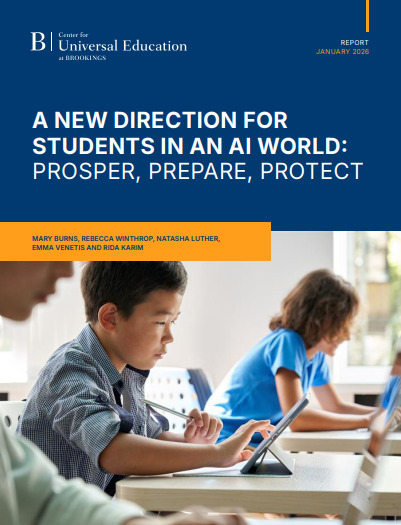
El informe “A New Direction for Students in an AI World: Prosper, Prepare, Protect” (Brookings, 2026) analiza los efectos de la inteligencia artificial en la educación y advierte que, si se usa sin regulación y preparación adecuada, puede generar riesgos sobre el aprendizaje, la privacidad y la equidad. Propone tres pilares: Prosper, para enriquecer el aprendizaje sin sustituir el pensamiento; Prepare, para fortalecer la alfabetización en IA y la formación docente; y Protect, para garantizar la seguridad y el bienestar estudiantil. Críticamente, aunque ofrece un marco útil, el informe enfatiza los riesgos más que los beneficios potenciales, y sugiere que la integración efectiva de IA requiere evidencia empírica, formación docente y adaptación curricular.
Referencia Bibliográfica: Burns, M. et al. (2026). Una nueva dirección para los estudiantes en un mundo de IA: prosperar, prepararse, proteger. Centro para la Educación Universal en Bookings. https://www.brookings.edu/wp-content/uploads/2026/01/A-New-Direction-for-Students-in-an-AI-World-FULL-REPORT.pdf
Scoop.it!

Oxford Rubric. Assessing Artificial Intelligence Usage in Schools
Nik Peachey's curator insight,
January 8, 5:31 AM
The Oxford Rubric™ is proposed as a normative framework rather than a technical standard. Its purpose is not to rank AI systems, but to assess appropriateness of use in educational contexts. The framework is intentionally technology‑agnostic and future‑proofed, focusing on enduring educational values rather than transient tools.
Scoop.it!

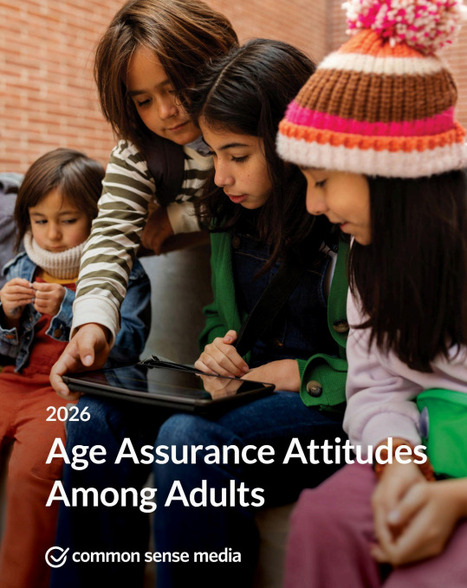
The report shows how violence appears in AI chats, when roleplay takes hold, what causes digital stress, and why device rules spark conflict at home.
Scoop.it!
Manuel Jesus's curator insight,
January 14, 3:40 PM
Este artículo ofrece una reflexión muy valiosa sobre cómo la educación y la crianza deben adaptarse a los tiempos actuales, marcados por cambios constantes y la presencia creciente de la inteligencia artificial. Destaca la importancia de formar a los estudiantes y los niños no solo en contenidos, sino en habilidades de pensamiento crítico, síntesis de información y toma de decisiones éticas, elementos esenciales para enfrentar problemas complejos y participar de manera responsable en la sociedad. Además, subraya que la tecnología, incluida la IA, debe ser una herramienta que complemente la enseñanza y fomente la curiosidad, nunca un reemplazo del juicio humano. También resalta la necesidad de que adultos y educadores acompañen a los jóvenes, promoviendo la alfabetización digital, hábitos de seguridad y capacidad para cuestionar lo que consumen. En conjunto, es un llamado a repensar la educación, la guía familiar y la integración tecnológica para preparar a las nuevas generaciones de manera integral y consciente.
Scoop.it!

espelh12@gmail.com's curator insight,
January 4, 1:18 PM
En Canadá están priorizando la ciberseguridad, responsabilidad y la equidad digital mientras equilibran las oportunidades digitales con la protección de docentes y discentes. Además, es interesante recordar que la transformación educativa debe ir enlazada al liderazgo, recursos y decisiones estratégicas para el buen desarrollo de la misma.
|