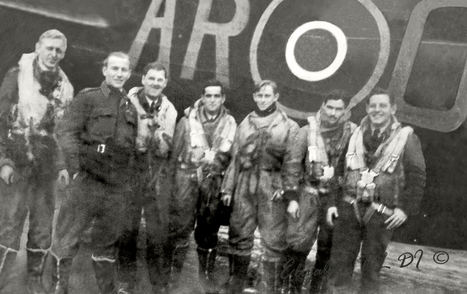
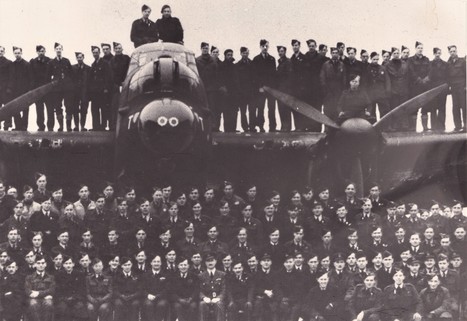
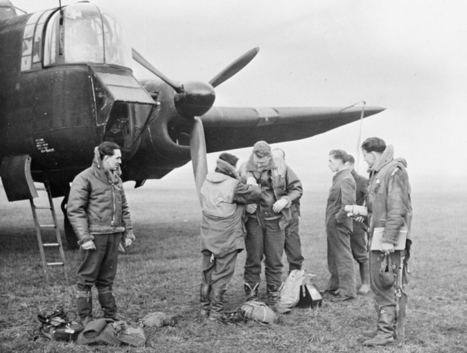
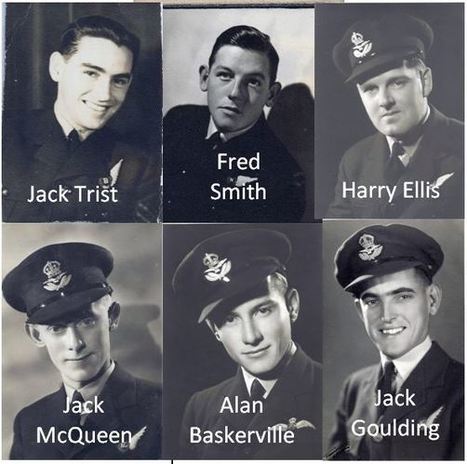
Ian Hall, Alan Baskerville, Harry Ellis, Jack Goulding, Jack McQueen, Jack Trist, Fred Smith. "The crew and I were only on 460 Squadron for just a few months as we each completed our 30 trip 'tour of duty'. Still, we were proud to have played our part in a great Command, to have upheld the honour and reputation of a great Squadron and to have been numbered amongst that splendid company of men who willingly went each night in jeopardy of their lives" Henry Baskerville. Here are our stories ....
In February 1945 the German town of Cleve was almost totally destroyed in a night attack that cleared the way for the advancing British and Canadian troops. Chemnitz and Dresden were bombed in March to assist the Russian armies.
Peter John Baskerville's insight:
A comprehensive summary of 460 squadron's contribution to the war effort.
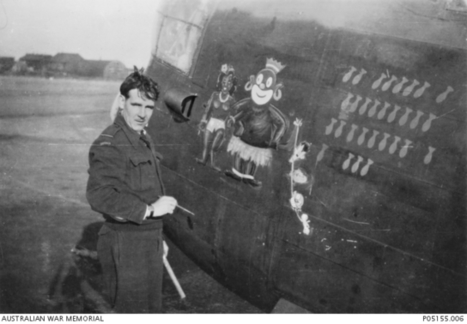
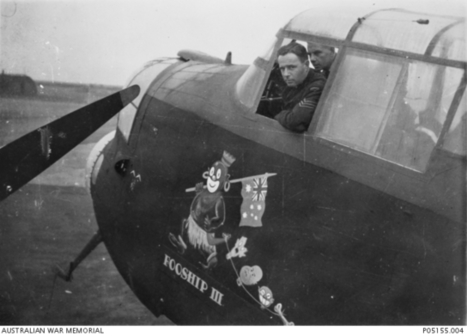
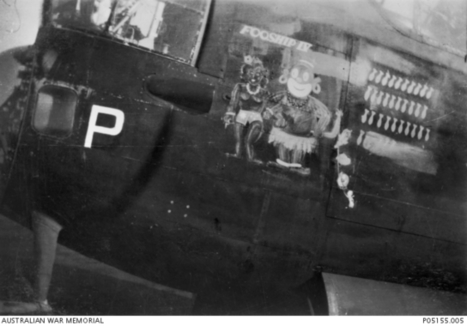
425083, Flying Officer (later Flight Lieutenant, DFC and Bar) Thomas Victor (Vic) Watts, navigator, 460 Squadron, RAAF, painting some art onto the nose of an Avro Lancaster aircraft code named 'P' Peter (W4881) and named 'Fooship IV'. The art work depicts a caricature of a pair of indigenous people (male and female) arm in arm. The male figure is holding a boomerang with a trailing string, to which are attached the caricatured heads of Adolph Hitler, Benito Mussolini, the Japanese emperor Hirohito and a bone. Next to the nose art is the aircraft's bomb log showing 30 completed operations. This aircraft was destroyed over Berlin on 3 December 1943 after completing 31 missions.
Find out who did what in a WW2 Bomber Command crew and how each member of the crew depended on each other in extremely dangerous and stressful conditions.
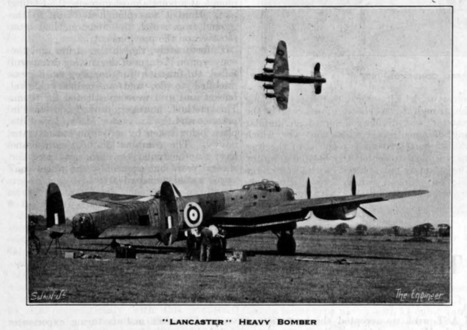
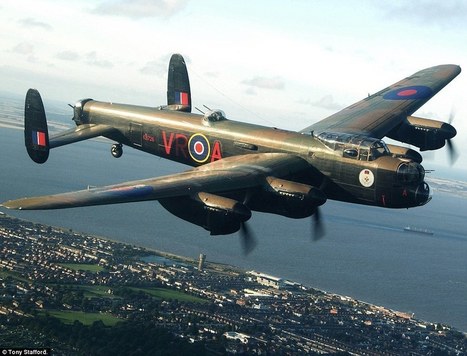
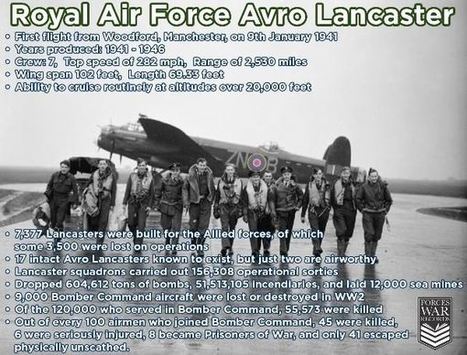
WW2 British AVRO Lancaster Heavy Bomber. Born out of the failure that was the Manchester, the Lancaster has become the one bomber most associated with th
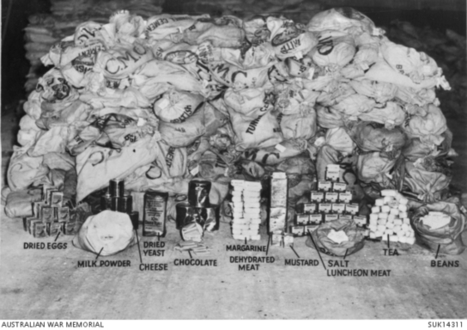
65 years ago a very special operation began to provide food to the starving civilians in the German occupied Netherlands. During the harsh winter of 1944-1945 the Dutch population endured a major famine. Known as the ‘hungerwinter’ it was concentrated in the densely populated urban areas bounded by Amsterdam, Utrecht, Rotterdam and The Hague. By 1945 the daily ration had been reduced to 600 calories – a third of what it had been in 1941.
LANCASTER BOMBER -START UP, IN FLIGHT' AND LANDING. MUSIC PERFORMED BY TOM PETTY AND THE HEART BREAKERS. THIS IS NUMBER 14 OF THE IN FLIGHT VIDEO SERIES
To celebrate our 160th anniversary here at Engineer Towers we’re looking to showcase the magazine’s archive, exploring its depths in greater detail than ever before.
Benjamin Lambell pays tribute to his grandfather Neil Lambell DFC. He was a bomb aimer who did 16 missions in Lancaster ED888, which did a record 140 operati...
The incredible story of the Avro Lancaster, one of the finest bombers of the Second World War, which played a crucial role in the long and savage campaign to defeat Hitler's Third Reich. This documentary features interviews with surviving veterans of Bomber Command, who share frank personal accounts of their part in an aerial battle of attrition which claimed the lives of 55'000 aircrew.
� It's like Netflix for history... Sign up to History Hit, the world's best history documentary service, at a huge discount using the code 'TIMELINE' ---ᐳ http://bit.ly/3a7ambu
A look back at the brave service and devastating sacrifice of the Australian RAF Bomber Command during the Second World War by the Australian War Memorial.
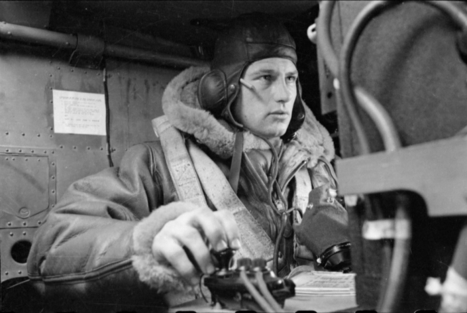
What was it like to be a member of a bomber command crew in WW2? This article shows some of the dangers crews faced, what daily life was like and how casualties were treated.
Jack Trist (Bomb Aimer), Fred Smith (Navigator), Harry Ellis (Air Gunner), Jack McQueen (air Gunner), Alan Baskerville ( Pilot), Jack Goulding (Air Gunner).
For the 55,000 brave aircrew who lost their lives in the Second World War, it would have been their final view of England, soaring high above the North Lincolnshire countryside.
A VETERAN mid-upper air gunner who flew in raids across Germany during the grips of World War II, considers himself one of the lucky ones who made it home.
July 10, 2015 - Lincolnshire Aviation Heritage Centre - The one of a kind sound of a Lancaster Bomber being started, amazing! For more info, go to: http://ww...
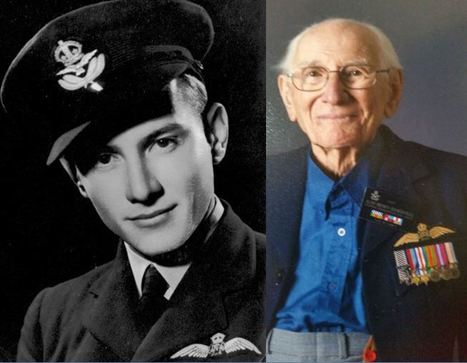
Dad in 1945 returning from his tour of duty as Lancaster pilot for 460 Squadron and 70 years later in 2015 as part of the collection of photos of WW2 veterans for the national archive at the Australian War Memorial.
To get content containing either thought or leadership enter:
To get content containing both thought and leadership enter:
To get content containing the expression thought leadership enter:
You can enter several keywords and you can refine them whenever you want. Our suggestion engine uses more signals but entering a few keywords here will rapidly give you great content to curate.


 Your new post is loading...