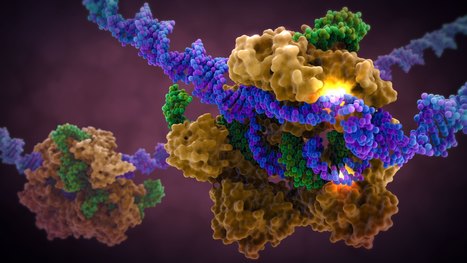
A landmark study published in Cell has shown that prime editing, a cutting-edge form of gene editing, can correct mutations causing Alternating Hemiplegia of Childhood (AHC) with a single in-brain injection. The research team fixed the most prevalent ATP1A3 gene mutations in mouse models, reducing symptoms and more than doubling survival, a first-of-its-kind success in treating a neurological disease directly in the brain. CRISPR-based gene editing was delivered through an harmless adeno-associated virus called AAV9. In parallel, patient-derived cells (iPSCs) responded similarly, reinforcing the method’s promise for human translation. Importantly, this success opens the door to targeting other genetic brain disorders previously deemed untreatable. Although results are preliminary, this study provides robust proof‑of‑concept for personalized gene editing in the brain and opens doors toward potential treatments for other intractable genetic neurological disorders.


 Scoop.it!


 Your new post is loading...














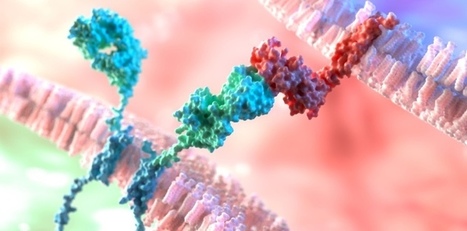
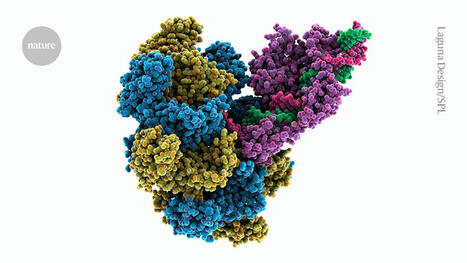






CRISPR Cas had recently emerged as a new tool for DNA engineering, It's quite promising due to the easy of use and the reduced cost compared to TALENs or ZFNs. However we are still waiting for robust challenging of this technology, espacially regarding the off-target frequency. The team of Mazhar Adli provides new insights on this question and bring elements to decipher the factors that may influence the targeting specificity.
http://geg-tech.com/