Your new post is loading...

|
Scooped by
Beeyond
November 30, 10:33 AM
|
At the American Heart Association Scientific Sessions, South Korean investigators reported the ADAPT AF-DES trial of anticoagulant monotherapy or combination therapy with a direct oral anticoagulant (DOAC) plus clopidogrel in patients with atrial fibrillation (AF) who had a drug-eluting stent at least 1 year earlier.
This is very much a repeat of the AQUATIC trial, which showed clear superiority of anticoagulation monotherapy over anticoagulation plus low-dose aspirin in similar patients.
|
|
Scooped by
Beeyond
November 30, 10:32 AM
|
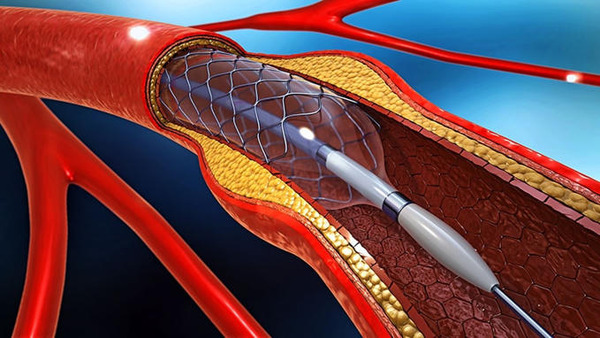
The TUXEDO-2 study is a randomized clinical trial evaluating percutaneous coronary intervention strategies, including stent choice, revascularization approach, and antiplatelet therapy, in 1,800 adults in India with Type 1 or Type 2 diabetes and multivessel disease. All of the patients enrolled in the study had one of two specific drug-eluting stents implanted after a percutaneous coronary intervention to clear a blockage. Stents are implanted to increase blood flow in a narrowed or blocked vessel, and drug-eluting stents are coated with a medication to help reduce the risk of re-narrowing of the stents.
|
|
Scooped by
Beeyond
November 30, 10:31 AM
|
Nordanstig, who joined the session remotely, reiterated that drug-coated balloons and stents were not associated with reduced risk of amputation or improved quality of life compared with uncoated devices in the SWEDEPAD 1 and 2 trials of patients with chronic limb-threatening ischaemia (CLTI) and intermittent claudication, respectively. He added that higher five-year mortality with drug-coated devices in patients with intermittent claudication was noted.
|
|
Scooped by
Beeyond
November 30, 10:30 AM
|
Drug-coated balloons and stents don’t reduce the risk of amputation or improve quality of life for people with peripheral artery disease in the legs. That’s the takeaway from two major clinical trials led by researchers at the University of Gothenburg.
|
|
Scooped by
Beeyond
November 30, 10:28 AM
|
Drug-eluting stents (DES) have largely overcome the major limitation of bare-metal stents (BMS) — namely, the high rate of vascular smooth muscle cell (VSMC)-driven in-stent restenosis — by releasing antiproliferative drugs that suppress excessive neointimal hyperplasia. However, late and very late stent thromboses have emerged as new challenges of DES, caused not by mechanical complications or VSMC proliferation, but by a rapid, lipid-driven atherosclerotic process within stented segments, termed in-stent neoatherosclerosis.
|
|
Scooped by
Beeyond
November 30, 10:26 AM
|
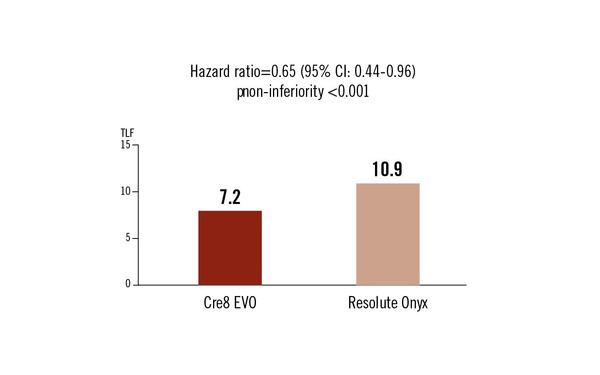
The SUGAR trial demonstrates that AES and O-ZES provide comparable long-term efficacy in preventing TLF in patients with DM undergoing PCI. These findings support the use of either stent type and highlight the importance of further long-term studies to optimise outcomes.
|
|
Scooped by
Beeyond
November 30, 10:24 AM
|
The results show that patients with type 1 diabetes have more than twice the risk of stent complications compared to patients without diabetes. For patients with type 2 diabetes, the risk is also elevated, but not as significantly. Complications include both narrowing of the artery in the stent and blood clots in the stent.
|
|
Scooped by
Beeyond
November 30, 10:23 AM
|
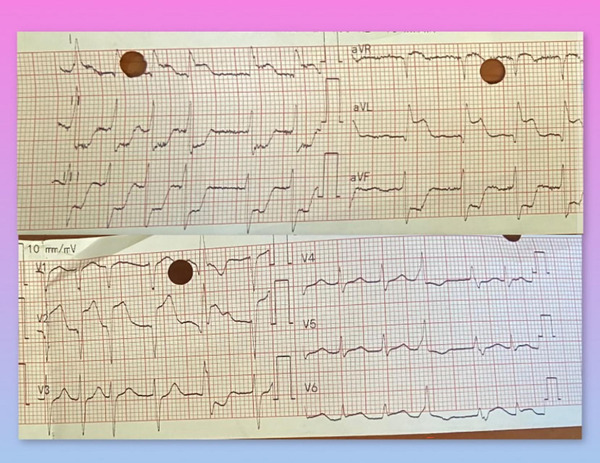
Around 1 in 5 patients with ST-segment elevation myocardial infarction (STEMI) treated with primary percutaneous coronary intervention (PCI) experienced target lesion failure (TLF) within 10 years, with older age and other comorbidities identified as risk factors.
|
|
Scooped by
Beeyond
November 30, 10:23 AM
|
Coronary Artery Disease (CAD) remains a leading cause of death globally, but the treatments are rapidly changing. While traditional methods like lifestyle changes, medications, and surgeries have long been the cornerstone of care, these are now being enhanced by modern innovations. As highlighted by Nishi Patel, recent medical therapies target underlying biological processes, offering new hope to patients previously considered high-risk or untreatable.
|
|
Scooped by
Beeyond
November 30, 10:05 AM
|
Sometimes, a feeling of chest discomfort, shortness of breath, or loss of energy may be more than stress or fatigue. To many individuals, the symptoms indicate that the heart may be having difficulties in pumping sufficient blood to the body. Implanting a stent, which is a small and lifesaving gadget that keeps arteries open, is one of the most widespread measures taken in such instances. But knowing when a stent is needed is not as simple as assuming that every chest pain requires one. That is the decision that doctors give after a thorough consideration of the symptoms, results of tests done, and the general health of the heart.
|
|
Scooped by
Beeyond
November 30, 10:03 AM
|
As the use of Drug Coated Balloons has gained traction over time, limitations of the technology have become apparent, including a reported 2–4% annual adverse event rate at long-term follow-up. This has given rise to a need for new strategies to minimise stenting or leave no permanent implant behind following a PCI procedure. DCB technologies offer promise in overcoming these limitations, facilitating the delivery of potent antiproliferative drugs without the need for a permanent scaffold. However, whilst there have been promising data in select subsets, DCBs have yet to excel in studies involving de novo coronary artery disease.
|
|
Scooped by
Beeyond
November 27, 4:57 AM
|
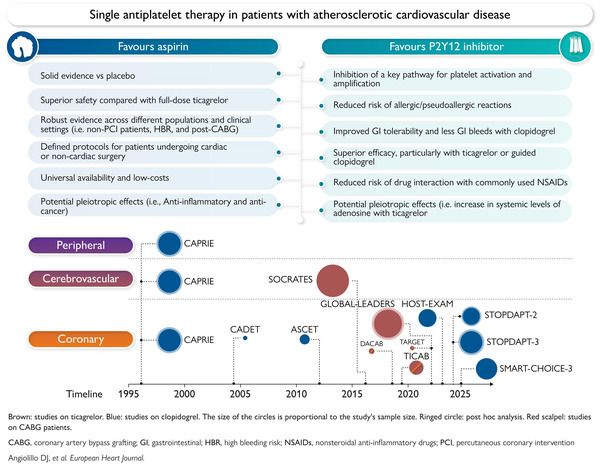
Antiplatelet therapy is the cornerstone of treatment in patients with established atherosclerotic disease. The use of a single antiplatelet agent is commonly recommended for the long-term management of these patients. Although aspirin has represented the mainstay of antiplatelet therapy for decades, emerging evidence suggests that P2Y₁₂ inhibitors may be more than just a viable alternative to aspirin and may be preferred over aspirin. This review examines the current evidence comparing the efficacy and safety of aspirin vs P2Y12 inhibitors in reducing cardiovascular events in patients with atherosclerotic disease.
|
|
Scooped by
Beeyond
November 24, 6:17 AM
|
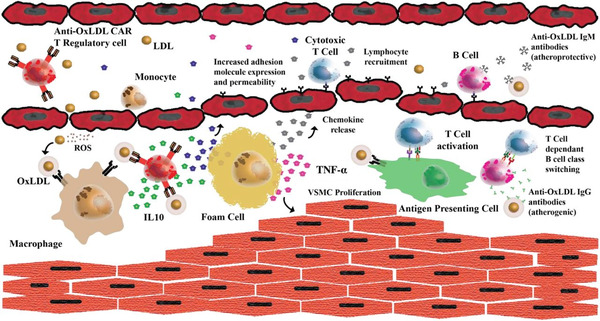
Anti-OxLDL CAR Tregs mitigate inflammation and plaque deposition associated with oxidized LDL and may offer a new therapeutic option for atherosclerosis.
|
|
Scooped by
Beeyond
November 24, 5:58 AM
|
This study reveals clinically significant differences in CAD patterns between sexes, with women demonstrating a higher burden of angina, more focal disease distribution, and better physiological results after PCI.
|
|
Scooped by
Beeyond
November 24, 5:54 AM
|
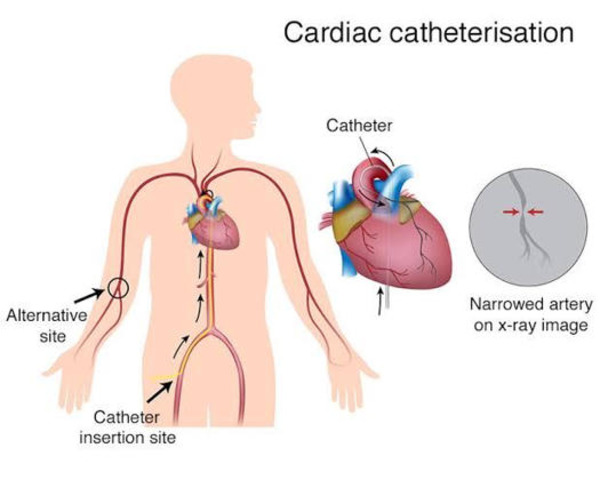
Le cathétérisme cardiaque (CC) et les examens électrophysiologiques (EP) sont des éléments fondamentaux du diagnostic et de l'intervention cardiovasculaires modernes. Bien que ces deux procédures impliquent un accès mini-invasif au cœur par voie vasculaire périphérique sous contrôle fluoroscopique, elles ont des objectifs distincts : le CC évalue principalement l'intégrité structurelle, les pressions et le débit sanguin (hémodynamique) du cœur et des artères coronaires, tandis que les examens EP sont spécialisés dans la cartographie et l'évaluation du système de conduction électrique.
|
|
Scooped by
Beeyond
November 24, 5:48 AM
|
This case highlights the need for heightened vigilance and awareness of the potential arterial thrombosis risk associated with oral contraceptive pill use, especially in young women with no other cardiovascular risk factors.
|
|
Scooped by
Beeyond
November 19, 2:30 PM
|
L’étude a été arrêtée prématurément le 16 avril 2024 sur recommandation du comité de surveillance en raison d’un excès de mortalité globale dans un groupe. La durée médiane de traitement était de 1,7 an (IQR 0,7-2,8) et le suivi médian de 2,2 ans (IQR 1,1-3,2).
|
|
Scooped by
Beeyond
November 17, 9:15 AM
|
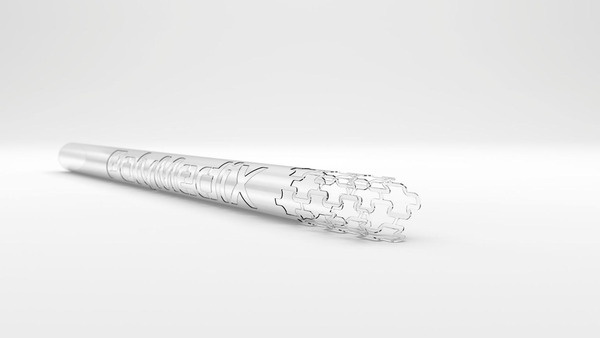
Mit PolyMediX® hat MeKo ein innovatives Herstellungsverfahren entwickelt, das Polymerrohre auf höchstem Qualitätsniveau ermöglicht. Unser Verfahren kombiniert Präzision, Gestaltungsfreiheit und Integrität – und schafft damit eine solide Grundlage für die Medizintechnik von morgen. Dank der engen Verzahnung mit unserer Fertigung entstehen aus wenigen Gramm Material in kürzester Zeit Prototypen und Kleinserien, die sich in Forschung und klinischer Anwendung bewähren.
|
|
Scooped by
Beeyond
November 10, 3:29 AM
|
In the treatment of larger narrowed blood vessels, drug-coated balloon catheters have been shown to deliver lasting and effective outcomes. Their minimally invasive nature makes them a viable alternative to stents. These findings, from a research team led by cardiologist Professor Bruno Scheller at Saarland University, have now been validated by an international study involving over 3,300 patients.
|
|
Scooped by
Beeyond
November 10, 3:28 AM
|
For many decades the axiom ‘the more you gain, the more you lose’ has dominated thinking on luminal enlargement after balloon angioplasty in the coronary arteries, with the fear that a certain amount of arterial dissection carries the likelihood of restenosis later down the line. However, in recent years the advent of drug-coated balloon (DCB) technologies has opened the door to the idea that coronary dissections may not, after all, have to be a cause for alarm, and in fact present the opportunity for effective drug delivery to treat coronary lesions.
|
|
Scooped by
Beeyond
November 10, 3:26 AM
|
A one-month course of dual clot-preventing therapy followed by a single clot-prevention medication for the remainder of the standard 12-month regimen in adults with atrial fibrillation (AFib) who received a coronary stent was as effective as one year of continuous dual therapy for preventing stroke, heart attack and death.
|
|
Scooped by
Beeyond
November 6, 3:33 AM
|
Sous couvert d’économies budgétaires, le ministère de la Santé prévoit de radier, dès 2026, plusieurs dispositifs médicaux de la liste en sus. Une décision unilatérale dénoncée par le Snitem, les professionnels de santé et les associations de patients, qui fustigent une concertation bâclée et l’absence d’analyse d’impact. Tous alertent sur les risques pour la qualité et la sécurité des soins, la liberté thérapeutique et l’accès à l’innovation.
|
|
Scooped by
Beeyond
November 3, 4:17 AM
|
Interventional cardiologists gathered at the meeting also heard from Philips, which examined the treatment of additional blockages in heart attack patients, and Penumbra, whose study compared mechanical thrombectomy plus blood thinners to anticoagulation therapy alone for patients with pulmonary embolism.
|
|
Scooped by
Beeyond
November 3, 4:10 AM
|
A sirolimus-eluting balloon was found to be noninferior to conventional stenting in separate trials of patients undergoing percutaneous coronary interventions (PCIs), suggesting these devices might replace the usual stent-based strategies in de novo lesions and for in-stent restenosis.
Each of the noninferiority trials, presented at the Transcatheter Cardiovascular Therapeutics (TCT) 2025 meeting, were characterized as “long-awaited” and “landmarks” by experts not involved in the studies. Patients in the SELUTION DeNovo and SELUTION4ISR trials were randomly assigned to receive the Selution SLR drug-eluting balloon (MedAlliance an affiliate of Cordis) or a control of usual care. The device is currently available in Europe but not in the United States.
|
|
Scooped by
Beeyond
November 3, 4:07 AM
|
Additional findings include: - Significant reduction in Target Vessel Failure (TVF) (p=0.048) from six months through two years in prespecified landmark analysis
- Substantial clinical benefit for high-risk patients with Acute Coronary Syndrome (ACS) (p=0.018) from six months through two years in prespecified landmark analysis.
|

Curated by Beeyond
BEEYOND is a consulting company in the field of disruptive innovation, accompanying established companies on out-of-the-core growth strategy, from creation of new concepts to product launch. Reach us at: contact@beeyond.fr.
|

 Scoop.it!